ルメルシマン オカモト occupies a ground-floor space in Minami-Aoyama, one of Tokyo's most considered dining neighbourhoods, where French technique and Japanese ingredient philosophy converge. The address places it within a compact radius of some of the city's most awarded tables, and the restaurant's position reflects a broader Tokyo shift toward sourcing-conscious, waste-attentive cooking. Reservations and current hours should be confirmed directly before visiting.
Pearl is the En Primeur Club membership app — saves, bookings, and concierge access live there. Same editors, same standards.
- Address
- B-Town, 1F, 3 Chome-6-7 Minamiaoyama, Minato City, Tokyo 107-0062, Japan
- Phone
- +81368046703
- Website
- chefokamoto.com
- Directions
- Get directions
 Saves & bookings on Pearl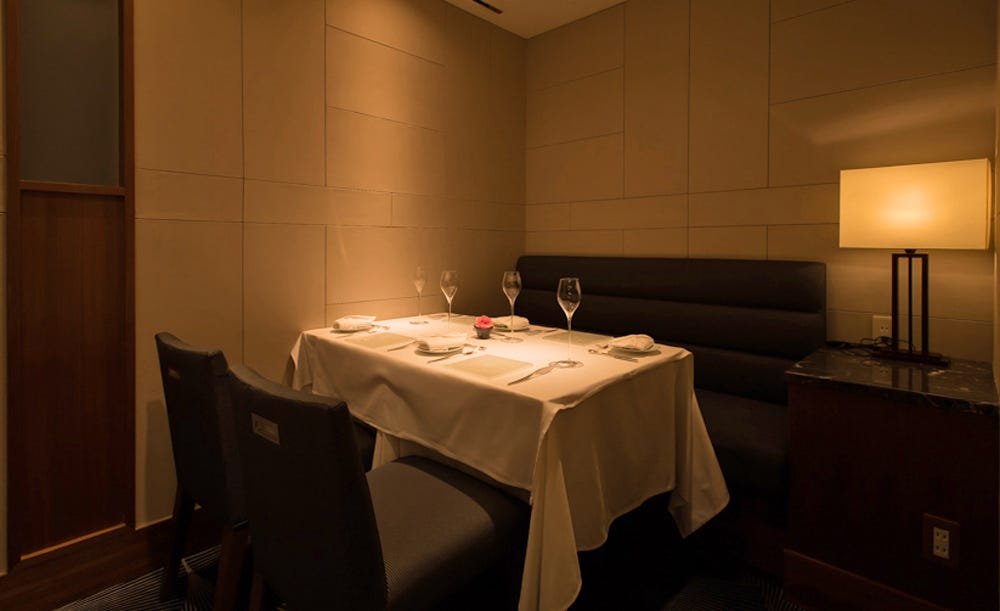
Minami-Aoyama and the Ethics of the Table
French fine dining in Tokyo has spent the better part of two decades in productive tension with Japanese ingredient culture. The earliest Michelin cycles rewarded technical precision; the more recent ones have begun to recognise restaurants that press that precision into the service of something harder to quantify: restraint in sourcing, accountability across the supply chain, and a structural commitment to reducing waste at every stage of the kitchen's operation. Minami-Aoyama, where ルメルシマン オカモト holds its ground-floor address on Minamiaoyama's third chome, sits at the centre of that conversation. This is a neighbourhood where chef-driven projects tend to be smaller in scale and longer in conviction, and where the dining proposition is rarely built around spectacle alone.
The address itself carries weight. B-Town, 1F, 3 Chome-6-7 Minamiaoyama places the restaurant within walking distance of several of Tokyo's most discussed tables. L'Effervescence, which has made sustainability architecture a defining part of its identity, and Crony, working an innovative Franco-Japanese idiom at the ¥¥¥¥ tier, both operate in the same conceptual orbit. The proximity is not incidental. Minami-Aoyama has developed a gravitational pull for restaurants that treat sourcing as an editorial decision rather than a marketing footnote.
Where Tokyo's French Kitchens Have Moved
The trajectory of French cuisine in Tokyo follows a recognisable arc. A first generation of chefs imported technique wholesale and built reputations on classical fidelity. A second generation, many trained in France and then returned, began reinterpreting through a Japanese lens, reaching for domestic producers and seasonal rhythms that no imported pantry could replicate. The current moment is defined by a third concern: the environmental cost of fine dining itself. How much is wasted? Where does protein originate, and under what conditions? Can a tasting menu model, by nature labour-intensive and ingredient-heavy, justify its footprint?
That question is live across Tokyo's top tier. L'Effervescence has built its reputation in part on answering it with structural rigour. Sézanne, at the Four Seasons Marunouchi, approaches the French canon from a different angle but operates at the same ¥¥¥¥ price register where sourcing decisions carry real cost implications. ルメルシマン オカモト enters this frame as a Minami-Aoyama address where the French tradition and a Japanese sensitivity to ingredient ethics are presumed to be in active conversation. The restaurant's name itself, a phonetic rendering of the French remerciement (an expression of gratitude), points toward a hospitality philosophy rooted in acknowledgment, both of the guest and of the producers behind the plate.
The Sustainability Frame in Japanese Fine Dining
Japan has a particular relationship with waste reduction that predates any contemporary sustainability rhetoric. The concept of mottainai, a term that expresses regret over waste and encompasses the full cycle of reduce, reuse, and recycle, is woven into food culture at every level from home cooking to high-end kaiseki. In the fine dining context, this translates into whole-animal utilisation, root-to-stem vegetable cookery, and a preference for regional producers operating at smaller, more accountable scales.
Across Japan, restaurants working within this ethic have found national and international recognition. HAJIME in Osaka has long framed its three-Michelin-star output through an ecological lens. Gion Sasaki in Kyoto works within kaiseki's seasonal discipline, which is itself a form of ingredient ethics. akordu in Nara draws on Basque technique applied to hyper-local Nara produce. Further afield, Goh in Fukuoka has made Kyushu's agricultural specificity a point of culinary identity. Even at the regional level, addresses like 一本杉 川嶋 in Nanao and 琵琶湖畔 in Takashima reflect a Japan-wide emphasis on geographic rootedness as both flavour strategy and environmental posture.
French kitchens in Tokyo that want to participate in this conversation have to do so on Japanese terms. The ingredient networks, the seasonal calendar, and the producer relationships that give sustainability claims their credibility in this market are built over years and cannot be imported with a menu format. Restaurants in the Aoyama corridor, operating at higher price points and with a clientele that expects both technical refinement and ingredient transparency, face this test acutely.
Situating ルメルシマン オカモト in Its Competitive Set
The restaurant is a modern French restaurant in Minato City, Tokyo, with a price point around $100 per person. What the address and neighbourhood confirm is the competitive context. Minami-Aoyama restaurants of this type price and position against a peer group that includes the ¥¥¥¥ French tables listed above, as well as Tokyo's broader omakase and kaiseki circuit. Harutaka in Ginza, operating at the ¥¥¥¥ sushi tier, and RyuGin, the Roppongi kaiseki counter with three Michelin stars, represent the altitude at which Aoyama's French addresses compete for the same dining occasion.
The international frame extends further. Le Bernardin in New York City, a sustained benchmark for French technique applied to a single ingredient category, and Atomix in New York City, which applies a Korean fine dining sensibility with structural rigour, both illustrate how sourcing integrity and technical discipline coexist at the summit of the market across different culinary traditions. Tokyo's French tier operates within that same global expectation set.
For context on how the broader Japan restaurant scene is mapped, covers the range of cuisines and price tiers across the city's key neighbourhoods. Regional addresses worth considering alongside a Tokyo visit include 北海道 in Sapporo, 鶴羽屋 in Nishikawa Machi, Birdland in Sakai, and Bistro Ange in Toyohashi, each operating in distinct regional food cultures that reward lateral exploration of Japan's dining geography.
Planning Your Visit
Current hours are Mon to Sun, 11:30 AM to 1:30 PM and 6 PM to 8:30 PM. Reservations are recommended. Location: B-Town, 1F, 3 Chome-6-7 Minamiaoyama, Minato City, Tokyo 107-0062. Access: The Minami-Aoyama address is served by the Ginza, Chiyoda, and Hanzomon lines via Omotesando Station, a short walk from the restaurant. Reservations: Given the neighbourhood's concentration of sought-after tables, advance booking is advisable;
Cost and Credentials
Comparable venues nearby, for context on price, style, and recognition.
| Venue | Cuisine | Price | Notes |
|---|---|---|---|
| ルメルシマン オカモトThis venue — the venue you are viewing | Not listed | $$$ | Not listed |
| PIERRE HERME PARIS Aoyama | Not listed | $$$ | Shibuya, Modern French patisserie & dessert salon |
| Comptoir Misago | Minato, Cozy French Bistro & Wine Bar | $$$ | Not listed |
| 青山ブション アミュゼ | Not listed | $$$ | Minato, French Bistro with Italian influences |
| クラージュ | Not listed | $$$ | Minato, Modern French with Japanese Ingredients |
| Air | Not listed | $$$ | Chūō, Modern French with Japanese Ingredients |
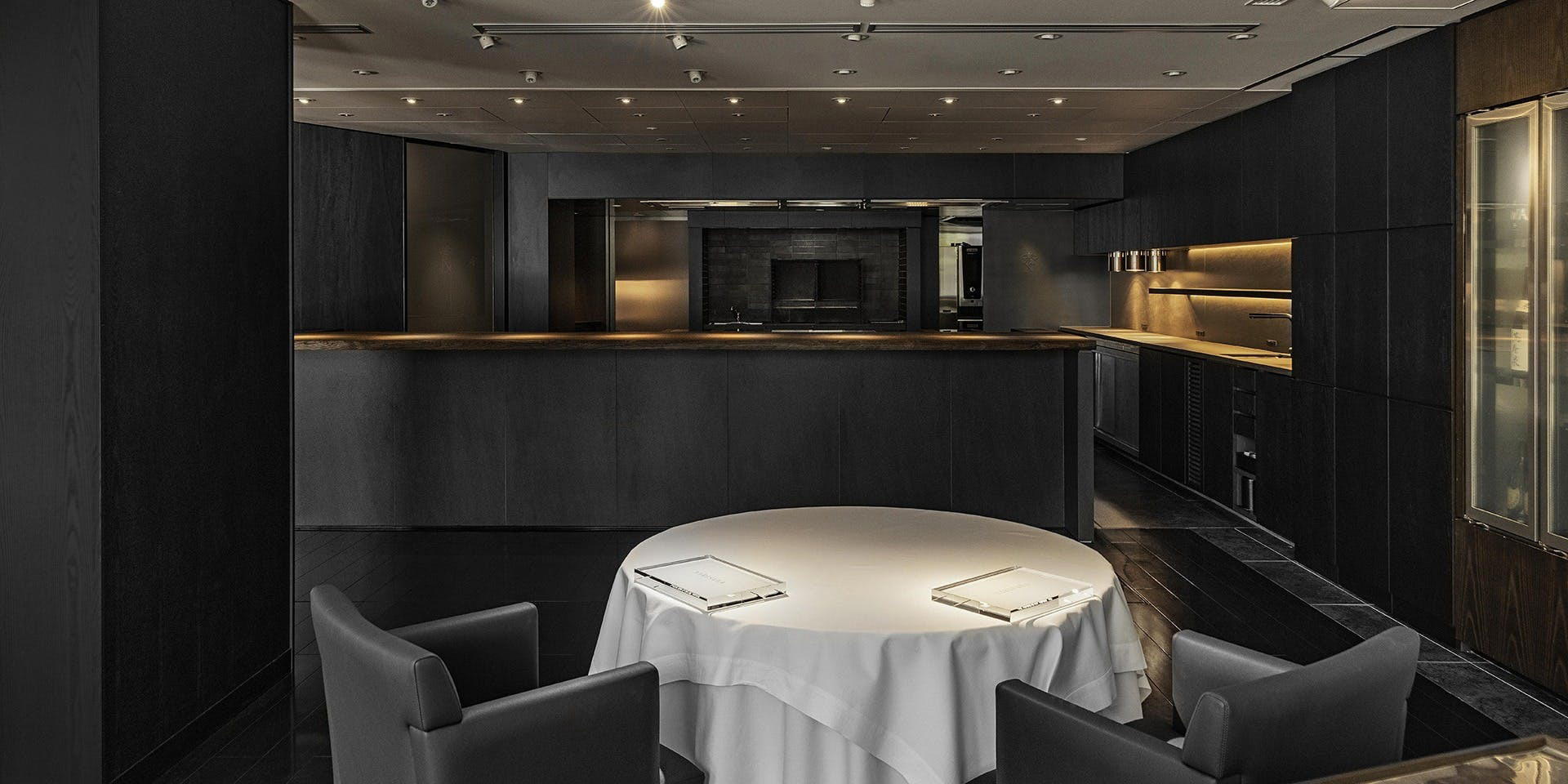



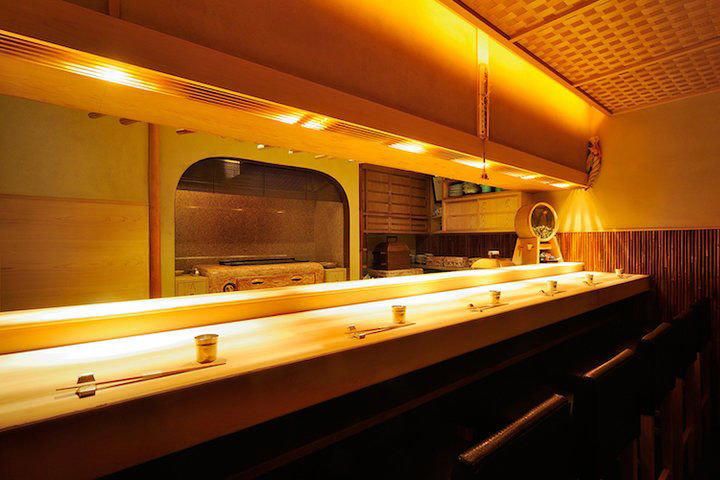










At a Glance
- Elegant
- Cozy
- Sophisticated
- Date Night
- Special Occasion
- Open Kitchen
- Sake Program
- Local Sourcing
Current opening hours
- Monday
- 11:30 AM–1:30 PM, 6–8:30 PM
- Tuesday
- 11:30 AM–1:30 PM, 6–8:30 PM
- Wednesday
- 11:30 AM–1:30 PM, 6–8:30 PM
- Thursday
- 11:30 AM–1:30 PM, 6–8:30 PM
- Friday
- 11:30 AM–1:30 PM, 6–8:30 PM
- Saturday
- 11:30 AM–1:30 PM, 6–8:30 PM
- Sunday
- 11:30 AM–1:30 PM, 6–8:30 PM
Hours can change for holidays and private events. Last verified .
白を基調とした上品で静かな雰囲気。