Air occupies the eighth floor of EXIT MELSA in Ginza's 5-chome district, placing it inside one of Tokyo's most concentrated corridors of high-end dining. The address alone signals a particular tier of seriousness, where the surrounding comparable set runs from precision sushi counters to contemporary kaiseki rooms. Sparse on public detail by design, Air rewards those who arrive with context rather than a checklist.
Pearl is the En Primeur Club membership app — saves, bookings, and concierge access live there. Same editors, same standards.
- Address
- Japan, 〒104-0061 Tokyo, Chuo City, Ginza, 5 Chome−7−10 EXIT MELSA 8階
- Phone
- +81362645900
- Website
- restaurant-air.com
- Directions
- Get directions
 Saves & bookings on Pearl
Ginza's Upper Floor, Upper Tier
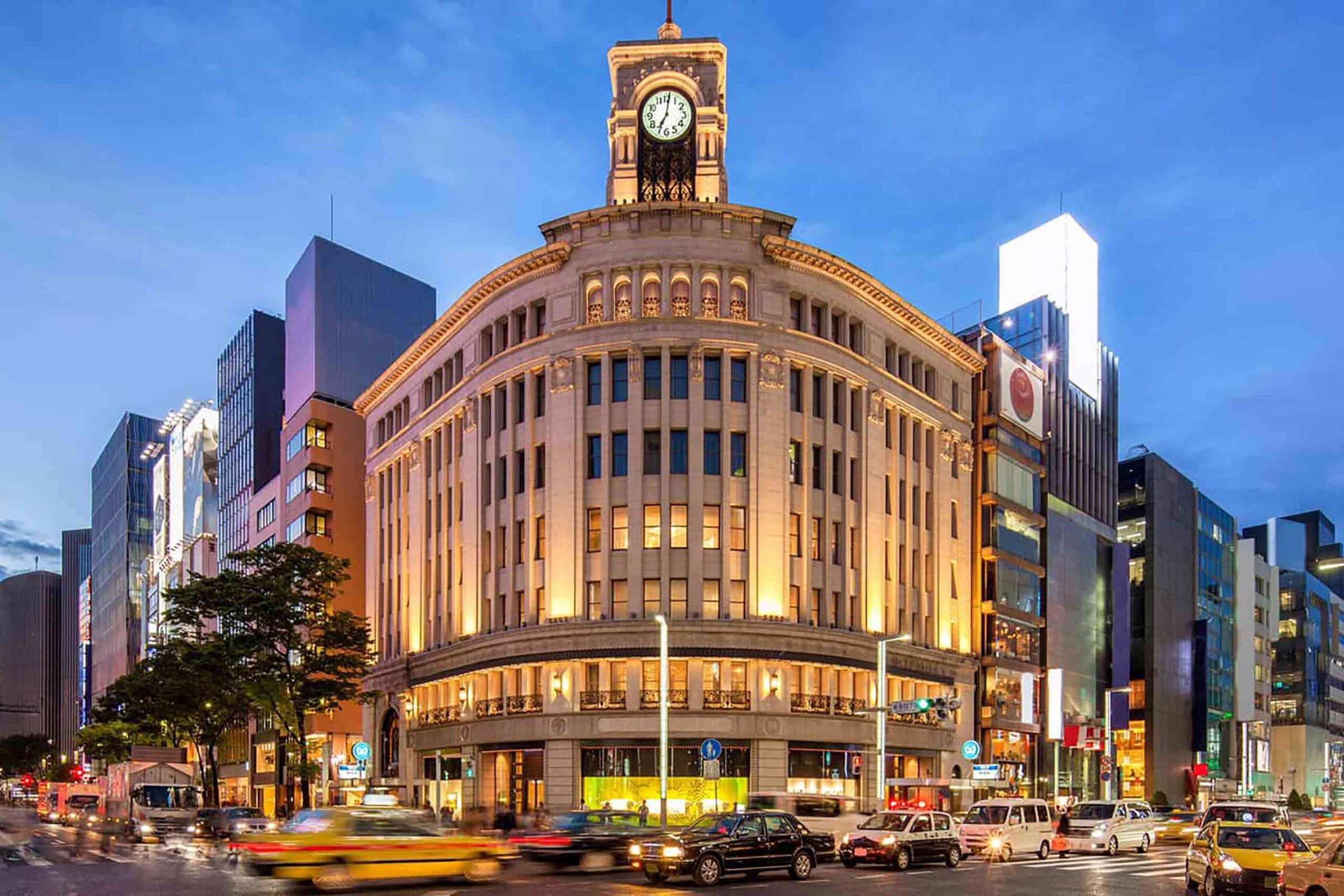
The eighth floor of a Ginza department building is a specific kind of address in Tokyo's dining hierarchy. It is not the ground-level accessibility of a neighbourhood bistro, nor the basement discretion of a speakeasy counter. It sits mid-rise, which in Ginza's vertical dining geography tends to correlate with a particular register: formal without being ceremonial, destination-focused without being tourist-facing. Air, at EXIT MELSA on 5-chome, occupies that register.
Ginza 5-chome is worth understanding as a zone rather than a street corner. The district has long functioned as the address of record for Tokyo restaurants that want the prestige of a Ginza postcode without the foot traffic of the main Chuo-dori strip. Air sits alongside venues like Harutaka, where precision and restraint carry more weight than theatrics, and rooms like RyuGin, which has defined what contemporary Japanese fine dining can mean when it operates at full confidence. The implicit benchmark in this corridor is high.
The Architecture of a Meal at This Altitude
Tokyo's upper-tier dining rooms have, over the past decade, converged on a particular meal structure: a tasting progression where each course functions as a discrete argument rather than a transitional moment. The format has European roots, absorbed and reconfigured by Japanese culinary logic until the seams are largely invisible. What distinguishes the better rooms in this tier is not the number of courses but the quality of the transitions, how one dish makes the next feel inevitable rather than arbitrary.
At this level in Ginza, the meal typically opens with a sequence designed to orient rather than impress. Small bites or a first cold course establish the kitchen's sensibility before proteins arrive and the pacing shifts. By the time a meal reaches its midpoint in these rooms, the diner is being asked to track cumulative flavour logic rather than simply react to individual dishes. Venues like L'Effervescence and Sézanne have each built strong followings on precisely this kind of sustained coherence across a full progression, and both operate in the ¥¥¥¥ tier that represents the upper bracket of Tokyo's contemporary fine dining scene.
Air's address and positioning suggest it is calibrated for the same audience: diners who book weeks or months ahead, who arrive having eaten widely in the city, and who use a single long meal as the primary act of an evening rather than a stop within a larger itinerary. This is the demographic that reads a wine list as seriously as it reads a menu, and that notices whether a room's acoustics allow conversation at normal volume, a detail the leading Ginza rooms have quietly prioritised as the competitive set has grown.
Progression, Pacing, and the Logic of the Room
Contemporary multi-course formats in Tokyo sit on a spectrum between kaiseki-adjacent restraint and European-influenced richness. Crony, operating in the innovative French register at the ¥¥¥¥ tier, has demonstrated that younger Tokyo kitchens are willing to push that spectrum toward intensity and idiosyncrasy. The more classically grounded rooms tend to let produce and sourcing carry the argumentative weight, with technique receding from view.
What a meal in this bracket asks of a diner is a willingness to follow the kitchen's sequence without deviation. The tasting progression format is not a menu in the conventional sense; it is closer to a score, where rhythm and contrast are compositional decisions made before service begins. Rooms that execute this well tend to be small, because the format depends on the kitchen maintaining control of every plate's timing simultaneously. Japan's broader fine dining geography reflects this: HAJIME in Osaka and Gion Sasaki in Kyoto both operate in formats where the evening's shape is non-negotiable, and both have built reputations that travel nationally and internationally on that discipline.
Ginza's concentration of rooms operating at this level creates a particular kind of competitive pressure. A kitchen cannot rely on neighbourhood novelty or a destination narrative the way a comparable room in Nara or Fukuoka might. It competes directly, on the same night, against rooms that have Michelin recognition and decades of reservations history. That pressure tends to produce either focused kitchens or short-lived ones.
How Air Sits in the Broader Tokyo Picture
Tokyo's fine dining map has expanded well beyond its traditional Ginza and Roppongi anchors. Venues from Nanao to Sapporo and smaller regional rooms in areas like Takashima and Nishikawa Machi have demonstrated that the country's sourcing and technique infrastructure supports serious cooking far from the capital. This geographic spread has, paradoxically, reinforced Ginza's position as the reference tier: if a room holds a prestigious Ginza address, the implicit claim is that it can stand comparison with the capital's most competitive comparable set.
For international visitors calibrating Tokyo against other global dining cities, the useful comparison runs through New York's upper-tier progressive rooms. Le Bernardin represents one pole of that comparison: a kitchen built on French classical foundations that has maintained sustained critical recognition over decades. Atomix represents another: a Korean-led tasting format that has been recognised at the highest levels for its combination of technique, narrative, and cultural specificity. Tokyo's Ginza tier occupies a different cultural register but shares the same structural logic: a small number of rooms operating at the boundary of what a long, expensive, carefully sequenced meal can achieve.
Venues outside the traditional urban cores, like Birdland in Sakai or Bistro Ange in Toyohashi, illustrate how Japan's broader dining culture distributes serious cooking across unexpected postcodes. Air's Ginza address represents the opposite end of that distribution: maximum urban density, maximum peer-set competition, maximum expectation of format discipline. For a full picture of where this room sits within the capital's wider dining options, the the guide Tokyo restaurants guide maps the relevant tiers and neighbourhoods in detail.
Planning a Visit
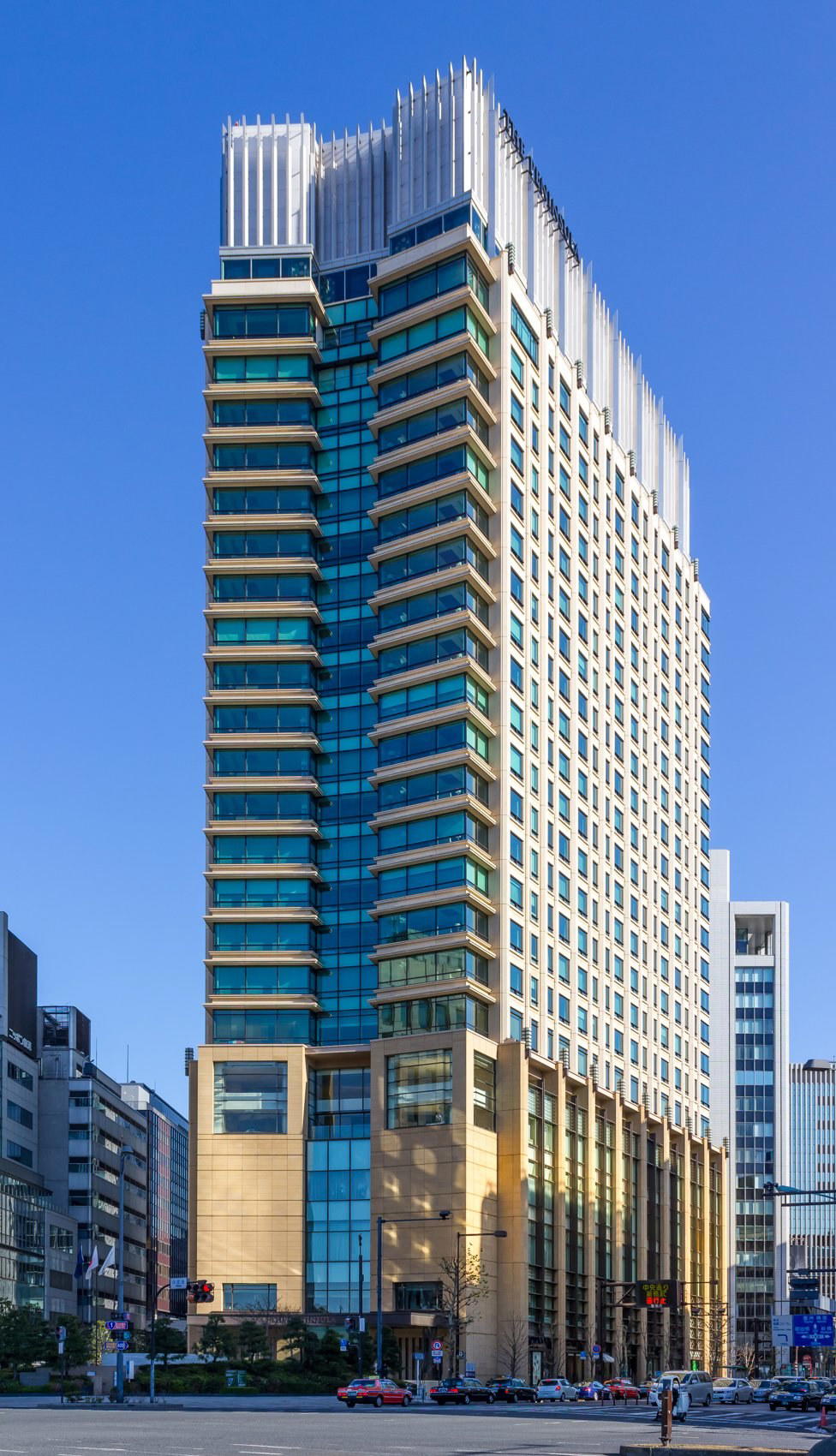
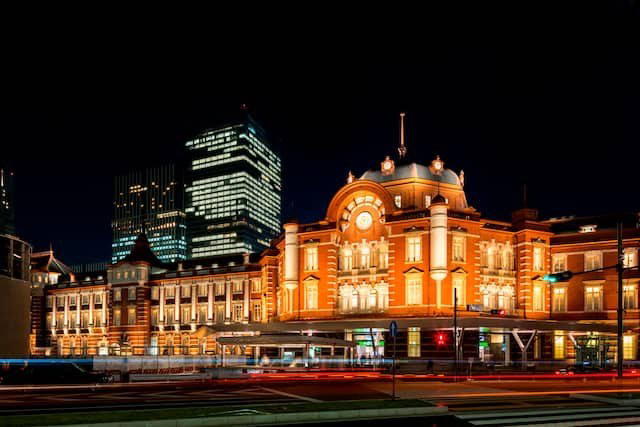
Air is located on the eighth floor of EXIT MELSA, 5-7-10 Ginza, Chuo City, Tokyo. The building sits in the 5-chome section of Ginza, within walking distance of Ginza Station on the Tokyo Metro Ginza, Hibiya, and Marunouchi lines, with Higashi-Ginza Station on the Toei Asakusa Line also close by. Given the address tier and format type, advance booking is the expected approach; walk-in availability at this level in Ginza is uncommon, and the room's tasting progression format requires kitchen preparation that precludes last-minute arrangements.
Where It Fits
Comparable venues nearby, for context on price, style, and recognition.
| Venue | Cuisine | Price | Notes |
|---|---|---|---|
| AirThis venue — the venue you are viewing | Modern French with Japanese Ingredients | $$$ | Not listed |
| マチュリテ | Modern French Bistro | $$$ | Chūō |
| ルメルシマン オカモト | Modern French with Hokkaido ingredients | $$$ | Minato |
| デュ バリー | Casual French Bistro with Reims Regional Specialties | $$$ | Setagaya |
| Floraison | Modern French with wine pairing | $$$ | Shinjuku |
| グルマンディーズ | French Bistro with Wagyu | $$$ | Minato |





At a Glance
- Modern
- Elegant
- Sophisticated
- Intimate
- Date Night
- Business Dinner
- Special Occasion
- Celebration
- Open Kitchen
- Design Destination
- Standalone
- Extensive Wine List
- Sommelier Led
- Local Sourcing
Current opening hours
- Monday
- 12–3 PM, 6:30–10 PM
- Tuesday
- 12–3 PM, 6:30–10 PM
- Wednesday
- 12–3 PM, 6:30–10 PM
- Thursday
- 12–3 PM, 6:30–10 PM
- Friday
- 12–3 PM, 6:30–10 PM
- Saturday
- 12–3 PM, 6:30–10 PM
- Sunday
- 12–3 PM, 6:30–10 PM
Hours can change for holidays and private events. Last verified .
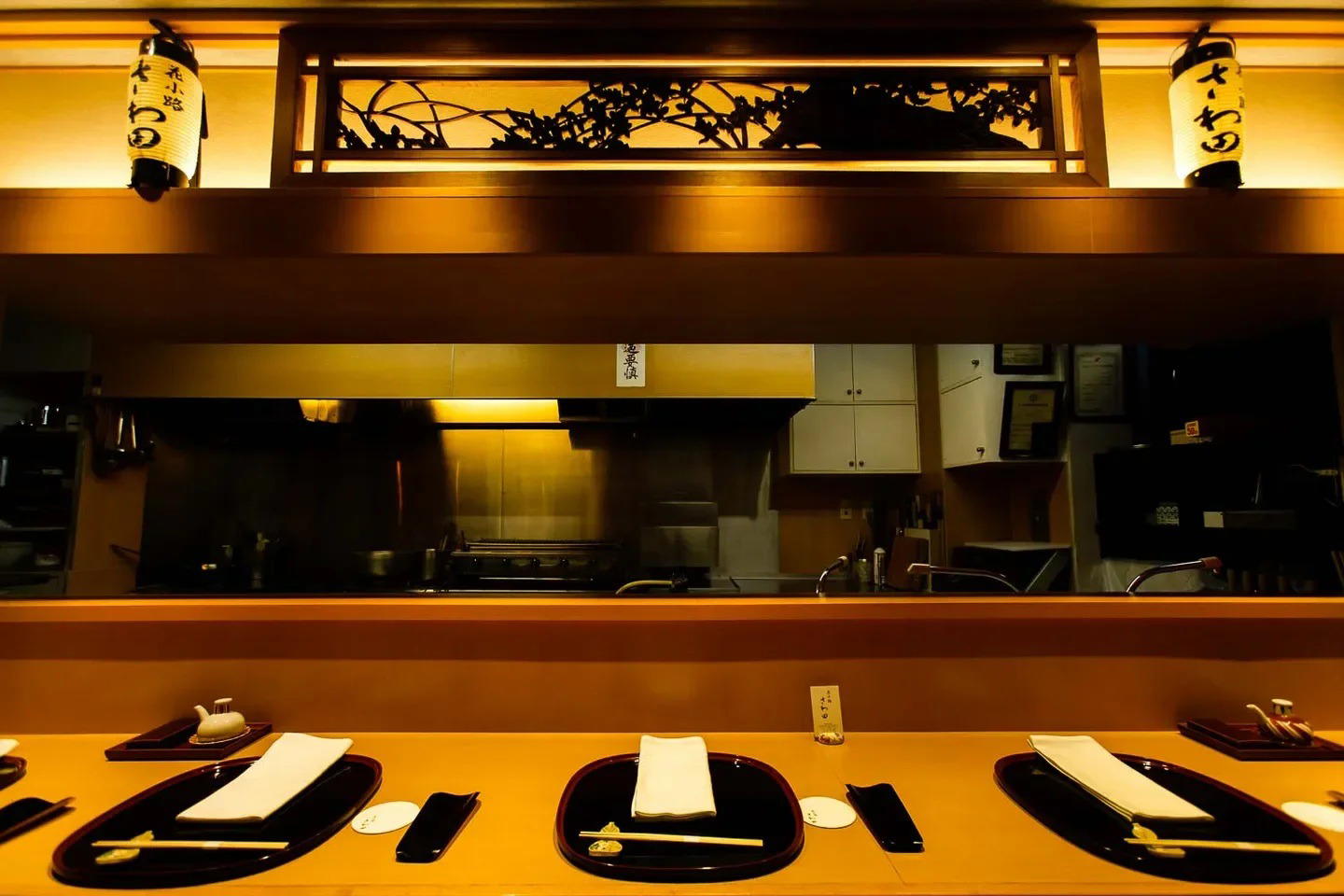
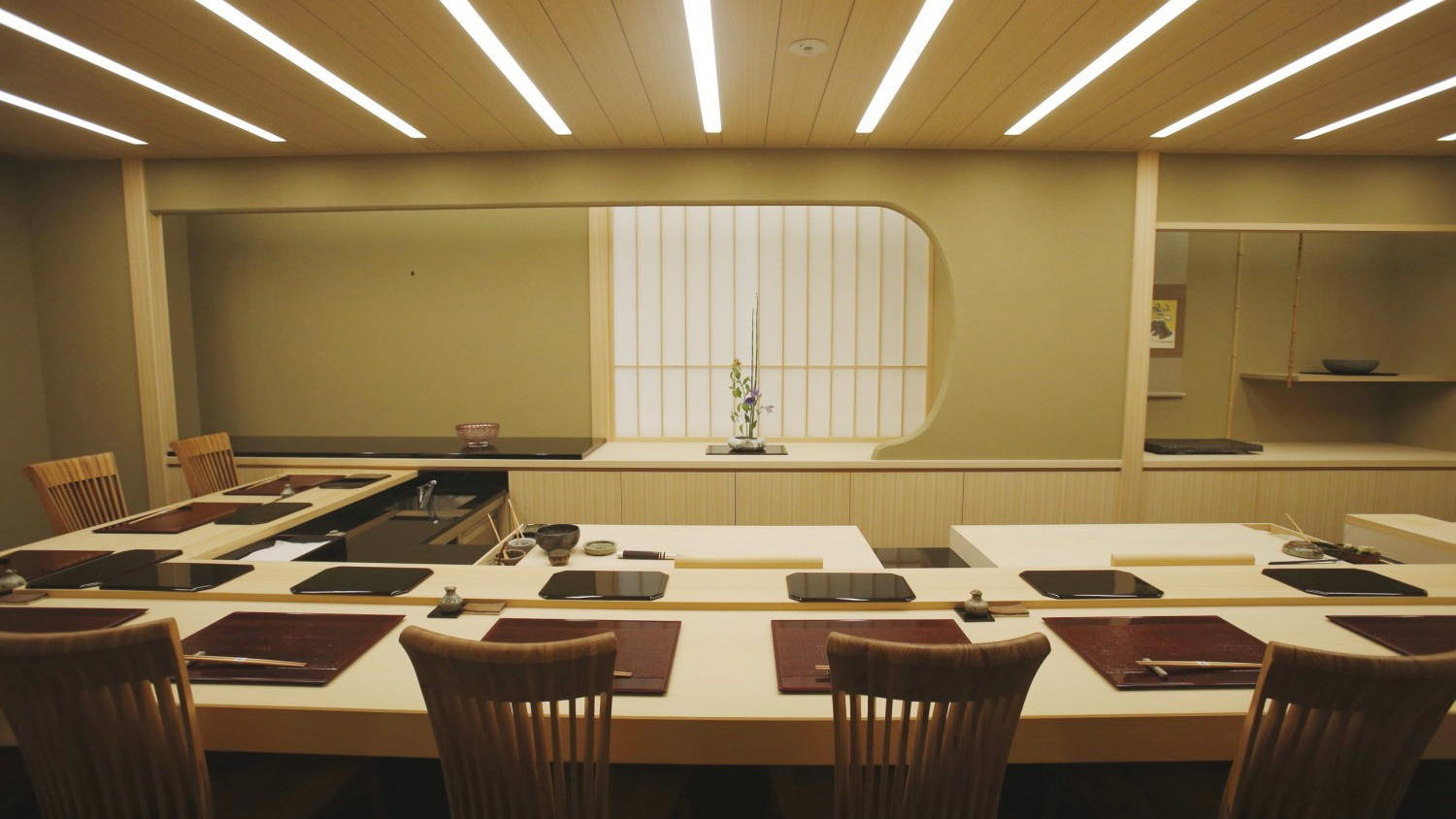
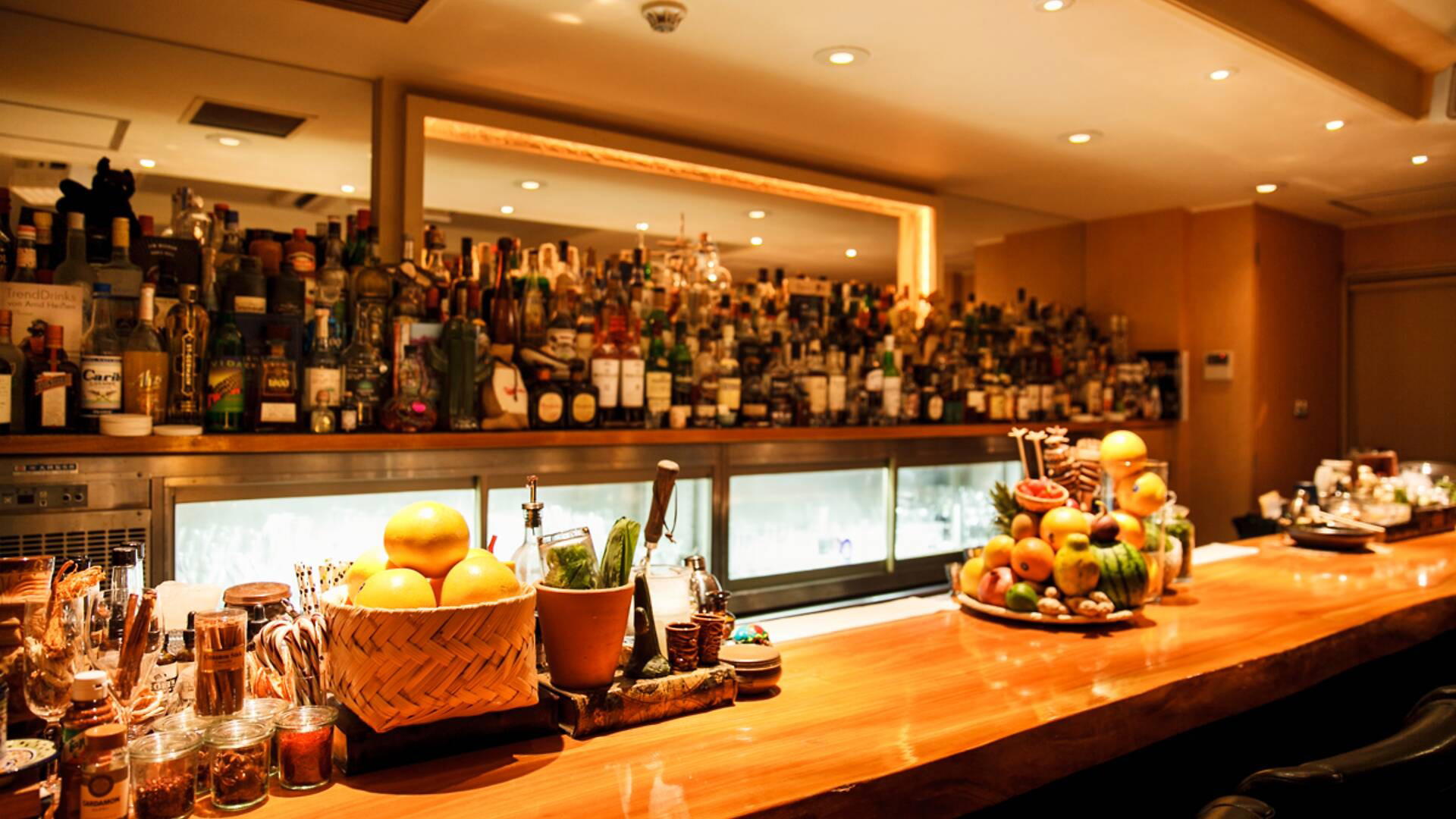
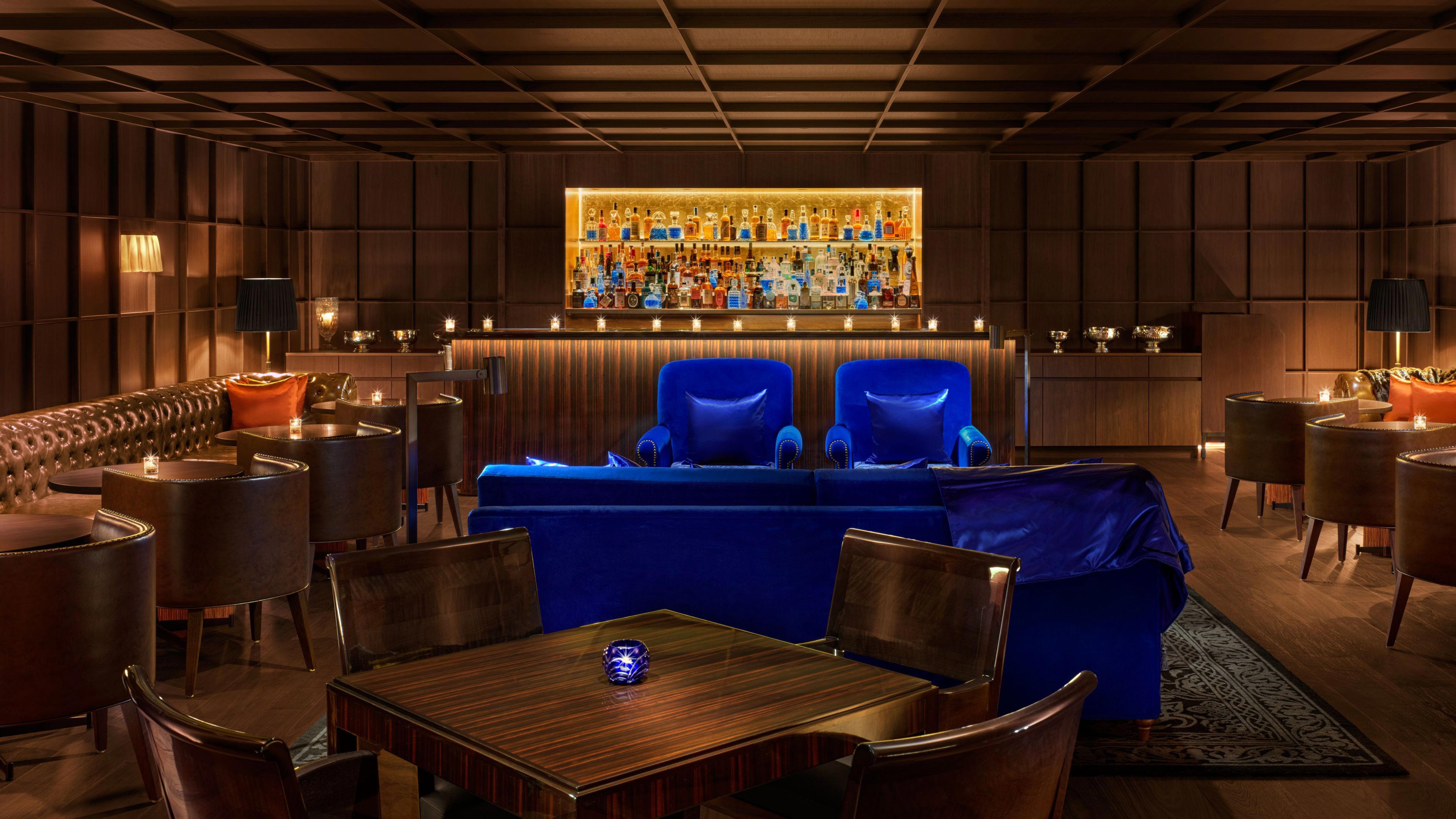
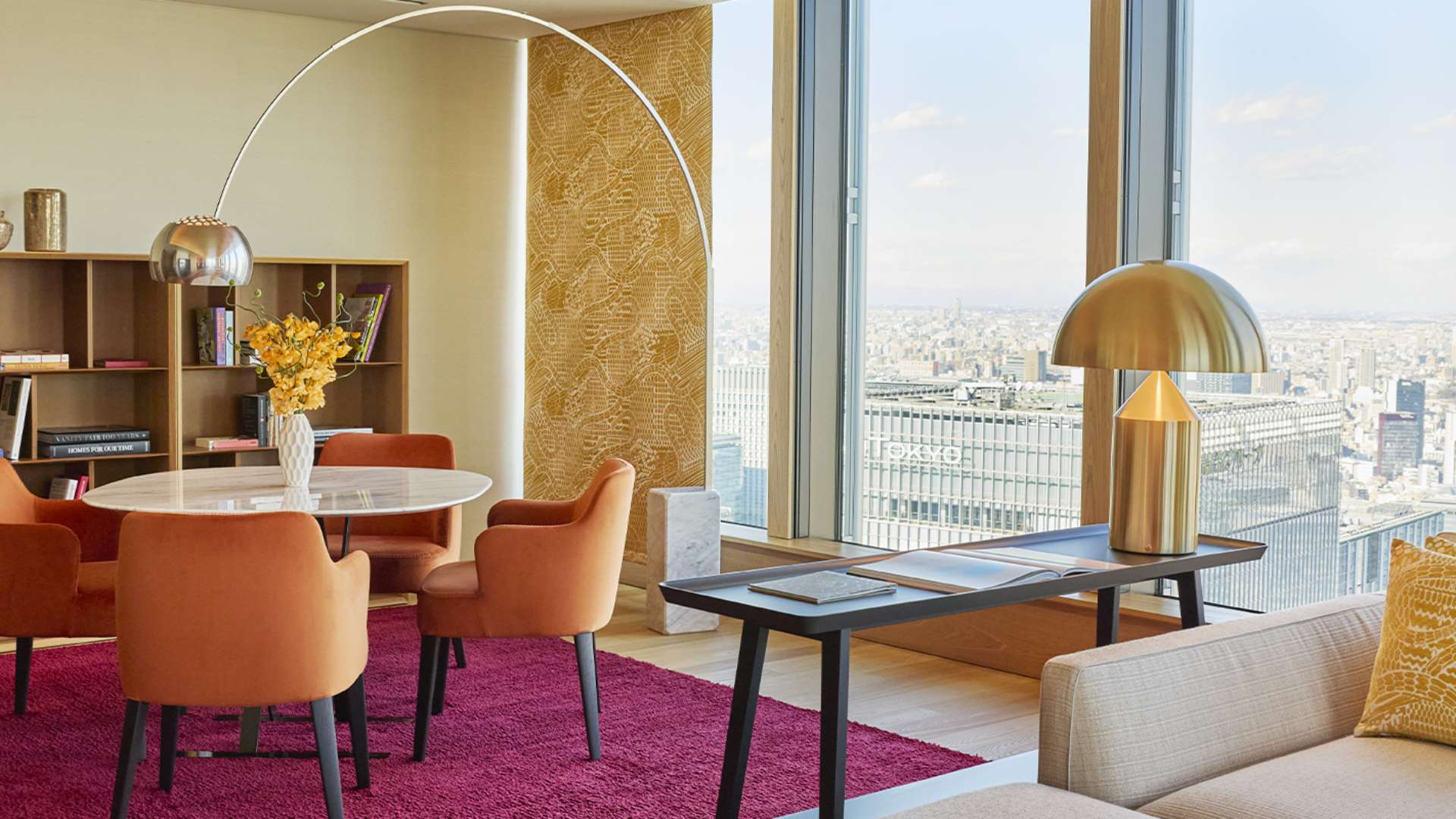
Understated sophistication with soft beige tones and meticulously selected tableware; located on the 8th floor with refined, intimate atmosphere.