On a narrow lane just south of Rokkaku-dori in central Kyoto, Tominokoji Yamagishi occupies the kind of address that demands advance planning rather than impulse visits. The restaurant operates within Kyoto's kaiseki tradition, where seasonal ingredient cycles and counter-format precision define the dining structure. Reservations at this level of the Kyoto dining tier typically require weeks of lead time and, in many cases, a Japanese-language intermediary.
Pearl is the En Primeur Club membership app — saves, bookings, and concierge access live there. Same editors, same standards.
- Address
- 中京区骨屋之町560 (富小路通六角下る), 京都市, 京都府, 604-8064
- Phone
- +81757087865
- Website
- tominokoji-yamagishi.com
- Directions
- Get directions
 Saves & bookings on Pearl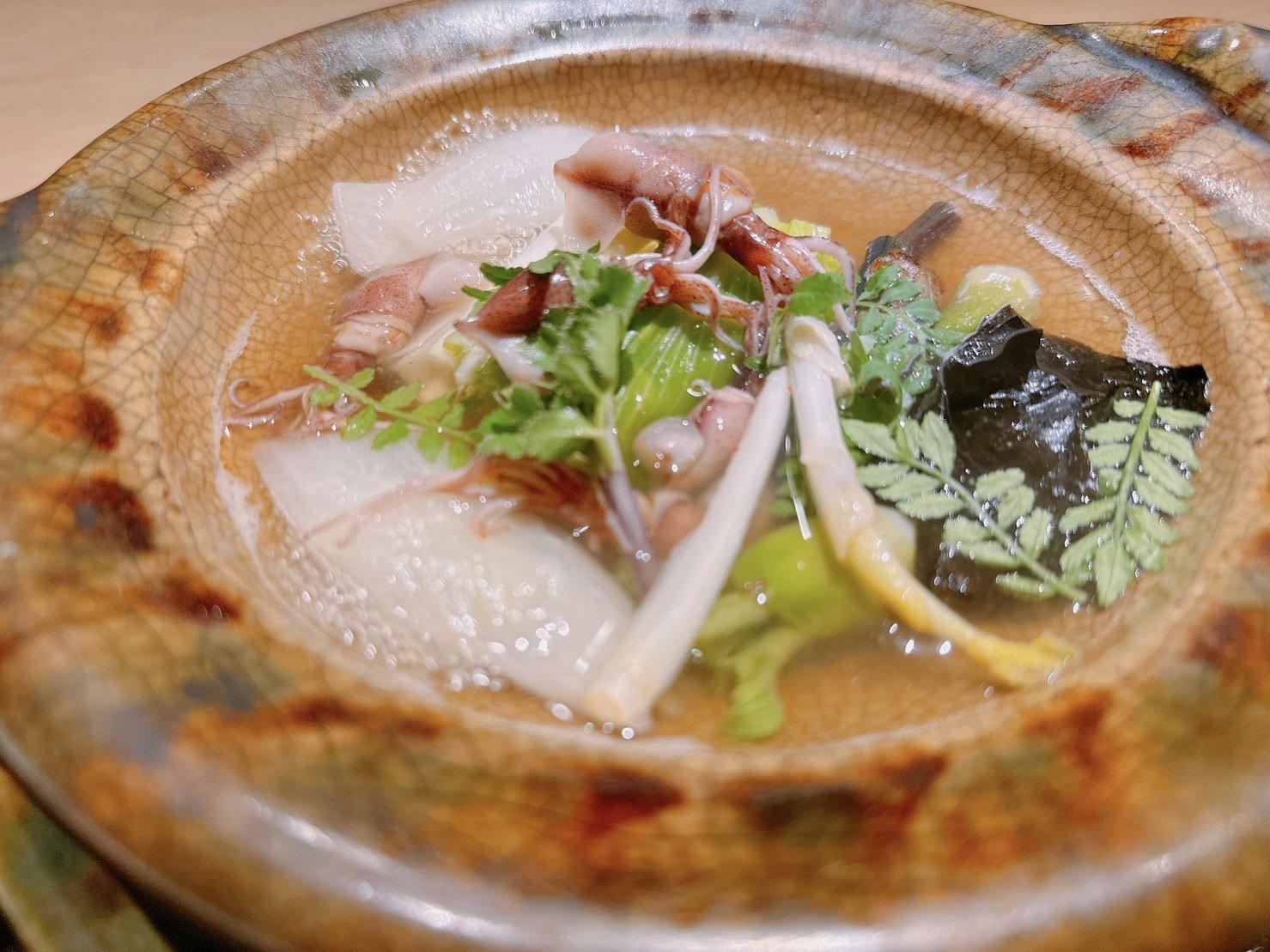
The Address and What It Signals
Tominokoji-dori runs north to south through central Kyoto, passing through the Nakagyo ward between Sanjo and Shijo. It is not a tourist corridor. The street carries a working-neighbourhood density, lined with machiya townhouses in various states of preservation and occasional specialty food suppliers who have operated on the same block for generations. An address at Tominokoji and Rokkaku places a restaurant firmly within the old commercial and culinary fabric of the city, away from the gallery-facing restaurants of Gion or the hotel-adjacent dining rooms of Kawaramachi. That positioning is itself a statement: the kitchen does not need a famous street to fill its seats.
Kyoto's leading kaiseki counters have long understood that reputation travels independently of location. The reservation list is the primary marketing tool at this tier. Tominokoji Yamagishi operates within that logic.
Booking as the First Test
The city's upper-tier kaiseki restaurants have tightened their reservation windows over the past decade, and the difficulty of securing a table has become a de facto credential in itself. Restaurants that are easy to book at short notice occupy a different competitive tier than those requiring coordination weeks or months ahead.
Where Tominokoji Yamagishi Sits in the Kyoto Kaiseki Tier
Kyoto's kaiseki scene operates on an unusually compressed hierarchy. At the upper end sit multi-generation houses with documented Michelin recognition and decades of critical attention: Hyotei, Kikunoi Honten, and Isshisoden Nakamura among them. Below that, a second layer of restaurants holds three-star equivalent reputations without always carrying the formal award, often because they operate at lower capacities or have not sought listing. A third tier is broader still, covering competent kaiseki that meets a high technical standard.
Tominokoji Yamagishi is positioned within the serious mid-to-upper segment of that structure. Its Nakagyo address and counter format point toward a kitchen operating at a level where the clientele expects seasonal precision, ingredient provenance, and a progression of courses calibrated to the specific week of the year rather than a fixed seasonal menu. In this it resembles the model followed by Gion Sasaki and Mizai, both of which operate in the same tier of Kyoto's fine-dining hierarchy.
For comparison outside Kyoto, the counter-kaiseki format and booking discipline here have parallels in HAJIME in Osaka and, at greater distance, in the omakase structure of Harutaka in Tokyo. Beyond Japan, the tasting-counter format at Atomix in New York City draws on comparable principles of sequential, seasonal progression within a fixed-seat counter.
What to Expect from the Format
Kaiseki at this level is a structured, course-by-course progression rooted in the tea ceremony kaiseki tradition, later expanded into the formal restaurant format now codified across Kyoto's high-end dining rooms. The sequence typically moves from sakizuke (a small opening course) through hassun (a seasonal tray), yakimono (grilled course), and on to rice, pickles, and a closing sweet. The number and arrangement of courses varies by kitchen, but the underlying logic is temporal: each dish marks a point in the season, and the ingredient choices are specific enough that a returning guest eating two weeks apart would encounter a meaningfully different meal.
At serious Kyoto counters, the kaiseki format is not a menu from which guests select. The kitchen decides the progression, and dietary accommodations, where possible, must be communicated in advance. This is standard practice across the tier, not a restriction specific to any single restaurant. Guests with significant dietary requirements should confirm the kitchen's capacity to adjust before booking rather than upon arrival.
Parallel kaiseki structures at Nara-area restaurants like akordu or the regional counter formats seen in properties like 一本木 石川製 in Nanao or 夕佳亭山乃 in Sapporo share the same foundational logic, though the ingredient vocabulary shifts by region. The Kyoto version prioritises the city's own dashi traditions, specific local vegetables (kyo-yasai), and proximity to the Nishiki market supply chain.
The Counter Itself
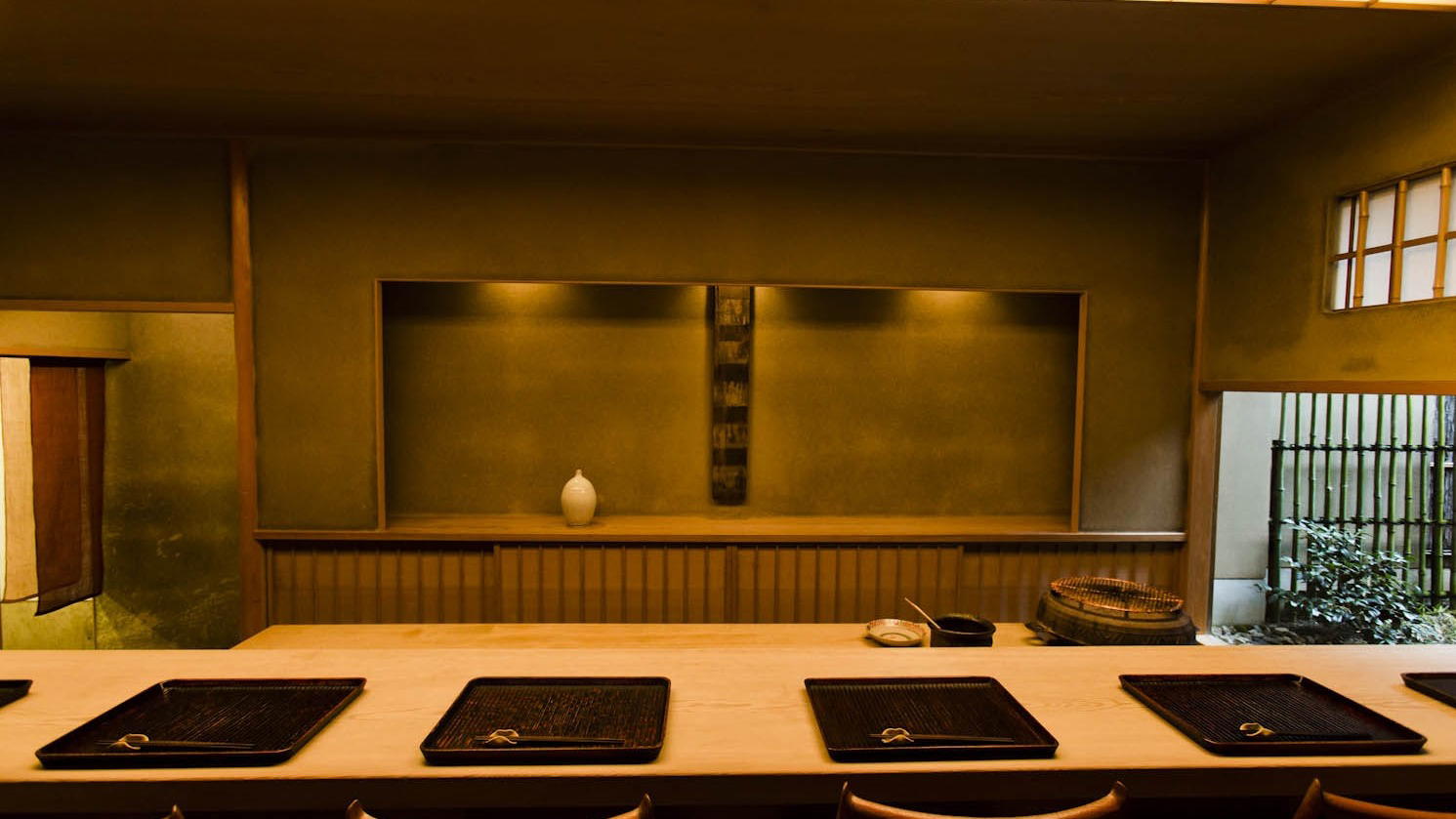
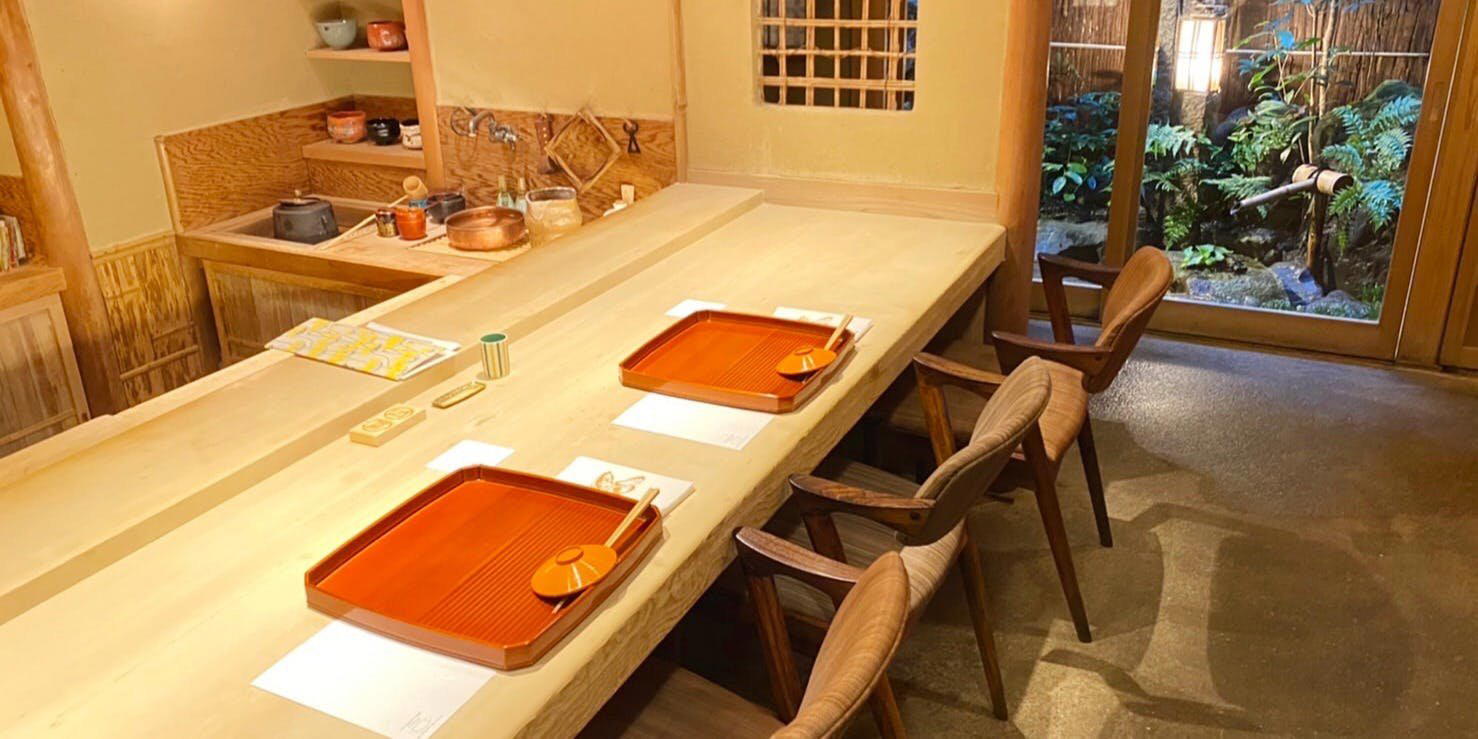
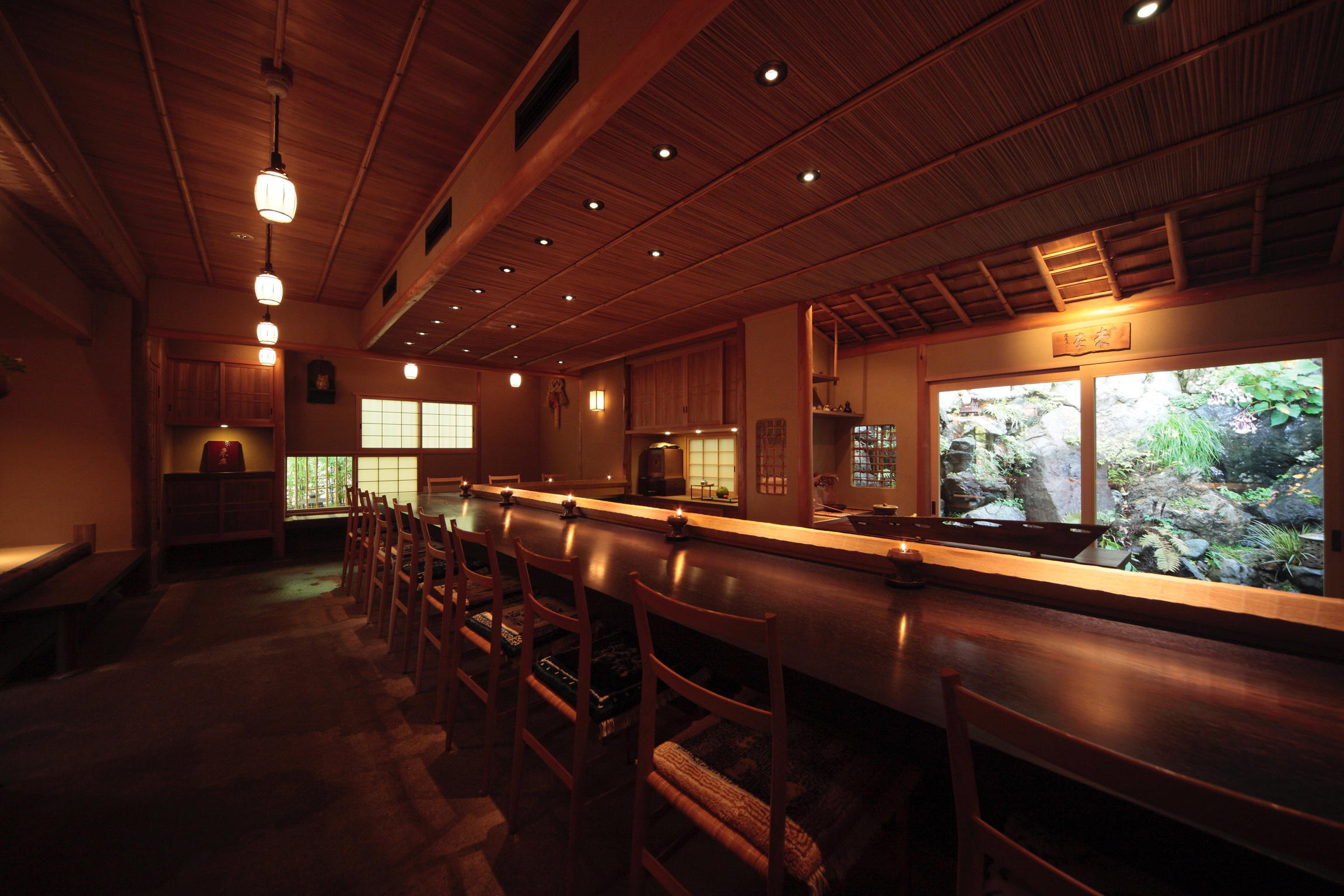
Central Kyoto kaiseki counters at this price and reputation tier typically seat between eight and fourteen guests, often in a single sitting per service. The physical setting matters to the experience in a specific way: a counter format places guests in direct sightline of the kitchen's preparation, and the pacing of the meal is set by the kitchen rather than by table-service rhythms. The room itself, in the machiya tradition, tends toward a compressed, wood-heavy setting with natural material choices that reference the building's pre-modern origins even when the interior has been recently updated.
For guests accustomed to the open-kitchen counter format at technically demanding restaurants in other cities, such as Le Bernardin in New York or Goh in Fukuoka, the Kyoto kaiseki counter introduces an additional layer of ritual in service and presentation that distinguishes it from purely technique-focused formats.
Know Before You Go
Know Before You Go
- Address: 中京区骨屋之町560 (富小路通六角下る), Kyoto 604-8064
- Booking: Appointment only.
- Format: Fixed kaiseki progression; dietary restrictions must be declared at time of booking, not on arrival.
- Nearest major reference: Nakagyo ward, central Kyoto, on Tominokoji-dori.
- Attire: Smart casual is the floor at this tier; formal dress is not required but visibly casual clothing is out of place.
Regional context across the Kansai area also extends to venues like 湖畔荘 in Takashima and 庄羽屋 in Nishikawa Machi, which operate within adjacent regional culinary traditions. Those planning a broader Japan itinerary around serious counter dining might also consider Birdland in Sakai or Bistro Ange in Toyohashi as part of a wider Kansai and Tokai circuit.
Cuisine Lens
Comparable venues nearby, for context on price, style, and recognition.
| Venue | Cuisine | Price | Notes |
|---|---|---|---|
| Tominokoji Yamagishi (富小路やま岸)This venue — the venue you are viewing | Kyoto Cha-Kaiseki | $$$$ | Not listed |
| 鮨よし田 | Edomae Sushi with Kyoto Influences | $$$$ | Higashiyama |
| ぎをん福志 | 京懐石 | $$$$ | 祇園 |
| Kichisen | Kyoto Kaiseki | $$$$ | Sakyō |
| Toriyasa | Traditional Japanese Mizutaki | $$$$ | Shimogyō |
| 寿し 祇園 松田屋 | Edomae Omakase Sushi | $$$$ | Higashiyama |
Continue exploring
More in Kyoto
Restaurants in Kyoto
Browse all →

Bars in Kyoto
Browse all →


Hotels in Kyoto
Browse all →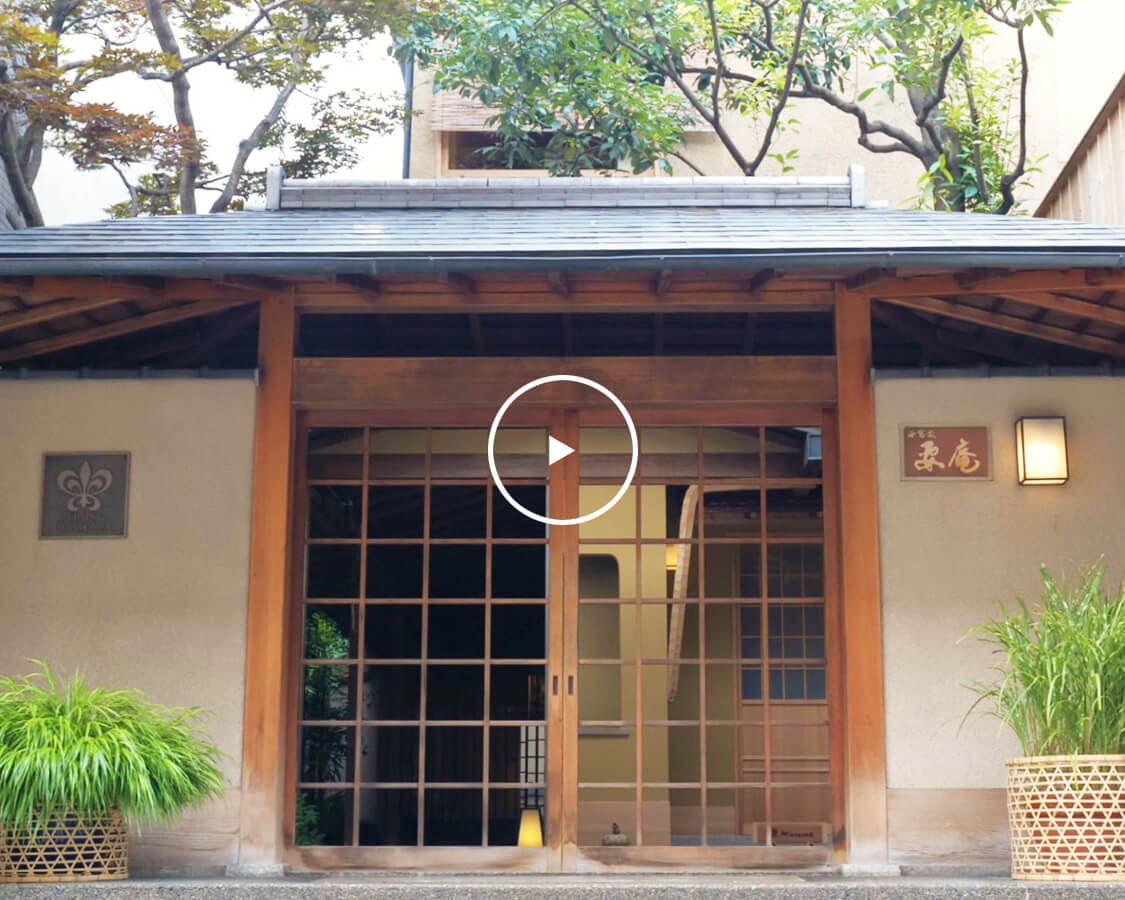

Wineries in Kyoto
Browse all →
At a Glance
- Quiet
- Classic
- Elegant
- Intimate
- Sophisticated
- Special Occasion
- Celebration
- Business Dinner
- Date Night
- Chefs Counter
- Historic Building
- Standalone
- Sake Program
- Sommelier Led
- Local Sourcing
Current opening hours
- Monday
- 6–11 PM
- Tuesday
- Closed
- Wednesday
- 6–11 PM
- Thursday
- 6–11 PM
- Friday
- 6–11 PM
- Saturday
- 6–11 PM
- Sunday
- 6–11 PM
Hours can change for holidays and private events. Last verified .
A serene, tea-room-inspired Japanese space with a traditional noren entrance and stone-paved approach, creating a quiet and formal atmosphere.