寿し 祇園 松田屋 serves Edomae omakase sushi at a chefs counter in Kyoto, with sustainable seafood, a sake program, and a quiet, leisurely dinner format.
Pearl is the En Primeur Club membership app — saves, bookings, and concierge access live there. Same editors, same standards.
- Address
- 570-123 Gionmachi Minamigawa, Higashiyama Ward, Kyoto, 605-0074, Japan
- Phone
- +819037213338
- Website
- gion-matsudaya.com
- Directions
- Get directions
 Saves & bookings on Pearl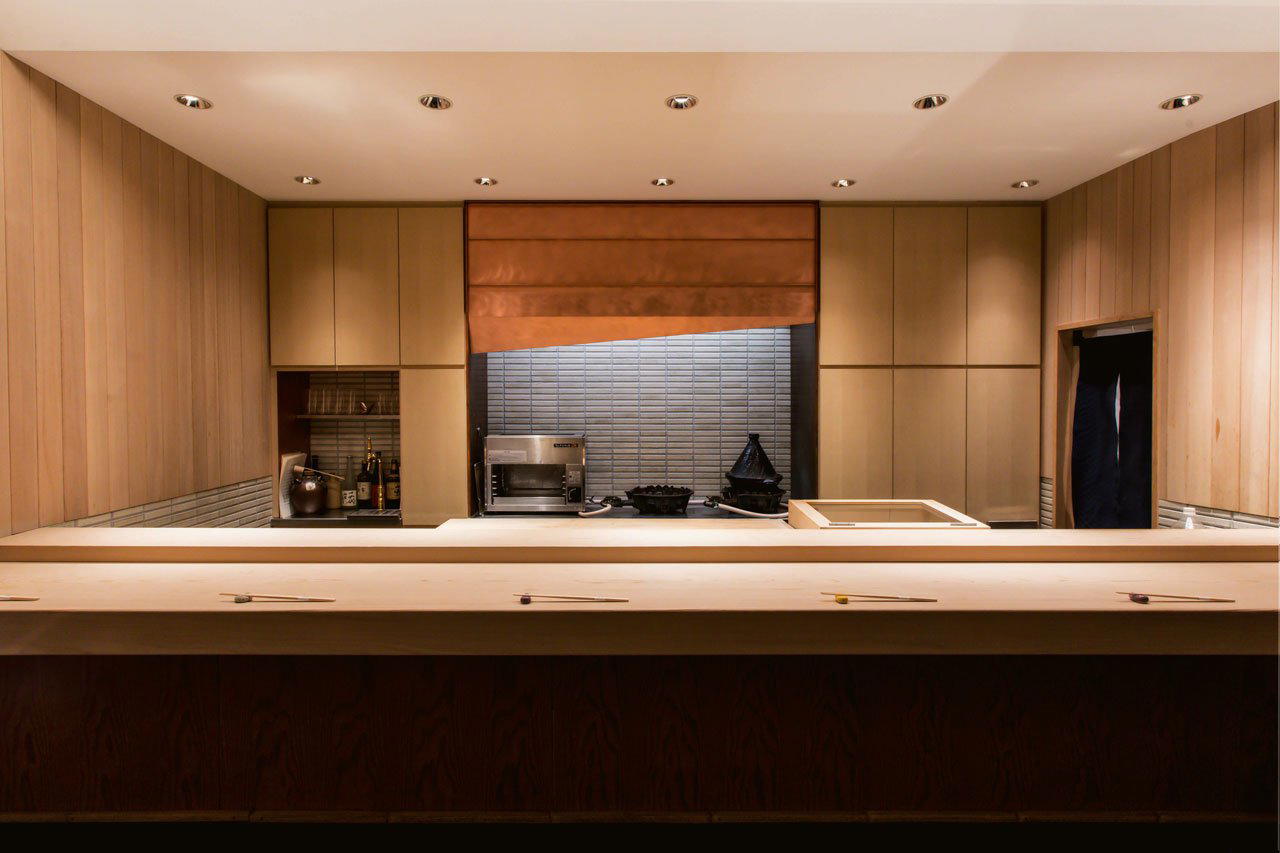
Gionmachi Minamigawa runs along the southern edge of Gion, the stone-paved lane where Kyoto's machiya townhouses press close enough together that lantern light from one spills into the next. 寿し 祇園 松田屋 is a Kyoto restaurant serving Edomae Omakase Sushi at 570-123 Gionmachi Minamigawa, Higashiyama Ward, Kyoto, Japan. Before you consider what arrives on the hinoki wood in front of you, the neighbourhood itself does considerable work: Gion carries centuries of kaiseki tradition, a culture of restraint over spectacle, and an audience that tends to return rather than arrive once for a photograph. A sushi-ya that plants itself here is measured against that standard from the first moment.
Where Sushi Sits Inside Kyoto's Dining Order
Kyoto is not, historically, a sushi city in the way Osaka or Tokyo are. Its inland geography meant the dominant fish tradition was preserved and marinated rather than raw, saba-zushi and hakozushi shaped local palates for generations before nigiri became the national shorthand for premium dining. The arrival of serious edo-mae style counters in Kyoto over the past two decades reflects a broader realignment: the city's high-end dining market, anchored by kaiseki institutions like Gion Sasaki, Hyotei, and Kikunoi Honten, has become attractive enough to pull serious sushi practitioners into its orbit. Venues like Mizai and Isshisoden Nakamura illustrate how Kyoto's top tier now commands the same attention as any Tokyo or Osaka counter. 寿し 祇園 松田屋 operates within that context: a sushi counter that takes its cues from both the edo-mae lineage and the seasonal, ingredient-forward logic that defines Kyoto's culinary sensibility at large.
The Architecture of a Meal Here
The rhythm of a counter meal at this tier follows a structure that experienced diners will recognise, though the specific pacing is shaped by Kyoto's seasonal obsessions in ways that differ from what you find at a Tokyo omakase. A progression typically opens with lighter preparations, vinegar-cured fish, modest tsumami that orient the palate toward the season rather than immediately impress it. In Kyoto's dining vocabulary, this restraint is not absence of ambition; it is the ambition. Comparable meals at Gion Sasaki or the kaiseki houses of Higashiyama ward demonstrate the same logic: the opening courses exist to establish a temperature, a register, before the meal moves into richer territory.
The mid-progression at a Gion sushi counter is where the season is argued most directly. Winter brings buri and fugu; late spring shifts the conversation toward lighter, more assertive fish. Autumn, when Kyoto's maples turn and the tourist density in Gionmachi reaches its annual peak, also marks the arrival of some of the year's most prized ingredients. Timing a visit to that window, broadly October through mid-November, aligns the meal's narrative with the city's own seasonal climax. For reference, Japan's peak autumn foliage in Kyoto typically falls in the first two weeks of November, and counters in Gion fill months in advance for that window.
Closing sequence at counters in this category tends toward egg and simple rolled preparations, functioning less as an afterthought and more as a deliberate return to quiet after the meal's more assertive middle passages. It is a structural choice that mirrors kaiseki's own approach to pacing, and it is one reason Kyoto's sushi culture feels distinct from the faster, more transaction-like rhythm of some Tokyo counters. For a sense of how this format plays out across Japan's most considered rooms, the contrast with something like Harutaka in Tokyo or Goh in Fukuoka is instructive: each city produces a different meal architecture from the same raw format.
The Gion Counter at Its Quietest
Neighbourhood dynamic matters for understanding what kind of meal this is. Gionmachi Minamigawa is, at certain hours of a tourist-heavy afternoon, crowded. But the interior of a small counter functions as a separate acoustic and social world. Counter dining at this level in Gion has a particular quality during weekday evenings outside peak tourist season, January through early March offers the leanest crowds citywide, when the lane outside is quiet and the counter seats fill with Kyoto regulars rather than itinerary-driven visitors. The distinction shapes the pace and tone of the meal in ways that no menu change can replicate.
Question of mood that comes up around venues like this one is not about loud versus quiet in an acoustic sense. Sushi counters at this address tier are almost universally composed environments. The differentiation is whether the room feels like a local institution on a regular evening or a curated performance for out-of-town visitors. The former takes longer to access, requires more planning, and produces a different experience. Nearby institutions like HAJIME in Osaka or akordu in Nara occupy analogous positions in their respective cities: places where the room's character depends significantly on who fills it on a given night.
Planning the Visit
Serious counters in Gion, including those at the ¥¥¥¥ tier comparable to neighbours like Kyokaiseki Kichisen or Ifuki, typically require bookings placed weeks to months ahead. The seasonal peak, autumn foliage and cherry blossom season in April, compresses availability further. Venues at this address and price level in Kyoto are rarely walk-in accessible, and the assumption that a same-week booking is possible in peak season is especially common planning error made by first-time visitors. The wider picture across Japan's premium sushi and kaiseki counters, from Nanao to Sapporo, reflects the same dynamic: the smaller the counter, the longer the lead time required.
For context on how Kyoto's premium dining compares internationally, Le Bernardin in New York City or Atomix offer reference points for how other cities structure their upper-tier tasting format dining, though the Kyoto experience operates from a fundamentally different set of premises about time, season, and restraint.
Similar Picks
Comparable venues nearby, for context on price, style, and recognition.
| Venue | Cuisine | Price | Notes |
|---|---|---|---|
| 寿し 祇園 松田屋This venue — the venue you are viewing | Edomae Omakase Sushi | $$$$ | Not listed |
| 米処いなもと | Traditional Japanese Izakaya with Rice-Focused Kaiseki | $$$$ | Shimogyo Ward (下京区) |
| 祇園 さゝ木 | Modern Kaiseki | $$$$ | Gion |
| にくの匠 三芳 | Wagyu Niku Kappo | $$$$ | Gion |
| 草喰 なかひがし | Foraged Vegetable Kaiseki Omakase | $$$$ | Higashiyama (near Ginkaku-ji) |
| Yamashita | Traditional Kyoto Kaiseki & Kappo | $$$$ | Nakagyō |
Continue exploring
More in Kyoto
Restaurants in Kyoto
Browse all →
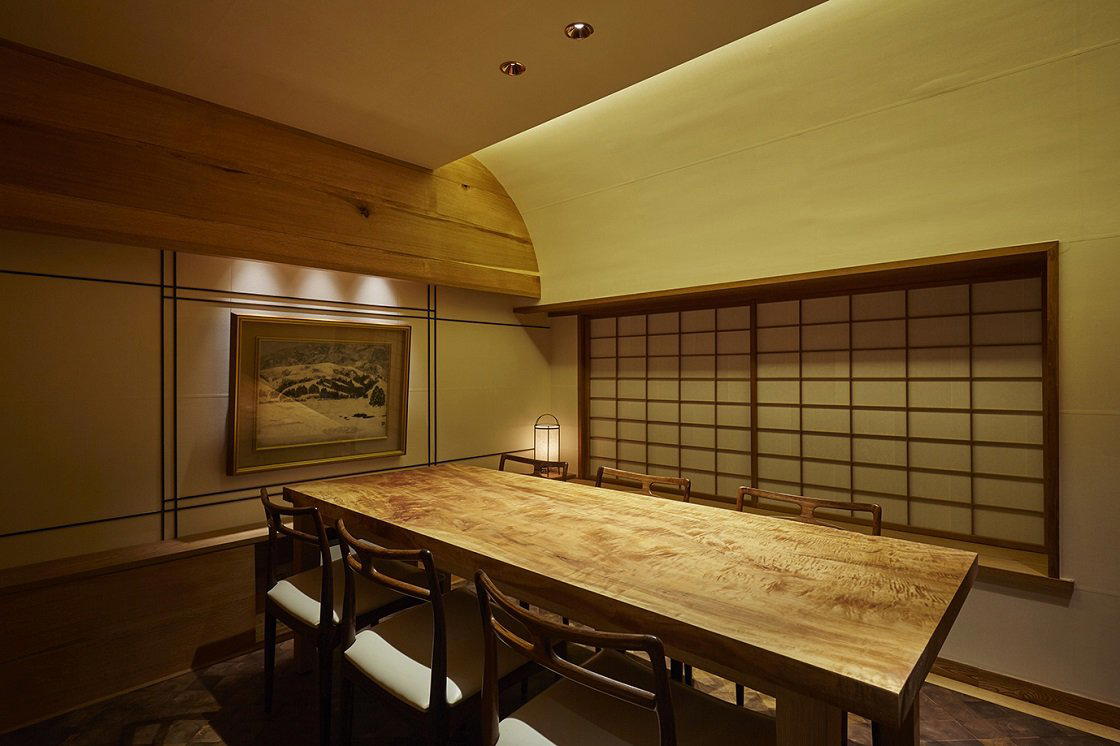
Bars in Kyoto
Browse all →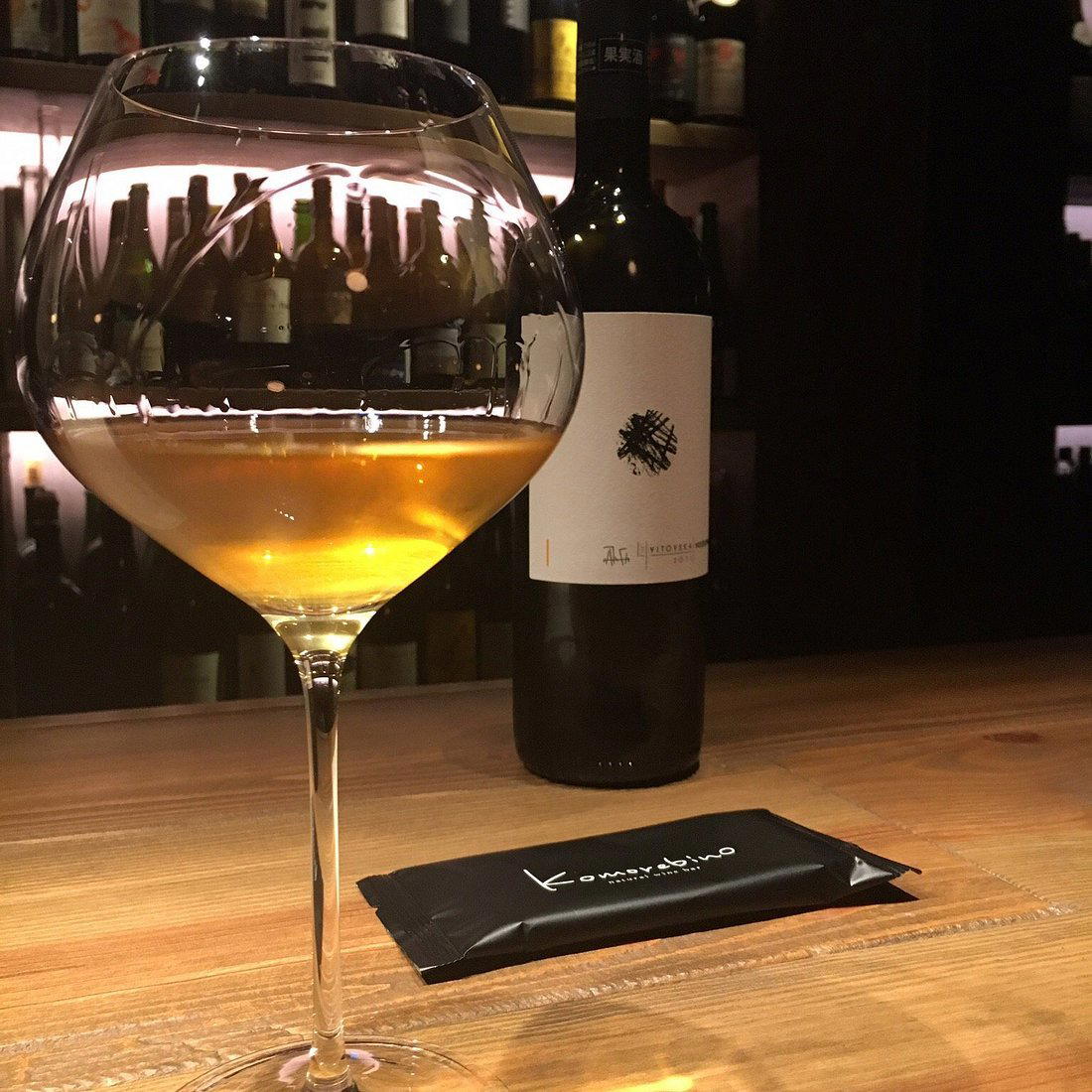
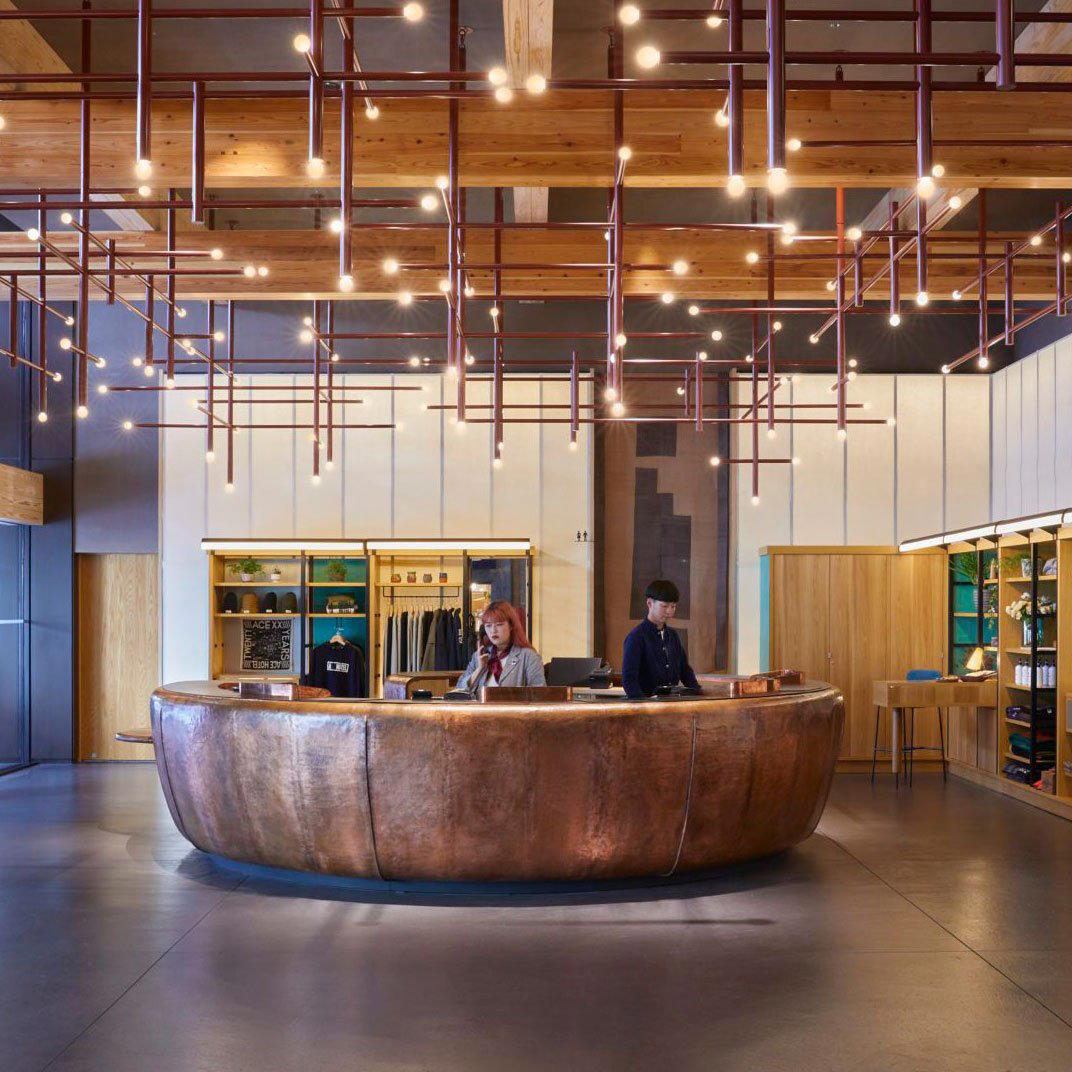
Hotels in Kyoto
Browse all →
Wineries in Kyoto
Browse all →
At a Glance
- Elegant
- Intimate
- Sophisticated
- Date Night
- Special Occasion
- Chefs Counter
- Sake Program
- Sustainable Seafood
Current opening hours
- Monday
- 5–10 PM
- Tuesday
- 5–10 PM
- Wednesday
- 5–10 PM
- Thursday
- 5–10 PM
- Friday
- 5–10 PM
- Saturday
- 5–10 PM
- Sunday
- 5–10 PM
Hours can change for holidays and private events. Last verified .
Mature, welcoming counter atmosphere with warm hospitality in a small 7-seat space.