
In Higashiyama Ward's wooded hills, Banyan Tree Higashiyama Kyoto occupies a rare position among Kyoto's luxury hotels: 52 ryokan-inflected rooms with tatami mats and wooden bathtubs, a bamboo garden, and the city's only hotel Noh stage hosting kabuki and classical performance arts. Select rooms draw from natural hot-spring onsen baths. Rates from approximately $1,116 per night.
Pearl is the En Primeur Club membership app — saves, bookings, and concierge access live there. Same editors, same standards.
- Address
- 〒605-0861 Kyoto, Higashiyama Ward, Seikanji Ryōzanchō, 7番地
- Phone
- +81 75-531-0500
- Website
- banyantree.com
- Directions
- Get directions
 Saves & bookings on Pearl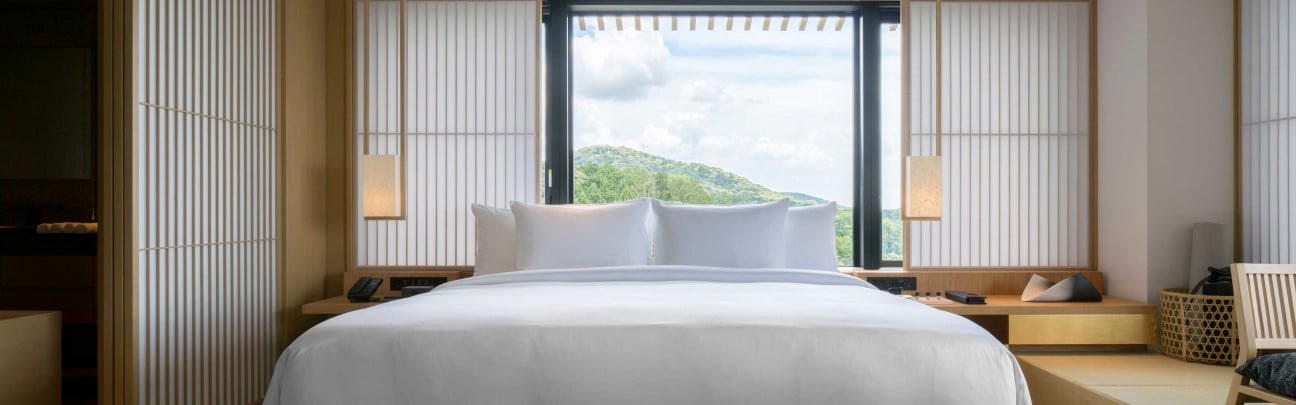
Stillness as a Design Principle: Higashiyama's Retreat Tradition
Higashiyama Ward has long been where Kyoto comes to slow down. The district's narrow stone lanes, temple precincts, and forested hillsides have attracted pilgrims, aesthetes, and monastics for centuries, and that orientation toward contemplative withdrawal now shapes how its premium hotels position themselves. The wellness-first ryokan model that defines this corner of the city is not a recent import from international hospitality trends, it is an extension of a place that has always understood stillness as something to be designed for, not stumbled into.
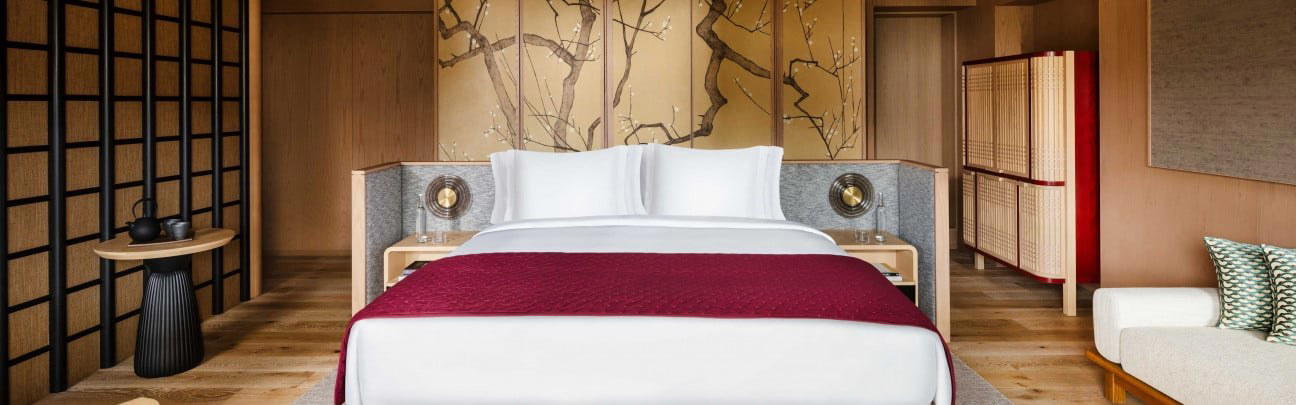
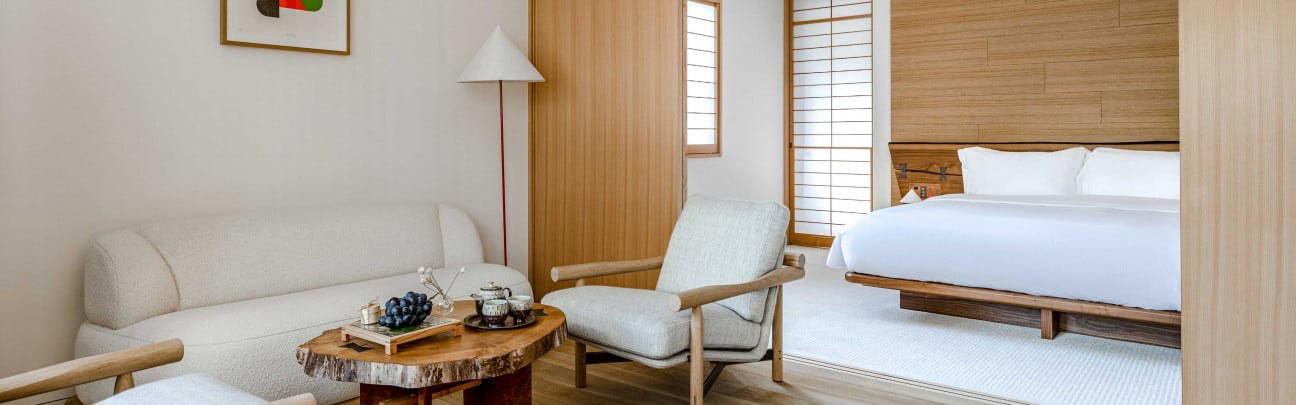
Banyan Tree Higashiyama Kyoto is a 5-star hotel in Kyoto’s Higashiyama Ward, with 52 rooms and a Michelin Key. With 52 rooms across a wooded hillside setting in Seikanji Ryōzanchō, the property operates at a scale that keeps the experience intimate without crossing into the micro-ryokan format that dominates lower price tiers. At approximately $1,116 per night, it occupies the upper band of Kyoto's luxury lodging market, competing against properties like Aman Kyoto, Park Hyatt Kyoto, and the Four Seasons Hotel Kyoto, each of which stakes out a different balance between international brand consistency and local material culture. Banyan Tree's answer sits closer to the ryokan end of that spectrum.
The Retreat Framework: Onsen, Spa, and the Architecture of Recovery
Japan's onsen tradition is among the more codified wellness frameworks in the world, and properties that can draw from actual natural hot springs occupy a different category than those relying on heated pools. At Banyan Tree Higashiyama, select room categories include private onsen baths fed by natural hot springs, a distinction that meaningfully affects the quality and character of the bathing experience, not just the room rate. For guests whose priority is that immersive thermal ritual without leaving the building, this is the detail that anchors the booking decision.
All 52 rooms, regardless of category, access shared indoor-outdoor baths alongside the spa and fitness facilities. This structure, private hot-spring access for upper-tier rooms, communal bathing for all, mirrors the hierarchy found at particularly deliberate ryokan operators in Japan, where the shared bath remains central to the social and restorative logic of the stay. Across the wider Japan wellness lodging market, properties like Gora Kadan in Hakone, Amanemu in Mie, and Zaborin in Kutchan have made the onsen-anchored retreat their organizing principle; Banyan Tree Higashiyama applies a comparable logic to an urban Kyoto setting, which is a rarer configuration than the mountain or coastal alternatives.
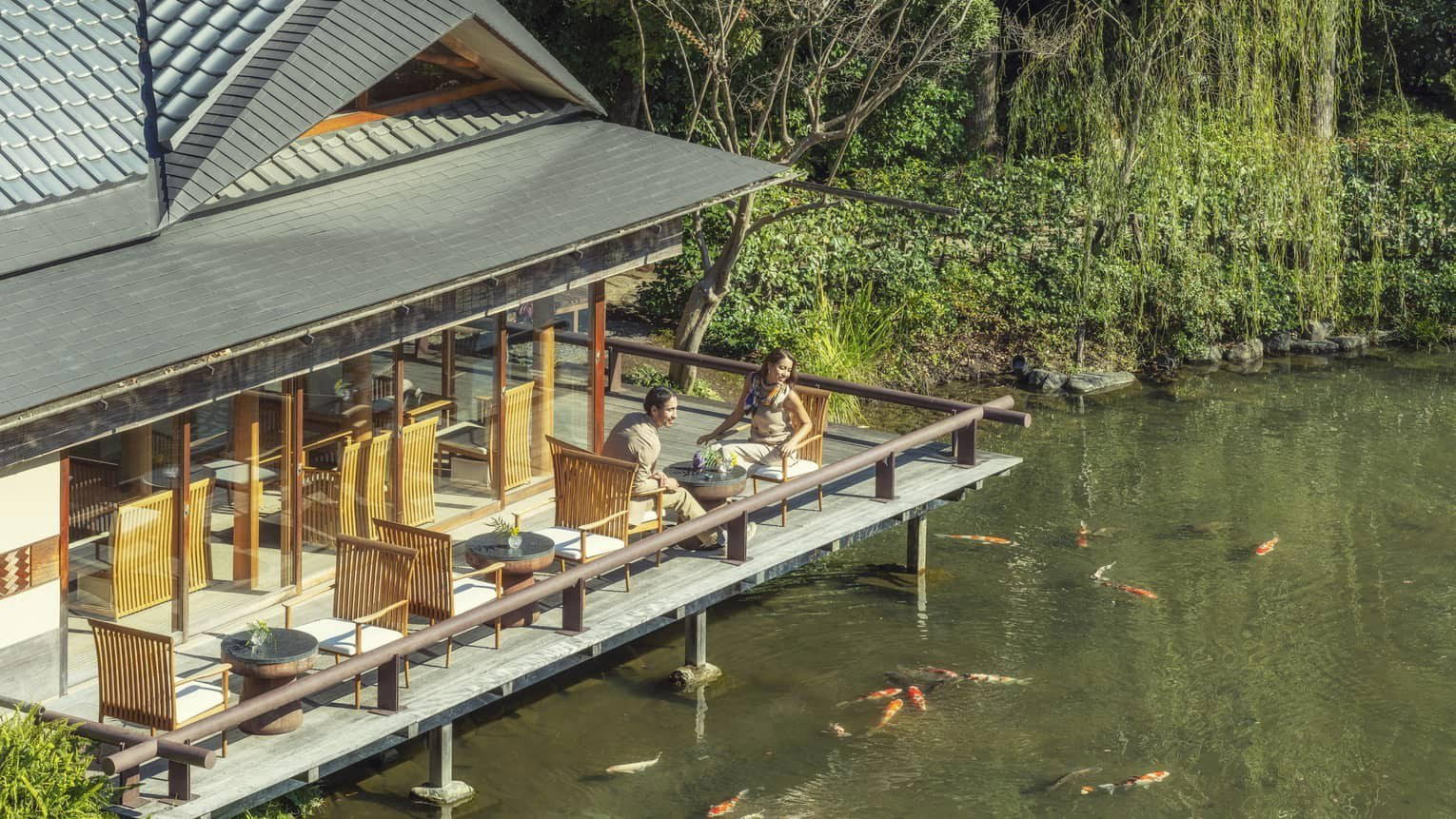
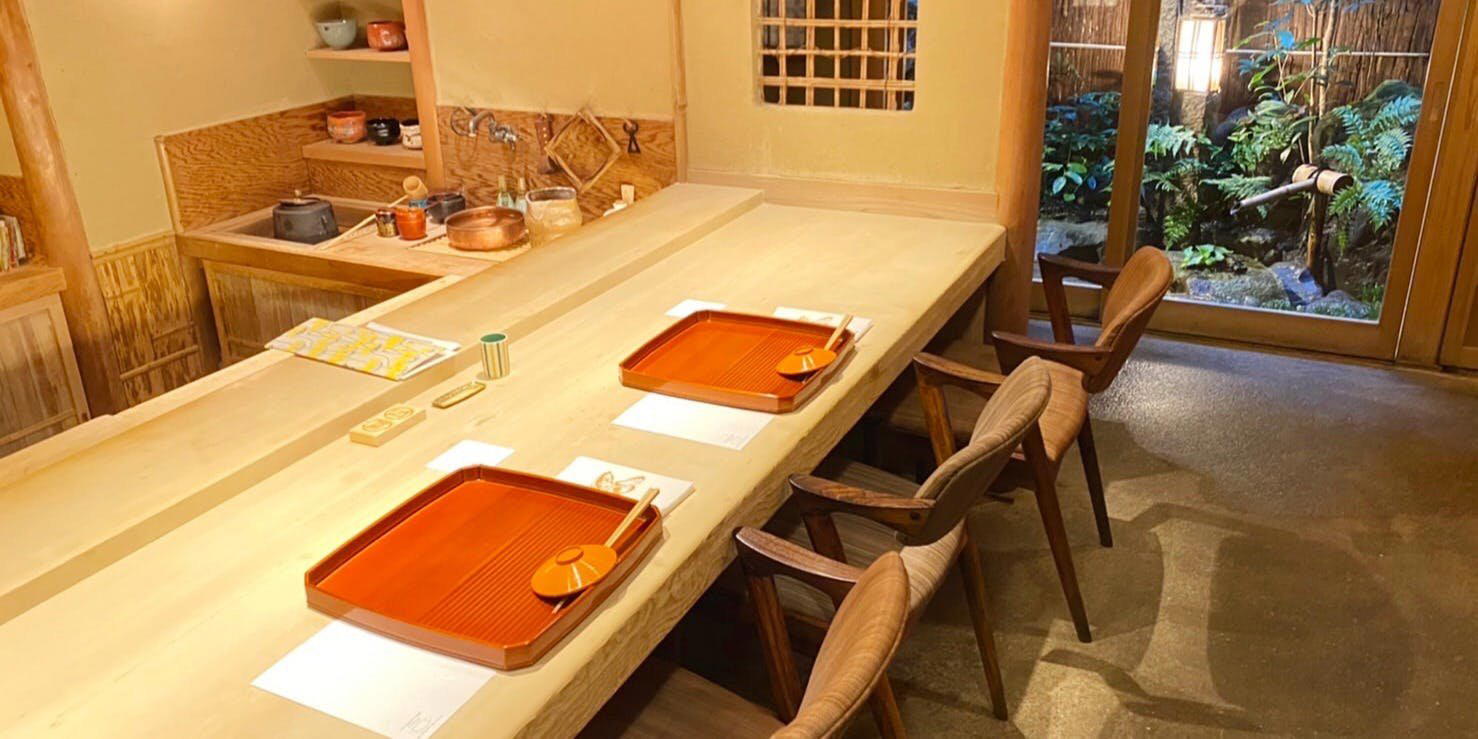
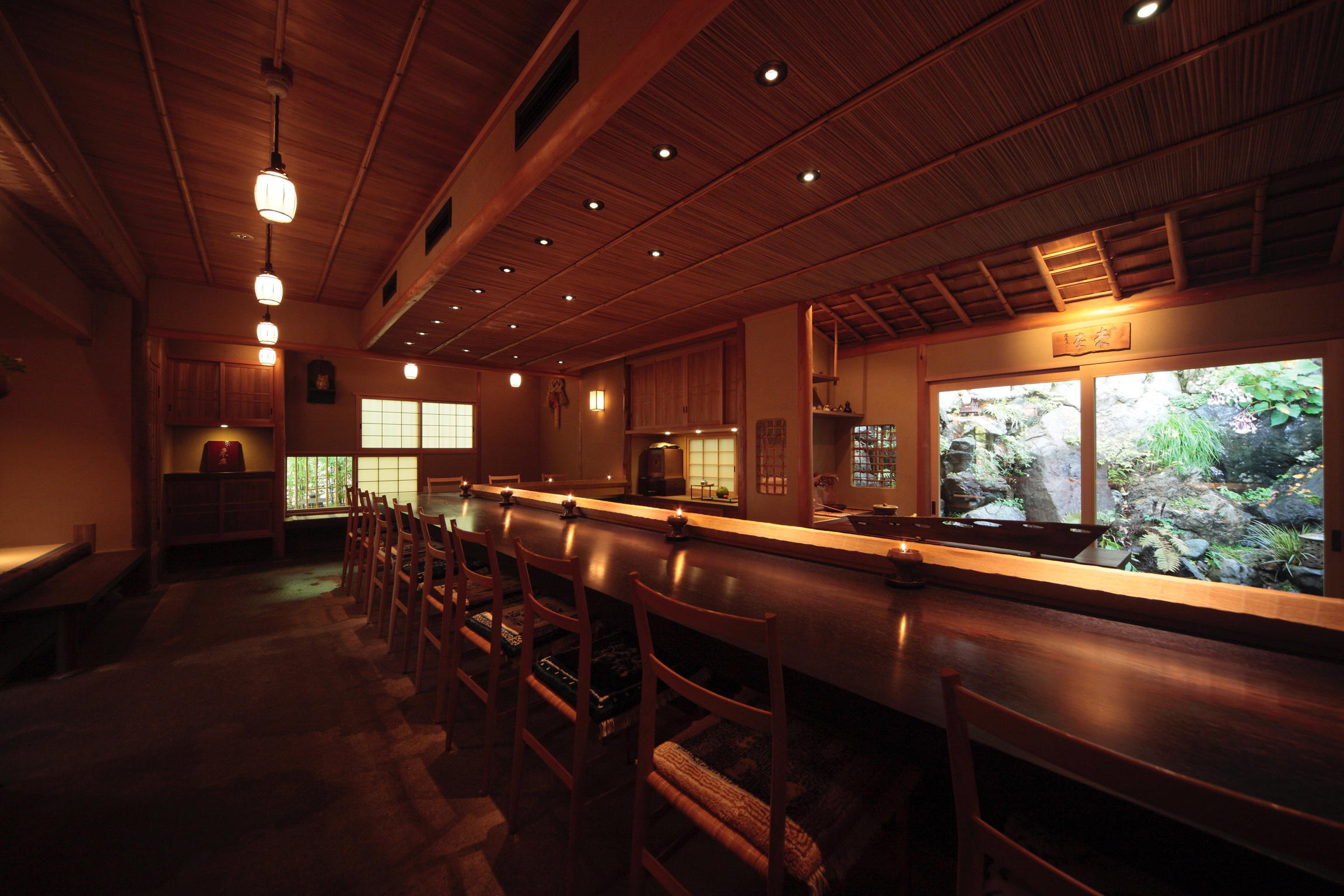
The bamboo garden extends this retreat logic beyond the building. Gardens in the Japanese tradition function as active spaces for contemplative practice rather than decorative backdrops, and the presence of a dedicated bamboo garden within the property's footprint adds a dimension that larger urban hotels in Kyoto, including Ace Hotel Kyoto or Dusit Thani Kyoto, do not replicate in the same way.
The Noh Stage: Cultural Programming as Immersion
High-end hotels in Kyoto generally approach cultural programming through partnerships with outside institutions, tea ceremonies arranged off-site, ikebana workshops in a borrowed room, guided temple visits. The Noh stage at Banyan Tree Higashiyama represents a more embedded approach. Banyan Tree is the only hotel in Kyoto with its own Noh stage, hosting kabuki and other centuries-old performance arts within the property.
This is not incidental hospitality programming. Noh is one of Japan's oldest theatrical traditions, dating to the 14th century, and its formal vocabulary, masked performance, spare staging, intensely stylized movement, demands a physical space with specific architectural proportions. That a hotel operates one points to a level of investment in cultural infrastructure that goes beyond curated concierge services. For guests whose retreat includes cultural depth alongside physical recovery, this is a meaningful differentiator from peer properties.
Room Character and Spatial Logic
Ryokan-style rooms with tatami mat flooring and wooden bathtubs are the baseline across all 52 keys. The tatami-and-wood aesthetic is not simply decorative; these material choices carry specific sensory and functional logic, tatami regulates humidity and provides a particular quality of underfoot contact, while wooden soaking tubs (typically hinoki cypress) bring aromatic and tactile properties that differ meaningfully from standard hotel bathroom fitouts.
The room hierarchy centres on private onsen access. Guests prioritising the full thermal experience should target the upper room categories, where natural hot-spring water feeds the in-room bath directly. For a comparable approach to private onsen accommodation in Japan, Asaba in Izu, Nishimuraya Honkan in Kinosaki-cho, and ENOWA Yufu in Yufu offer different regional contexts for the same core ritual.
Situating Banyan Tree Within Kyoto's Premium Hotel Market
Kyoto's upper lodging tier has grown considerably over the past decade. Properties like HOTEL THE MITSUI KYOTO, SOWAKA, and The Shinmonzen each occupy distinct positions within the city's high-end accommodation spectrum, ranging from machiya-conversion boutique to design-led contemporary. What Banyan Tree Higashiyama offers, natural hot springs, a performance stage, bamboo garden, 52 rooms at ryokan scale, represents one of the more complete wellness-and-culture propositions in the Kyoto market rather than a hotel that simply places traditional aesthetics in a modern frame.
The Banyan Tree brand also operates within a broader Japanese and Asia-Pacific luxury wellness context. Comparable frameworks exist at Fufu Kawaguchiko in Fujikawaguchiko, Fufu Nikko in Nikko, and at island-scale properties like Jusandi in Ishigaki and Halekulani Okinawa. For travellers building a Japan itinerary around wellness and traditional culture, Banyan Tree Higashiyama functions as the urban Kyoto anchor in a broader circuit that might include any of these properties. Those approaching from Tokyo may also want to reference the Bvlgari Hotel Tokyo or coastal alternatives like Sekitei in Hatsukaichi-shi or Benesse House in Naoshima for contrast.
Planning Your Stay
Rates start at approximately $1,116 per night, which positions this as a considered spend rather than an impulse booking. Kyoto's peak seasons, cherry blossom in late March through April, and autumn foliage in November, drive the city's most competitive accommodation availability, and properties at this price point in Higashiyama book out well ahead of those windows. Booking two to three months in advance for shoulder-season travel and four to six months ahead for peak periods is a reasonable approach for securing preferred room categories, particularly those with private onsen access.
Recognition Snapshot
Comparable venues nearby, for context on price, style, and recognition.
| Venue | Cuisine | Price | Awards | Notes |
|---|---|---|---|---|
| Banyan Tree Higashiyama KyotoThis venue — the venue you are viewing | Contemporary Japanese luxury ryokan with natural hot springs | $$$$ | Michelin 1 Key | Not listed |
| MUNI KYOTO by Onko Chishin | Contemporary luxury riverside retreat blending Japanese tranquility with modern design | $$$$ | Michelin 1 Key | Ukyō |
| Ace Hotel Kyoto | Contemporary fusion of Kyoto craft and modern design in historic structure | $$$ | Michelin 1 Key | Nakagyō |
| Hoshinoya Kyoto | luxury hybrid ryokan blending traditional Japanese architecture with modern comforts | $$$$ | Michelin 1 Key | Nishikyō |
| ROKU KYOTO, LXR Hotels & Resorts | Mountain resort blending Japanese artisanship with modern luxury | $$$$ | Michelin 1 Key | Kita |
| Garrya Nijo Castle Kyoto | Modern Japanese luxury boutique blending tradition and contemporary design | $$$$ | Michelin 1 Key | Nakagyō |
Recognition history
Dated appearances from independent guides and award organizations, with the underlying list record or original source where available.
Mr & Mrs Smith Smith Seal of Approval
Mr & Mrs Smith
Michelin 1 Key
Michelin
Continue exploring
More in Kyoto
Hotels in Kyoto
Browse all →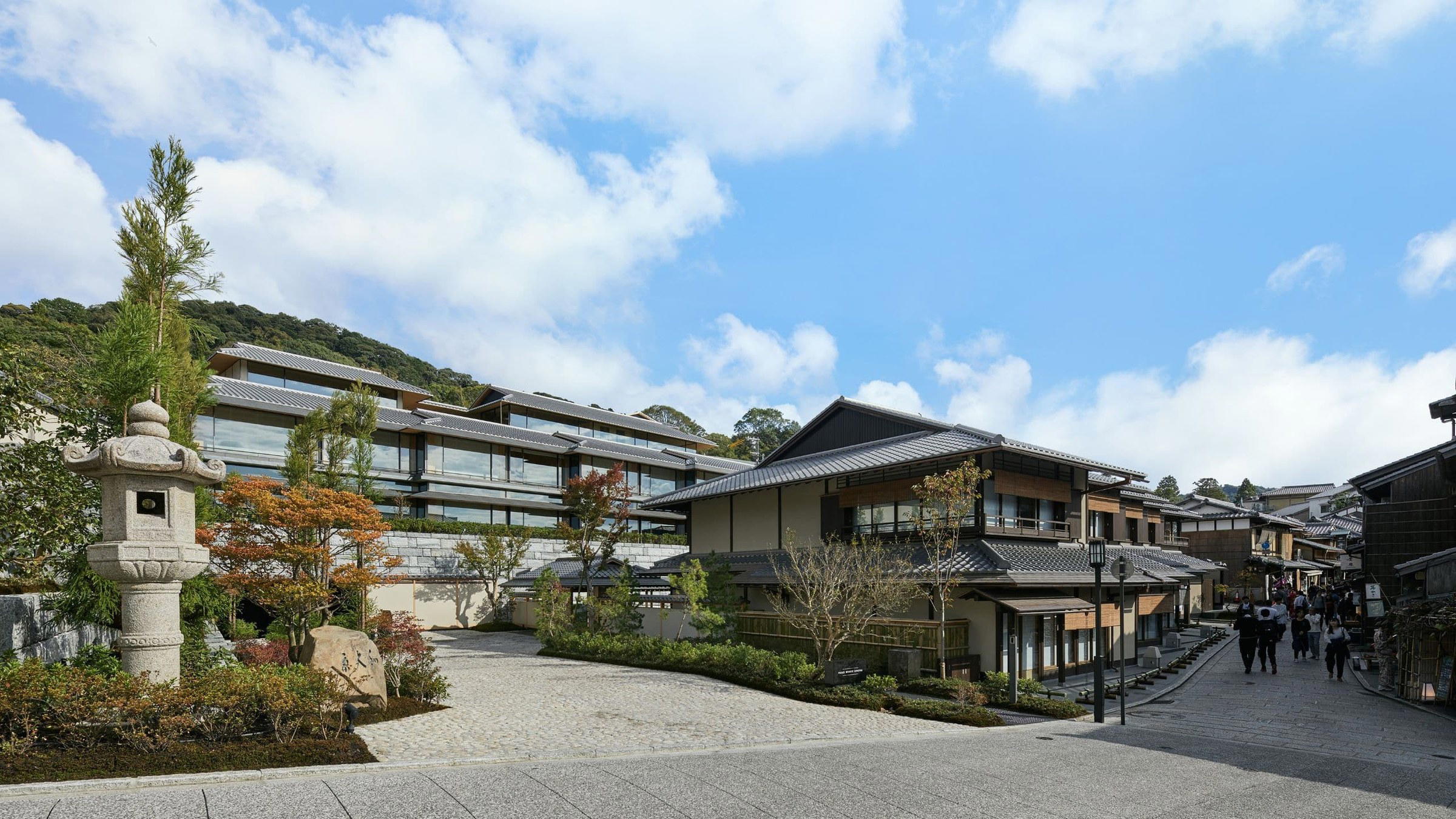
Bars in Kyoto
Browse all →
Restaurants in Kyoto
Browse all →
Wineries in Kyoto
Browse all →
At a Glance
- Quiet
- Elegant
- Scenic
- Sophisticated
- Intimate
- Honeymoon
- Romantic Getaway
- Wellness Retreat
- Anniversary
- Private Villa
- Panoramic View
- Garden
- Historic Building
- Spa
- Fitness Center
- Wi Fi
- Room Service
- Concierge
- Garden
- Garden
- Mountain
- Spa
- Fitness Center
- Wi Fi
- Room Service
- Concierge
- Garden
Serene and tranquil atmosphere with soundproofed rooms, lush gardens, and restorative spa lighting creating a sanctuary-like retreat.