
Tabelog 100 #14
Our verdict
Located on the second floor of a Shinjuku building in the quiet Arakicho district, 湖畔中洋茶餐 坐地 occupies a deliberately low-profile position in Tokyo's dining scene. Sparse data makes independent verification of cuisine type, pricing, and booking format difficult, so prospective visitors should confirm details directly before travelling. For broader context on Tokyo's dining environment, consult our full city guide.

Pearl is the En Primeur Club membership app, where members save venues, book tables and use the concierge.
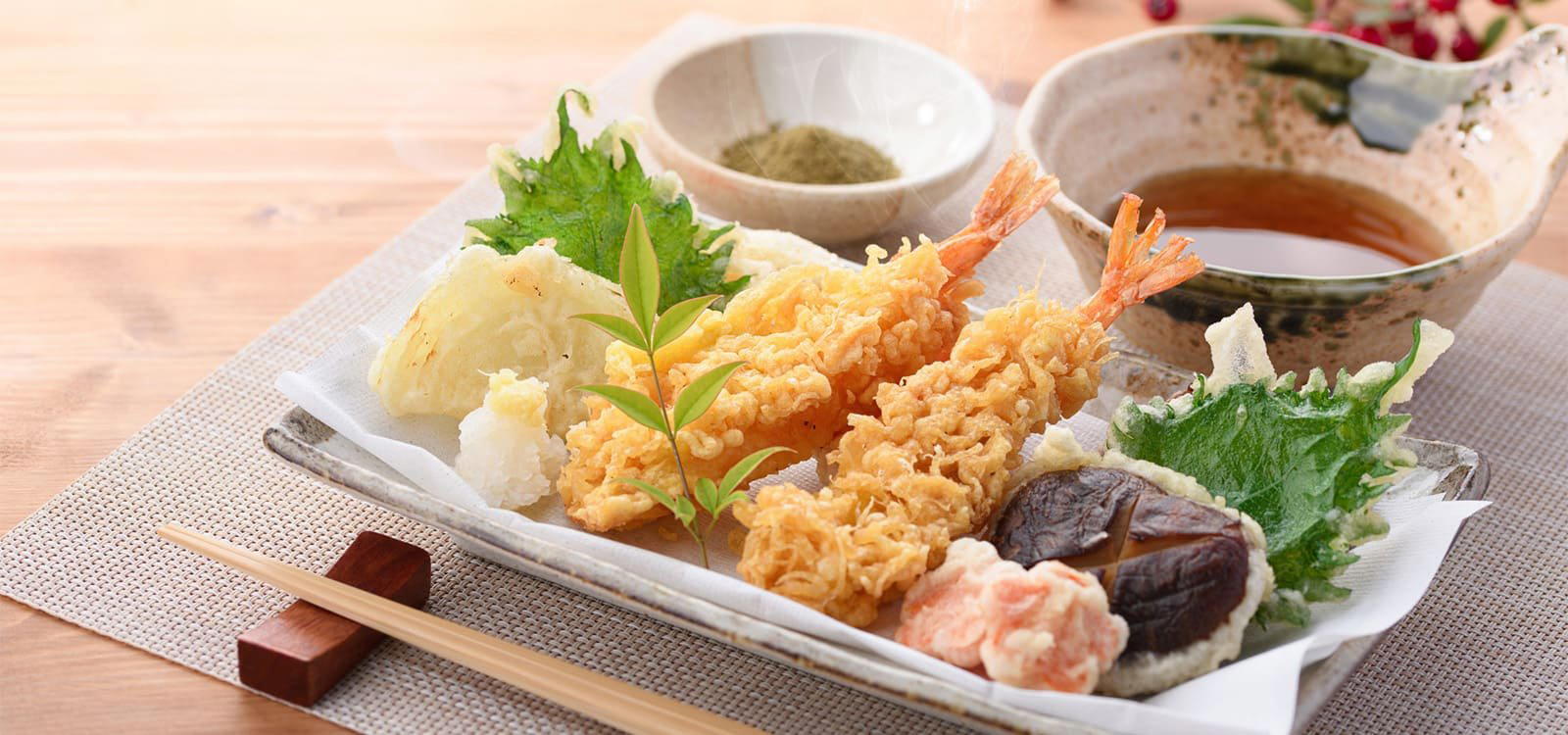
Arakicho and the Architecture of Restraint
Shinjuku's dining identity is usually written in neon and volume: izakaya corridors, ramen counters at midnight, the relentless churn of Kabukicho. Arakicho sits at a deliberate distance from all of that. The sub-district, tucked between Yotsuya and Shinjuku-sanchome, has historically housed a quieter tier of eating and drinking, smaller rooms, longer relationships between proprietors and regulars, addresses that don't advertise themselves on the street. It is the kind of neighbourhood where a second-floor space in a building called Gobankan (Fifth Building) makes complete sense as a location choice, because the expectation is that you already know where you're going before you arrive.
湖畔中洋茶餐 坐地 occupies the second floor of exactly such a building, at address 22-14 Arakicho. The physical approach, a staircase, a landing, a door that doesn't face the street, is characteristic of a category of Tokyo dining rooms that treat vertical access as a form of self-selection. Ground-floor visibility is for restaurants that need to attract passing trade. Second-floor rooms in Arakicho tend to rely on word of mouth, reservation, or the kind of deliberate search that brings a visitor to a specific address rather than a general area.
The Second-Floor Room as a Tokyo Format
In Tokyo's denser neighbourhoods, the building floor plan is itself a design statement. Counter omakase rooms in Ginza occupy high floors with city views; izakayas at basement level lean into the subterranean atmosphere; second-floor rooms in quiet districts like Arakicho tend to operate in a middle register, above the street noise, below any sense of occasion-heaviness. It's a format that suits a particular kind of dining: focused, moderately intimate, without the ceremony of the high-end kaiseki room or the informality of a standing bar.
Peer venues in Tokyo that work within similar spatial logic, small rooms on upper floors of otherwise unmarked buildings, include places like Crony, which operates its innovative French program in a format that similarly rewards those who seek it out deliberately. The principle is consistent across the category: the room is not designed to impress on entry but to hold attention once you're inside.
Cuisine Context and Category Positioning
The venue name contains layered references: 湖畔 (lakeside), 中洋 (a compound suggesting Chinese-Western or East-West), 茶餐 (tea dining, strongly associated with Hong Kong-style café culture), and 坐地 (to sit, to settle). Taken together, these elements suggest a dining room positioned somewhere in the territory that Japanese-Chinese hybrid formats and tea-house culture share, a category that has its own distinct identity in Tokyo, operating separately from the city's kaiseki and French fine-dining circuits.
Tokyo's top tier of kaiseki and French-influenced dining, venues like RyuGin, L'Effervescence, and Sézanne, occupies the ¥¥¥¥ tier and competes on Michelin recognition and seasonal tasting menu precision. 湖畔中洋茶餐 坐地, based on naming convention and neighbourhood placement, does not appear to be positioning within that same competitive set. Its reference points are different: the East-West tea dining tradition, the Arakicho neighbourhood register, and the kind of small-room intimacy that suits mid-tier pricing and a less ceremony-driven meal format. For comparison, Harutaka represents what the ¥¥¥¥ sushi counter looks like in Tokyo, a useful benchmark for understanding where this venue sits relative to the city's highest-investment dining options.
Visitors looking for similarly considered but differently formatted experiences across Japan might also find value in Gion Sasaki in Kyoto or akordu in Nara, both of which operate in regional contexts that share something of Arakicho's preference for quieter, more deliberate dining environments.
Planning Your Visit
Arakicho is accessible from Yotsuya-sanchome Station on the Marunouchi Line or Shinjuku-sanchome Station on the Fukutoshin and Marunouchi lines, both within a short walk. The neighbourhood is navigable on foot and benefits from the relative calm that distinguishes it from central Shinjuku.
Addresses in Arakicho often operate at smaller capacity, which in practice means availability can be limited without being formally managed through a reservation platform. Confirming all practical details, price, format, hours, and any dietary requirements, before arrival is advisable regardless of how the booking is made.
For a broader map of what Tokyo's dining scene offers across neighbourhoods and categories, our full Tokyo restaurants guide covers the range from sushi counters and kaiseki rooms to French-influenced tasting menus and neighbourhood specialists. Those planning trips that extend beyond Tokyo may also find relevant context in our coverage of HAJIME in Osaka, Goh in Fukuoka, and regional venues such as 三本木 石川 in Nanao and 古往今来之 in Sapporo. For those with interests that extend to lake-district dining environments, 湖源坊 in Takashima operates in a thematically adjacent register. Further afield, 鳥羽屋 in Nishikawa Machi, Birdland in Sakai, and Bistro Ange in Toyohashi each represent the kind of regional-specialist format that rewards building an itinerary around dining rather than treating it as incidental. For international comparators in the East-meets-West hybrid category, Atomix in New York City offers a useful reference point for how Korean-influenced fine dining handles the same East-West conversation in a different market, while Le Bernardin in New York City remains the benchmark for technical European fine dining against which other traditions are often measured.
Frequently asked questions
What should I expect atmosphere-wise at 湖畔中洋茶餐 坐地?
What's the must-try dish at 湖畔中洋茶餐 坐地?
How far ahead should I plan for 湖畔中洋茶餐 坐地?
Is 湖畔中洋茶餐 坐地 suitable for visitors who don't speak Japanese?
Price and Positioning
| Venue | Cuisine | Price | Awards | Notes |
|---|---|---|---|---|
| åæ¹ä¸è¯æç åä¸This venue (the venue you are viewing) | Taiwanese | Not listed | Tabelog 100 #14 | Not listed |
| Harutaka | Edo-Style Omakase Sushi | $200–300 | 3 Michelin Stars · World's 50 Best #76 | Sushi |
| L'Effervescence | Modern French with Japanese Influences | $200–300 | 3 Michelin Stars · World's 50 Best #69 | French |
| RyuGin | Modern Kaiseki | $500+ | 3 Michelin Stars · World's 50 Best #41 | Kaiseki, Japanese |
| Crony | Modern French with Japanese Influences | $150–200 | 2 Michelin Stars · World's 50 Best #34 | Innovative, French |
| Florilège | Modern French-Japanese Plant-Based Fine Dining | $50–100 | 2 Michelin Stars · World's 50 Best #31 | French |
Recognition history
Dated appearances from independent guides and award organizations, with the underlying list record or original source where available.
Tabelog 100 #14 · No. 14
Tabelog · Tabelog 100 - Chinese cuisine - TOKYO - 2026
Continue exploring
More in Tokyo
Restaurants in Tokyo
All restaurants in Tokyo →


Bars in Tokyo
All bars in Tokyo →







Details
- Sake Program
elegant