
Ryumon belongs to Tokyo’s small-counter dumpling culture rather than the city’s luxury dining circuit. The Otorii address, seven counter seats, Tabelog 100 Dumplings selections in 2019, 2021, and 2024, and sub-¥1,000 lunch and dinner budgets place it in a precise category: tightly run, low-cost, specialist, and logistics-sensitive.
Pearl is the En Primeur Club membership app — saves, bookings, and concierge access live there. Same editors, same standards.
- Address
- 東京都大田区西糀谷3-35-3
- Phone
- +81337428859
- Website
- tabelog.com
 Saves & bookings on Pearl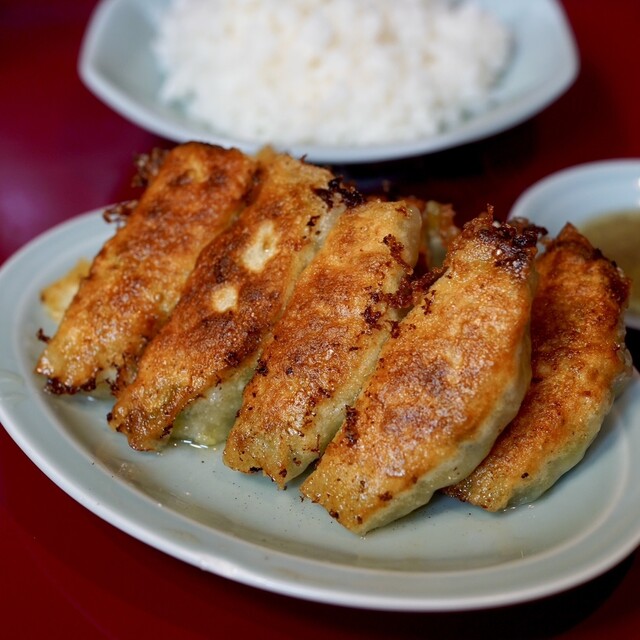
Approaching Otorii, Tokyo shifts from Ginza or Shinjuku into airport-side streets, local shops, short meal windows, and counters built for regulars rather than ceremony. Here, dumplings need no grand dining room to carry authority; they need repetition, speed, and a room small enough for the kitchen’s discipline to be visible from every seat.
Ryumon fits Tokyo’s tradition of specialist, low-capacity eating, where a narrow format can matter more than a long menu. Its recognition on Tabelog’s Dumplings 100 list in 2019, 2021, and 2024 is the useful signal. In a city where ramen, sushi, yakitori, curry, tonkatsu, and Chinese-influenced comfort food each have obsessive audiences, a dumpling specialist competes on focus, not spectacle.
Tokyo dumplings at counter scale
Gyoza in Tokyo occupies a practical middle ground: drinking snack, lunch add-on, late meal, or the reason for a detour. Stronger specialist shops narrow the proposition with short cooking cycles, compact seating, and menu logic that rewards diners who understand texture, timing, and turnover as much as filling.
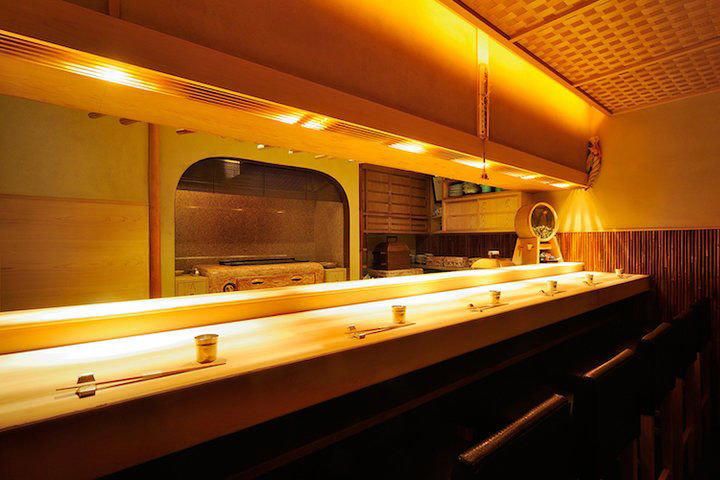
That places this address outside Tokyo’s high-spend tasting-counter conversation. A seven-seat counter changes the meal before the first order lands. Capacity is not decorative; it shapes pacing, waiting, and expectations. For travellers used to reservation-led sushi and kappo rooms, the lesson is simple: small does not always mean formal, and inexpensive does not mean operationally casual.
The price band matters too. Sub-¥1,000 lunch and dinner budgets keep the experience close to everyday Tokyo eating, while the Tabelog Dumplings 100 selections pull it into a more competitive specialist tier. That tension is the appeal: a narrow category, modest spend, and enough recognition to make timing matter.
Tokyo’s casual food culture is full of micro-categories. Curry counters, tonkatsu shops, ramen rooms, yakitori counters, and dumpling specialists each demand different planning habits. For broader context, compare focused formats across the city in places such as 3 Chome no Curry Ya San, 124. KAGURAZAKA (Yakitori), 12/10 Shinjuku ten, and . 鮪と炭火焼き うお炭 秋葉原店. These rooms do not serve the same meal; they show that Tokyo’s serious casual dining often lives in narrow formats with little tolerance for vague planning.
The booking lesson is a timing lesson
The key decision is not whether to dress up or budget aggressively, but whether the day’s route can absorb a small counter with limited flexibility. In Tokyo, the hardest meals are not always expensive. Sometimes the constraint is a short service, few seats, a closed day, or a format prioritizing quick local use over visitor convenience.
That makes Otorii a deliberate stop rather than a casual add-on for most travellers. The station area sits outside the usual first-time Tokyo restaurant circuit, giving the meal a different character from central dining districts. Understand it as a targeted specialist visit, with a realistic plan for arrival and waiting, not a loose “drop by if nearby” option.
Other Tokyo value formats clarify the category. Ramen Tei Hinari Ryuou and Tonjiru to Genmai no Mise Aoki Shokudo sit in a slightly higher listed budget band of ¥1,000 to ¥1,999, while Ryumon’s listed spend remains below ¥1,000 for both lunch and dinner. Tonkatsu Aoki represents a different single-dish discipline around breaded pork cutlets. This is not a broad izakaya or multi-course Chinese restaurant, but a tight dumpling-and-Chinese counter with recognition in its lane.
For a Tokyo food itinerary, that distinction helps. A day of luxury dining can absorb one low-cost specialist meal without compromise, if the logistics are treated seriously. Pair it with neighbourhood movement, not a cross-city sprint between formal reservations. For wider planning, Our full Tokyo restaurants guide gives the broader dining map, while Our full Tokyo hotels guide, Our full Tokyo bars guide, Our full Tokyo wineries guide, and Our full Tokyo experiences guide help place the meal within a complete city schedule.
How to place it in a Japan itinerary
Tokyo rewards precision. A dumpling counter in Ota is not competing with the city’s luxury hotel dining rooms or polished omakase counters; it competes with other moments of concentrated local eating. That is the better frame for deciding whether to go. The draw is not ceremony, but a specialist format with enough outside recognition to justify the detour for diners who track Japanese comfort-food categories seriously.
Seen this way, the meal belongs to a national pattern. Japan’s dining depth is not confined to capital-city prestige rooms. Focused, small-format restaurants shape food travel from Sapporo to Kyoto, Osaka, Kamakura, Kawasaki, and Kumamoto. For related context beyond Tokyo, see -Grilled beef Sukiyaki- KAMAKURA TANUKIAN 鎌倉 たぬき庵 in Kamakura.cafe in Osaka.know in Kumamoto, (Shoku) Vietnam in Kawasaki, [Curry Senmon Ten] Maruyama Kyoju. in Sapporo, and [ki:] in Kyoto.
International readers can also read this through the rise of single-format Japanese dining abroad, where narrow menus often travel better than sprawling ones. Los Angeles-area examples such as Jōdo Saké Bar in Los Angeles and Onigiri Time in Pasadena show how category discipline translates. In Tokyo, the original context is sharper: small rooms, brief services, cash-minded habits, and diners judging a specialist by execution rather than décor.
The editorial call is clear. This is a smart target for travellers who care about Tokyo’s everyday specialists and will plan around a small counter. It is not for a group seeking a lingering meal, private-room comfort, or a broad survey of Chinese cooking. Treat it as a focused Otorii stop, and the value of the detour becomes easier to understand.
City Peers
Comparable venues by cuisine and price in the same metro.
| Venue | Cuisine | Price | Notes |
|---|---|---|---|
| RyumonThis venue — the venue you are viewing | Gyoza-focused Chinese dumpling shop | $ | Not listed |
| Tokyo Doujiang Seikatsu | Traditional Taiwanese Breakfast & Fresh Soy Milk | $ | Shinagawa |
| Gyoza no Ousama | Traditional Chinese dumpling house in Asakusa | $ | Taitō |
| Chii Sha | Casual Chinese & Ramen | $ | Meguro |
| Asia Kappou Rengetsu | Gyoza-focused Japanese-Chinese dumpling house | $$ | Minato |
| Rairai Ken | Traditional Chinese gyoza & ramen shop | $ | Kōtō |
Recognition history
Dated appearances from independent guides and award organizations, with the underlying list record or original source where available.
Tabelog 100 #25 · No. 25
Tabelog · Tabelog 100 - Dumplings - 2024










At a Glance
- Cozy
- Intimate
- Solo
- After Work
- Casual Hangout
- Standalone
- Chefs Counter
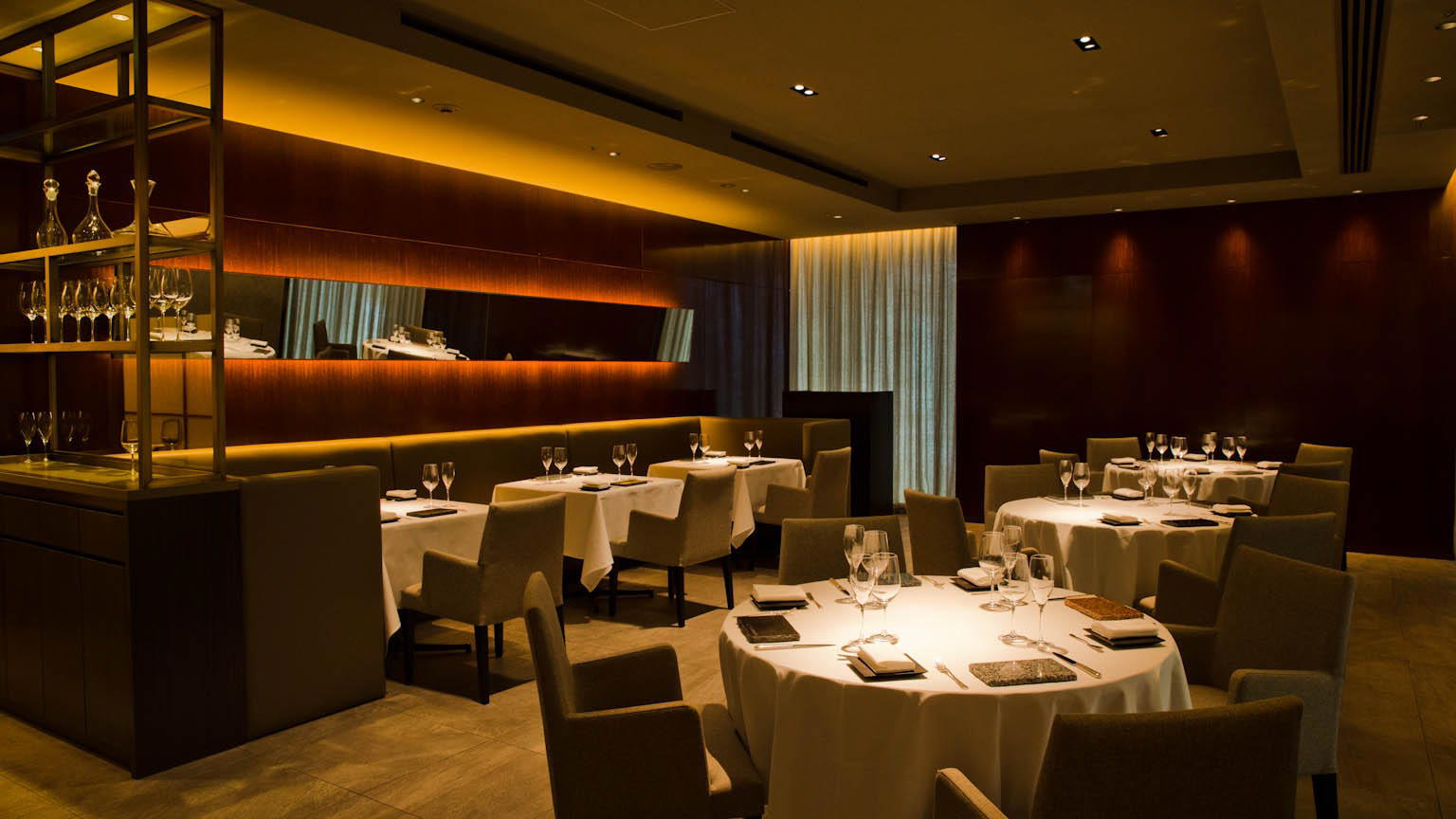
A snug, 7‑seat counter-only hideout with a simple, no-frills interior, focused on quick, solo dumpling meals rather than lingering; the atmosphere is casual, efficient, and quietly bustling at peak hours.