
Asia Kappou Rengetsu puts Tokyo’s gyoza culture in a polished Minamiaoyama register, with Chinese cooking, wine, and a small-room rhythm rather than the quick turnover of a station-side dumpling shop. Its Tabelog 100 Dumplings selections in 2019, 2021, and 2024 make it a useful address for travellers tracking where casual Japanese-Chinese food crosses into destination dining.
Pearl is the En Primeur Club membership app — saves, bookings, and concierge access live there. Same editors, same standards.
- Address
- 1 Chome-23-7 Minamiaoyama, Minato City, Tokyo 107-0062, Japan
- Phone
- +81 3-6432-9640
- Website
- shop.rengetsu.jp
 Saves & bookings on Pearl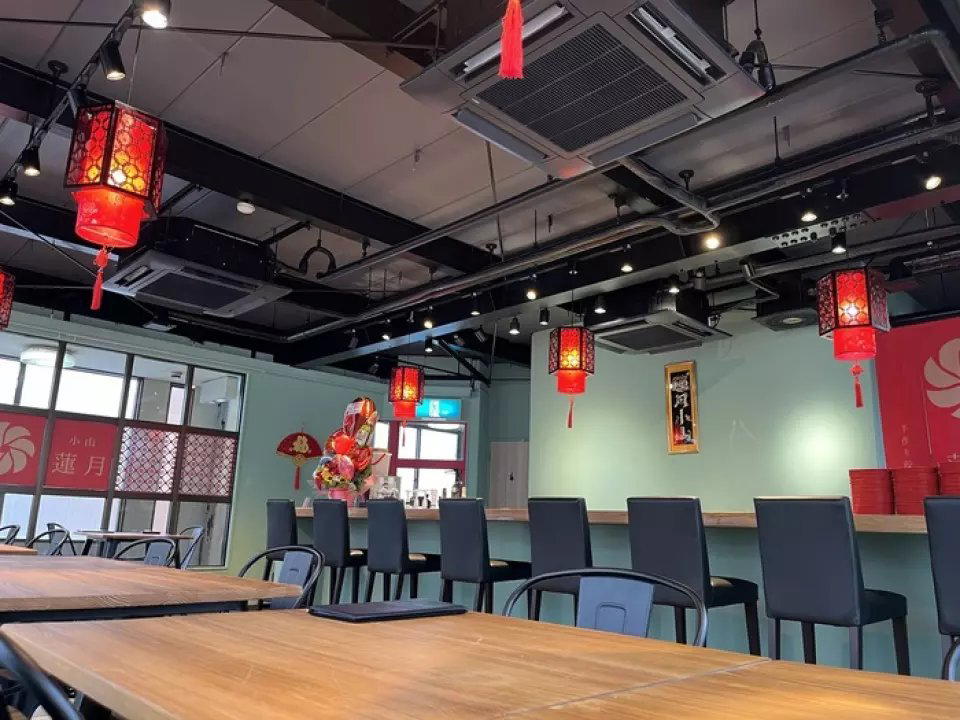
Minamiaoyama changes register quickly after dark: gallery frontage, quiet residential lanes, then the small-alley logic that Tokyo uses to hide serious cooking in plain sight. In that setting, dumplings do not read as a snack category. They become a test of coordination: kitchen timing, wine service, and front-of-house pacing in a compact room where every delay is visible.
Tokyo has always taken imported Chinese forms and made them local, and gyoza is one of the clearest examples. The city’s dumpling culture stretches from counter-service plates near rail hubs to specialist rooms where the wrapper, filling, heat, and drink pairing carry the weight of a full dinner. Asia Kappou Rengetsu belongs to that second camp, with Dumpling and Chinese categories, a wine listing, and repeated Tabelog 100 Dumplings recognition in 2019, 2021, and 2024. That matters because the award category is narrow: it is not rewarding general popularity across Chinese restaurants, but a specific slice of Japan’s dumpling scene.
Gyoza in a Minamiaoyama dining room, not a station snack format
The useful comparison is not with Tokyo’s luxury tasting-menu circuit, but with the city’s specialist casual restaurants that build credibility through one discipline. In Akihabara, addresses such as . 鮪と炭火焼き うお炭 秋葉原店 speak to the after-work appetite for focused cooking around seafood and fire. Shinjuku has its own density of compact specialists, including 12/10 Shinjuku ten. Kagurazaka’s dining grammar is different again, with skewered cooking at places such as 124. KAGURAZAKA (Yakitori) sitting inside a neighbourhood built for slower evening movement. Minamiaoyama brings another filter: lower visual noise, higher expectations for atmosphere, and less tolerance for rough edges.
That is why the team dynamic matters here. Dumpling restaurants can live or die on kitchen speed alone, but a small wine-led room asks for a different cadence. The kitchen has to send dishes in a sequence that keeps the table engaged; the floor has to manage a narrow room without turning it into a rush; drink service has to support Chinese seasoning without forcing the meal into a formal pairing template. The format sits between izakaya looseness and kappou discipline, which is exactly where Tokyo’s more interesting casual dining has been moving.
The Tabelog 100 Dumplings selections give the address a clear trust signal without inflating it into a luxury claim. A score of 3.60 on Tabelog places it in the serious specialist conversation, while the repeated category recognition across three award cycles suggests sustained relevance rather than a single-season spike. For travellers, that is often more useful than a broad restaurant ranking: it indicates where local attention has gathered around a specific food form.
The price tier makes the award signal more interesting
Dinner pricing in the JPY 4,000 to JPY 4,999 range puts Asia Kappou Rengetsu in a practical bracket for Tokyo: above casual gyoza bars, below the expense of Ginza counters and polished omakase rooms. That middle tier is where many visitors misread the city. Tokyo’s dining value is not only found at ramen counters or lunch sets; it also lives in small evening restaurants where a focused kitchen can deliver category authority without luxury theatre.
Near Nogizaka, the comparison field is mixed. Nogizaka yui works within Chinese dining at a similar broad price register, while Haruka Murooka belongs to a more expensive creative category. La Sfoglina pulls the neighbourhood toward Italian-leaning dining, and Uoshin Nogizaka points to the area’s seafood appetite. Against that spread, Rengetsu’s dumpling-led identity is less about novelty than clarity. It gives Minamiaoyama a specialist Chinese address that does not need the formality of a tasting menu to justify attention.
The wider Tokyo map helps explain the appeal. A visitor can spend one night chasing graphic-café theatre at 2D Cafe, another on curry specificity at 3 Chome no Curry Ya San, and still miss the quieter pleasure of a dumpling room that has been judged inside its own category. That is the correct frame: not a substitute for sushi, kaiseki, or yakitori, but a different Tokyo fluency.
How to place it in a Tokyo itinerary
Rengetsu makes sense on a night built around Aoyama, Nogizaka, and Roppongi rather than a cross-city dining sprint. The neighbourhood rewards a slower route: galleries before dinner, a compact Chinese meal, then a bar elsewhere if the evening needs a second act. For broader planning, Our full Tokyo restaurants guide gives the restaurant context across the city, while Our full Tokyo bars guide is the better tool for the post-dinner move. Travellers building a full stay can cross-reference Our full Tokyo hotels guide, Our full Tokyo experiences guide, and Our full Tokyo wineries guide for the non-restaurant parts of the trip.
Japan’s regional specialist dining also sharpens the read. A beef-sukiyaki address such as -Grilled beef Sukiyaki- KAMAKURA TANUKIAN 鎌倉 たぬき庵 in Kamakura, a design-forward café like.cafe in Osaka, and Kumamoto’s.know in Kumamoto all show how tightly Japanese dining can orbit a single idea. The same logic carries through to (Shoku) Vietnam in Kawasaki, [Curry Senmon Ten] Maruyama Kyoju. in Sapporo, and [ki:] in Kyoto. Even abroad, places such as Jōdo Saké Bar in Los Angeles and Onigiri Time in Pasadena show how Japanese food culture travels through focused formats rather than encyclopedic menus.
The editorial case for Asia Kappou Rengetsu is therefore disciplined rather than grand. Choose it when the brief is dumplings treated with the seriousness of dinner, in a small Minamiaoyama room where kitchen, wine, and floor have to work as one system. Tokyo has louder meals and more formal ones; this address is valuable because it sits in the precise middle, where craft is visible but the evening stays relaxed.
Comparable Spots, Quickly
Comparable venues at a similar level for quick context.
| Venue | Cuisine | Price | Notes |
|---|---|---|---|
| Asia Kappou RengetsuThis venue — the venue you are viewing | Gyoza-focused Japanese-Chinese dumpling house | $$ | Not listed |
| Chinkai Rou | Traditional Chinese dumpling house & izakaya | $$ | Shinagawa |
| Nihao | Chinese dumpling house (gyoza specialist) | $$ | Shibuya |
| 南方中華料理 南三 | Taiwanese | Not listed | Shinjuku |
| 鮨 日本橋 鰤門 | Chinese | Not listed | Chūō |
| chuukaryouri tokutake | Modern Chinese & Ramen | $$ | Sumida |
Recognition history
Dated appearances from independent guides and award organizations, with the underlying list record or original source where available.
Tabelog 100 #13 · No. 13
Tabelog · Tabelog 100 - Dumplings - 2024













At a Glance
- Cozy
- Intimate
- After Work
- Group Dining
- Casual Hangout
- Solo
- Standalone
- Local Sourcing
Current opening hours
- Monday
- 5–11 PM
- Tuesday
- 5–11 PM
- Wednesday
- 5–11 PM
- Thursday
- 5–11 PM
- Friday
- 5–11 PM
- Saturday
- 5–9 PM
- Sunday
- 5–9 PM
Hours can change for holidays and private events. Last verified .
Calm and understated, with green walls and warm wood counter and table seating creating a relaxed, intimate feel rather than a bustling Chinese diner atmosphere.