
Kouhi En places Roppongi Chinese dining in a late-night, old-Tokyo register rather than the tasting-menu lane. Its Tabelog Chinese TOKYO “Tabelog 100” 2026 selection, 110-seat scale, private-room capacity, and long operating history give it a different rhythm from smaller counter-led Tokyo restaurants.
Pearl is the En Primeur Club membership app — saves, bookings, and concierge access live there. Same editors, same standards.
- Address
- Japan, 〒106-0032 Tokyo, Minato City, Roppongi, 3 Chome−8−15 瀬里奈ビレッジ 2F
- Phone
- +81 3-3405-9011
- Website
- instagram.com
 Saves & bookings on Pearl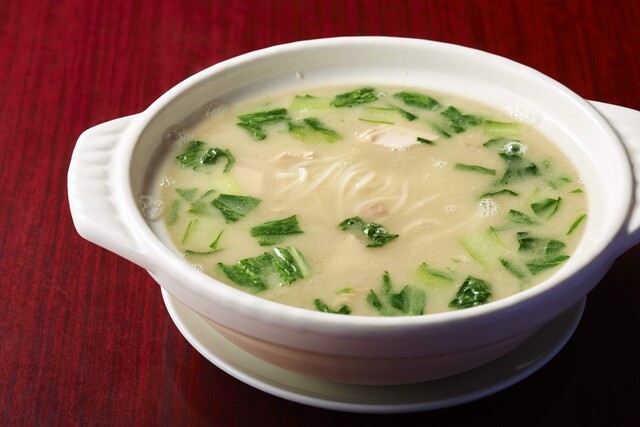
Roppongi after dark has its own acoustics: taxi doors, elevator chimes, multilingual tables leaving bars and private rooms, and a district that eats late because it works after office hours. Here, Chinese dining does what sushi counters and kaiseki rooms do not: absorbs groups, stretches conversation, and keeps kitchens open deep into the night. Kouhi En is a Roppongi Chinese address with the scale and stamina to feel less like a special-occasion set piece than part of the neighbourhood’s social machinery.
Tokyo Chinese dining extends beyond polished hotel Cantonese: Sichuan specialists built on heat and oil, corporate banquet rooms, counter formats borrowing Japanese tasting-menu discipline, and old-line neighbourhood restaurants prized for continuity. Kouhi En sits closer to the last two: substantial enough for groups, recognised enough for food-focused attention, but not built around chef theatre. Its selection for Tabelog Chinese TOKYO “Tabelog 100” 2026 places it in a vetted citywide conversation, while its 3.68 Tabelog score signals a serious local following rather than novelty traffic.
Roppongi Chinese dining after the counter era
Tokyo’s premium dining conversation often favours small rooms, tight seating, and booking scarcity. Roppongi complicates that: the district needs restaurants for friends, family meals, late business finishes, and private-room dinners without turning every reservation into performance. A 110-seat Chinese restaurant with private rooms for groups of five or more, and seated parties up to 30, follows an older Tokyo hospitality logic: comfort, range, and the ability to let dinner run long.
Kouhi En counters smaller, category-driven rooms. A yakitori specialist such as YAKITORI Moe es, a Japanese dining room such as Miyake Akira, and a Chinese peer such as Koho occupy narrower lanes. Roppongi’s strength is the opposite: formats moving from lunch to drinks to late dinner while retaining culinary identity. The house category is Chinese, with sake and wine listed alongside the meal; service notes include take-out and BYO drinks. These details explain why this restaurant survives where use-cases shift by the hour.
Longevity matters. Founded in 1963, then relocated and reopened in 2001, Kouhi En predates much of contemporary Roppongi dining fashion. Tokyo rewards novelty loudly but relies on older rooms quietly. In Chinese dining, continuity can be criticism: if a room keeps drawing locals across decades, it is doing work newer concepts have not yet proved.
The room is built for duration, not spectacle
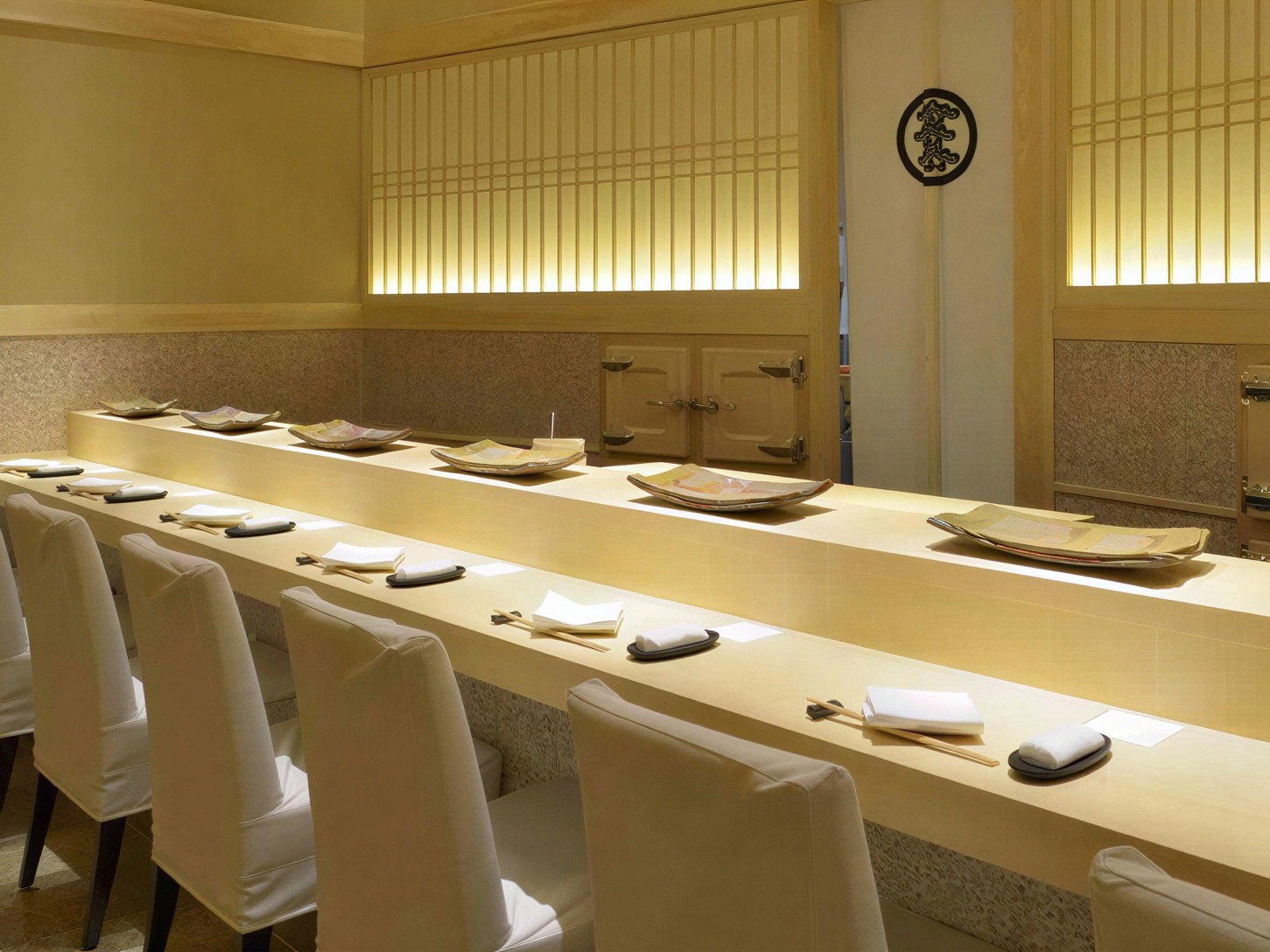
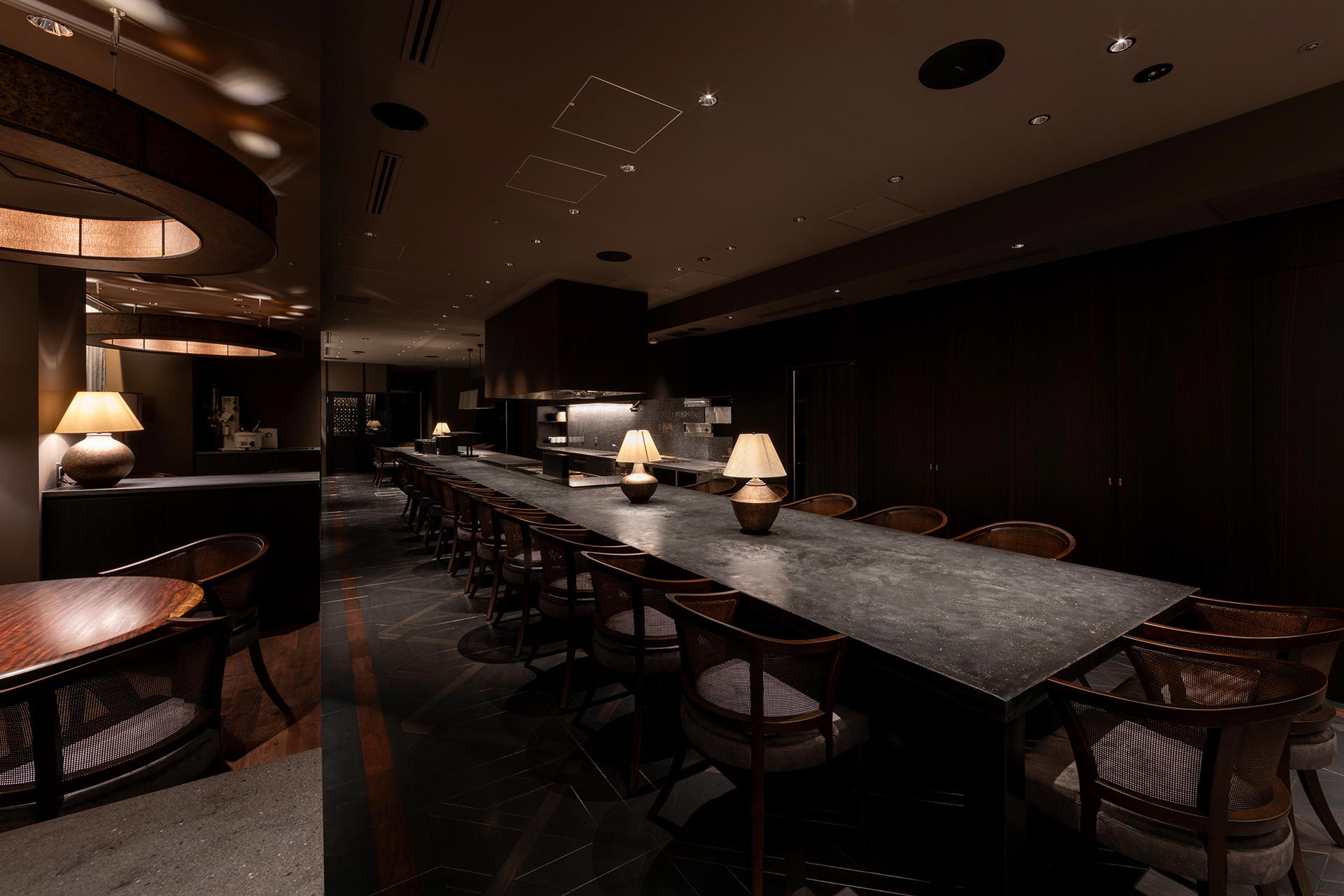
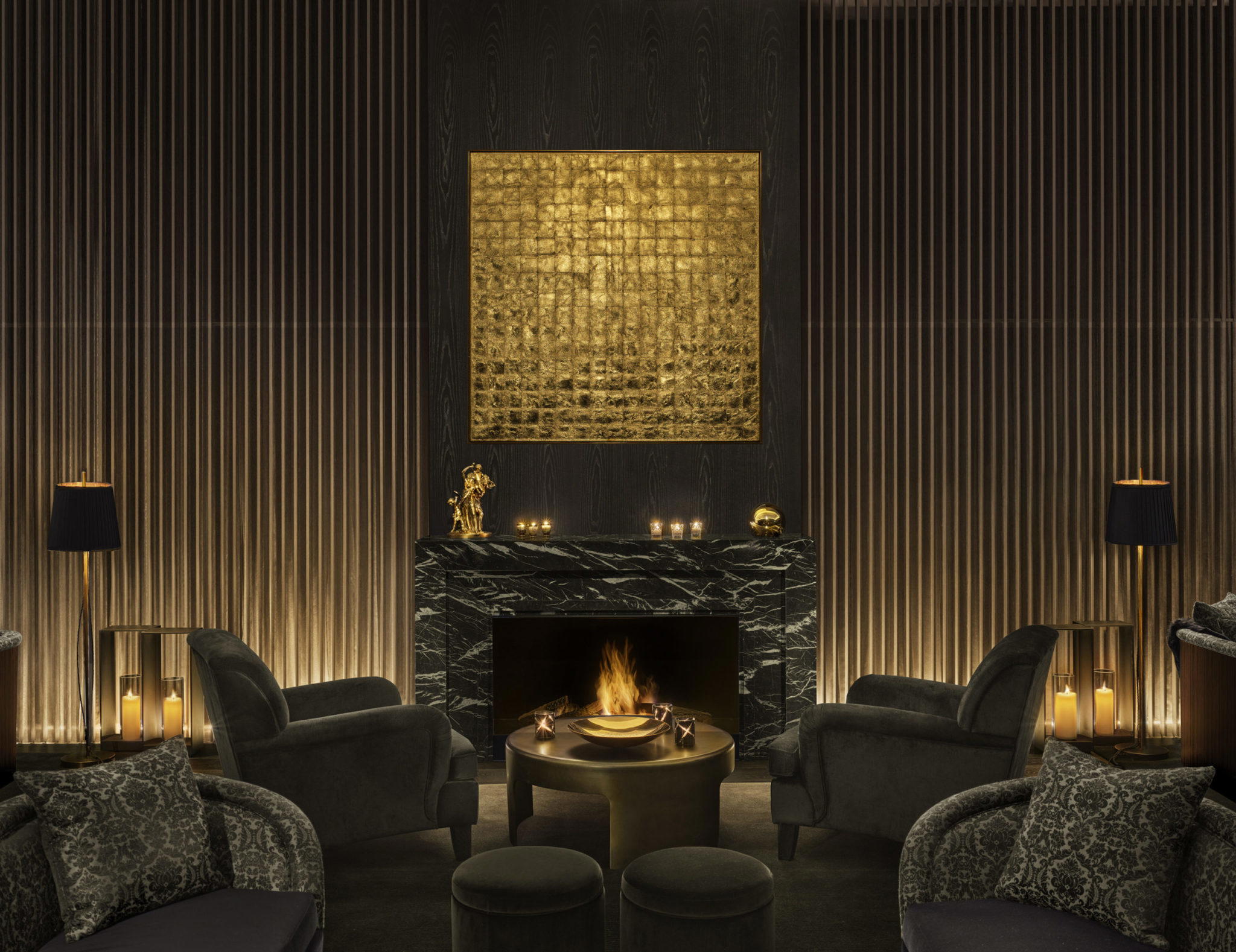
The experience is not a hushed counter or a chef explaining technique across a few seats. It is a larger room with sofa seating, spacious tables, and the social tempo of Chinese dining in Japan: shared plates, longer stays, mixed generations, and the option to move from meal to drink without changing address. Its sensory character comes from cumulative rhythm: tableware moving, conversations rising and dropping, staff crossing a room large enough to hold several moods.
Private rooms sharpen the point. In Tokyo, private dining is often treated as luxury, but in Chinese restaurants it is also part of the cuisine’s social grammar. Banquet-style eating depends on pacing, privacy, and ordering across categories without forcing the table into one fixed menu. Here, private rooms are available for groups of five or more, with larger seated parties up to 30, positioning the restaurant for families and friends as much as corporate dining, important in Roppongi, where restaurants can become either expense-account rooms or tourist traps.
The listed food direction includes a health and wellness menu, placing the kitchen within a Japanese reading of Chinese cuisine rather than a maximalist banquet stereotype. Tokyo diners often expect Chinese restaurants to manage richness with restraint: broths, vegetables, texture, and portion logic matter as much as chili, glaze, or wok perfume. No single dish needs to carry the argument; the broader signal is repeat use, not a once-a-year production.
For readers mapping the city, Tokyo’s field is more interesting than a single category list. Akihabara’s casual seafood-and-grill lane appears in . 鮪と炭火焼き うお炭 秋葉原店, while Shinjuku’s compact urban dining rhythm is represented by 12/10 Shinjuku ten. For skewers, 124. KAGURAZAKA (Yakitori) shows a focused format; for visual café culture, 2D Cafe sits in another Tokyo register. Curry specialists such as 3 Chome no Curry Ya San underline how segmented the city’s eating habits can be. Use Our full Tokyo restaurants guide for the broader map, with adjacent planning through Our full Tokyo hotels guide, Our full Tokyo bars guide, Our full Tokyo wineries guide, and Our full Tokyo experiences guide.
How to read its recognition
Tabelog’s Hyakumeiten lists catch restaurants that may not fit international awards culture. A Michelin-style tasting-menu frame can miss the value of a large Chinese room working for lunch, family meals, and late-night dining. Selection for the 2026 Chinese TOKYO list places Kouhi En among city restaurants judged within their category, where consistency and local appetite carry weight.
That recognition separates Roppongi signal from Roppongi noise. The area has entertainment branding, international foot traffic, and many venues trading more on convenience than cooking. A long-running Chinese dining room with category recognition reads not as a fashionable opening, but as an established answer to how Roppongi eats. The 10% service charge from 6 PM, non-smoking seating, card and electronic money acceptance, and absence of QR-code payments mark a conventional Tokyo dining operation rather than a pop-up sensibility.
Beyond Tokyo, context widens quickly. Kamakura’s beef-sukiyaki lane appears at -Grilled beef Sukiyaki- KAMAKURA TANUKIAN 鎌倉 たぬき庵 in Kamakura, Osaka’s café culture at.cafe in Osaka, and Kumamoto’s contemporary dining at.know in Kumamoto. Regional and international contrasts, from (Shoku) Vietnam in Kawasaki to [Curry Senmon Ten] Maruyama Kyoju. in Sapporo, [ki:] in Kyoto, Jōdo Saké Bar in Los Angeles, and Onigiri Time in Pasadena, show why category matters: each restaurant asks to be judged by its own dining grammar.
The editorial case is clear. This is not the Roppongi address for diners chasing a tiny counter, chef biography, or rigid tasting format. It is for readers who understand that Tokyo’s dining depth also lives in larger rooms, late schedules, private dining, and restaurants whose confidence comes from decades of repeat use. In a city often reduced to scarcity, Kouhi En argues for capacity, continuity, and the sensory comfort of a room built to keep the night going.
Style and Standing
Comparable venues at the same tier.
| Venue | Cuisine | Price | Awards | Notes |
|---|---|---|---|---|
| Kouhi EnThis venue — the venue you are viewing | Chinese Noodles | $$ | , | |
| 南方中華料理 南三 | Taiwanese | , | Shinjuku | |
| Sichuan Hashoku | Traditional Sichuan Chinese | $$ | , | Taitō |
| ENGINE | Chinese with Japanese influence | $$ | , | Shinjuku |
| SEN YO | Shenzhen-inspired regional Chinese | $$ | , | Suginami |
| chuukaryouri tokutake | Modern Chinese & Ramen | $$ | , | Sumida |






At a Glance
- Classic
- Cozy
- Hidden Gem
- Group Dining
- Business Dinner
- Casual Hangout
- Private Dining
- Standalone
- Beer Program
Traditional, welcoming, and focused on hearty comfort food with a warm hospitality feel.