レクレルール occupies a ground-floor address in Daikanyama's SPT Building, a neighbourhood where French-influenced independent restaurants have quietly built serious followings away from the Ginza circuit. Set against Tokyo's upper-tier French dining scene, the restaurant draws interest for its sourcing-led approach and Shibuya-ward location that positions it outside the conventional fine-dining corridor.
Pearl is the En Primeur Club membership app — saves, bookings, and concierge access live there. Same editors, same standards.
- Address
- Japan, 〒150-0034 Tokyo, Shibuya, Daikanyamacho, 6−6 SPT代官山ビルディング 1F
- Phone
- +81368090711
- Website
- leclaireur.restaurant
- Directions
- Get directions
 Saves & bookings on Pearl
Daikanyama and the Case for French Dining Off the Main Circuit
Tokyo's premium French dining scene has historically concentrated along a familiar axis: Ginza, Minami-Aoyama, and the hotel dining rooms that cluster around central Shibuya. Daikanyama sits adjacent to that corridor but operates on different terms. The neighbourhood's low-rise streetscape and independent retail culture have made it a natural home for restaurants that prioritise craft over visibility, where the clientele arrives by word of mouth rather than through hotel concierge lists. Within that context, レクレルール, positioned on the ground floor of the SPT代官山ビルディング on Daikanyamacho, belongs to a cohort of Shibuya-ward addresses that have built followings without occupying the city's most-discussed fine dining tier.
That geography matters when thinking about ingredient sourcing. French restaurants embedded in Ginza's premium tier tend to operate within well-established supply chains that connect them to the auction floors at Tsukiji's successor market in Toyosu, or to import networks that deliver French produce on predictable schedules. Smaller, neighbourhood-anchored operations like those in Daikanyama have historically been more likely to work with regional Japanese producers, sourcing proteins and vegetables through relationships built over years rather than through centralised wholesale channels. The distinction shapes what ends up on the plate: not necessarily in terms of prestige, but in terms of specificity and traceability.
Ingredient Sourcing as the Central Editorial Question
The name レクレルール translates loosely from French as "the writer" or "the one who writes," a framing that implies authorship and intention. In the context of restaurant positioning, that intention most visibly expresses itself through procurement decisions. Tokyo's most closely watched French kitchens have spent the past decade articulating sourcing narratives with increasing precision. L'Effervescence, operating at the ¥¥¥¥ tier in Minami-Aoyama, has built a documented identity around Japanese producers and seasonal ingredient cycles. Sézanne at Four Seasons Marunouchi approaches sourcing from a Franco-Japanese synthesis perspective, working within the resources of a major hotel group. Crony in Minami-Aoyama has drawn attention for a more inventive, produce-forward approach at the same price tier.
Against that comparable set, the sourcing question at レクレルール is worth asking directly: does the kitchen draw primarily from Japanese regional networks, French imports, or a hybrid approach? The answer to that question would define how it competes, and which dining occasions it fits. A kitchen anchored to Japanese vegetable producers and domestic protein suppliers is telling a different story from one that emphasises French technique applied to French raw materials. Both are defensible editorial positions. The practical implication for prospective diners is direct: ask specifically about the provenance of key proteins and seasonal produce. That conversation will tell you more about the kitchen's identity than any fixed description.
The Tokyo French Scene: Where This Address Sits
French cuisine in Tokyo has stratified sharply over the past two decades. At the summit of the market, three-Michelin-star addresses command tasting menus that price comparably to their counterparts in Paris or New York. Below that tier, a substantial middle band operates with serious technique and clear sourcing commitments at price points that remain accessible relative to the leading bracket. Daikanyama's French addresses have tended to occupy this middle register, where cooking quality is high but the format is less ceremonial. Compare that to the kaiseki tradition, where restaurants like RyuGin anchor themselves firmly in seasonal Japanese produce sourced through relationships with specific regional farms and fishermen. The French kitchen in Tokyo has increasingly borrowed that philosophy: treating sourcing as a form of editorial identity rather than a logistical necessity.
Across Japan more broadly, the sourcing conversation is active at every price tier. HAJIME in Osaka has built a three-star identity partly through its relationship with domestic producers. Gion Sasaki in Kyoto operates within the kaiseki tradition's deep dependency on local seasonal supply. Outside the major cities, addresses like akordu in Nara and Goh in Fukuoka demonstrate that sourcing-led cooking is not confined to metropolitan supply chains. Even in less-discussed markets, restaurants such as 一本杉川嶋製 in Nanao and 湖畔庵 in Takashima have built identities around hyper-local ingredient access. That national pattern reinforces why a Daikanyama address that commits seriously to sourcing would have a credible position in this conversation, even without the headline recognition of the Michelin-starred circuit.
For international context, the sourcing-as-identity model is equally visible in high-end Western kitchens. Le Bernardin in New York City has long framed its identity around seafood provenance and supplier relationships. Atomix in New York City, operating at a different cultural register, treats ingredient sourcing as an explicit part of the dining narrative. The global direction of travel is clear: procurement decisions have become a form of communication, not just a backstage function.
Sushi and French: How Tokyo Diners Calibrate Choice
A practical note on context: Daikanyama sits within reasonable distance of some of Tokyo's more discussed sushi addresses. Harutaka, operating at the ¥¥¥¥ tier, exemplifies the high-precision omakase format that defines Tokyo's sushi upper bracket. Diners choosing between a French kitchen and a sushi counter in this part of the city are generally making a format decision as much as a cuisine decision. The French tasting menu format invites a longer, more discursive meal with wine; the omakase counter is precise, faster, and structured around chef-directed pacing. レクレルール's Daikanyama address makes both options geographically plausible on consecutive evenings, which is worth noting for multi-day itinerary planning.
Further afield, restaurants like 夕日ケ丘乃 in Sapporo, 庄羽屋 in Nishikawa Machi, Birdland in Sakai, and Bistro Ange in Toyohashi demonstrate how seriously the regional Japanese dining scene has developed outside Tokyo, providing useful comparators for understanding what a sourcing-led independent restaurant can achieve at different scales and in different supply environments.
Planning Your Visit
レクレルール is located at 6-6 SPT代官山ビルディング 1F, Daikanyamacho, Shibuya, Tokyo 150-0034. The restaurant is open Mon: 4:30–11 PM; Tue: 4:30–11 PM; Wed: 4:30–11 PM; Thu: 4:30–11:04 PM; Fri: 12–11 PM; Sat: 12–11 PM; Sun: 12–11 PM, and reservations are essential.
The Minimal Set
Comparable venues nearby, for context on price, style, and recognition.
| Venue | Cuisine | Price | Notes |
|---|---|---|---|
| レクレルールThis venue — the venue you are viewing | Not listed | $$$ | Not listed |
| ルカンケ | Minato, Authentic French Bistro | $$$ | Not listed |
| 茶禅華 | Minato, Classical French Cuisine | $$$ | Not listed |
| カラペティバトゥバ! | Not listed | $$$ | Minato, Modern French Bistro with Spanish, Italian & Indian Influences |
| ル・ボークープ | Shibuya, Seasonal French Bistro | $$$ | Not listed |
| マチュリテ | Chūō, Modern French Bistro | $$$ | Not listed |














At a Glance
- Modern
- Elegant
- Sophisticated
- Intimate
- Date Night
- Special Occasion
- Business Dinner
- Open Kitchen
- Chefs Counter
- Design Destination
- Extensive Wine List
- Sommelier Led
- Local Sourcing
Current opening hours
- Monday
- 4:30–11 PM
- Tuesday
- 4:30–11 PM
- Wednesday
- 4:30–11 PM
- Thursday
- 4:30–11:04 PM
- Friday
- 12–11 PM
- Saturday
- 12–11 PM
- Sunday
- 12–11 PM
Hours can change for holidays and private events. Last verified .
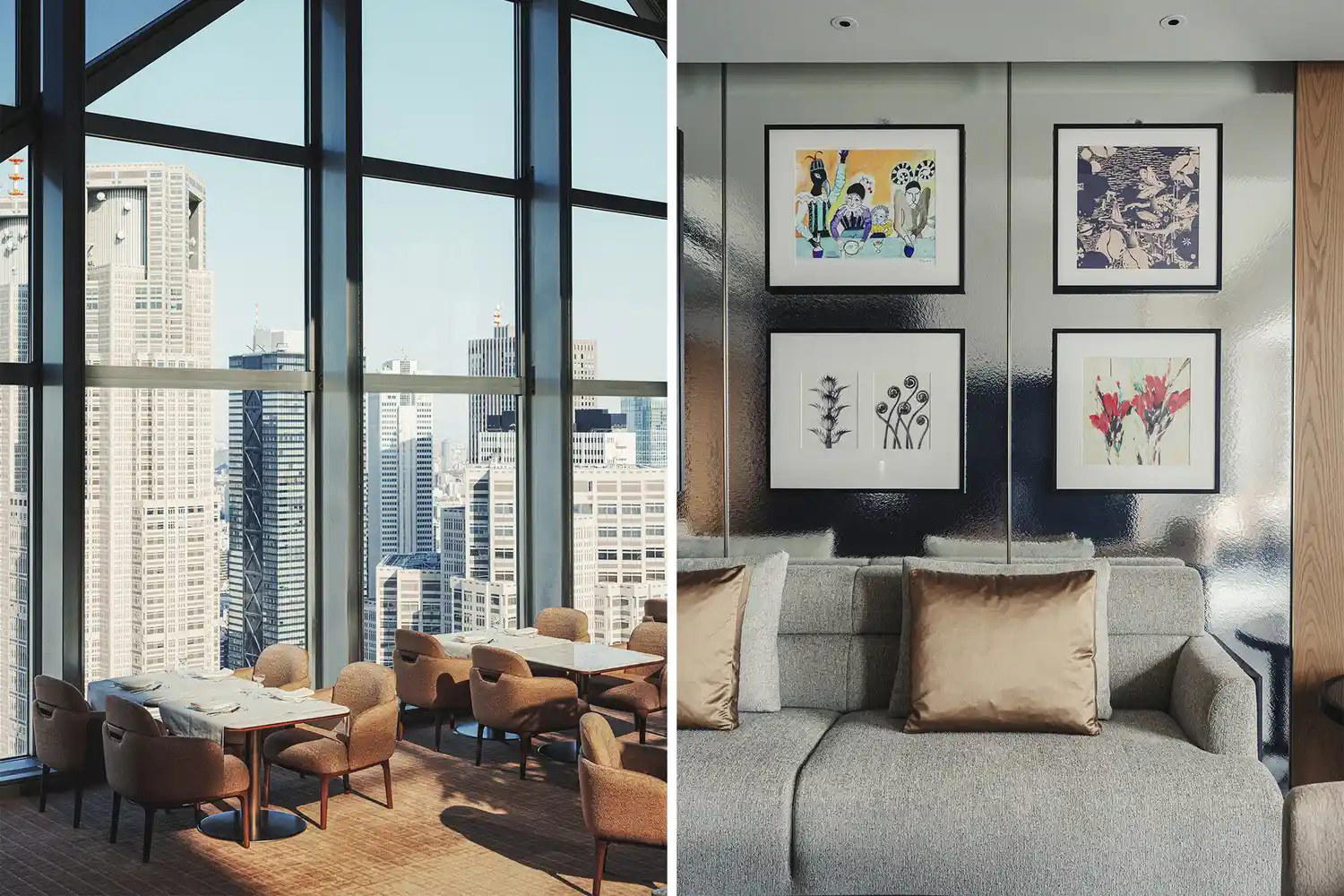
Minimalist white interior with a prominent wood-fired oven as the focal point; modern, refined atmosphere with an emphasis on the culinary theater of fire-based cooking.