マチュリテ occupies a quiet corner of Hatchobori, one of Chuo City's less-trafficked business districts, positioning itself at a remove from Tokyo's more conspicuous fine-dining corridors. The name, French for 'maturity' or 'ripeness', signals an approach grounded in the language of classical European technique applied through a Japanese sensibility. For visitors tracing Tokyo's broader French-Japanese dining conversation, it is a considered address worth tracking.
Pearl is the En Primeur Club membership app — saves, bookings, and concierge access live there. Same editors, same standards.
- Address
- 1 Chome-4-5 Hatchobori, Chuo City, Tokyo 104-0032, Japan
- Phone
- +81362803784
- Website
- maturite.tokyo
- Directions
- Get directions
 Saves & bookings on Pearl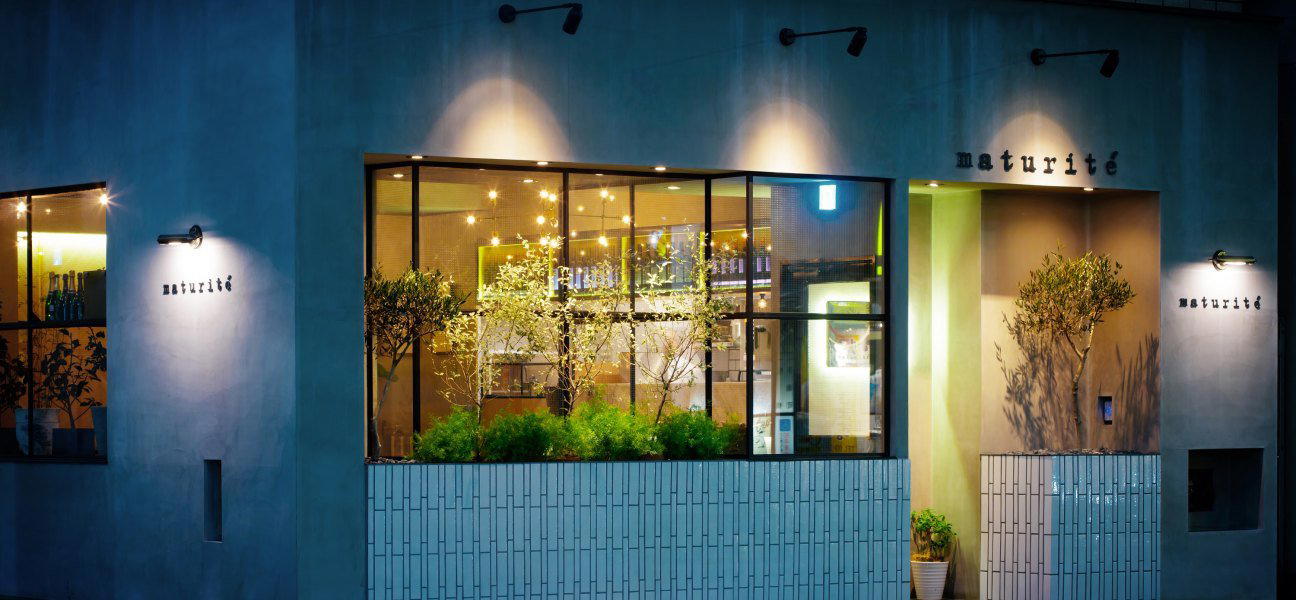
Hatchobori and the Quieter Register of Tokyo Fine Dining
Tokyo's premium restaurant geography has long favoured Ginza, Minami-Aoyama, and Azabu-Juban as its most legible fine-dining corridors. But a parallel current has developed in less photogenic business districts, where rents permit smaller, more disciplined operations to sustain a different kind of ambition. Hatchobori, in Chuo City, belongs to that second category. The neighbourhood is defined by financial offices and mid-century shopfronts rather than by designer retail, and restaurants that settle here tend to do so because the format demands quiet rather than foot traffic. マチュリテ, at 1 Chome-4-5 Hatchobori, is consistent with this pattern: an address that asks something of the diner before the meal even begins.
The name itself carries editorial weight. Maturité is a French word for ripeness or full development, the stage at which something, a cheese, a wine, a technique, has reached the outer limit of what patient time can do. In the French-Japanese dining conversation that has shaped much of Tokyo's upper-tier restaurant culture over the past three decades, naming a restaurant after that concept is a deliberate positioning signal. It announces an orientation toward restraint and process over novelty, which places the venue in a specific and serious comparable set.
Menu Architecture as Editorial Statement
In Tokyo's upper tier, how a menu is structured tells you nearly as much as what appears on it. The binary between omakase (chef-led, fully sequenced, no ordering) and carte blanche (guest-directed, assembled from listed dishes) carries real information about a kitchen's priorities and its relationship to the diner. A third model, increasingly common among French-influenced houses, is the structured tasting format: a fixed progression of courses where the architecture, the number of acts, the movement between cold and warm, raw and cooked, restrained and richer, is itself the argument the kitchen is making.
This is the tradition within which マチュリテ operates. The French-Japanese format, which L'Effervescence and Sézanne represent at the city's most decorated level, asks the kitchen to construct an experience where each course functions both as a standalone statement and as a beat in a longer rhythm. The sequencing, which proteins appear where, how acidity is distributed across the meal, where the kitchen chooses to place its most technically demanding dish, amounts to a kind of editorial logic. At a venue whose name foregrounds the concept of maturity, you would expect that logic to lean toward classical coherence rather than surprise for its own sake.
The contrast with the city's kaiseki houses is instructive. RyuGin operates within a Japanese architectural tradition where the progression of the meal mirrors seasonal time, moving through a codified set of dish types that carry century-old meanings. French-influenced kitchens in Tokyo occupy a different structural inheritance, where the logic is less tied to ritual sequence and more to the chef's reading of what the palate can absorb across two or three hours. Both are serious, both are demanding, but they produce different kinds of menus, and different kinds of diners tend to gravitate toward each.
Among Tokyo's French-leaning mid-tier houses, Crony has attracted attention for its willingness to mix registers within a single menu, while the city's more strictly classical French addresses hold to a more formal progression. マチュリテ's name suggests allegiance to the latter tendency: an interest in what a menu can accomplish when it stays within the discipline of a tradition rather than working across it.
The Chuo City Dining Pattern
Chuo City's restaurant geography rewards some unpacking. Ginza, technically within the ward, anchors the highest-visibility concentration of Michelin-starred Japanese and European restaurants in the city. But Hatchobori, further east toward the Sumida River, operates at a different scale and with a different clientele. The dinner crowd here skews toward professionals from the surrounding financial district, supporting a smaller number of destination-dinner restaurants. This means that a serious kitchen in Hatchobori is not competing on the same visibility terms as a comparable kitchen in Nishi-Azabu. It is making a different bet: that the food will do the work that location would otherwise do.
This is not an unusual wager in Tokyo, a city where particularly technically disciplined restaurants occupy second-floor walkups above convenience stores. But it does require the kitchen to operate with a clarity of purpose that higher-traffic venues can occasionally substitute with atmosphere. For a venue whose positioning emphasises ripeness and restraint, Hatchobori is, in that sense, a coherent choice.
Placing マチュリテ in the Wider Japan Context
The French-Japanese dialogue that produced restaurants like マチュリテ is not exclusive to Tokyo. HAJIME in Osaka works within a comparable tradition at the highest recognition level, while akordu in Nara demonstrates how European fine-dining grammar can be reshaped by a specific regional Japanese context. Goh in Fukuoka applies a similar technical seriousness within a city that is beginning to assert a distinct fine-dining identity of its own. The broader point is that French-influenced tasting-menu restaurants across Japan now constitute a mature, confident genre rather than an exercise in imitation, and within that genre, questions of menu architecture and progression have become the primary points of differentiation between serious kitchens.
Internationally, the comparison set extends beyond Japan. Le Bernardin in New York City is one example of a kitchen where the structure of the menu functions as a consistent argument across decades. Atomix in New York City demonstrates how Korean-influenced fine dining has developed its own tasting-menu logic independent of French models. Both reference points are useful when thinking about what it means for a kitchen to commit to a particular menu architecture rather than reinventing its structure with each season.
Within the Tokyo comparable set, Harutaka operates at the summit of the sushi counter format, and the contrast with French-influenced tasting menus illustrates how different the structural logic of each tradition is, omakase sequences are responsive to the fish available that morning; tasting menus are built weeks in advance around a seasonal thesis. Both require rigour, but the rigour is expressed in opposite directions: one toward freshness and spontaneity, the other toward coherence and control.
Japan's regional fine-dining circuit also includes addresses worth cross-referencing: Gion Sasaki in Kyoto and more local or lesser-discussed venues such as 一本木 南川製 in Nanao, 夕佳亭山乃 in Sapporo, 湖畔荘 in Takashima, 旅羽屋 in Nishikawa Machi, Birdland in Sakai, and Bistro Ange in Toyohashi, collectively illustrating how Japan's fine-dining ambition extends well beyond Tokyo's most-cited addresses. For a full picture of what Tokyo itself offers across cuisines and price tiers, EP Club's full Tokyo restaurants guide maps the city's current dining geography in detail.
Planning Your Visit
Given the restaurant’s listed opening hours and recommended reservation policy, the practical guidance below focuses on what is generally true for this category of restaurant in Tokyo. Reservations are recommended, and advance booking is sensible for this address level. Budget: Expect about $80 per person. Dress: Smart-casual at minimum; most serious tasting-menu restaurants in this neighbourhood skew toward business-smart in practice. Access: Hatchobori Station places the address within walking distance. Timing: Dinner service runs Tuesday to Friday from 5:30 to 11 PM, with Saturday and Sunday lunch from 12 to 3 PM and dinner from 6 to 10 PM.
Standing Among Peers
Comparable venues nearby, for context on price, style, and recognition.
| Venue | Cuisine | Price | Notes |
|---|---|---|---|
| マチュリテThis venue — the venue you are viewing | Modern French Bistro | $$$ | Not listed |
| ロクターヴ ハヤト コバヤシ | Modern French Gastronomy | $$$ | Shibuya |
| デュ バリー | Casual French Bistro with Reims Regional Specialties | $$$ | Setagaya |
| Au Gamin de Tokio | French Bistro | $$$ | Ebisu |
| YOSHIDA HOUSE | French Bistro | $$$ | Shibuya |
| Dining 33 | Modern French Grand Bistro | $$$ | Minato |

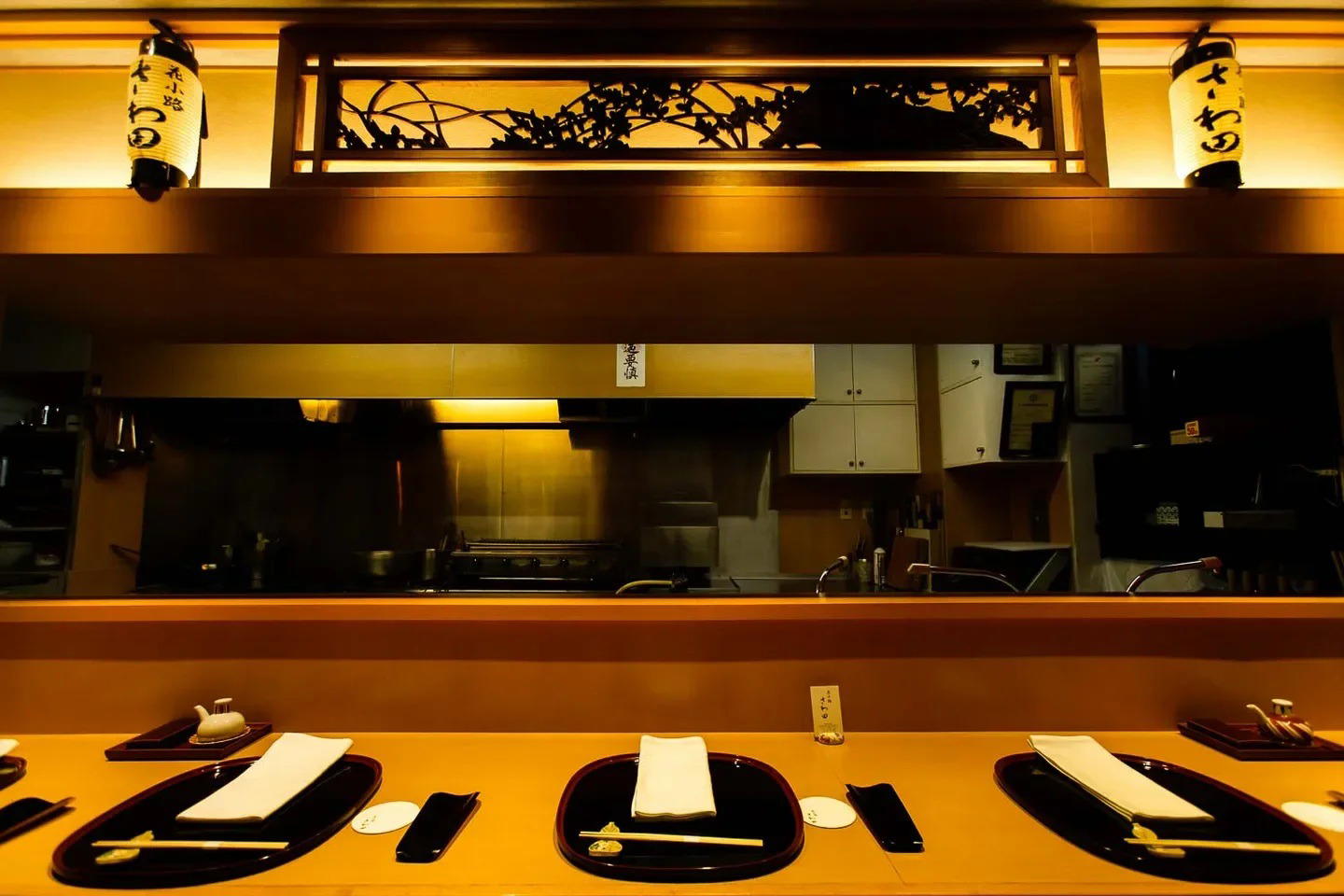
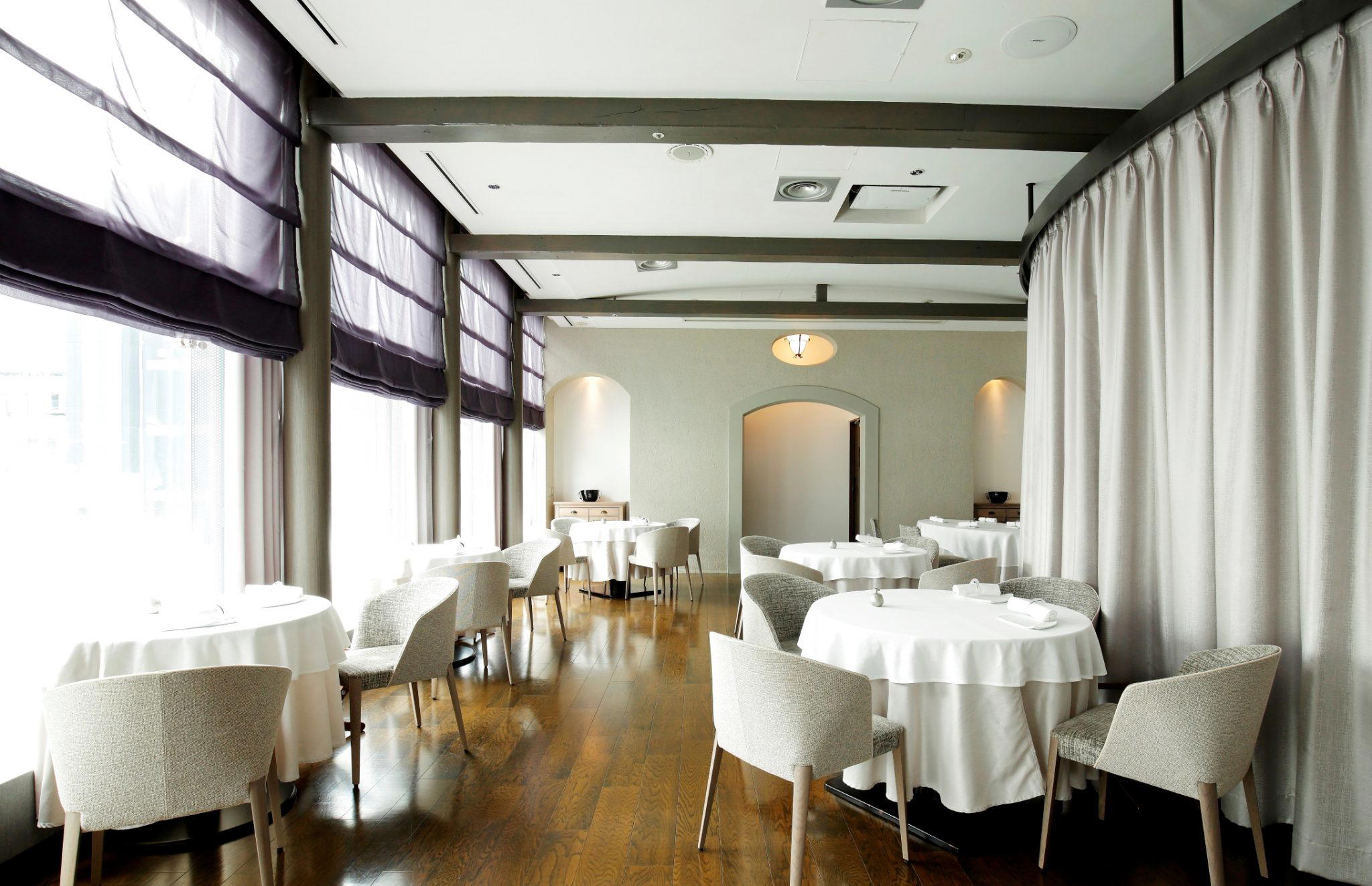
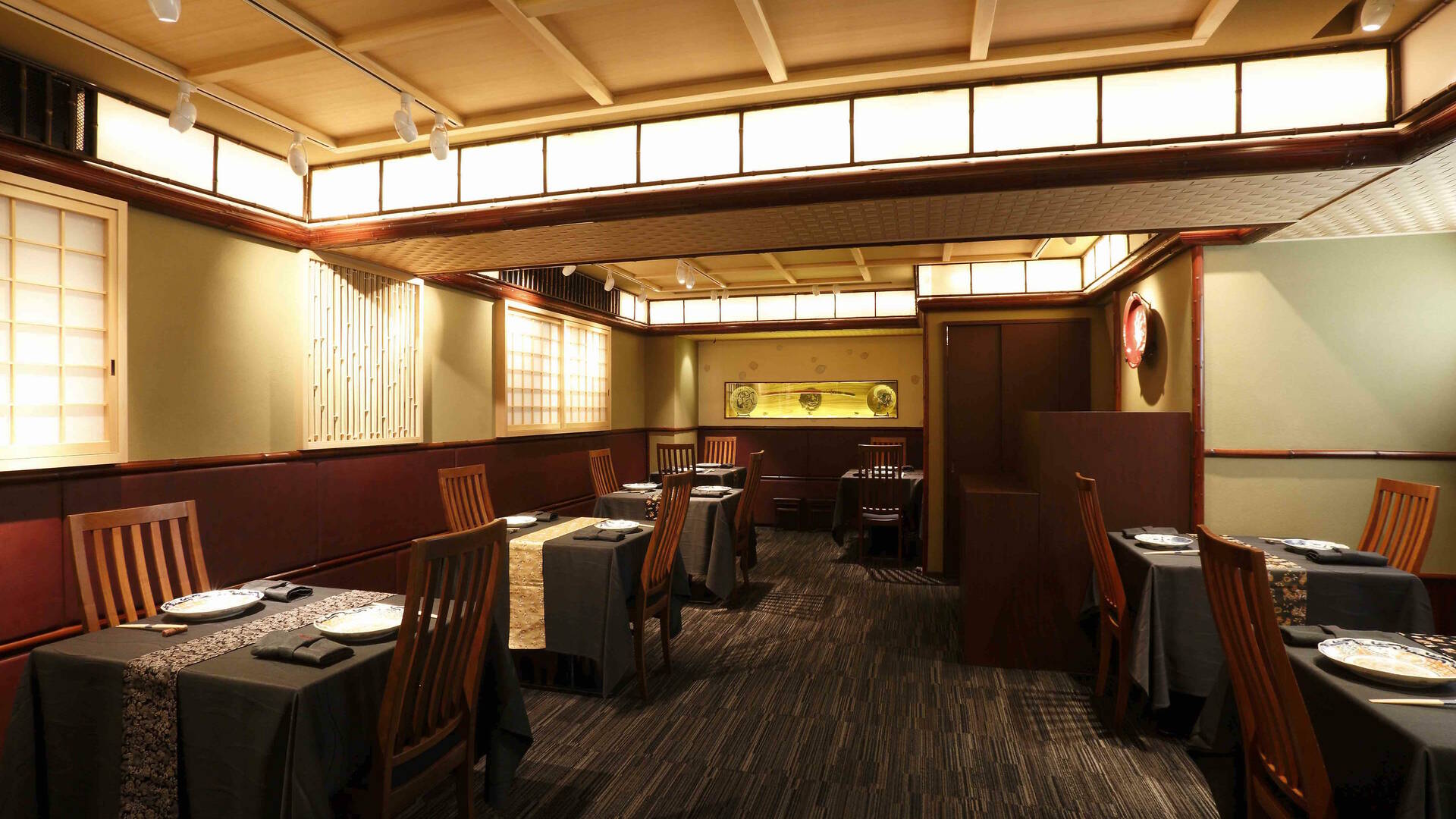

At a Glance
- Cozy
- Elegant
- Sophisticated
- Date Night
- Business Dinner
- Open Kitchen
- Sake Program
Current opening hours
- Monday
- Closed
- Tuesday
- 5:30–11 PM
- Wednesday
- 5:30–11 PM
- Thursday
- 5:30–11 PM
- Friday
- 5:30–11 PM
- Saturday
- 12–3 PM, 6–10 PM
- Sunday
- 12–3 PM, 6–10 PM
Hours can change for holidays and private events. Last verified .
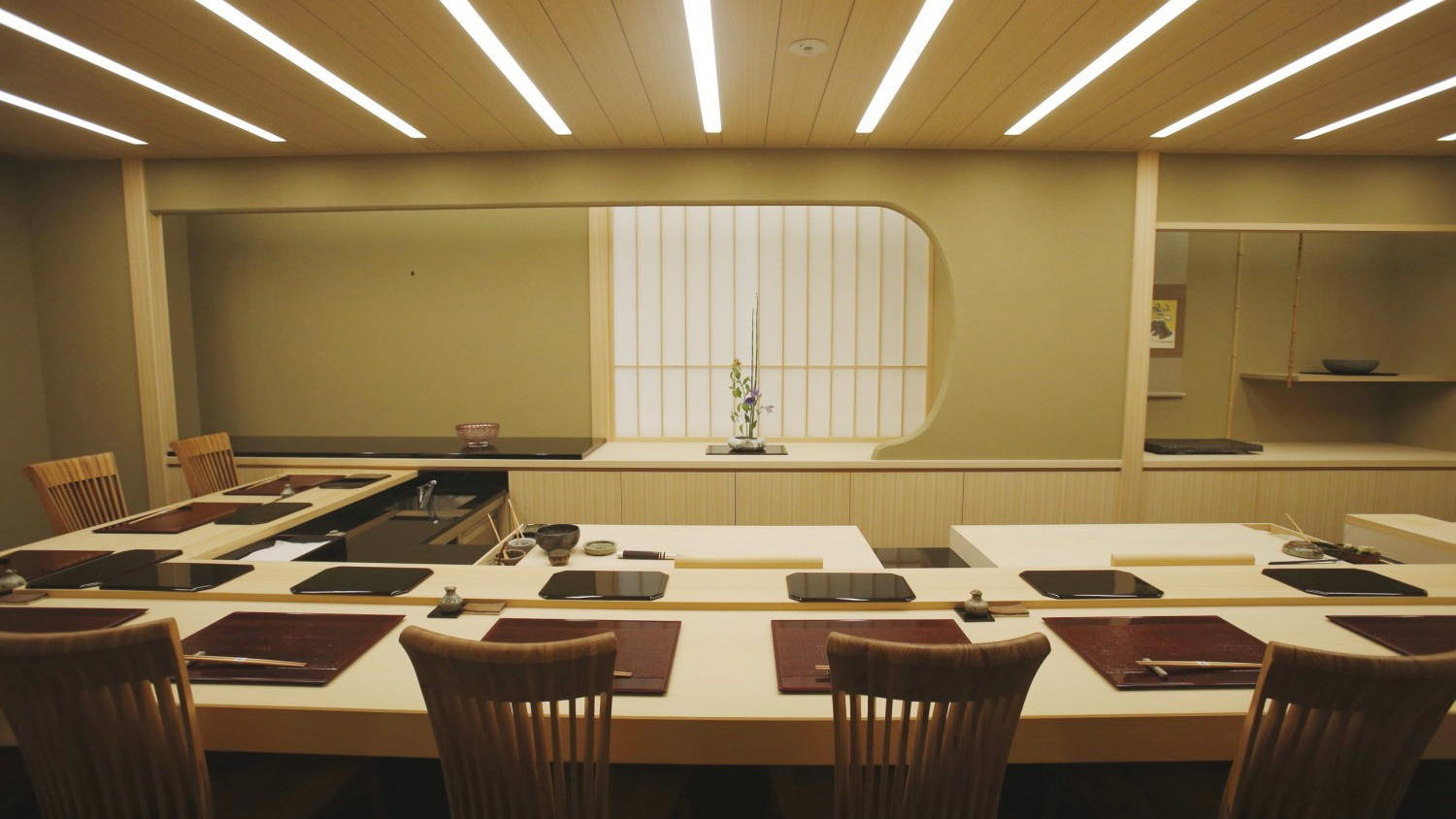
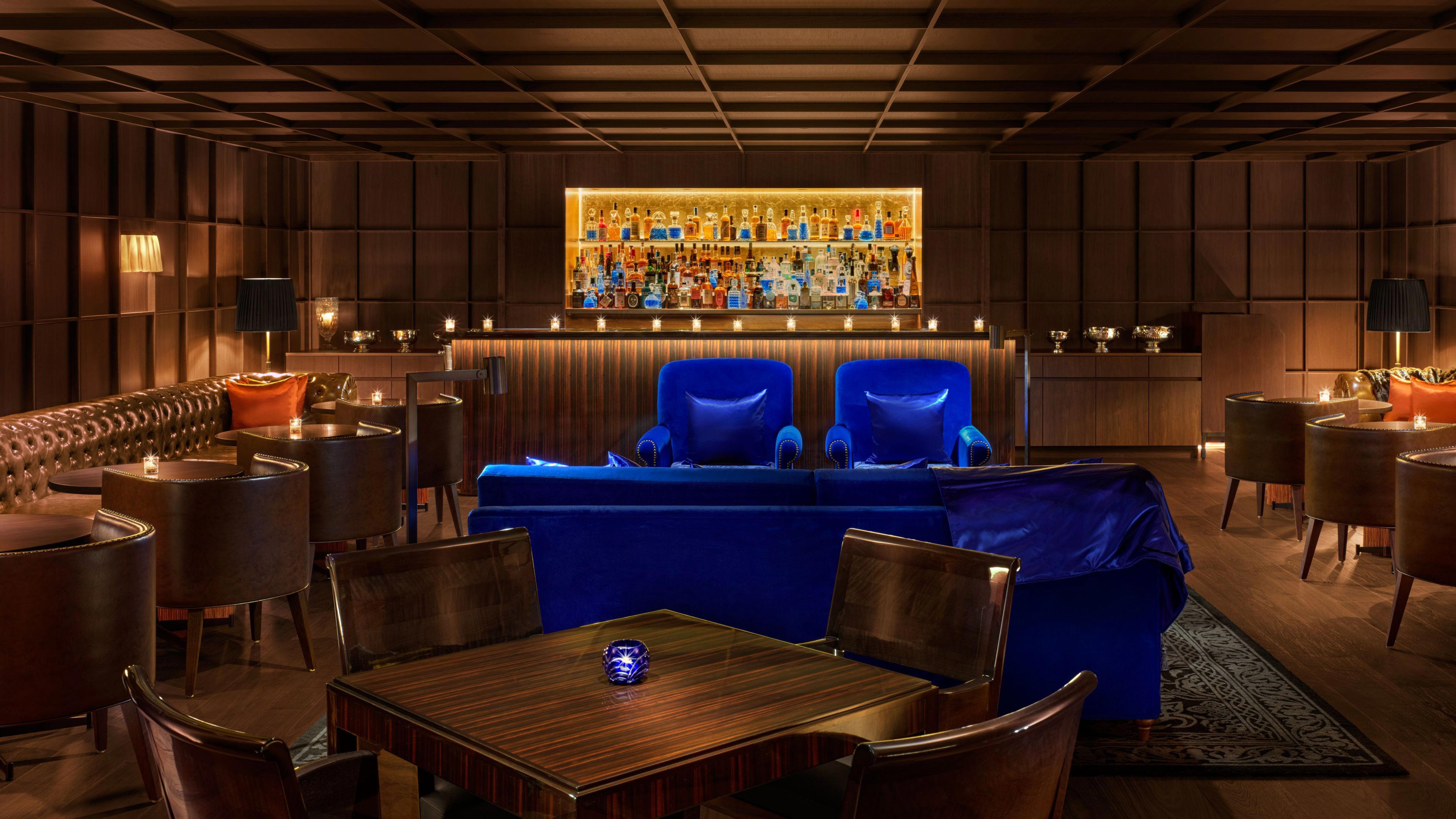
Cozy corner restaurant filled with light and greenery, offering a sophisticated and welcoming atmosphere.