Tabelog 100 #93
Our verdict
Sushi Satake in Ginza serves Edomae omakase with hot sushi rice, runs as an omakase bar, and pairs dinner with a sake program for an extended, quiet meal.

Pearl is the En Primeur Club membership app, where members save venues, book tables and use the concierge.
The menu
What to order
- Hot sushi rice with fatty tuna
- Chutoro
- Nigiri with warm shari
Ginza's Omakase Tradition, Examined at Counter Level
Ginza's 8-chome block has a particular density of serious sushi counters. The address alone carries freight: this stretch of central Tokyo has concentrated premium omakase dining for decades, drawing a clientele that treats the reservation process as seriously as the meal itself. Sushi Satake occupies that address space, positioned within one of the most scrutinized postal codes in global fine dining. To understand what that means for a diner, it helps to understand how Ginza's sushi tier actually works.
Tokyo's premium omakase market has stratified considerably over the past decade. The upper tier, anchored by counters with Michelin recognition and multi-month waiting lists, operates on allocation logic closer to a luxury goods release than a conventional restaurant booking. The middle tier, technically accomplished and often more accessible, competes on value and availability. Sushi Satake's Ginza 8-chome address places it physically within the same neighbourhood as some of Tokyo's most decorated sushi rooms, including Harutaka, which sits at the ¥¥¥¥ tier with corresponding recognition.
What the Omakase Format Actually Demands
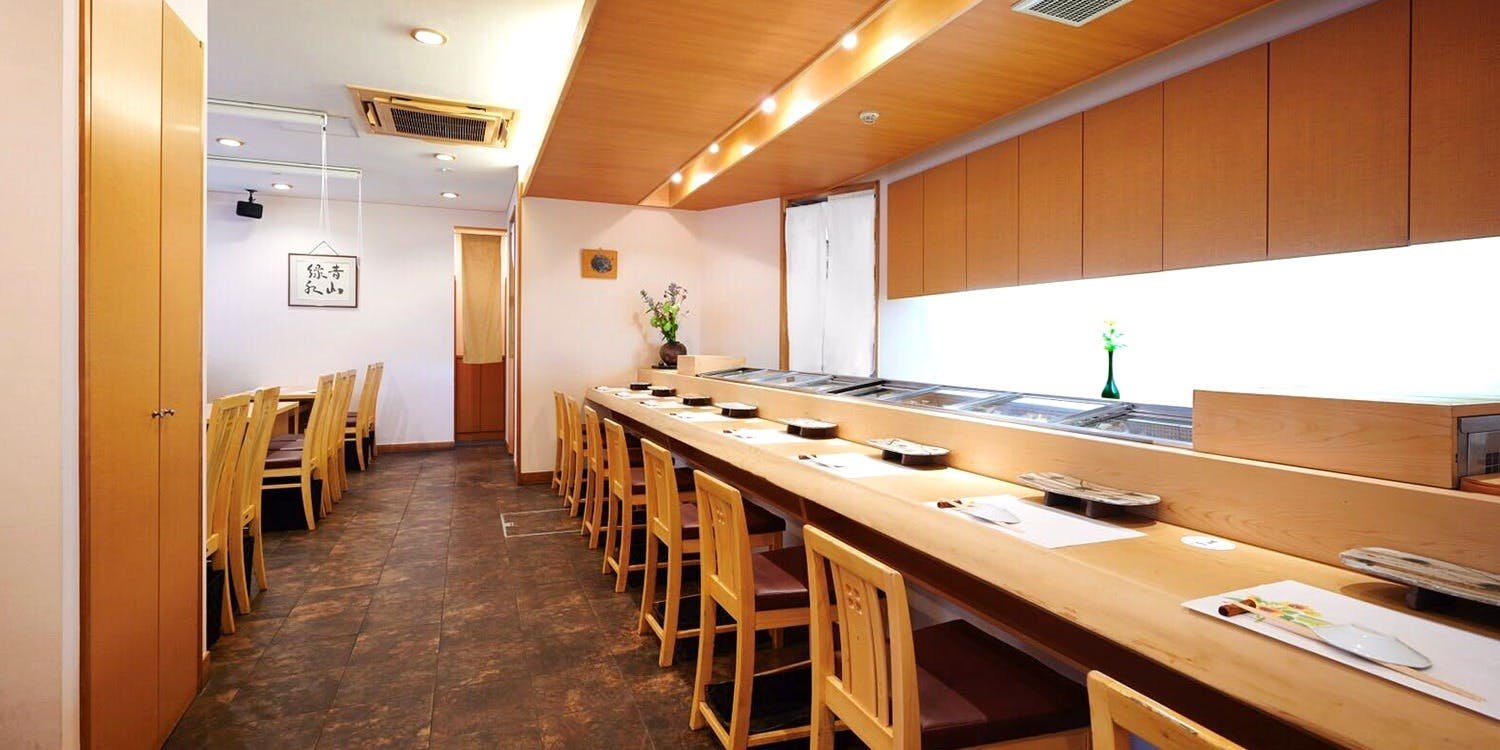
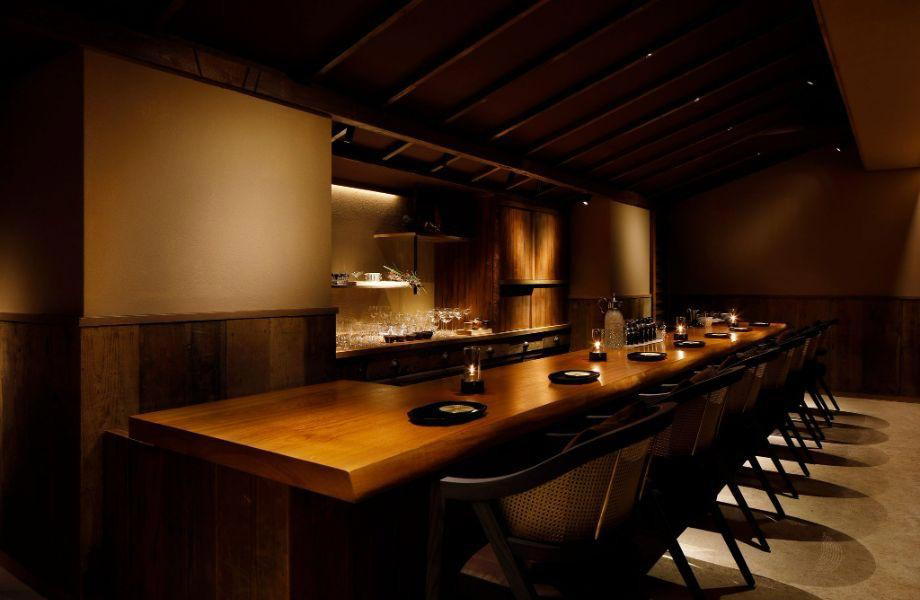
The omakase format is not simply a chef's tasting menu in the Western sense. The word translates approximately as "I leave it to you," and that phrase carries genuine cultural weight. At a serious Edo-mae counter, the format is a negotiation between the fish market's daily yield, the chef's technique, and the guest's receptivity. Courses are not pre-printed; they follow the season, the supplier, and in some cases the individual guest. The counter seat, usually wood worn smooth by years of service, positions the diner as participant rather than audience.
This tradition has deep roots in Tokyo's fish culture. Edo-mae sushi, the style that originated in what is now Tokyo Bay, developed as fast food for a working city before it was refined into an art form. The shift toward high-formality counter dining accelerated through the postwar decades as premium fish access concentrated in Tokyo's wholesale markets, and as chefs trained within strict lineage systems carried technique from established houses to new counters. That lineage structure, where skill and philosophy pass through direct apprenticeship, explains why credentials matter so much in evaluating any Ginza counter. The question is not merely whether the rice is good, but what tradition it carries.
For context on how other Japanese cities approach similarly structured dining, Gion Sasaki in Kyoto and HAJIME in Osaka demonstrate how regional markets develop their own formal dining codes distinct from Tokyo's Edo-mae orthodoxy. Ginza counters like Sushi Satake operate within a specifically Tokyo frame of reference, where market access and lineage carry more weight than local ingredient sourcing.
The Physical Context: Ginza 8-Chome
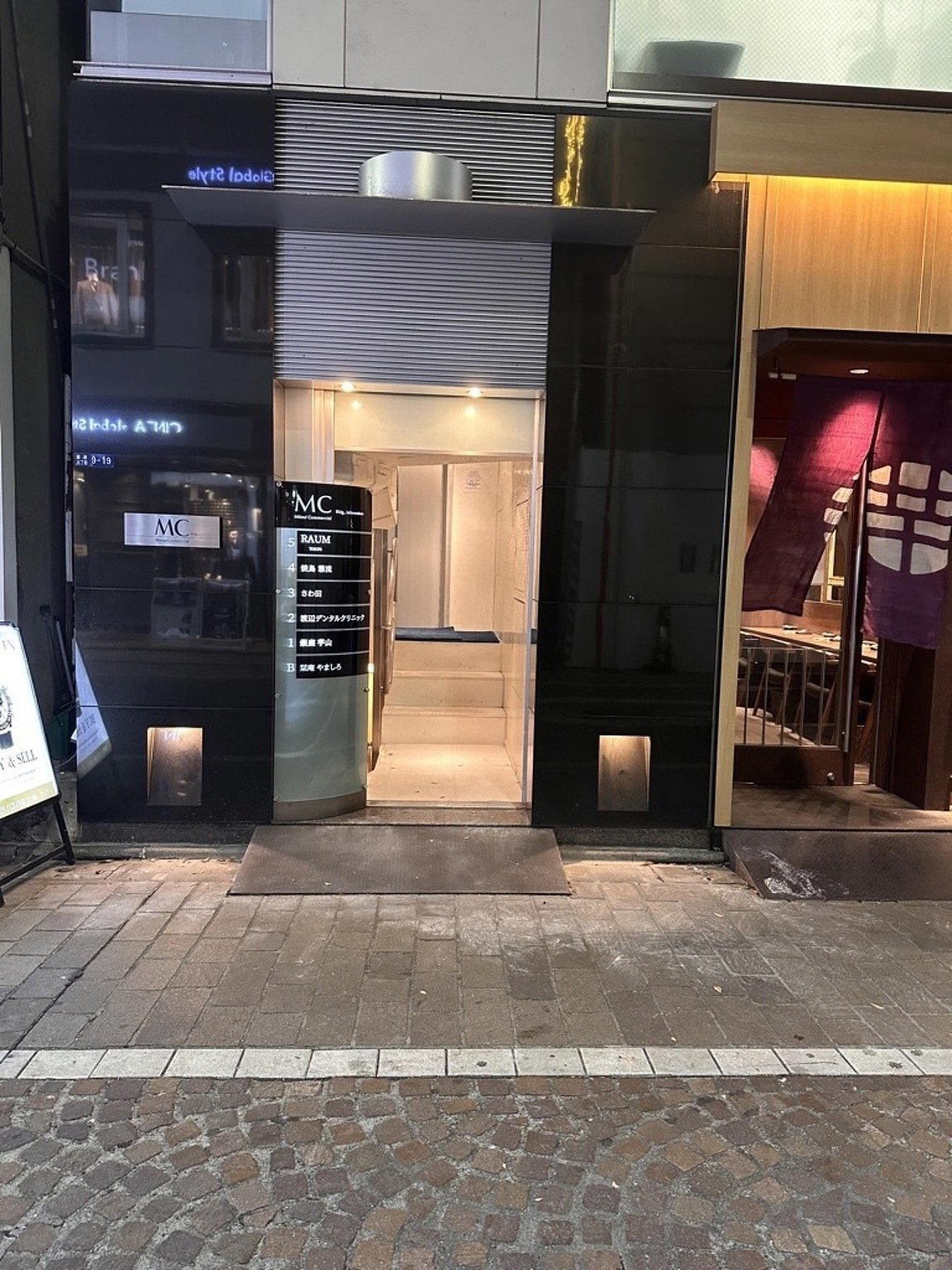
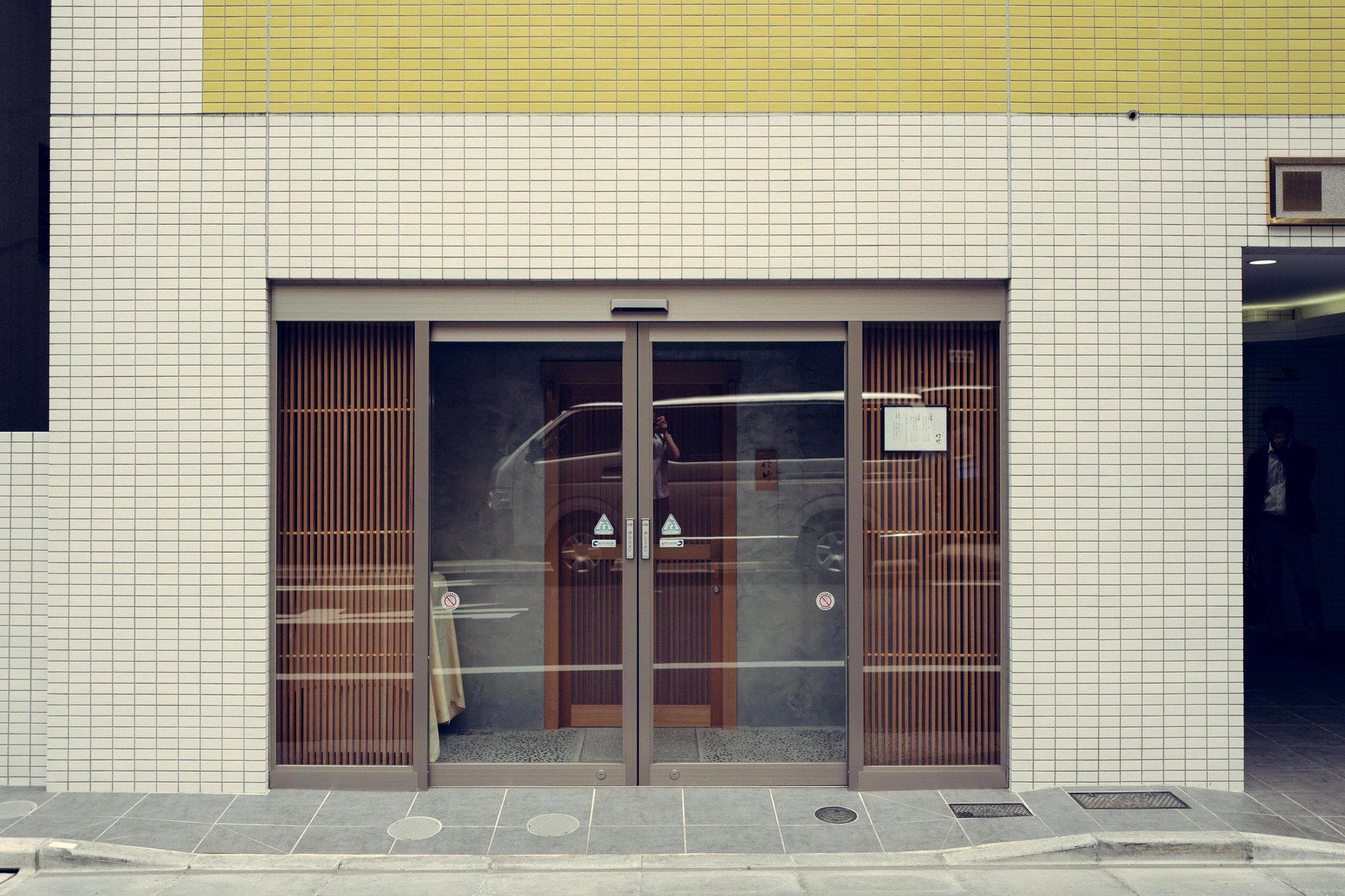
The Duplex Ginzamitsukosa building at 8-14-9 Ginza places Sushi Satake in a commercial structure that, like many Ginza dining addresses, stacks multiple restaurants across multiple floors. Ground floor access is typical for counters that want the operational clarity of a single entry point. The surrounding block is dense with both retail and dining, meaning the walk from Ginza Station is characteristically Tokyo: orderly, precise, and offering no particular scenic approach. What matters at this address is what happens once you are seated, not the journey to the front door.
This is a different context from the ryotei-style dining found in quieter neighbourhoods, where the approach through a gate or garden is itself part of the experience. Ginza's premium sushi culture is urban and compressed. The room is the experience, and the counter is the room. That compression is not a limitation; it is a deliberate aesthetic. The absence of distraction focuses attention on the fish, the rice, the temperature, the pacing.
Ginza in Comparison: The Broader Tokyo Table
Ginza accounts for a disproportionate share of Tokyo's Michelin-starred restaurant count, which itself reflects a concentration of spending power and food media attention. Sushi counters in Ginza compete not only with each other but with the full range of Tokyo's fine dining formats. Kaiseki rooms such as RyuGin operate at the same price tier, offering a different relationship with seasonality and course structure. French-influenced kitchens including L'Effervescence, Sézanne, and Crony draw from the same pool of guests willing to commit to a long, expensive meal in a small room. Against that competition, a sushi counter's proposition rests on format clarity: the omakase removes menu decisions entirely and asks the diner to commit to a singular act of trust.
For readers building a broader Japan itinerary, the EP Club covers dining across the country, from akordu in Nara and Goh in Fukuoka to regional specialists such as 一本杉川嶋制 in Nanao, 古代山乃 in Sapporo, 湖鱒庵 in Takashima, 羽根屋 in Nishikawa Machi, Birdland in Sakai, and Bistro Ange in Toyohashi. Our full Tokyo restaurants guide maps the city's dining tiers with more granularity. For international comparison, counters at the level of Le Bernardin in New York City and Atomix in New York City offer a useful calibration of what premium tasting-format dining costs outside Japan.
Planning Your Visit
Ginza omakase counters at this address tier generally require advance reservations, and many operate through concierge-mediated booking rather than direct online systems. Guests without Japanese-language capability often find that hotel concierge services or specialist booking platforms are the most reliable path to confirmation. Timing matters: Tokyo's sushi counters run lunch and dinner sittings with limited seats per service, so flexibility across both meal periods improves access.
Dress expectations at Ginza counters are conventionally smart-casual to formal, though explicit codes are rarely posted. The counter format means you are visible to other diners throughout the meal; treating the dress standard as you would a serious European restaurant is a reasonable default. Dietary restrictions, particularly around raw fish, should be communicated well in advance and confirmed at booking.
Quick reference: Sushi counter, Ginza 8-chome, Tokyo. Advance reservation advised; concierge booking recommended for non-Japanese speakers. Smart-casual to formal dress. Dietary restrictions require advance notice.
Frequently asked questions
Can I bring kids to Sushi Satake?
Ginza omakase counters at Sushi Satake's address tier are generally adult-oriented environments. The format requires diners to follow the chef's pace across a multi-course sequence, which is demanding for young children. Families with older children who are comfortable at formal counter dining may find it workable, but this is worth confirming directly when booking through your concierge.
What's the vibe at Sushi Satake?
The setting is a first-floor counter inside the Duplex Ginzamitsukosa building at 8-14-9 Ginza, a commercial address typical of Ginza's stacked dining format. Counter seating means you are facing the chef throughout the meal, which creates an atmosphere of focused, quiet attention rather than social buzz. Conversation happens, but the room's energy centers on the work at the counter.
What makes Sushi Satake's Ginza address significant for omakase dining in Tokyo?
Ginza's 8-chome block carries a particular density of serious sushi counters, and a Ginza address in this stretch signals proximity to the city's most competitive and closely watched omakase peer group. Tokyo as a whole holds more Michelin-starred restaurants than any other city globally, and Ginza accounts for a disproportionate share of that count. For a counter operating in this district, the location itself functions as a credential within the Tokyo dining hierarchy.
What's the must-try dish at Sushi Satake?
At Ginza-tier sushi counters, the seasonal selection of nigiri is the centerpiece of any visit, with the sequence and pacing as much a part of the experience as any single piece.
What's the address for Sushi Satake?
Sushi Satake is located at Japan, 〒104-0061 Tokyo, Chuo City, Ginza, 8 Chome−14−9 DUPLEX銀座タワ 8/14・1F, Tokyo.
How far ahead should I plan for Sushi Satake?
Ginza omakase counters at this address tier routinely book weeks to months in advance, with many seats allocated through concierge channels rather than direct public reservations. For Sushi Satake, reaching out through a hotel concierge or specialist Tokyo dining service well ahead of your travel dates is the most reliable approach. Same-week availability is unlikely.
What's Sushi Satake best at?
Sushi Satake's address in Ginza's 8-chome positions it within Tokyo's highest concentration of dedicated omakase counters, a neighbourhood where counter-format sushi has been refined across decades. The omakase structure itself is the point: a disciplined, chef-directed sequence that removes choice from the diner and places full authority with the kitchen.
Comparable Venues
Comparable venues nearby, for context on price, style, and recognition.
| Venue | Cuisine | Price | Awards | Notes |
|---|---|---|---|---|
| Sushi SatakeThis venue (the venue you are viewing) | Edomae Omakase with Hot Sushi Rice | $200–300 | Tabelog 100 #93 | Not listed |
| にく割烹金座 | Niku Kappo (Meat Kappo) | Not listed | Not listed | Chūō |
| 銀座 下鴨茶寮 東のはなれ | Kyoto Kaiseki Tea House | Not listed | Not listed | Chiyoda |
| Teppanyaki Go | Luxury Teppanyaki in Palace Hotel Tokyo | $150–200 | Tabelog 100 #67 | Chiyoda |
| Yakiniku Oboshimeshi | Modern Yakiniku with Korean Influences | $200–300 | Tabelog 100 #11 | Minato |
| Hatanaka | Traditional Tempura Omakase | $150–200 | Not listed | Minato |
Recognition history
Dated appearances from independent guides and award organizations, with the underlying list record or original source where available.
Opinionated About Dining Top Restaurants in Japan Recommended
Opinionated About Dining
Tabelog 100 #93 · No. 93
Tabelog · Tabelog 100 - Sushi - TOKYO - 2025