那家小馆 serves Chinese cuisine in Chaoyang, Beijing, at XFQV+2GR, Jiuxianqiao N Rd. Casual service and a conversational room pace fit lunch or dinner.
Pearl is the En Primeur Club membership app — saves, bookings, and concierge access live there. Same editors, same standards.
- Address
- XFQV+2GR, Jiuxianqiao N Rd, Chaoyang, Beijing, China, 100102
- Phone
- +861059789333
- Website
- thebeijinger.com
- Directions
- Get directions
 Saves & bookings on Pearl
Chaoyang After Dark: The Pull of a Neighbourhood Staple
Along Jiuxianqiao North Road in Chaoyang, where creative industries and residential blocks press against each other in a way that characterises this district's peculiar energy, small restaurants earn their reputations the slow way. There are no grand hotel lobbies here, no valet queues. The clientele arrives on its own terms, often repeatedly, and the room fills because word holds. 飞家小馆 sits inside that pattern: a neighbourhood-scale operation whose address in the Jiuxianqiao corridor places it at some remove from Beijing's more curated dining clusters near Sanlitun or the Central Business District.
That distance is, in part, the point. Restaurants in this stretch of Chaoyang compete less on spectacle than on consistency and familiarity. The regulars who return to a place like this are not chasing novelty; they are maintaining a relationship with a kitchen whose rhythms they already know.
What the Regulars Know That First-Timers Don't
In Beijing's mid-range dining culture, one reliable indicator of a kitchen's actual quality is not a review published six months ago but the composition of a Tuesday night crowd. A room that fills on weeknights with local residents rather than weekend visitors tends to signal something real: a price-to-quality ratio that makes repeat visits economically rational, and a consistency that makes them emotionally satisfying. Chaoyang's residential pockets sustain exactly this kind of restaurant ecosystem, where a small operation can build a loyal base without requiring the overhead or theatrical programming that downtown venues depend on.
For comparison, the Chaoyang dining circuit at its upper end includes venues like Chao Shang Chao, which operates in the Chao Zhou register at a ¥¥¥¥ price point, and Xin Rong Ji on Xinyuan South Road, positioned firmly in the premium Taizhou tier. A neighbourhood operation like 飞家小馆 occupies a different position in that hierarchy: closer to the daily-use category than the occasion-dining one, which is precisely what makes its regulars loyal rather than merely admiring.
The Scene in Jiuxianqiao
Jiuxianqiao was Beijing's original electronics and creative district before the art cluster at 798 consolidated the area's identity. The neighbourhood retains that layered character: workshops and gallery spaces sit near apartment compounds, and the restaurant options reflect the mix. This is not a dining neighbourhood that attracts tourists in any concentrated way, which shapes the atmosphere inside its better small restaurants. Conversations tend to be among people who live within walking distance or who make a specific detour because they have before.
In cities where dining culture is mature enough to support this kind of granular neighbourhood loyalty, the small-room operation with a stable regular clientele often outlasts the more ambitious concept that launched with more fanfare. Beijing has plenty of examples in both directions. The Chaoyang residential belt, in particular, has produced durable neighbourhood spots whose reputation travels largely by personal recommendation rather than media coverage.
Beijing's Broader Register: Tradition and Its Alternatives
Understanding where a neighbourhood restaurant fits requires some sense of where Beijing's dining culture sits overall. The city's most recognised Chinese cooking institutions tend toward imperial and northern traditions: Peking duck in its various registers, refined Beijing cuisine at venues like Jingji, and the vegetarian fine-dining tier represented by places such as King's Joy and Lamdre. Each of those venues operates with a degree of formal intent, from room design to booking process to price architecture.
The neighbourhood small-plate or family-style restaurant category exists in a different relationship to that tradition. It draws on it, references it, sometimes subverts it, but does not present itself as its custodian. That informality is functional rather than accidental: it allows the kitchen to respond to seasonal availability, to cook what it knows well rather than what a formal menu demands, and to build the kind of trust with returning guests that a more programmatic approach tends to foreclose.
Across China's other major dining cities, this category produces particularly interesting cooking: Fu He Hui in Shanghai represents the more refined expression of that impulse in the vegetarian register, while Ru Yuan in Hangzhou shows what happens when similar instincts meet a different regional tradition. Further afield, Chef Tam's Seasons in Macau and Imperial Treasure Fine Chinese Cuisine in Guangzhou each represent how Chinese kitchen tradition scales into a fine-dining frame when the ambition and investment are there. 飞家小馆 operates at a different register from all of these, and that is not a criticism.
Other notable Chinese restaurants worth considering across the broader region include Dai Yuet Heen in Nanjing, Fleurs Et Festin in Xiamen, Shang Palace in Yangzhou, Wenru No.9 in Fuzhou, Pingjiangsong in Suzhou, and Xin Rong Ji in Chengdu. For a different category of comparison entirely, the community-driven format that defines neighbourhood-loyal restaurants in other markets finds some parallel in Lazy Bear in San Francisco, which built its identity around an intimate regular-guest model well before it formalised into a permanent address.
Planning a Visit
飞家小馆 is located at Jiuxianqiao North Road in Chaoyang, Beijing, with the approximate geocode XFQV+2GR placing it in the northeast of the district. Reaching it by metro involves the Line 14 stations in the area, though the specific walking distance from the nearest stop should be confirmed locally.
Cuisine and Recognition
Comparable venues nearby, for context on price, style, and recognition.
| Venue | Cuisine | Price | Awards | Notes |
|---|---|---|---|---|
| 那家小馆This venue — the venue you are viewing | Chinese | $ | Not listed | Not listed |
| 满æè®°ç«é | Chinese Fire Grill | $ | Not listed | Xinjiekou |
| BoJingXuanChineseRestaurant | Beijing–Cantonese fusion Chinese fine dining | $$$ | Not listed | /海淀区 (near Jimen Bridge, northwest 2nd Ring) |
| Shanghai | Beijing Cuisine | $$ | Not listed | Gongrentiyuchang |
| Fortune Long Beijing Bean Sauce Noodles (East Xinglong Street) | Authentic Beijing Zhajiangmian | $ | Michelin Plate | Tuanjiehu |
| Wulixiang | Traditional Shanghainese | $$$ | Not listed | Tuanjiehu |


At a Glance
- Classic
- Cozy
- Business Dinner
- Group Dining
- Family
- Special Occasion
- Courtyard
- Private Dining
- Standalone
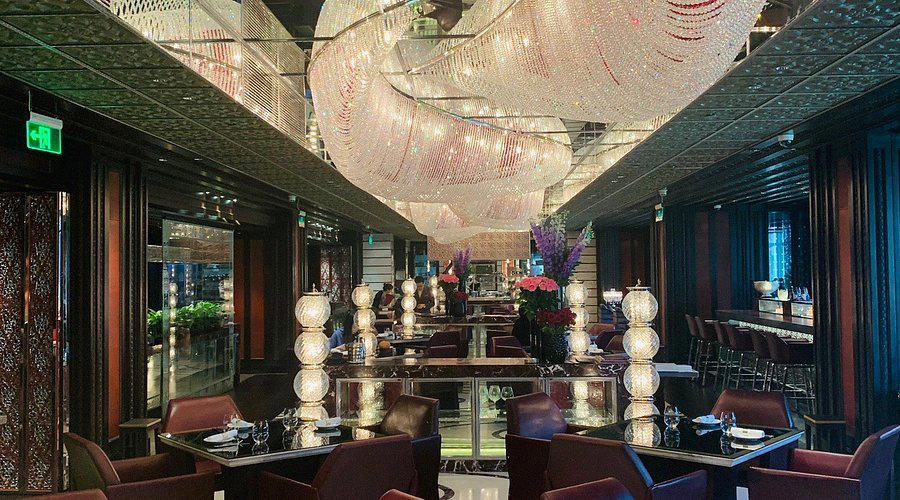
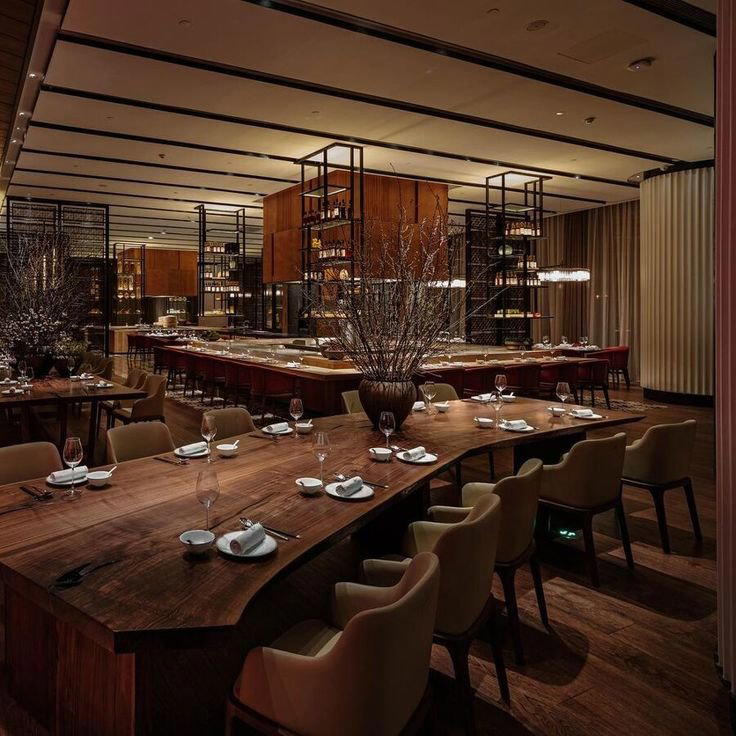
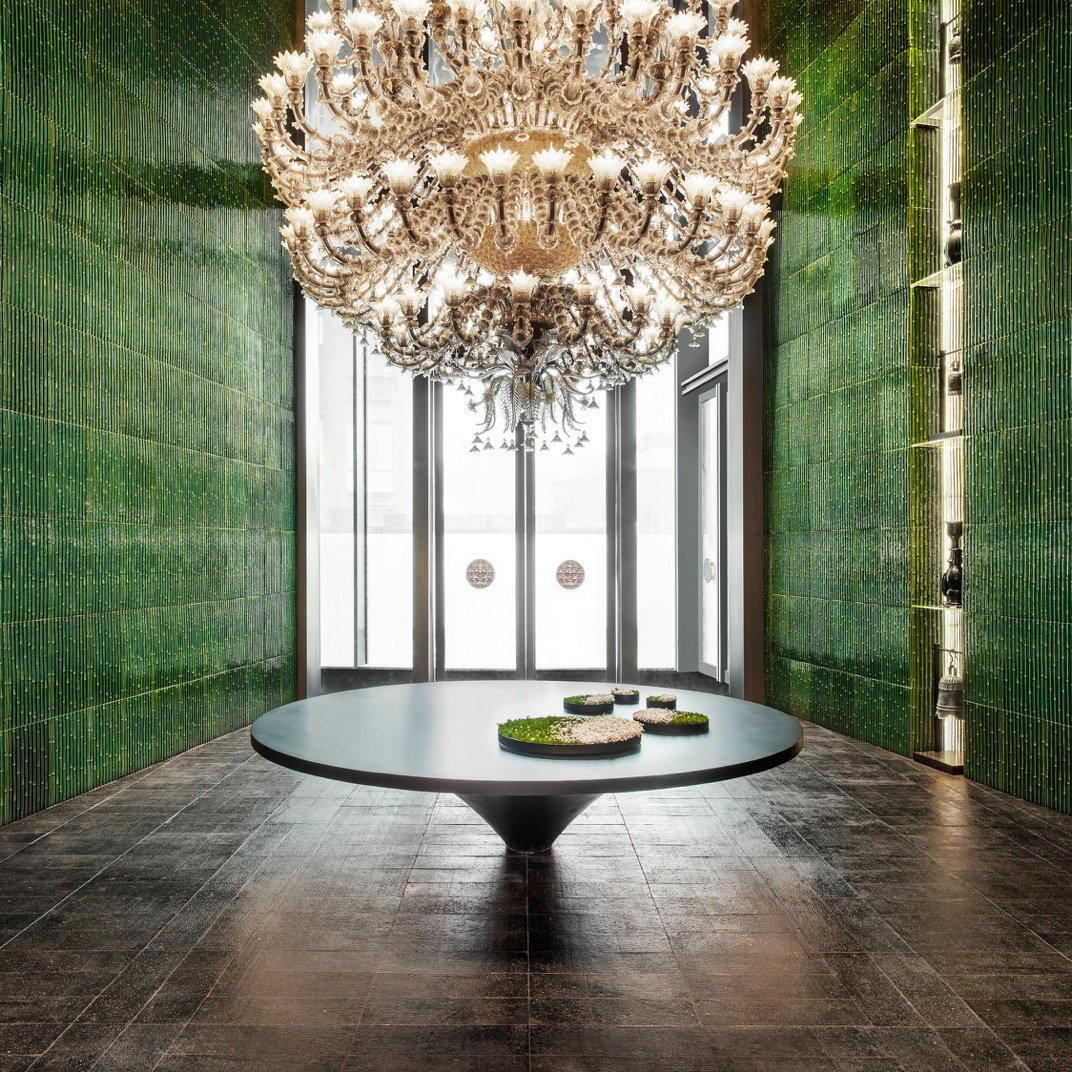
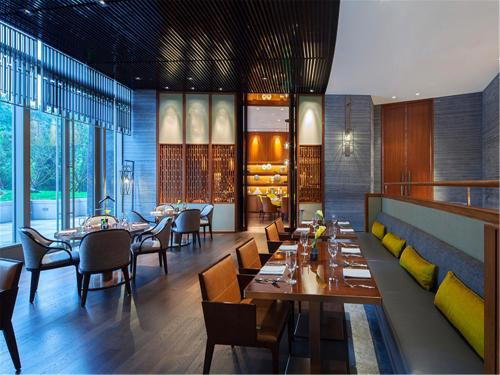
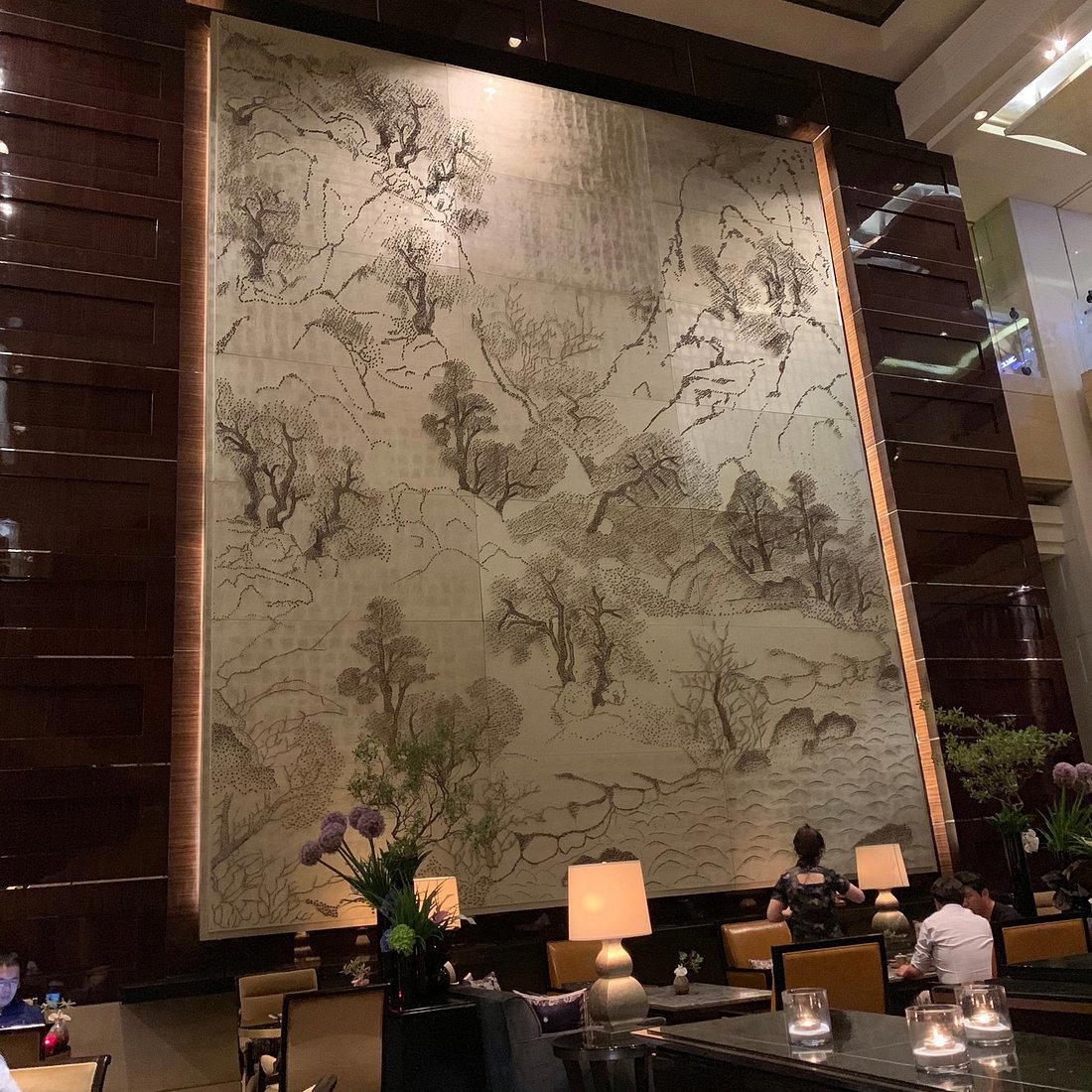
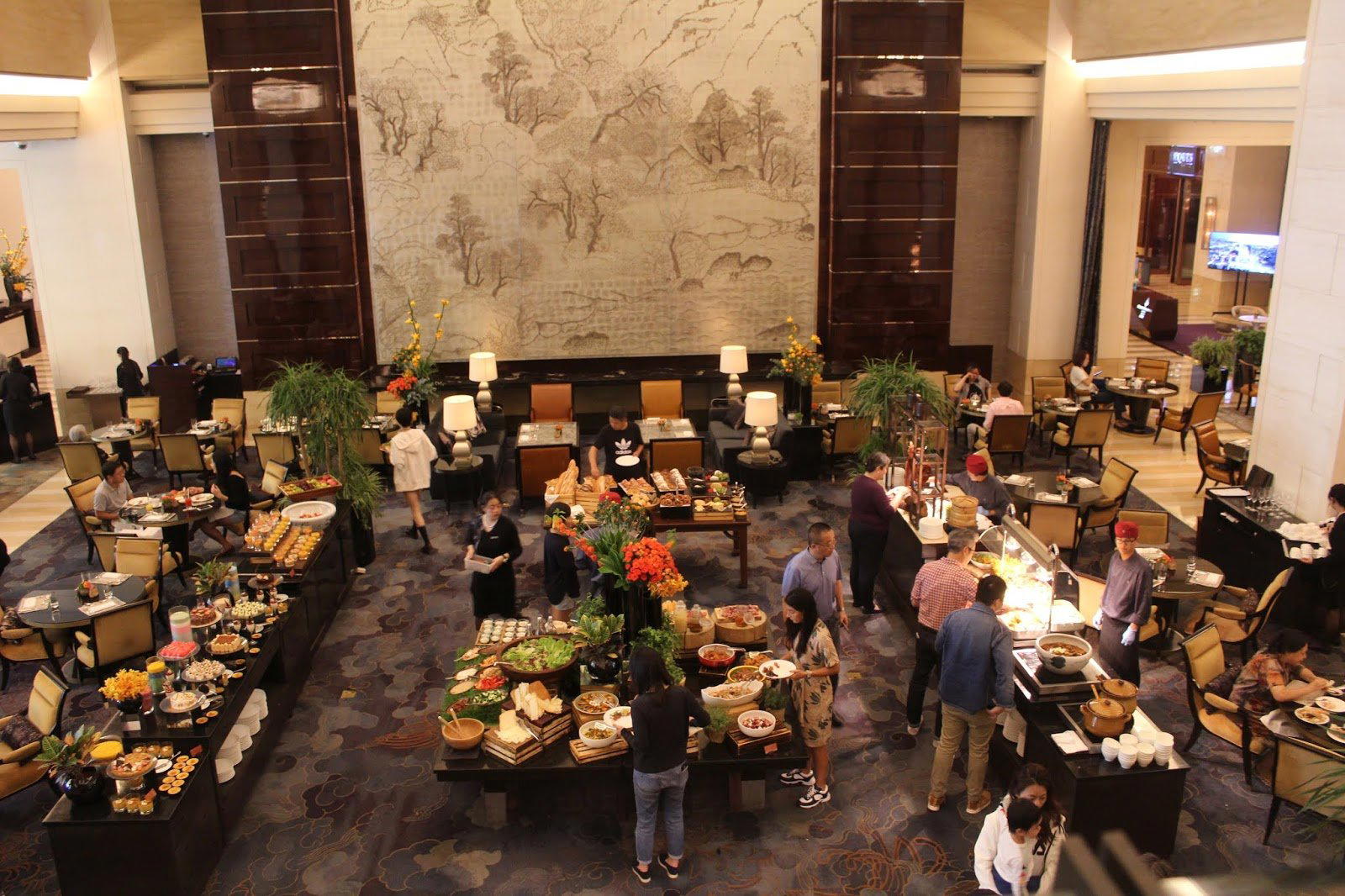
Warm and traditionally decorated, with a courtyard setting, private rooms, and a comfortable, locally characteristic atmosphere.