
BoJingXuanChineseRestaurant belongs in Beijing’s award-tracked Chinese dining tier, with Black Pearl Restaurant Guide 2026 one-diamond recognition giving it a clear trust signal in a city crowded with formal banquet rooms and specialist kitchens. The sharper editorial question is sourcing: in Beijing, serious Chinese cooking is often measured less by novelty than by ingredient control, seasonality, and how confidently a kitchen handles regional produce and premium pantry work.

Pearl is the En Primeur Club membership app — saves, bookings, and concierge access live there. Same editors, same standards.
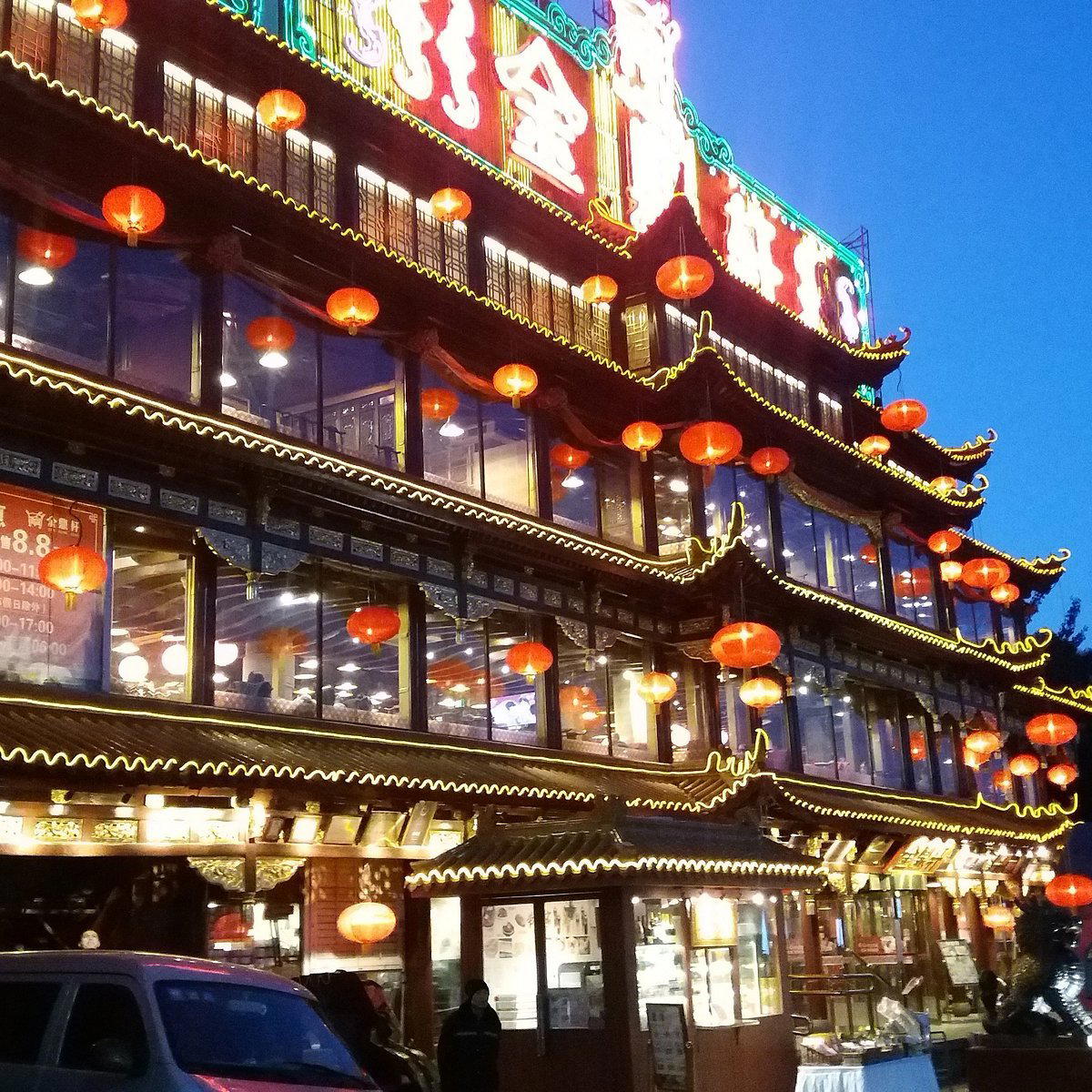
Approaching a formal Chinese dining room in Beijing, the first clues are rarely theatrical. Serious restaurants here announce themselves through polish, pacing, and the quiet grammar of service: private-room discretion, banquet logic, and menus built to carry conversation as much as appetite. In that setting, BoJingXuanChineseRestaurant enters a demanding category. Beijing has a deep appetite for Chinese restaurants that can satisfy business dining, family occasions, and award-guide scrutiny without becoming hotel-lobby anonymity.
The Black Restaurant Guide 2026 lists BoJingXuanChineseRestaurant among its one-diamond restaurants, a useful mainland China signal because the guide reads the market through a domestic lens rather than importing Western fine-dining assumptions. One diamond does not remove scrutiny; it places the room in a tier where technique, consistency, ingredient purchasing, and service discipline should be visible. For Beijing diners, that matters. The city rewards grandeur, but is less forgiving when premium Chinese cooking lacks control.
Ingredient discipline is the real test in Beijing's formal Chinese rooms
Chinese fine dining in the capital is often misunderstood from outside as décor or ceremony. The better reading starts with procurement. In Beijing, a kitchen serving ambitious Chinese food must manage northern seasonality, coastal supply routes, preserved and dried goods, freshwater and marine products, and the prestige ingredients expected at higher-end tables. The difference between a competent room and an award-noted one often lies in how these elements are sourced, stored, portioned, and cooked without flattening regional character.
That is the context for BoJingXuanChineseRestaurant. With no publicly useful narrative around a named chef or single advertised format, it is better judged by its category: formal Chinese dining where ingredient quality is the central currency. Beijing’s restaurant culture has long valued the banquet table, but contemporary guide recognition pushes those rooms toward sharper execution. Sauces must support rather than smother. Seafood and premium proteins must arrive with texture intact. Vegetables, too often secondary in weaker luxury menus, need seasonality and purpose. This is where a one-diamond listing has editorial weight: it suggests the restaurant has met a threshold in a field where inconsistency is easy to hide behind ceremony.
The sourcing angle also explains why Beijing remains compelling for Chinese dining beyond obvious roast-duck itineraries. The capital sits at the intersection of northern cooking habits, government and business entertaining, hotel luxury, and a dining public that follows domestic rankings closely. Restaurants in this bracket are not only feeding travelers; they compete for repeat local occasions. That pressure rewards kitchens that buy well and maintain a steady hand across a broad Chinese repertoire.
Where the restaurant fits in a city that prizes occasion dining
Beijing’s high-end Chinese restaurants serve multiple roles at once: dining rooms for hosted guests, spaces for multi-generational family meals, and quiet stages for corporate negotiations. That creates a different rhythm from counter-led tasting menus or casual noodle shops. The meal is less about surrendering to a chef’s sequence than assembling a balanced table: texture, temperature, regional references, and enough range to keep a group engaged.
BoJingXuanChineseRestaurant belongs to that occasion-dining economy. The name may read plainly in English, but the relevant signal is the award tier, not the branding language. Black ’s 2026 one-diamond recognition places it within a national conversation about Chinese restaurant quality, and in Beijing that conversation is especially competitive because the city has local depth and a constant stream of visitors seeking a serious Chinese table. Its appeal is not novelty. It rests on whether the kitchen can deliver a composed, ingredient-aware meal that justifies choosing a formal room over a simpler neighborhood specialist.
For travelers planning several capital meals, this distinction helps. A Beijing dining itinerary should be neither all luxury rooms nor all snacks and street-side classics. The stronger plan mixes formats: a polished Chinese restaurant for sourcing and service discipline, a specialist meal for local technique, and lower-key stops where the city’s everyday appetite is clearer. Readers building that spread can use our full Beijing restaurants guide alongside broader planning through our full Beijing hotels guide, our full Beijing bars guide, our full Beijing wineries guide, and our full Beijing experiences guide.
How to place it on a wider China dining map
One useful way to understand Beijing is against China’s wider regional dining map, not imported fine-dining templates. Domestic award guides have made that easier by tracking Chinese restaurants across cities with different ingredient bases and dining traditions. A Beijing room with Black one-diamond status sits within the country’s broader movement toward provenance, regional specificity, and more disciplined service in Chinese formats.
For readers comparing how that movement appears elsewhere, EP Club’s China restaurant coverage includes #8 in Chengdu, 100 Century Avenue Cantonese in Shanghai, 167 Shan Hai Li in Fuzhou, 1913 in Hangzhou, 1927 Dong Yuan Si Chu in Xiamen, and 1980烧肉粽 in 厦门市. Beijing’s own dining index covers other registers, including 1949 - Duck de Chine, 1949 The Hidden City (Beijing cuisine), 1949-å ¨é¸å£, Amico BJ (European Contemporary), and Aroma. Outside China, linked city files such as Jōdo Saké Bar in Los Angeles and Onigiri Time in Pasadena show how focused formats travel differently when removed from their home markets.
The editorial case for BoJingXuanChineseRestaurant is clear but narrow: choose it when the priority is a formal Chinese meal in Beijing with domestic guide recognition and an implied emphasis on ingredient discipline. Travelers chasing a named chef narrative or publicized tasting format may find less to parse. Diners interested in how Beijing’s premium Chinese rooms convert sourcing, service, and occasion dining into status have the stronger reason to pay attention.
Comparable venues nearby, for context on price, style, and recognition.
| Venue | Cuisine | Price | Notes |
|---|---|---|---|
| BoJingXuanChineseRestaurantThis venue — the venue you are viewing | Beijing–Cantonese fusion Chinese fine dining | $$$ | Not listed |
| Beijing Kitchen | Modern Chinese | $$$ | Balizhuang |
| 功德林 | Modern Chinese | $$$ | Zhengyilu |
| Yatang | Regional Chinese with Peking Duck | $$$ | Tuanjiehu |
| 1949-å ¨é¸å£ | Handmade Noodles | $$$ | Chaoyangmen |
| Beijing Da Dong | Modern Peking Duck | $$$$ | Dongzhimen |
Recognition history
Dated appearances from independent guides and award organizations, with the underlying list record or original source where available.
Black Pearl 1 Diamond
Black Pearl

At a Glance
- Modern
- Elegant
- Sophisticated
- Cozy
- Business Dinner
- Group Dining
- Family
- Celebration
- Special Occasion
- Hotel Restaurant
- Private Dining
- Standalone
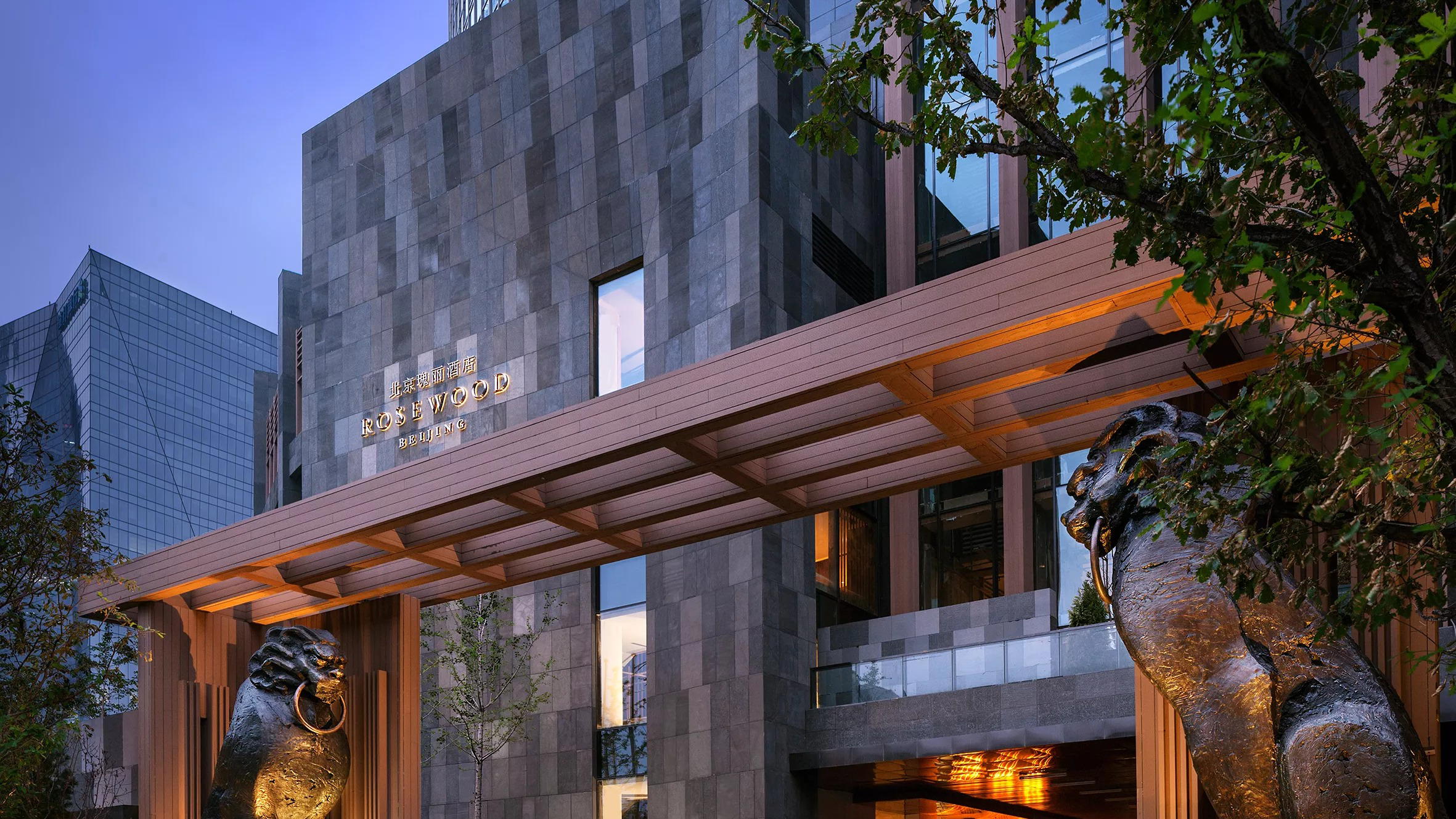
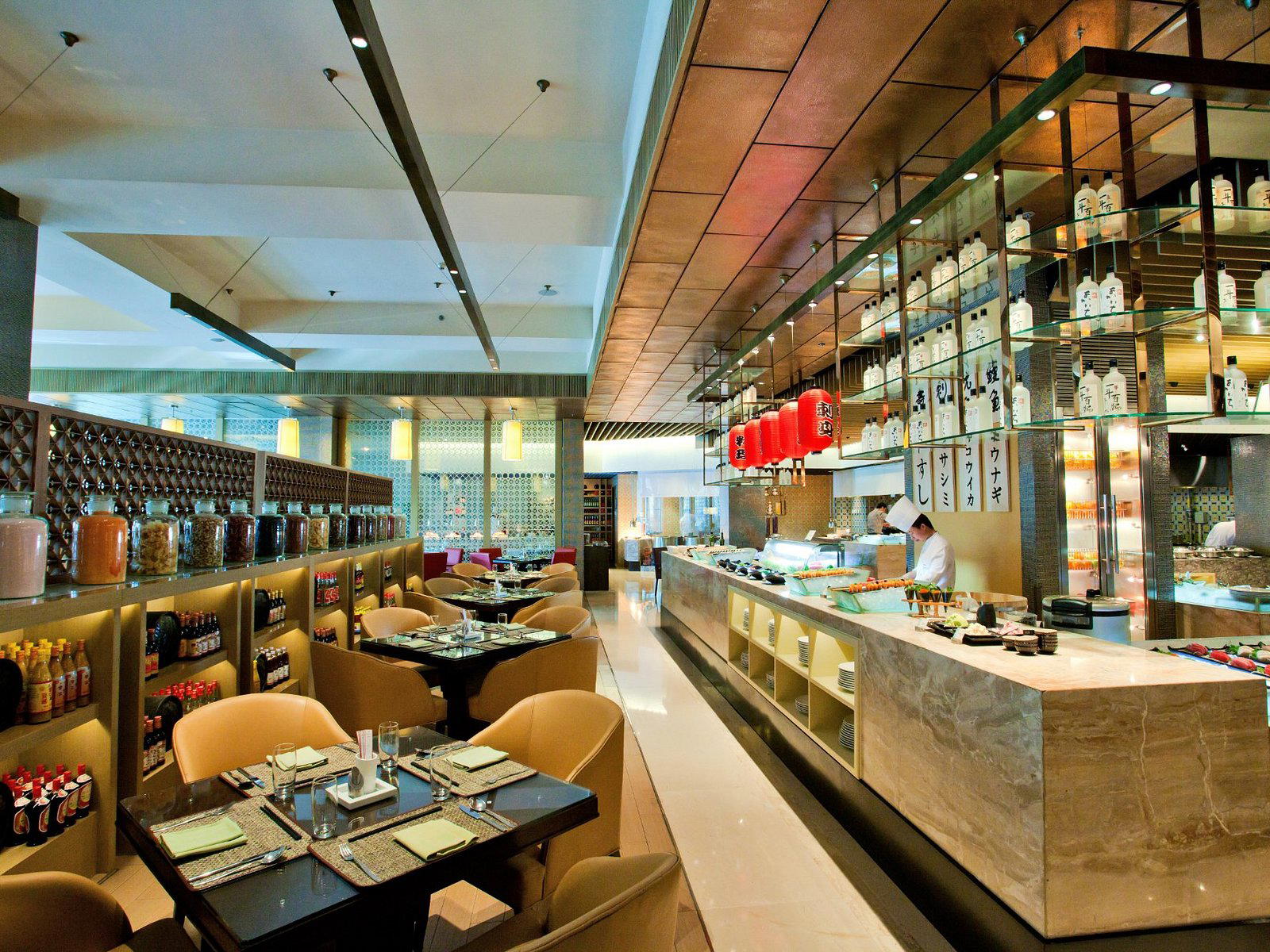
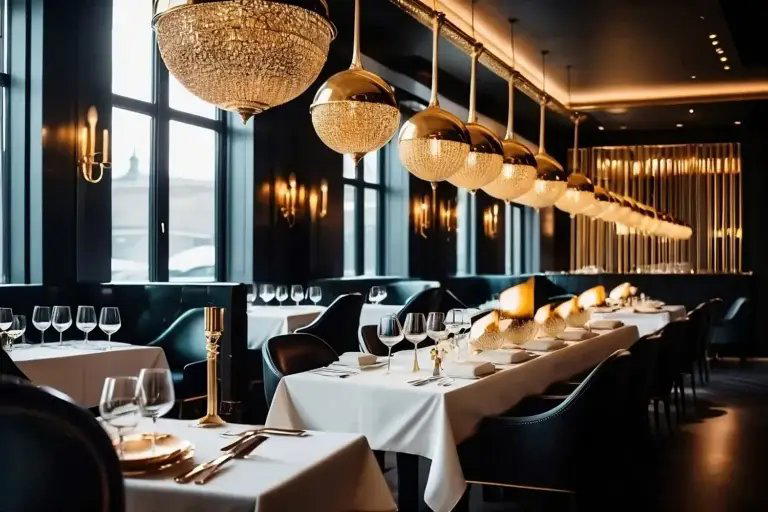
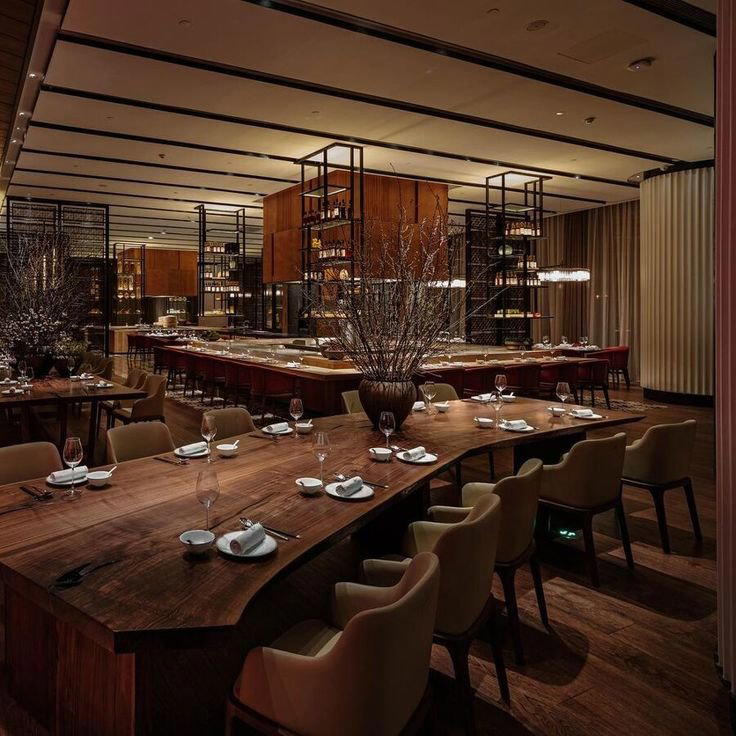
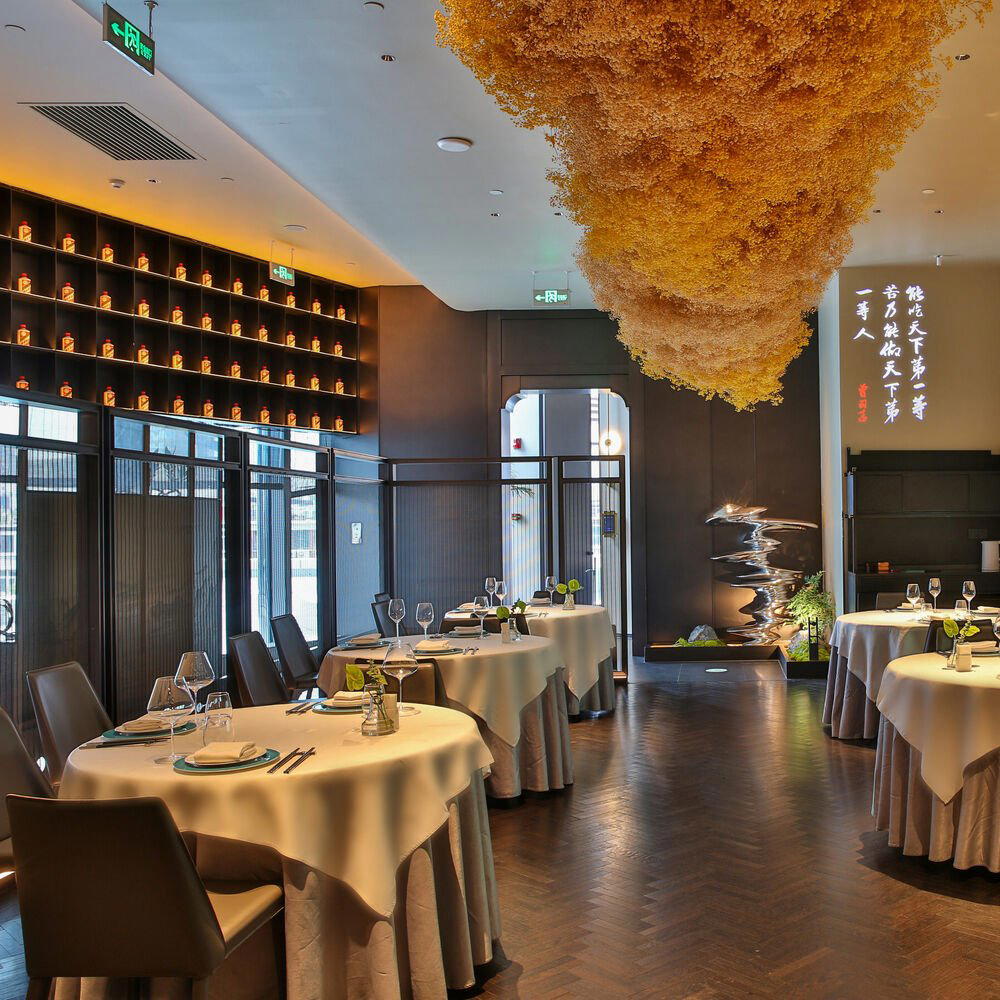
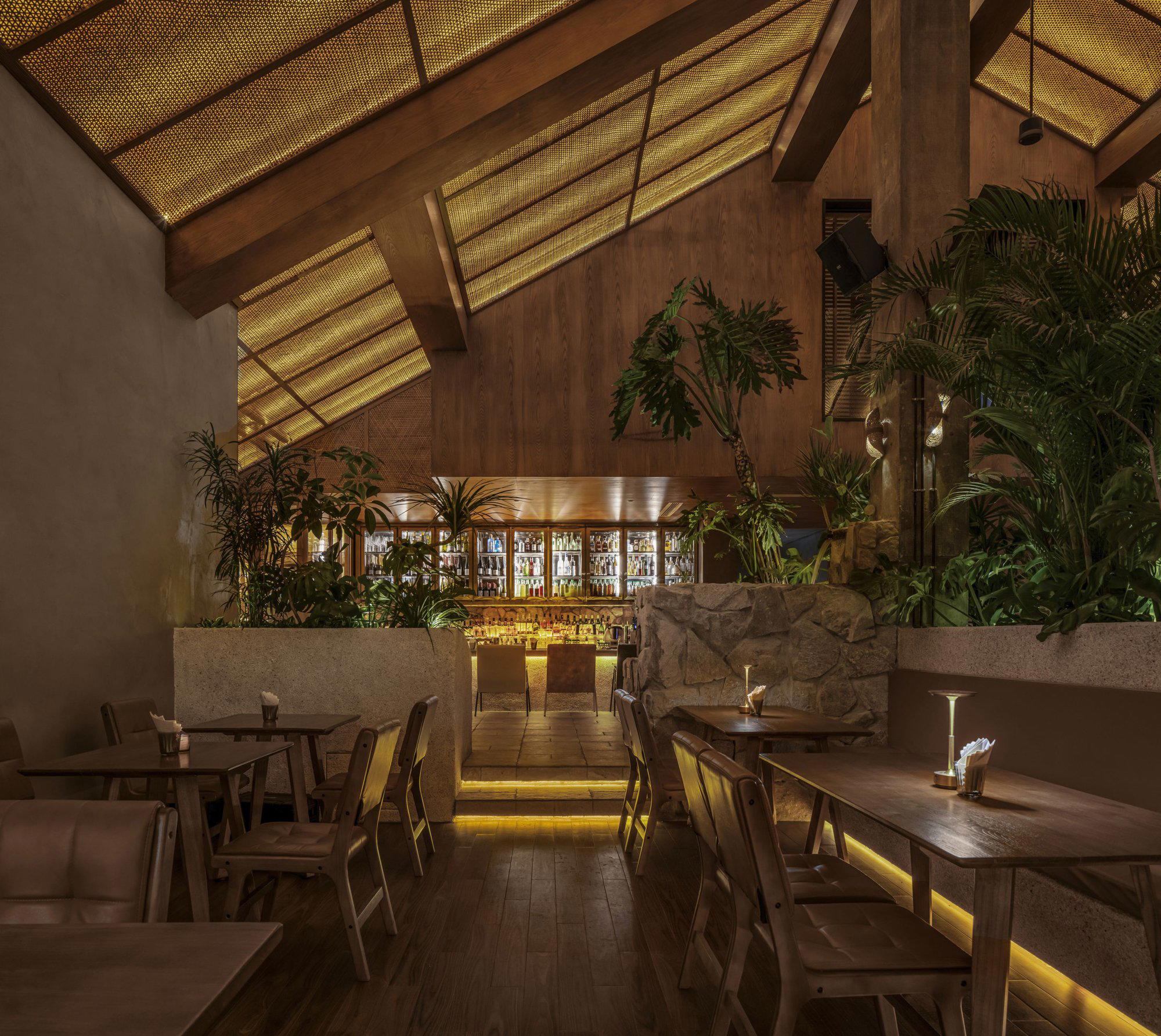
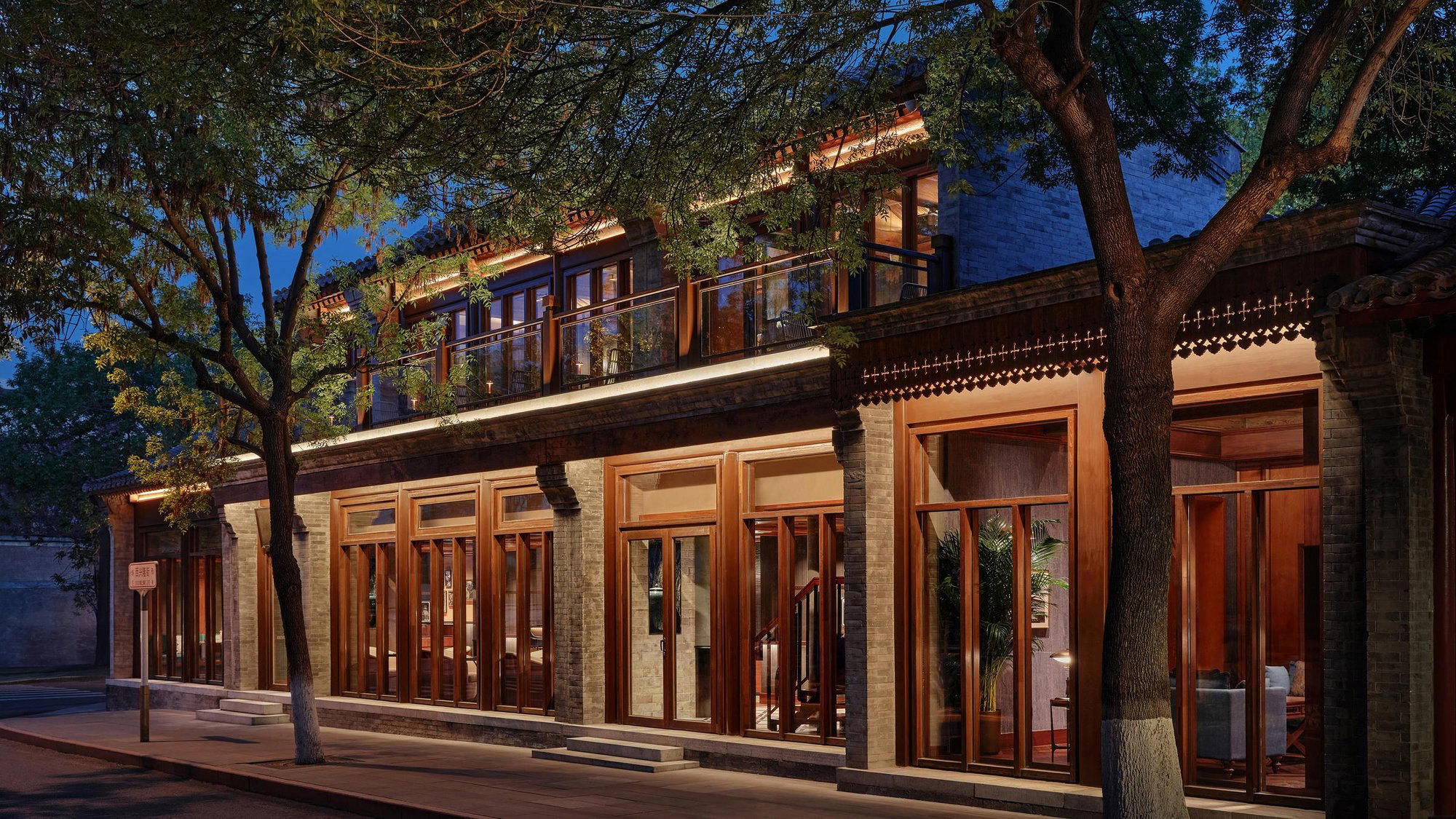
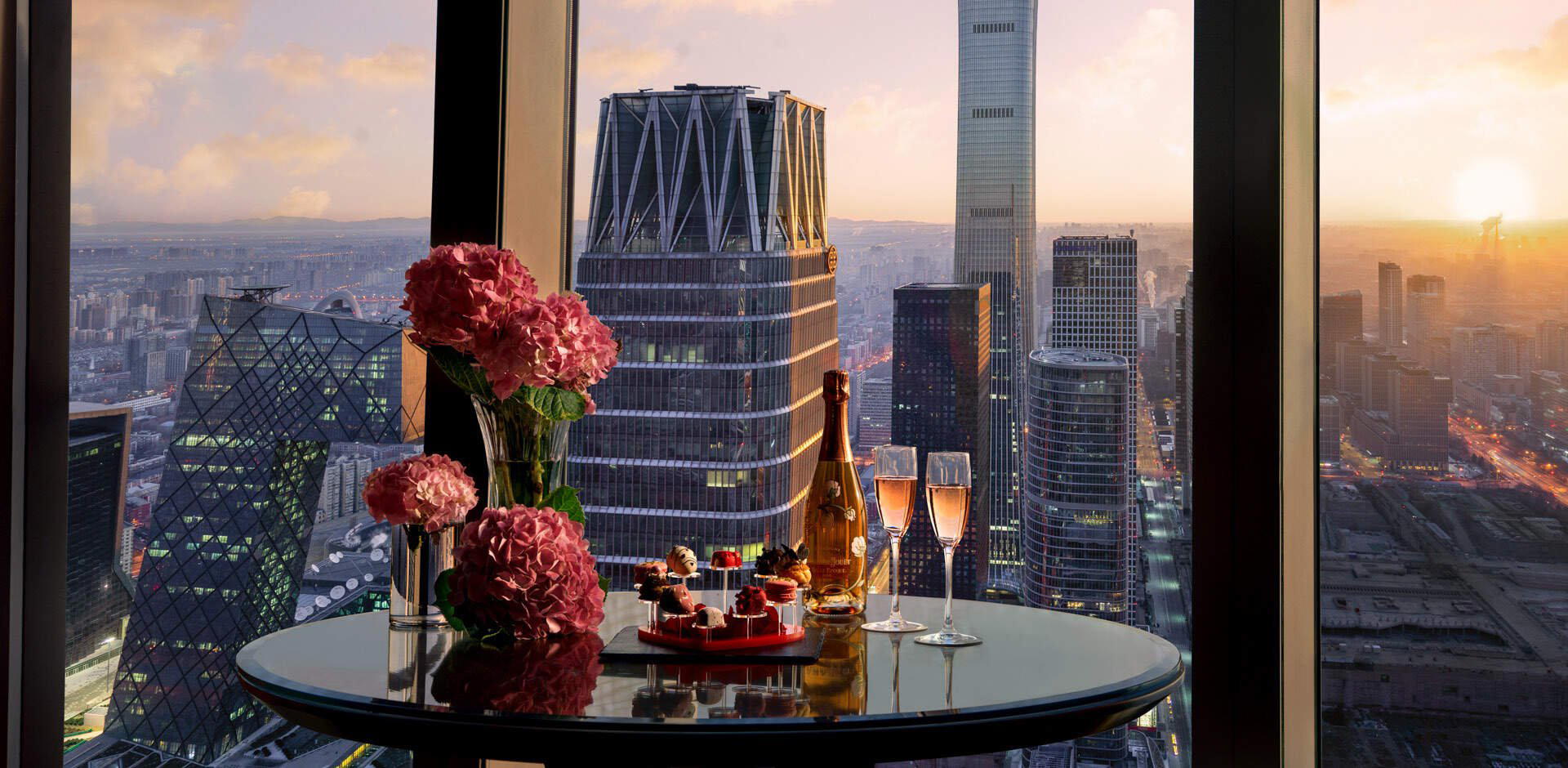
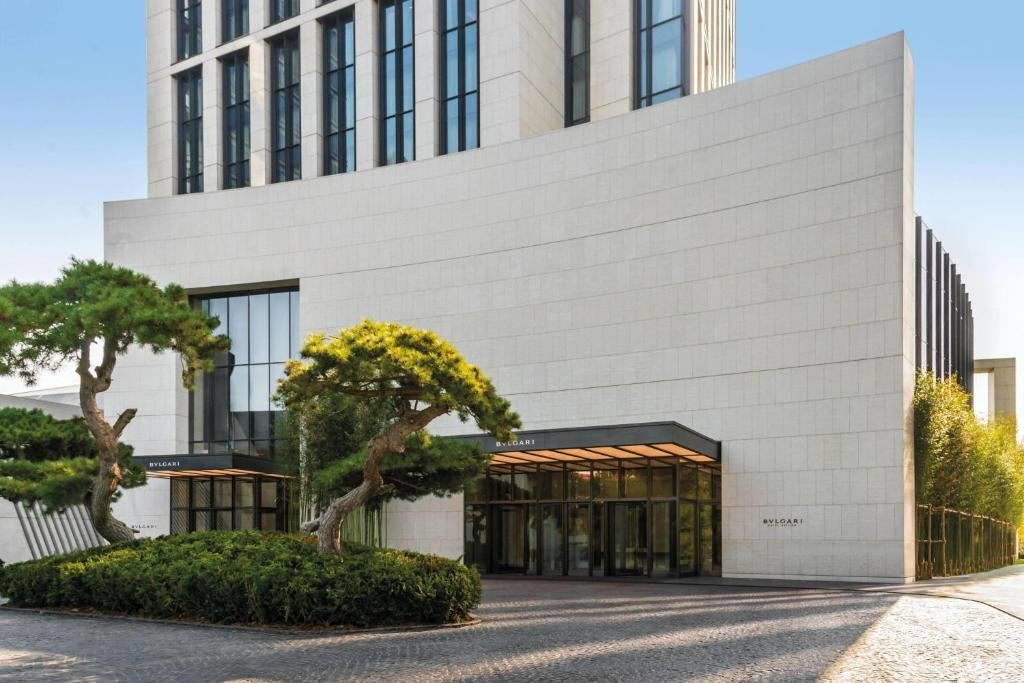
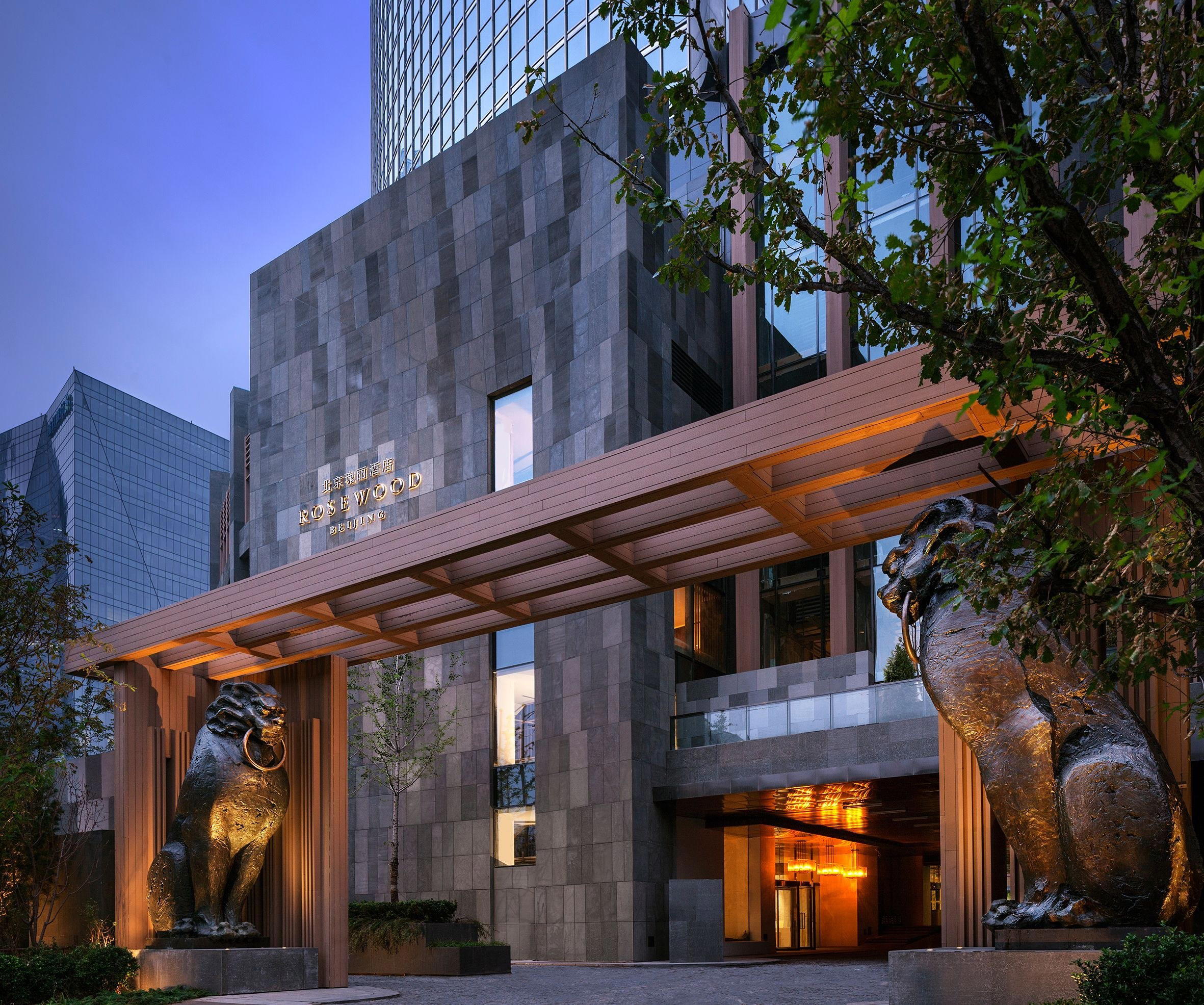
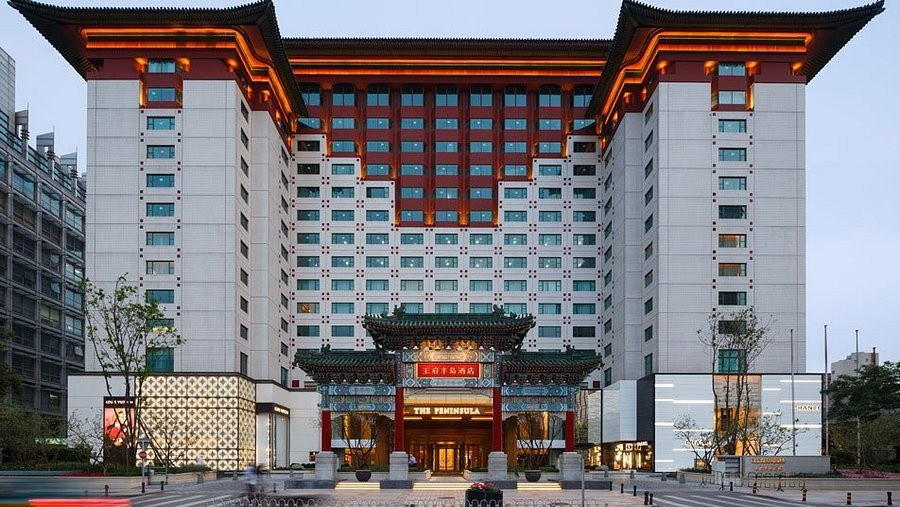
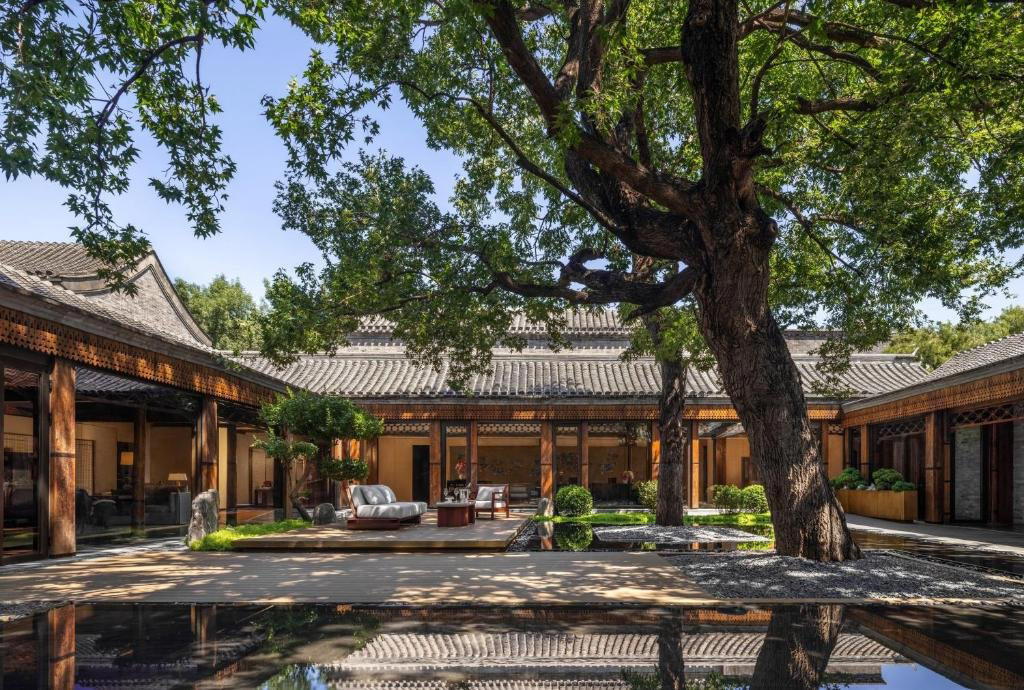
Modern and stylish décor in a high-end hotel setting, with comfortable private rooms named after the Eight Great Sights of Yanjing, creating an elegant yet cozy atmosphere suitable for business and family banquets.