
Fortune Long Beijing Bean Sauce Noodles on East Xinglong Street has held a Michelin Plate in both 2024 and 2025, placing it among the recognised addresses for zhajiangmian in the capital. Positioned at the entry price tier for Beijing cuisine, it draws a neighbourhood following in the Chaoyang embassy district for the kind of bowl that locals return to by habit rather than occasion.
Pearl is the En Primeur Club membership app — saves, bookings, and concierge access live there. Same editors, same standards.
- Address
- China, Bei Jing Shi, Chao Yang Qu, 使馆区 Gong Ti Bei Lu, 2号3层 Zhao Long Fan Dian CN 北京市 邮政编码: 100600
- Phone
- +86 10 6705 6705
- Directions
- Get directions
 Saves & bookings on Pearl
A Bowl That Explains Beijing
Fortune Long Beijing Bean Sauce Noodles (East Xinglong Street) is a casual, single-¥ restaurant in Chaoyang's embassy district, serving authentic Beijing zhajiangmian and recognized with Michelin Plate in 2024 and 2025. There is a particular rhythm to how Beijing eats its noodles. Not as a considered act, not dressed up with ceremony, but with the focused efficiency of something done dozens of times before. The counter fills with people who do not need to read the menu. Orders are placed before coats come off. This is the register in which Fortune Long Beijing Bean Sauce Noodles operates, and it is the register that Michelin's inspectors recognised when they awarded the restaurant a Plate in both 2024 and 2025: consistent, honest, and grounded in a cooking tradition that is older than the neighbourhood surrounding it.
Zhajiangmian, the signature dish of the Beijing table, is a study in reduction. Fermented soybean paste, slow-cooked with pork, served over wheat noodles with a disciplined set of raw vegetable garnishes, cucumber cut to match-width, mung bean sprouts, shredded radish. The formula has not changed materially in generations. What separates the versions served in a functional canteen from those that earn sustained recognition is the depth of the sauce: how long the paste cooks down, the fat ratio, the balance between salinity and the sweet funk that fermentation introduces. These are the variables that regulars at Fortune Long have already mapped, and that bring them back.
The Chaoyang Embassy-District Context
The address on East Xinglong Street places Fortune Long in Chaoyang, specifically within the zone that spans between the embassy quarter and Gongti Bei Lu. It is a practical part of Beijing rather than a food-tourism district. The surrounding area is practical Beijing: office buildings, mid-tier hotels, the working infrastructure of a district that serves the diplomatic and commercial communities. Eating here is a matter of proximity and routine for most of the clientele, which is exactly the condition under which a noodle restaurant either earns loyalty or disappears.
The price point sits at the entry level of Beijing cuisine in the city, the single-¥ tier that puts it below the multi-star Beijing cuisine addresses that occupy the formal dining segment. For context, Jingji, which holds two Michelin stars for its Beijing cuisine, occupies the ¥¥¥¥ bracket. Fortune Long operates in an entirely different tier, where the question is not presentation or provenance-labelled ingredients but fidelity to process. The Michelin Plate, awarded for kitchen quality rather than decor or concept, is the relevant credential here.
What the Regulars Know
A loyal clientele at a noodle restaurant operates on an unwritten menu shaped by repetition. At a restaurant like Fortune Long, that means knowing which accompaniments to order alongside the zhajiangmian, understanding the temperature at which the dish arrives and how quickly to eat it before the noodles begin to absorb the sauce, and having a view on the proportions. Regulars at Beijing bean sauce noodle restaurants typically develop specific preferences: more sauce relative to noodle, or the inverse; a preference for the garnishes mixed through versus kept separate for successive bites; the choice of thicker hand-pulled noodles when available over machine-cut.
The restaurant's two consecutive Michelin Plates signal that these variables are being handled well enough to merit professional recognition at the entry recognition level. For a cuisine category that Michelin's Beijing inspectors assess with full awareness of the city's noodle culture, a Plate at a low-price-tier address is a statement about consistency and craft, not just accessibility.
Beijing Cuisine in the Broader Chinese Dining Context
Within mainland China's Michelin-recognised dining scene, Beijing cuisine occupies a specific and somewhat contested position. It lacks the coastal seafood traditions that drive recognition in Cantonese or Taizhou cuisine, and it competes in the fine-dining segment against imported frameworks. The noodle tradition, however, is one of the category's clearest expressions of local identity. Restaurants like Sheng Yong Xing in Shanghai, which represents Beijing cuisine transplanted to another city's market, and Do It True in Taipei, which interprets the tradition for a Taiwanese audience, demonstrate how far the format travels. The capital remains the source.
For a comparative read on how other Chinese regional cuisines are being recognised in their home cities, Ru Yuan in Hangzhou, Xin Rong Ji in Chengdu, and Imperial Treasure Fine Chinese Cuisine in Guangzhou each illustrate how regional specificity functions as a credential in contemporary Chinese fine dining. Fortune Long operates well below that formal tier but within the same broader moment of regional cuisine recognition.
Where It Sits Among Beijing's Other Addresses
Beijing's restaurant scene across all cuisine types spans from street-level noodle bars to the multi-star formal tables that compete in an international comparable set. For those building a more complete picture of what the city offers, Mansion Cuisine by Jingyan and Poetry·Wine on Dongsanhuan Middle Road represent the refined registers of Beijing's dining identity. Fu Man Yuan in Xinyuanli and Jing Hua Lou offer further reference points for understanding the mid-tier. Fortune Long occupies a different function in that map: not occasion dining, but the kind of address that tests whether a food culture's fundamentals are still being executed with care.
For comparable recognised Chinese dining elsewhere in the region, 102 House in Shanghai, Chef Tam's Seasons in Macau, and Dai Yuet Heen in Nanjing provide useful orientation.
Planning Your Visit
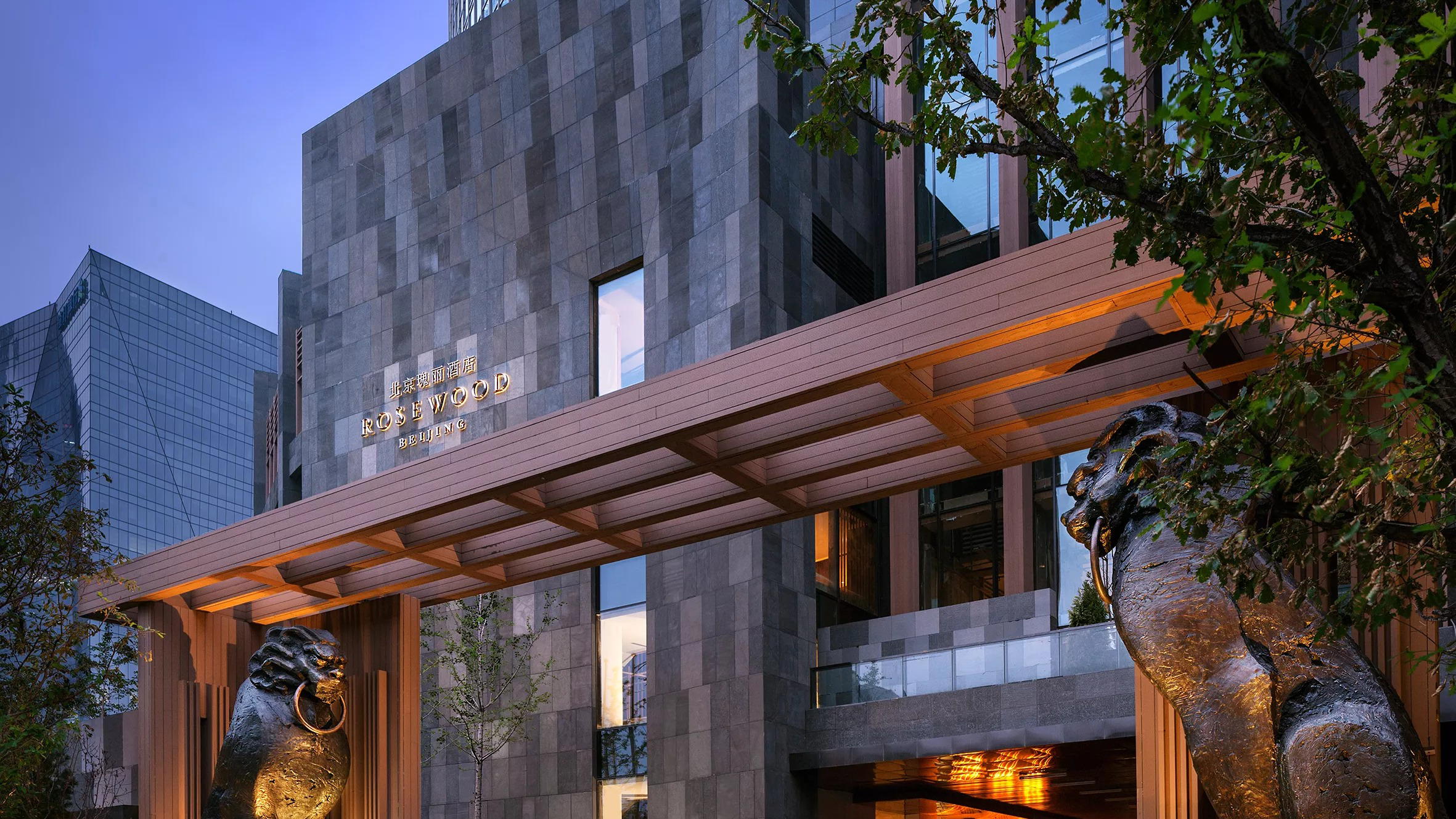
Fortune Long is located within the Zhao Long Hotel building on Gongti Bei Lu, Chaoyang District, making it direct to reach from the Gongti and Sanlitun area. As an entry-tier Beijing cuisine address in a working neighbourhood rather than a dining destination precinct, it is walk-in friendly. The price point, at the single-¥ tier, makes it among the more accessible Michelin-recognised addresses in the city.
What Should I Order at Fortune Long Beijing Bean Sauce Noodles?
The restaurant's recognition from Michelin in 2024 and 2025 is specifically tied to its Beijing bean sauce noodles, making zhajiangmian the clear anchor of any visit. The dish's logic rewards attention to the ratio of sauce to noodle and the integration of the raw vegetable garnishes, which are a structural component rather than decoration. The sauce itself, rather than supplementary items, is where the craft is concentrated. Order the noodles first.
City Peers
Comparable venues nearby, for context on price, style, and recognition.
| Venue | Cuisine | Price | Notes |
|---|---|---|---|
| Fortune Long Beijing Bean Sauce Noodles (East Xinglong Street)This venue — the venue you are viewing | Authentic Beijing Zhajiangmian | $ | Not listed |
| Liu Ma Ma Dumplings (Chaoyang) | Jiaodong-Style Juicy Dumplings | $ | Dashanzi |
| Ladychai | Traditional Beijing Beef Noodles | $ | Gongrentiyuchang |
| Bistro Strong (Chaoyanggongyuan Road) | Modern Inner Mongolian Grill Bistro | $$ | Tuanjiehu |
| Horizon | Cantonese & Peking Duck | $$$ | Chaoyang |
| Mingyuan Restaurant | Authentic Beijing Cuisine | $$ | Chaowai |
Recognition history
Dated appearances from independent guides and award organizations, with the underlying list record or original source where available.
Michelin Plate
Michelin
Michelin Plate
Michelin

At a Glance
- Lively
- Casual Hangout
- Open Kitchen
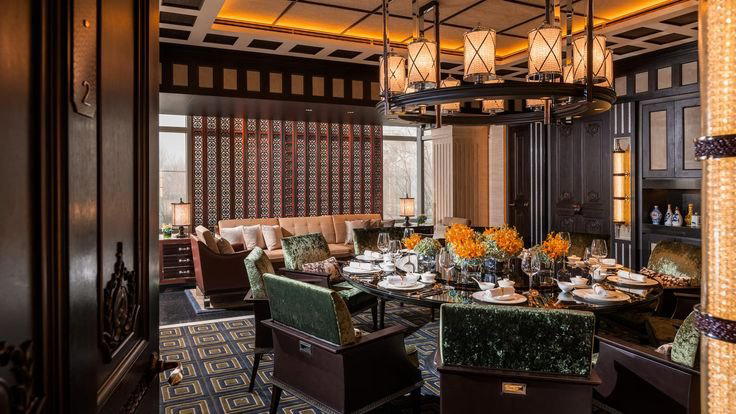
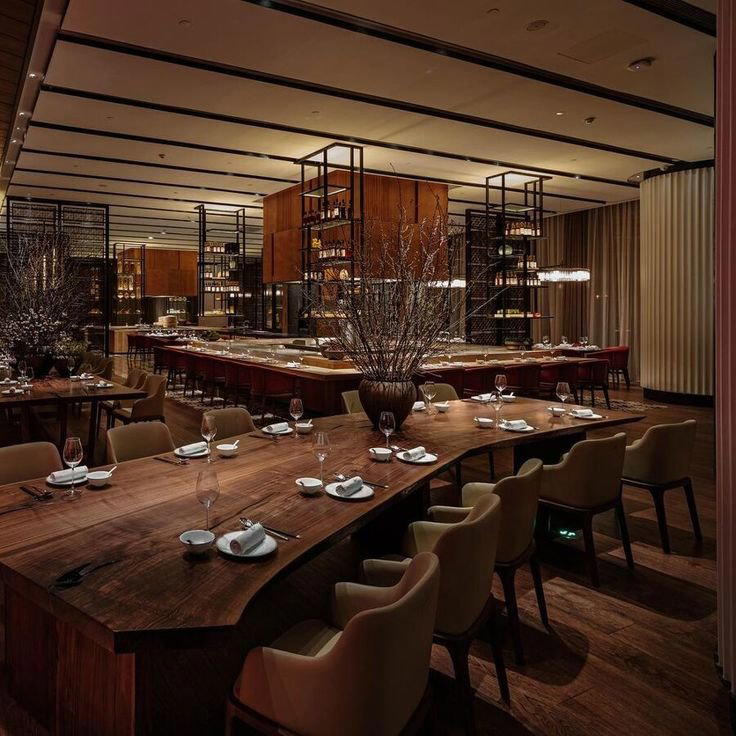
Jam-packed and noisy with a bustling, fast-paced atmosphere typical of a popular local noodle spot.