
Our verdict
Wulixiang serves traditional Shanghainese dishes such as eight treasures stuffed duck and drunken chicken, with a leisurely pace that suits lunch or dinner.

Pearl is the En Primeur Club membership app — saves, bookings, and concierge access live there. Same editors, same standards.
- Address
- China, CN åäº¬å¸ æé³åº å·¥ä½åè·¯ 2 ç²2å·çç§ä¸å¿Cæ 1å± é®æ¿ç¼ç
- Phone
- +861065398660
- Directions
- Get directions
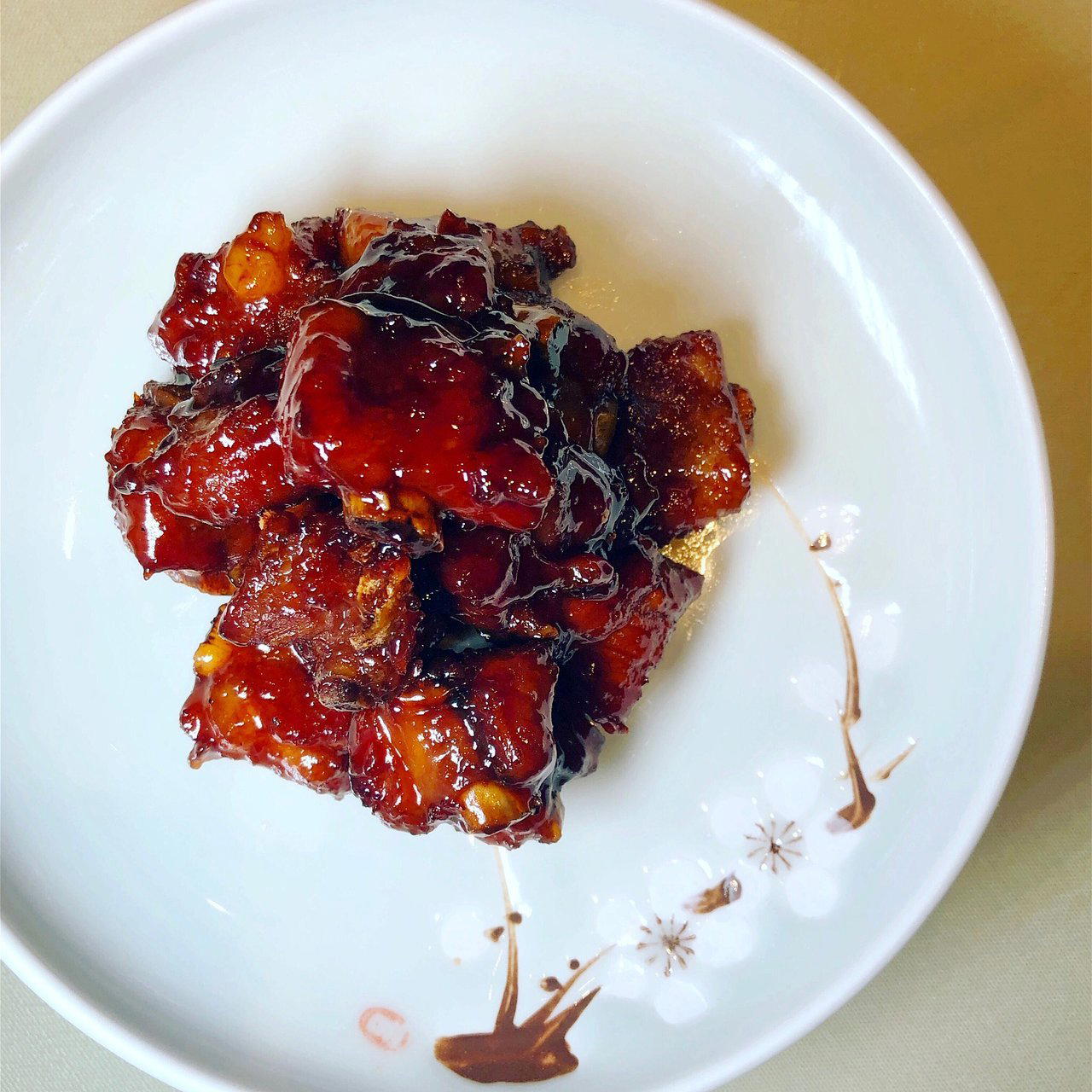
The menu
What to order
- Eight treasures stuffed duck
- Drunken chicken
- Stuffed-and-fried crab
- Scallion oil noodles
- Shanghai beef cubes
Chaoyang's Quieter Register
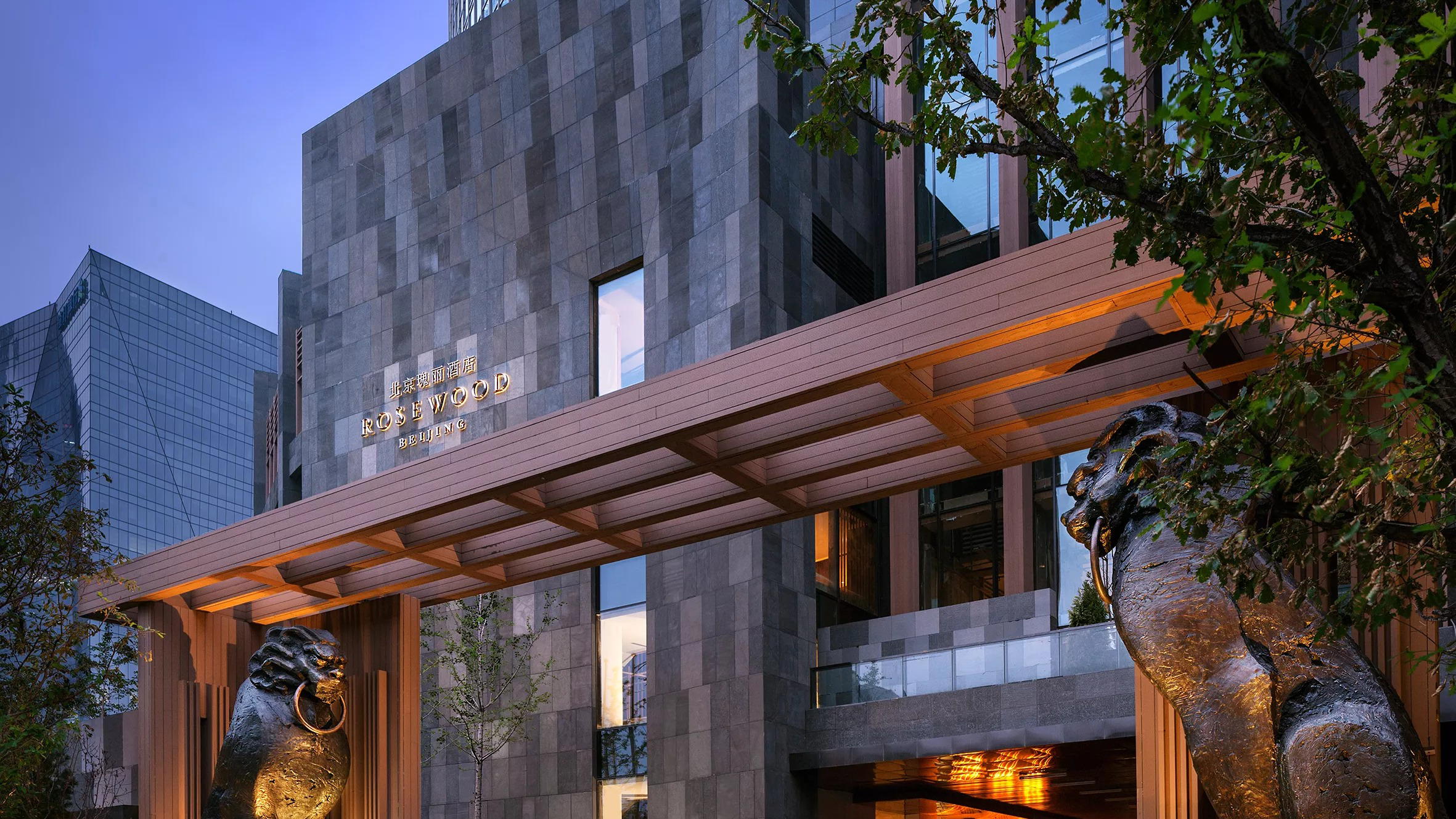
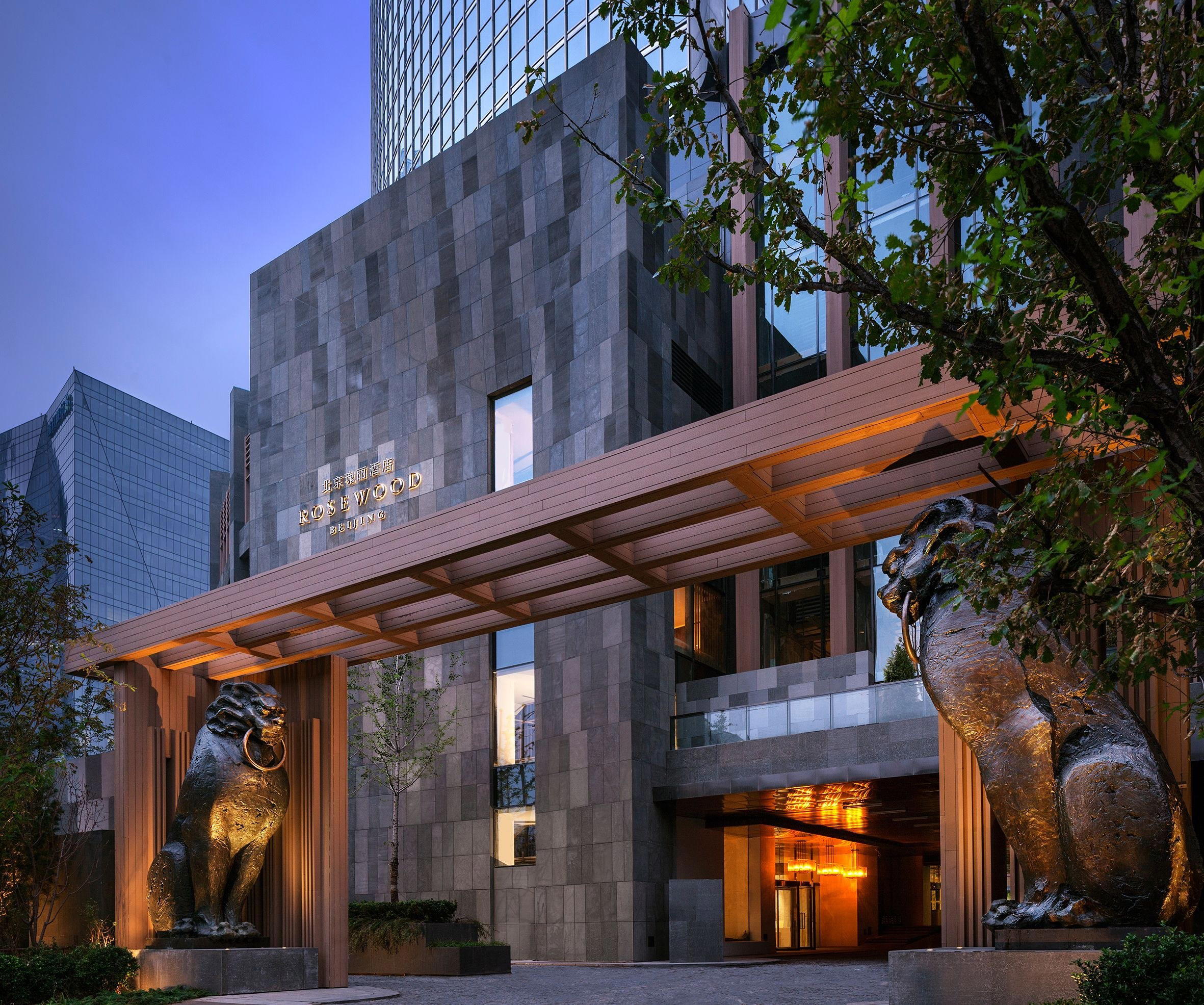
The stretch of Gongti Bei Lu in Chaoyang is better known for its nightlife circuit than for considered dining. Which makes the first-floor address of Wulixiang, inside a commercial centre that reads more corporate than culinary, an exercise in deliberate understatement. There is no street-facing theatre, no neon signage competing for attention. The entrance is the kind that rewards those who already know to look for it, and in Beijing's premium dining tier, that kind of discretion tends to signal intention rather than oversight.
Chaoyang houses several of the capital's most serious restaurants. Xin Rong Ji on Xinyuan South Road anchors the Taizhou seafood end of the market at the ¥¥¥¥ tier. Chao Shang Chao occupies a comparable price point in Chaozhounese cooking. Wulixiang sits inside this same district's premium dining conversation, though the specific tier and format remain worth investigating directly given the venue's low online profile.
The Architecture of a Progressive Meal
The concept of a meal that builds — that moves through textures, temperatures, and intensities rather than presenting dishes as isolated events — has deep roots in Chinese banquet tradition. In the capital, that tradition has been pulled in two directions simultaneously: toward the state-banquet formality of old Beijing cuisine, and toward the lighter, more produce-led approach associated with coastal regional cooking. The most interesting addresses in the city's current dining scene tend to sit somewhere between those poles, using classical Chinese sequencing while drawing on ingredients and techniques that resist easy regional labelling.
Wulixiang's name itself carries weight in that context. The phrase gestures toward a sensory layering, five fragrances, or rather the idea that a meal is composed rather than assembled. Whether the kitchen delivers on that implicit promise through a formal tasting format or a more fluid à la carte progression is something diners should confirm at the time of booking, as formats in this segment of Beijing dining can shift seasonally. What the address signals to those who have sought it out is a kitchen operating at a measured remove from the capital's more visible, heavily publicised fine dining circuit.
Across China's premium dining tier, the tasting progression has become a structuring device that separates kitchens serious about narrative from those treating multi-course menus as a revenue format. At 102 House in Shanghai, the progression is built around a philosophy of seasonal restraint. At Chef Tam's Seasons in Macau, Cantonese technique anchors the arc. In Beijing, the equivalents tend to lean into northern ingredients: game, fermented pastes, dried aromatics, and root vegetables that appear in mid-meal sequences with a different kind of weight than the delicate preparations that open and close.
Beijing's Premium Dining in Competitive Frame
To place Wulixiang accurately, it helps to understand how Beijing's top-tier restaurants are currently distributed. The ¥¥¥¥ segment, where addresses like Lamdre and Jingji operate, is characterised by high specificity of concept, whether that is regional cuisine executed to a strict brief or a vegetarian format with serious kitchen credentials. King's Joy has long demonstrated that Beijing's premium vegetarian space carries its own philosophical and aesthetic weight. These venues compete not on comfort or convenience but on the coherence of what they are presenting.
The wider picture across Chinese cities confirms that this pattern is not unique to the capital. Xin Rong Ji in Chengdu brings Taizhou seafood rigour to a Sichuan market. Ru Yuan in Hangzhou and Imperial Treasure Fine Chinese Cuisine in Guangzhou each demonstrate how regional tradition translates into the premium urban format. Dai Yuet Heen in Nanjing, Dingshan·Jiangyan in Suzhou, Fleurs Et Festin in Xiamen, Jiangnan Wok·Rong in Fuzhou, and Shang Palace in Yangzhou collectively illustrate that the serious Chinese dining tier is now distributed evenly across second and third-tier cities, not concentrated in Beijing and Shanghai. Against that backdrop, a Beijing address that maintains a deliberately low profile, no aggregator dominance, limited press, is either very new or very selective about its audience.
For comparison beyond China, the progressive tasting format at its most technically exacting appears in venues like Le Bernardin in New York City and Atomix in New York City, both of which demonstrate how a commitment to sequencing and hospitality precision becomes the product itself, independent of any single dish. The principle translates across culinary traditions.
Planning a Visit
Wulixiang's address places it inside a commercial building on Gongti Bei Lu in Chaoyang, an area well-served by metro access and with no shortage of high-end hotels within reasonable distance. For a district associated with Beijing's diplomatic and expat dining circuit, the restaurant occupies a quieter corner of the map. First-time visitors are advised to confirm the current menu format, reservation procedure, and any private dining availability directly with the venue before visiting, as the public booking infrastructure for this address is not widely indexed. Given how Beijing's premium segment operates, phone or walk-in inquiry at off-peak hours tends to yield more reliable logistics information than online search. Our full Beijing restaurants guide provides broader context on how the city's dining districts are currently structured.
Frequently asked questions
Where is Wulixiang located?
Wulixiang is located at China, CN åäº¬å¸ æé³åº å·¥ä½åè·¯ 2 ç²2å·çç§ä¸å¿Cæ 1å± é®æ¿ç¼ç , Beijing.
How does Wulixiang's Chaoyang location compare to Beijing's other fine dining districts?
Most of Beijing's top-tier tasting restaurants cluster around Sanlitun, the CBD, and the hutong neighbourhoods of Dongcheng. Wulixiang's first-floor placement on Gongti Bei Lu in Chaoyang sits outside those concentrations, in a corridor better associated with entertainment venues. For visitors staying in the Chaoyang embassy or sports complex belt, the address is genuinely convenient; for those based elsewhere in Beijing, it is a deliberate destination rather than an incidental stop.
What do regulars order at Wulixiang?
Wulixiang is built around a progressive tasting format rather than à la carte selection, so regulars surrender the ordering decision entirely to the kitchen. The concept is sequence-driven: dishes move through shifting textures and temperatures as a single composed experience. Returning guests tend to book ahead specifically to track how the kitchen's direction evolves across visits.
What's the best way to book Wulixiang?
Wulixiang is located on the first floor of a commercial building at 2 Gongti Bei Lu in Chaoyang, Beijing. Given that no booking phone or website is listed in public records, the most reliable approach is to check the venue's official channels in person or through a concierge familiar with Chaoyang's dining circuit. Hotel concierges at nearby five-star properties are often the fastest route for confirmed reservations.
What's the standout thing about Wulixiang?
Its address is quietly countercultural. Gongti Bei Lu is a street defined by nightlife rather than considered dining, and Wulixiang operates on a different register entirely — a structured, progression-based meal inside a commercial centre. That contrast between setting and ambition is itself part of the venue's character.
What if I have allergies at Wulixiang?
Because Wulixiang operates a sequential tasting format, dietary requirements are most effectively communicated at the point of reservation rather than on arrival. The kitchen builds each course as part of a composed arc, so last-minute substitutions can disrupt the structure significantly. Raise specific allergies or intolerances clearly when booking, ideally in writing.
Is a meal at Wulixiang worth the investment?
The value case rests on the coherence of the progressive format: if a meal that builds deliberately through a defined arc is what you are seeking, the positioning is justified. Those expecting a conventional multi-course menu may find the concept requires some adjustment.
Where the Accolades Land
Comparable venues nearby, for context on price, style, and recognition.
| Venue | Cuisine | Price | Awards | Notes |
|---|---|---|---|---|
| WulixiangThis venue — the venue you are viewing | Traditional Shanghainese | Not listed | Not listed | Not listed |
| Tiandi Yijia | Imperial Chinese Cuisine | Not listed | Not listed | Donghuamen |
| QUANJUDE | Traditional Peking Roast Duck | $30–50 | Not listed | Qianmendajie |
| Kong Yiji | Traditional Zhejiang / Shaoxing Cuisine | $20–30 | Not listed | Dianmen |
| Dali Courtyard | Yunnanese | $20–30 | Not listed | Jiaodaokou |
| GYJ Macau Hotpot | Macanese Hot Pot | $50–100 | Black Pearl 1 Diamond | Sanlitun |
Recognition history
Dated appearances from independent guides and award organizations, with the underlying list record or original source where available.
Opinionated About Dining Top Restaurants in Asia Recommended
Opinionated About Dining
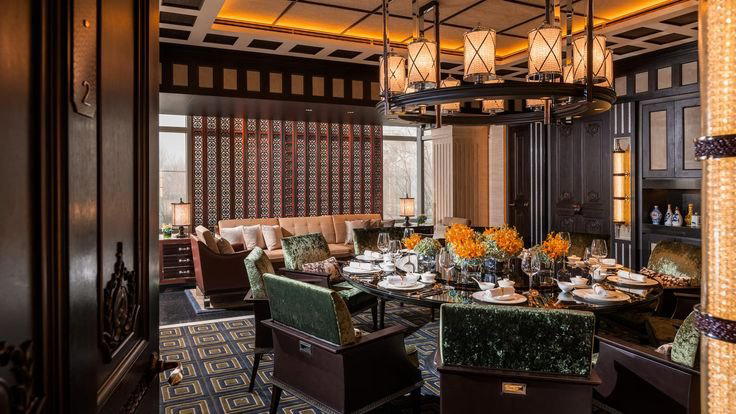
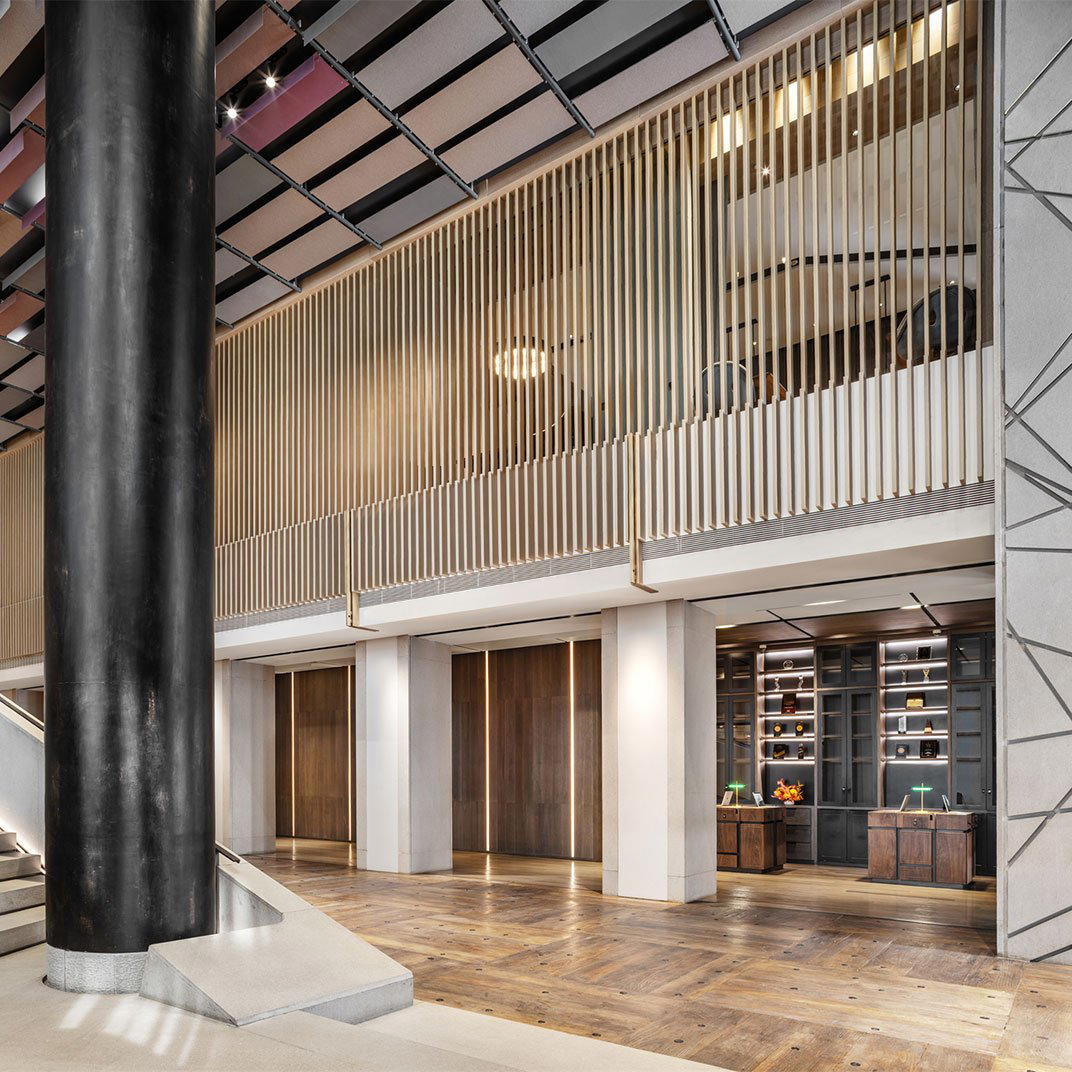
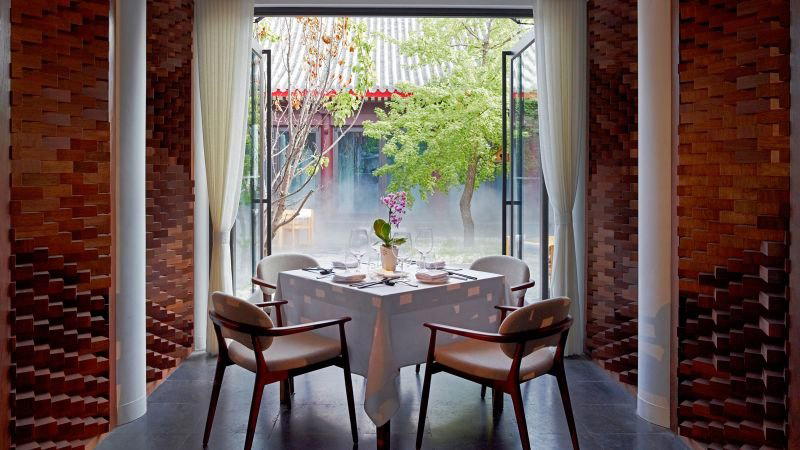
Details
- Elegant
- Cozy
- Sophisticated
- Special Occasion
- Business Dinner
- Group Dining
- Private Dining
- A La Carte
- Small Plates
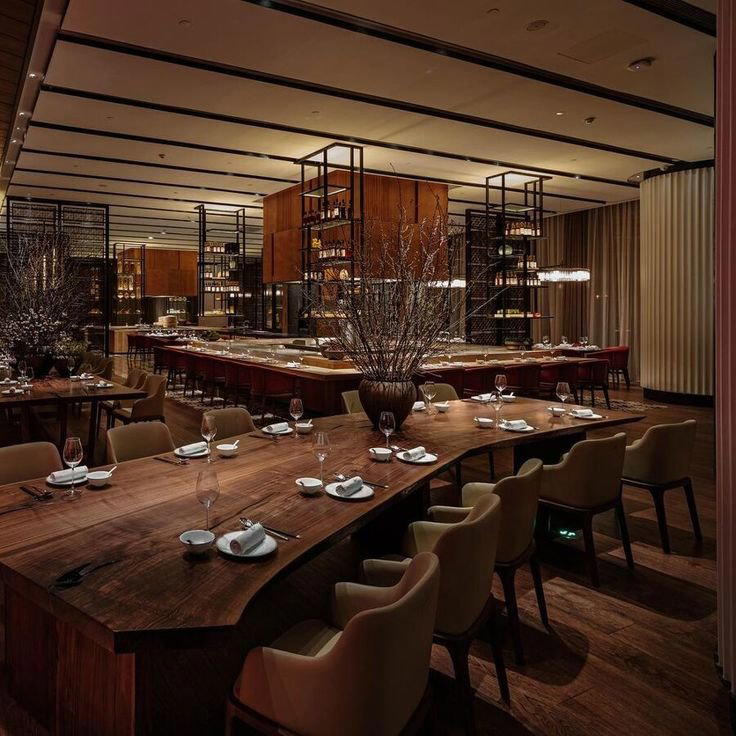
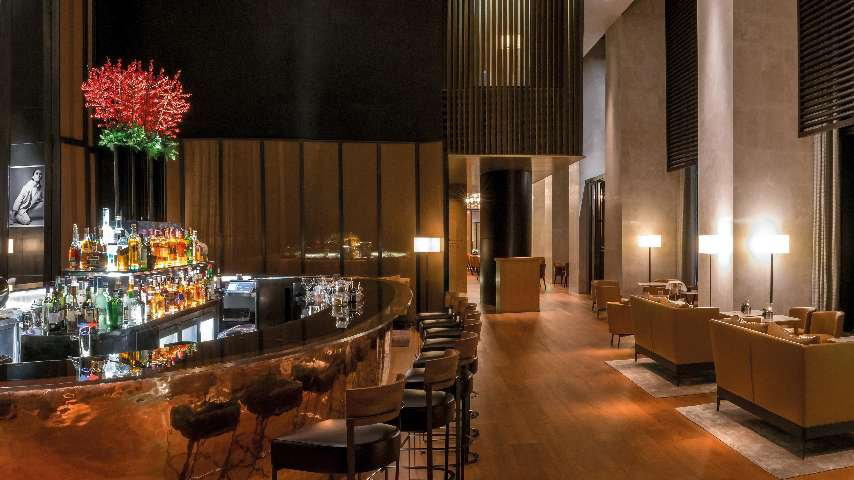
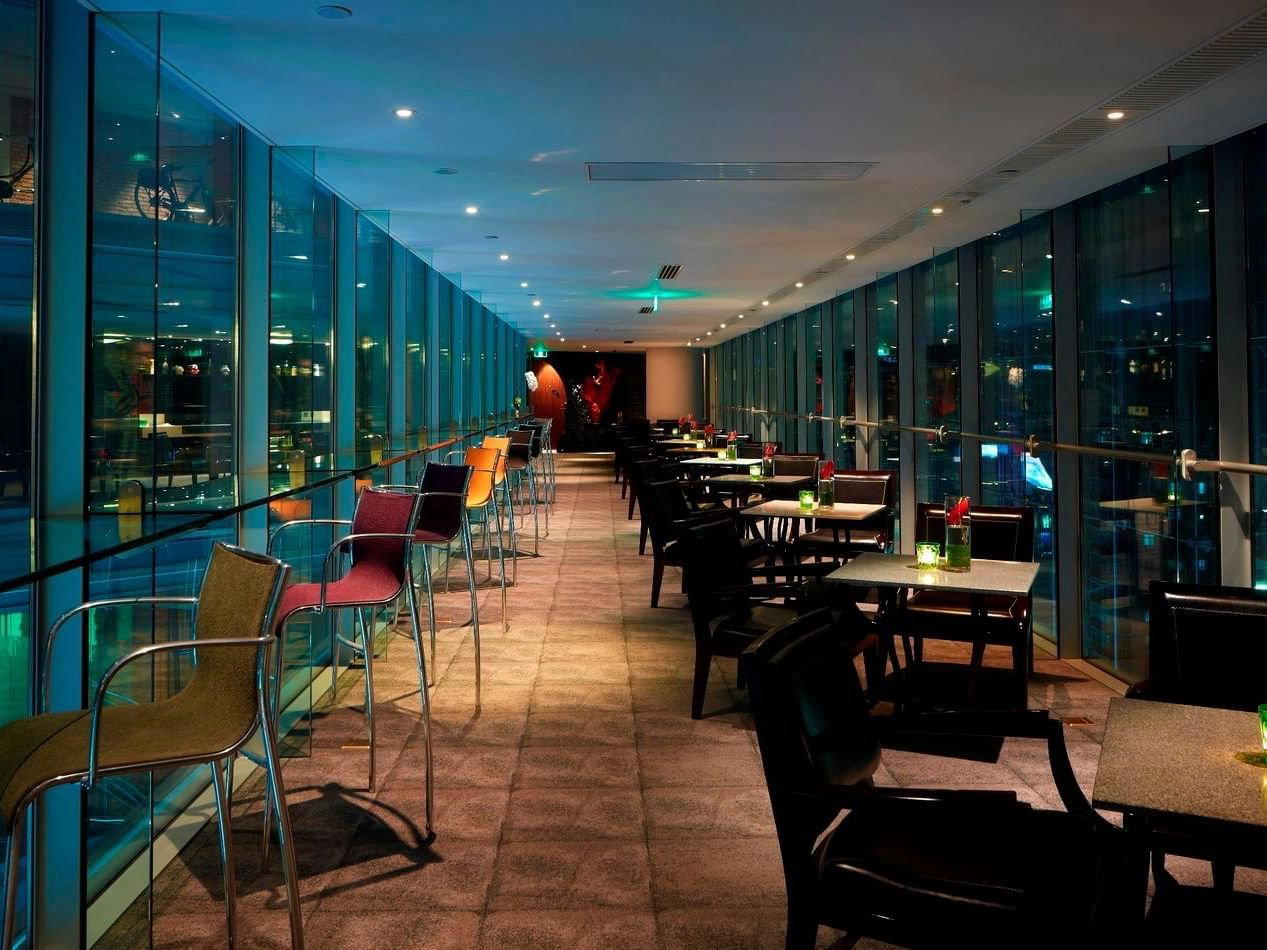
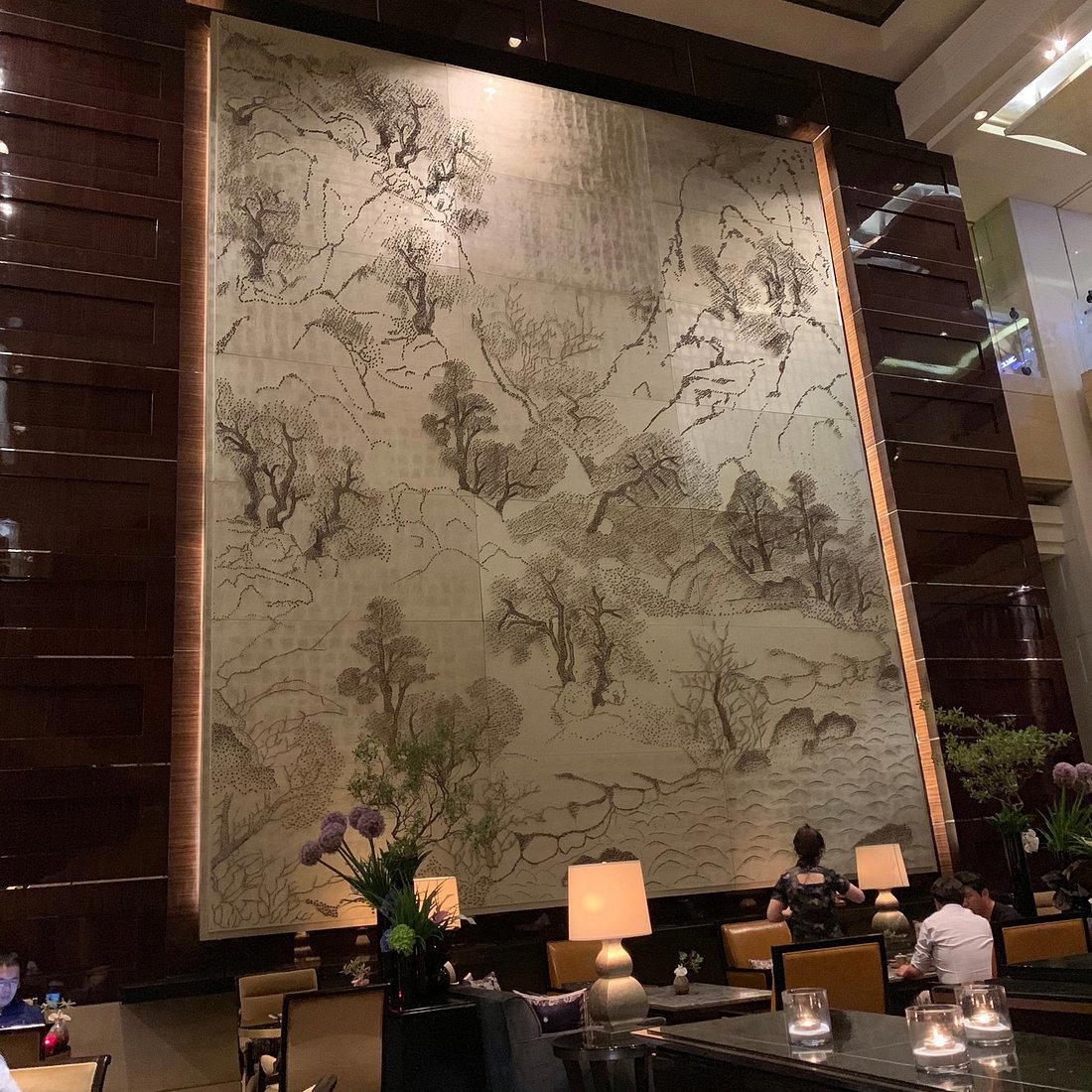
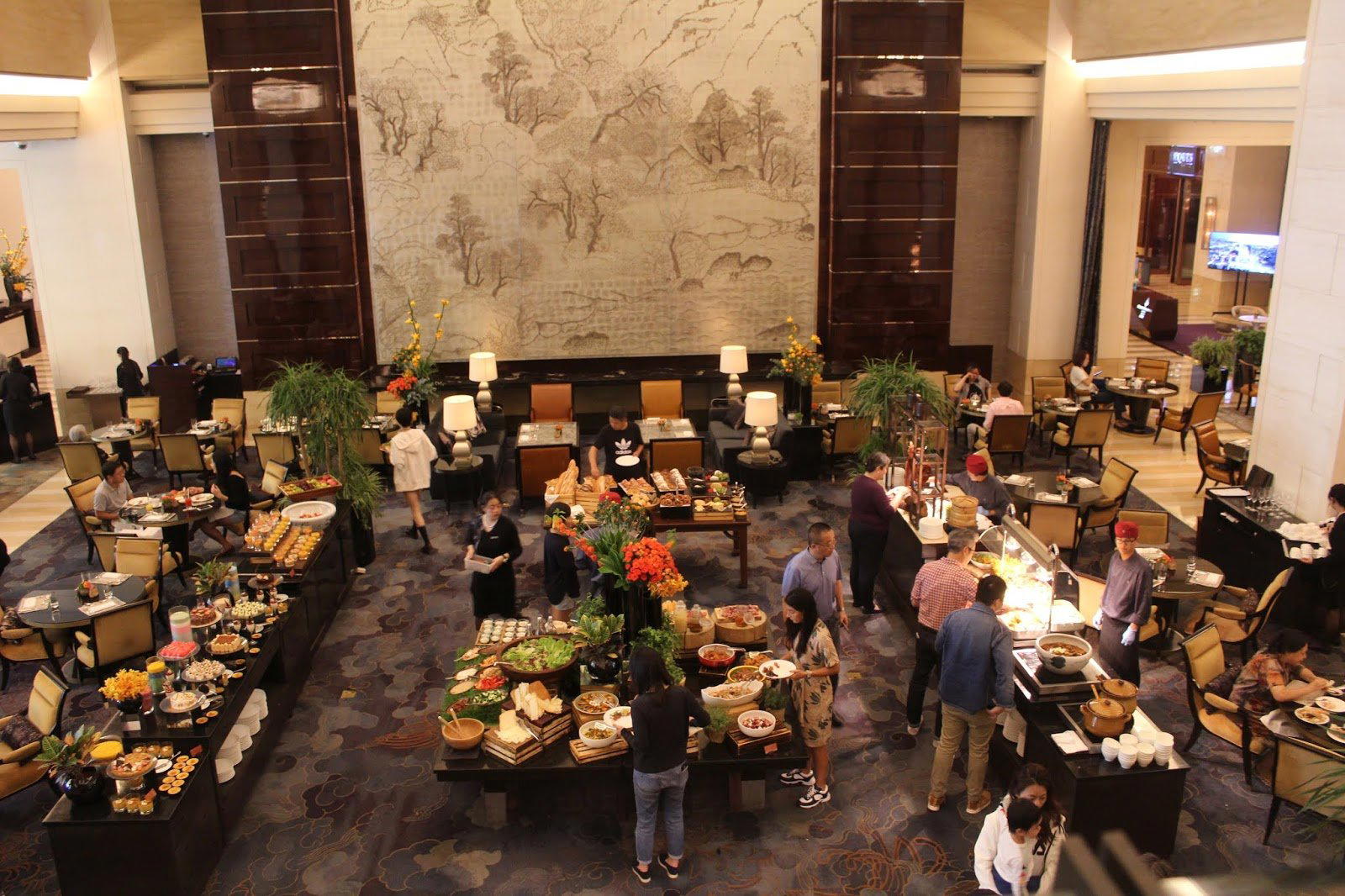
Cosy and understated space in neutral greys with pops of teal green, offering an elegant homestyle atmosphere.