


The flagship of the DaDong group, redesigned in 2021 and holding a Michelin star alongside a Black Pearl 3 Diamond, Gastro Esthetics DaDong represents Beijing's most formal contemporary Chinese dining register. The roast duck, sourced from 22-day-old birds, anchors a menu that extends into tableside-prepared braised sea cucumber and seasonal seafood. It sits in the ¥¥¥ tier, a price point below the city's three-star Chinese houses but above its casual duck competitors.
Pearl is the En Primeur Club membership app — saves, bookings, and concierge access live there. Same editors, same standards.
- Address
- China, Beijing, Chaoyang, Xiaoying N Rd, 华汇紫薇公园内 邮政编码: 100101
- Phone
- +86 51690328
- Website
- dadongdadong.com
- Directions
- Get directions
 Saves & bookings on Pearl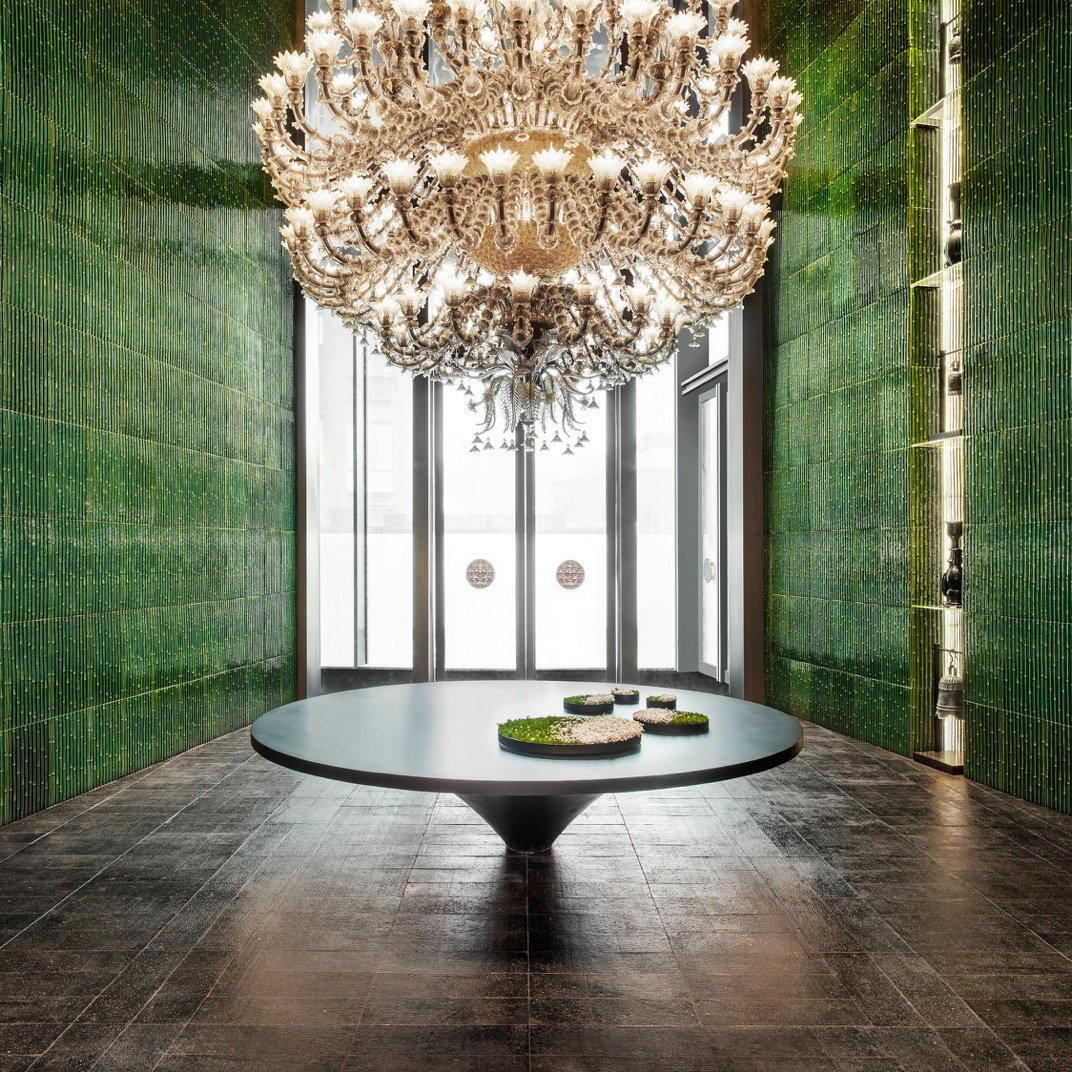
A Flagship Repositioned in the Upper Tier of Beijing Chinese Dining
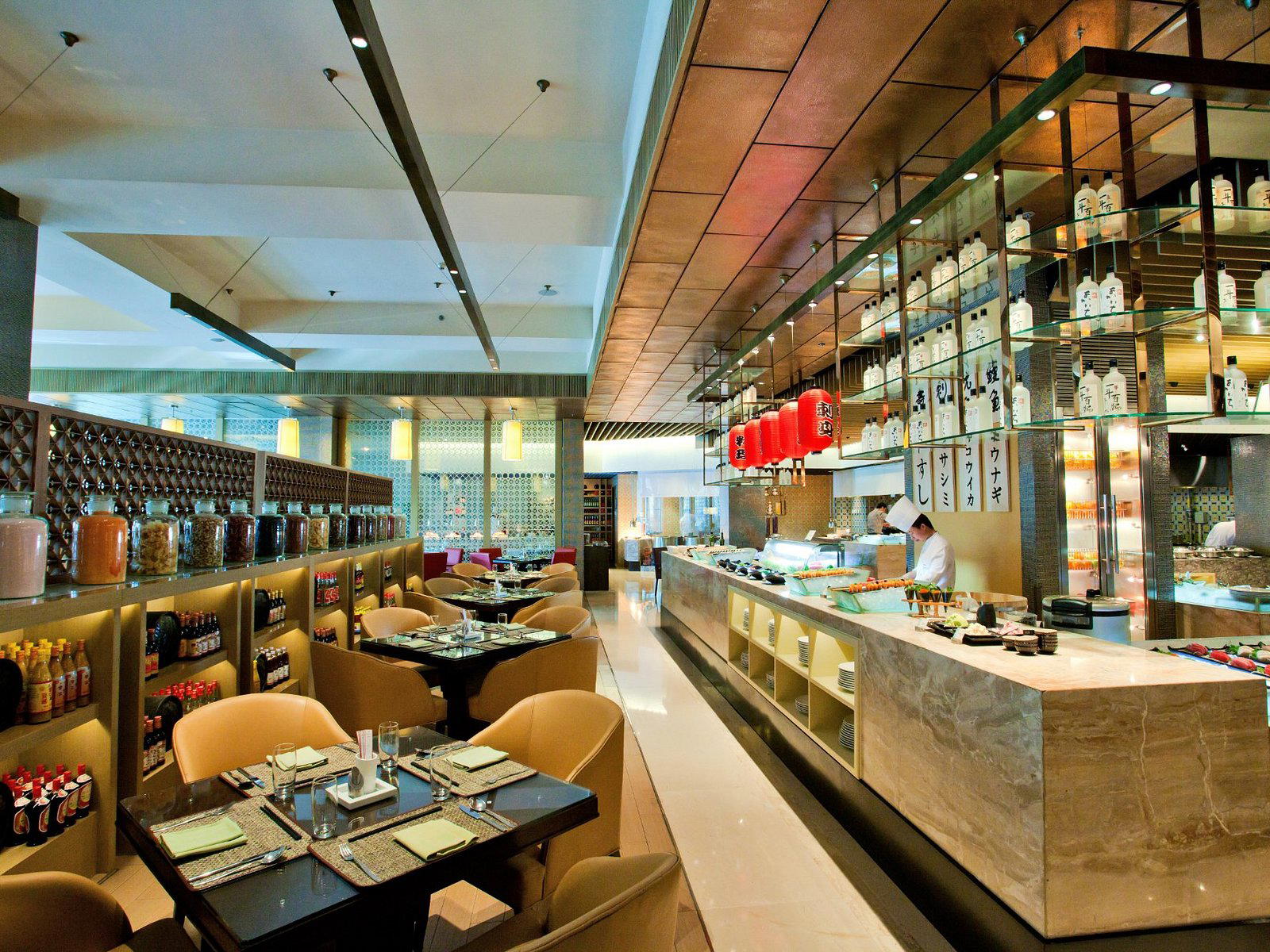
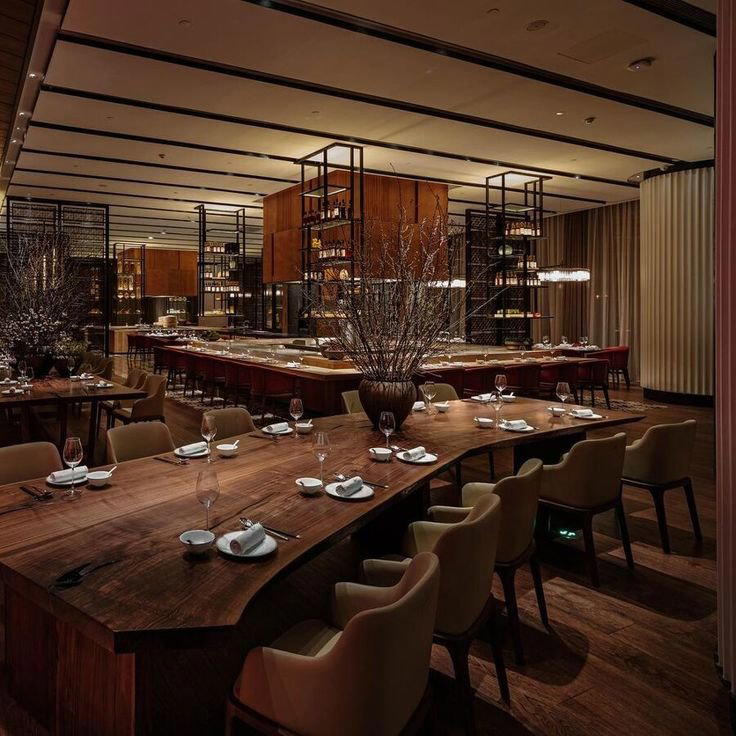
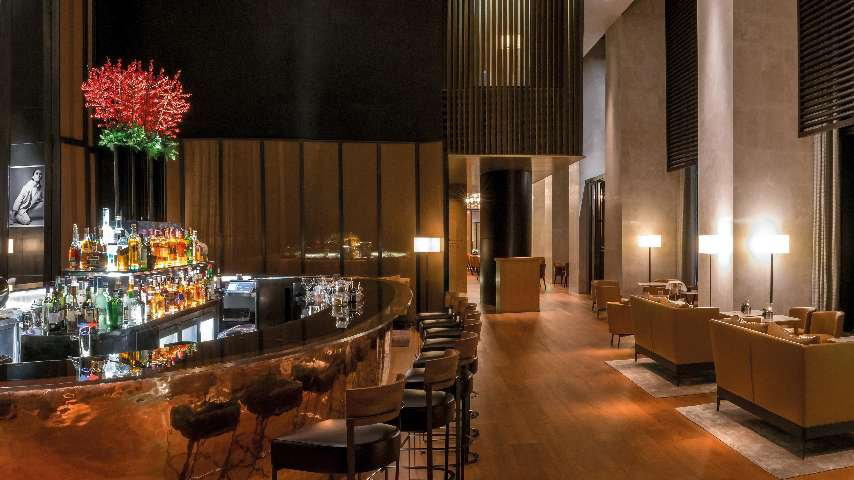
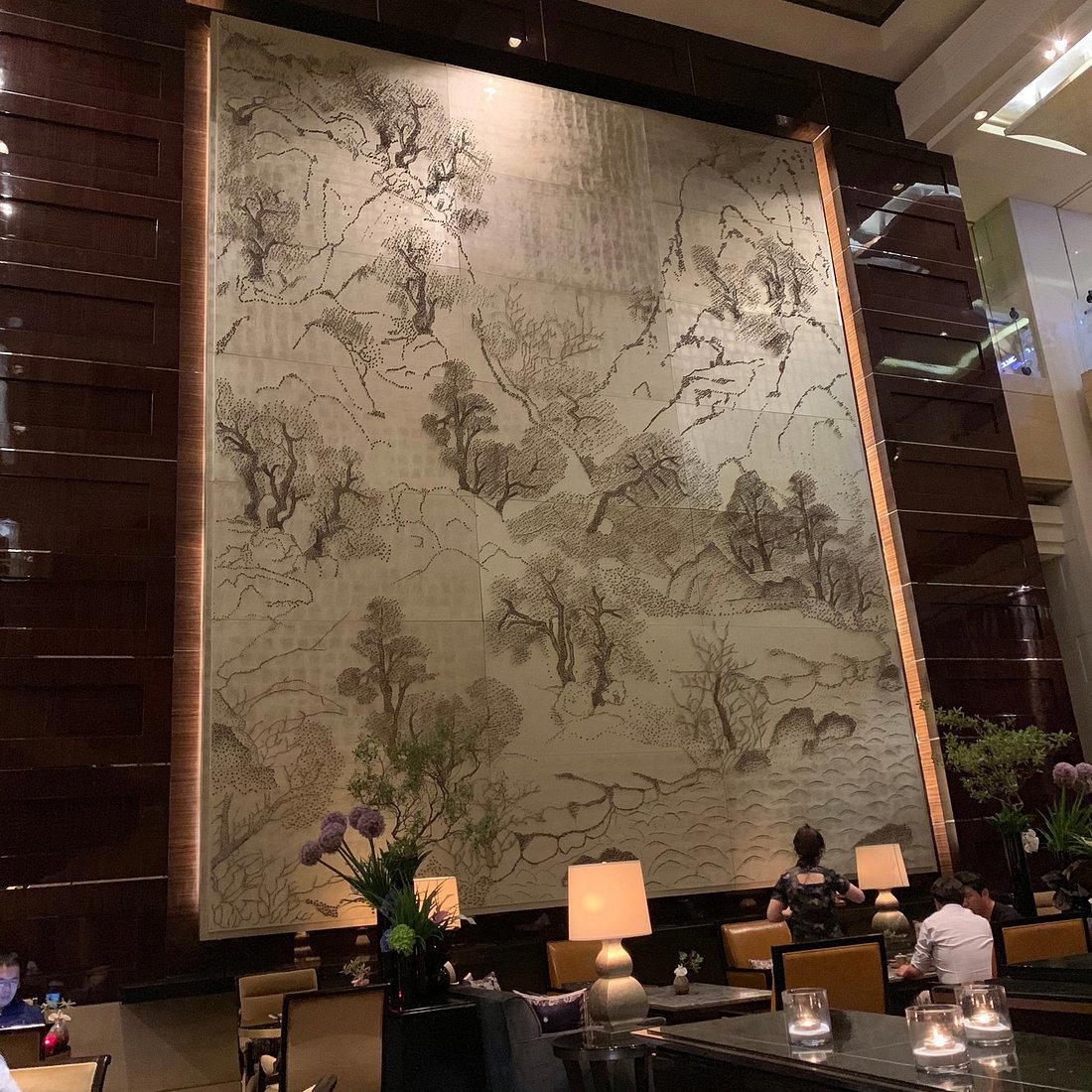
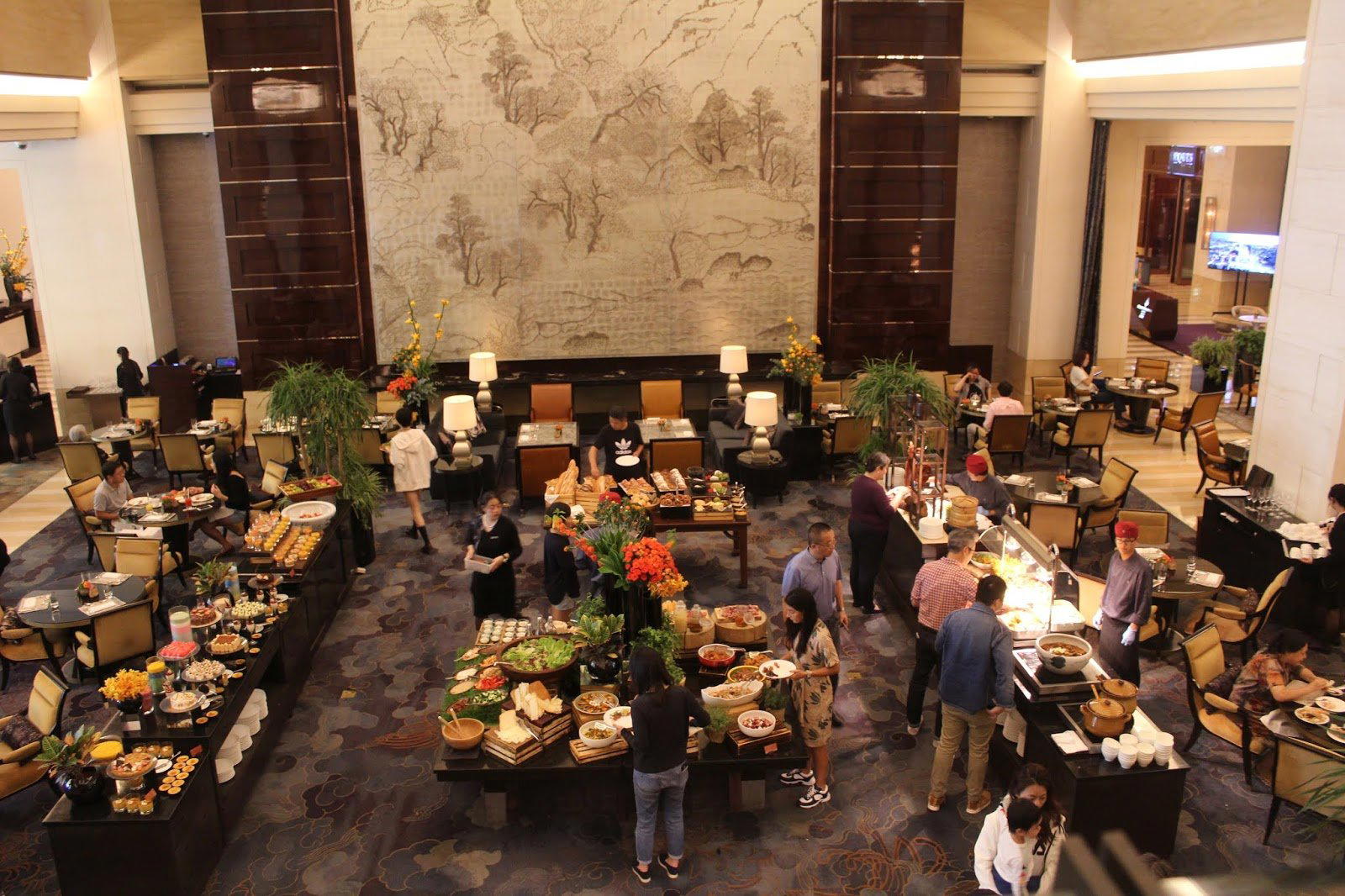
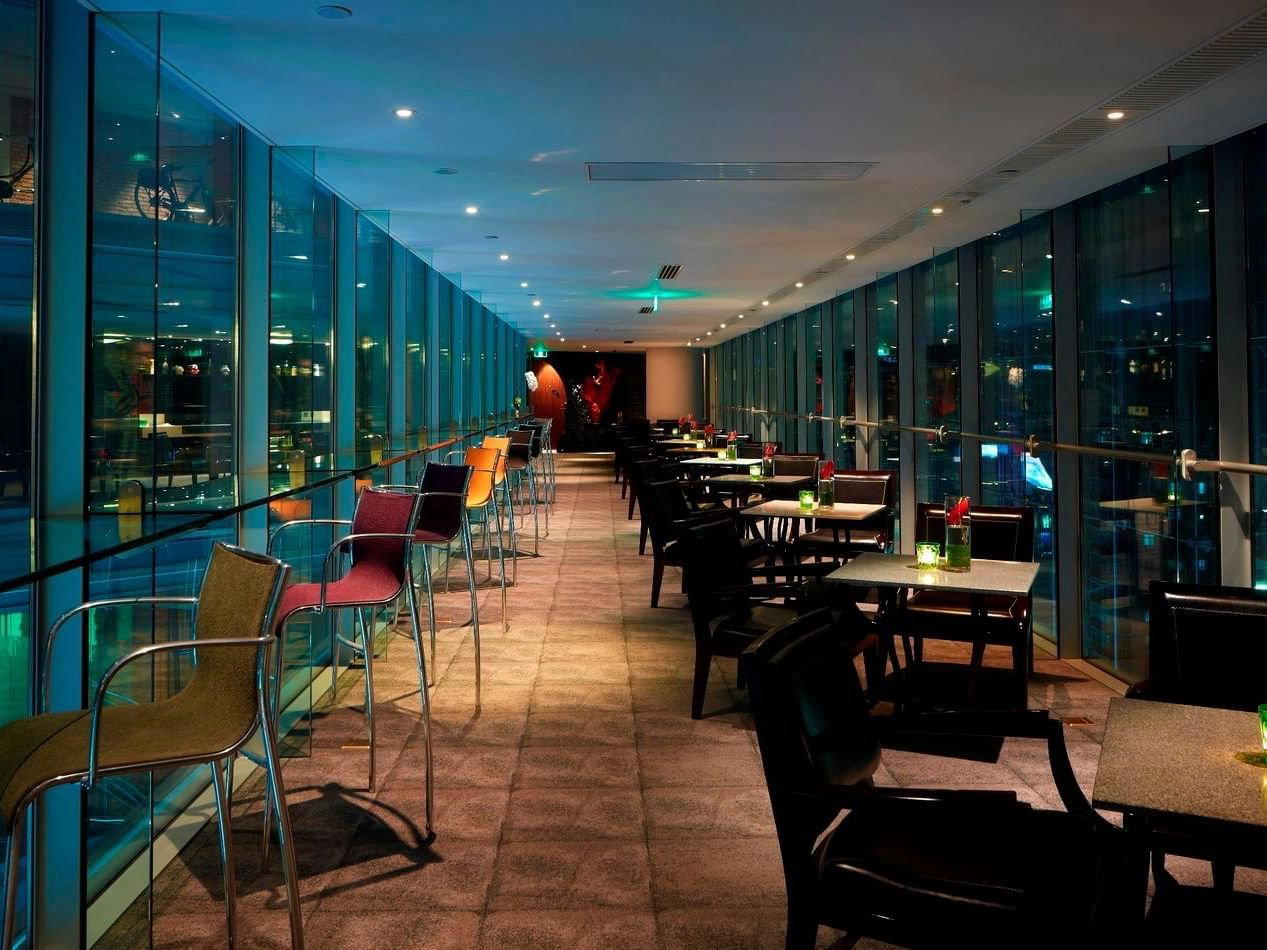
The dining room at Gastro Esthetics DaDong in the Huahui Ziwei Park complex in Chaoyang carries the specific visual register of a venue that has made a deliberate choice: this is not a duck house in any conventional sense. The 2021 rebrand converted what was already one of Beijing's most recognised Chinese restaurants into the DaDong group's most exclusive branch, a tier above its other outposts in physical design, curation, and intent. Gastro Esthetics DaDong is a one-Michelin-star restaurant in Beijing's Chaoyang district, with a price tier of ¥¥¥. The architecture and service choreography signal a dining experience that prices and positions itself against Beijing's Michelin-recognised Chinese houses rather than against the city's broader Peking duck scene.
That repositioning matters because Beijing's premium Chinese dining market has stratified sharply over the past decade. At one end, three-Michelin-starred houses like Xin Rong Ji (Xinyuan South Road) and Chao Shang Chao (Chaoyang) operate at ¥¥¥¥, with menus built around regional specificity and ingredient provenance as their primary argument. At the other end, the city's many duck-focused restaurants function as accessible institutions. Gastro Esthetics DaDong sits between those poles, holding a Michelin one star and a Black Pearl 3 Diamond at the ¥¥¥ price tier. For comparison, Jingji holds two Michelin stars at ¥¥¥¥, and Lamdre earns one Michelin star at ¥¥¥¥. The one-star-at-¥¥¥ signal at DaDong's flagship represents, for many readers, the more accessible entry point into Beijing's recognised contemporary Chinese tier.
The Duck as a Technical Argument
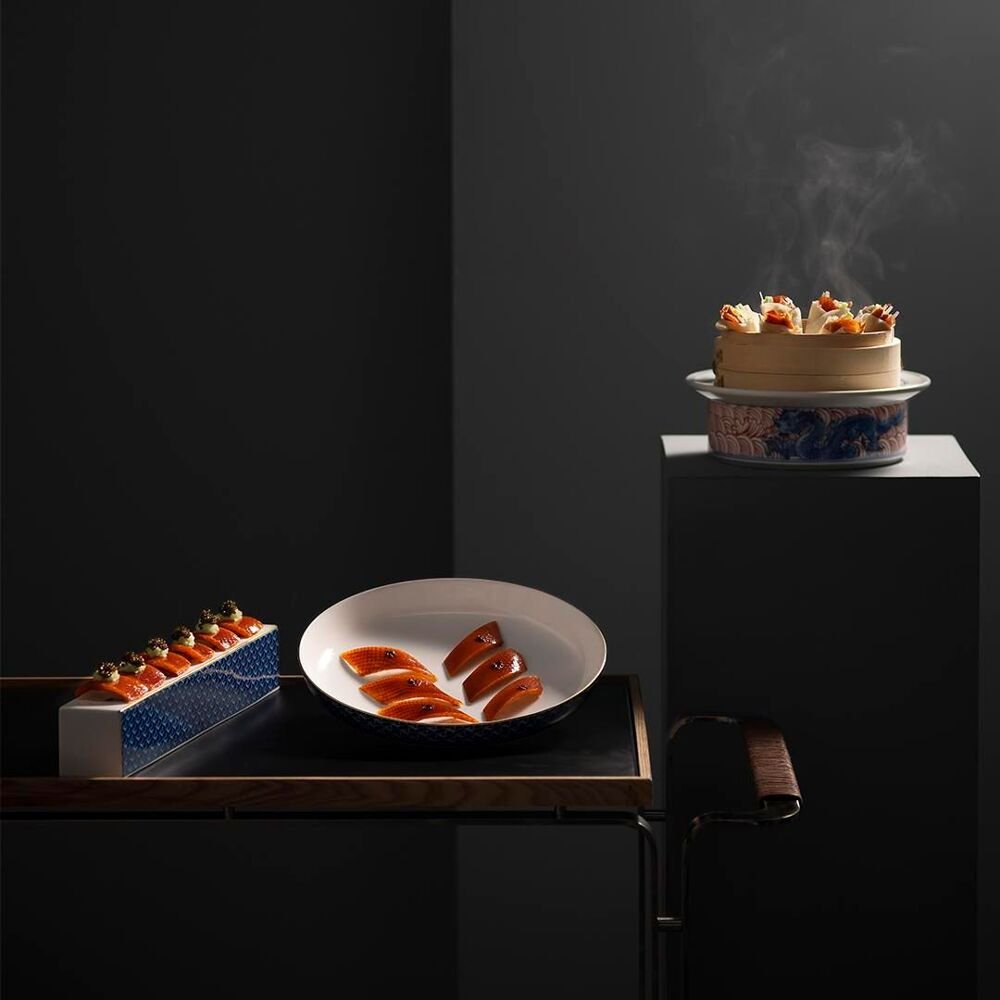
The editorial angle most commonly applied to DaDong is theatricality, but the more accurate frame is technical specificity. Peking duck at this level is not simply a preparation method; it is a series of sourcing and execution decisions that separate recognised houses from their peers. The signature duck at the restaurant uses 22-day-old birds, a sourcing constraint that narrows the fat-to-flesh ratio and produces the lacquered skin that defines the style. The condiment set, pancake, cucumber, scallion, minced garlic, and bean sauce, follows the canonical Beijing presentation, a deliberate choice to anchor the dish in its tradition rather than reinterpret it.
Beijing's Peking duck tradition has a long competitive history, and the question of whether a kitchen is building on that tradition or merely citing it is one that regular visitors ask. The Michelin recognition and Black Pearl 3 Diamond suggest enough technical substance to separate this kitchen from the broader duck-restaurant category. Beijing's Chaoyang flagship carries the weight of being the group's defining location.
Beyond the Duck: Tableside Technique and Seasonal Depth
Contemporary Chinese dining at the recognised level in Beijing has moved well beyond single-protein menus. The ability to hold a star at a duck-anchored restaurant requires a supporting menu that justifies the kitchen's ambitions across multiple courses and ingredients. At the restaurant, the braised sea cucumber is a distinct signal in this direction. The preparation uses spiny sea cucumber from Kanto, Japan, a provenance choice that places this dish within a wider conversation about high-end Chinese kitchens sourcing Japanese ingredients for texture and consistency, and it is prepared tableside, a service format that carries its own set of logistical demands and guest engagement signals.
Tableside preparation in premium Chinese dining is not new, but it remains a differentiator at the ¥¥¥ tier, where most kitchens send finished plates from the back. The choice to bring the sea cucumber preparation to the table positions the restaurant in the same theatrical-but-technical register as its duck service. Seasonal seafood and mushroom dishes round out the menu as areas of depth, consistent with the way that serious Chinese kitchens use seasonal availability to signal kitchen agility rather than relying entirely on their marquee preparations.
Other Beijing restaurants in the premium Chinese space take different routes. Héritage East addresses the intersection of tradition and contemporary form from a different culinary starting point. Across mainland China, the premium contemporary Chinese conversation includes reference points like Ru Yuan in Hangzhou, Chef Tam's Seasons in Macau, Xin Rong Ji in Chengdu, Imperial Treasure Fine Chinese Cuisine in Guangzhou, Dai Yuet Heen in Nanjing, and 102 House in Shanghai. Each operates within a distinct regional tradition, but all share the dual imperative that restaurant has also accepted: demonstrate ingredient-level rigour while maintaining the kind of service environment that can justify premium pricing to international and domestic guests alike.
Chef Dong Zhenxiang and the Group Credential
Chef Dong Zhenxiang's role at the DaDong group is relevant as a credential within the broader point about what the group has built, not as the explanation for what the restaurant is. The group has kept its Beijing flagship as its highest-specification location. The 2021 rebrand of the Chaoyang location as the chain's most exclusive branch was an institutional decision, a deliberate allocation of the group's premium positioning to a single address rather than spreading it across the portfolio. That decision, and the subsequent Michelin and Black Pearl recognitions, indicate that the exercise has been assessed as substantive rather than cosmetic.
Planning a Visit: Location, Tier, and Expectations
The restaurant is located within the Huahui Ziwei Park complex on Xiaoying North Road in Chaoyang, a district that also houses several of Beijing's other serious Chinese dining addresses. The Chaoyang placement means it sits within reach of the city's diplomatic and business hotel corridor, and the ¥¥¥ pricing makes it accessible to guests who have assessed the ¥¥¥¥ multi-star houses and are looking for recognised quality at a lower spend threshold. The Michelin one-star and Black Pearl 3 Diamond recognitions provide the trust signal for that trade-off.
Advance booking is essential. Given the 2021 rebrand's intention to position this as the group's most exclusive address, demand at this specific location should be treated as comparable to other Michelin-starred Chinese houses in Beijing, where walk-in availability at peak dining hours is limited. Advance booking is the correct assumption.
Comparable Spots, Quickly
Comparable venues nearby, for context on price, style, and recognition.
| Venue | Cuisine | Price | Awards | Notes |
|---|---|---|---|---|
| Gastro Esthetics DaDongThis venue — the venue you are viewing | Modern Chinese - Peking Duck Haute Cuisine | $$$ | Michelin 1 Star | Not listed |
| Da Dong | Modern Peking Duck | $$$$ | Michelin 1 Star | Dongzhimen |
| The Beijing Kitchen (Jianguo Road) | High-end Cantonese | $$$ | Michelin 1 Star | Balizhuang |
| Cai Yi Xuan | Michelin-Starred Cantonese | $$$$ | Michelin 1 Star | Hujialou |
| Seventh Son Restaurant Beijing | Michelin One-Star Cantonese | $$$$ | Michelin 1 Star | Hujialou |
| Zijin Mansion | Modern Cantonese with Beijing Specialties | $$$$ | Michelin 1 Star | Shuiduizi |
Recognition history
Dated appearances from independent guides and award organizations, with the underlying list record or original source where available.
Black Pearl 3 Diamond
Black Pearl
Michelin 1 Star
Michelin
The Best Chef One Knife
The Best Chef
Michelin 1 Star
Michelin
Continue exploring
More in Beijing
More from Chef Dong Zhenxiang
Browse all →
Restaurants in Beijing
Browse all →
Bars in Beijing
Browse all →

At a Glance
- Elegant
- Modern
- Sophisticated
- Date Night
- Business Dinner
- Group Dining
- Celebration
- Special Occasion
- Private Dining
- Open Kitchen
- Design Destination
- Extensive Wine List
- Sommelier Led
- Local Sourcing
Current opening hours
- Monday
- 10:30 AM–10 PM
- Tuesday
- 10:30 AM–10 PM
- Wednesday
- 10:30 AM–10 PM
- Thursday
- 10:30 AM–10 PM
- Friday
- 10:30 AM–10 PM
- Saturday
- 10:30 AM–10 PM
- Sunday
- 10:30 AM–10 PM
Hours can change for holidays and private events. Last verified .
Modern, high-ceiling dining room with beautiful contemporary design; atmospheric entrance featuring a surreal pond with mist and lighting effects; refined theatrical presentation of dishes.