Akasaka's dining scene has long operated at a different register from Ginza's high-visibility counters, and 赤坂 陽乃丸 sits within that quieter, neighbourhood-embedded tier. With an address on a residential sidestreet in Minato City, the restaurant belongs to a tradition of Tokyo dining rooms that build reputation through return visits rather than reservation platforms. Details on format and pricing are best confirmed directly with the venue.
Pearl is the En Primeur Club membership app — saves, bookings, and concierge access live there. Same editors, same standards.
- Address
- 6 Chome-13-8 Akasaka, Minato City, Tokyo 107-0052, Japan
- Phone
- +81335686055
- Website
- kikunoi.jp
- Directions
- Get directions
 Saves & bookings on Pearl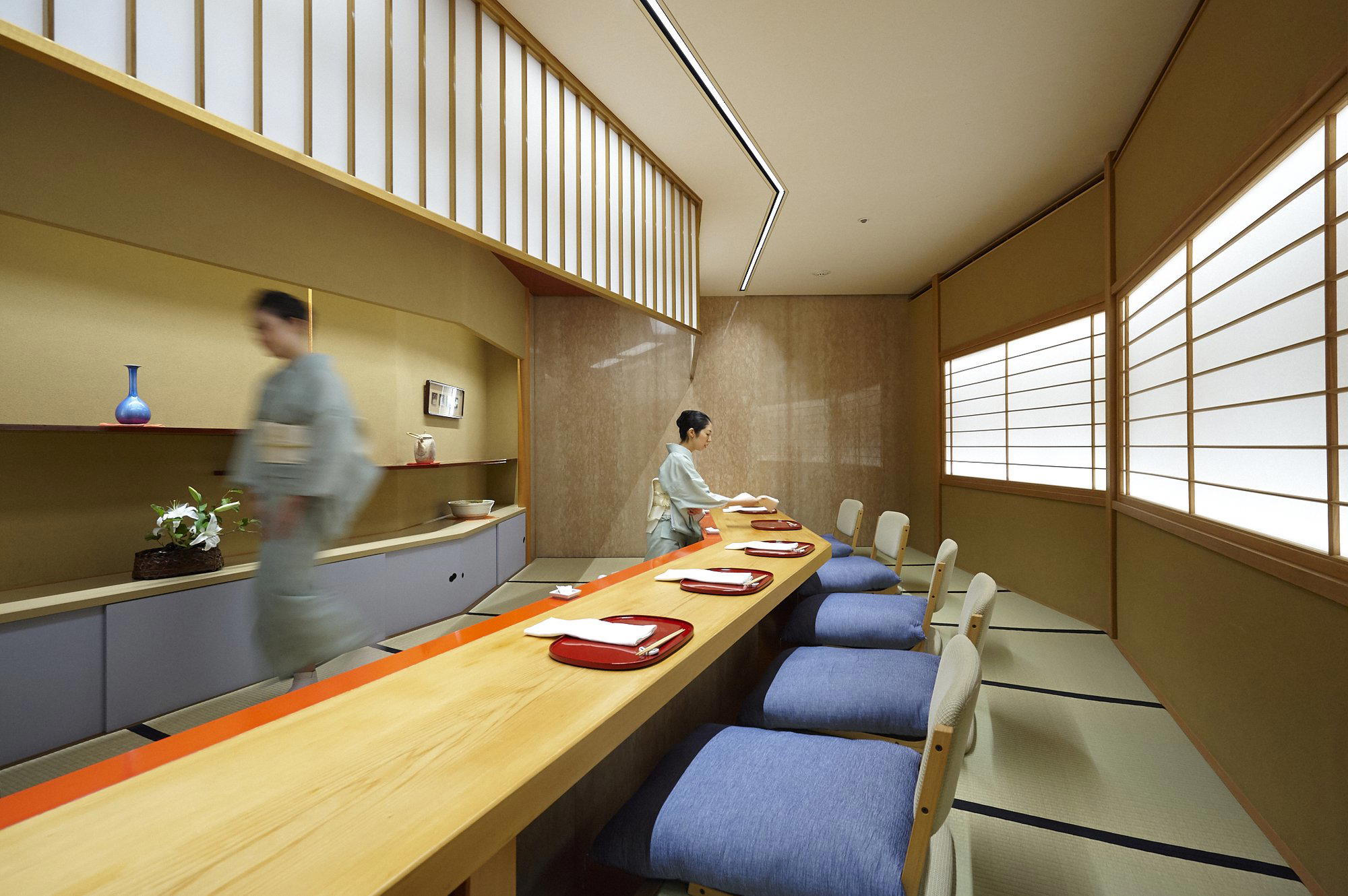
Akasaka After Dark: The Neighbourhood That Shaped the Room
Akasaka occupies a particular position in Tokyo's dining geography. Unlike Ginza, which performs luxury at street level, or Shinjuku, which operates through volume, Akasaka has historically drawn a clientele of political figures, media professionals, and senior business executives who value discretion over spectacle. The neighbourhood's restaurant culture reflects that: rooms tend to be smaller, signage minimal, and reputation transmitted through personal networks rather than review aggregators. 赤坂 菊乃井, addressed at 6 Chome-13-8 Akasaka in Minato City, is an Edomae Sushi Omakase restaurant that sits inside that tradition.
The approach to the venue already signals something about what to expect. Minato City's residential sidestreets in this part of Akasaka are a different proposition from the main arteries. The ambient noise drops, the foot traffic thins, and the buildings scale down. A dining room that chooses this setting is making an argument about its intended audience: people who already know, or people who have been told by someone who does.
How Akasaka Restaurants Have Changed
The broader evolution of Akasaka's restaurant scene over the past two decades tracks a pattern visible across Tokyo's established dining neighbourhoods. The bubble-era format, centred on large rooms, elaborate service hierarchies, and cuisine calibrated to corporate expense accounts, has contracted steadily. What replaced it, across the price spectrum, is a more chef-driven, format-conscious model where the room size and the culinary proposition are more tightly aligned. Fewer covers, more clearly defined menus, and a shift from performance-for-clients to dining-as-primary-experience.
This mirrors shifts documented at the higher end of the Tokyo market. Venues like RyuGin, operating in kaiseki, and L'Effervescence in French, both represent the transition from category-generic fine dining toward tightly authored culinary formats. The same logic has filtered down through the mid-tier, reshaping expectations around what an Akasaka dinner should look like. 赤坂 菊乃井 belongs to this post-transition generation of Tokyo dining rooms.
Where It Sits in the Tokyo Context
Tokyo's restaurant market stratifies clearly when you examine it against peers. At the ¥¥¥¥ tier, the reference points are well-documented: Harutaka in sushi, Sézanne in French, and Crony in the innovative-French register all occupy rooms with limited seat counts and demand that significantly outpaces supply. The mid-tier, represented by venues like Den in the innovative Japanese category at ¥¥¥, operates with slightly more accessibility but still rewards planning. Neighbourhood-rooted venues in Akasaka historically sit at or between these tiers, calibrated to a local clientele rather than the international dining circuit.
For readers building a broader Japan itinerary, the same principles of neighbourhood embeddedness and reputation-by-return apply at Gion Sasaki in Kyoto and HAJIME in Osaka. Both operate in cities where dining geography is as instructive as the menu itself. The comparison is useful because it frames 赤坂 陽乃丸 not as an isolated discovery but as part of a recurring pattern in how Japan's serious restaurant culture organises itself spatially and socially.
Planning Your Visit
赤坂 菊乃井 operates on an essential reservation policy and is open Tuesday through Saturday from 12 to 2 PM and 5 to 10 PM. The table below places it in context against confirmed peer restaurants for reference.
| Venue | Cuisine | Price Tier | Booking Approach |
|---|---|---|---|
| 赤坂 菊乃井 (Akasaka) | Edomae Sushi Omakase | ¥¥¥¥ | Essential reservation |
| Harutaka | Sushi | ¥¥¥¥ | Counter booking, high demand |
| L'Effervescence | French | ¥¥¥¥ | Online reservation |
| RyuGin | Kaiseki | ¥¥¥¥ | Advance booking required |
| Crony | Innovative French | ¥¥¥¥ | Online reservation |
Readers planning wider Japan coverage can also reference our guides to akordu in Nara, Goh in Fukuoka, Abon in Ashiya, affetto akita in Akita, Aji Arai in Oita, Ajidocoro in Yubari District, Akakichi in Imabari, and aki nagao in Sapporo to build a comprehensive itinerary across Japan's regional dining registers. For those comparing Japan's fine dining culture with equivalents in the United States, Le Bernardin in New York City and Lazy Bear in San Francisco offer useful reference points for format and price-tier positioning.
The Minimal Set
Comparable venues nearby, for context on price, style, and recognition.
| Venue | Cuisine | Price | Notes |
|---|---|---|---|
| 赤坂 菊乃井This venue — the venue you are viewing | Minato, Edomae Sushi Omakase | $$$$ | Not listed |
| Kappo Muroi | Minato, Traditional Kappo Kaiseki | $$$$ | Not listed |
| くろ﨑 | Minato, Modern Edomae Sushi Omakase | $$$$ | Not listed |
| Wagyu Yakiniku KIM | Not listed | $$$$ | Minato, Premium A5 Wagyu Yakiniku |
| Japanese Restaurant "Ginza Tsuru" Tokyo / Wagyu Shabu-shabu & Sukiyaki | Not listed | $$$$ | Chūō, Japanese Wagyu Shabu-Shabu & Sukiyaki |
| Ginza Chikamitsu Rokuchome | Chūō, Modern Wagyu Yakiniku | $$$$ | Not listed |












At a Glance
- Intimate
- Elegant
- Sophisticated
- Date Night
- Special Occasion
- Solo
- Chefs Counter
- Sake Program
Current opening hours
- Monday
- Closed
- Tuesday
- 12–2 PM, 5–10 PM
- Wednesday
- 12–2 PM, 5–10 PM
- Thursday
- 12–2 PM, 5–10 PM
- Friday
- 12–2 PM, 5–10 PM
- Saturday
- 12–2 PM, 5–10 PM
- Sunday
- Closed
Hours can change for holidays and private events. Last verified .
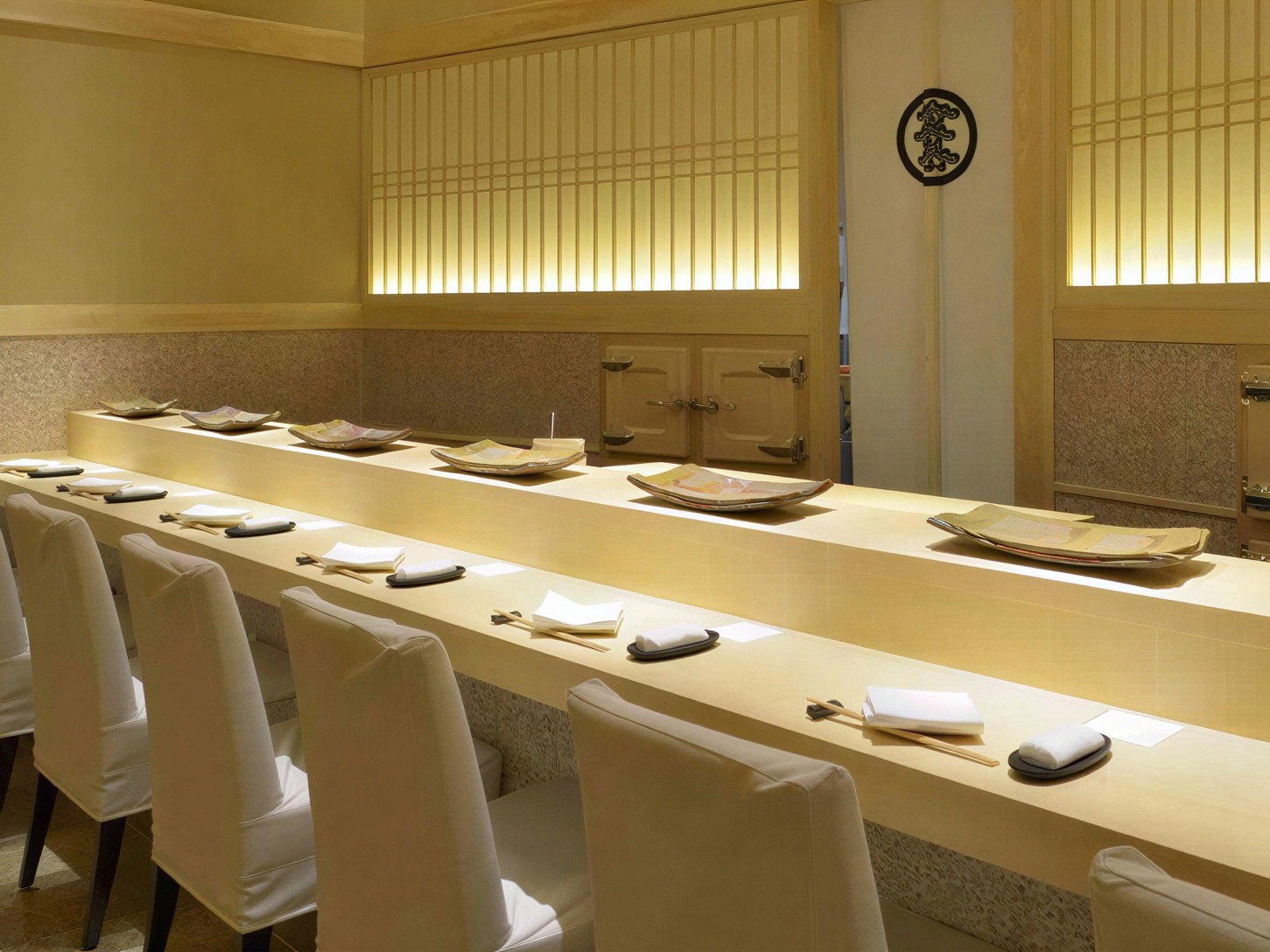
Dimly lit, serene counter seating with focused attention on the sushi preparation, creating an intimate and reverent atmosphere.