On the second floor of a Ginza tower block, Ginza Tsuru specialises in wagyu shabu-shabu and sukiyaki, two formats that divide sharply in technique yet share the same premium beef tradition. The room sits in a neighbourhood where cooking beef at the table has been a serious proposition since the Meiji era, and the kitchen here operates within that lineage. Ginza's concentration of high-grade beef specialists makes this a considered choice for visitors focused on the format.
Pearl is the En Primeur Club membership app — saves, bookings, and concierge access live there. Same editors, same standards.
- Address
- Japan, 〒104-0061 Tokyo, Chuo City, Ginza, 7 Chome−10−5 The ORB Luminous 2F
- Phone
- +81335717763
- Website
- ginza-tsuru.com
- Directions
- Get directions
 Saves & bookings on Pearl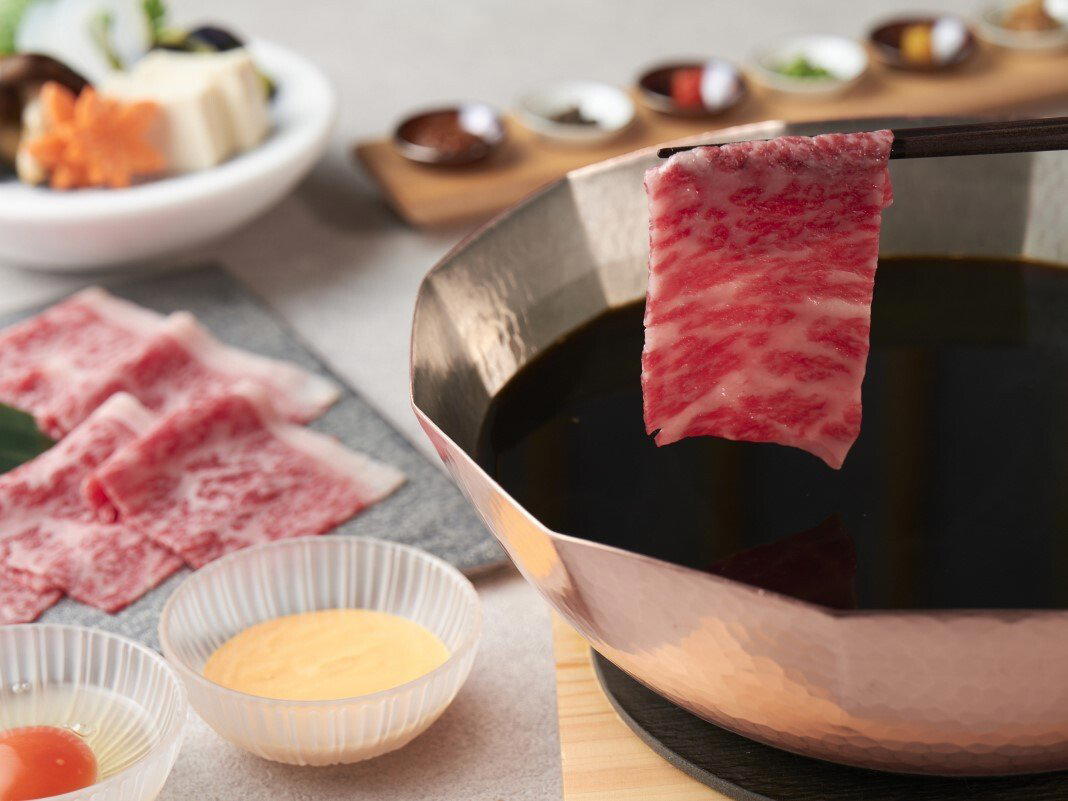
Cooking at the Table in Ginza: A Tradition with Stakes
There is a reason Ginza became the address of choice for Japan's premium beef-at-table restaurants. The district's commercial density and its long association with entertainment dining created conditions where operators had to compete on ingredient quality rather than novelty. Shabu-shabu and sukiyaki, the two formats that define Ginza Tsuru's menu, represent distinct philosophical positions within that tradition: shabu-shabu is a study in restraint, the beef barely touched by near-boiling dashi; sukiyaki is a richer, more assertive format where soy, sugar, and mirin build a sauce that the meat absorbs rather than resists. Both methods have been refined over more than a century of Ginza dining culture, and the gap between an average execution and a considered one comes down to beef grade, cutting precision, and the temperature discipline of the pot.
Ginza Tsuru occupies the second floor of The ORB Luminous building on 7-chome, a stretch of central Ginza that sits within walking distance of the district's densest concentration of high-end restaurants. In a neighbourhood where Harutaka operates one of Tokyo's most closely followed omakase counters and RyuGin has maintained a multi-Michelin presence in kaiseki for over two decades, the wagyu specialist occupies a different competitive register, one defined by the beef supply chain and the ritual of communal cooking rather than the precision plating that dominates the neighbourhood's flashier tier.
The Format and What It Demands of the Room
Table-cooked beef dining places demands on front-of-house that most other restaurant formats do not. The pace is set by the diner, not the kitchen, which means the team managing each table must read the room continuously: when to add broth, how to pace the beef delivery, whether to intervene in the cooking process or step back. In Japan's premium shabu-shabu and sukiyaki houses, this orchestration function is taken seriously enough that the distinction between server and guide disappears. The person managing your table is also calibrating your meal.
This dynamic between the dining room team and the kitchen is where the format earns its price point. The kitchen's job is preparation and sourcing; the floor's job is execution. When that collaboration works, the meal has a rhythm that feels unhurried without being slow. When it doesn't, the premium beef reads as expensive rather than worth the cost. Tokyo's serious wagyu-at-table operators have understood this for decades, which is why the front-of-house training at establishments in this tier is treated as a parallel discipline to the cooking itself. Visitors who have experienced the format at peers in Osaka, HAJIME operates in a broadly comparable spirit of service attentiveness, will find the underlying logic consistent, even if the cuisines differ.
Wagyu Shabu-Shabu vs. Sukiyaki: Which Format to Choose
The choice between shabu-shabu and sukiyaki is less about preference and more about what you want the beef to do. Shabu-shabu preserves the fat structure of high-marbled wagyu more cleanly: the brief contact with hot liquid renders the exterior without collapsing the interior fat, and the flavour remains close to the raw product. It rewards better beef more directly. Sukiyaki, by contrast, builds a composite flavour from the interaction between the beef and the sweetened soy broth; a slightly lower grade of wagyu can still produce an excellent sukiyaki because the sauce does additional work. Serious beef restaurants in this category tend to offer both, and the staff recommendation will often depend on the specific cut being served that day.
For context on how the format comparison plays out across Japan's dining geography, the wagyu-focused traditions of regional Japan, from the beef culture around Nanao to the approaches visible in Sapporo, show how locally distinct the beef supply chain remains even within a single country. Tokyo's Ginza operations tend to source from multiple prefectures and compete on flexibility and grade rather than regional identity.
Positioning Within Tokyo's Broader Dining Scene
Tokyo's premium dining scene has consolidated around a relatively small number of formats that justify high price points: kaiseki, omakase sushi, tasting-menu French, and wagyu-focused beef dining. The first three have attracted the bulk of international critical attention. Wagyu specialists, by contrast, operate in a tier that is well-understood domestically but less visible in international rankings, partly because the format does not translate neatly into the categories used by guides built around chef-driven tasting menus.
That gap between domestic prestige and international recognition is not a quality signal in either direction. It reflects the structural bias of critical attention rather than the experience on offer. Ginza's wagyu counters and table restaurants represent a tradition that runs as deep as any other in the city. Visitors oriented toward the tasting-menu circuit, L'Effervescence, Sézanne, and Crony cover that register well, may find a wagyu dinner a useful counterpoint, one that operates on different terms entirely. The same is true for those who have explored Japan's kaiseki tradition through venues like Gion Sasaki in Kyoto or Goh in Fukuoka: the wagyu table format is a structurally different kind of meal, not a lesser one.
For those building a wider picture of Japanese dining across formats and regions, our full Tokyo restaurants guide maps the city's premium tier by neighbourhood and cuisine type. Additional regional context is available through venues including akordu in Nara, Takashima, and Nishikawa Machi, as well as more eclectic operators like Birdland in Sakai and Bistro Ange in Toyohashi. For international comparison on service-led dining and tasting formats, Le Bernardin and Atomix in New York City offer a useful frame for how premium format restaurants operate across cultures.
Planning Your Visit
Ginza Tsuru is located on the second floor of The ORB Luminous at 7-10-5 Ginza, Chuo City, Tokyo. The 7-chome address places it in central Ginza, accessible on foot from Ginza Station (Tokyo Metro Ginza, Hibiya, and Marunouchi lines) in under five minutes. As with most premium wagyu restaurants in this district, reservations are advisable, particularly for weekend evenings and dinner service, when the concentration of demand in the neighbourhood is at its highest.
Comparison Snapshot
Comparable venues nearby, for context on price, style, and recognition.
| Venue | Cuisine | Price | Notes |
|---|---|---|---|
| Japanese Restaurant "Ginza Tsuru" Tokyo / Wagyu Shabu-shabu & SukiyakiThis venue — the venue you are viewing | Japanese Wagyu Shabu-Shabu & Sukiyaki | $$$$ | Not listed |
| Kyoaji (京味) | Traditional Kyoto-Style Kaiseki Omakase | $$$$ | Shinbashi |
| Ginza Chikamitsu Rokuchome | Modern Wagyu Yakiniku | $$$$ | Chūō |
| Kato Gyuniku-ten Ginza | Yamagata Beef Steakhouse | $$$$ | Chūō |
| Kitagawa | Modern Japanese Kappo | $$$$ | Chūō |
| Sumiyaki TORI8 | High-end Yakitori Omakase | $$$$ | Chūō |
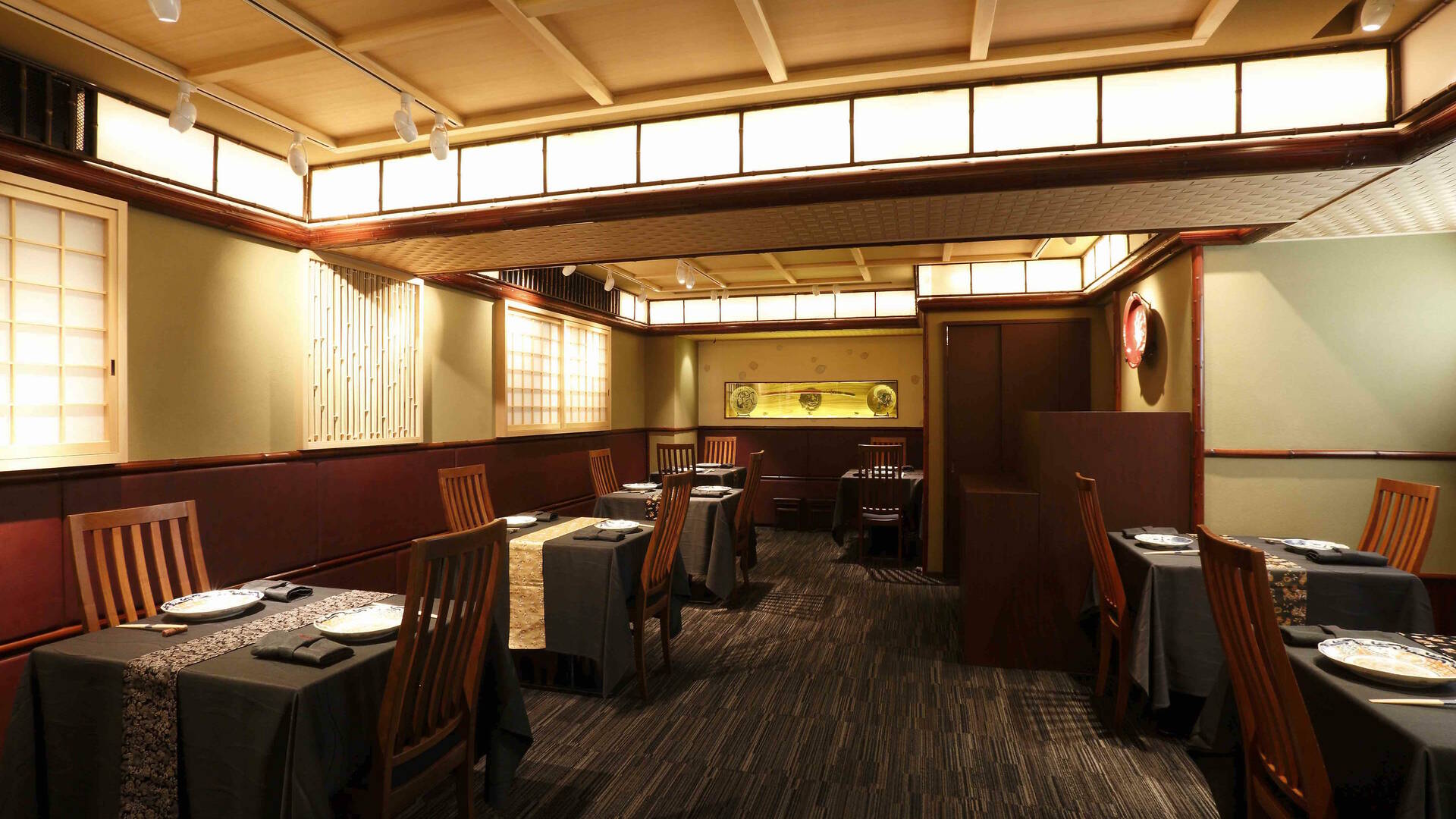

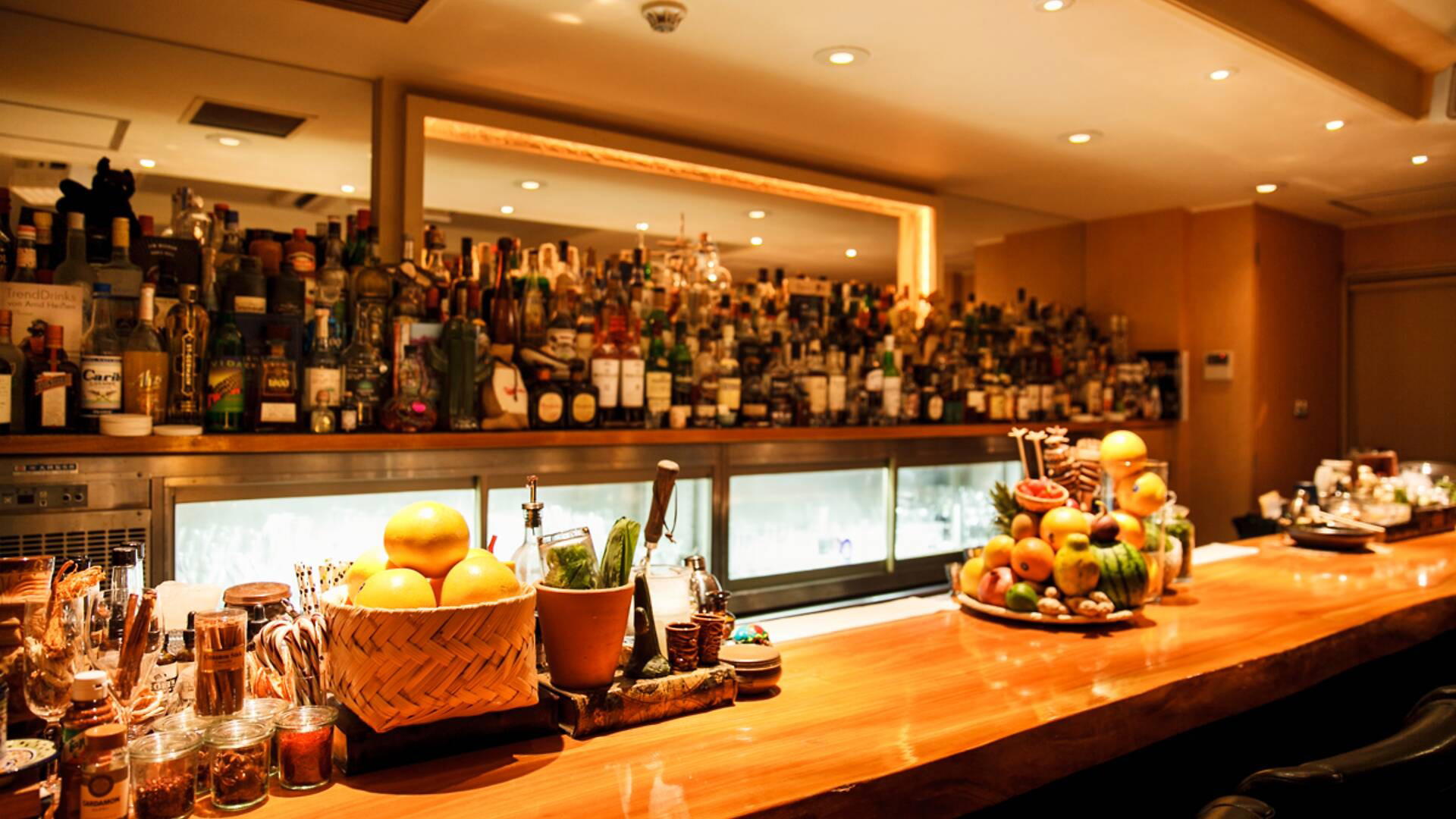
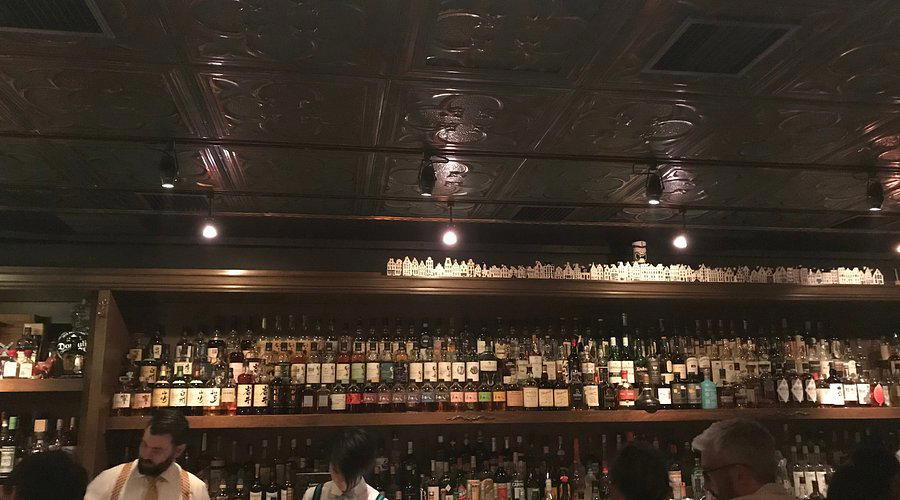
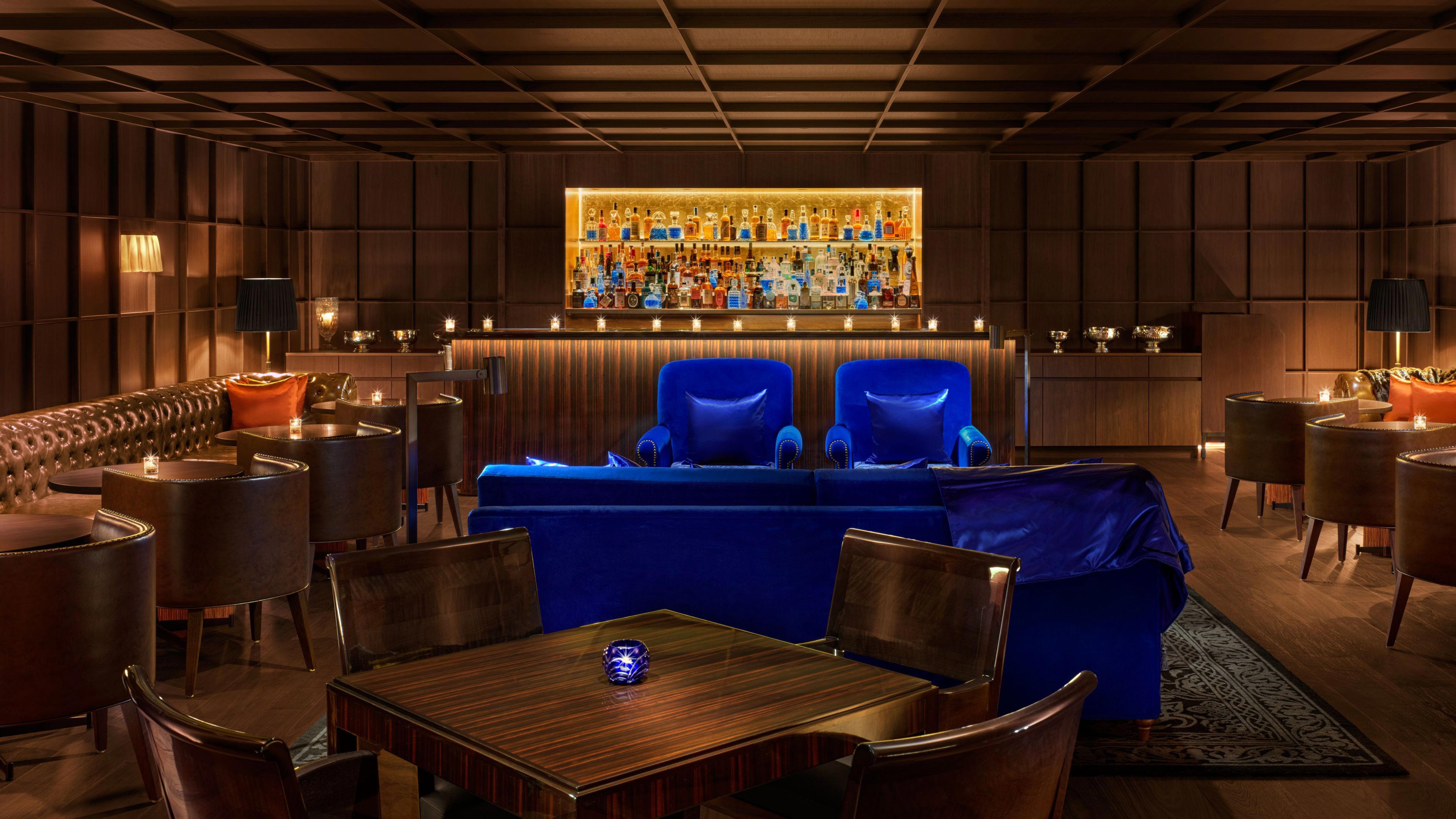

At a Glance
- Elegant
- Serene
- Sophisticated
- Cozy
- Business Dinner
- Date Night
- Special Occasion
- Private Dining
- Sake Program
Current opening hours
- Monday
- 5–10 PM
- Tuesday
- 5–10 PM
- Wednesday
- 5–10 PM
- Thursday
- 5–10 PM
- Friday
- 5–10 PM
- Saturday
- Closed
- Sunday
- Closed
Hours can change for holidays and private events. Last verified .
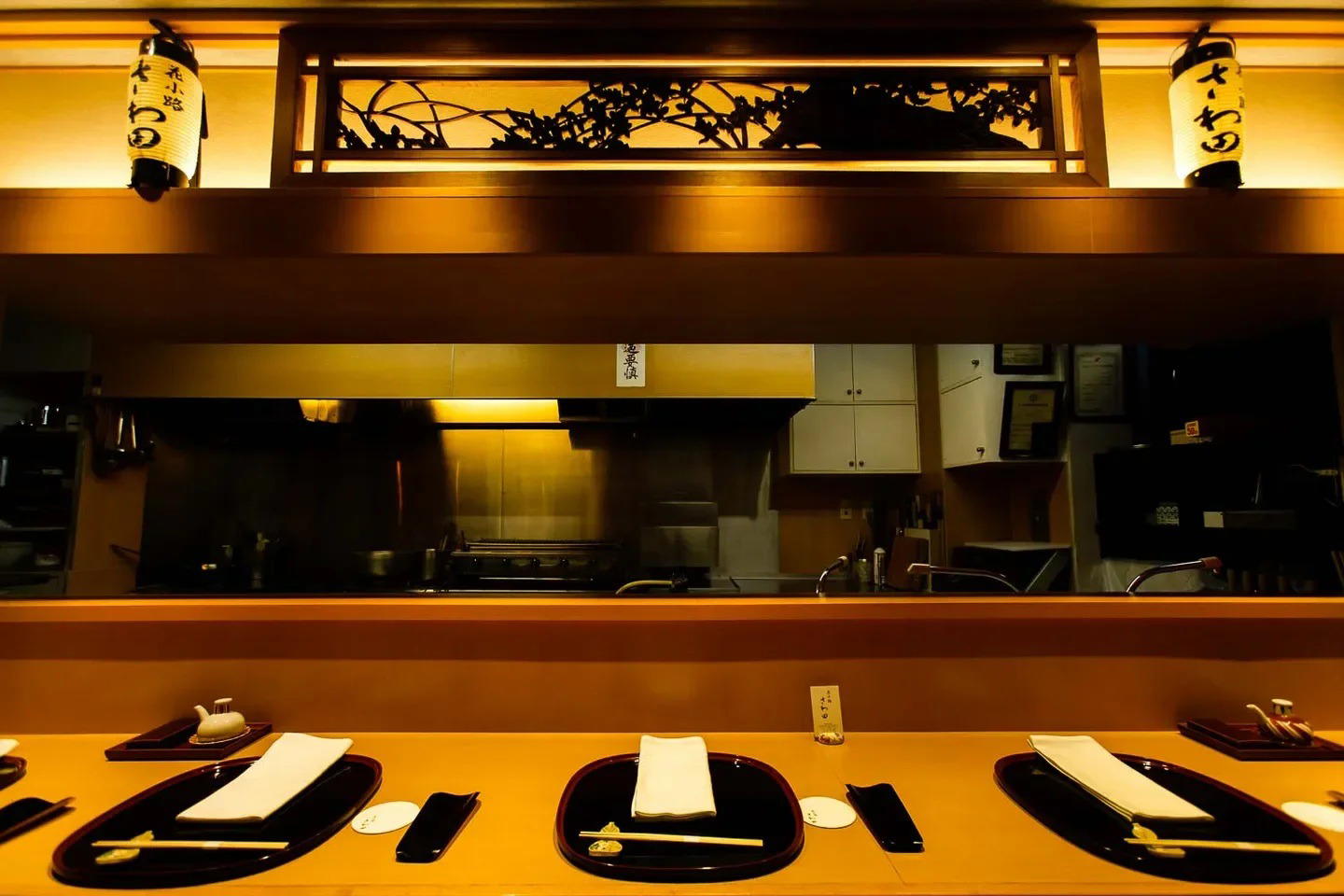
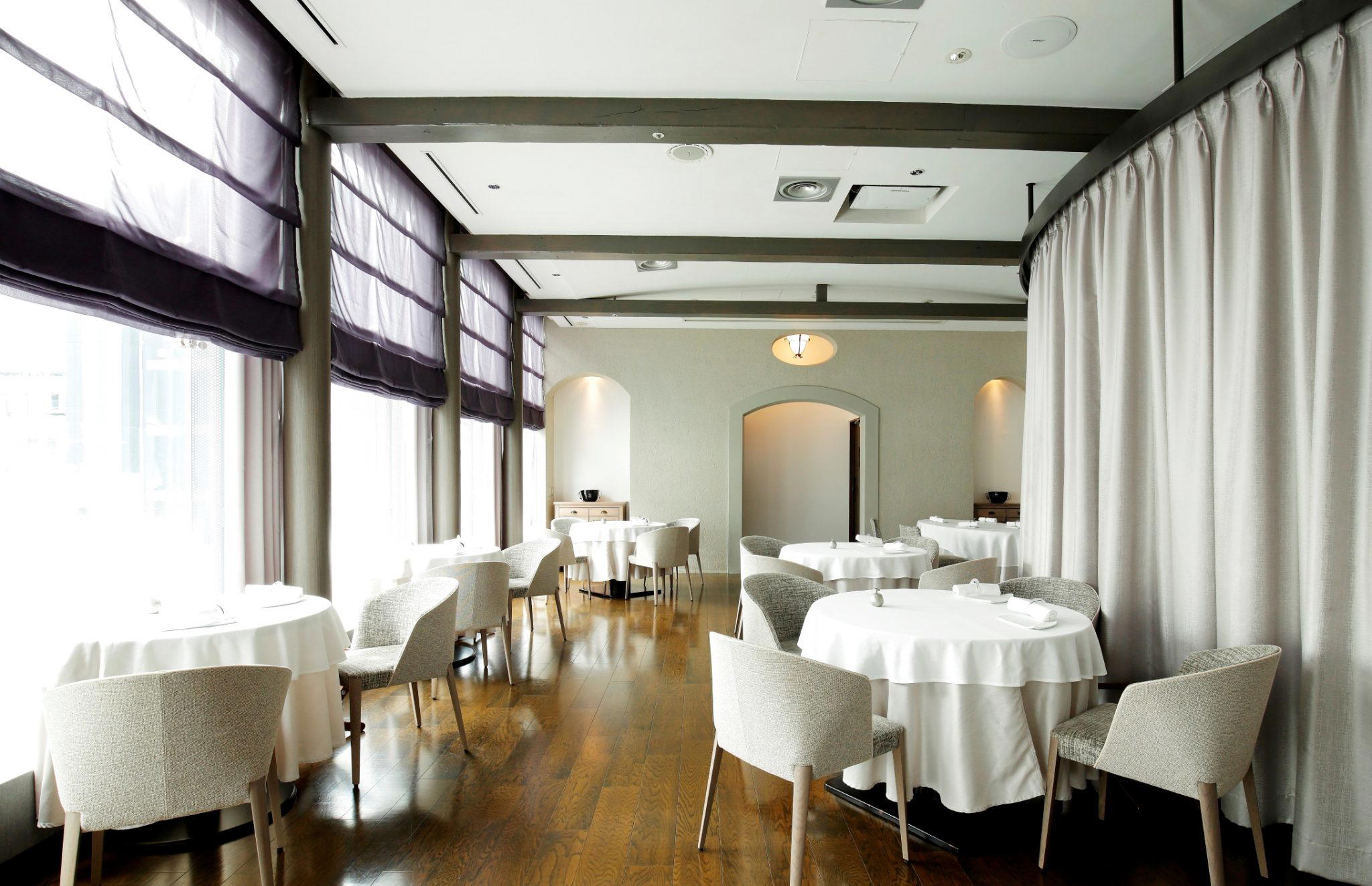
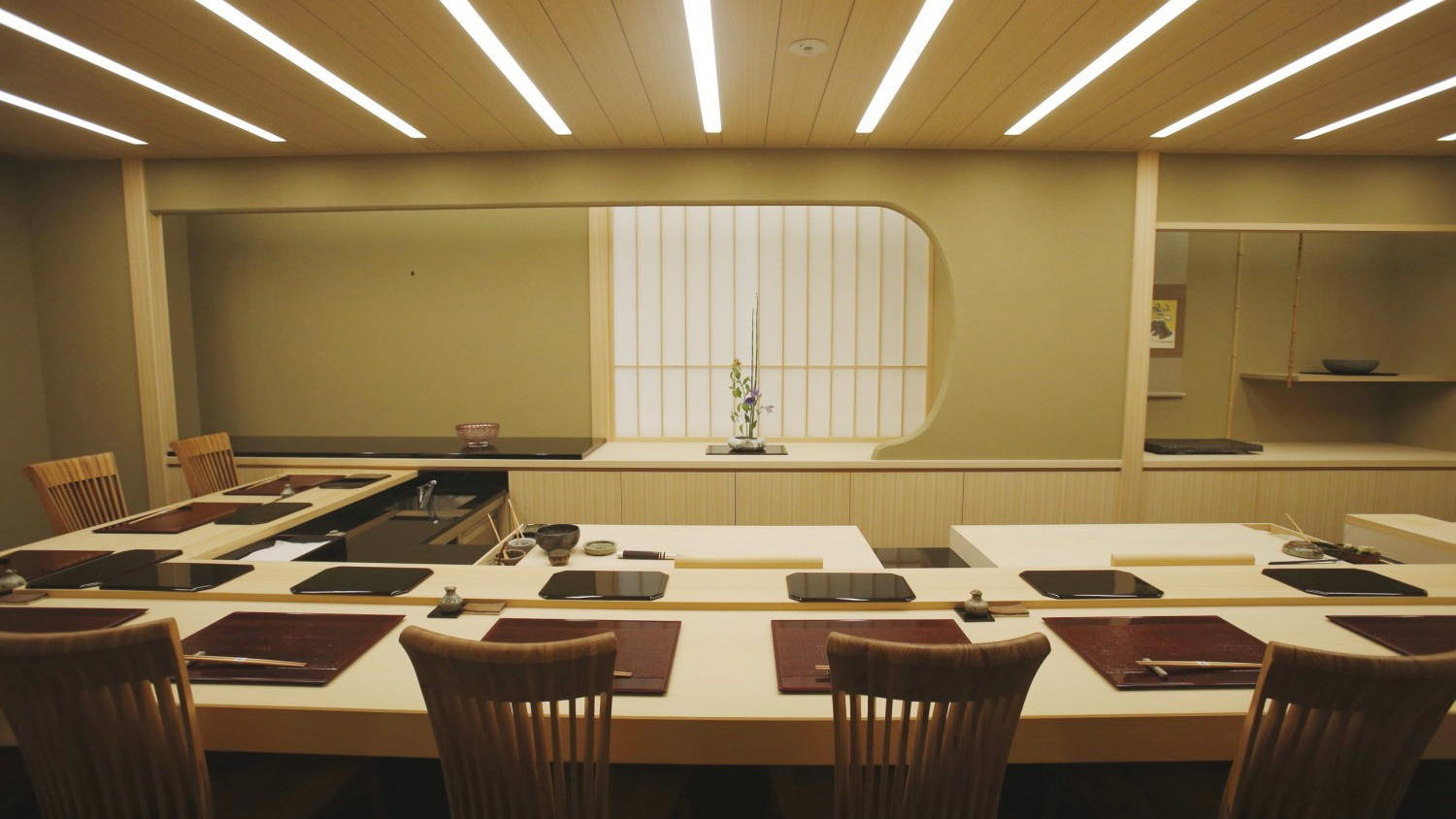
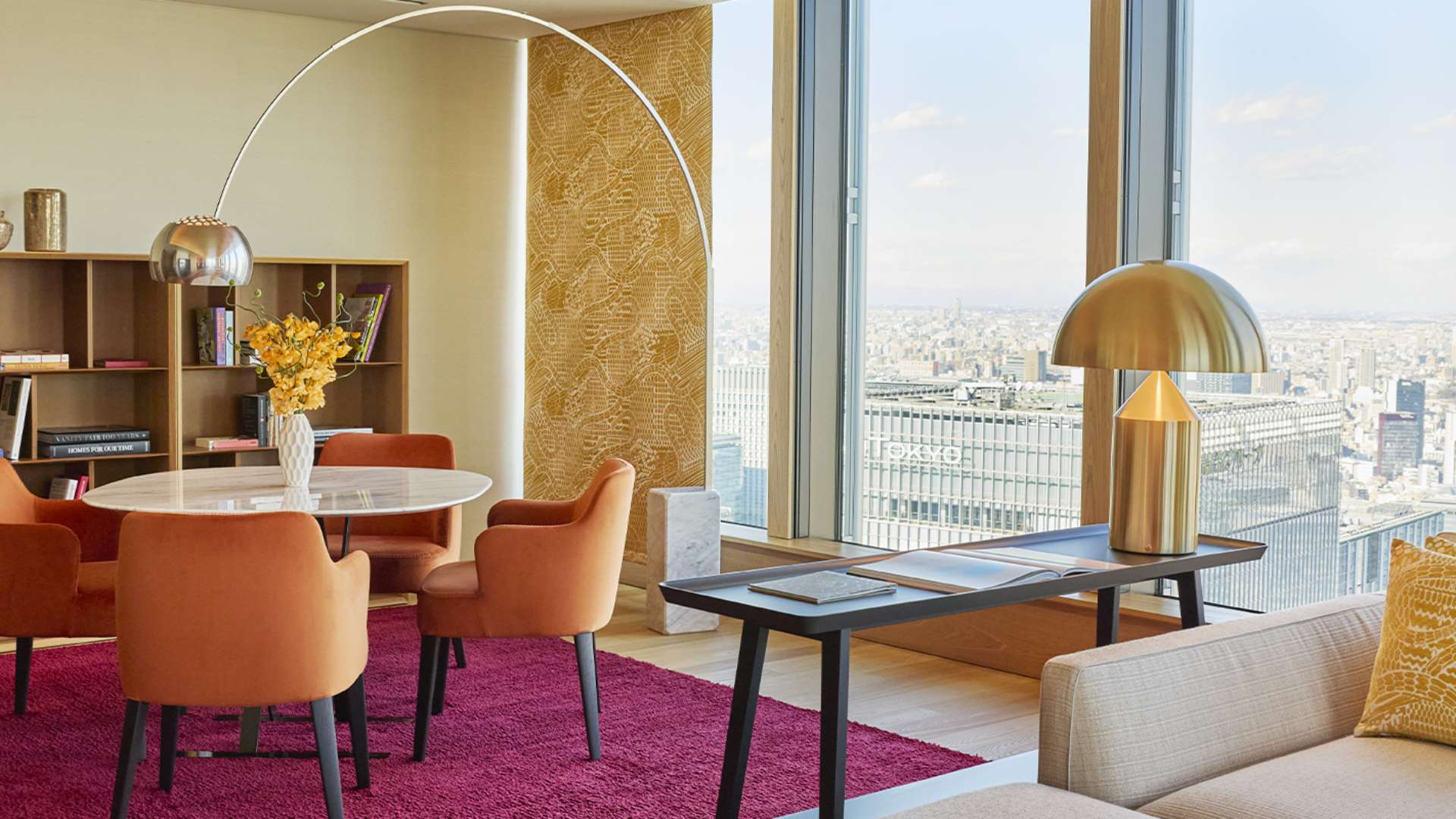
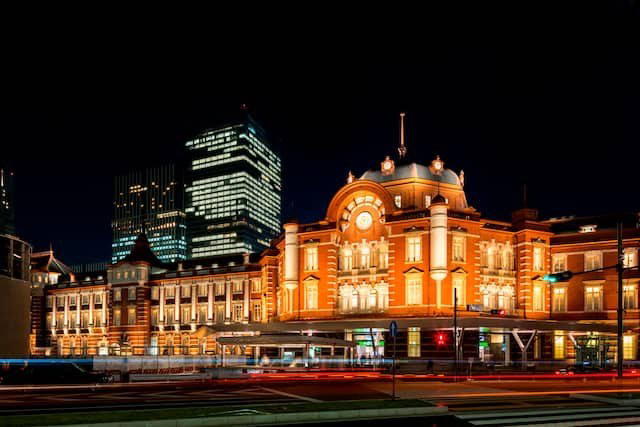
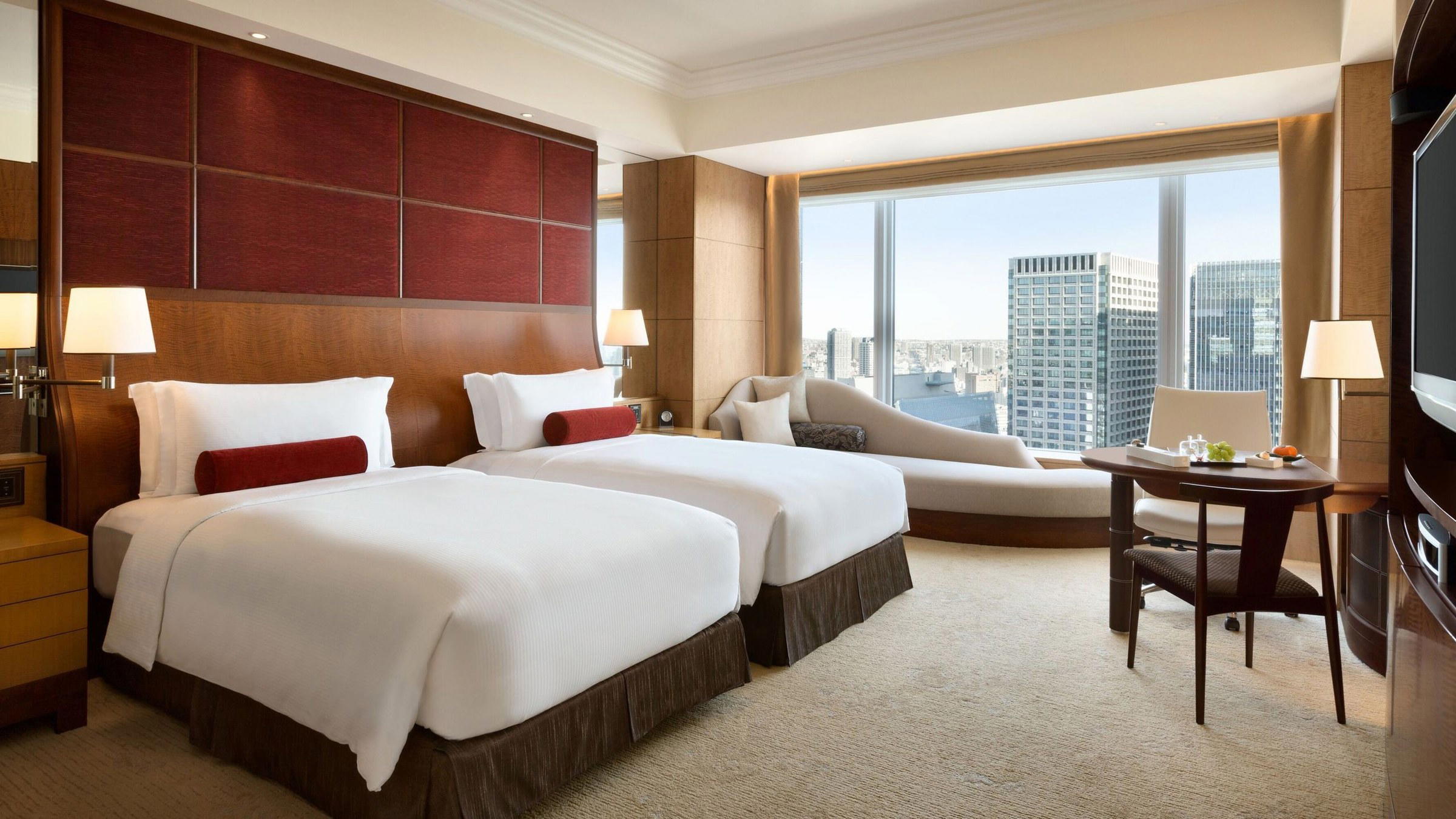
Serene and luxurious atmosphere with cozy spaces ideal for intimate dining and relaxation away from the bustle.