Located in Higashiyama Ward at 332-6 Miyoshicho, this Kyoto address sits within one of the city's most historically layered dining districts, where the concentration of serious Japanese restaurants per city block rivals anywhere in the country.
Pearl is the En Primeur Club membership app — saves, bookings, and concierge access live there. Same editors, same standards.
- Address
- 332-6 Miyoshicho, Higashiyama Ward, Kyoto, 605-0081, Japan
- Phone
- +819045663733
- Website
- gionsasaki.com
- Directions
- Get directions
 Saves & bookings on Pearl
Higashiyama's Dining Corridor and Where This Address Sits
Higashiyama Ward operates on a different register from Kyoto's other dining districts. Where Gion concentrates its serious kitchens behind unmarked doors and Fushimi tilts toward tourist throughput, Higashiyama holds a middle position: residential enough to feel local, historically dense enough to carry genuine culinary weight. The streets around Miyoshicho, where 鮨 楽味 occupies 332-6 Miyoshicho and serves Traditional Kyoto Kaiseki in Kyoto's Higashiyama Ward. These are not places that announce themselves. They accumulate their clientele through word of mouth, through introductions, through the particular social infrastructure of a city that has been filtering its dining culture for centuries.
That geography matters when assessing what a Higashiyama address signals. Visitors arriving from the Gion-Shijo axis or from the preserved machiya lanes near Ninenzaka will find the ward approachable on foot, though the density of serious dining options means that knowing which door to knock on is half the work. Among Kyoto's leading kaiseki addresses, Gion Sasaki and Hyotei sit at the higher end of the formal multi-course register, with pricing and booking windows that reflect their Michelin positioning. Kikunoi Honten and Mizai occupy comparable prestige tiers. What defines the ward's lesser-known addresses is a different kind of loyalty: the regulars who return not because a guide told them to, but because the experience has embedded itself into their idea of what Kyoto dining should feel like.
The Regulars' Economy: Why Kyoto Rewards Repeat Visitors
In most cities, loyalty programs are marketing tools. In Kyoto's serious dining culture, they are the actual operating model. The restaurants that survive in districts like Higashiyama do so in large part because a core group of guests comes back seasonally, sometimes monthly, and treats the table as an extension of their own domestic rhythm. This is not nostalgia. It is a calibrated relationship between kitchen and guest that produces a different quality of hospitality from what a first-time visitor experiences.
The implications for how to approach an address like 鬨 楽峠 are practical. Kyoto's established dining culture tends to reward guests who signal commitment: who book in advance, who arrive without excessive requests, who allow the kitchen to set the terms of the meal. This is the unwritten contract that underlies omakase formats and seasonal kaiseki across the country, from Harutaka in Tokyo to Goh in Fukuoka. The restaurants that operate within this framework tend to attract guests who understand it. Over time, those guests become the regulars who shape the room's character as much as the kitchen does.
This dynamic appears across Japanese regional dining. At akordu in Nara, the format is hybrid European-Japanese, but the loyalty structure follows the same logic: a small operation, a fixed format, and a guest base that has opted into the kitchen's terms. The same pattern holds at HAJIME in Osaka, where the multi-course format generates the kind of commitment that turns first-time visitors into annual fixtures.
What the Address Implies About Format and Atmosphere
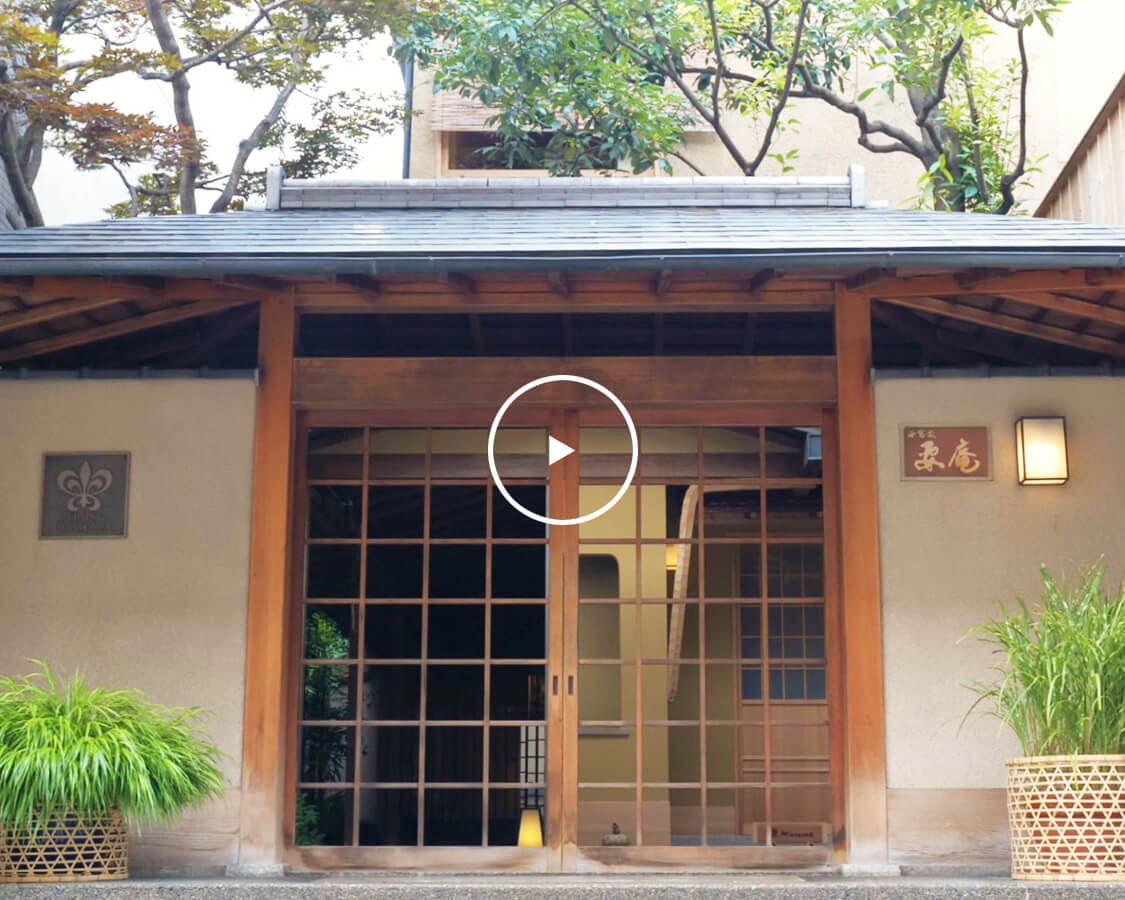
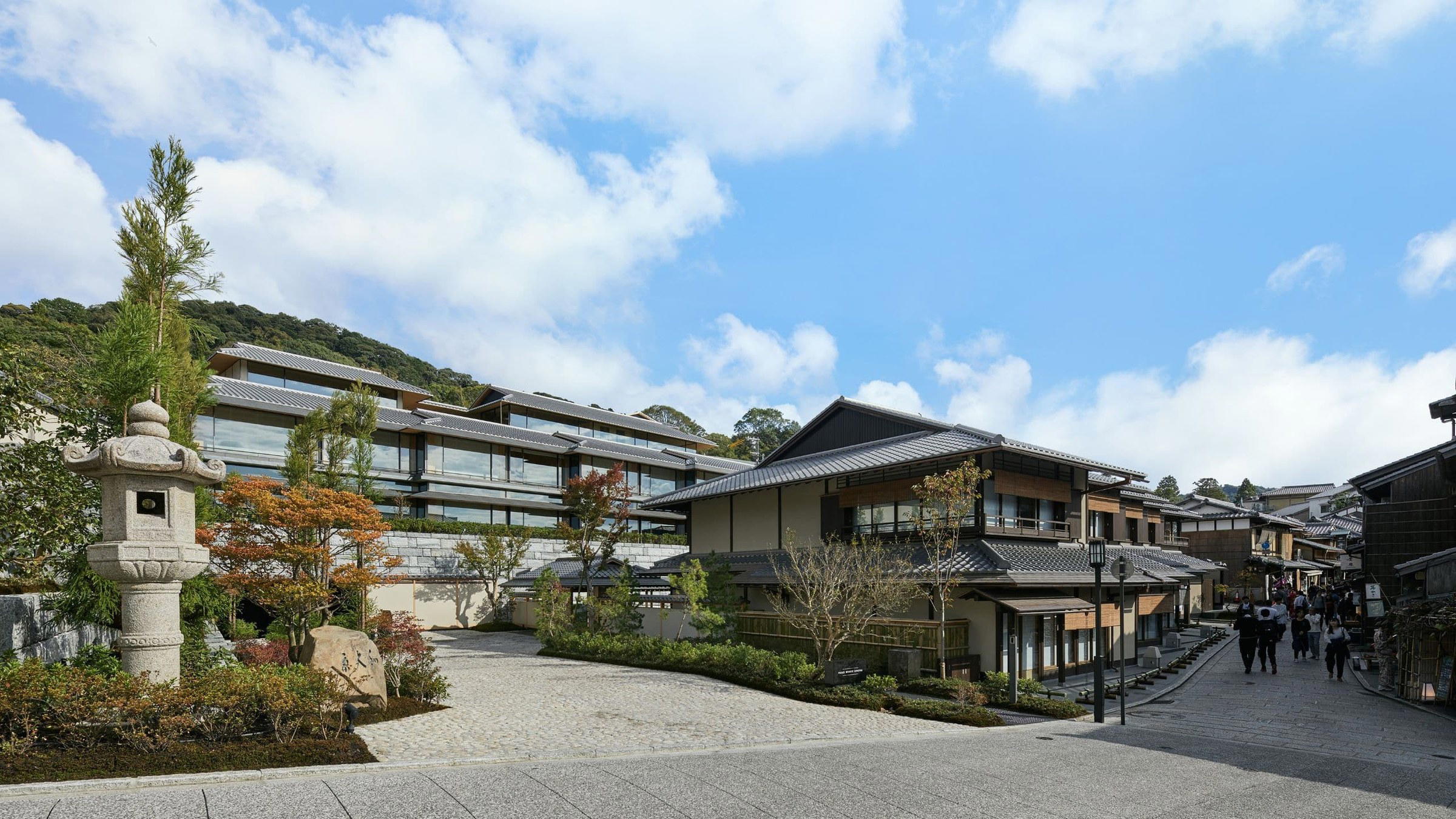
At 332-6 Miyoshicho, the physical environment of Higashiyama does a great deal of contextual work before a guest has sat down. The ward's architecture skews toward older building stock, machiya townhouses, and narrower street frontages than Kyoto's newer commercial zones. Restaurants here tend to present as contained spaces, where the number of seats is low by design and where the room itself is part of the offer. This is the structural opposite of a large-format dining room: the intimacy is not incidental, it is the mechanism through which a kitchen can maintain quality and through which a guest can feel genuinely attended to.
Kyoto's dining culture across the ward supports a broad range of formal registers, from the rigorous multi-course structure of kaiseki houses like Isshisoden Nakamura to smaller, more informal addresses that sit closer to the everyday. Whatever specific format 鬨 楽峠 operates within, the Higashiyama address places it in a neighbourhood context where guests arrive with calibrated expectations rather than curiosity-driven spontaneity. That calibration is, in itself, a quality signal.
Placing This Address in Japan's Broader Dining Conversation
Kyoto is not Tokyo, and the distinction matters for how individual addresses should be read. Tokyo's dining scene is larger, more internationally connected, and more accustomed to serving first-time international guests. Kyoto's serious restaurants operate at a smaller scale and within a more socially defined guest ecosystem. To visit Kyoto's better addresses, even those outside the Michelin spotlight, is to step into a set of dining conventions that reward patience and preparation over spontaneity.
That patience extends to research. Japan's regional dining culture is full of addresses that reward the guest willing to do the groundwork: Aji Arai in Oita, Abon in Ashiya, aki nagao in Sapporo, Akakichi in Imabari, affetto akita in Akita, and Ajidocoro in Yubari District all represent the kind of regional specificity that makes Japan's dining culture so structurally different from what a visitor encounters in global-format cities. By contrast, internationally recognised formats like Le Bernardin in New York City or Lazy Bear in San Francisco occupy a more transparent ecosystem where data, reviews, and booking logistics are fully public. Kyoto's more discreet addresses ask more of the guest in advance but tend to return that investment in kind.
Planning a Visit: What to Know Before Arriving
Given the address in Higashiyama Ward and the conventions of the district, prospective guests should approach this as they would any of Kyoto's smaller, locally-oriented restaurants: check Japanese-language reservation platforms or enquire through a hotel concierge with local relationships, and build lead time into your planning. Autumn foliage season (November) and cherry blossom weeks (late March to early April) compress booking availability city-wide, so timing matters.
A Pricing-First Comparison
Comparable venues nearby, for context on price, style, and recognition.
| Venue | Cuisine | Price | Notes |
|---|---|---|---|
| 鮨 楽味This venue — the venue you are viewing | Higashiyama, Traditional Kyoto Kaiseki | $$$$ | Not listed |
| 要庵西富家 (要庵 西富家) | Not listed | $$$$ | Gion/Kawaramachi, Traditional Kaiseki Ryokan |
| Tonkatsu Yamamoto | Nakagyo-ku, Traditional Tonkatsu | $$$$ | Not listed |
| 鮓割烹 なか一 | Not listed | $$$$ | Gion, Sushi Kappo (Edomae Sushi & Kyoto Kaiseki) |
| é£¯ç° | Nakagyō, Kyoto Kaiseki | $$$$ | Not listed |
| なる屋 | Nakagyō, Michelin-Starred Seasonal Kappo | $$$$ | Not listed |
Continue exploring
More in Kyoto
Restaurants in Kyoto
Browse all →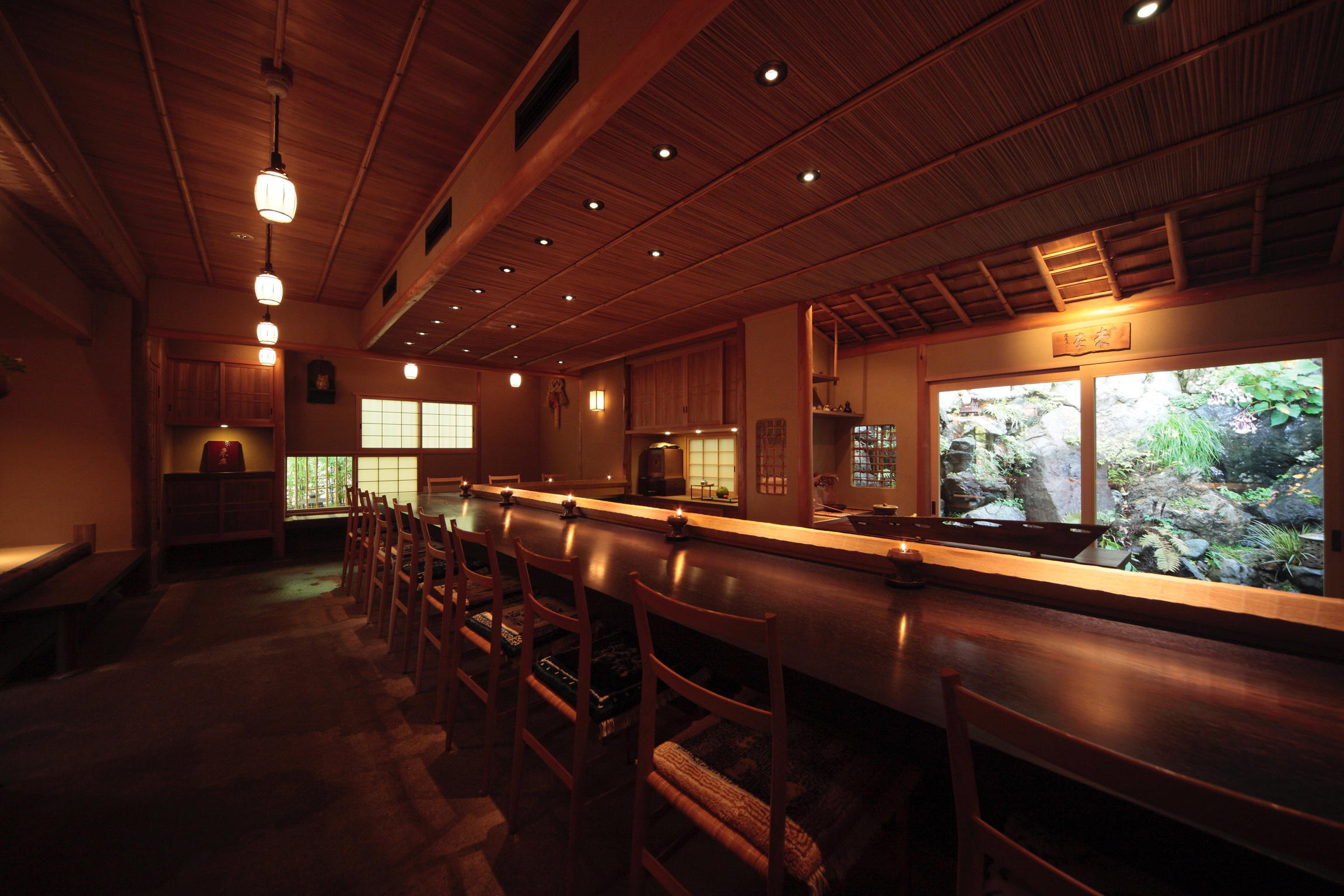
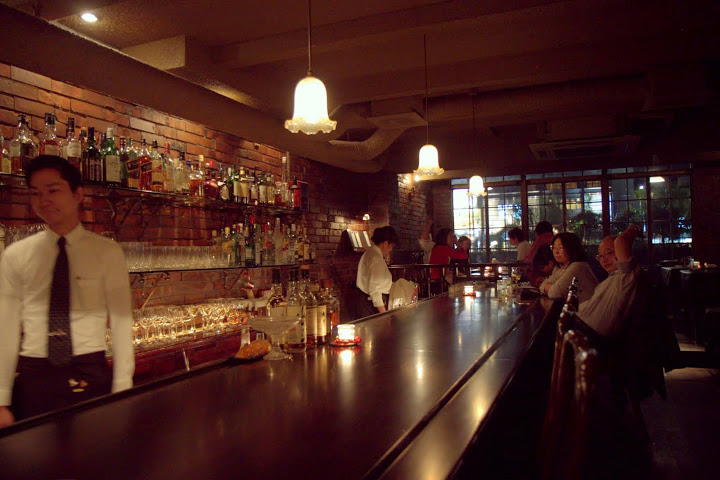
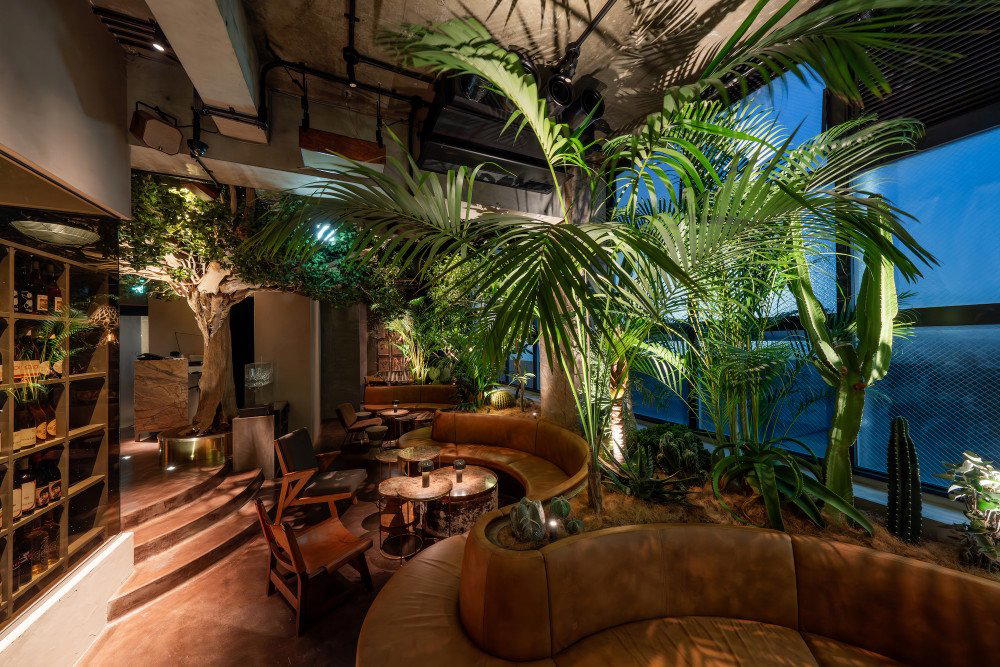
Bars in Kyoto
Browse all →

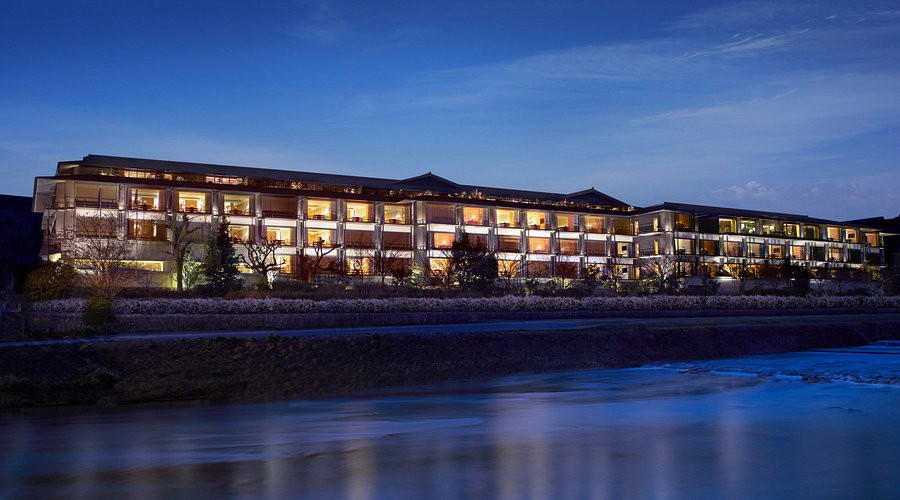
Hotels in Kyoto
Browse all →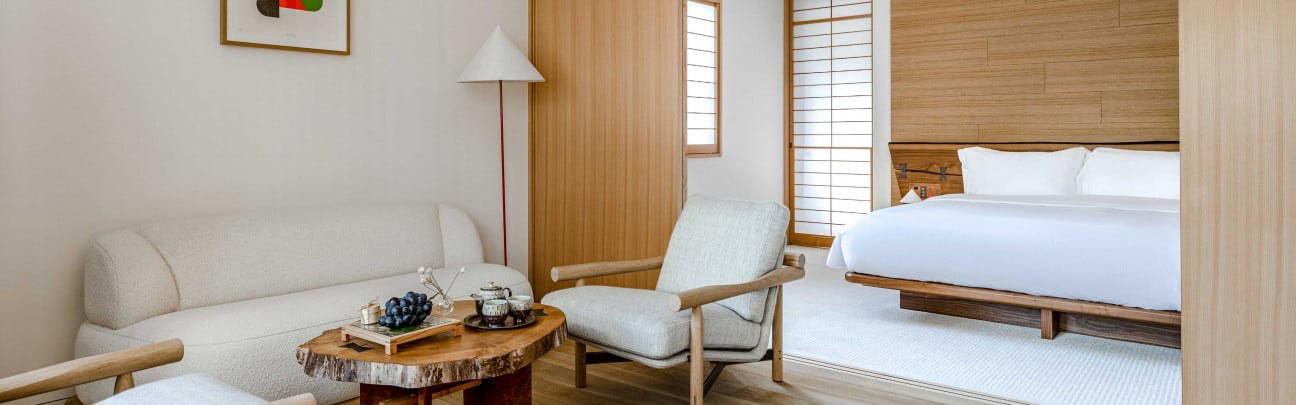
Wineries in Kyoto
Browse all →
At a Glance
- Intimate
- Elegant
- Sophisticated
- Special Occasion
- Date Night
- Sake Program
- Local Sourcing
Current opening hours
- Monday
- Closed
- Tuesday
- 5–7 PM, 7:30–9:30 PM
- Wednesday
- 5–7 PM, 7:30–9:30 PM
- Thursday
- 5–7 PM, 7:30–9:30 PM
- Friday
- 5–7 PM, 7:30–9:30 PM
- Saturday
- 5–7 PM, 7:30–9:30 PM
- Sunday
- Closed
Hours can change for holidays and private events. Last verified .
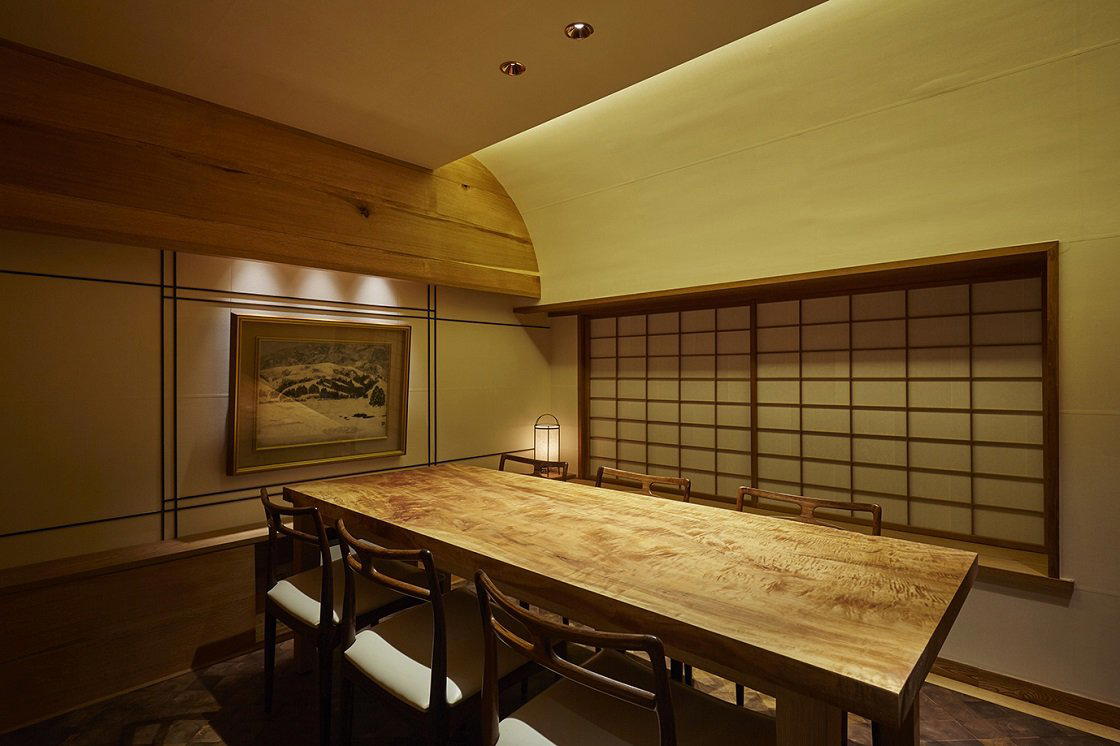
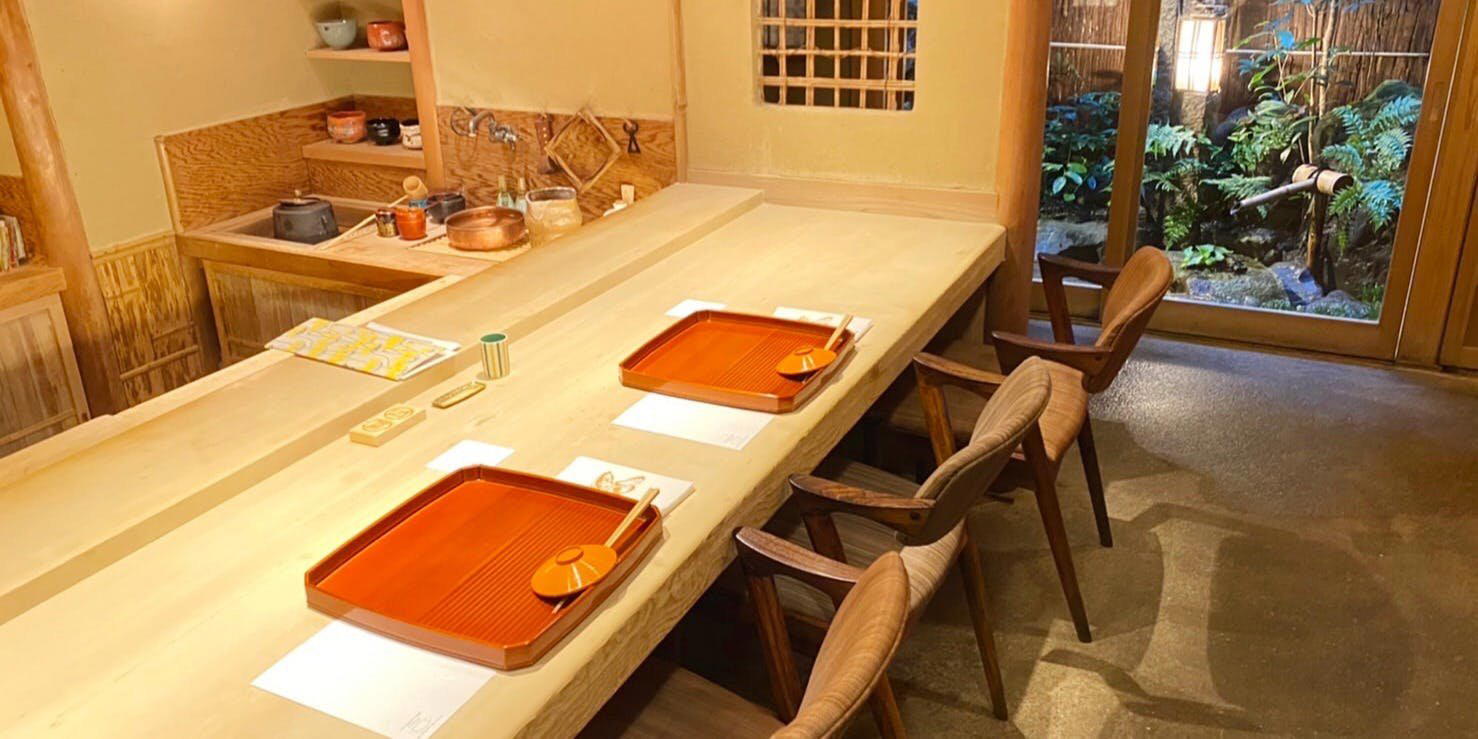
Dimly lit tatami rooms with serene Japanese garden views, fostering a peaceful and refined atmosphere.