Located in Motoakasaka, Minato City, 赤坂 辻留 occupies a tier of Tokyo dining where kaiseki tradition and considered service set the terms. The address places it among a cluster of high-end Japanese restaurants in one of the capital's most established dining neighbourhoods. Detailed booking and menu information is best confirmed directly with the venue.
Pearl is the En Primeur Club membership app — saves, bookings, and concierge access live there. Same editors, same standards.
- Address
- Japan, 〒107-0051 Tokyo, Minato City, Motoakasaka, 1 Chome−5−8 虎屋第2ビル 地下1階
- Phone
- +81334033984
- Website
- tsujitome.com
- Directions
- Get directions
 Saves & bookings on Pearl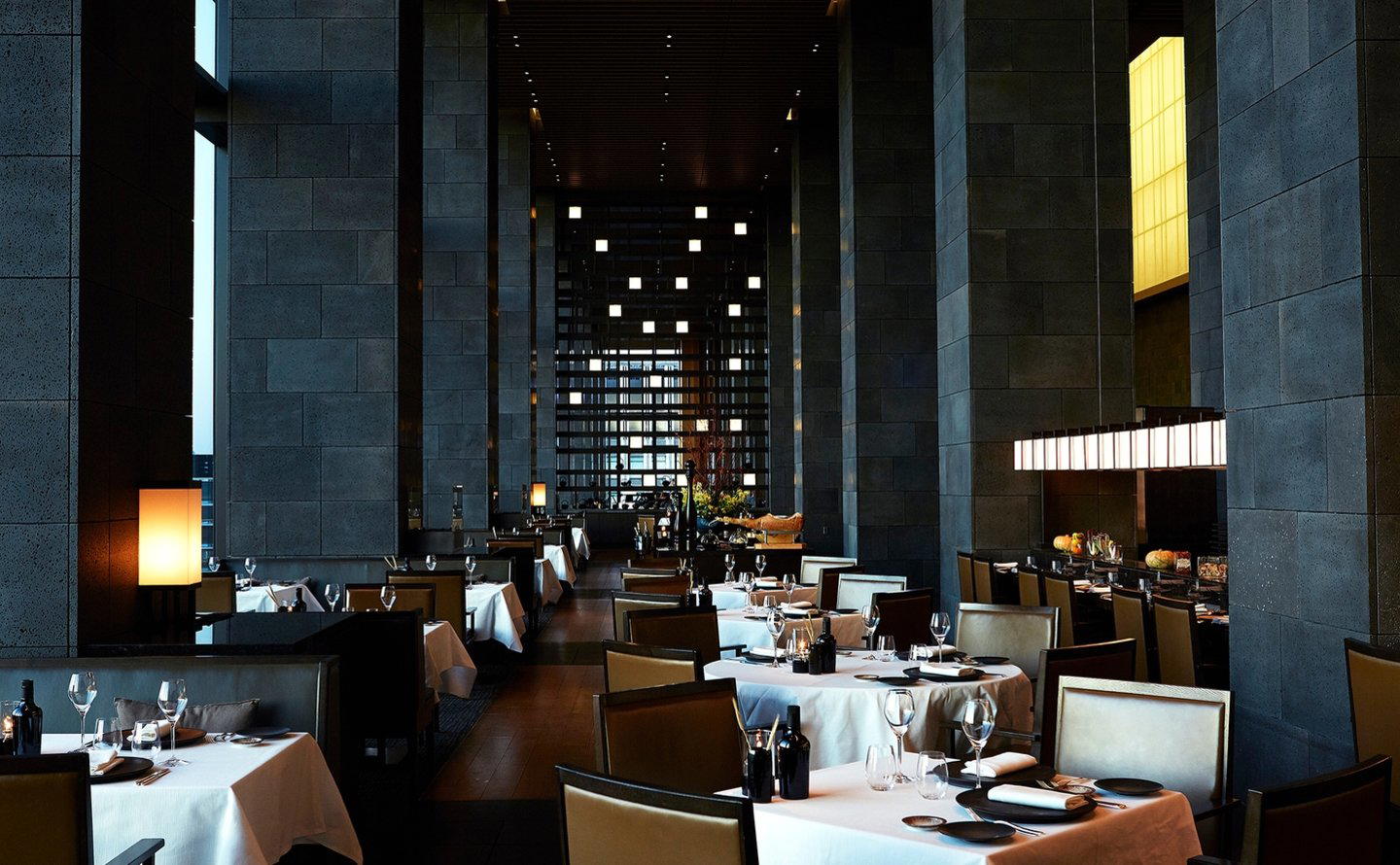
Motoakasaka's Quiet Register of Formality
There is a stratum of Tokyo dining that operates below the radar of international award cycles while remaining deeply embedded in the city's own hierarchy of taste. Motoakasaka, in Minato City, is one of the neighbourhoods where that stratum surfaces most clearly. The streets here carry a different tone from Ginza's polished commercial density or Shinjuku's volume: the buildings are lower, the foot traffic thinner, and the restaurants that endure in this postcode tend to do so on reputation cultivated over decades rather than on social media cycles. 赤坂 辻留 sits at this address, 1-chome, Motoakasaka, and the location itself communicates something about the register at which the venue operates.
Kaiseki restaurants in Tokyo's established neighbourhoods increasingly occupy one of two positions: those that have pursued international visibility through award submissions and English-language booking platforms, and those that have not, preferring instead to consolidate a domestic clientele for whom the cuisine's cultural grammar is already understood. The latter category is harder to assess from the outside, but it tends to reward the reader who approaches with some background in what kaiseki actually demands of both kitchen and guest. For those who want a comparable point of entry with full documentation, RyuGin offers kaiseki in a more internationally documented format, while Gion Sasaki in Kyoto represents the tradition in its other great urban centre.
The Wine Question in a Kaiseki Setting
In most kaiseki contexts, the beverage program is built around sake, shochu, and occasionally whisky, with wine treated as an accommodation rather than a curatorial statement. This is not a limitation so much as a reflection of the cuisine's internal logic: the progression of flavours across a kaiseki sequence, from delicate dashi-based preparations through more assertive grilled and simmered courses, maps more naturally onto the acidity and umami registers of good sake than onto the tannin structures of most red wine.
Where wine lists do appear in Tokyo's serious Japanese restaurants, the curation tends to follow one of two patterns. The first is the prestige-label approach: a short selection of recognisable Burgundy and Champagne names that function as luxury signals for corporate entertainment. The second, rarer pattern is a genuinely considered wine program that thinks about fermentation character and texture in the same terms as the kitchen thinks about seasoning. The latter approach has become more common across Tokyo's top tier over the past decade, partly because a generation of sommeliers has trained abroad and returned with frameworks for pairing that go beyond region and vintage. Venues like L'Effervescence have built reputations partly on this kind of beverage intelligence within a French framework, and the expectation has begun to migrate into Japanese-cuisine contexts as well.
For 赤坂 辻留, specific details about the cellar, sommelier credentials, or sake program are not available in public documentation at this time.
Placing the Venue in Its comparable set
The Motoakasaka address and the traditional Japanese format place 赤坂 辻留 in a competitive set that includes some of Tokyo's most formally conducted dining rooms. At the price tier implied by this neighbourhood and format, the comparison set tends to include multi-course kaiseki counters where the meal runs across ten to fourteen courses and the kitchen brigade operates with a high degree of specialisation. Harutaka represents the sushi end of that bracket, while Sézanne and Crony occupy the French-influenced corner of Tokyo's high-end dining at comparable price levels.
What distinguishes kaiseki venues in this neighbourhood from their counterparts in, say, Ginza or Roppongi is a degree of remove from the tourist circuit that allows the dining room dynamic to remain primarily domestic. The clientele at restaurants like this one tends to include regular guests who understand the seasonal rhythm of the menu and whose relationship with the kitchen spans years rather than a single visit. That continuity shapes the hospitality register in ways that are difficult to replicate in higher-traffic venues.
For readers building a broader picture of serious Japanese dining beyond Tokyo, comparable formality and culinary depth can be found at HAJIME in Osaka and at akordu in Nara, while the regional picture extends further through venues like Goh in Fukuoka, Abon in Ashiya, affetto akita in Akita, Aji Arai in Oita, Ajidocoro in Yubari District, Akakichi in Imabari, and aki nagao in Sapporo. For international comparison points operating at similar levels of technical seriousness, Le Bernardin in New York City and Lazy Bear in San Francisco both demonstrate how tasting-format restaurants manage the relationship between kitchen craft and guest experience across different culinary traditions.
What to Expect from the Format
Kaiseki in its traditional form is a sequential meal structured around seasonal produce and classical Japanese cooking techniques, with each course designed to mark a progression through flavour weight, temperature, and texture. The format originated in Kyoto and carries with it a set of conventions around presentation, tableware, and pacing that are as considered as the food itself. In Tokyo, the tradition has absorbed urban influences without losing its structural discipline, and the leading examples in the city maintain the seasonal calendar as a genuine constraint on the kitchen rather than a marketing frame.
Guests approaching 赤坂 辻留 for the first time are advised to build in time before and after the meal: this is not a format that accommodates rushing, and the neighbourhood's quieter character makes it suitable for an evening that extends into the surrounding streets. Given the limited public documentation for this venue, confirming reservation logistics, menu format, and any dress expectations directly with the restaurant is the practical starting point.
Know Before You Go
- Address: 1-chome-5-8 Motoakasaka, Minato City, Tokyo 107-0051 (Tsuzuru Building B1F)
- Neighbourhood: Motoakasaka, Minato, quieter than Ginza or Roppongi, better suited to an unhurried evening
- Format: Traditional kaiseki; specific course count and menu details should be confirmed directly with the venue
- Beverage program: Likely sake-led given the kaiseki format; confirm wine availability in advance if relevant
- Language: English-language service availability not confirmed; consider using a hotel concierge for reservations if needed
- Nearby context: Akasaka and Aoyama dining options are within a short distance for pre- or post-dinner reference
Compact Comparison
Comparable venues nearby, for context on price, style, and recognition.
| Venue | Cuisine | Price | Notes |
|---|---|---|---|
| 懐石 辻留This venue — the venue you are viewing | Minato, Seasonal Japanese Omakase | $$$$ | Not listed |
| Sushi Sho | Not listed | $$$$ | Nishiazabu, Traditional Edomae Sushi Omakase |
| Ginza 1954 | Ginza, Japanese Bar | $$$$ | Not listed |
| すし匠 | Shinjuku, Edomae Omakase Sushi | $$$$ | Not listed |
| Shunbou | Not listed | $$$$ | Minato, Seasonal Japanese Kaiseki and Kappo |
| Mikawa | Minato, Edomae Tempura Omakase | $$$$ | Not listed |





At a Glance
- Elegant
- Intimate
- Sophisticated
- Minimalist
- Date Night
- Special Occasion
- Celebration
- Chefs Counter
- Sake Program
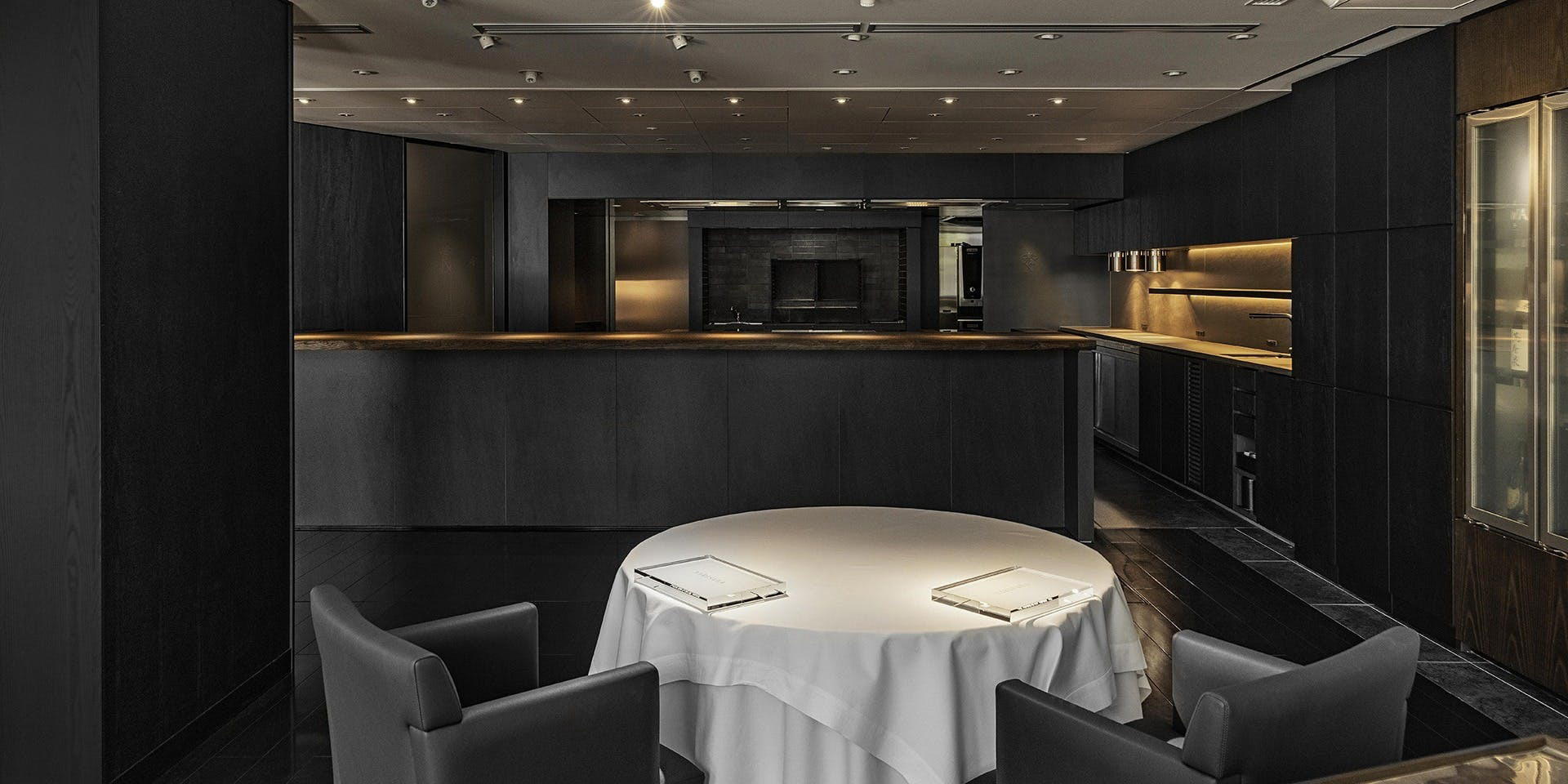
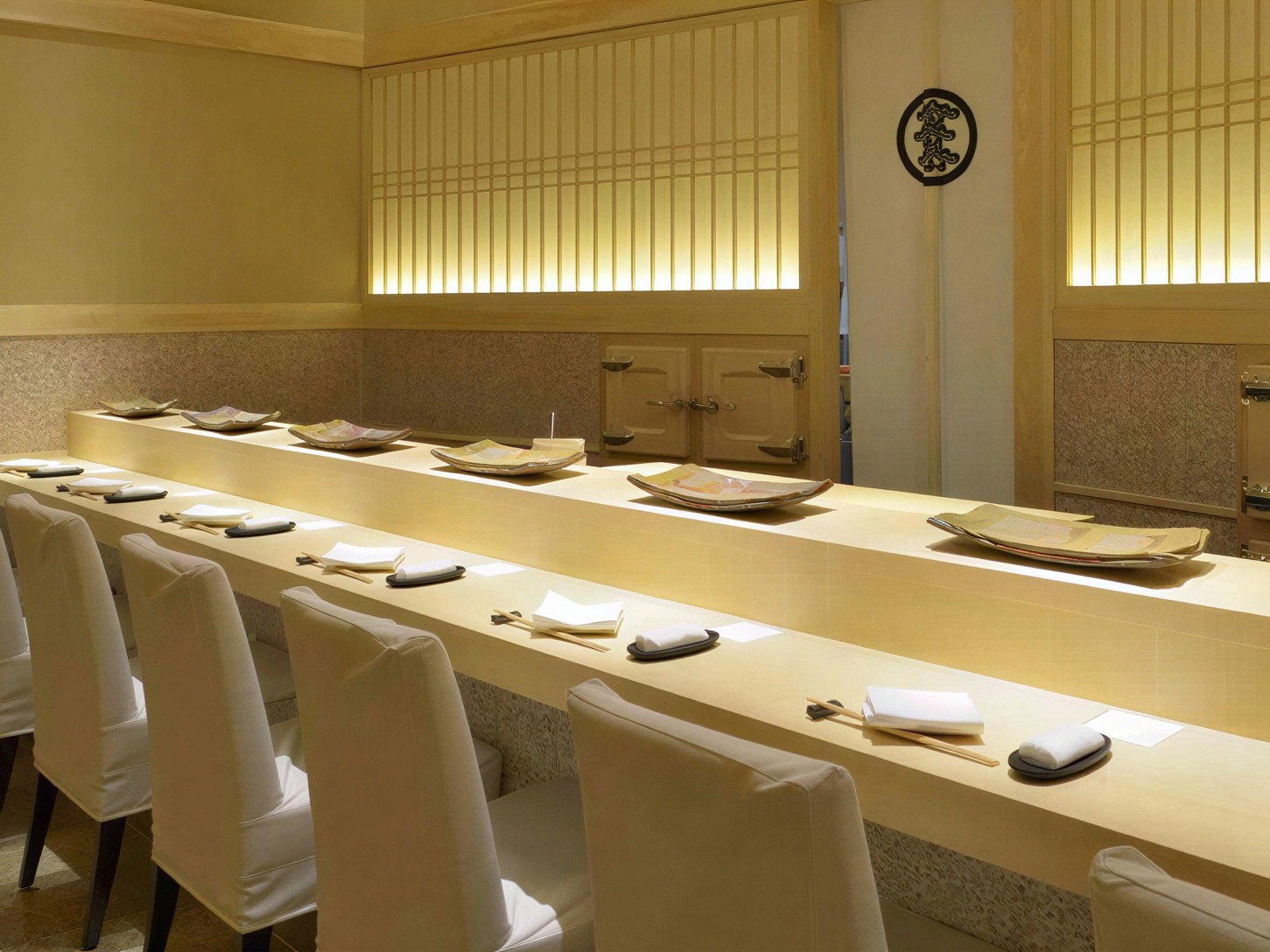
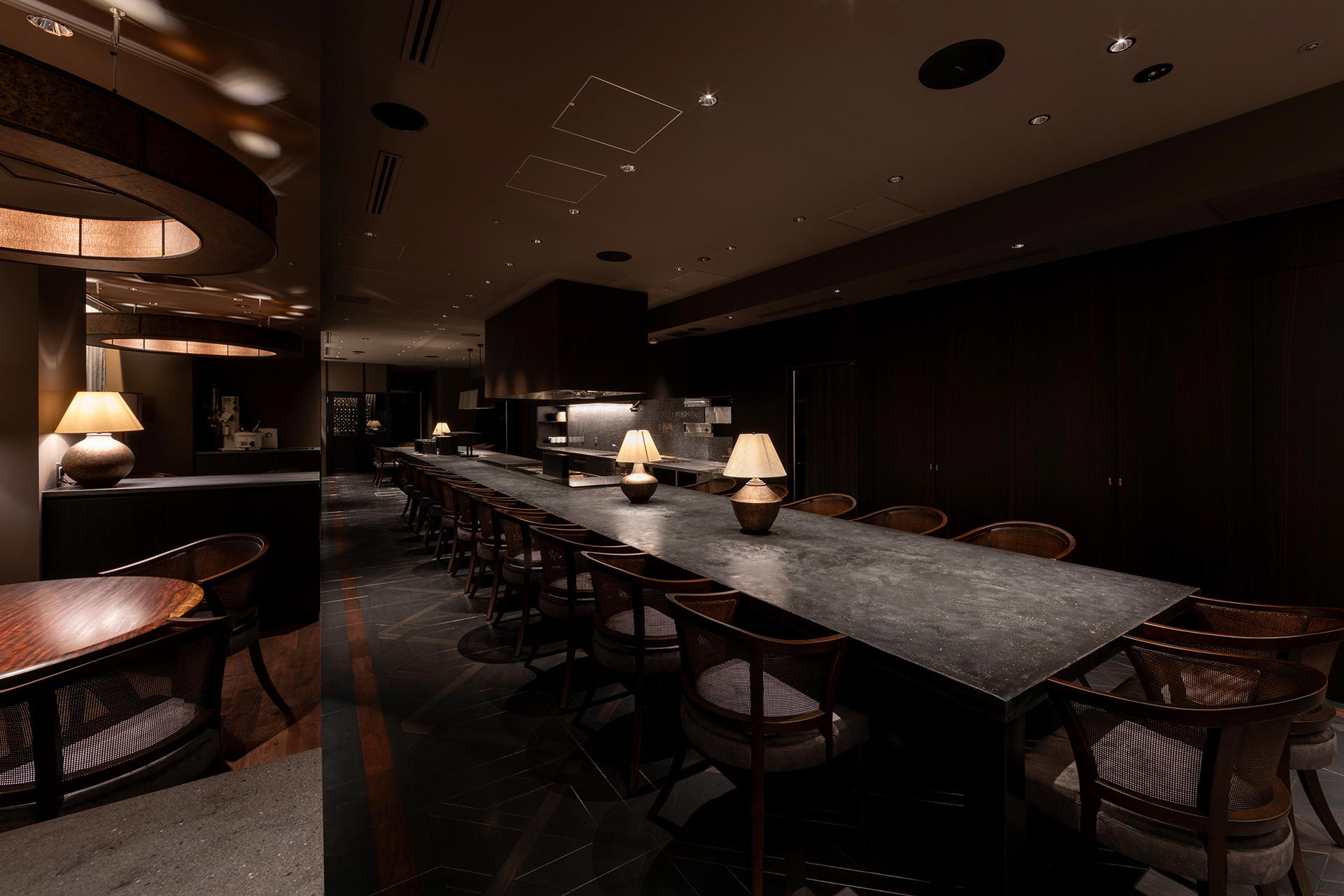
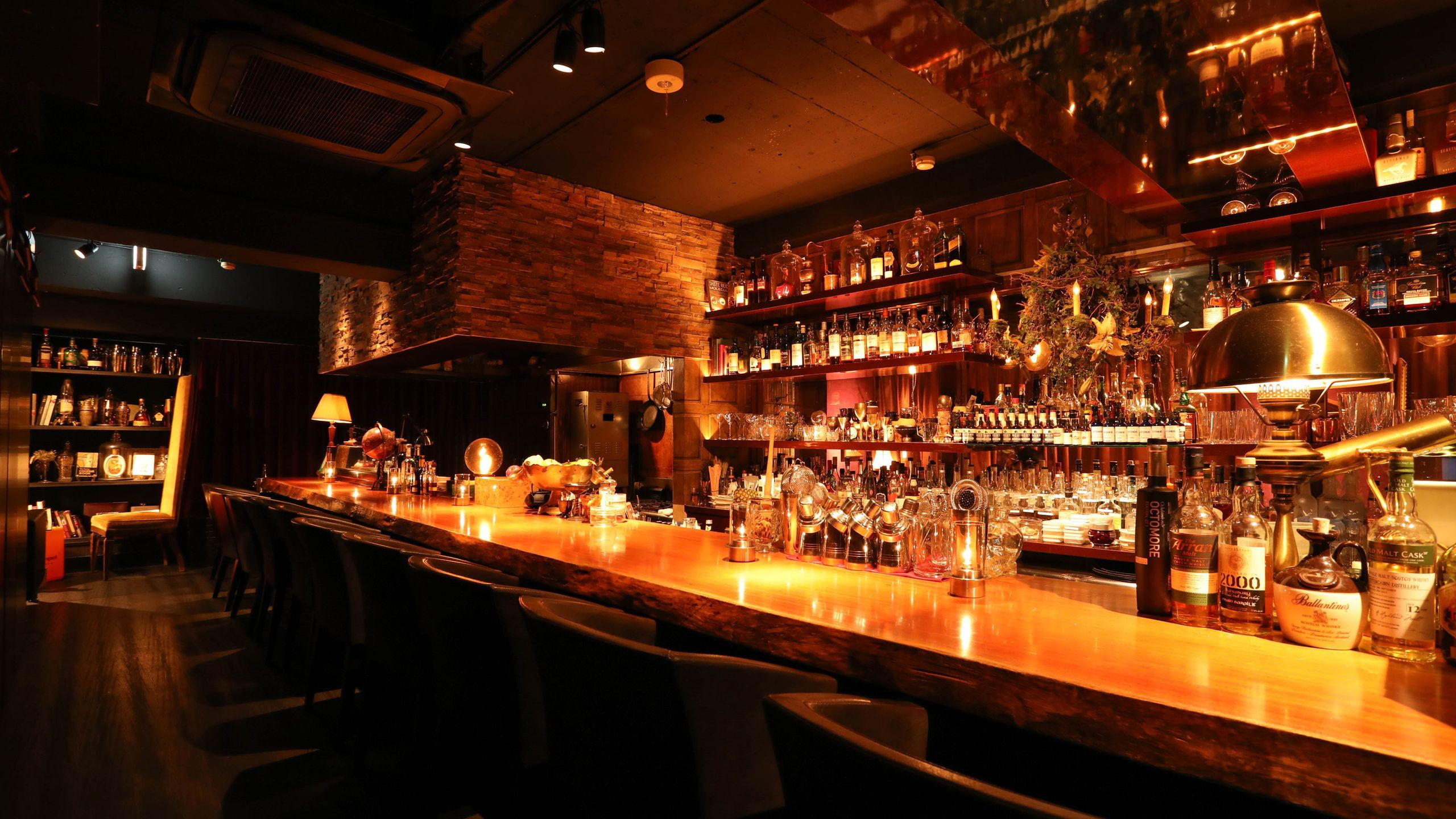
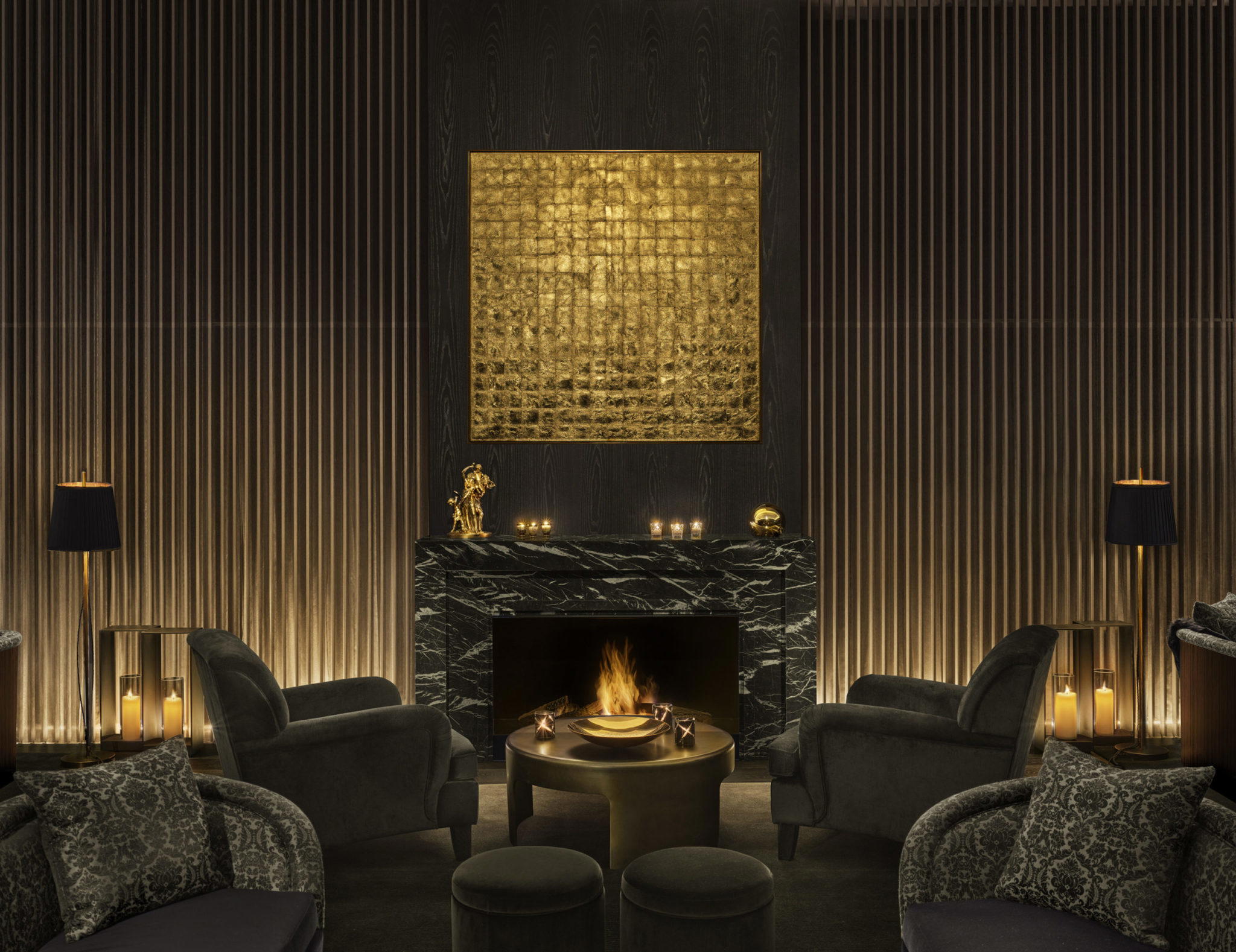
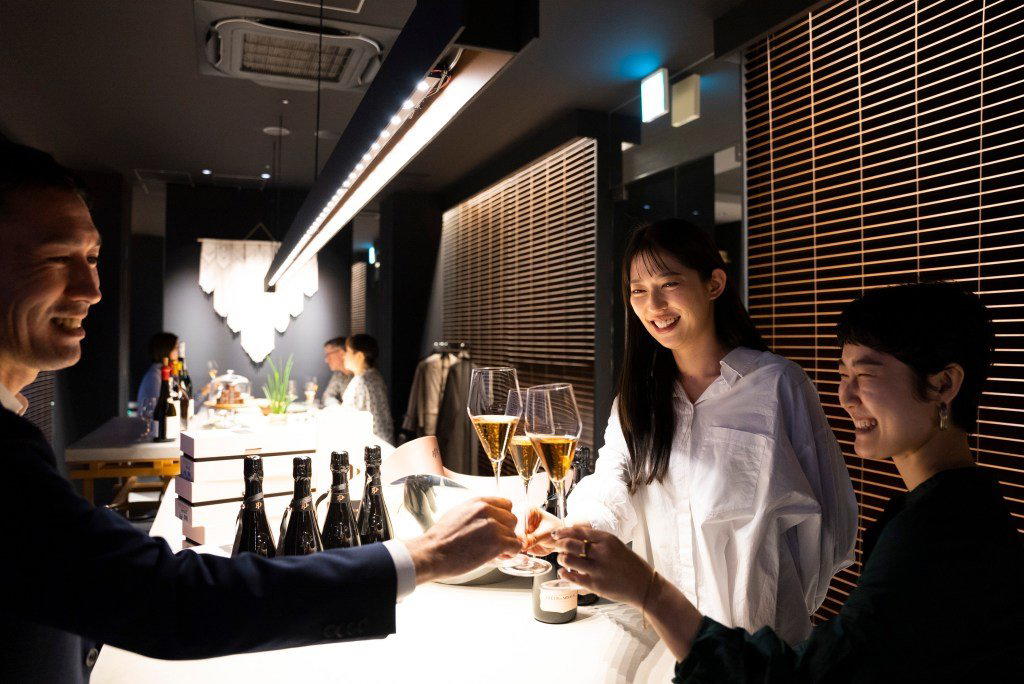
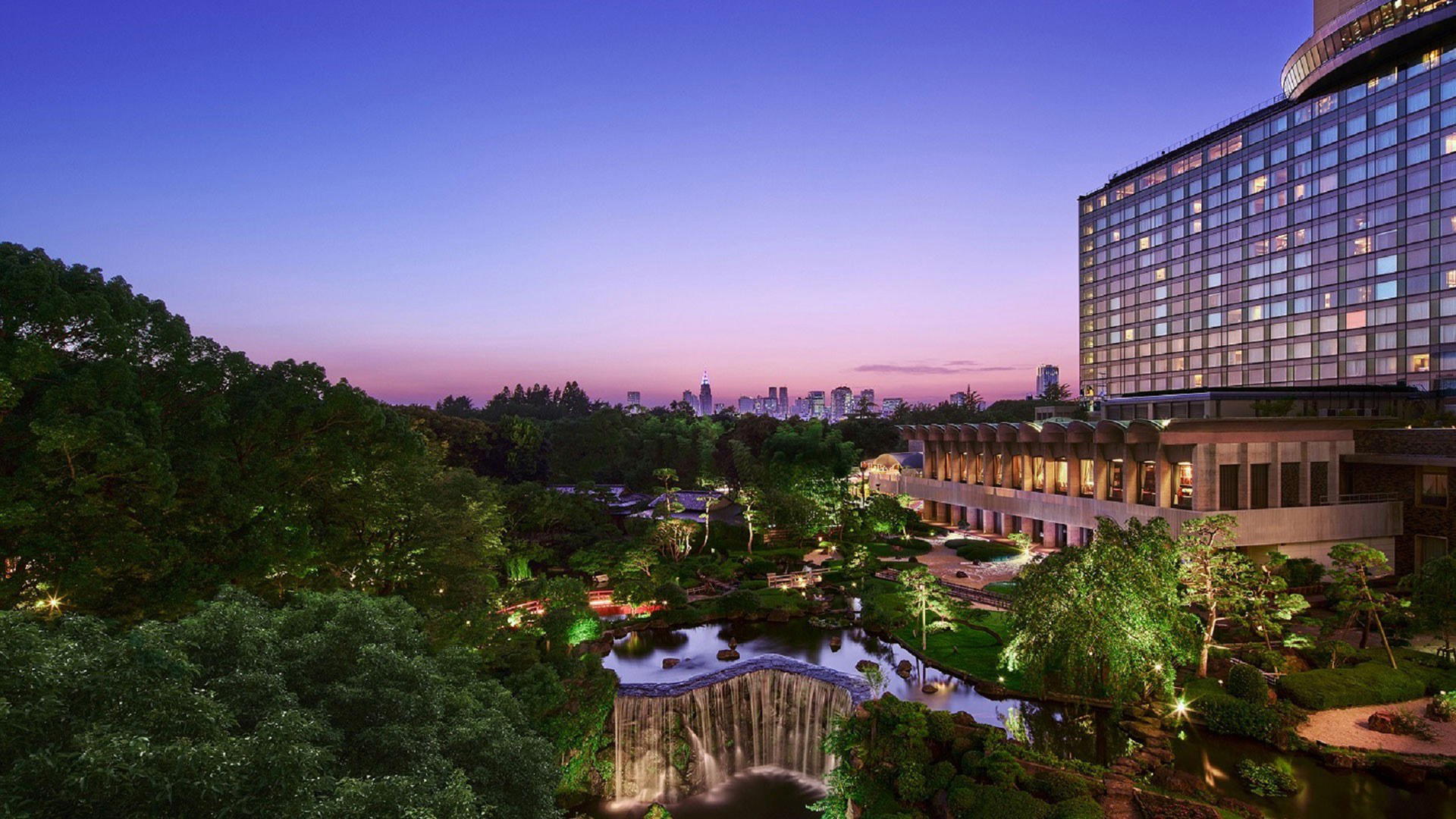
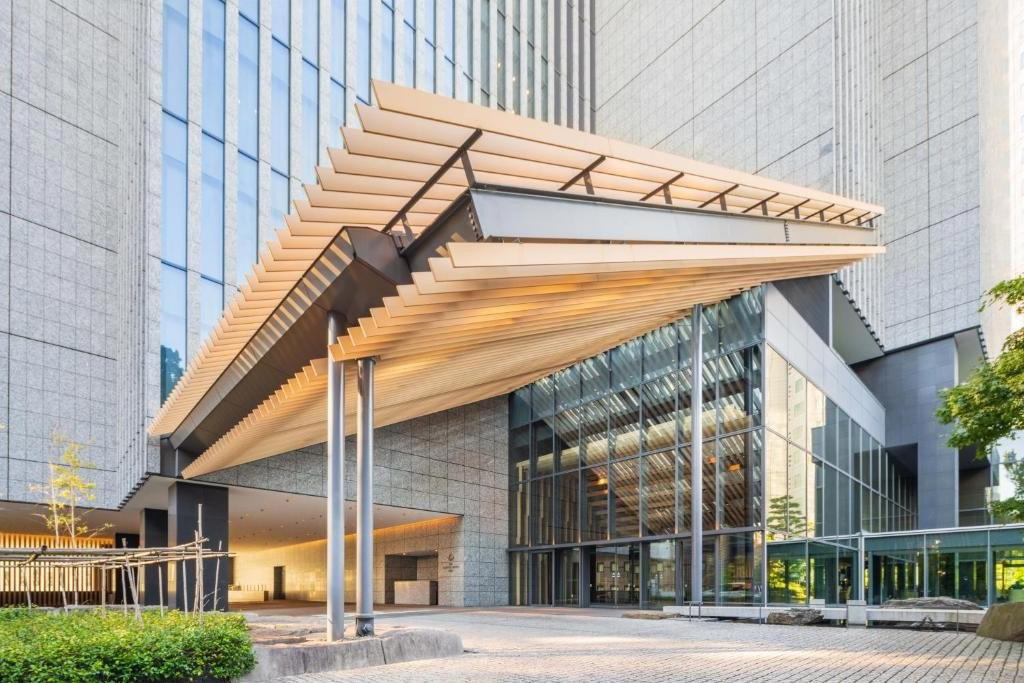
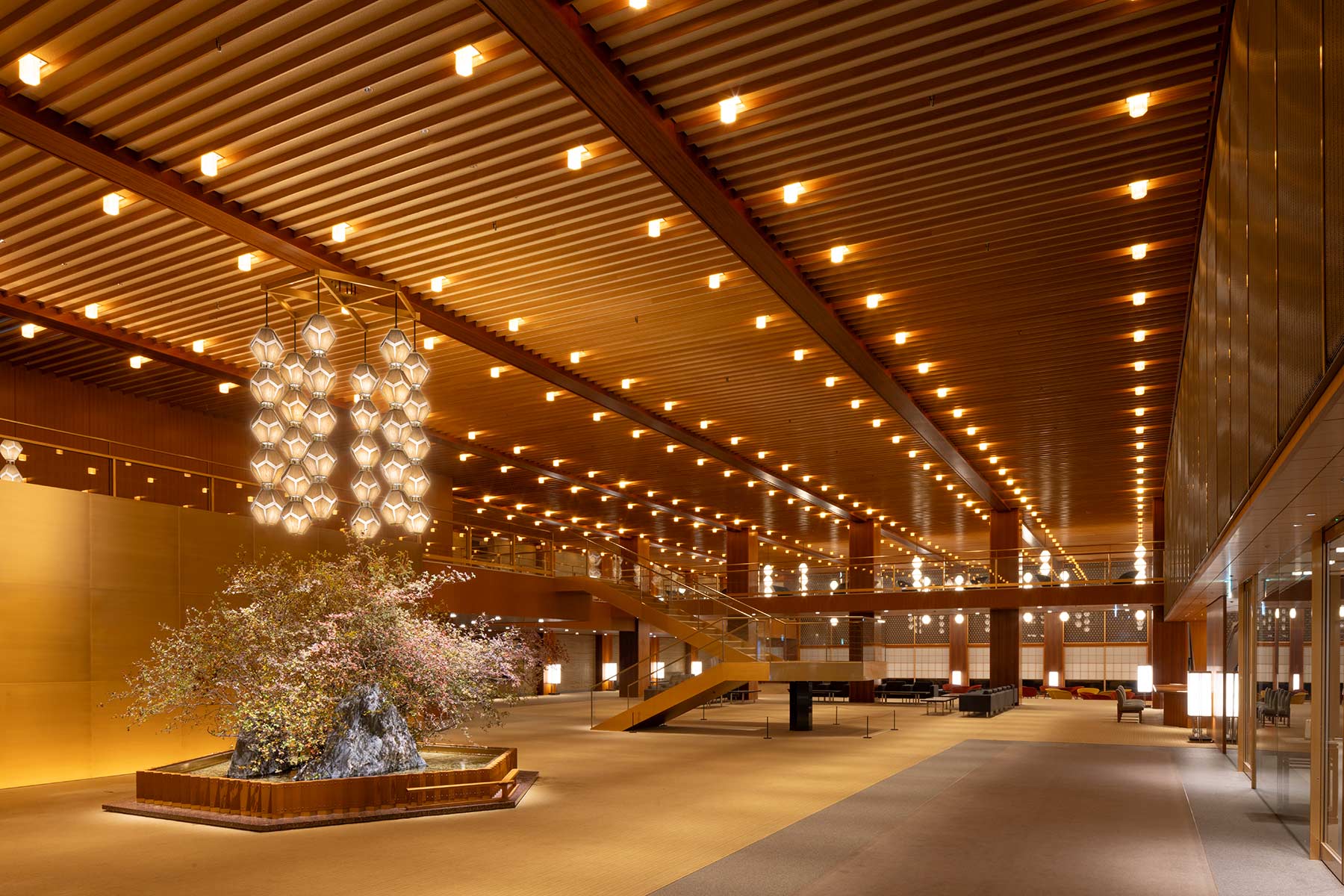
Dimly lit, serene atmosphere with minimalist Japanese design, soft lighting, and focused attention on the chef's performance.