すし匠 occupies a quiet corner of Yotsuya, one of Tokyo's more serious sushi addresses outside the Ginza circuit. The counter format positions it within a tier of Shinjuku-ward establishments where technique and sourcing carry more weight than spectacle. For omakase at this level, advance planning is the baseline expectation.
Pearl is the En Primeur Club membership app — saves, bookings, and concierge access live there. Same editors, same standards.
- Address
- Japan, 〒160-0004 Tokyo, Shinjuku City, Yotsuya, 1 Chome−11 陽臨堂ビル 1F
- Phone
- +81333516387
- Website
- asiamapscompany.org
- Directions
- Get directions
 Saves & bookings on Pearl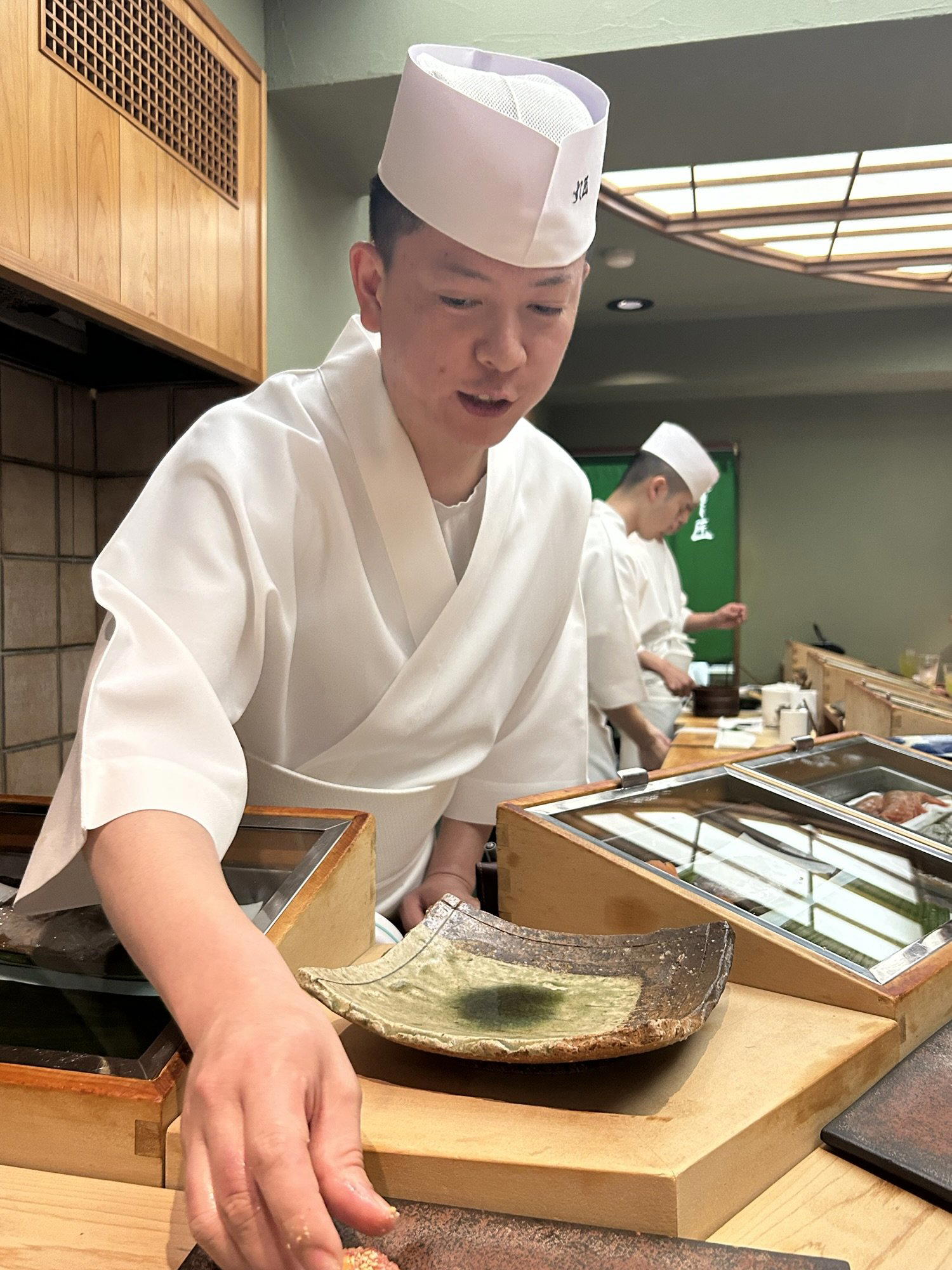
Yotsuya and the Sushi Counter Outside the Ginza Orbit
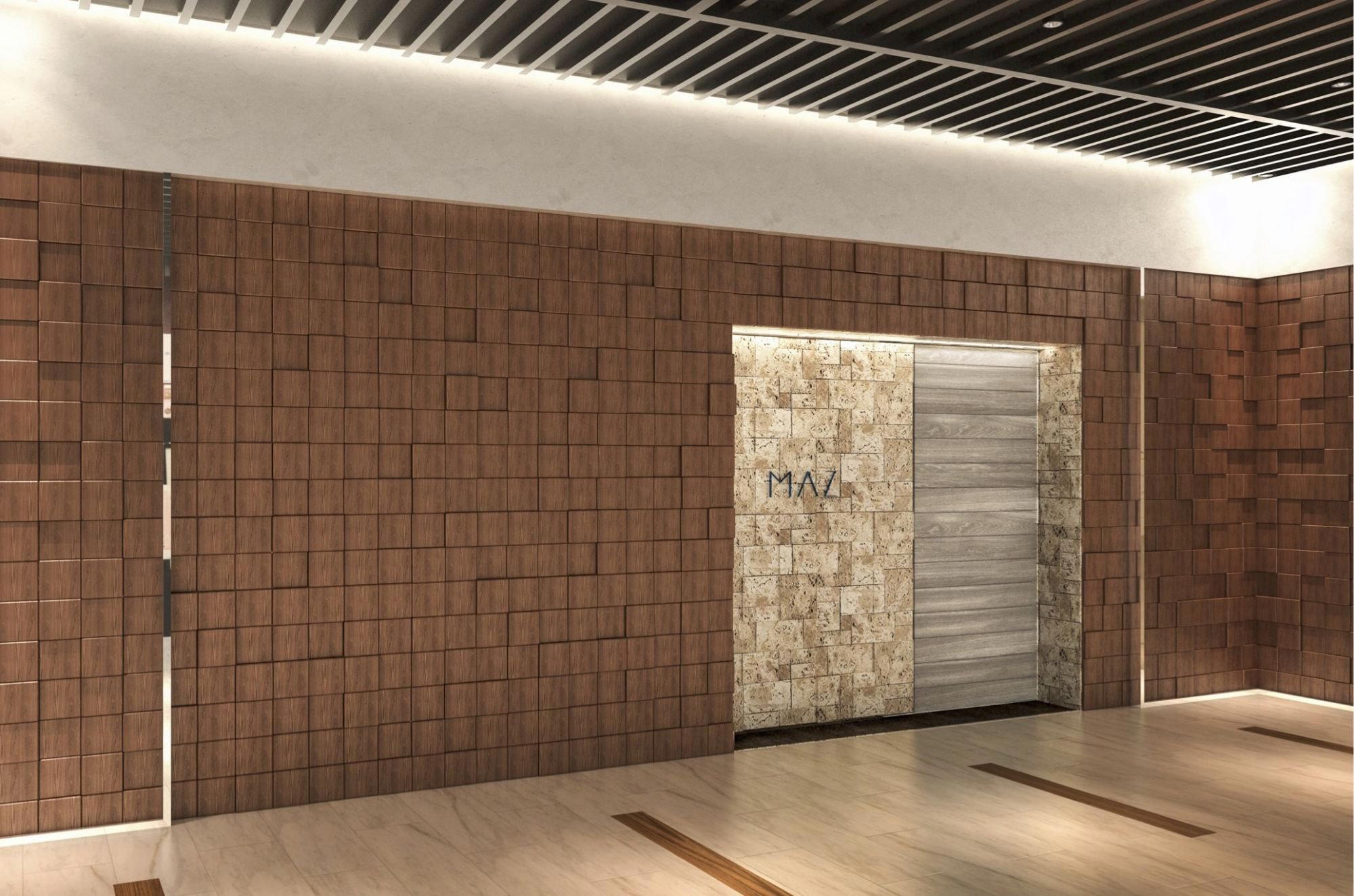
Tokyo's premium sushi conversation defaults to Ginza, where a concentration of Michelin-starred counters has made the neighbourhood synonymous with omakase at its most formal and most expensive. But a quieter tier of serious sushi exists in Shinjuku's surrounding wards, and Yotsuya has long held a place in that conversation. The neighbourhood sits between the noise of Shinjuku proper and the more residential cadence of Kojimachi, giving it a character that suits the kind of counter where the rice and the sourcing matter more than the address's brand value. すし匠 is located in Yotsuya's Yotsuya 1-chome, in a low-key building that signals nothing from the street, a format pattern common to the category across Tokyo, where restraint in presentation is considered part of the proposition.
This placement matters editorially because it defines the competitive set. Counters like Harutaka anchor the Ginza-adjacent tier, where the surroundings carry institutional weight and the price reflects it. すし匠 operates in a slightly different register: the same seriousness of intent, but within a neighbourhood that draws regulars rather than first-time high-spenders looking to tick a known address. That distinction shapes everything from booking access to the room's atmosphere on a given evening.
The Technique Argument: Where Edo-mae Meets Continental Influence
Edo-mae sushi, the style that defines Tokyo's traditional counter tradition, is built around controlled intervention: curing, aging, marinating, and temperature management applied to seafood sourced from Tokyo Bay and, increasingly, from waters across Japan and beyond. The style's logic is preservation and intensification, developed before refrigeration made raw-fish service simple. What separates the counters operating at the upper end of this tradition today is how they handle the tension between that foundational discipline and the global ingredient sourcing and technique borrowing that have become normal at serious establishments.
The intersection of local product and imported method is particularly visible in how leading Tokyo sushi counters approach fish aging. Techniques drawn from European charcuterie and dry-aging practice have filtered into the omakase format over the past two decades, applied to bluefin tuna, sea bream, and flatfish in ways that extend the traditional Edo-mae logic of controlled transformation. The result is a counter tradition that looks conservative from the outside, small rooms, fixed sequences, minimal decoration, but operates with a technical sophistication that places it in direct conversation with what Le Bernardin in New York has done with fish cookery at the fine dining level, or what Atomix in New York has explored at the boundary of Korean technique and contemporary plating discipline.
Sushi counters in this tier also import their ingredient logic globally while maintaining the form's essential Japanese identity. Vinegar selection for shari (sushi rice) has become a serious technical category, with some counters blending red and white vinegars to create a profile calibrated specifically to the season's fish. The relationship between rice temperature, fish temperature, and hand pressure at the moment of nigiri formation is treated with the same specificity that a kitchen like RyuGin brings to its kaiseki sequencing, or that L'Effervescence brings to its sourcing philosophy within the French tradition.
Situating すし匠 in Tokyo's Wider Dining Picture
Tokyo's restaurant culture in 2024 is stratified in ways that reward specificity. At the French end, counters like Sézanne and Crony have shown that technically rigorous European cooking can find an audience in Tokyo that values the same precision and sourcing discipline it expects from Japanese formats. The sushi counter sits in a parallel but distinct track: the format is older, the room is smaller, and the vocabulary is more compressed, but the ambition is comparable.
Within Japan's broader fine dining map, the conversation that happens at a Yotsuya counter connects to what is being done in other cities. HAJIME in Osaka operates at the intersection of classical French technique and Japanese ingredient philosophy. Gion Sasaki in Kyoto brings a kaiseki sensibility to ingredients that travel the same sourcing networks that supply serious sushi counters. Further afield, akordu in Nara and Goh in Fukuoka show how the intersection of local product and technique borrowed across traditions operates outside the major metro centers. Regional specialists like 一本木 名川製 in Nanao and 夕仙山乃 in Sapporo draw on local waters and regional produce in ways that inform what reaches Tokyo's leading counters. The connecting thread is a consistent willingness to treat local ingredients as the starting point and technique, wherever it originates, as the tool.
The sushi counter resolves that tension through compression: everything happens in a small room, in a fixed sequence, and the quality of the resolution is legible to any diner who pays attention.
What to Expect From the Format
Omakase at a counter of this type runs on a fixed sequence determined by the kitchen, typically moving from lighter white fish to richer tuna cuts, with intermissions for soup or palate-resetting preparations. The sequence is not improvised: it reflects seasonal availability, the sourcing relationships the counter has built over time, and a deliberate arc of flavour intensity. At the level すし匠 occupies within the Yotsuya neighbourhood, the expectation is that the diner arrives with some familiarity with the format. Counters in this category generally do not accommodate significant substitutions.
Know Before You Go
- Location: Yotsuya 1-chome, Shinjuku City, Tokyo (Yotsuya Station, JR Chuo/Sobu Line)
- Format: Counter omakase; fixed sequence, no à la carte
- Reservations: Advance booking expected; walk-ins are not standard practice at counters of this type in Tokyo
- Price tier: About $450 per person
- Language: Advance reservation is essential.
- Dress: Smart casual at minimum; formal dress is appropriate and common
The Quick Read
Comparable venues nearby, for context on price, style, and recognition.
| Venue | Cuisine | Price | Notes |
|---|---|---|---|
| すし匠This venue — the venue you are viewing | Shinjuku, Edomae Omakase Sushi | $$$$ | Not listed |
| 寿司 健 | Ginza, High-End Edo-Mae Sushi Omakase | $$$$ | Not listed |
| Kusunoki | Shinjuku, Oil-Free Tempura Omakase | $$$$ | Not listed |
| 懐石 辻留 | Minato, Seasonal Japanese Omakase | $$$$ | Not listed |
| 福鮨 | Minato, Hokkaido-style Omakase Sushi | $$$$ | Not listed |
| Ginza Komon | Not listed | $$$$ | Chūō, Seasonal Japanese Kaiseki with Sake Focus |

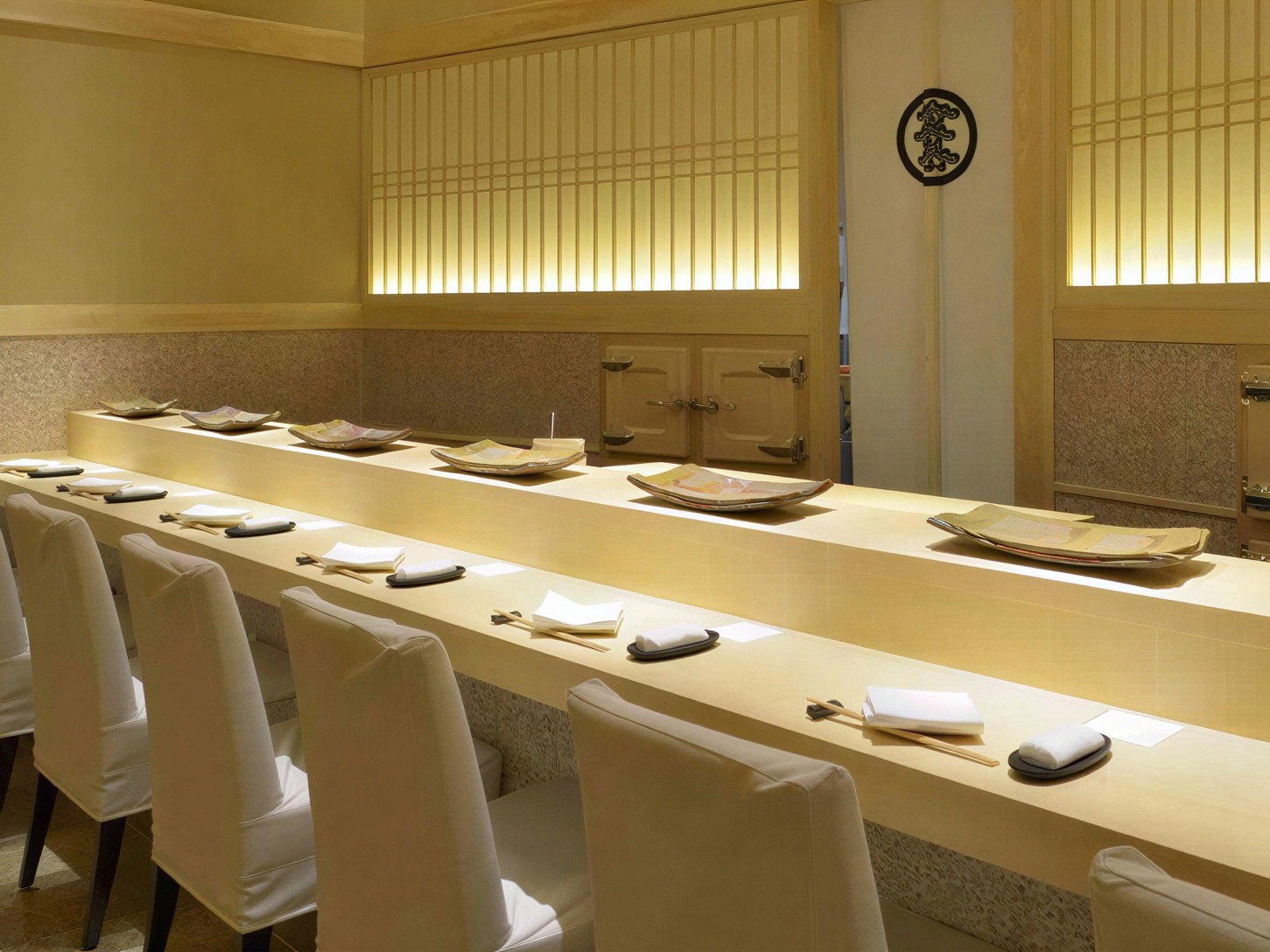
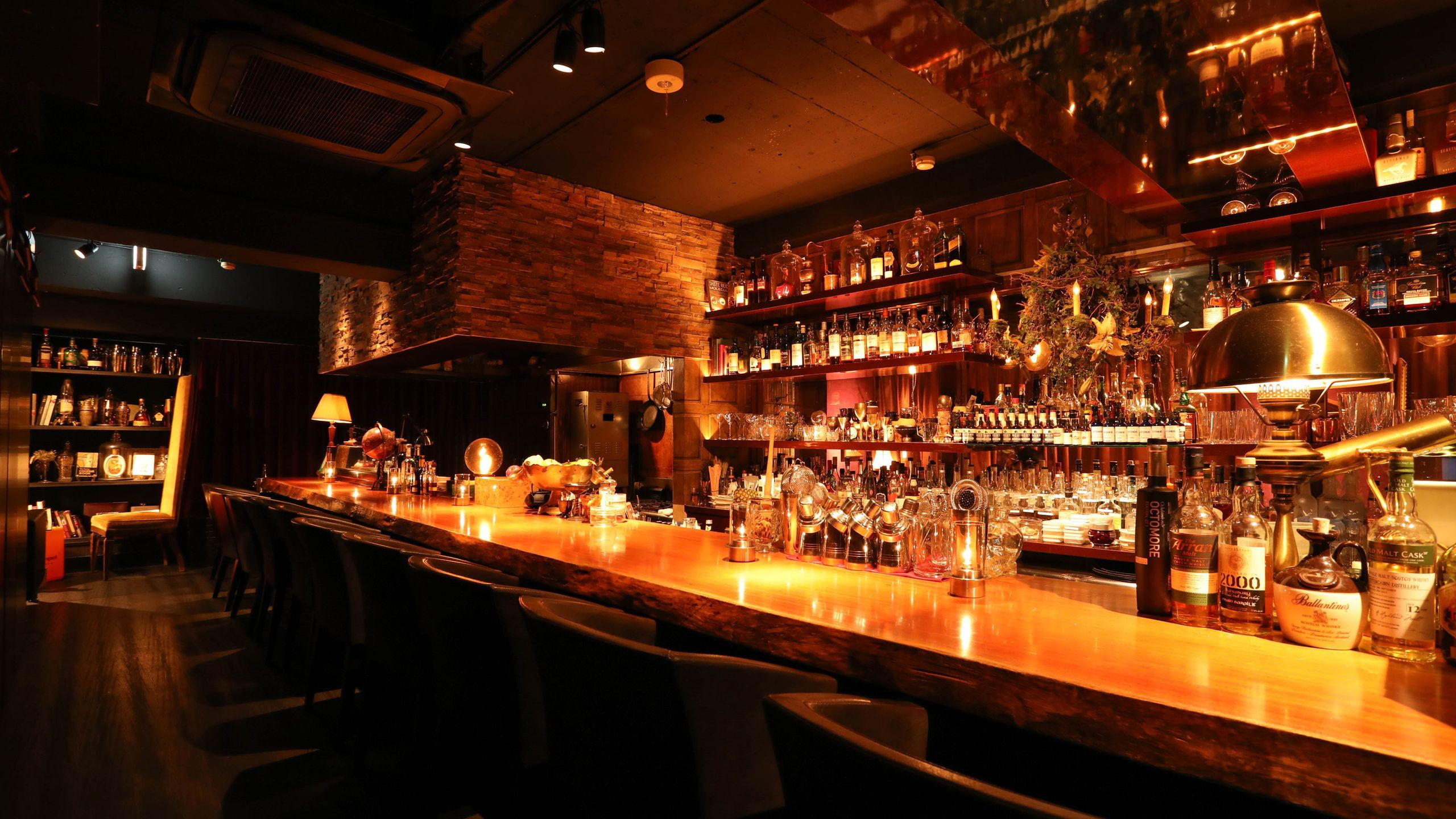


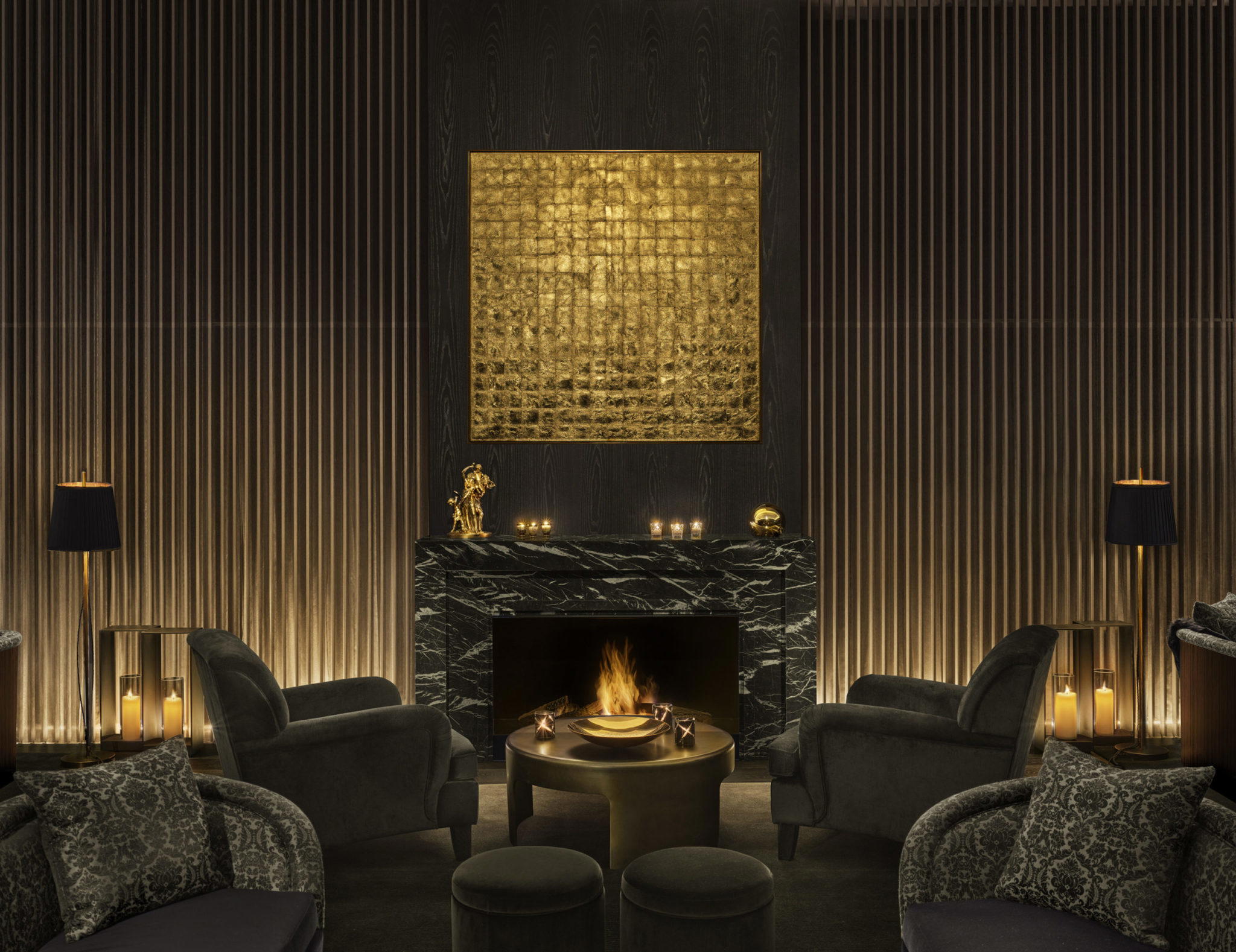
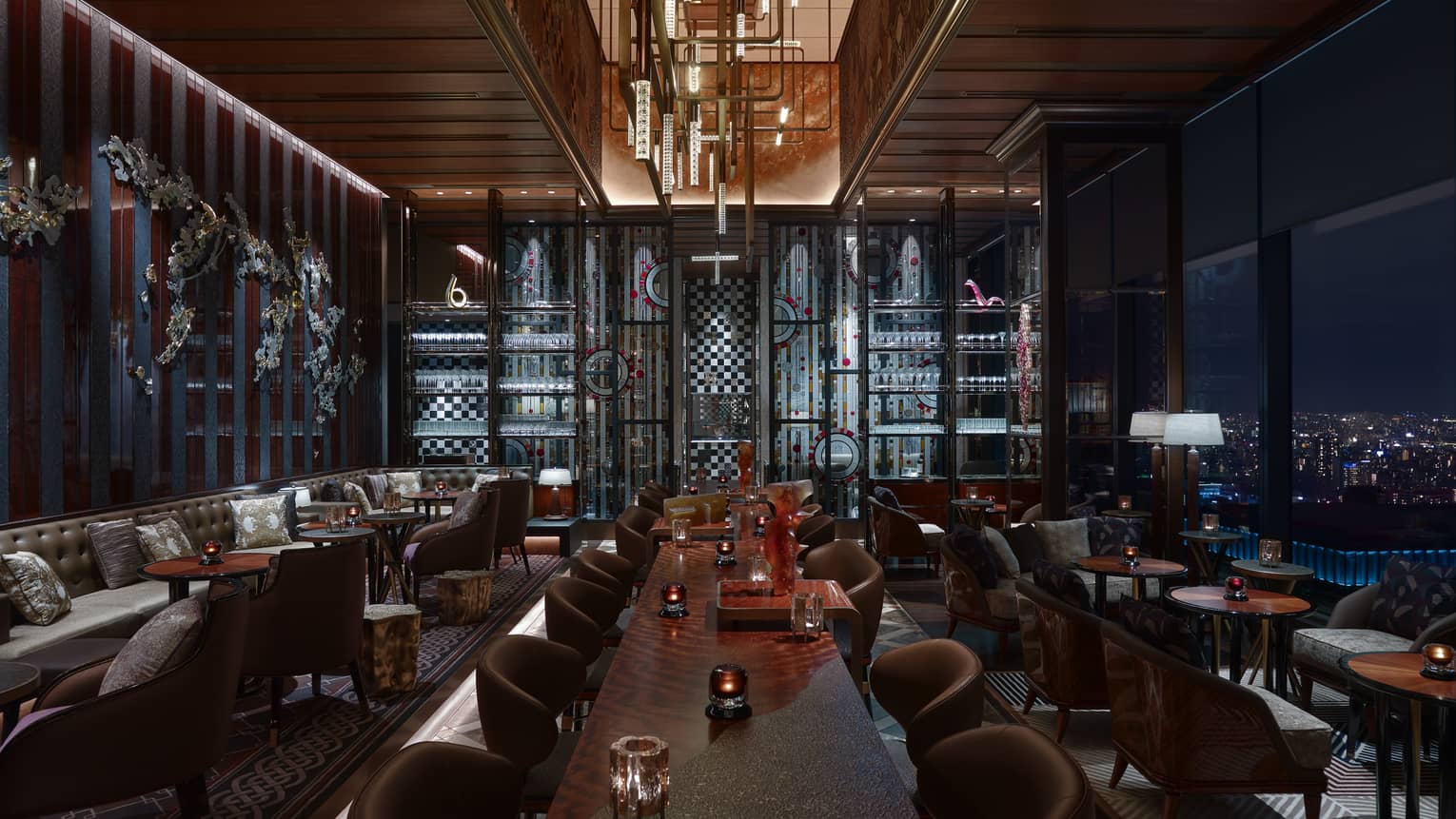




At a Glance
- Intimate
- Elegant
- Sophisticated
- Classic
- Special Occasion
- Date Night
- Chefs Counter
- Sake Program
- Sustainable Seafood
Current opening hours
- Monday
- 11:30 AM–1:30 PM, 6–11 PM
- Tuesday
- 6–11 PM
- Wednesday
- 11:30 AM–1:30 PM, 6–11 PM
- Thursday
- 6–11 PM
- Friday
- 11:30 AM–1:30 PM, 6–11 PM
- Saturday
- 11:30 AM–1:30 PM, 6–11 PM
- Sunday
- Closed
Hours can change for holidays and private events. Last verified .
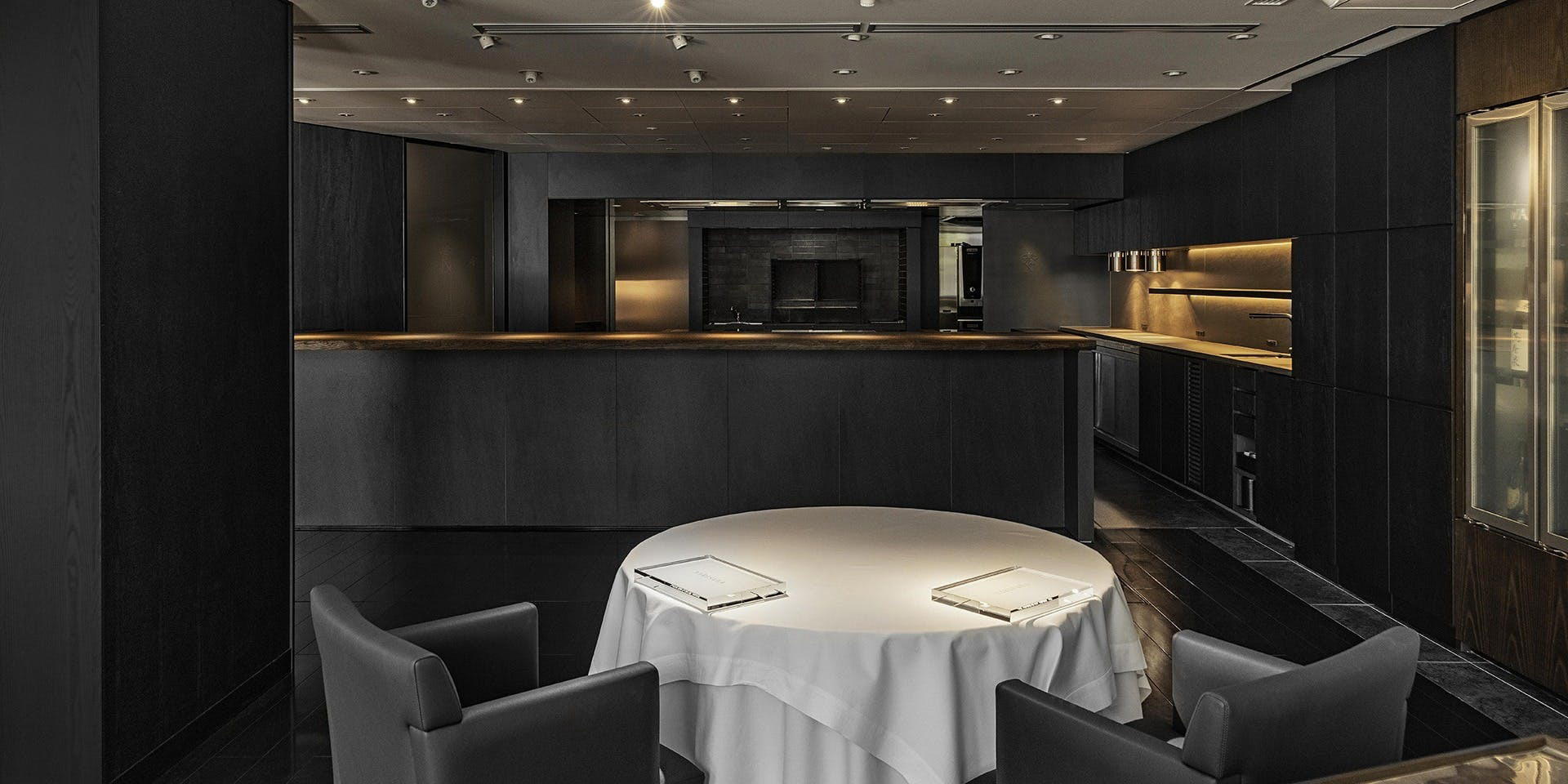
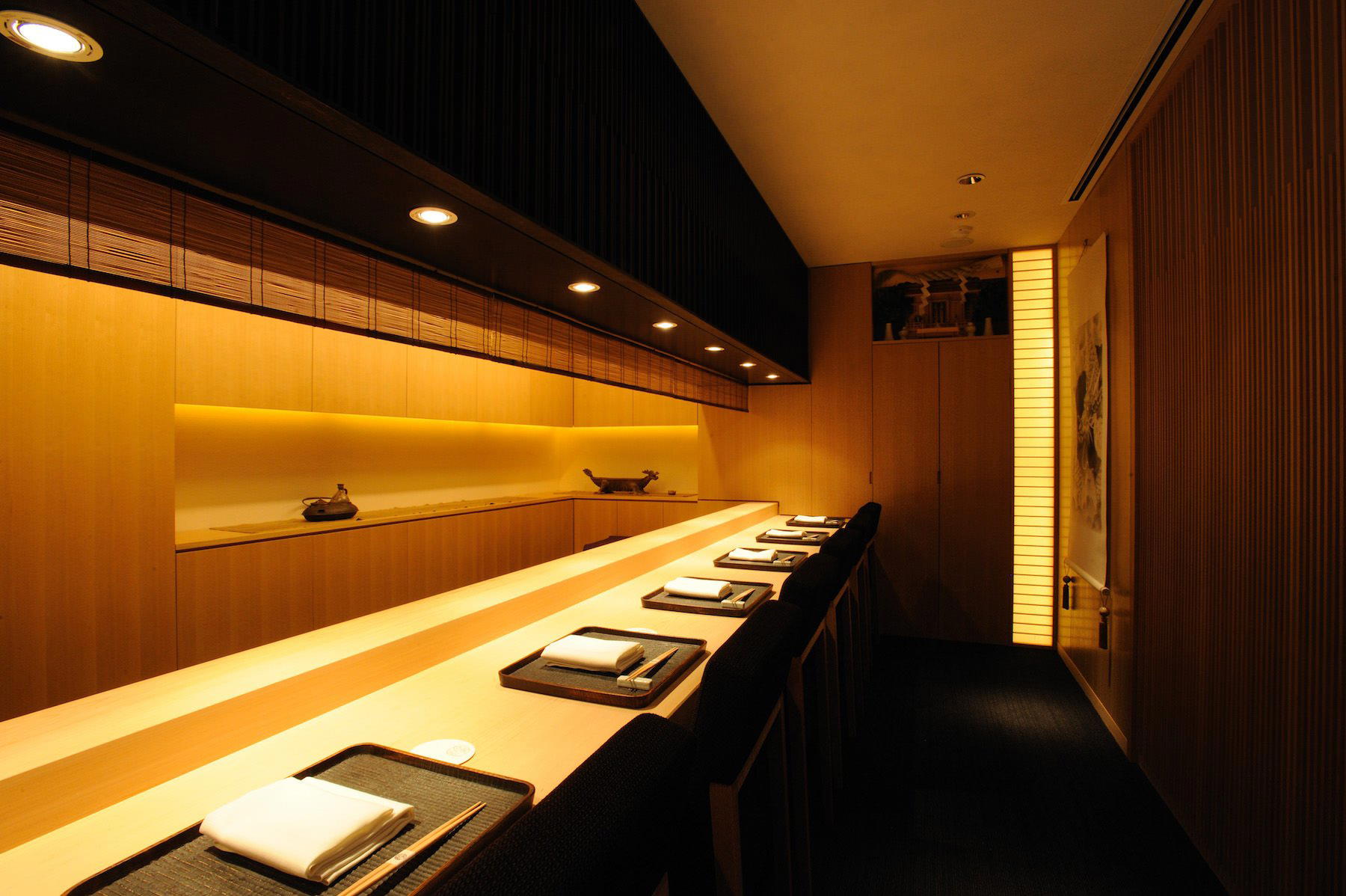
Intimate counter seating with a warm, relaxed atmosphere focused on the chef's craftsmanship.