Skip to Main Content
← Collection
Kanazawa, Japan

ビストロ高柳

LocationKanazawa, Japan

A bistro-format address on a quiet residential street in Kanazawa's Satomicho district, ビストロ高柳 occupies the meeting point between French bistro tradition and Ishikawa's ingredient culture. Kanazawa's position as one of Japan's foremost food cities means even its smaller, less-publicised dining rooms draw serious attention from travellers willing to look past the kaiseki circuit.

ビストロ高柳 restaurant in Kanazawa, Japan
About

Satomicho and the Bistro That Lives There

Kanazawa has a way of distributing its dining talent unevenly across the map. The kaiseki houses — Zeniya, Kataori and others — anchor the older, better-documented districts. But residential streets like Satomicho, a short distance from the city centre, quietly host a different kind of restaurant: smaller in ambition on paper, harder to categorise, and often more revealing of what a city's food culture actually looks like once you move past the ceremonial tier. ビストロ高柳, addressed at 39 Satomicho, sits in that second category.

The bistro format in Japan has developed a distinct character over several decades. Imported from France but filtered through Japanese precision and a domestic preference for seasonal sourcing, the Japanese bistro tends to operate with tighter menus, smaller seat counts, and a seriousness about produce that the original Parisian template rarely demanded. In Kanazawa, that dynamic is amplified by access to Noto Peninsula seafood, Kaga vegetables, and one of the most celebrated regional ingredient traditions in the country. A bistro here is not working with the same raw materials as one in Lyon or even Tokyo , and that geographic fact shapes what ends up on the plate.

Members Only

The shortlist, unlocked.

Hard-to-book tables, cellar releases, and concierge-planned trips.

Get Exclusive Access →

For context on where ビストロ高柳 fits within Kanazawa's French-influenced dining, Budoonomori Les Tonnelles (French) represents the more formally structured end of that spectrum in the city. ビストロ高柳, by address and format, operates closer to the neighbourhood-room register: the kind of place a local professional returns to without occasion, not the kind reserved for anniversaries or expense accounts.

The Satomicho Address as a Signal

In Kanazawa, as in Kyoto or Osaka, a restaurant's neighbourhood communicates something before you arrive. The city's well-worn dining circuit tends to funnel visitors through Katamachi, Higashi Chaya, and the streets around Kenroku-en. Satomicho is not on that circuit. An address there carries a quiet specificity: it suggests a place that has earned its following through repetition and word-of-mouth rather than guidebook exposure.

That kind of location also affects the feel of a meal. A restaurant on a residential street operates without the ambient pressure of a tourist-facing district , the pacing is different, the clientele more local, the sense of occasion less performed. French bistros in Japan have historically thrived in exactly this kind of setting. The model works leading when it's embedded in a neighbourhood, not positioned in a dining destination. Japan's broader French bistro scene, stretching from smaller Osaka rooms to regional addresses like akordu in Nara, consistently demonstrates that the format rewards proximity to local life rather than proximity to tourist infrastructure.

Kanazawa's wider restaurant culture offers significant range for a city of its size. The kaiseki tradition is well-represented and globally recognised, but the city also has a practical, working-meal side: addresses like Go! Go! Curry (ゴーゴーカレー) and Dokkan that serve the everyday appetite rather than the ceremonial one. ビストロ高柳 occupies a middle tier , more considered than a counter-lunch spot, less codified than a kaiseki progression.

Kanazawa's Ingredient Advantage and What It Means for French Cooking

The case for French cooking in Kanazawa is, at its core, a case about ingredients. Ishikawa Prefecture's produce is not incidental to regional restaurant culture , it is the foundation of it. Kaga lotus root, nodoguro (blackthroat sea perch), jibu-ni duck preparations, and the seafood pulled from the Sea of Japan are among the most discussed ingredients in contemporary Japanese cooking. When a French bistro operates in this context, it either ignores that abundance and imports a generic European template, or it makes a deliberate decision to work with what the prefecture offers.

The bistros that have built durable local followings in Japan's secondary cities almost invariably choose the latter path. The result is a cooking mode that doesn't map cleanly onto French regional cuisine or onto Japanese kaiseki , it occupies its own register, one that serious eaters in cities like Goh in Fukuoka or Gion Sasaki in Kyoto have increasingly recognised as a distinct and coherent tradition. Kanazawa, with its ingredient depth and its preference for craft over spectacle, is a natural home for that mode.

For visitors already committed to Kanazawa's higher-end dining, the kaiseki rooms remain the primary reference: Amanatto Kawamura and the artisan world of Hakuichi speak to the city's deeper craft traditions. ビストロ高柳 functions as a different kind of entry point , less structured, more contingent on what a given service brings in from local suppliers.

Planning a Visit

Verified operational details for ビストロ高柳 are limited in current public records: hours, pricing, and booking method are not confirmed in available data, and travellers should contact the restaurant directly using the Satomicho address as their reference point. The absence of a prominent web presence is not unusual for neighbourhood bistros of this type in Japanese cities , it often correlates with a local-first model that doesn't depend on inbound tourist traffic for its covers.

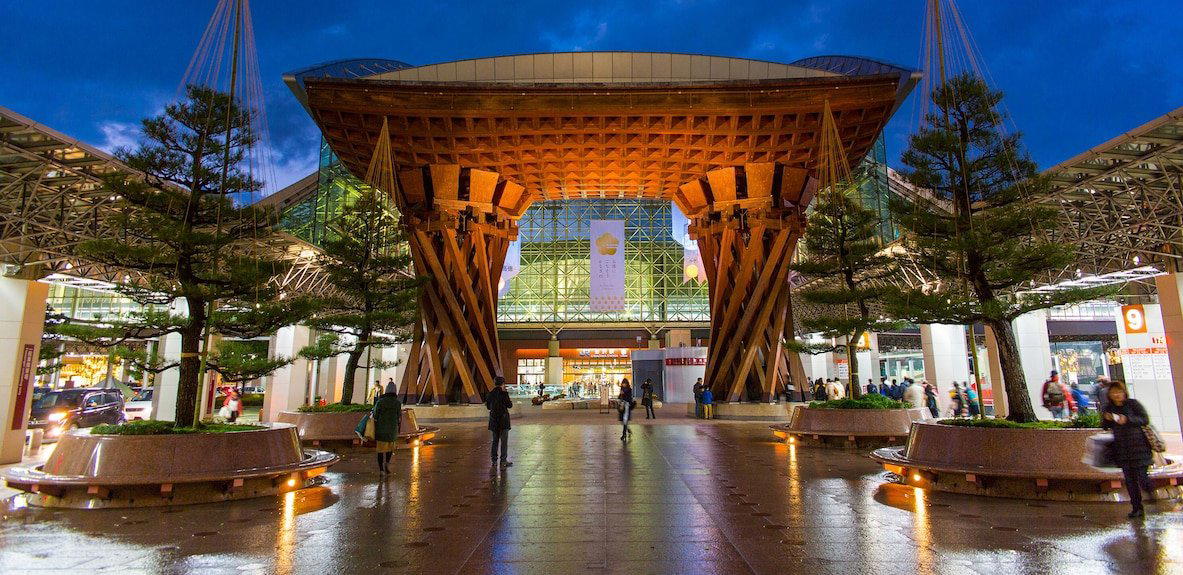
Kanazawa is accessible by Shinkansen from Tokyo (roughly two and a half hours on the Hokuriku Shinkansen) and makes a logical stop on a western Japan itinerary that connects to Kyoto, Osaka, or Nara. For those building a broader regional dining itinerary, HAJIME in Osaka, Harutaka in Tokyo, and Atomix in New York City represent the upper register of the dining spectrum against which a neighbourhood bistro like this one reads as a deliberate contrast , lower-key, locally oriented, and valuable precisely because it isn't competing in that tier.

For a fuller picture of where ビストロ高柳 sits within Kanazawa's dining options, see our full Kanazawa restaurants guide. Other regional addresses worth tracking in the broader Hokuriku and Sea of Japan corridor include 一本杉川島制 in Nanao and 湖畔荘 in Takashima, both of which reflect the same regional ingredient culture in different formats. For yakitori in Kanazawa, Hamagurizaka Maekawa anchors that end of the spectrum, while Le Bernardin in New York City provides a useful frame of reference for how French technique applied to exceptional seafood can operate at its most rigorous , a lens that clarifies what a regional Japanese bistro is and isn't attempting.

Further regional comparisons for travellers covering northern Japan: 古代山乃湯 in Sapporo and 鶴羽屋 in Nishikawa Machi both illustrate how Japan's secondary and tertiary cities sustain serious food culture outside of Tokyo's gravitational pull , the same dynamic that makes Kanazawa's Satomicho worth the detour.

Frequently Asked Questions

What should I order at ビストロ高柳?
Specific menu details are not confirmed in current public records, so prescriptive ordering advice would be speculative. What can be said with confidence is that French bistros in Kanazawa operating at this address level tend to rotate their offerings around the prefecture's seasonal produce cycle. Given Ishikawa's ingredient profile , Sea of Japan seafood, Kaga vegetables, locally sourced proteins , dishes tied to those supply lines are likely to represent the kitchen at its most considered. Asking staff what arrived that week is usually the most reliable approach in a room of this type.
How far ahead should I plan for ビストロ高柳?
Booking lead times are not confirmed in available data. As a general rule, neighbourhood bistros in Japan's secondary cities that operate without a significant web presence or reservation platform tend to have shorter booking windows than high-demand kaiseki or omakase rooms, but also fewer seats and less flexibility on short notice. Contacting the restaurant directly , in Japanese where possible , well in advance of your Kanazawa visit is the practical approach. Kanazawa's Shinkansen access from Tokyo and Osaka has increased visitor volume to the city since 2015, which applies pressure even to rooms that don't actively market to tourists.
Is ビストロ高柳 suitable for a solo dining visit in Kanazawa?
The bistro format in Japan has historically been more accommodating of solo diners than kaiseki or omakase rooms, which tend to structure their experience around seated groups or couples. A neighbourhood bistro at a residential address like Satomicho is likely to have counter or small-table seating arrangements that suit individual diners. That said, confirming this directly with the restaurant before visiting is the responsible approach, given the limited operational data currently in public record for this address.

Cost Snapshot

These are the closest comparables we have in our database for quick context.

Collector Access

Need a table?

Our members enjoy priority alerts and concierge-led booking support for the world's most difficult tables.

Get Exclusive Access
Members Only

The shortlist, unlocked.

Hard-to-book tables, cellar releases, and concierge-planned trips.

Get Exclusive Access →