Our verdict
レ・サヴール occupies a quiet corner of Kanazawa's Asahimachi district, where French culinary grammar meets the discipline of one of Japan's most serious food cities. The regulars who keep returning know something that casual visitors take longer to discover: this is the kind of room where the cooking earns its place in the rotation rather than borrowing prestige from the address. For those already familiar with Kanazawa's dining depth, it belongs in the same conversation.

Pearl is the En Primeur Club membership app — saves, bookings, and concierge access live there. Same editors, same standards.
- Address
- Japan, 〒920-0941 Ishikawa, Kanazawa, Asahimachi, 3 Chome−17−4 シャトーシャンボール 1F
- Phone
- +81762322955
- Hours
- Mon–Tue ClosedWed–Sun 11:30 AM–1:30 PM, 6–8:30 PM
- Directions
- Get directions
The menu
What to order
- Citrus-forward seafood preparations
- Seasonal ingredient-focused courses
What Draws People Back to Asahimachi
There is a particular kind of restaurant that Kanazawa does quietly and well: small, serious, and utterly indifferent to the noise of the broader dining market. The Asahimachi neighbourhood, removed from the busier pull of Higashi Chaya and the Omicho market corridor, has long accommodated this kind of place. Restaurants here operate on a different logic. The room does not perform. The cooking is expected to do the work, and return visitors are the currency of trust. レ・サヴール, in a first-floor unit of a modest residential block at 3 Chome−17−4 Château Chambord, fits precisely within that tradition.
Kanazawa has one of Japan's most coherent regional food identities. Kaga cuisine, the area's kaiseki tradition, sets a standard of seasonal precision and ingredient-led restraint that influences even non-Japanese kitchens operating in the city. Venues like Dokkan and Amanatto Kawamura represent different expressions of that local discipline, while places such as Budoonomori Les Tonnelles have demonstrated that French-inflected cooking can take root meaningfully in the city without simply importing the Parisian formula wholesale. レ・サヴール operates within this same context: a French name, a Kanazawa address, and the implicit obligation to earn its seat at a table set by a city that takes food seriously on its own terms.
The Regulars' Calculus
The audience for a room like this in Kanazawa is not the tourist on a two-night pass through the city, though that visitor can certainly find their way here. The primary constituency is local: the architect who books a corner table on the last Friday of most months, the couple who have a standing arrangement for anniversaries and the occasional Tuesday that calls for something specific. In a city where the leading kaiseki counters — among them Dokkan and the Zeniya lineage — operate on tight reservation windows and refined seasonal rotations, French-format rooms offer a different rhythm. The menu structure, the pacing of courses, and the wine-pairing logic are recognisably European, but the ingredient sourcing in Kanazawa is pulled from the same waters and mountains that supply the kaiseki kitchen. Noto Peninsula seafood, Kaga vegetables, local game when the season allows: these are the terms on which any serious Kanazawa kitchen, French or otherwise, is eventually judged.
What keeps a regular returning to a French table in a Japanese city is rarely a single dish, though a well-executed signature earns loyalty faster than anything else. It is more often the accumulation of small consistencies: the way a sauce is calibrated across seasons, the intelligence behind a wine list built for the food rather than for margin, the lack of condescension in how a kitchen adjusts for a familiar face's known preferences. These are the things that don't appear in press releases and rarely survive translation into a marketing summary. They are the unwritten menu that a returning guest reads fluently and a first-timer is still learning to decode. Kanazawa's French dining cohort, of which レ・サヴール is a part, rewards that kind of patient attention.
French Cooking in the Context of Japan's Regional Dining Circuit
Japan's regional French dining scene has matured considerably over the past two decades. The model imported in the 1980s and 1990s, formal service, predominantly French sourcing, menus calibrated for corporate entertaining, has been substantially revised. What operates now in cities like Kanazawa, Fukuoka, Nara, and Osaka is a more locally embedded version of the form. HAJIME in Osaka works at the top of that register with three Michelin stars and a strong conceptual framework. akordu in Nara operates with similar local-sourcing intelligence in a smaller city context. Goh in Fukuoka has built a compelling case for regional ingredients as the primary driver of a European-adjacent kitchen. These are the reference points against which French-format dining in provincial Japan is increasingly read, even when the venues themselves sit at different price tiers and scales.
レ・サヴール is not in the same category as those award-bearing addresses, nor does its Asahimachi location suggest that kind of ambition. The comparison is useful for a different reason: it maps the broader tradition within which a neighbourhood French restaurant in Kanazawa exists. The guest arriving from a meal at Harutaka in Tokyo or Gion Sasaki in Kyoto brings a calibrated frame of reference to any regional table, and the better neighbourhood rooms in cities like Kanazawa hold up to that scrutiny in specific, localised ways even when they don't compete on the same axis. The Ishikawa Prefecture seafood alone, crab from the Sea of Japan, winter yellowtail, spring surf clams, represents a sourcing advantage that a skilled French kitchen can translate into compelling cooking without needing to reference Paris at all.
Planning a Visit
Asahimachi sits within walkable distance of central Kanazawa, accessible from the Kanazawa Station area in roughly fifteen to twenty minutes on foot or a short taxi ride. The address at Château Chambord is a residential-scale building rather than a purpose-built dining premises, which is characteristic of how many of Kanazawa's smaller serious rooms embed themselves in the city fabric. Visitors coming specifically to Kanazawa for its dining should consult our full Kanazawa restaurants guide for broader context; the city's range extends from precise kaiseki at Dokkan to the resolutely casual formula of Go! Go! Curry, with a mid-register of craft-focused rooms that includes Hakuichi. For those building a multi-day itinerary, Kanazawa's dining district is compact enough that leaning into the neighbourhood logic of each area pays dividends.
For readers extending their trip through the broader Hokuriku and Chubu region, the dining map includes 一本木 北川製 in nearby Nanao and 湖辺庵 in Takashima, both of which illustrate how serious provincial dining in this part of Japan extends well beyond the city limits. The regulars at レ・サヴール almost certainly know these rooms too. That circuit-awareness is part of what makes the clientele for a place like this different from the visitor passing through once.
Frequently asked questions
What dish is レ・サヴール famous for?
How far ahead should I plan for レ・サヴール?
Is レ・サヴール suitable for a special occasion dinner in Kanazawa?
Comparison Snapshot
Comparable venues nearby, for context on price, style, and recognition.
| Venue | Cuisine | Price | Awards | Notes |
|---|---|---|---|---|
| レ・サヴールThis venue — the venue you are viewing | Contemporary French | $50–100 | Not listed | Not listed |
| tawara | Seasonal French | Not listed | Not listed | Kanazawa |
| ラ ネネグース | Classic French | $50–100 | Not listed | Kanazawa |
| ビストロ リョーモン | French Bistro | $50–100 | Not listed | Kanazawa |
| ア・ラ・フェルム・ドゥ・シンジロウ | Kanazawa French Farm-to-Table | $100–150 | Not listed | Kanazawa |
| インスタレーションテーブル エンソ ラシンメトリー ドゥ カルム | Modern French with Japanese influences | $200–300 | Tabelog Bronze #136 | Kanazawa |
Continue exploring
More in Kanazawa
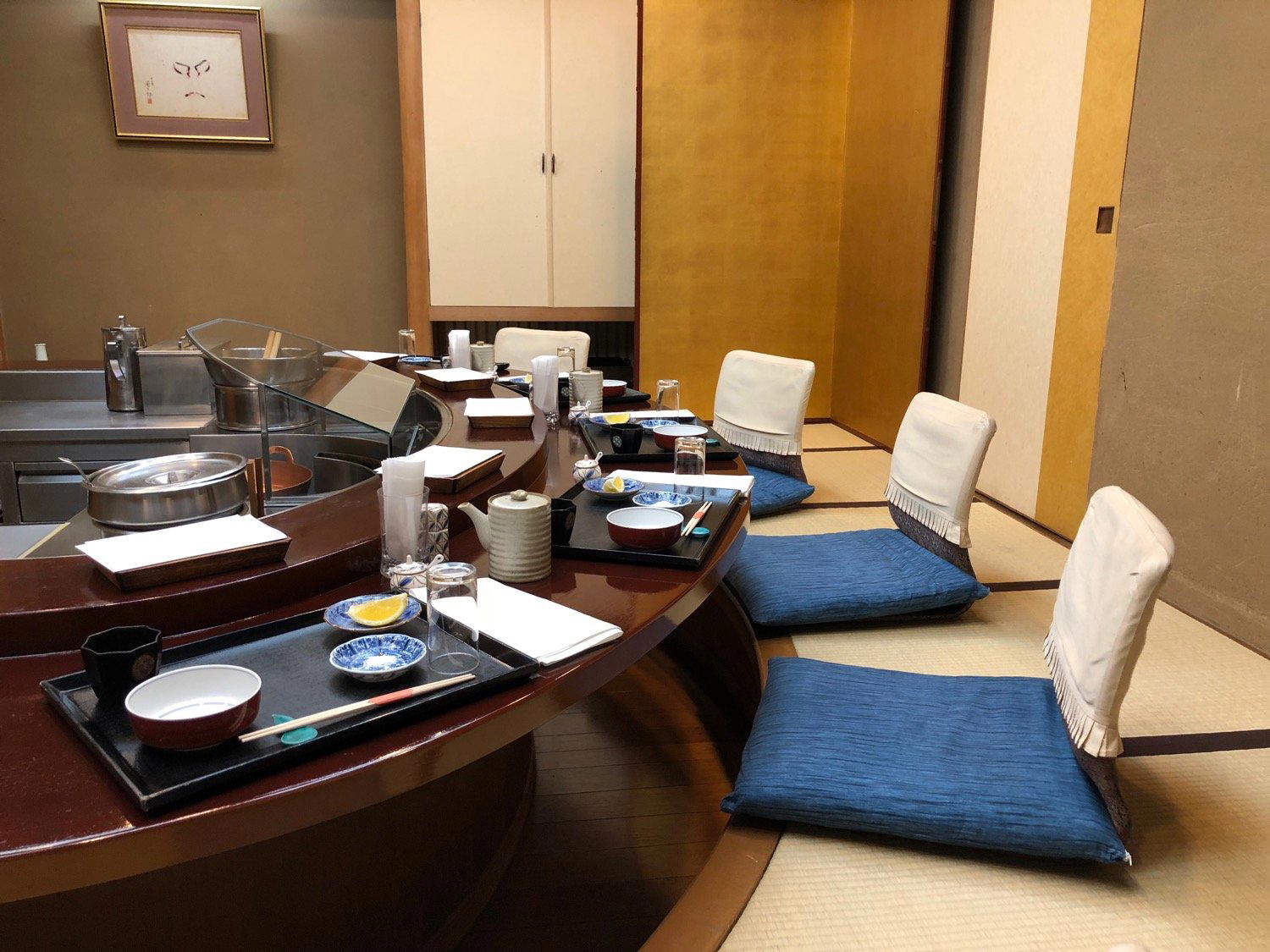
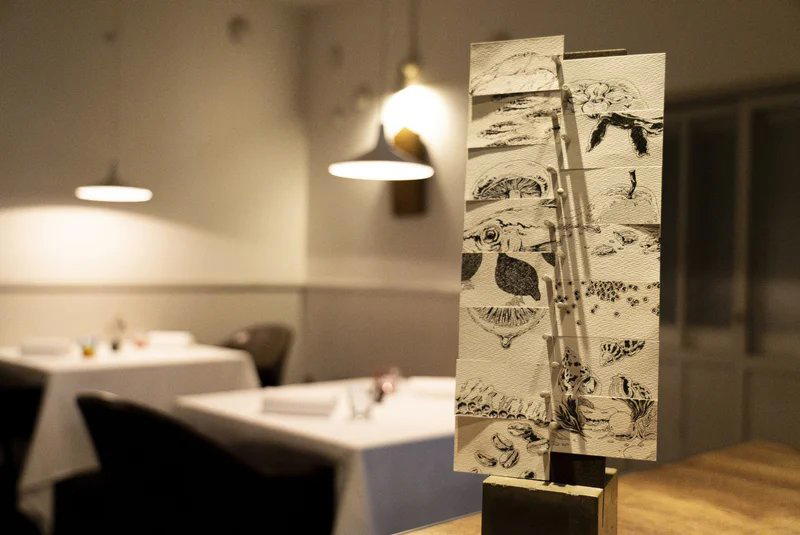
Restaurants in Kanazawa
Browse all →
Bars in Kanazawa
Browse all →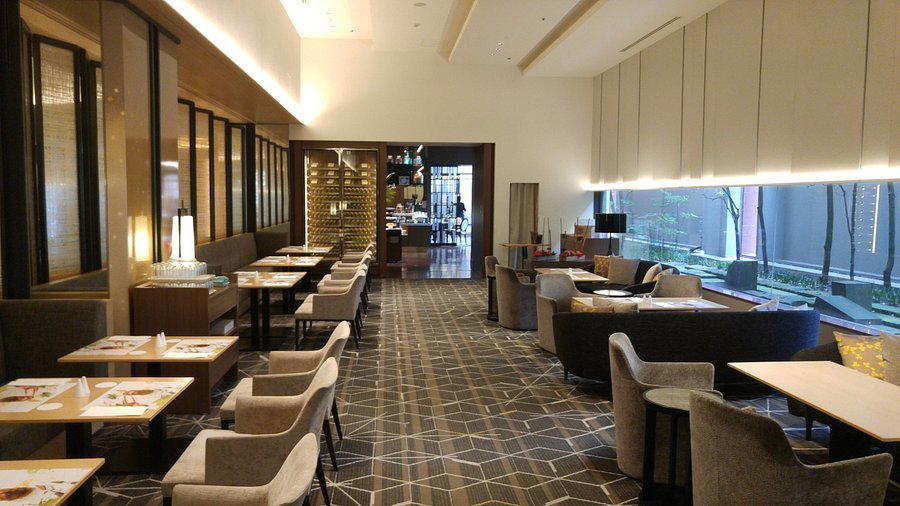
Hotels in Kanazawa
Browse all →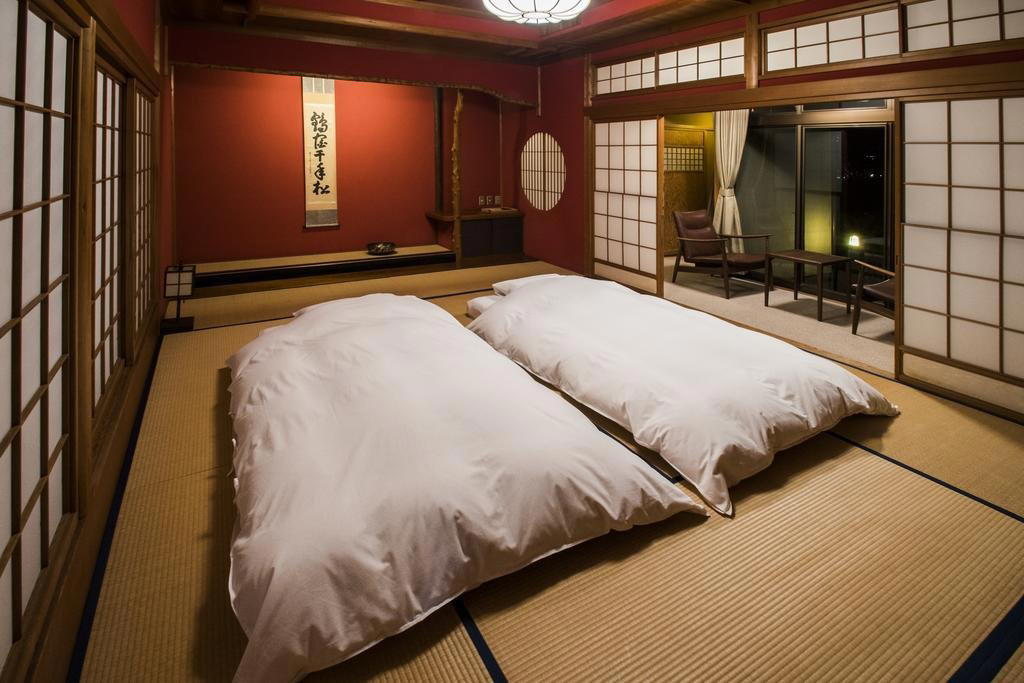
Wineries in Kanazawa
Browse all →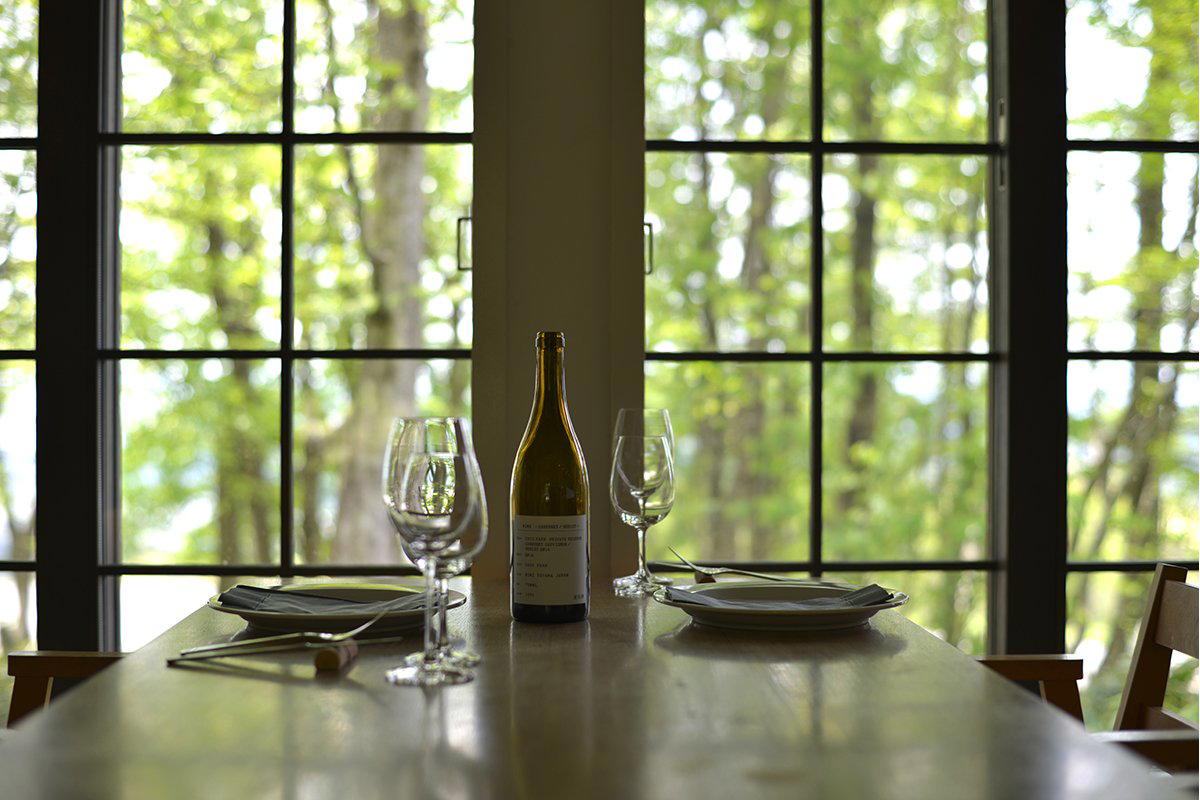
Details
- Elegant
- Intimate
- Sophisticated
- Quiet
- Date Night
- Special Occasion
- Celebration
- Standalone
- Local Sourcing
- Prix Fixe
- Tasting Menu
- Wine
- Allergy Accommodating
Current opening hours
- Monday
- Closed
- Tuesday
- Closed
- Wednesday
- 11:30 AM–1:30 PM, 6–8:30 PM
- Thursday
- 11:30 AM–1:30 PM, 6–8:30 PM
- Friday
- 11:30 AM–1:30 PM, 6–8:30 PM
- Saturday
- 11:30 AM–1:30 PM, 6–8:30 PM
- Sunday
- 11:30 AM–1:30 PM, 6–8:30 PM
Hours can change for holidays and private events. Last verified .
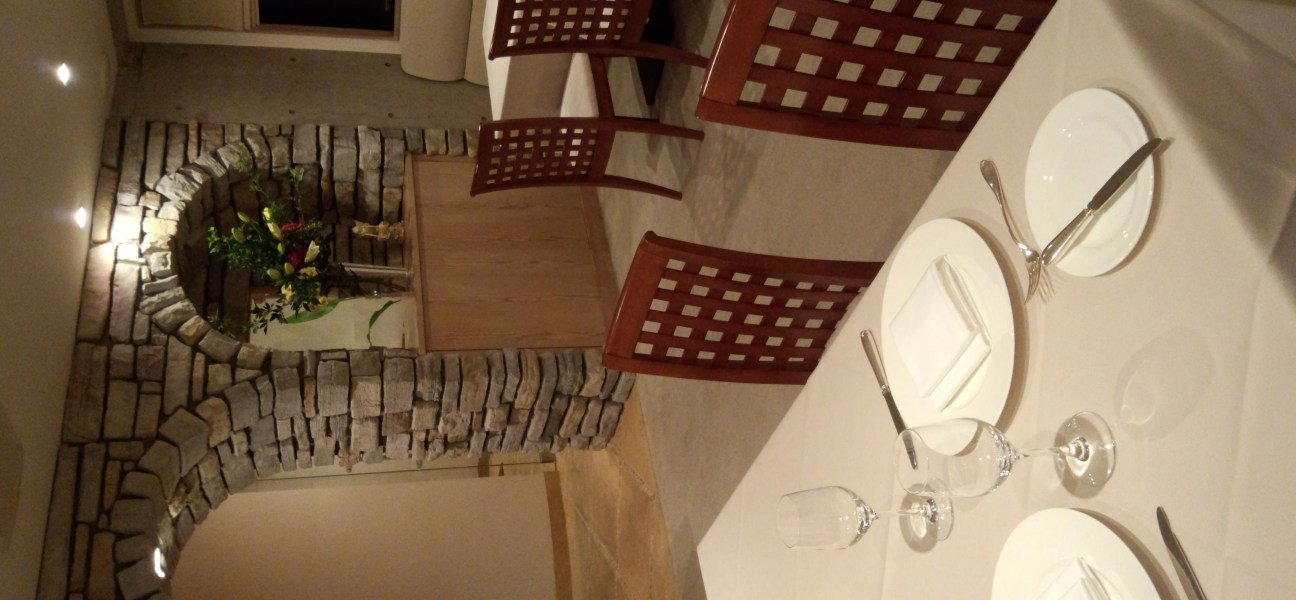
Warm and welcoming interior with pale cream tones that creates a sense of comfortable tension and special occasion atmosphere for diners.