
Kanazawa’s French dining has a local accent: fish-led cooking, wine and sake in the same conversation, and small rooms where the counter matters as much as the table. tawara belongs to that compact, reservation-only tier, with Tabelog French WEST 100 selection in 2025 and a 10-seat format that suits travelers looking beyond sushi and kaiseki.
Pearl is the En Primeur Club membership app — saves, bookings, and concierge access live there. Same editors, same standards.
- Address
- 石川県金沢市片町2-10-19 ロイヤルプラザ片町 1F
- Phone
- +81762105570
- Website
- tawara-kanazawa.jp
 Saves & bookings on Pearl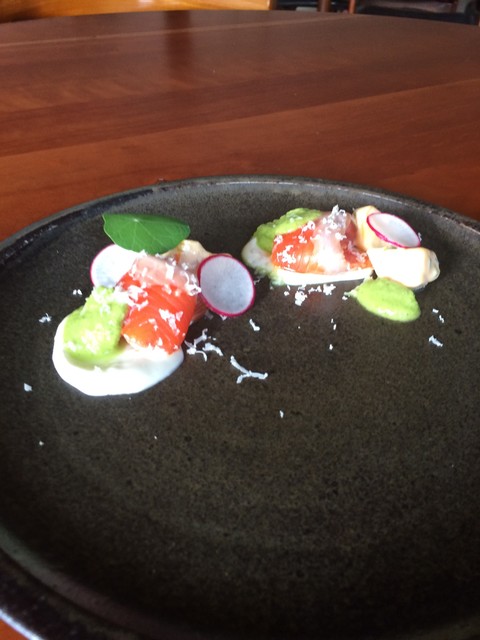
Katamachi changes register after dark: shopfront light, taxi doors, and the after-work drift toward bars and small dining rooms. Here, French cooking in Kanazawa rarely feels imported whole. It absorbs nearby seafood, sake within the pairing logic, and service scaled to rooms where ten seats can define the evening.
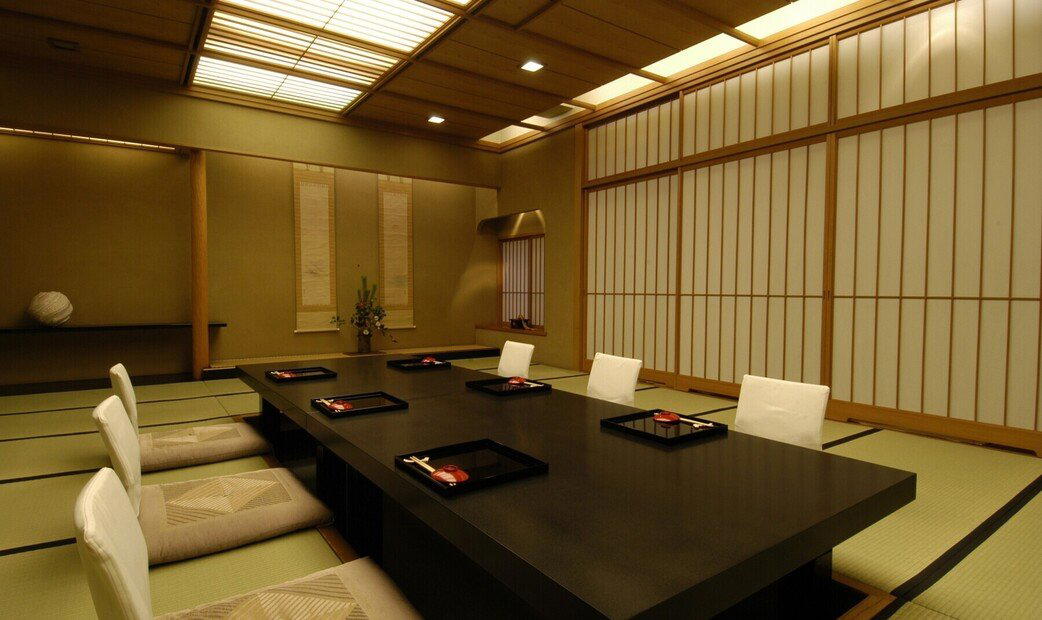
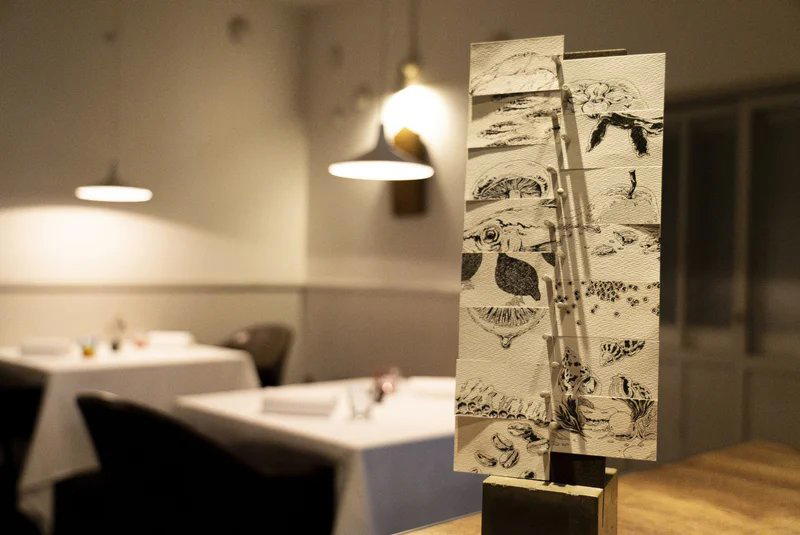
tawara fits that small-format category, not the grand-restaurant model. Its 10-seat configuration, split between counter and table seating, matters because Kanazawa dining rewards proximity. Serious restaurants here are judged by technique and by how well they translate local product into a native format. French, wine bar, and yoshoku labels overlap, saying more than one cuisine tag could.
Kanazawa French cooking with fish at the center
Kanazawa’s restaurant culture is shaped by the Sea of Japan, Omicho Market, and seafood treated as daily material rather than special-occasion theatre. That changes what French cooking means here. Butter, reduction, wine, and course structure are signals; the sharper question is whether the kitchen lets fish read as local while using Western grammar.
The public category notes for tawara point to that tension: French, wine bar, yoshoku, and an emphasis on fish. That moves it away from orthodox Parisian replication and into the hybrid lane Japanese cities have refined for decades. Yoshoku is not a footnote. In Japan, Western-style cooking has its own history, where French technique, local produce, and Japanese expectations around balance meet in smaller rooms. Kanazawa suits that tradition because it already prizes craft, seasonality, and restraint across tea, confectionery, kaiseki, and sushi.
The 2025 Tabelog French WEST 100 selection is the useful trust signal. It does not make the restaurant a national trophy address, and should not be read that way. It places the room within a regional field of French restaurants across western Japan, among formal dining rooms and compact chef-led counters. A Tabelog score of 3.71 reinforces the point: this is a serious local address, not a casual add-on between sightseeing stops.
For travelers mapping a Kanazawa food itinerary, this fills a different slot from sushi, wagashi, or grilled meat. Our full Kanazawa restaurants guide shows that spread at city level, from specialist sweets such as Amanatto Kawamura to casual formats like 1/3 HAMBURGER FACTORY, 333, Aburi Niku Garan, and Ajiraku Yumemi. The point is not ranking them, but showing how many registers the city supports within a compact dining map.
A small room in Katamachi, not a hotel-dining spectacle
Katamachi and Korinbo form Kanazawa’s evening spine, with bars, restaurants, department-store foot traffic, and late taxis creating a denser rhythm than the museum-and-garden side of the city. A French restaurant here competes differently from one in a resort hotel or destination ryokan. It must make sense for locals, repeat diners, and visitors who understand that Kanazawa’s value lies in small rooms with a point of view.
That is why capacity matters editorially. Four counter seats and six table seats create a format closer in structure, not cuisine, to a sushi counter or kappo room than a metropolitan brasserie. Kanazawa’s serious dining often compresses hospitality into few seats, making pacing, beverage choices, and calm more important than decorative drama.
The beverage positioning also reflects the city. Wine is expected in French dining, but sake remains part of Kanazawa’s table culture, and tawara lists both sake and wine. That shows how French restaurants in regional Japan work with two drinking languages at once. Treating French dining here as a break from Japanese food misses the better reading: this is one way Japanese regional cities make French technique local.
Kanazawa’s other luxury planning layers sit close by in practical terms, even when categories differ. Our full Kanazawa hotels guide frames where to stay for Katamachi and Korinbo evenings, while Our full Kanazawa bars guide, Our full Kanazawa wineries guide, and Our full Kanazawa experiences guide show how dinner can sit within a wider night rather than stand alone.
How to read the value against the city's dining field
The useful Kanazawa comparison is not French versus Japanese. It is format versus format. A sushi counter such as 乙女寿司 occupies the seafood-purity lane; Yakitori Manjiro, listed at JPY 5,000 to JPY 5,999, sits in a lower-priced grilled-skewer bracket; Sakai, Uva Uva, and ちくわ represent other parts of the city’s small-room spectrum. tawara belongs to the higher course-driven bracket, where the decision is less casual appetite than allocating one serious dinner slot.
That matters in a city where travelers overfill schedules with genre obligations: sushi because of the port, kaiseki because of craft culture, sweets because of tea, and izakaya because the evening streets make it easy. French cooking with local fish earns its place when the itinerary has room for a meal that interprets Kanazawa rather than checks off a classic local category.
Reservation-only operation also changes the reader decision. Small rooms in Japan are not designed for speculative walk-ins, and a 10-seat restaurant has little slack when party size shifts. The adult-course condition for children points to the same model: this is built around the full meal, not abbreviated family dining. Solo diners and pairs fit more naturally than large groups, though the listed maximum party size gives flexibility for planned occasions.
For broader Japan context, contrast with other cities is instructive. Tokyo and Osaka absorb every dining genre at scale, from. 鮪と炭火焼き うお炭 秋葉原店 in Tokyo to.cafe in Osaka. Regional addresses such as.know in Kumamoto, (Shoku) Vietnam in Kawasaki, [Curry Senmon Ten] Maruyama Kyoju. in Sapporo, and -Grilled beef Sukiyaki- KAMAKURA TANUKIAN 鎌倉 たぬき庵 in Kamakura show how local context changes a category’s meaning. Outside Japan, specialist formats such as Jōdo Saké Bar in Los Angeles and Onigiri Time in Pasadena prove the same rule: format matters when it explains place, audience, and expectation.
The editorial read is clear. tawara is for a Kanazawa itinerary that already has the obvious seafood and craft references covered, or for a traveler who wants to see how French technique behaves in a city with deep local food culture. The appeal is not scale or spectacle. It is the discipline of a small room, regional recognition, and a fish-led French vocabulary that belongs to Kanazawa rather than borrowing the city as backdrop.
Pricing, Compared
Comparable venues by cuisine and price in the same metro.
| Venue | Cuisine | Price | Notes |
|---|---|---|---|
| tawaraThis venue — the venue you are viewing | Kanazawa, Seasonal French | $$$ | Not listed |
| Restaurant Ennu | Kanazawa, Modern French Bistronomy | $$$ | Not listed |
| ビストロ リョーモン | Kanazawa, French Bistro | $$$ | Not listed |
| HIRAMIPAN | Kanazawa, French-Japanese Bakery Bistro | $$ | Not listed |
| タワラ | Kanazawa, Gentle Seasonal French | $$$$ | Not listed |
| Le Musee de H Kanazawa ten | Not listed | $$ | Kanazawa, French–Japanese patisserie & cafe |
Recognition history
Dated appearances from independent guides and award organizations, with the underlying list record or original source where available.
Tabelog 100 #14 · No. 14
Tabelog · Tabelog 100 - French - WEST - 2025
Continue exploring
More in Kanazawa
Restaurants in Kanazawa
Browse all →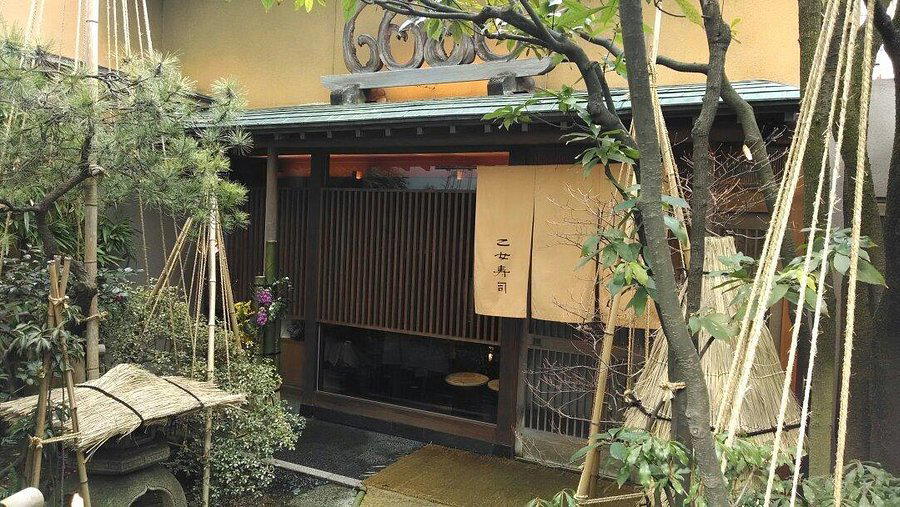
At a Glance
- Quiet
- Cozy
- Elegant
- Intimate
- Date Night
- Special Occasion
- Business Dinner
- Private Event
- Standalone
- Local Sourcing
Tranquil, adult-oriented, and serene, with a contemporary feel that suits an intimate dining experience.