Our verdict
Located in Akasaka's residential fringe, フルヤ オーガストロノム occupies a tier of Tokyo dining where French technique meets Japanese ingredient culture at close range. The address places it squarely in Minato City's quieter professional corridor, away from the Ginza concentration of tasting-menu destinations. For travellers building a Tokyo itinerary around that intersection of imported method and indigenous produce, it warrants attention alongside the city's better-documented French-leaning counters.

Pearl is the En Primeur Club membership app — saves, bookings, and concierge access live there. Same editors, same standards.
- Address
- Japan, 〒107-0052 Tokyo, Minato City, Akasaka, 4 Chome−3−9 赤坂藤マンション 1F
- Phone
- +81357977527
- Hours
- Mon ClosedTue–Fri 6–10:30 PMSat–Sun 6–10 PM
- Website
- f-augastronome.com
- Directions
- Get directions
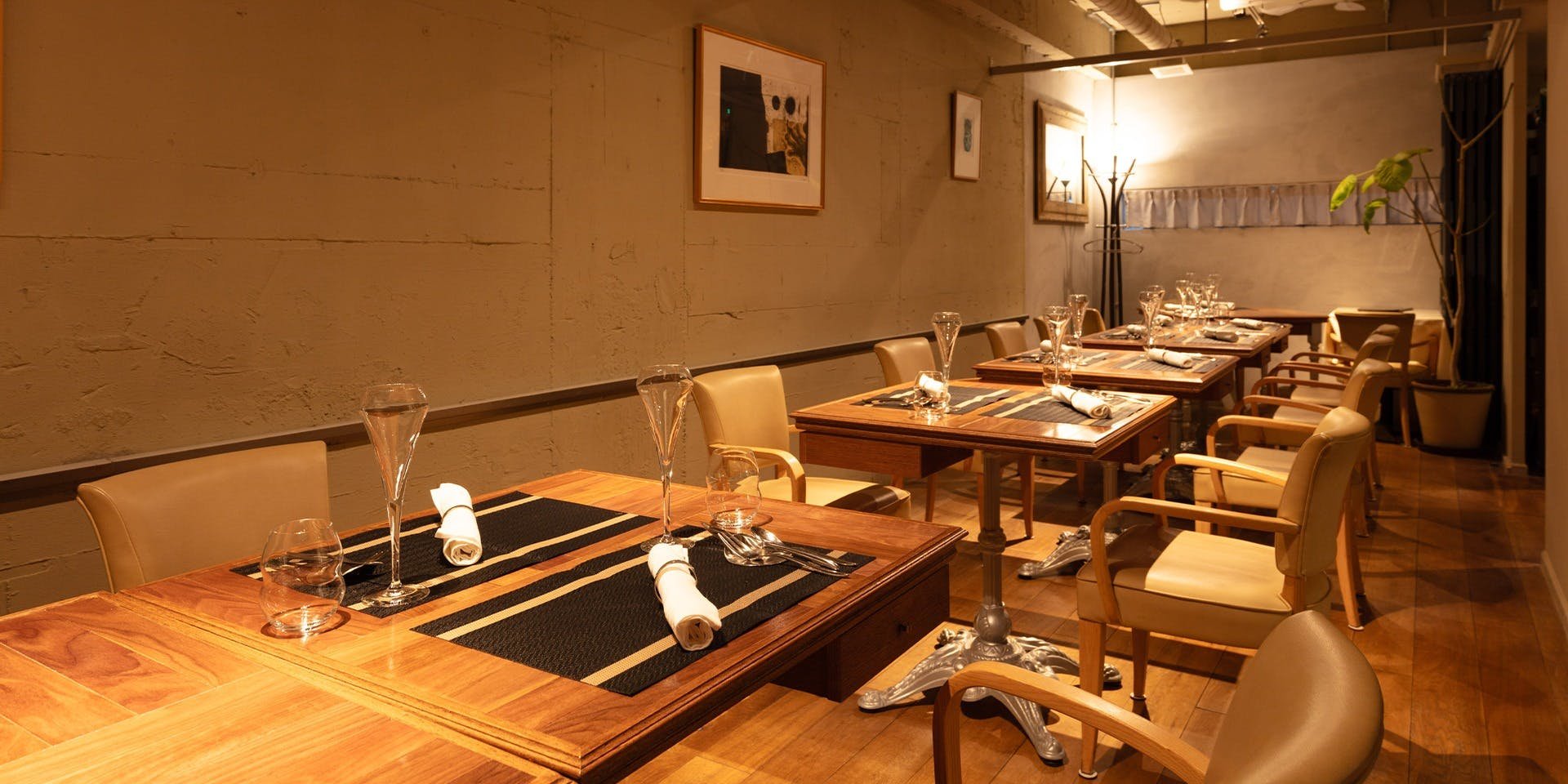
Where Akasaka Fits in Tokyo's French-Japanese Dining Map
Tokyo's French-influenced fine dining does not concentrate in one neighbourhood. Ginza holds the higher-profile counters. Aoyama and Minami-Aoyama carry the design-led mid-tier. And then there is Akasaka, a district that has long served Tokyo's political and corporate establishment, whose restaurant stock skews quieter and less internationally publicised than its Ginza counterparts. フルヤ オーガストロノム sits in Minato City's Akasaka, on the ground floor of a residential building at 4 Chome-3-9, an address that signals the category clearly: this is not a restaurant built on visibility or foot traffic, but on a returning clientele that knows where to find it.
That positioning matters when reading the broader Tokyo scene. The city's most discussed French-technique restaurants — L'Effervescence in Nishi-Azabu, Sézanne in the Four Seasons Marunouchi, and Crony in Aoyama — each carry significant award recognition and international press. A venue operating in Akasaka's quieter corridor occupies a different position in that competitive set: it trades on neighbourhood loyalty and specialist reputation rather than international award visibility. That is not a criticism; it describes a distinct market niche that Tokyo sustains at scale.
The Editorial Angle: Imported Technique, Indigenous Produce
Across Japan's fine dining tier, the most interesting creative tension in the past decade has not been between Japanese and Western traditions as opposing poles, but in how thoroughly French culinary method has been absorbed and then redirected toward Japanese ingredient culture. The result is a category that sits outside both classical French cuisine and traditional kaiseki: it uses French structural logic, the sauce, the protein preparation, the sequencing of courses, but sources and priorities shift decisively toward Japanese produce. HAJIME in Osaka and Gion Sasaki in Kyoto represent different points on this axis; so does akordu in Nara, where a Spanish-trained chef applies European sensibility to Yamato ingredients.
フルヤ オーガストロノム, as its name signals through the French term gastronomie, operates within this broader category. The name itself is instructive: it is a transliteration of a French culinary concept into Japanese phonetics, applied to a venue in one of Tokyo's more discreet dining corridors. That naming choice places the venue's frame of reference clearly in French gastronomy, while the Akasaka location keeps it grounded in a specifically Tokyo professional context. This combination, European method, local address, residential-building setting, is more common in Japan's secondary dining tier than most international coverage acknowledges.
Understanding フルヤ オーガストロノム requires placing it against Tokyo's broader French-leaning fine dining field rather than evaluating it in isolation. At the ¥¥¥¥ tier, venues like L'Effervescence and Sézanne carry Michelin recognition and consistent international press. At the ¥¥¥ level, Crony's innovative French approach draws a younger, more experimental clientele. フルヤ sits in a middle zone where pricing and format data remain less publicly documented, which in Tokyo often indicates a venue that communicates primarily through direct referral rather than digital channels.
This is a well-established pattern in Japanese restaurant culture: the most enduring neighbourhood specialists operate below the international radar precisely because they do not need it. Compare this to Harutaka in Ginza, whose sushi counter books months ahead on international reputation, or RyuGin in Roppongi, where Michelin three-star status generates consistent foreign reservation demand. Akasaka's dining room dynamics are different: the clientele is predominantly Japanese, the booking cycle is shorter, and the relationship between restaurant and regular is more central to the operation's identity.
Beyond Tokyo, this French-meets-Japanese methodology appears across multiple Japanese cities. Goh in Fukuoka applies similar cross-cultural precision at a regional level. More locally specific expressions of the same tension appear at venues like 一本木 名川制 in Nanao and 湖邸庵 in Takashima, where geography and local ingredient access shape the European-Japanese negotiation in different ways. The 古代山乃 in Sapporo and 鳥羽屋 in Nishikawa Machi demonstrate how this category extends well beyond major metropolitan centres. Even outside Japan, the parallel is visible: Atomix in New York City applies Korean fine dining logic through a Western tasting-menu format, and Le Bernardin in New York represents the French technique anchor against which many Japanese-French hybrids calibrate their ambitions.
What the Address Tells You
The specific address, ground floor of a residential apartment building in Akasaka 4-chome, is one of the clearest signals available about a Tokyo restaurant's intended audience. This format, common across Japan's serious neighbourhood dining tier, prioritises function and returning customers over discovery-based traffic. Venues in this format rarely operate with English-language websites or visible street-level signage designed for walk-in business. They depend on word of mouth, Japanese-language reservation systems, and in many cases a regular clientele that accounts for the majority of covers on any given service. For international visitors, this category requires either a local intermediary, a hotel concierge with established relationships, or patience with Japanese-language booking channels.
For context on similar venue types across Japan's less-publicised dining corridors, Bistro Ange in Toyohashi and Birdland in Sakai operate on comparable neighbourhood-specialist logic outside the major metropolitan centres. The format is consistent: small capacity, local clientele, limited digital footprint.
Planning Your Visit
Comparative Logistics
| Venue | Neighbourhood | Price Tier | Cuisine Type | International Booking Ease |
|---|---|---|---|---|
| フルヤ オーガストロノム | Akasaka, Minato City | Not publicly listed | French-influenced (inferred) | Low, Japanese-language channels likely required |
| L'Effervescence | Nishi-Azabu | ¥¥¥¥ | French | High, English website, international bookings |
| Sézanne | Marunouchi | ¥¥¥¥ | French | High, hotel concierge access |
| Crony | Aoyama | ¥¥¥¥ | Innovative French | Medium |
For a full picture of Tokyo's fine dining field across Japanese and European traditions, see our full Tokyo restaurants guide.
Frequently asked questions
What's the must-try dish at フルヤ オーガストロノム?
Can I walk in to フルヤ オーガストロノム?
How does フルヤ オーガストロノム fit into Tokyo's French-Japanese dining tradition, and what makes Akasaka a meaningful address for this category?
Fast Comparison
Comparable venues nearby, for context on price, style, and recognition.
| Venue | Cuisine | Price | Awards | Notes |
|---|---|---|---|---|
| フルヤ オーガストロノムThis venue — the venue you are viewing | Modern French Fine Dining | $200–300 | Not listed | Not listed |
| フィリップ・ミル 東京 | Modern French Fine Dining | $150–200 | Tabelog 100 #13 | Minato |
| Gastronomy Joel Robuchon | Modern French Fine Dining | $500+ | Tabelog 100 #55 | Meguro |
| レテール | Classic French Fine Dining | $200–300 | 1 Michelin Star · Tabelog Bronze #226 | Shinjuku |
| トワヴィサージュ | Modern French with Seasonal Japanese Ingredients | $200–300 | 1 Michelin Star | Chūō |
| SIGNATURE | Modern French Fine Dining | $200–300 | Michelin Plate · Tabelog 100 #56 | Chūō |












Details
- Elegant
- Sophisticated
- Intimate
- Date Night
- Special Occasion
- Sake Program
- A La Carte
Current opening hours
- Monday
- Closed
- Tuesday
- 6–10:30 PM
- Wednesday
- 6–10:30 PM
- Thursday
- 6–10:30 PM
- Friday
- 6–10:30 PM
- Saturday
- 6–10 PM
- Sunday
- 6–10 PM
Hours can change for holidays and private events. Last verified .
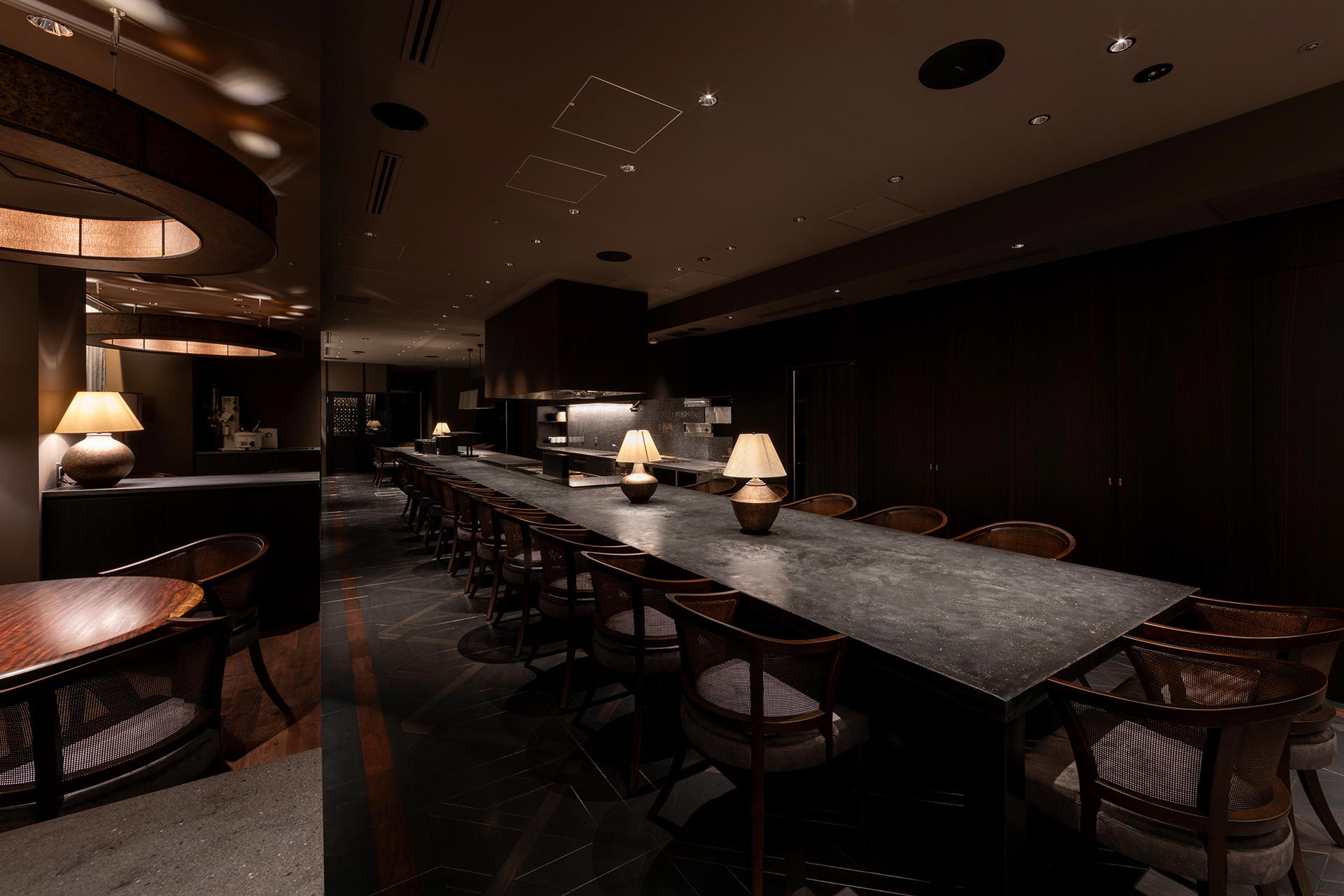
Quiet, stylish street-level low-profile address in a serene location with an intimate atmosphere for adults to relax.