Our verdict
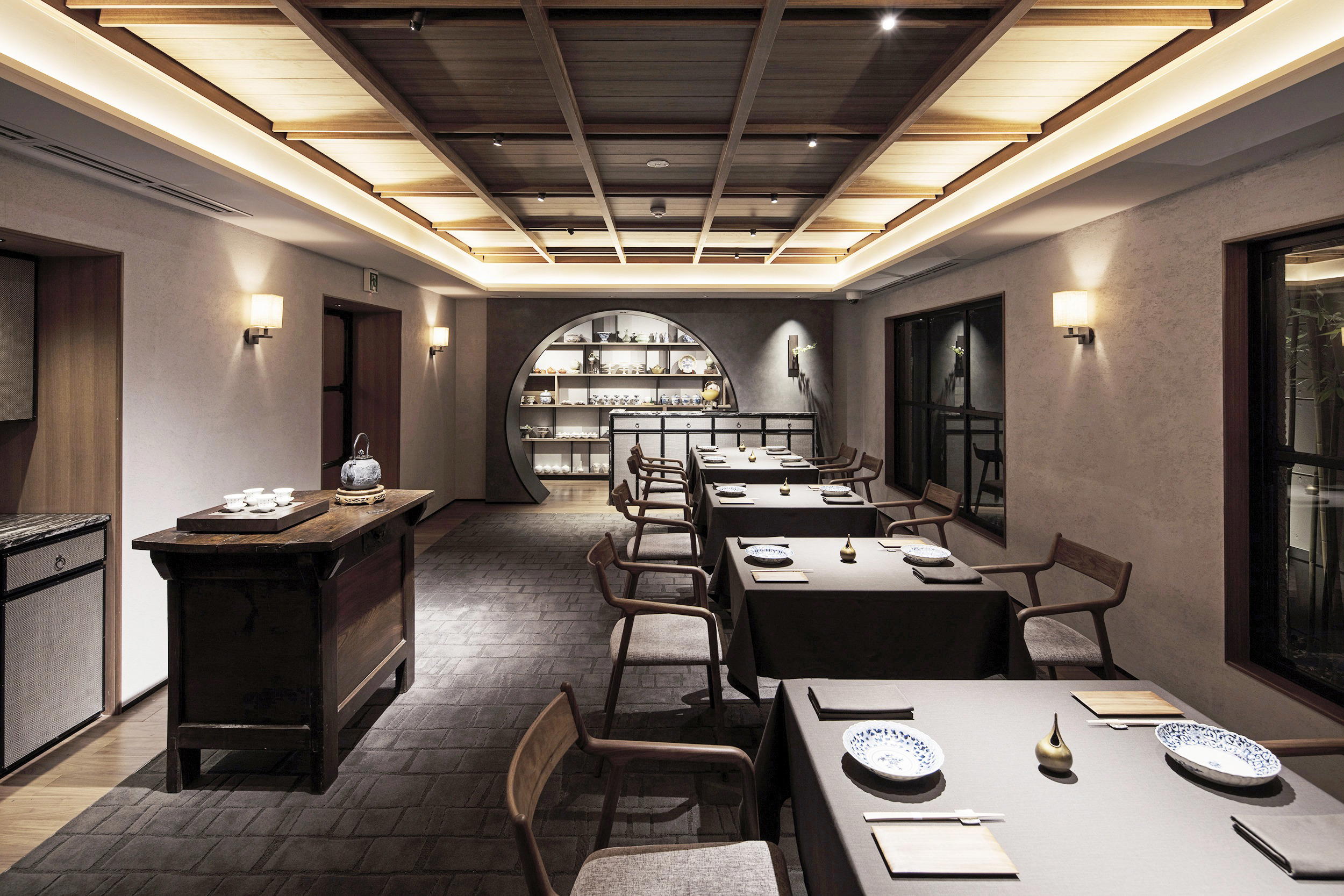
Located in Shibuya, 海花 occupies a tier of Tokyo dining where the booking process itself signals the seriousness of the kitchen. The restaurant sits in a neighbourhood better known for its commercial energy than its fine-dining density, which makes its presence here worth paying attention to. Confirmed details are limited, so prospective guests should approach planning the way Tokyo's most demanding restaurants require: early, methodically, and with flexibility built in.

Pearl is the En Primeur Club membership app, where members save venues, book tables and use the concierge.
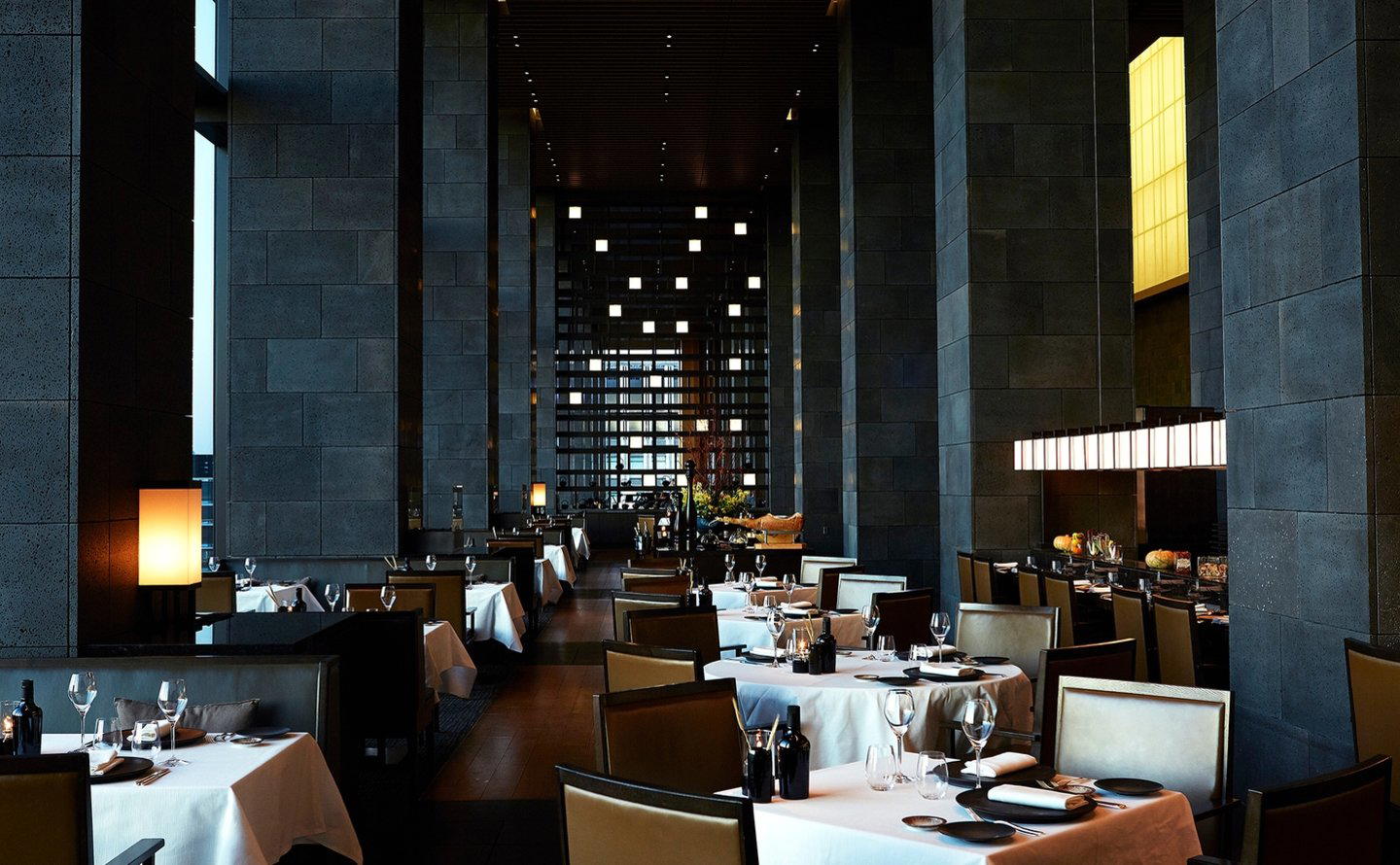
The menu
What to order
- Jellyfish salad
- Fried Kirishima chicken
- Mackerel
Shibuya is not where Tokyo's established fine-dining consensus tends to cluster. The neighbourhood's reputation is built on youth culture, transit volume, and commercial scale, which makes any serious restaurant operating from a Shibuya address an automatic point of interest. Neighbourhoods shape dining reputations gradually, and Shibuya's is still evolving beyond its more obvious identity. When a restaurant in that context generates the kind of quiet word-of-mouth that precedes confirmed critical recognition, the logistics of getting a table become the first real test of the experience.
The Booking Question
In Tokyo's upper tier of restaurants, a bracket that includes counters like Harutaka and RyuGin, the booking process has become its own form of editorial statement. Reservation windows, waitlist structures, and access protocols all communicate something about how a kitchen positions itself relative to demand. At 海花, the confirmed address places it in a quiet residential pocket of Shibuya's 2-chome district, removed from the main commercial drag in a way that is consistent with restaurants that rely on reputation over footfall.
That geographic positioning matters for planning. Tokyo's dining elite rarely relies on walk-in traffic. The city's most serious kitchens, from L'Effervescence in Nishi-Azabu to Sézanne in Nihonbashi, operate on advance reservation systems that can extend months out. This is not gatekeeping for its own sake; it reflects a production model in which ingredient sourcing, staffing, and pacing are calibrated against a known, fixed number of covers. Restaurants that commit to that model require guests to commit in equal measure.
Prospective visitors to 海花 should treat the booking process the way Tokyo's most demanding restaurant culture demands: begin early, use multiple contact channels if available, and treat flexibility on date and time as a meaningful advantage. Midweek sittings at comparable Shibuya-area restaurants tend to carry shorter lead times than Friday or Saturday, and this pattern holds broadly across Tokyo's tighter-capacity operations.
Shibuya's Fine-Dining Position Within Tokyo
Tokyo's fine-dining geography has a logic to it. Ginza, Nishi-Azabu, Minami-Aoyama, and Roppongi carry the heaviest concentration of Michelin-starred addresses. Shibuya sits adjacent to that cluster, close enough that serious kitchens can draw from the same pool of producers and suppliers, far enough that real estate economics allow for configurations that the most expensive postcodes make difficult. This positioning is not uncommon among the city's more considered newer openings, several of which have deliberately stepped back from the prestige-postcode arms race to operate from neighbourhoods with more narrative room.
That shift is visible elsewhere in Japan's fine-dining geography. HAJIME in Osaka and Gion Sasaki in Kyoto both demonstrate that address is not the primary variable in how seriously a kitchen is taken, consistency, access to produce, and the ability to sustain a clear point of view matter more. Outside the major cities, kitchens like akordu in Nara and Goh in Fukuoka have built credibility in contexts where the surrounding neighbourhood offers little in the way of fine-dining infrastructure. Location, in other words, has become the least reliable signal.
What to Know Before You Go
For context on price tier, the ¥¥¥¥ bracket at comparable Shibuya and wider Tokyo restaurants, including Crony and the counters mentioned above, typically begins at ¥20,000 per person for an omakase or set-menu format and extends well beyond ¥40,000 at the upper end. If 海花 operates in that competitive space, which its Shibuya-2-chome address and low public profile suggest is plausible, budget expectations should be set accordingly before making contact.
Dress code across Tokyo's upper-tier restaurants trends toward smart-casual as a minimum, with several kitchens expecting something closer to business formal for evening sittings. It is reasonable to err toward the more formal end of that range when visiting any serious Tokyo counter for the first time, particularly one where guest expectations are calibrated through direct booking rather than broad consumer-facing marketing.
For visitors planning a broader Tokyo itinerary, our full Tokyo restaurants guide maps the city's dining tiers across neighbourhoods and cuisine formats. Japan's regional dining scene extends well beyond Tokyo: Abon in Ashiya, affetto akita in Akita, Aji Arai in Oita, Ajidocoro in Yubari District, Akakichi in Imabari, and aki nagao in Sapporo each represent the kind of regional specificity that Tokyo's density can obscure. For international reference points operating at a comparable level of seriousness, Le Bernardin in New York City and Lazy Bear in San Francisco illustrate how the advance-reservation, set-format model translates across different culinary traditions.
Know Before You Go
- Address: 2-2-4, Shibuya 2-chome, Shibuya, Tokyo 150-0002, Japan
- Neighbourhood: Shibuya (residential pocket of 2-chome, away from the main commercial area)
- Phone / Website:full Tokyo restaurants guide, the operating assumption should be that a reservation is required, and that confirming availability in advance is non-negotiable.
Is 海花 suitable for international visitors who do not speak Japanese?
This is a practical concern at many of Tokyo's quieter, less internationally marketed restaurants. While 海花's language capabilities have not been confirmed, the restaurant's location in Shibuya, one of Tokyo's most internationally trafficked wards, suggests some degree of familiarity with non-Japanese guests is plausible. As a baseline approach for international visitors booking serious Tokyo restaurants without confirmed English-language support: using a hotel concierge as an intermediary for initial contact tends to resolve communication barriers at the booking stage. Restaurants in this category, including peers like L'Effervescence and Sézanne, typically accommodate international guests with varying degrees of English support once a reservation is in place.
Frequently asked questions
Where is 海月 in Tokyo?
海月 is located at Japan, 〒150-0002 Tokyo, Shibuya, 2 Chome−2−4 204, Tokyo.
What's the must-try dish at 海花?
Confirmed menu details for 海花 are not part of any public record at this time. Tokyo restaurants operating at the quieter end of the fine-dining spectrum in Shibuya typically run seasonal, chef-led formats where the kitchen decides the progression. The name 海花, meaning 'sea flower', points toward a seafood-oriented sensibility, though that should be treated as inference rather than confirmed fact until details surface.
Do they take walk-ins at 海月?
Reservations are recommended for 海月 in Tokyo. Confirm current policy via the venue's official channels.
Do they take walk-ins at 海花?
No walk-in policy has been confirmed for 海花. Restaurants at this address tier in Shibuya, particularly those without a public-facing website or listed phone number, almost universally operate by advance reservation only, often through personal referral or a Japanese-language booking channel. Arriving without a reservation carries a high risk of being turned away.
Cuisine Context
Comparable venues nearby, for context on price, style, and recognition.
| Venue | Cuisine | Price | Awards | Notes |
|---|---|---|---|---|
| 海月This venue (the venue you are viewing) | Seasonal Japanese Vegetable Cuisine | Not listed | Not listed | Not listed |
| Azabu Shokudo (麻布食堂) | Yoshoku Omurice | $20–30 | Tabelog 100 #77 | Nishiazabu |
| Chacha no Ma | Japanese tea room & cafe | $20–30 | Tabelog 100 #28 | Shibuya |
| Takenoshita Soba | Traditional Japanese Soba | $20–30 | Tabelog 100 #50 | Shibuya |
| Yakiniku Dori gg | Chicken-focused Yakiniku Izakaya | $30–50 | Tabelog 100 #52 | Shibuya |
| Hamburg Will | Japanese Hamburg steak & yoshoku | $30–50 | Tabelog 100 #29 | Shinjuku |