
Star Wine List
Our verdict
Dining 33 occupies the 33rd floor of Azabudai Hills' Mori JP Tower in Minato, Tokyo, and holds a White Star recognition from Star Wine List as of March 2025. The address alone positions it within one of the city's most architecturally significant recent developments, where altitude and urban scale define the dining environment as much as what arrives at the table.

Pearl is the En Primeur Club membership app — saves, bookings, and concierge access live there. Same editors, same standards.
- Address
- Japan, 〒106-0041 Tokyo, Minato City, Azabudai, 1 Chome−3−1 ヒルズ 森JPタワ 33階
- Phone
- +81 3-4232-5801
- Hours
- Daily 11 AM–3 PM, 6–11 PM
- Website
- dining33-hillshouse.jp
- Directions
- Get directions
- Booking
- Book on TableCheck
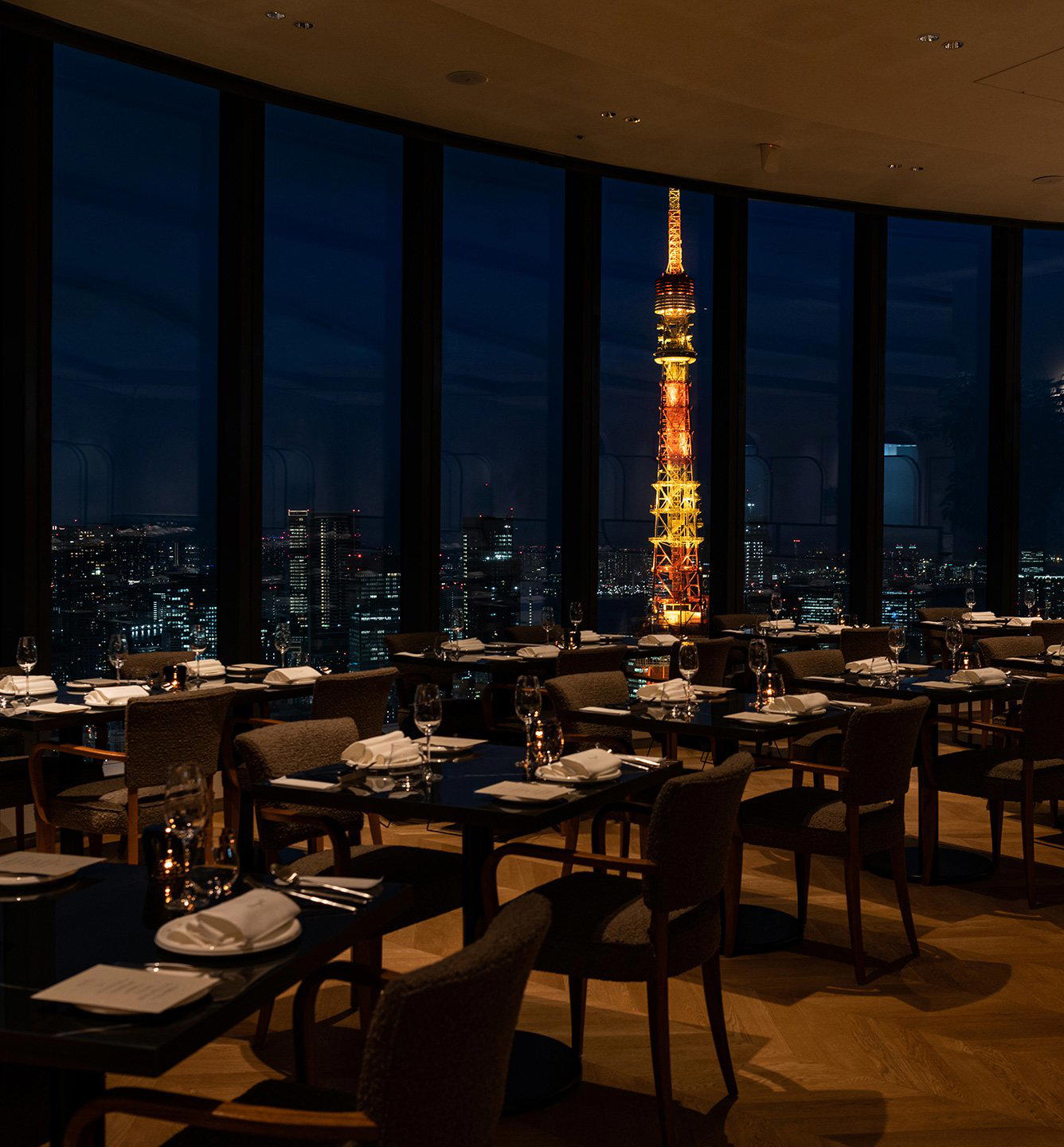
Thirty-Three Floors Above Azabudai
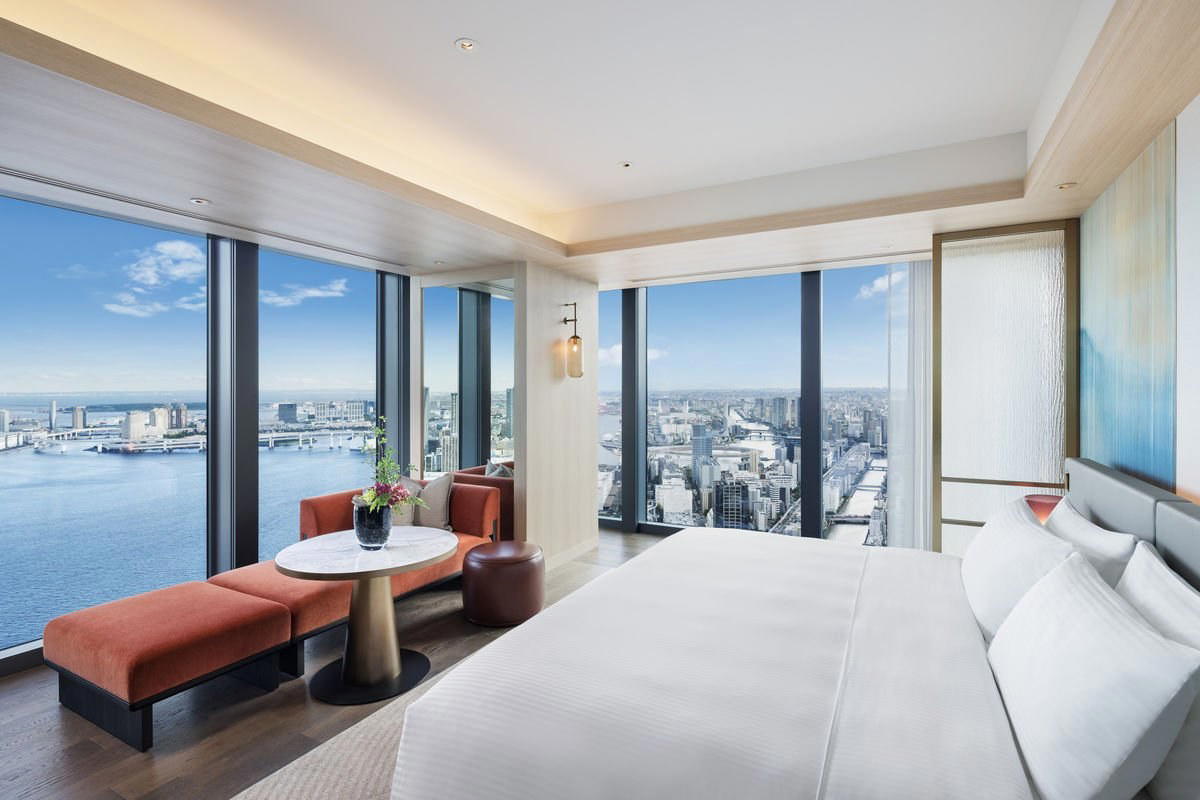
Tokyo's newest vertical dining tier has shifted east and south over the past two years, following the construction energy that transformed Azabudai Hills into the city's most-discussed mixed-use development. Mori JP Tower, the residential and commercial centrepiece of that project, rises sharply above the Minato ward roofline, and Dining 33 occupies its 33rd floor. The practical consequence of that position is a dining room with a commanding view over one of the city's most recently remade skylines — a context that few restaurants in any tier can currently match. At this altitude, the visual environment is part of the offer before a single course is served.
Azabudai itself sits in a part of Minato that bridges the older, tree-lined streets near Roppongi with the more corporate density of Toranomon. The neighbourhood has historically attracted embassies, long-stay international residents, and a premium dining cluster that includes some of the city's most-decorated tables. RyuGin, the three-Michelin-starred kaiseki address, operates in this broader zone, as does L'Effervescence, the French house that has maintained a sustained critical profile for over a decade. Dining 33 enters this geography at a moment when the area is adding new architectural weight through Azabudai Hills itself, which opened in late 2023 and immediately became a reference point for how Tokyo integrates premium retail, hospitality, and dining at scale.
The White Star Signal
Star Wine List, the international wine-focused publication, awarded Dining 33 a White Star recognition, published in March 2025. Within that system, the White Star designation indicates a wine programme of genuine quality and depth — not simply a list with expensive bottles, but one with editorial curation, range, and service coherence that satisfies a specialist audience. For a restaurant that opened or came to wider attention within a development as recent as Azabudai Hills, landing this recognition within its first meaningful trading period is a notable positioning signal.
Tokyo's top-tier dining scene has increasingly split between venues with deep wine programmes and those focused on sake, shochu, or spirit-forward pairings. The White Star places Dining 33 firmly in the wine-led cohort, which in Tokyo tends to attract an internationally oriented clientele alongside the city's own growing community of wine-engaged diners. For comparison, the wine programmes at venues like Sézanne and Crony have been central to those restaurants' identities and critical reputations. A White Star at this address suggests Dining 33 is building on the same logic: that for a certain diner, the glass is as important as the plate.
Height, Light, and the Sensory Premise
Premium dining at altitude operates by a specific logic. The view creates a sensory frame that shapes how food, drink, and conversation register. At 33 floors, the urban noise that defines ground-level Tokyo, traffic, crowds, the specific ambient hum of a city moving at pace, gives way to a quieter acoustic register. Natural light arrives without the compression of narrow streets below; the sky occupies a larger share of the visual field. In this sense, the dining environment at Dining 33 is structured around a contrast that the city itself makes possible: the density and energy of Tokyo rendered as panorama rather than immediate surround.
This kind of vertical dining has precedents across the city's premium tier, but the Azabudai Hills context adds a layer specific to this address. The tower is itself a design statement, Herzog and de Meuron contributed to the complex's architectural vision, and the materials, proportions, and finish quality within the development are calibrated to a global luxury register. Dining on the 33rd floor places a diner inside that register, where the building's ambition extends through to the hospitality experience.
How It Sits Among Tokyo's Current Field
Tokyo's premium restaurant field in 2025 is exceptionally deep. The Michelin Guide recognises more starred addresses here than in any other city globally, and the competition for a diner's discretionary spend is intense across every cuisine category. Within that field, Dining 33 occupies a position defined by two coordinates: its location inside a landmark new development, and its wine programme credentials from Star Wine List.
It is not directly comparable to a heritage omakase counter like Harutaka, where the intimacy of eight or ten seats and a lineage-driven format define the proposition. Nor does it sit in the same category as a kaiseki address operating within a decades-long critical tradition. What Dining 33 appears to offer is a more contemporary, view-led, wine-programme-anchored experience, a format that has found an audience in other major cities and is now finding its specific expression in Tokyo's newest architectural destination.
For visitors building a multi-day Tokyo itinerary, that distinction matters. Travellers already planning to visit addresses like L'Effervescence or RyuGin for their cuisine-driven credentials might consider Dining 33 as a different kind of evening, one where the architectural and visual context does more of the work, and the wine list provides the through-line.
Getting There and Planning Your Visit
Azabudai Hills' Mori JP Tower is accessible from Roppongi-itchome Station on the Nanboku line, or Kamiyacho Station on the Hibiya line, both within a short walk of the complex. The development itself has clear internal signage, though first-time visitors to a building of this scale should allow additional time to orient. Given the White Star recognition and the address's profile within a high-traffic development, reservations made well in advance are advisable, the combination of destination dining and a view-facing room creates consistent demand. Visiting on a clear evening maximises the visual impact of the 33rd-floor position; Tokyo's skyline at dusk, as city light begins to overtake natural light, provides the most dramatic version of what the room offers.
For a fuller picture of where Dining 33 sits within Tokyo's current dining field, our full Tokyo restaurants guide maps the city's premium tier across cuisine categories and price points. Travellers planning around the broader city can also reference our Tokyo hotels guide, our Tokyo bars guide, and our Tokyo experiences guide. Those extending travel into the Kansai region will find relevant comparison dining at HAJIME in Osaka and Gion Sasaki in Kyoto, while travellers curious about Japan's regional dining depth should consider akordu in Nara, Goh in Fukuoka, Bleston Court Yukawatan in Nagano, and giueme in Akita. For an international frame of reference on wine-programme-led dining at this level, Le Bernardin in New York and Emeril's in New Orleans offer instructive points of comparison. Tokyo's broader cultural and hospitality offer is covered in our wineries guide.
Frequently asked questions
Can I bring kids to Dining 33?
The venue's White Star recognition from Star Wine List signals a wine-forward, adult-oriented dining environment on the 33rd floor of Mori JP Tower in Azabudai. That kind of setting — altitude views, a curated drinks programme — typically skews toward adult guests. check the venue's official channels to confirm their policy before booking with children.
What should I expect atmosphere-wise at Dining 33?
Dining 33 occupies the 33rd floor of Azabudai Hills' Mori JP Tower, one of Tokyo's most architecturally significant recent developments in Minato City. At that elevation, the room's energy is shaped as much by the cityscape as by what's on the table. The White Star rating from Star Wine List, published March 2025, points to a programme where the drinks list carries serious curatorial weight alongside the food.
Is Dining 33 Michelin-listed?
Dining 33 has received recognition including: Dining 33 is a restaurant in Tokyo, Japan. It was published on Star Wine List on March 19, 2025 and is a White Star..
What's the best thing to order at Dining 33?
Ask the floor team for current pairings; that's where the venue's documented strength sits.
Where do I go for Dining 33?
Dining 33 is located at Japan, 〒106-0041 Tokyo, Minato City, Azabudai, 1 Chome−3−1 ヒルズ 森JPタワ 33階, Tokyo.
What's the best way to book Dining 33?
No direct booking link or phone number is listed in current published records for Dining 33. Given the address — 33rd floor, Mori JP Tower, 1-3-1 Azabudai, Minato City — the most reliable approach is to contact Azabudai Hills guest services or check the tower's official directory for current reservation channels.
What has Dining 33 built its reputation on?
The clearest credential on record is a White Star from Star Wine List, published March 2025 — a designation that recognises venues with wine lists meeting the publication's international editorial standards. Positioned on the 33rd floor of Mori JP Tower inside the Azabudai Hills development, the restaurant also benefits from one of Tokyo's most talked-about new addresses, a complex that reshaped the Minato City skyline when it opened.
Peers in This Market
Comparable venues nearby, for context on price, style, and recognition.
| Venue | Cuisine | Price | Awards | Notes |
|---|---|---|---|---|
| Dining 33This venue — the venue you are viewing | Modern French Grand Bistro | $150–200 | Star Wine List | Not listed |
| A New Trulve V | French Fine Dining | Not listed | Not listed | Shibuya |
| Cheval | Seasonal French with Japanese influences | $50–100 | Michelin Plate | Nihonbashi |
| クラージュ | Modern French with Japanese Ingredients | $100–150 | Michelin Plate | Minato |
| 玉笑 | Yoshoku French Bistro | Not listed | Not listed | Shibuya |
| L`Orangerie Koh-An | French Bistronomy | $100–150 | Relais Chateaux Award | Chiyoda |
Recognition history
Dated appearances from independent guides and award organizations, with the underlying list record or original source where available.
Star Wine List
Star Wine List






Dining 33
The wine
- Wine program
- Exceptional wine program
- Extensive wine list
- Sommelier-led
- Craft cocktails
Details
- Elegant
- Sophisticated
- Relaxed
- Date Night
- Business Dinner
- Special Occasion
- Panoramic View
- Private Dining
- Open Kitchen
- Extensive Wine List
- Craft Cocktails
- Sommelier Led
- Skyline
- A La Carte
- Prix Fixe
Current opening hours
- Monday
- 11 AM–3 PM, 6–11 PM
- Tuesday
- 11 AM–3 PM, 6–11 PM
- Wednesday
- 11 AM–3 PM, 6–11 PM
- Thursday
- 11 AM–3 PM, 6–11 PM
- Friday
- 11 AM–3 PM, 6–11 PM
- Saturday
- 11 AM–3 PM, 6–11 PM
- Sunday
- 11 AM–3 PM, 6–11 PM
Hours can change for holidays and private events. Last verified .
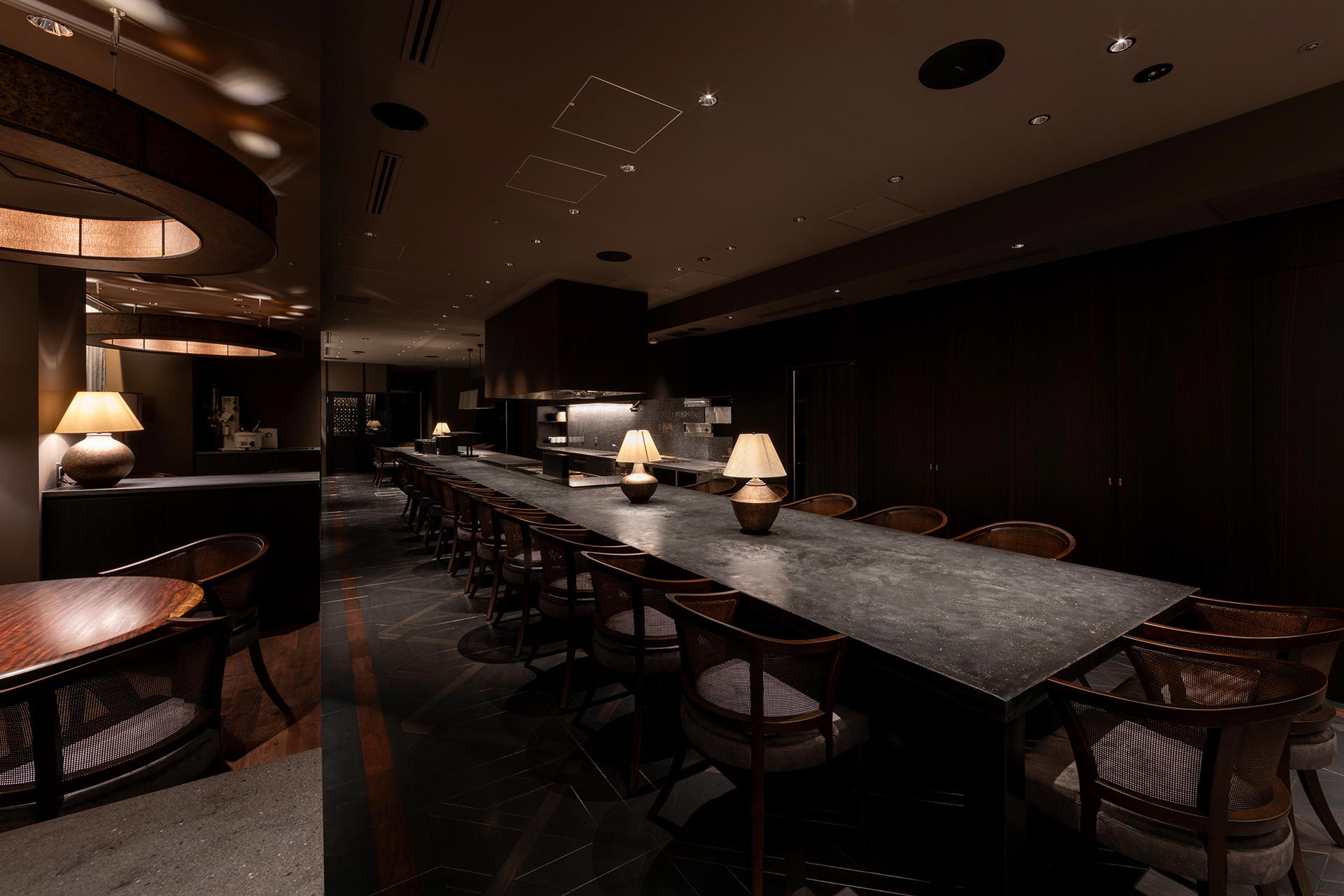
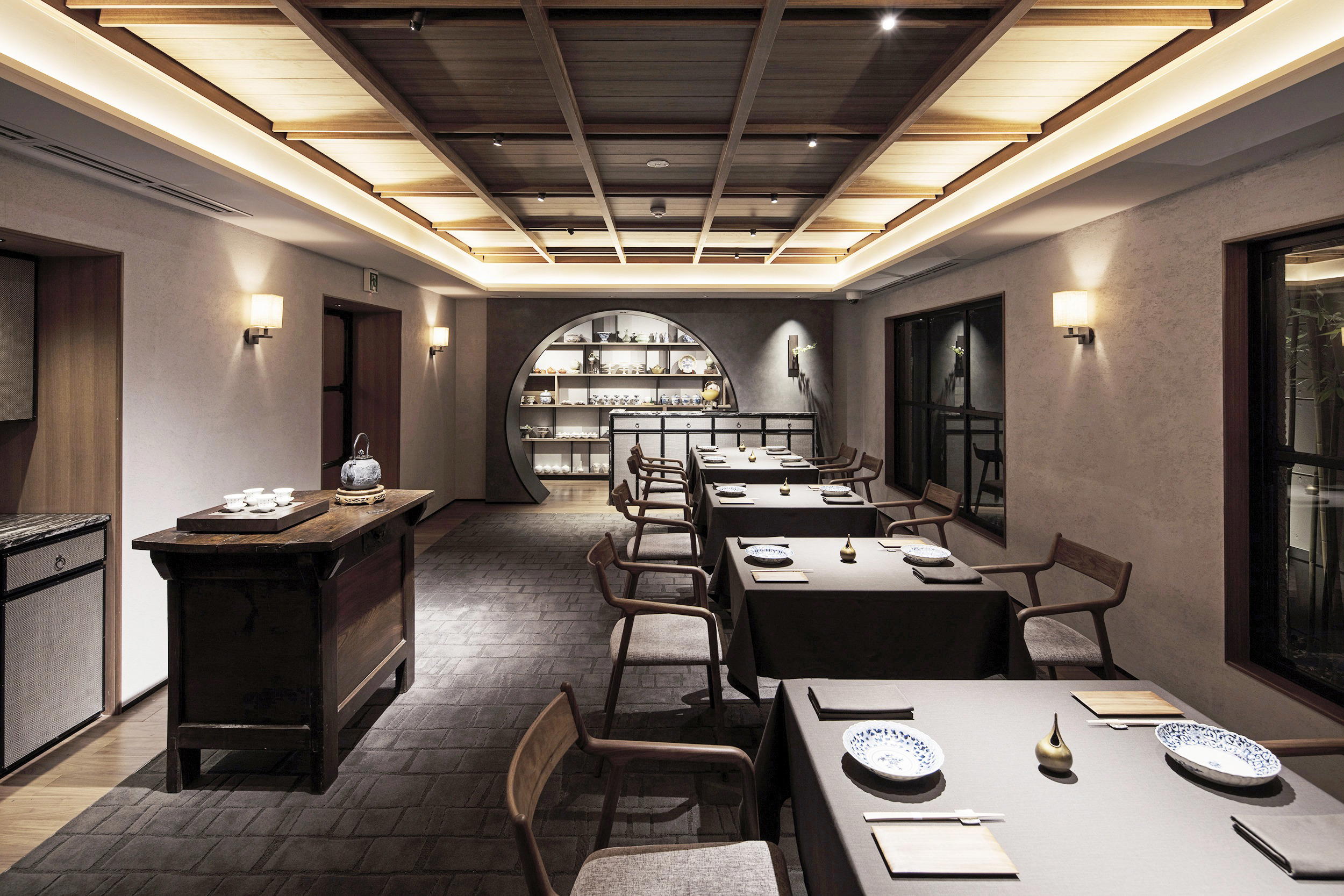
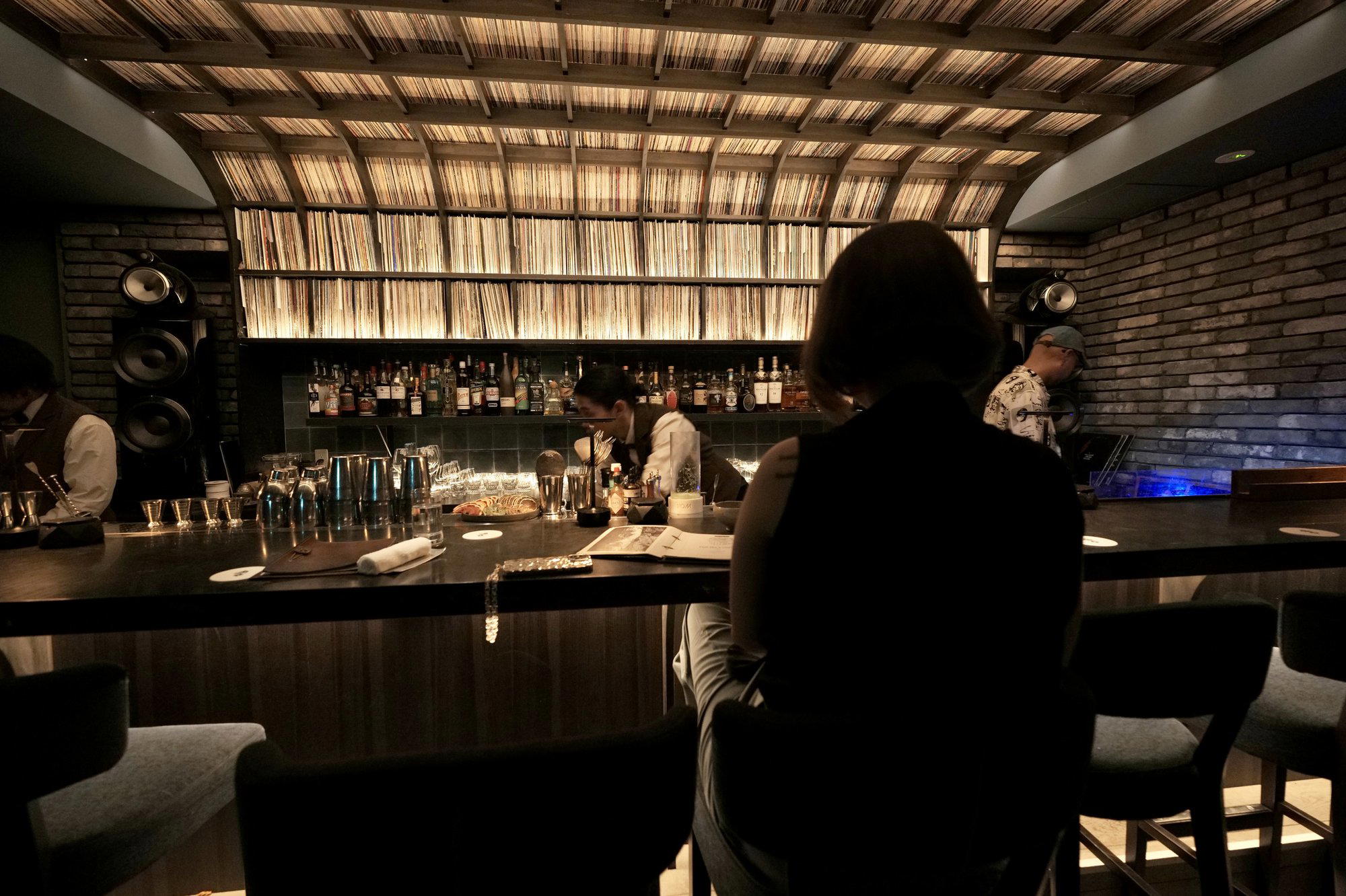
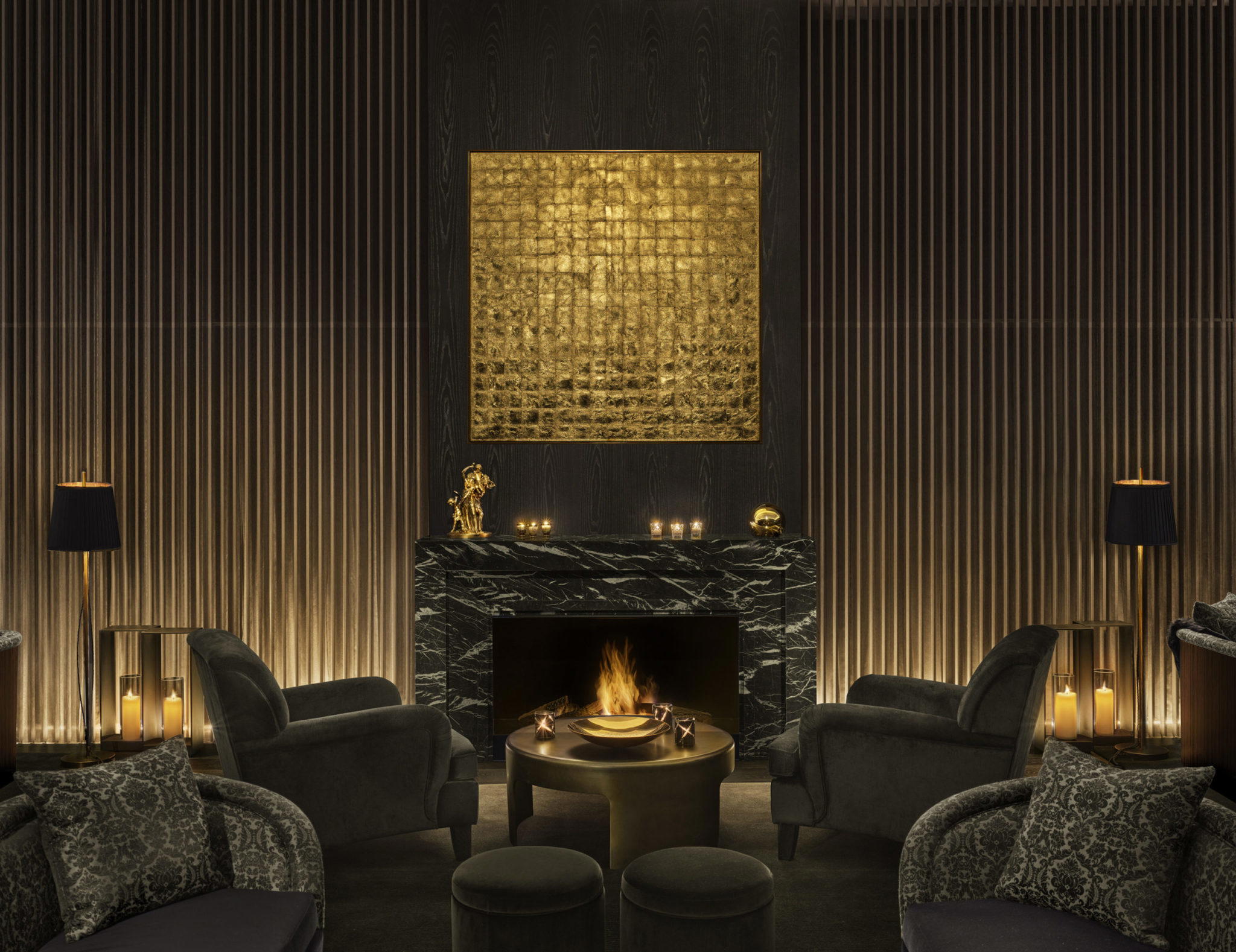
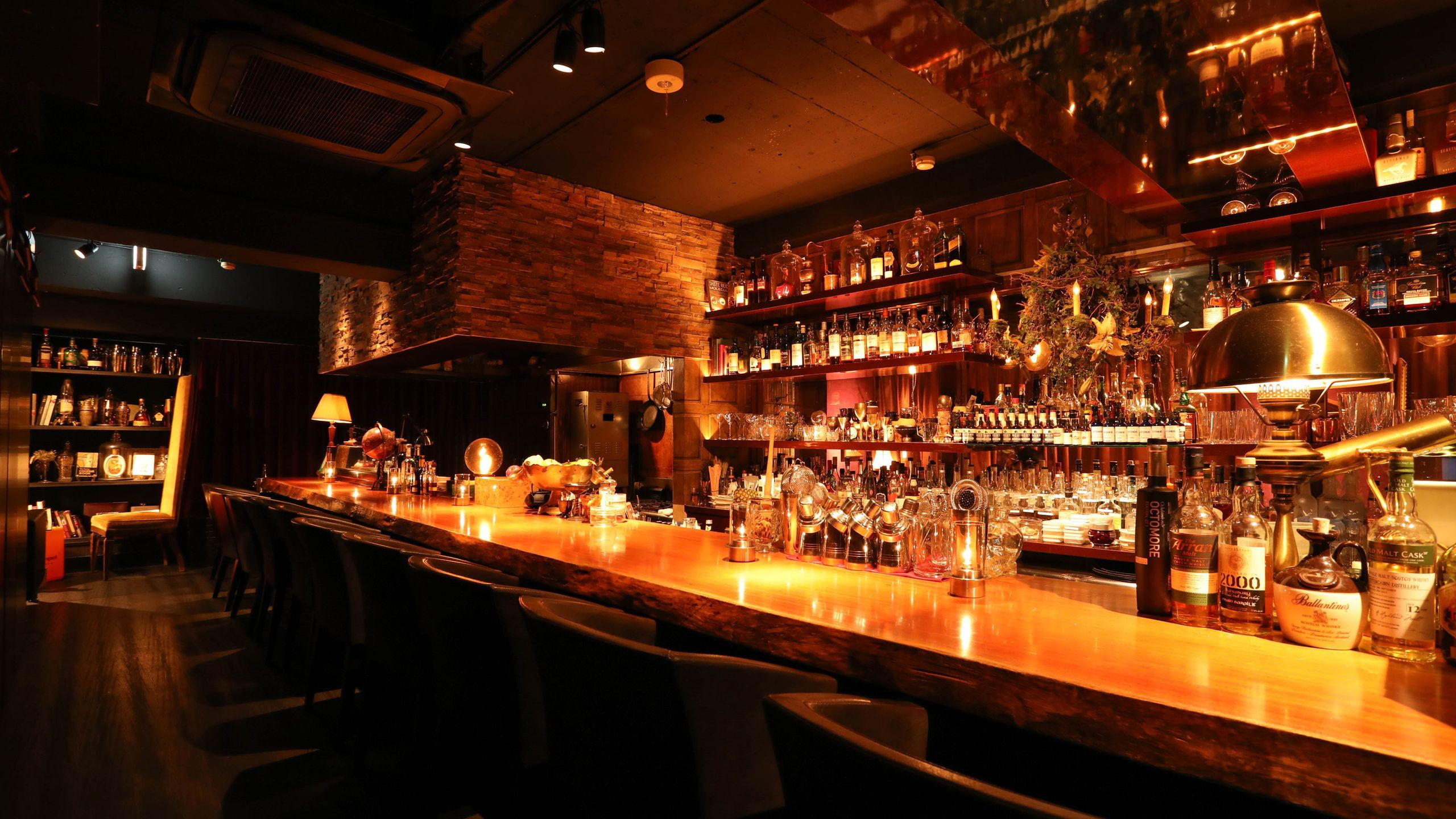
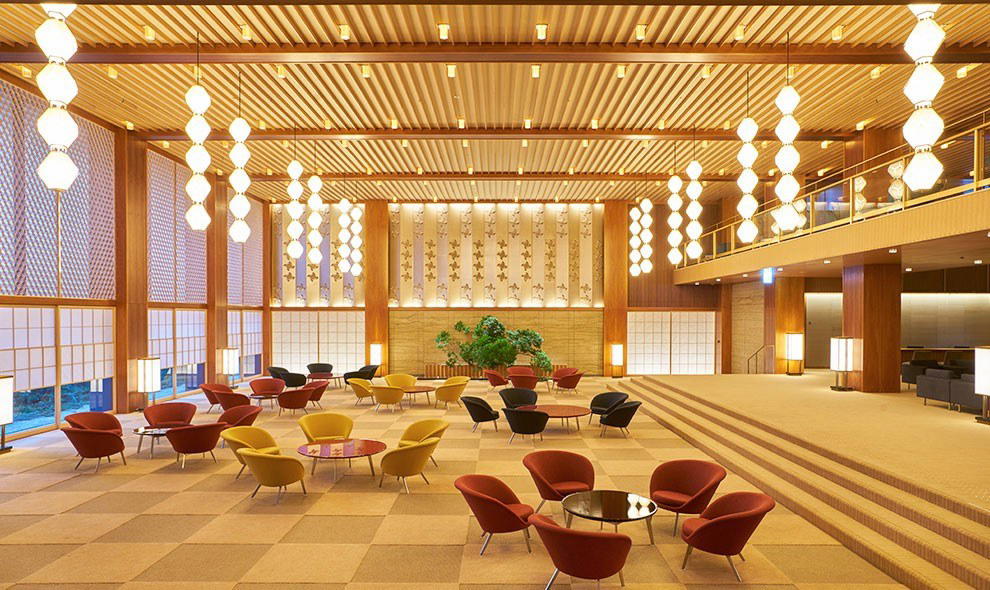
Stylish and relaxing high-floor space with beautiful city views, spacious seating, and a sophisticated atmosphere.