Located in Motoazabu, one of Tokyo's quieter residential pockets, 一平飯店 sits at an address that rewards those who seek it out. The venue operates in a neighbourhood where international influence and Japanese culinary discipline have long coexisted, making it a reference point for understanding how Tokyo's dining scene handles the tension between imported technique and local product.
Pearl is the En Primeur Club membership app — saves, bookings, and concierge access live there. Same editors, same standards.
- Address
- 元麻布3-12-41, 港区, 東京都, 106-0046
 Saves & bookings on Pearl
Motoazabu and the Quiet Geography of Tokyo Dining
Tokyo's most discussed restaurant addresses tend to cluster around Ginza, Roppongi Hills, or the backstreets of Minami-Aoyama. Motoazabu, by contrast, operates at a lower frequency. The neighbourhood at 元麻布3-12-41 in Minato-ku has long attracted embassies, long-term foreign residents, and the kind of restaurant that does not need foot traffic because its audience already knows where to find it. That geography matters. Restaurants in Motoazabu have historically benefited from a clientele comfortable with both Japanese culinary tradition and internationally trained palates, which shapes what kitchens in the area feel licensed to attempt. 一平飯店 occupies that address, and the surrounding context is not incidental to understanding it.
A Neighbourhood with International Wiring
The Motoazabu-Azabu corridor has been Tokyo's most internationally wired residential zone for decades, a condition that predates the current wave of globally trained Japanese chefs returning home from European kitchens. What that produces, at the restaurant level, is a particular kind of diner expectation: fluency in both washoku logic and the vocabulary of French or continental technique. Venues here do not need to explain themselves in either direction. The local reference class includes L'Effervescence, whose approach to French cooking through Japanese seasonal ingredients has set a template for how imported method and indigenous product can operate without one subordinating the other. Sézanne, a few kilometres north in Marunouchi, represents the same logic applied with even greater formal ambition.
That cross-pollination is not unique to Tokyo's postcard venues. It runs through mid-tier and neighbourhood-level restaurants too, which is where the more interesting calibration often happens. A kitchen working without the infrastructure of a large tasting-menu operation has to make sharper decisions about which techniques are worth importing and which local ingredients are resilient enough to carry the weight of those methods.
The Intersection of Imported Method and Local Product
Japan's broader culinary conversation in the 2010s and 2020s has increasingly focused on what happens when Japanese chefs trained in France, Spain, or Scandinavia return and begin working with domestic producers. The results have been uneven across the country: some kitchens produce a kind of legible fusion that satisfies without surprising; others identify a precise point of intersection where the technique genuinely clarifies something about the ingredient. The latter is the more demanding position to hold. It requires that the kitchen resist the pull of either tradition and instead find the specific problem that the imported method is better equipped to solve.
Restaurants in Japan's secondary cities have sometimes led this conversation. HAJIME in Osaka operates at the extreme end of this approach, applying rigorous contemporary technique to Japanese seasonal produce at a level that has attracted sustained Michelin attention. Gion Sasaki in Kyoto works the opposite angle, foregrounding kaiseki discipline while absorbing modern precision where it serves the form. akordu in Nara applies a European frame to ingredients sourced from the ancient agricultural networks of the Yamato region. Each represents a different solution to the same structural problem: how much transformation does a Japanese ingredient need before it becomes something else entirely?
Tokyo venues working at the high end of this register include RyuGin, where the kaiseki format absorbs contemporary technique at the level of temperature and texture rather than flavour profile, and Crony, which positions itself in the innovative-French tier and uses Japanese produce as a structural element rather than a garnish. Harutaka in Ginza demonstrates that even the most conservative forms, Edomae sushi, can absorb subtle technical refinement without losing their defining logic.
Placing 一平飯店 in Context
What the address at 元麻布3-12-41 does establish is a neighbourhood affiliation that carries its own signal. Motoazabu restaurants at this address are not operating in a high-traffic tourist corridor. They are serving a resident and repeat-visitor audience for whom the choice to return is itself the endorsement.
That pattern recurs across Japan's more considered dining addresses. Goh in Fukuoka operates in a city that does not require Michelin validation to sustain serious restaurant culture; its audience is local and loyal. The same dynamic applies to venues like 一本杉川嶋 in Nanao and 羽前屋 in Nishikawa Machi, where geographic remoteness filters out casual diners and leaves a reservation list built on genuine intent. In Tokyo, Motoazabu functions as a soft version of that filter: the neighbourhood does not announce itself, which means the restaurants that operate there are not relying on ambient footfall.
Internationally, the closest structural parallel might be venues like Atomix in New York City, which occupies a residential-adjacent address in Manhattan's Flatiron area and operates a Korean-inflected tasting menu that applies European format discipline to Korean ingredients and technique. Le Bernardin in New York represents the opposite end of the same axis: a venue so associated with a specific technique (French seafood preparation) that the address becomes secondary to the reputation.
Other regional reference points worth tracking for this editorial category include 古往今来 in Sapporo, 湖畔荘 in Takashima, Birdland in Sakai, and Bistro Ange in Toyohashi, each of which navigates the local-ingredient, imported-technique question under different regional constraints.
Planning a Visit
一平飯店 is located at 元麻布3-12-41, 港区, 東京都, 106-0046. The nearest major transit hub is Hiroo Station on the Hibiya Line, with the address reachable on foot or by short taxi ride. As with many Motoazabu addresses, walk-in access should not be assumed.
Where It Fits
Comparable venues nearby, for context on price, style, and recognition.
| Venue | Cuisine | Price | Awards | Notes |
|---|---|---|---|---|
| 一平飯店This venue — the venue you are viewing | Authentic Cantonese Cuisine | $$$ | , | |
| jiubar | Modern Chinese Bistro & Bar | $$$ | , | Shinjuku |
| Shinkirow | Omakase Sichuan Chinese | $$$ | , | Itabashi |
| Kohakukyu | Cantonese and Shanghainese Fine Dining | $$$ | , | Chiyoda |
| Chinese Sai Kan | Modern Neo Street Chinese | $$$ | , | Chūō |
| Cantonese en | Modern Cantonese for Beauty and Health | $$$ | , | Chiyoda |








At a Glance
- Intimate
- Elegant
- Minimalist
- Hidden Gem
- Date Night
- Special Occasion
- Business Dinner
- Chefs Counter
- Private Dining
- Open Kitchen
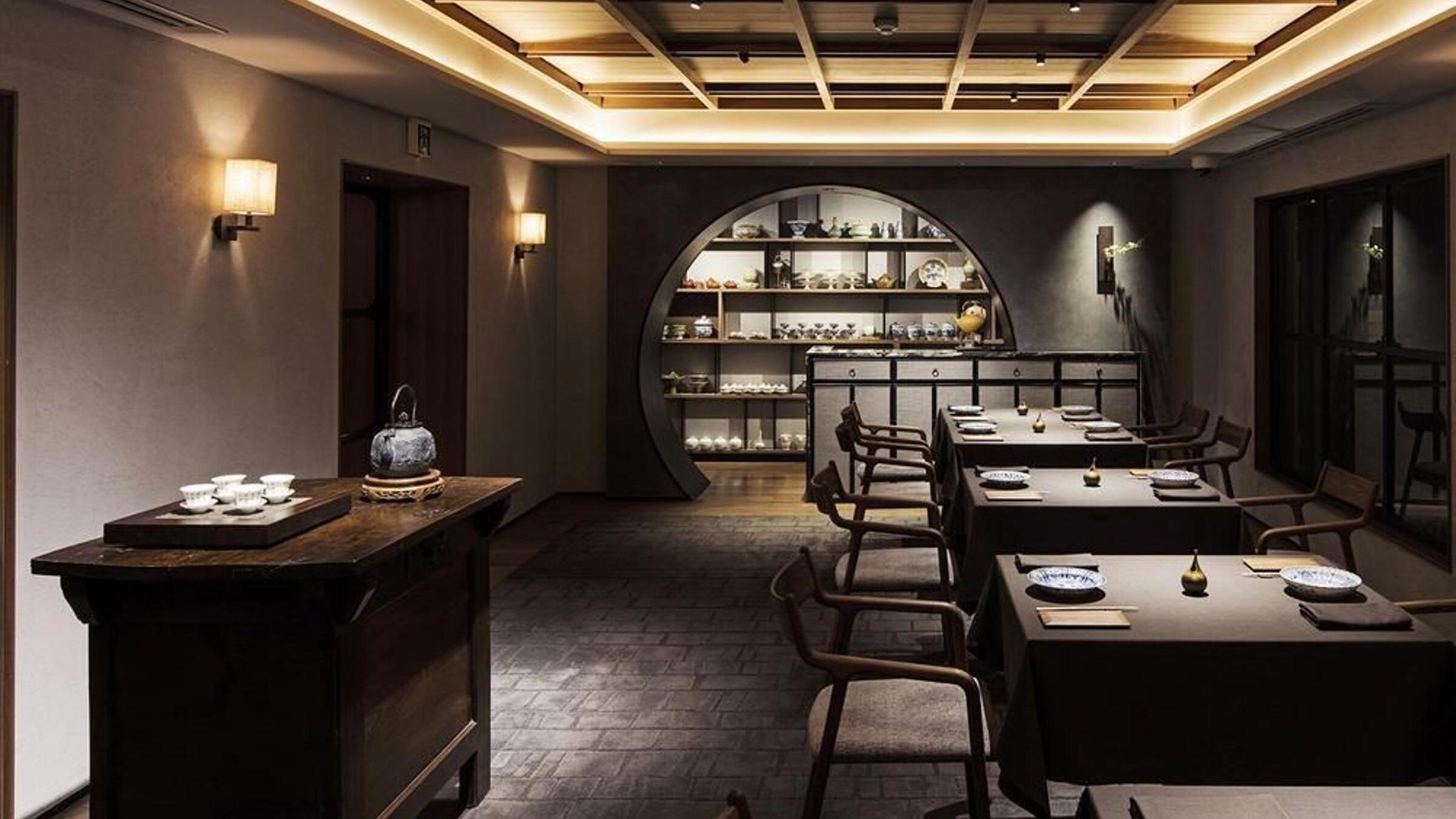
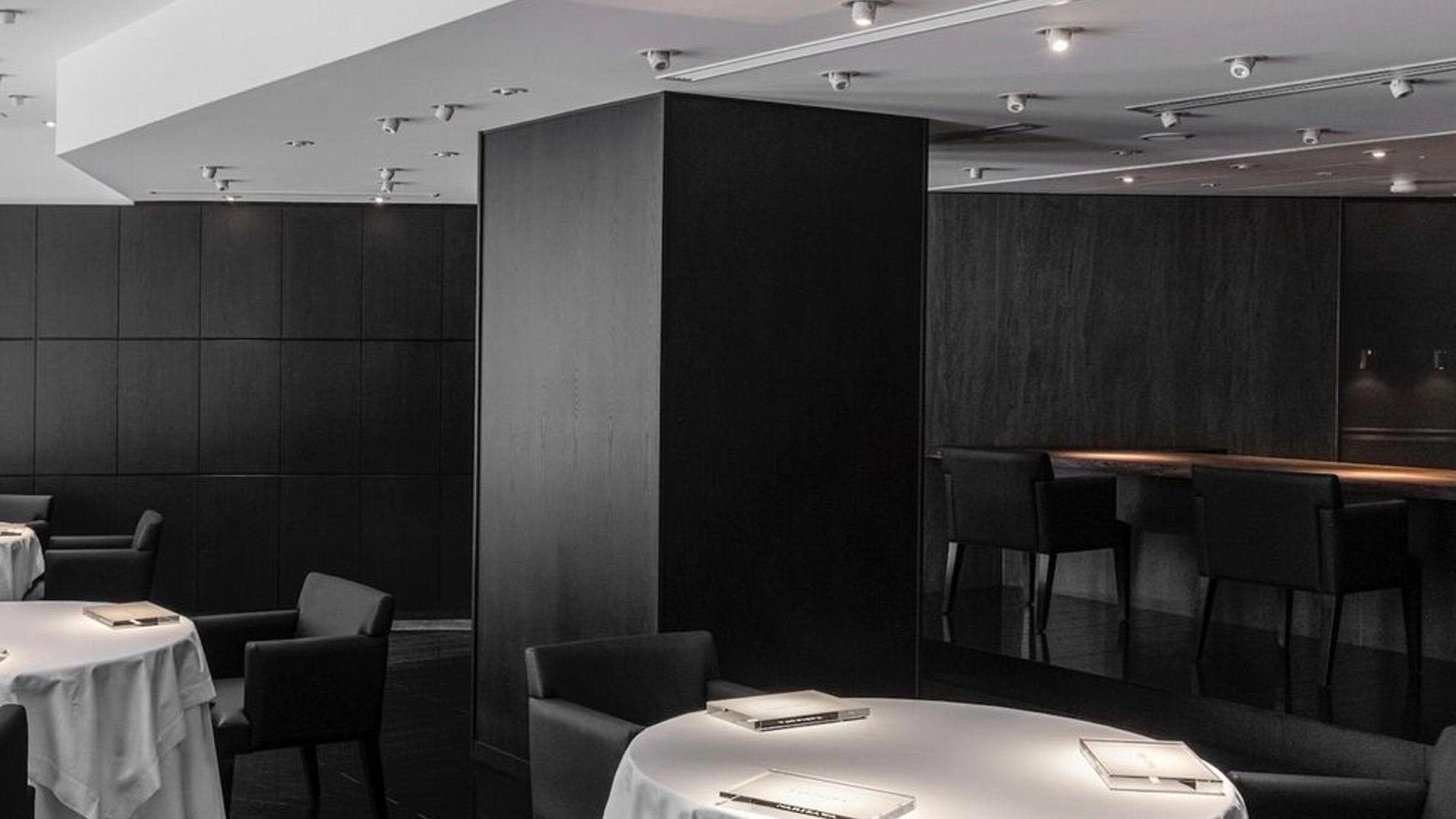
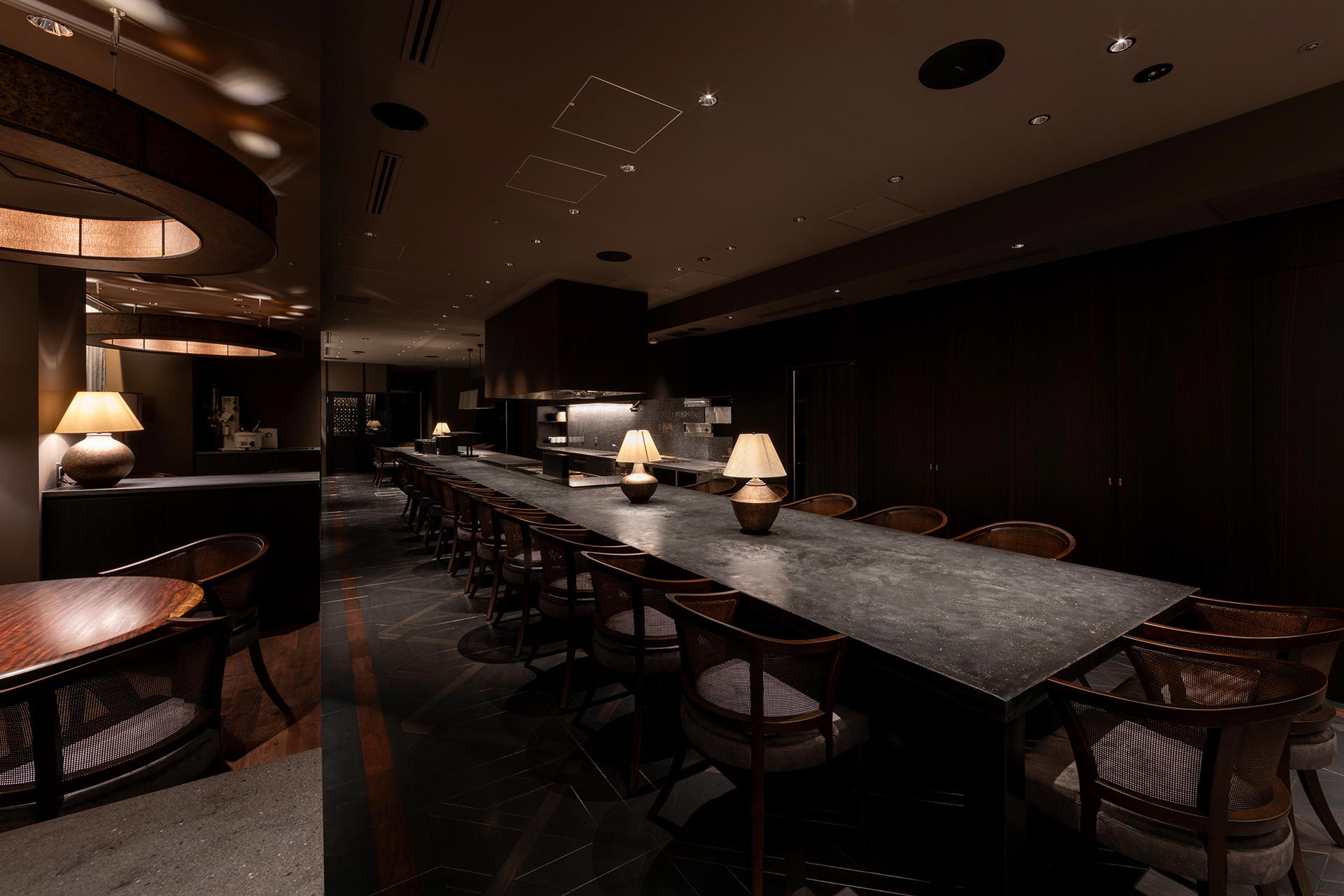
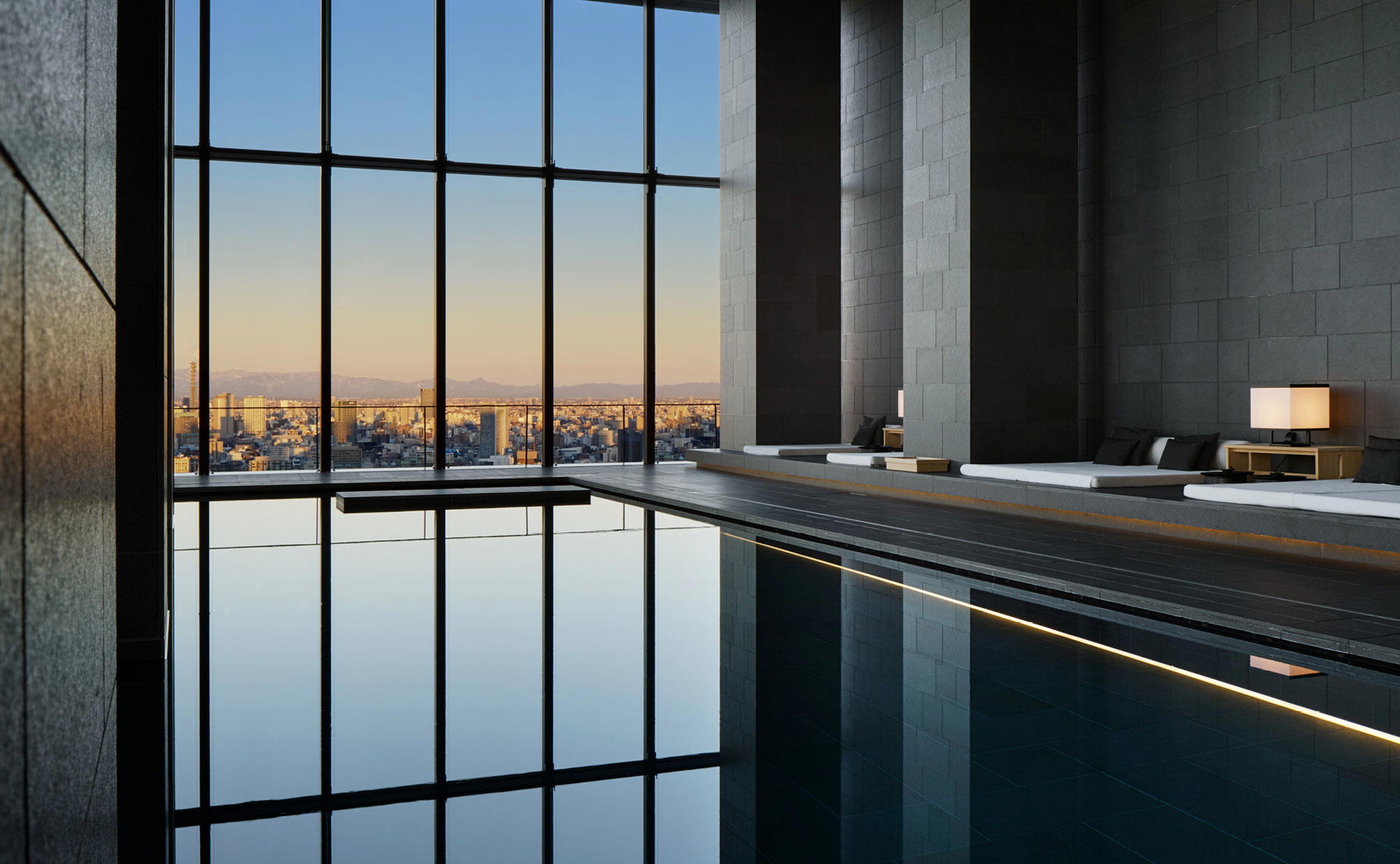
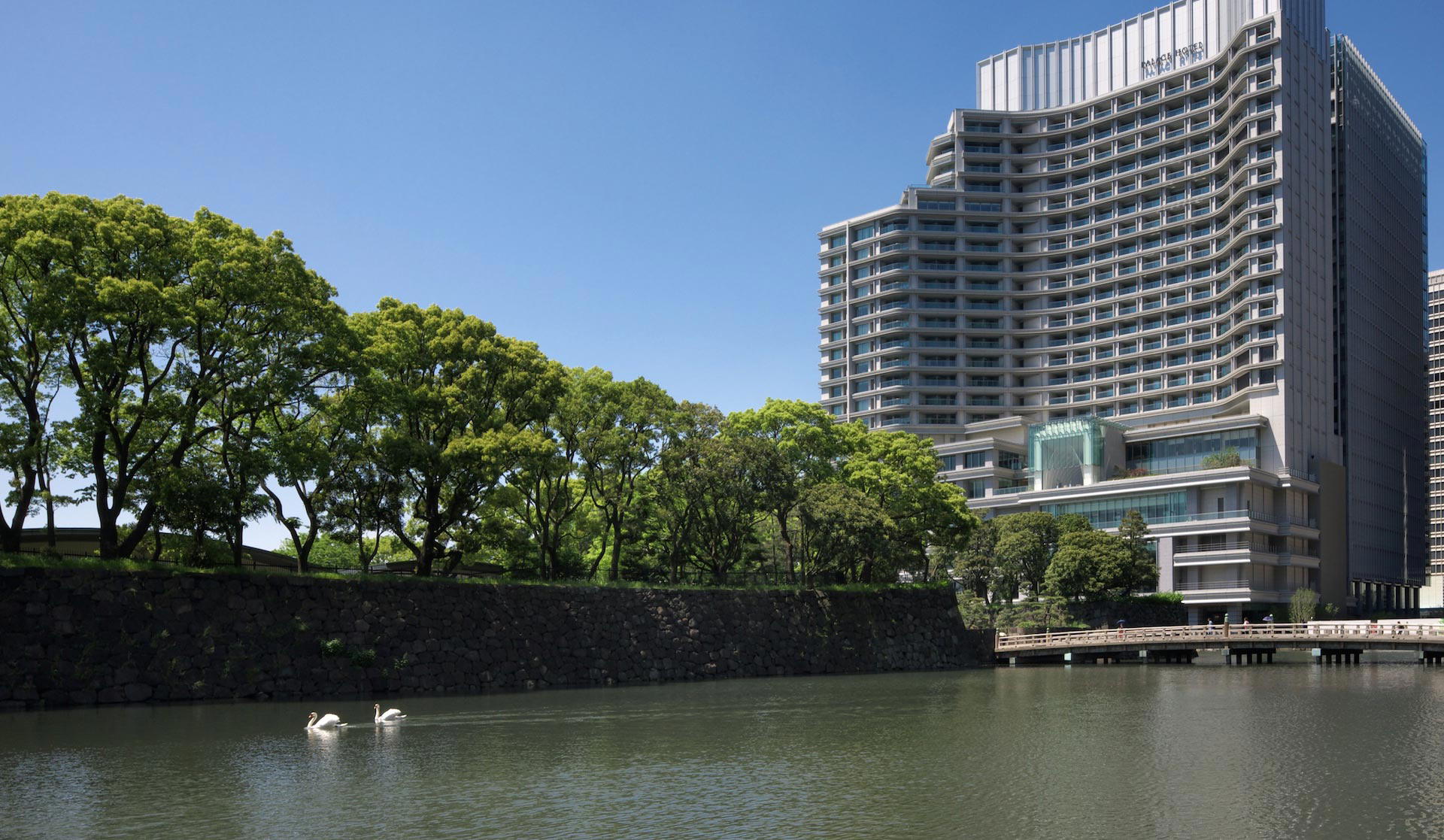
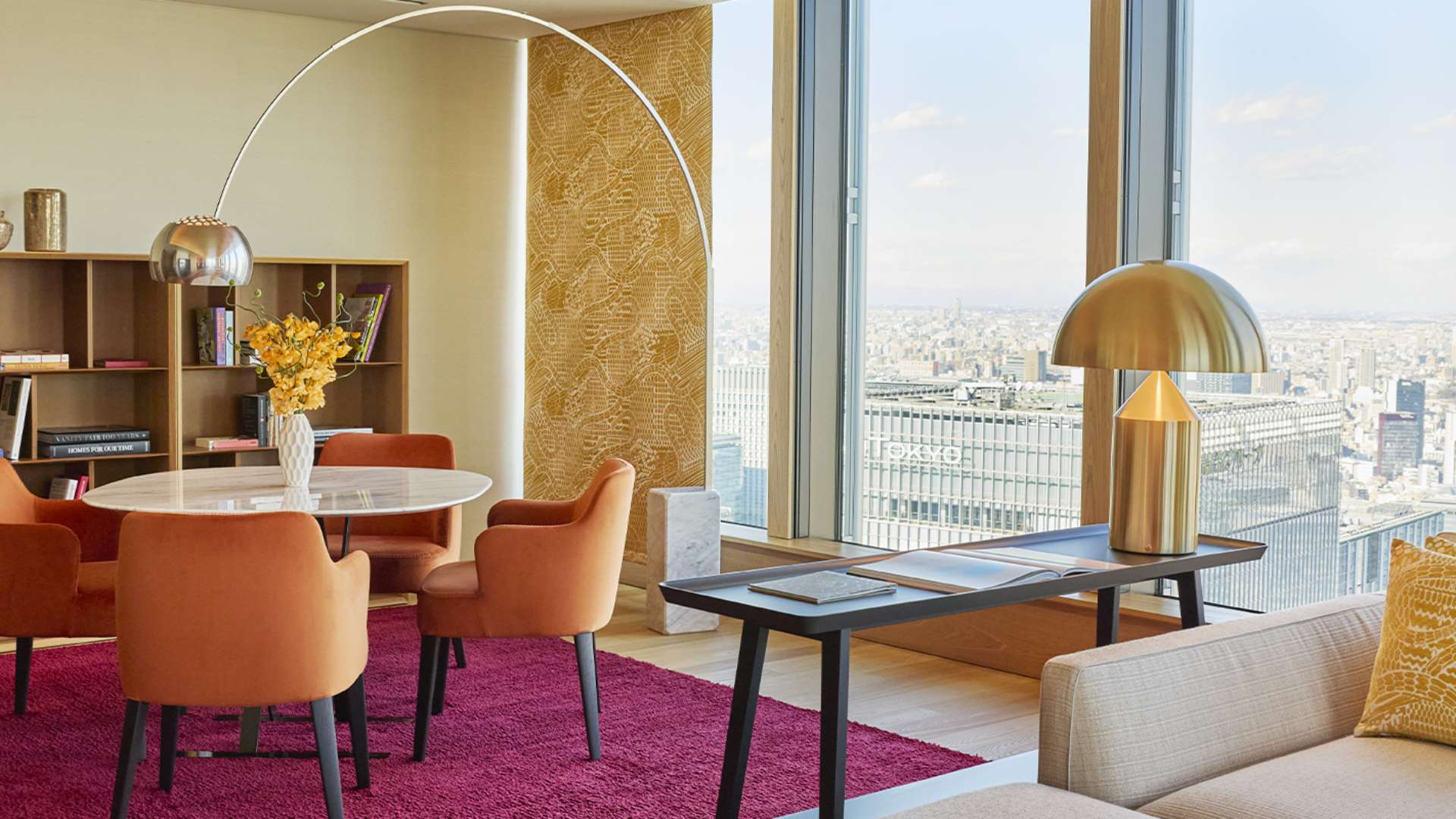
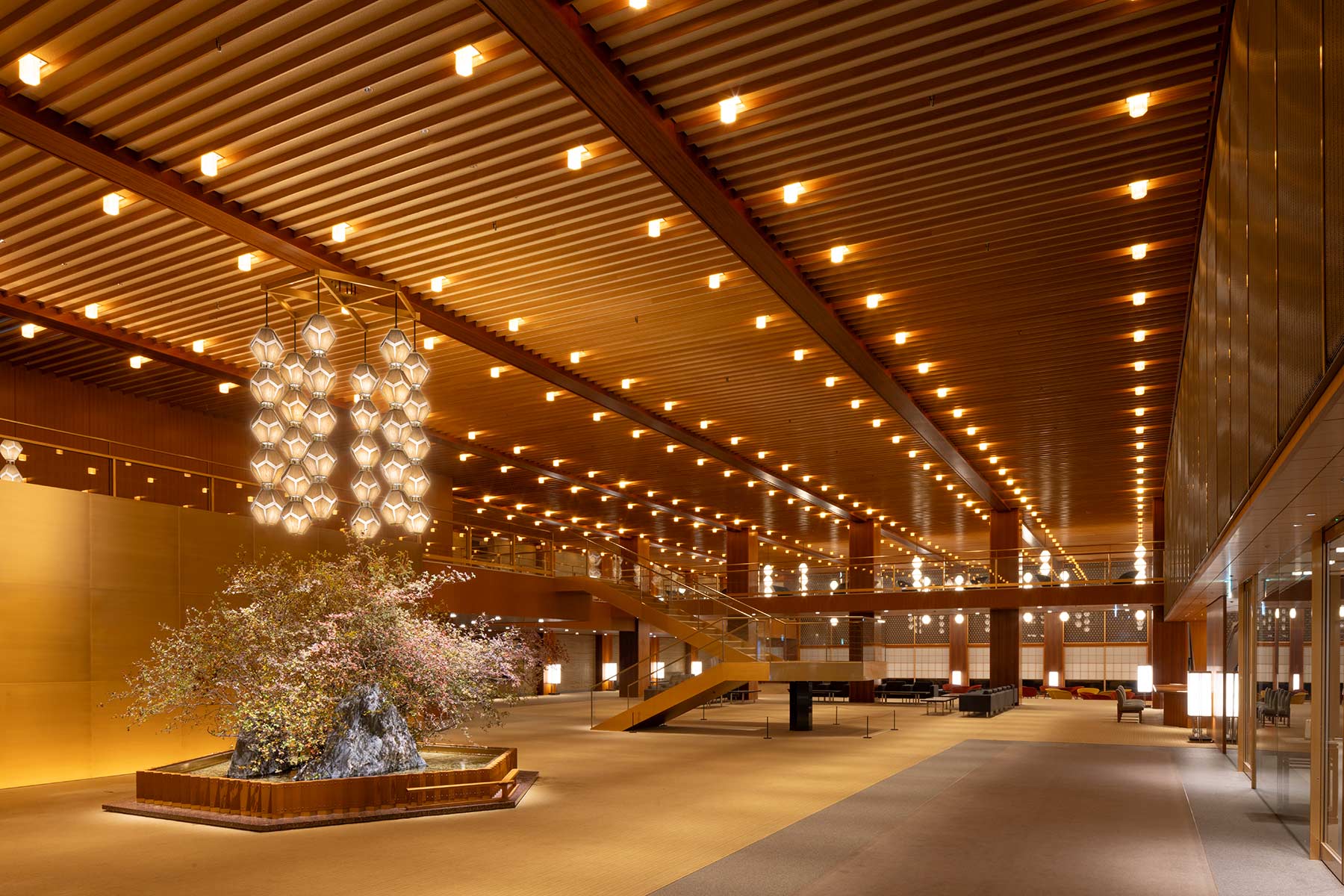
Minimalist and inviting with a pleasant exterior, tucked away in a quiet alley with a small sign and decorative goldfish bowl outside the wooden door, creating an intimate and refined dining atmosphere.