
jiubar brings Chinese cooking and bar-room pacing into Kagurazaka’s compact upstairs dining culture, where room design matters as much as category. Its Tabelog Chinese TOKYO 100 selections in 2023, 2024, and 2026 place it within a serious Tokyo Chinese conversation, while the 25-seat scale and drinks-led framing make it feel closer to a controlled evening room than a banquet restaurant.
Pearl is the En Primeur Club membership app — saves, bookings, and concierge access live there. Same editors, same standards.
- Address
- 東京都新宿区神楽坂2-12 神楽坂ビル 3F
- Phone
- +81362650846
- Website
- tabelog.com
 Saves & bookings on Pearl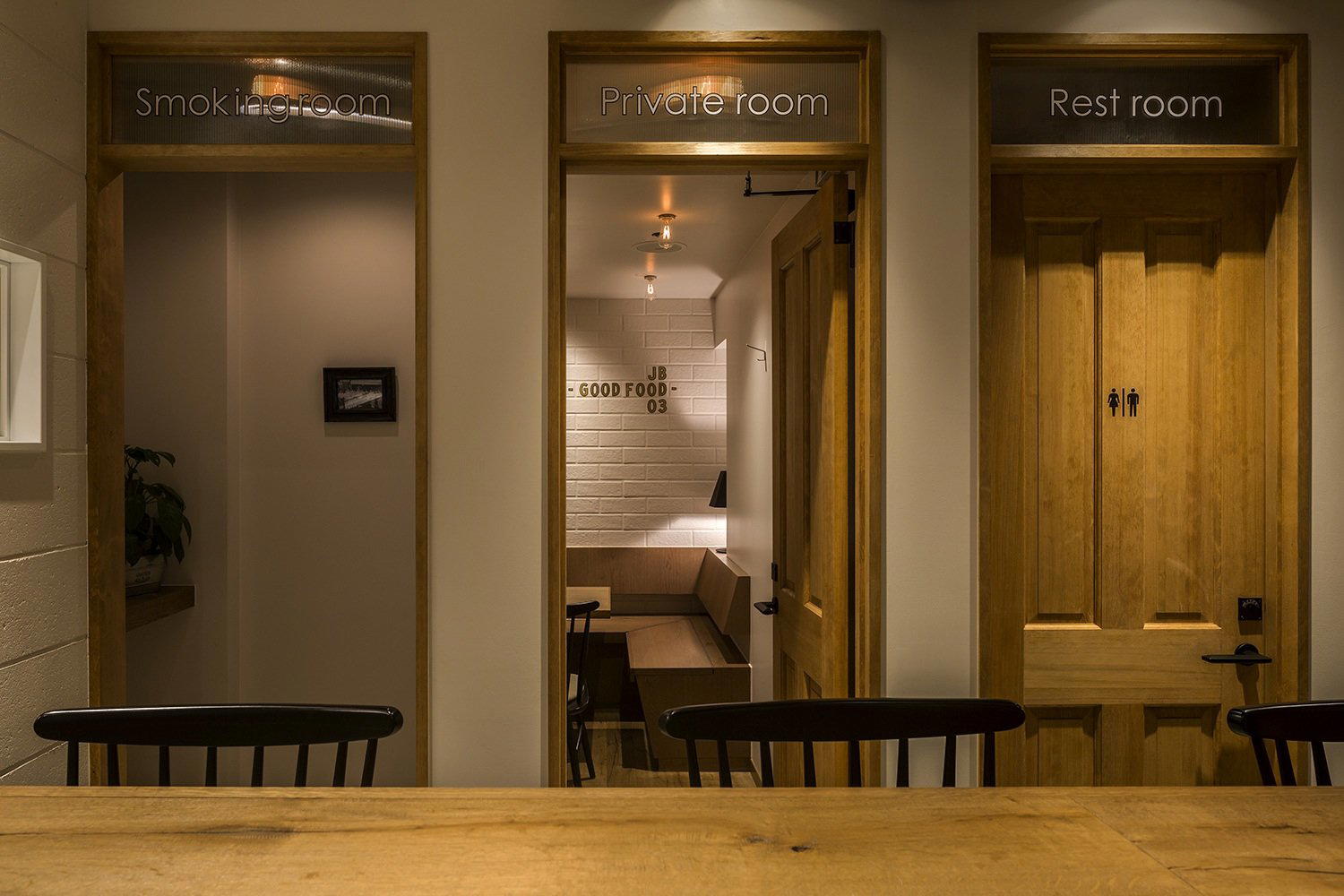
Kagurazaka rewards diners who look upward. Its stronger rooms often sit above street level, past stairwells, narrow landings, and building directories that make the neighbourhood feel less like a restaurant district than a set of private appointments. In that context, jiubar’s third-floor setting matters. Tokyo Chinese dining can sprawl into hotel formality or shrink to counter intimacy; here, the container is compact, bar-adjacent, and built for an evening driven by conversation as much as courses.
Read it not as a Chinese restaurant with drinks added, but as part of Tokyo’s small-format dinner culture, where categories blur. Chinese cooking in the city spans neighborhood gyoza shops, banquet rooms, Sichuan specialists, Shanghainese kitchens, hotel Cantonese, and chef-led tasting formats. The Chinese-and-bar pairing occupies a narrower band, giving dinner a tempo less ceremonial than high-luxury Chinese dining, more composed than a casual stir-fry counter, and well suited to Kagurazaka after dark.
A compact Chinese-and-bar room in Kagurazaka's upstairs dining circuit
Kagurazaka has always handled controlled scale well. Formerly associated with geisha houses and ryotei culture, it now mixes French bistros, Japanese counters, wine bars, yakitori, and small dining rooms behind discreet façades. That mix lets restaurants be specific. A 25-seat Chinese-and-bar room belongs naturally here because the area’s dining grammar is intimacy, not spectacle.
jiubar’s recognition on the Tabelog Chinese TOKYO 100 list in 2023, 2024, and 2026 is the key external signal. Tabelog’s Hyakumeiten lists are not Michelin-style star systems, but in Japan they carry practical weight by mapping categories through local user intensity and sustained attention. For Tokyo Chinese restaurants, repeat selection matters: the category is crowded, technically varied, and not limited to luxury rooms. This is notice earned not by size or hotel polish, but inside a competitive city field where specialists and neighborhood rooms sit beside formal addresses.
The design is functional. Banquet formats thrive on volume, round tables, shared platters, and visible abundance. A tighter bar-influenced room compresses that energy, suiting pairs, measured pacing, and drinking alongside food rather than after it. In Tokyo, dinner decisions often concern the night’s shape as much as cuisine: counter or table, long menu or flexible ordering, wine or cocktails, destination meal or neighbourhood second stop.
For contrast, Kagurazaka’s range can be read through 124. KAGURAZAKA (Yakitori), where the grammar is skewered, focused, and Japanese, while Shinjuku’s wider field includes urban formats such as 12/10 Shinjuku ten and visually driven cafés such as 2D Cafe. jiubar sits quieter: not spectacle-led, hotel-style luxury-coded, or pure counter ritual. The point is the hybrid room.
Where the drinks signal changes the meal
Tokyo is unusually good at restaurants that borrow from bar culture without becoming bars. The better versions do not treat cocktails or wine as decoration; they use drinks to loosen dinner’s structure. In a Chinese context, that matters. Chinese food in Japan is often sorted by occasion: quick lunch, family-style sharing, formal Cantonese service, or spice-driven specialist meal. A drinks-forward format shifts expectations from category correctness to evening rhythm.
That is why the “Chinese, Bar” classification does real editorial work. It signals a narrower, more adult room than a large casual Chinese restaurant, and a food program with enough identity to avoid reading as bar snacks. Wine and cocktails are part of the offer, placing jiubar inside a growing Tokyo pattern: compact restaurants for diners who want serious cooking without the full ceremony of a tasting-menu house.
The price band clarifies the competitive set, though the stronger comparison is structural rather than numerical. Masudaya in Tokyo sits in a nearby mid-evening bracket, EL BUEY pushes higher, and Kohaku belongs to a much more formal kaiseki frame. Agezuki points to a different casual-value conversation, while Jfree carries a French identity. None is a direct twin, but together they position jiubar: not luxury escalation or bargain hunting, but the meeting point of Chinese cooking, drinks, and date-night scale.
For a fuller Tokyo itinerary, think by district rather than cuisine alone. Akihabara can point to casual seafood-and-grill energy at . 鮪と炭火焼き うお炭 秋葉原店; curry specialists such as 3 Chome no Curry Ya San occupy another everyday Tokyo lane. Kagurazaka is better for evenings built on small rooms, side streets, and discretion. That is the frame for this address.
How to place it in a Tokyo night
The cleanest use case is an Iidabashi or Kagurazaka evening where dinner needs polish without stiffness. The room size argues against treating it as a fallback, and the awards history argues for planning rather than improvising. Repeat Tabelog Chinese TOKYO 100 recognition places it above a casual neighbourhood pick, while the bar dimension keeps it from feeling like a formal Chinese banquet.
The absence of an official website also changes planning. In Tokyo, many serious small restaurants are not built around English-forward digital presentation. That is not a flaw; it is part of the city’s dining culture. Confirm details before arranging the night, especially dietary restrictions, group size, and seating expectations. With private-room capacity listed for eight people and private use unavailable, read the room as intimate rather than corporate.
jiubar is not the answer for every Tokyo Chinese meal. Diners chasing large-format banquet service, a chef biography-driven tasting counter, or a heavily documented signature-dish experience should look elsewhere. Its appeal is architectural and social: a small upstairs room in a neighbourhood that understands discretion, using Chinese cooking and drinks to shape a compact evening. That combination earns it a serious Tokyo shortlist, especially for travelers who know the city’s interesting dinners often begin with a staircase.
For broader planning, start with Our full Tokyo restaurants guide, then cross-check drinking and lodging through Our full Tokyo bars guide and Our full Tokyo hotels guide. Travelers extending beyond Tokyo can compare regional dining formats through -Grilled beef Sukiyaki- KAMAKURA TANUKIAN 鎌倉 たぬき庵 in Kamakura,.cafe in Osaka,.know in Kumamoto, (Shoku) Vietnam in Kawasaki, [Curry Senmon Ten] Maruyama Kyoju. in Sapporo, and [ki:] in Kyoto. For non-restaurant context, keep Our full Tokyo wineries guide and Our full Tokyo experiences guide in view; for Japanese drinking culture abroad, Jōdo Saké Bar in Los Angeles and Onigiri Time in Pasadena offer a useful transpacific comparison.
Category Peers
Comparable venues to place this listing in its category.
| Venue | Cuisine | Price | Awards | Notes |
|---|---|---|---|---|
| jiubarThis venue — the venue you are viewing | Modern Chinese Bistro & Bar | $$$ | , | |
| 一平飯店 | Authentic Cantonese Cuisine | $$$ | , | Azabu Juban |
| 桃仙閣 東京 | Traditional Japanese-Style Chinese | $$$ | , | Roppongi |
| 赤坂 四川飯店 | Classic Sichuan Chinese | $$$ | , | Akasaka / Nagatacho |
| Shangri-La's secret ROPPONGI | Yunnan Mushroom Hot Pot | $$$ | , | Minato |
| Kapo Choryumon | Modern Cantonese & Dim Sum in Ginza Six | $$$ | , | Chūō |








At a Glance
- Trendy
- Cozy
- Hidden Gem
- Modern
- Intimate
- Date Night
- After Work
- Casual Hangout
- Group Dining
- Special Occasion
- Late Night
- Private Dining
- Standalone
- Design Destination
- Craft Cocktails
A small, stylish and relaxing hideout on the 3rd floor of a Kagurazaka building, with a bar-like Chinese bistro feel that is lively and energetic yet cozy and intimate, making it popular for dates and evening drinks with food.