
Chinese Sai Kan places Cantonese cooking in Shinkawa rather than the usual Ginza or Roppongi orbit, which changes the tempo: smaller room, sharper neighbourhood focus, and a drinks program that gives Shaoxing wine real weight. Its selection for Tabelog 100 Chinese cuisine Tokyo 2026 puts it in a serious citywide conversation, while the format remains compact enough to feel closer to a local counter than a formal banquet room.
Pearl is the En Primeur Club membership app — saves, bookings, and concierge access live there. Same editors, same standards.
- Address
- 2 Chome-18-4 Shinkawa, Chuo City, Tokyo 104-0033, Japan
- Phone
- +81 3-6435-4850
- Website
- chinese-restaurant-kan.tokyo
 Saves & bookings on Pearl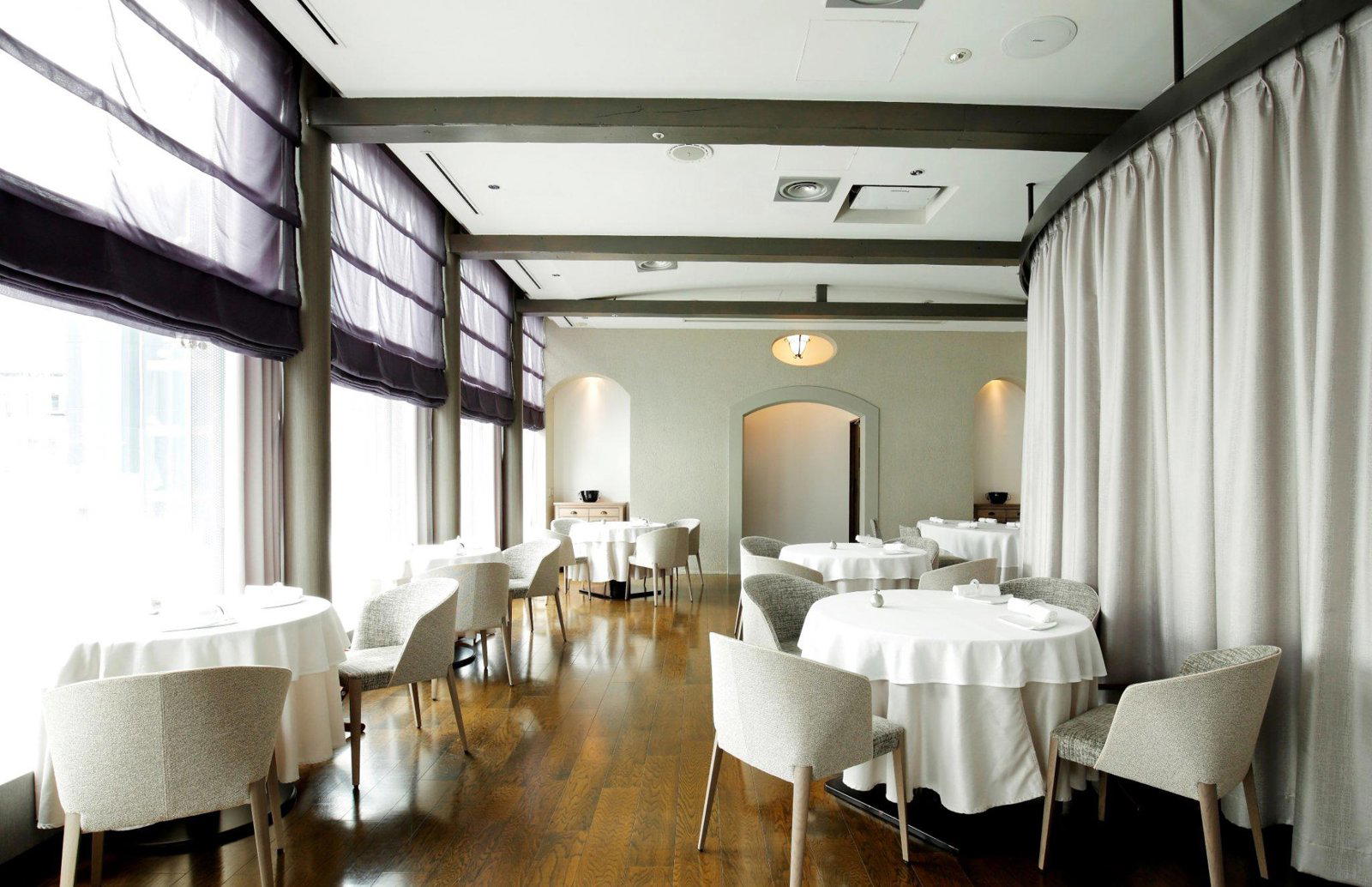
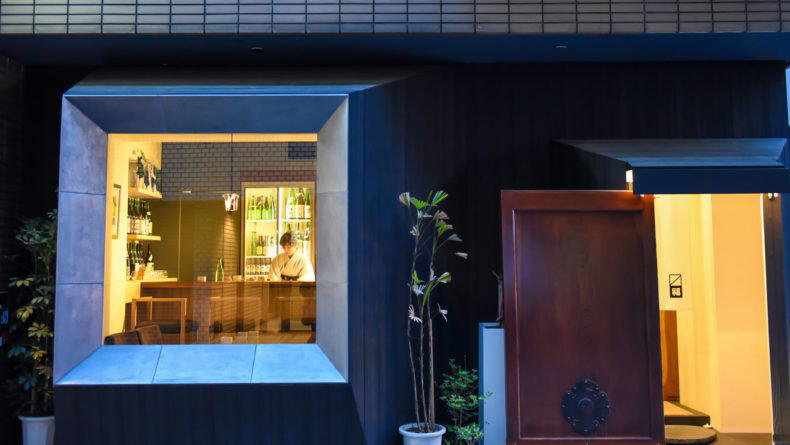
Shinkawa has a different register from the dining corridors that dominate Tokyo’s Chinese conversation. East of Tokyo Station, the streets thin into office blocks, apartment entrances and low-key evening foot traffic, so a small Chinese room reads less as theatre than deliberate retreat from louder restaurant districts. Chinese Sai Kan fits that geography: compact, polished, built around Cantonese roast traditions, fish-led cooking and a drinks list that gives Shaoxing wine and Huangjiu a clear role rather than treating them as afterthoughts.
Tokyo’s Chinese dining scene splits into separate worlds: high-volume neighborhood counters, hotel Cantonese rooms, Sichuan specialists, modern tasting-menu addresses and hybrid wine-led restaurants. Shinkawa’s contribution is quieter but useful, close to Chuo’s business spine without adopting hotel dining-room formality. For travelers, the point is not only Chinese food in Tokyo, but where Tokyo now allows serious Chinese cooking to happen beyond prestige addresses with larger rooms and heavier ceremony.
Shinkawa gives Cantonese roast cooking a smaller Tokyo frame
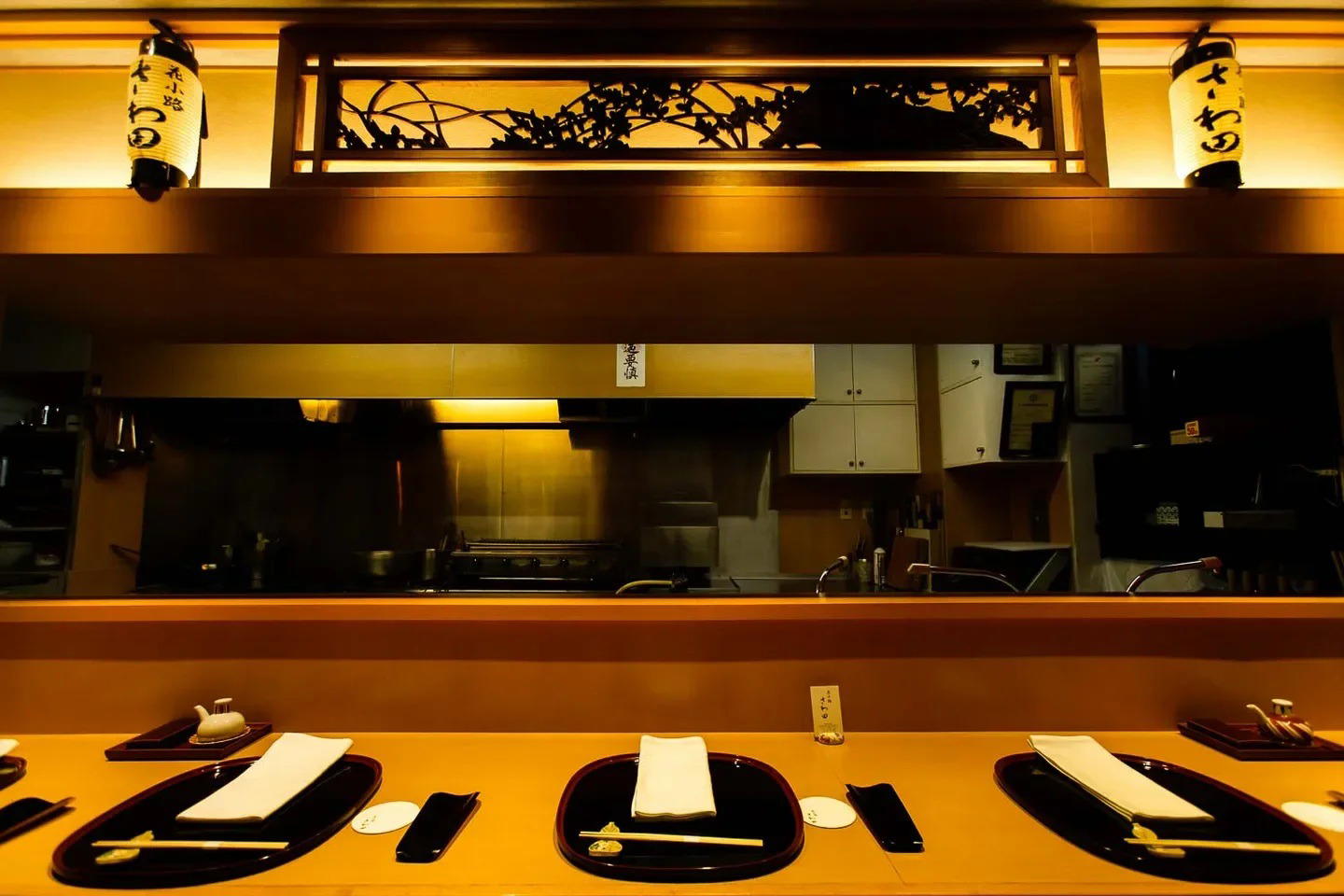
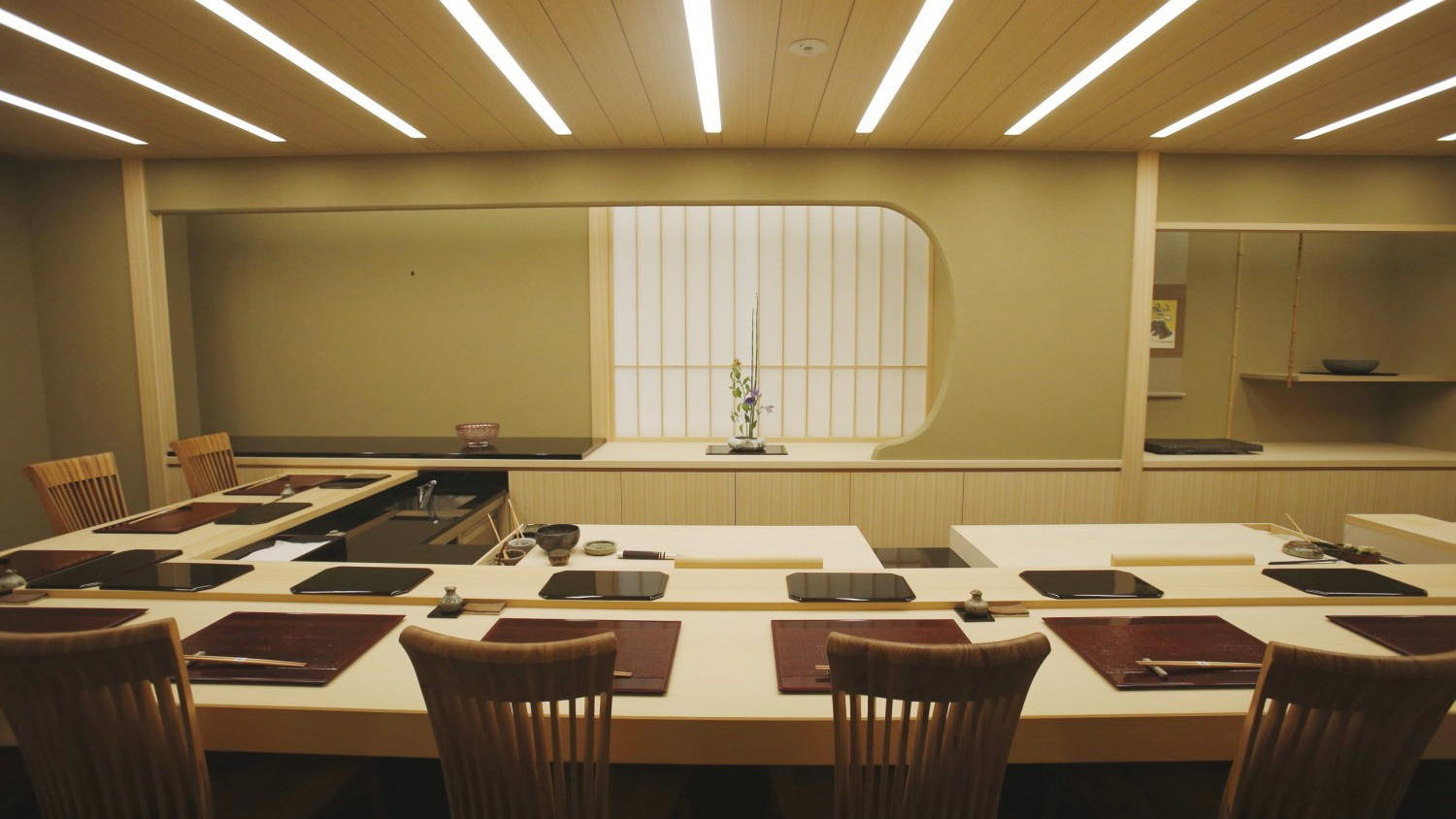
Cantonese roast dishes carry different expectations from spice-forward Chinese formats: heat management, skin, lacquer, carving, seasoning and the way rice wine frames richer roasted flavors. Chinese Sai Kan’s public positioning around Cantonese roasted dishes and Shaoxing wine places it inside that lineage, while the Tokyo setting narrows the scale. The room lists 12 seats, split between counter seating and tables, pushing the meal closer to a small-format restaurant than a banquet model.
That scale changes the decision. This is not the obvious choice for a large celebratory Chinese meal with round tables and a long procession of shared plates. It is better read as a focused Chuo address for diners who want Cantonese technique in a controlled room, with enough structure for business dining and enough informality for families. The semi-private-room option reinforces that middle ground: more discreet than an open counter, less ceremonial than a private dining salon.
The 2026 Tabelog 100 selection for Chinese cuisine in Tokyo is the clearest external signal. Tabelog’s Hyakumeiten lists tend to reward category specialists with strong local followings, and a place in the Chinese Tokyo list puts the restaurant in a tighter field than a generic “good restaurant” label. The listed score of 3.70 also matters in Tokyo, where scores above the mid-3s can indicate sustained user confidence rather than transient attention. These are not substitutes for taste, but useful filters in a city where Chinese restaurants range from lunch-only neighborhood staples to destination tasting rooms.
The drink logic is rice wine first, not wine as decoration
Many Tokyo restaurants now describe themselves through wine, but Chinese dining has its own drinking grammar. Shaoxing wine and Huangjiu sit naturally with roasted meats, seafood, soy, smoke and fermented notes; treated seriously, they create a different rhythm from the sommelier-led French or Italian model. Chinese Sai Kan’s emphasis on imported Shaoxing wine, Huangjiu, wine and shochu points to several beverage entry points rather than one prestige lane.
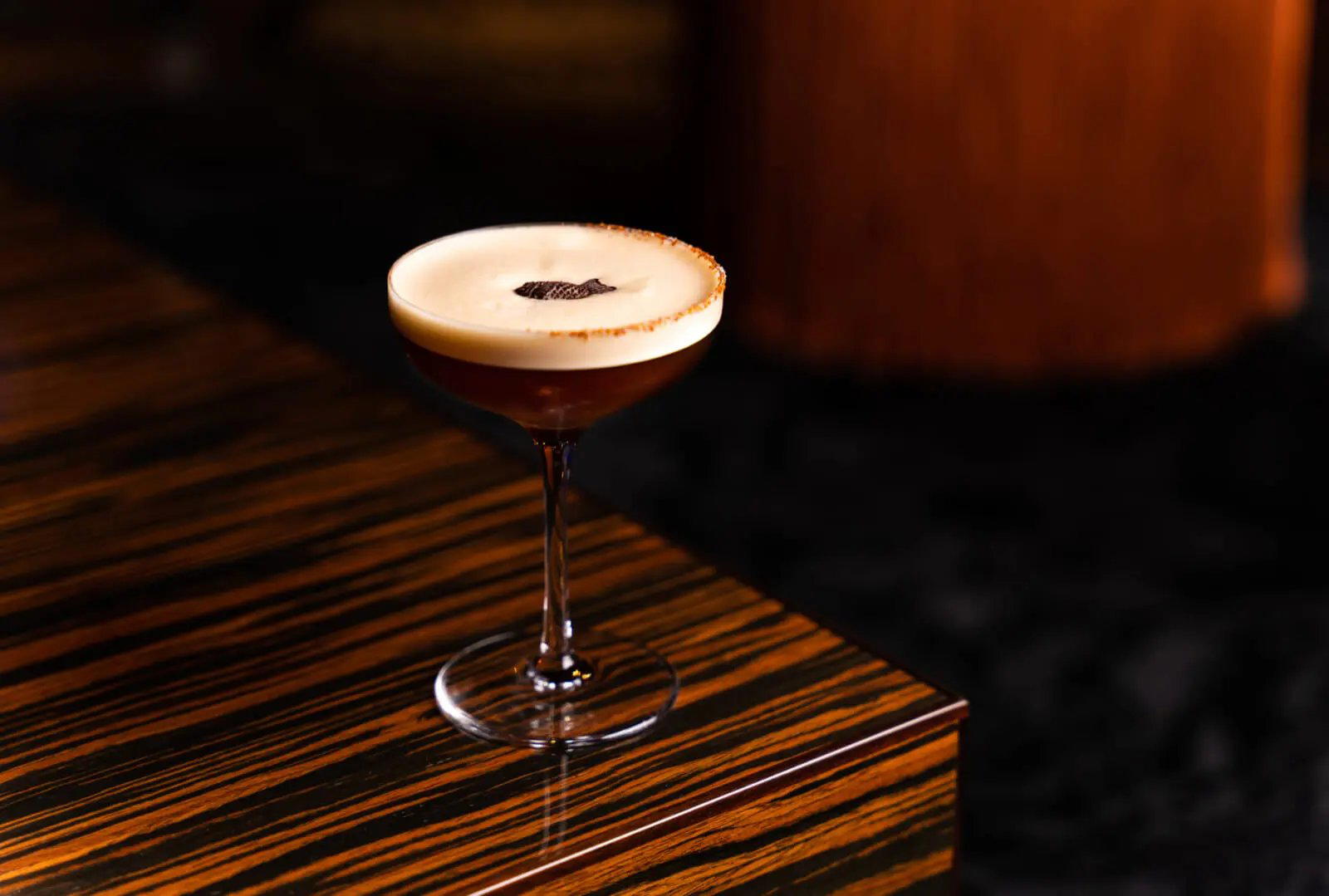
That matters because Tokyo’s premium Chinese dining can feel divided between classic banquet drinking and Western wine pairing. A restaurant foregrounding Shaoxing wine asks diners to read the meal through Chinese structure first. Original cocktails using Chinese spices add a contemporary layer, but the stronger editorial point is the restoration of rice wine to the center of the table. For travelers used to ordering Champagne or Burgundy by reflex, this is where the category becomes more interesting.
The food side is described with a fish emphasis, monthly changing course options and à la carte flexibility, placing it between rigid tasting-menu dining and casual order-as-you-go Chinese restaurants. In practical terms, choosing a menu in advance can help the kitchen pace the meal, useful in a small room where timing carries more weight than in a large operation. It also signals comfort with planned dining rather than walk-in improvisation.
How it fits a Tokyo dining itinerary
Tokyo rewards neighborhood sequencing. Shinkawa and Hatchobori work well for diners staying around Tokyo Station, Nihonbashi, Ginza’s eastern edge or the riverfront side of Chuo, especially when the goal is a serious dinner without crossing town for a name-heavy address. The area’s quiet is part of the appeal: after Ginza’s retail density or Marunouchi’s station crowds, this corner of Chuo gives the meal a cleaner approach and exit.
For contrast inside Tokyo, budget and format separate this address from casual city eating. Suikou Dou Honten and Japanese Supaisu Curry Karisshu sit in lower everyday price bands, while Ushiko Honten occupies a dinner range closer to premium casual dining. Sushi Dai belongs to a different category entirely, showing how Tokyo’s reservation logic changes when sushi enters the frame. Chinese Sai Kan occupies another lane: small-room Chinese cooking with category recognition and a beverage identity tied to Chinese wine traditions.
Readers building a wider Tokyo itinerary can pair this page with Our full Tokyo restaurants guide, then branch into Our full Tokyo hotels guide, Our full Tokyo bars guide, Our full Tokyo wineries guide and Our full Tokyo experiences guide. Nearby dining research can extend through. 鮪と炭火焼き うお炭 秋葉原店, 12/10 Shinjuku ten, 124. KAGURAZAKA (Yakitori), 2D Cafe and 3 Chome no Curry Ya San. For a wider Japan and overseas comparison set, see -Grilled beef Sukiyaki- KAMAKURA TANUKIAN 鎌倉 たぬき庵 in Kamakura,.cafe in Osaka,.know in Kumamoto, (Shoku) Vietnam in Kawasaki, [Curry Senmon Ten] Maruyama Kyoju. in Sapporo, [ki:] in Kyoto, Jōdo Saké Bar in Los Angeles and Onigiri Time in Pasadena.
The editorial case is clear: this is a Chuo Chinese address for diners who care about Cantonese roast technique, rice-wine pairing and the quieter side of Tokyo’s serious restaurant culture. The Tabelog 100 Chinese cuisine Tokyo 2026 selection supplies the trust signal; the Shinkawa setting supplies the context. It is a sharper choice when the evening calls for concentration rather than spectacle.
The Quick Read
Comparable venues for context, by category and price tier.
| Venue | Cuisine | Price | Notes |
|---|---|---|---|
| Chinese Sai KanThis venue — the venue you are viewing | Chūō, Modern Neo Street Chinese | $$$ | |
| Chinese Toukaryou Toukari | $$$ | Minato, Cantonese fine dining in a luxury Tokyo hotel | |
| 桃仙閣 東京 | $$$ | Roppongi, Traditional Japanese-Style Chinese | |
| Matsushima | $$$ | Shibuya, Modern regional Chinese (Yunnan-influenced) | |
| Akasaka Sichuan Restaurant | Chiyoda, Authentic Sichuan Chinese | $$$ | |
| Santa Hanten | Minato, Chinese Fine Dining | $$$ |






At a Glance
- Lively
- Modern
- Cozy
- Intimate
- Date Night
- After Work
- Group Dining
- Solo
- Casual Hangout
- Celebration
- Chefs Counter
- Open Kitchen
- Standalone
- Craft Cocktails
- Beer Program
Compact and lively, with an open counter and high-heat Chinese range providing sound, flame, and aroma; casual but polished lighting and design create a modern neighborhood spot suited to dates, solo diners, and small groups.