姫沙羅 occupies a residential address in Sapporo's Chuo-ku, south of the central grid, where Hokkaido's agricultural depth and ethical sourcing traditions converge in a dining room that rewards deliberate visitors. Book through local channels and arrive with time to understand what the neighbourhood produces.
Pearl is the En Primeur Club membership app — saves, bookings, and concierge access live there. Same editors, same standards.
- Address
- 中央区南8条西20-1-2, 札幌市, 北海道, 064-0808
 Saves & bookings on Pearl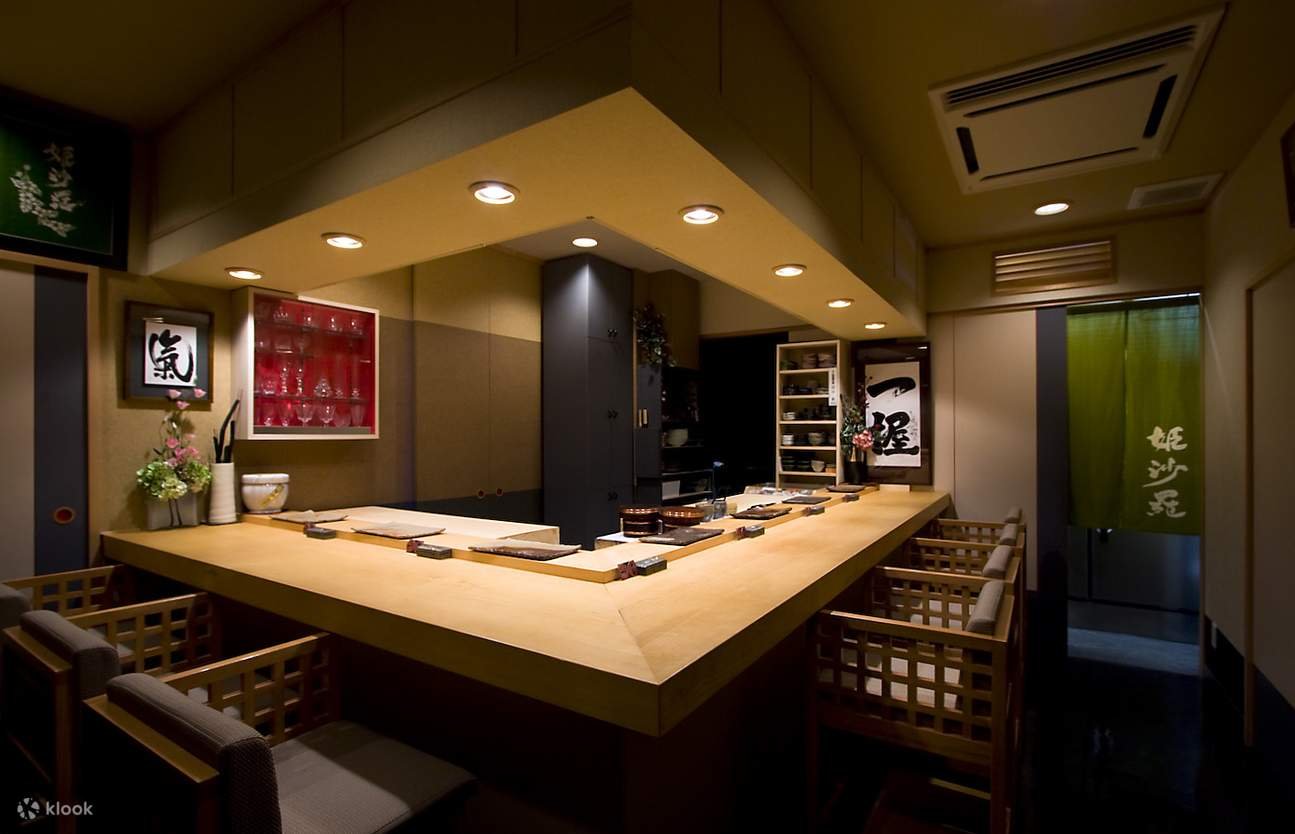
Sapporo's Quieter Dining Tier and Where 姫沙羅 Sits Within It
Hokkaido has spent two decades building one of Japan's most credible regional food identities, grounded less in chef celebrity than in raw material quality. The island's dairy, seafood, and vegetable output feeds a dense network of restaurants in Sapporo that range from internationally recognised kaiseki rooms to neighbourhood-scale operations with no public profile and booking lists that circulate by word of mouth. 姫沙羅 occupies an address in Chuo-ku's southern residential band, at 南8条西20-1-2, placing it well outside the Susukino entertainment corridor and the mid-city grid where most of Sapporo's flagged dining sits. That geography is not incidental. Restaurants that locate this far from the commercial centre tend to draw a local clientele that returns regularly, which in Japan's dining culture typically shapes menu discipline and ingredient relationships in ways that tourist-facing restaurants rarely sustain.
For a fuller sense of the broader Sapporo dining scene and how venues cluster by cuisine and price tier, the our full Sapporo restaurants guide maps the city's competitive landscape in detail.
Hokkaido Sourcing and the Sustainability Logic Behind It
Any serious discussion of ethical sourcing at a Sapporo restaurant has to begin with what Hokkaido actually produces. The island accounts for roughly 60 percent of Japan's butter and cheese output, supplies a significant share of the national seafood catch, and grows root vegetables, corn, and legumes across agricultural plains that are climatically unlike anything on Honshu. For restaurants working within this geography, sustainable sourcing is not a marketing position, it is a structural advantage. The supply chains are shorter, the producers are accessible, and the seasonal calendars are legible in ways that central urban kitchens cannot easily replicate.
The neighbourhood where 姫沙羅 is situated sits close to the southern residential districts of Sapporo that have historically been connected to smaller-scale provisioning routes out of the city's market system. Restaurants in this tier, operating without the overhead of high-footfall locations, tend to have more flexibility to maintain supplier relationships that prioritise quality and traceability over volume pricing. That operating logic, when it holds, produces menus that change with genuine seasonal fidelity rather than seasonal decoration.
Across Japan, a growing number of restaurants at this scale have moved toward minimal-waste preparation approaches, using whole-animal or whole-fish techniques that were standard in Japanese cooking long before waste reduction became a western dining trend. In Hokkaido specifically, where fish like hokke and nishin are central to the local diet and often prepared in ways that use every part, that tradition has culinary depth behind it.
The Sapporo comparable set: What the Serious Dining Circuit Looks Like
Understanding 姫沙羅 requires some orientation within the broader Sapporo dining tier. The city's most formally recognised restaurants include kaiseki operations like Hanakoji Sawada (Kaiseki) and precision-driven sushi counters like Arima (Sushi), both of which operate with the kind of public profile and booking demand that places them in a different access tier. Further down the visibility spectrum, restaurants like Hidetaka, Higebozu, and aki nagao represent the quieter tier of serious cooking that Sapporo sustains alongside its recognised names. 姫沙羅 appears to sit within that latter group, where the dining proposition is carried by the food itself rather than by external validation.
For reference points beyond Hokkaido, the sustainability-conscious approach to Japanese regional cooking finds strong expression in venues like Gion Sasaki in Kyoto, which works closely with Kyoto's legacy vegetable producers, and Goh in Fukuoka, where local Kyushu ingredients are treated with similar supplier-first discipline. At the more experimental end, HAJIME in Osaka has built an environmental philosophy directly into its tasting menu structure. These are not direct comparisons to 姫沙羅, but they illustrate the range of approaches Japanese kitchens take when ingredient origin and environmental accountability are treated as fundamental rather than peripheral.
International reference points for ethical sourcing as a kitchen operating principle include Le Bernardin in New York City, which has long maintained supplier transparency in seafood procurement, and Atomix in New York City, where Korean ingredient heritage informs a similarly deliberate approach to provenance. The principle that premium dining and environmental responsibility are compatible rather than competing propositions is now well-established across multiple culinary traditions.
Within Japan's regional restaurant network, smaller operations in secondary cities and rural areas have been particularly active in building direct producer relationships. Properties like 一本木 石川製 in Nanao and 羽根屋 in Nishikawa Machi operate within geographically specific ingredient ecosystems that function on similar logic to Hokkaido's agricultural distinctiveness. akordu in Nara applies European technique to Kinki region produce with the kind of sourcing discipline that has become a marker of serious regional cooking across Japan.
Planning a Visit: What to Know Before You Go
The address at 中央区南8条西20-1-2 places 姫沙羅 in a residential part of Chuo-ku that requires deliberate navigation rather than a chance encounter. With no publicly listed phone number or website in the available record, reservation logistics almost certainly run through local booking channels, direct contact via the restaurant's own networks, or platforms like Tabelog that serve Japanese domestic audiences. Visitors without Japanese language access will likely need assistance with the booking process, which is consistent with many smaller Sapporo restaurants at this tier.
Sapporo's dining season has two distinct peaks: the winter months when snow crab, king crab, and cold-weather produce drive the city's most characterful menus, and the summer period when Hokkaido vegetables and lighter fish preparations come into their own. Either window rewards a visit to the southern Chuo-ku area, though winter tends to sharpen the sense of why Hokkaido cooking is what it is. Arriving without a reservation is unlikely to be productive for a restaurant of this profile and location.
For additional regional context and comparable dining experiences across Japan, Harutaka in Tokyo, Bistro Ange in Toyohashi, and Birdland in Sakai represent the kind of independently operated restaurants where provenance and craft take priority over promotional presence, and where research before arrival consistently pays off.
Cuisine and Awards Snapshot
Comparable venues nearby, for context on price, style, and recognition.
| Venue | Cuisine | Price | Notes |
|---|---|---|---|
| 姫沙羅This venue — the venue you are viewing | Edomae Sushi | $$$$ | Not listed |
| 天ぷら あら木 | Michelin-Starred Tempura Omakase | $$$$ | Chūō |
| Sushi Kai | Intimate Omakase Sushi Counter | $$$$ | Chūō |
| Mieda | Modern Japanese Fine Dining | $$$$ | Chūō |
| Himeshara | Hokkaido-influenced Edomae Sushi | $$$$ | Maruyama |
| Teppanyaki Urushi | Hokkaido Wagyu & Seafood Teppanyaki | $$$ | Chūō |
Continue exploring
More in Sapporo
Restaurants in Sapporo
Browse all →
At a Glance
- Elegant
- Sophisticated
- Intimate
- Date Night
- Special Occasion
- Chefs Counter
- Sake Program
- Local Sourcing
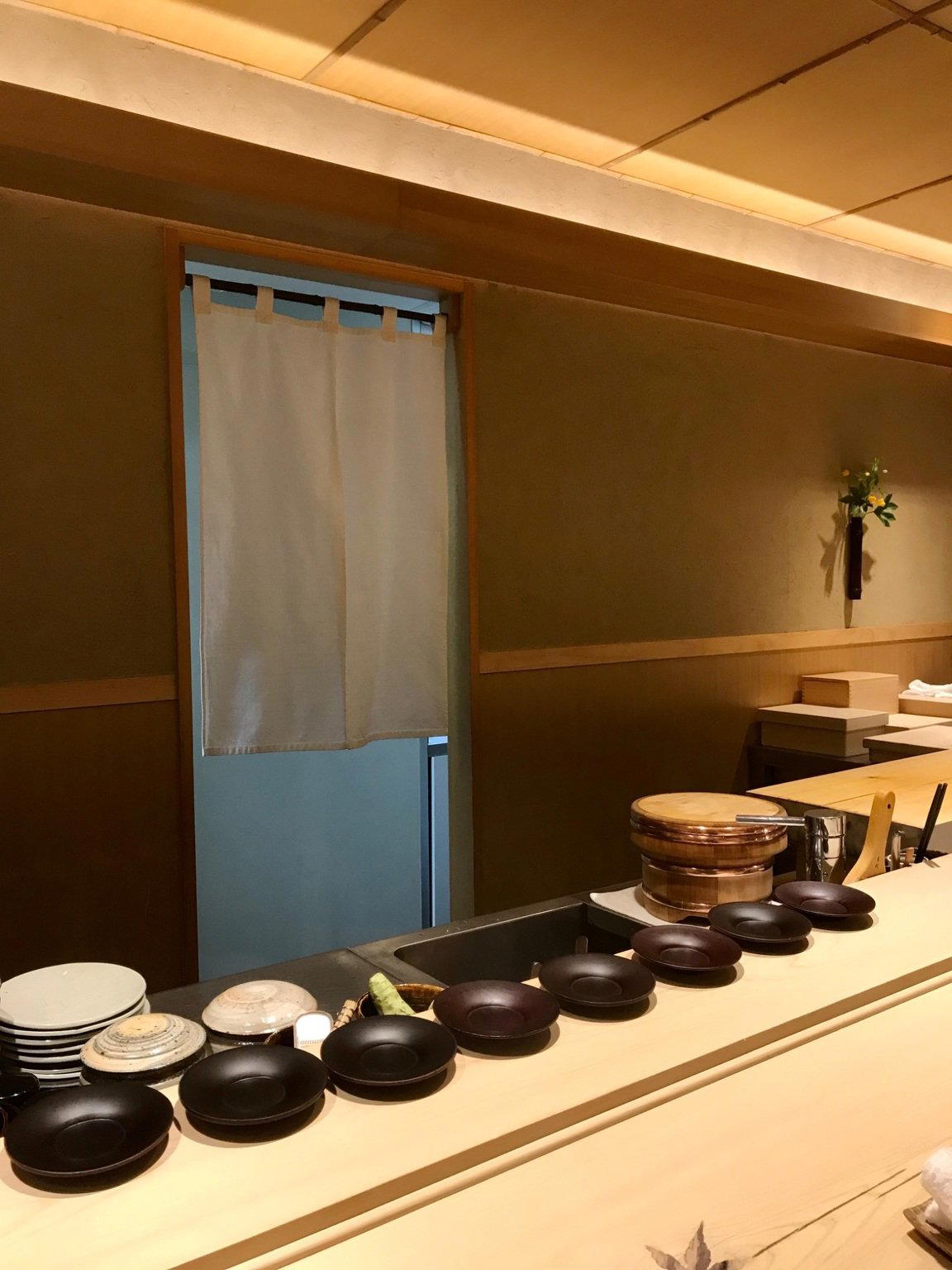
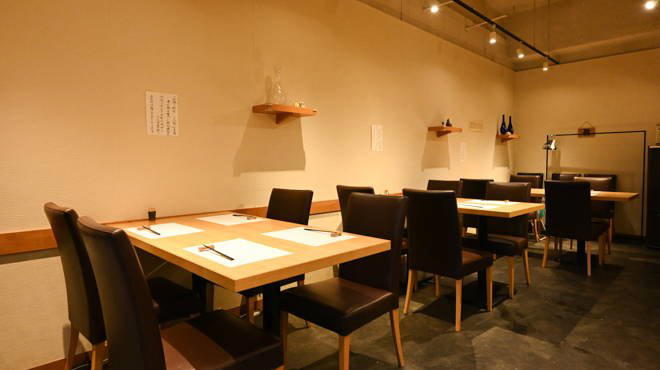
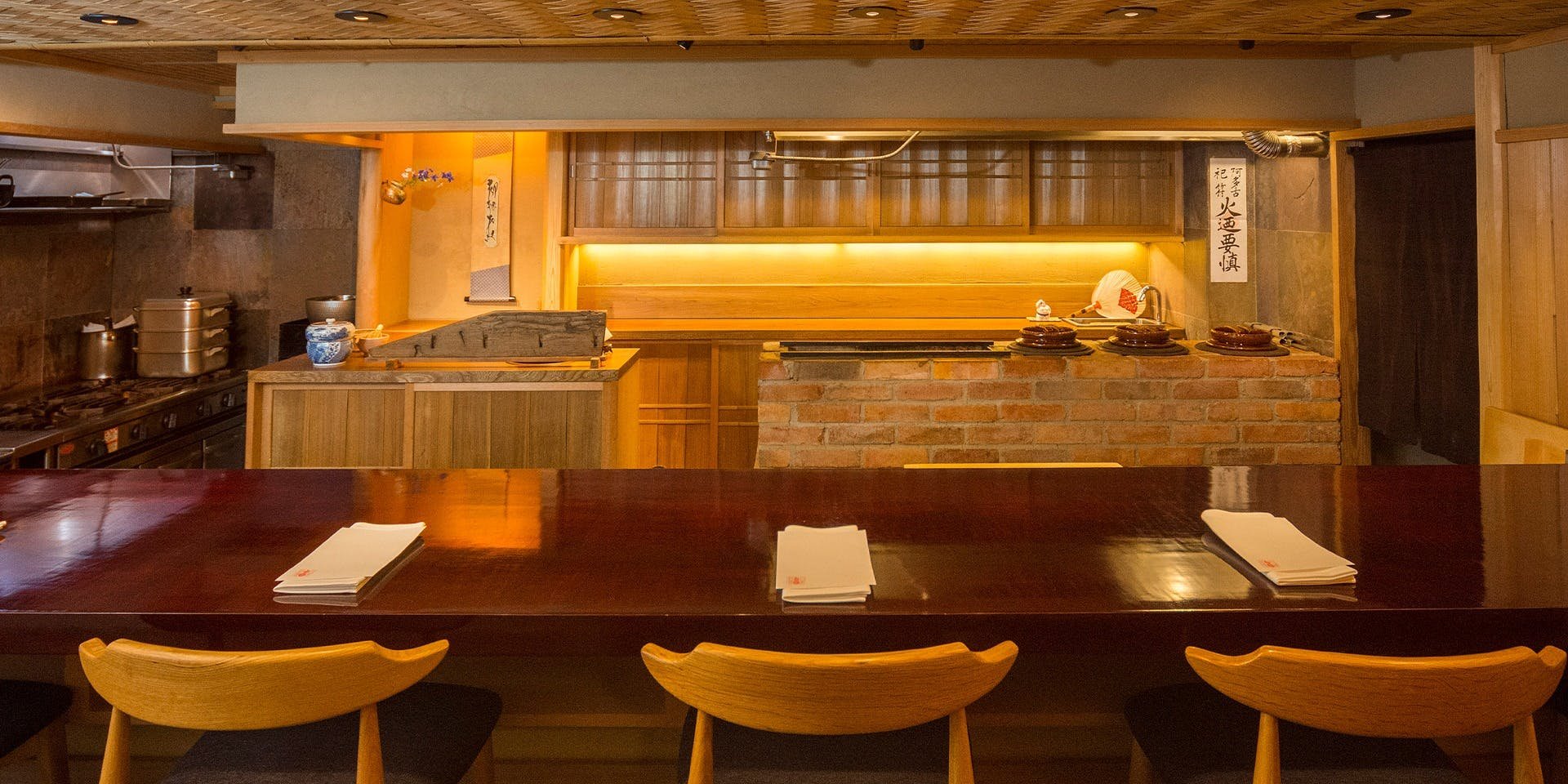
Intimate counter seating for 14 with focused, refined sushi preparation atmosphere.