

Tabelog Silver #102
Our verdict
A seven-seat counter in Sapporo's Teine Ward that has earned Tabelog Silver recognition three consecutive years (2024, 2025, 2026) and a score of 4.45, placing it among Japan's most closely watched Italian addresses outside Tokyo. The format is reservation-only, course-only, and anchored in Hokkaido's fish and produce, with house-made prosciutto and homemade condiments threading the progression together.

Pearl is the En Primeur Club membership app — saves, bookings, and concierge access live there. Same editors, same standards.
- Address
- 4 Chome-8-10 Inaho 1 Jo, Teine Ward, Sapporo, Hokkaido 006-0031, Japan
- Phone
- 070-1139-0283
- Website
- parcofiera-sapporo.com
- Directions
- Get directions
- Booking
- Book on Omakase
The menu
What to order
- Homemade prosciutto
- House-made salami
- Tajarin pasta
- Lamb tartare
- Mozzarella di bufala
- Prosciutto-wrapped milt
A Counter at the Edge of the City
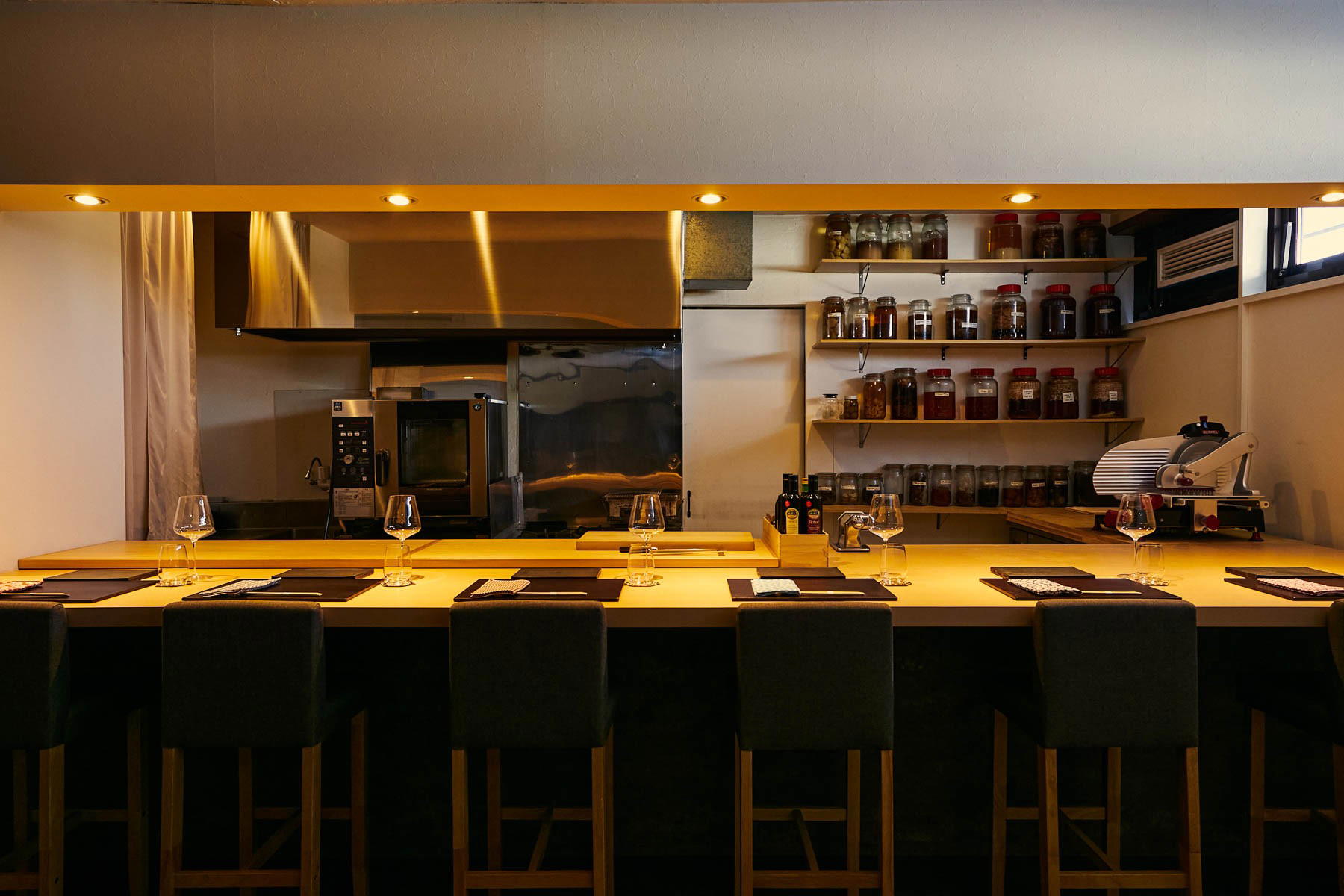
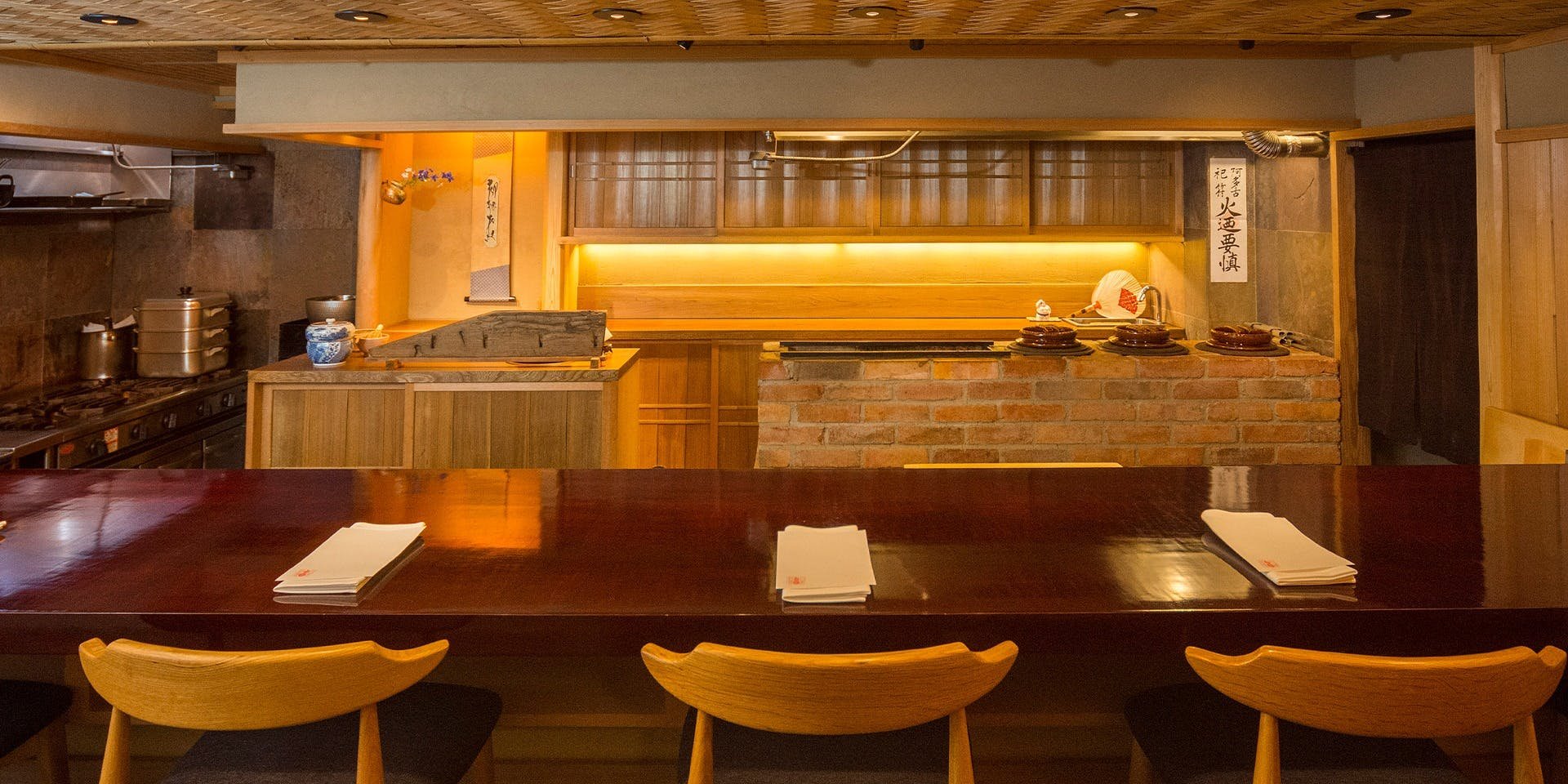
Sapporo's premium dining scene clusters predictably around Susukino and the central wards, which makes the location of Parco Fiera something of a structural statement. The restaurant sits in Teine Ward, a residential district on the city's western edge, a one-minute walk from JR Inaho Station. Arriving here, the surrounding streets offer none of the ambient restaurant energy of Sapporo's core. The counter you're heading to seats seven people and runs on a schedule that closes two days a week entirely, accepting no walk-ins and no phone reservations. All bookings come through the OMAKASE platform online. That friction is part of the architecture of the experience: the venue's Tabelog listing categorises its location as a "hideout," and the word is apt in the most functional sense.
Within that small room, counter seating and what Tabelog reviewers describe as spacious, relaxed proportions set the tone before service begins. No private rooms. No background noise from adjacent tables. The maximum party size matches the seat count exactly: seven. The format is pure course dining, which at a price point of JPY 30,000 to JPY 39,999 per person (plus a 10% service charge) puts Parco Fiera in the same spending bracket as the serious tasting counters in Sapporo's central wards and well above the city's casual Italian tier.
Where Italian Technique Meets Hokkaido Supply
Japan's regional Italian scene has developed a particular logic over the past decade. Rather than faithfully replicating specific regional Italian traditions, a cohort of counters across Japan's cities has moved toward using Italian technique as a structural framework while sourcing almost entirely from local producers. This model works especially well in Hokkaido, where the range of available seafood, dairy, and cold-climate vegetables is wide enough to sustain a full progression without compromise. Parco Fiera sits firmly inside that cohort.
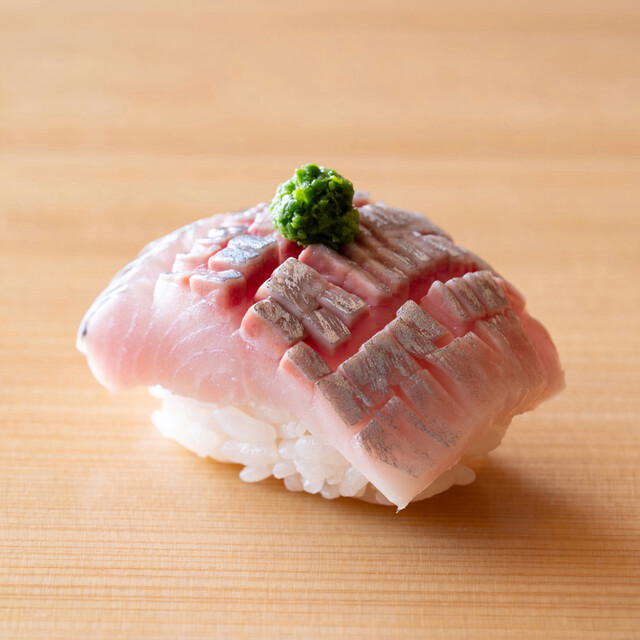
The kitchen's emphasis on fish is explicit in its Tabelog profile, which flags it as "particular about fish," and the house-made prosciutto and homemade condiments signal the kind of vertical integration that distinguishes a counter with genuine ambition from one running on purchased mise en place. The course format, spanning a dinner window from 18:00 to 21:00, creates the conditions for a genuine narrative arc rather than a menu of independent dishes. At counters of this scale, the sequencing is often the most considered thing about the meal: the movement from lighter, more acidic preparations toward richer, more structural ones, the placement of cured and preserved elements against fresh seasonal produce from the island, the role of the wine program (the venue is noted as "particular about wine" and allows BYO) in pacing the progression.
For context on how this kind of format operates elsewhere in Japan, the interplay between Italian technique and hyper-local sourcing appears at counters like akordu in Nara, where the logic is similar even if the regional ingredients differ substantially. At the far end of fish-forward tasting progressions, Le Bernardin in New York City remains the reference point for how a kitchen can build an entire multi-course narrative around seafood without monotony. Parco Fiera operates at a different scale but within recognisable parameters.
Three Consecutive Silvers and What the Score Means
Tabelog's Silver award is not straightforwardly comparable to Michelin stars, but it functions as a reliable signal of sustained peer-level recognition within Japan's most detailed restaurant review ecosystem. Parco Fiera has held Silver status in 2024, 2025, and 2026, alongside a score of 4.45 and selection for the Tabelog Italian EAST "Tabelog 100" in both 2023 and 2025. The 4.45 score places it in a tier where scores move in increments small enough that each tenth of a point represents meaningful distance from the pack.
Within Sapporo specifically, the city has produced a cluster of counters that score at this level across different genres. Arima (Sushi) and Hanakoji Sawada (Kaiseki) represent Sapporo's strength in Japanese-tradition genres, while Parco Fiera makes the case that the city's Italian counter tier has developed its own credible identity. That the restaurant opened in February 2020 and reached sustained Silver recognition within four years suggests the trajectory has been sharp. For a broader picture of Sapporo's ranked dining, see our full Sapporo restaurants guide.
At the national level, Parco Fiera sits at rank 297 in EP Club's 2025 ranking of leading restaurants in Japan, within a list that includes Harutaka in Tokyo, HAJIME in Osaka, Gion Sasaki in Kyoto, Goh in Fukuoka, and 1000 in Yokohama. Placing a Teine Ward counter at that address in the national conversation is itself a data point worth registering.
The Progression in Practice
Counter Italian at this level typically constructs the meal as a series of movements rather than a list of courses. The early plates tend to be lighter and more acidic, often built around preserved or cured elements that both showcase technique and prepare the palate. The house-made prosciutto and homemade condiments that appear in the venue's core description suggest these elements play a structural role across the course, not merely as an amuse or accent. Fish-forward kitchens that describe themselves as "particular about fish" generally deploy seafood across multiple stages of the progression, using different preparations and textures to keep the arc moving without repetition.
The wine program is woven throughout. The BYO policy is relatively unusual for a counter at this price tier in Japan, suggesting the kitchen is comfortable with guests who have formed strong opinions about what they want to drink. That confidence tends to correlate with a kitchen that has thought carefully about how the food pairs, rather than one that depends on a fixed wine list to do that work. Major credit cards (VISA, Mastercard, JCB, AMEX, Diners) are accepted, but electronic and QR code payments are not.
The strict cancellation policy reinforces the format's logic: cancellations within 14 days incur a 50% charge, and cancellations within 7 days are charged in full. With only seven seats and a schedule that runs five evenings and three lunches per week at most, a single no-show has a disproportionate impact. Arriving more than 30 minutes late results in a cancelled reservation.
Planning Your Visit
Parco Fiera runs Wednesday and Thursday evenings (18:00 to 21:00), with Friday through Sunday offering both lunch (12:00 to 15:00) and dinner (18:00 to 21:00). Monday and Tuesday are closed. Reservations open exclusively through the OMAKASE platform online; the venue does not accept phone bookings, directing any enquiries to SMS instead. The address is 4 Chome-8-10 Inaho 1 Jo, Teine Ward, a one-minute walk from JR Inaho Station. Parking is not available, and the restaurant recommends public transport.
The budget sits at JPY 30,000 to JPY 39,999 per person before the 10% service charge. Children are welcome from middle school age. The full room can be reserved for private use, making it an option for groups of up to seven with a shared interest in the format. Dress code is not specified. Sapporo's broader options for accommodation and supplementary experiences are covered in our full Sapporo hotels guide, our full Sapporo bars guide, our full Sapporo wineries guide, and our full Sapporo experiences guide.
Other Sapporo counters worth considering alongside a visit include aki nagao, Hidetaka, and Higebozu. For a point of comparison in the broader Japanese innovative-Italian space, Atomix in New York City offers a useful window into how the course-driven, technique-led format translates across contexts.
Frequently asked questions
What's PARCO FIERA known for in terms of accolades?
PARCO FIERA has received recognition including: {"Year":"2026","Award Source":"Tabelog","Award Type":"The Tabelog Award","Award Group":"silver","Award Group Rank":"102","Restaurant Name":"Parco Fiera","Score":"4.45","Budget":"Dinner: JPY 30,000 - JPY 39,999; Lunch: JPY 30,000 - JPY 39,99….
What are the opening hours for PARCO FIERA?
Hours at PARCO FIERA: Wed, Thu 18:00 - 21:00.
What should I order at PARCO FIERA?
Parco Fiera operates on a set course format only — there is no à la carte option. The course is built around Hokkaido ingredients, with a particular emphasis on fish and house-made preparations including prosciutto. Budget JPY 30,000–39,999 per person before the 10% service charge.
Where do I go for PARCO FIERA?
PARCO FIERA is located at 4 Chome-8-10 Inaho 1 Jo, Teine Ward, Sapporo, Hokkaido 006-0031, Japan, Sapporo.
What's the defining dish or idea at PARCO FIERA?
The counter applies Italian course structure to Hokkaido's specific pantry, anchored by house-made condiments and cured products alongside locally sourced seafood. This approach has earned Parco Fiera Tabelog Silver recognition three consecutive years (2024, 2025, 2026) and placement on the Tabelog Italian EAST 100 in both 2023 and 2025.
Do they accommodate allergies at PARCO FIERA?
No allergy policy is published on the venue's booking record. Given the seven-seat counter format and a set course built around specific Hokkaido ingredients, it is advisable to check the venue's official channels via SMS (the venue does not accept phone reservations or inquiries) well ahead of your booking date.
Same-City Peers
| Venue | Cuisine | Price | Awards |
|---|---|---|---|
| PARCO FIERAThis venue — the venue you are viewing | Piedmont-Inspired Italian with Hokkaido Ingredients | $100–150 | Tabelog Silver #102 |
| Arima | Hokkaido Ezo-mae Omakase Sushi | $100–150 | Tabelog Bronze #26 |
| Hanakoji Sawada | Michelin-Starred Kaiseki | Not listed | Tabelog 100 #6 |
| Menya Saimi | Sapporo Miso Ramen | $1–10 | Tabelog 100 #36 |
| Nukumi | Contemporary Kaiseki | $150–200 | Tabelog Bronze #330 |
| Sushi Kin | Hokkaido Omakase Sushi | $150–200 | Not listed |
Recognition history
Dated appearances from independent guides and award organizations, with the underlying list record or original source where available.
Opinionated About Dining Top Restaurants in Japan Recommended
Opinionated About Dining
Tabelog Silver #102
Tabelog
Full recognition history (5 entries)
Opinionated About Dining Top Restaurants in Japan Ranked #297
Opinionated About Dining
Tabelog 100 #99 · No. 99
Tabelog · Tabelog 100 - Italian - EAST - 2025
Tabelog Silver
Tabelog
Continue exploring
More in Sapporo
Restaurants in Sapporo
Browse all →
Hotels in Sapporo
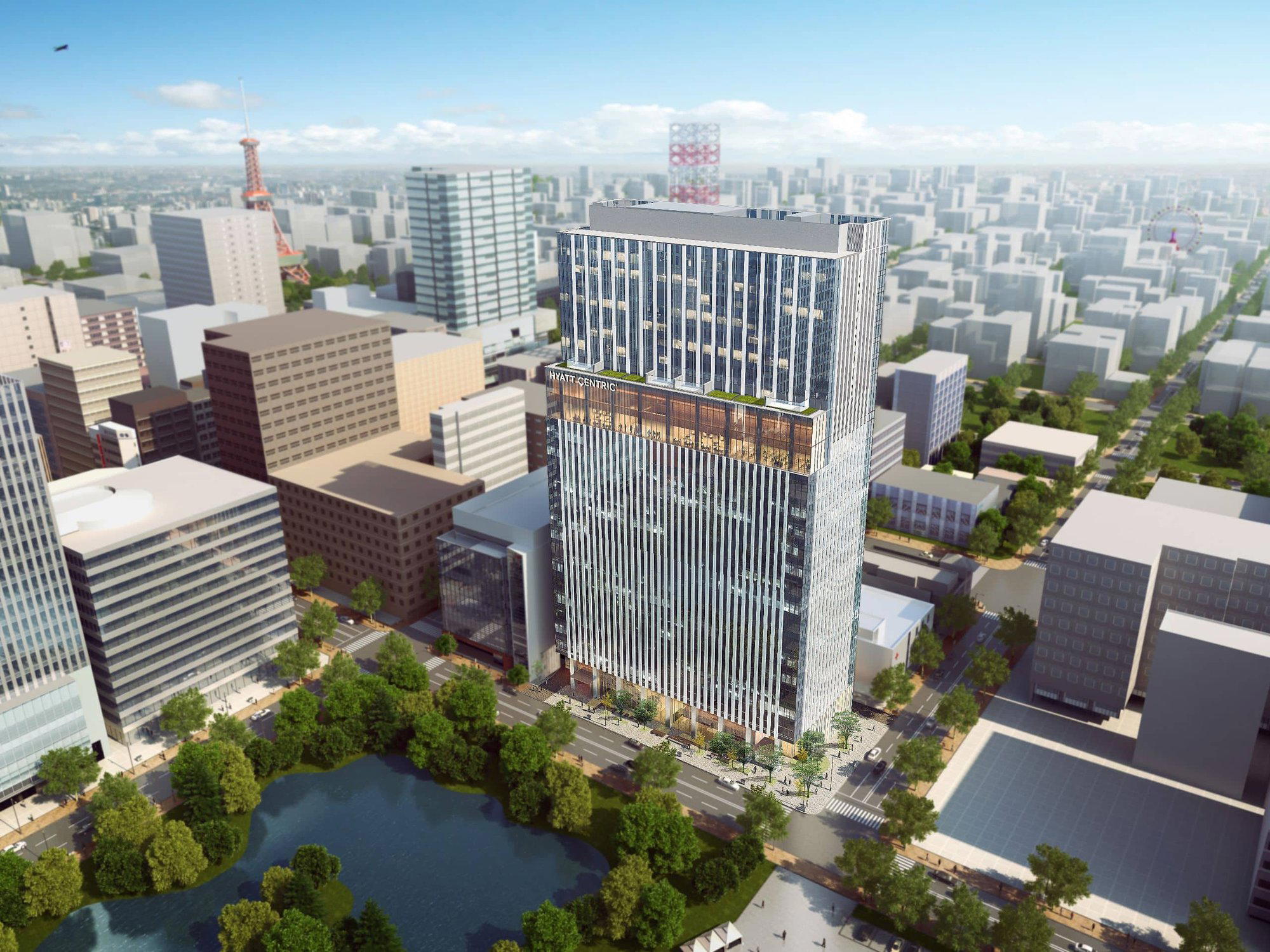
Browse all →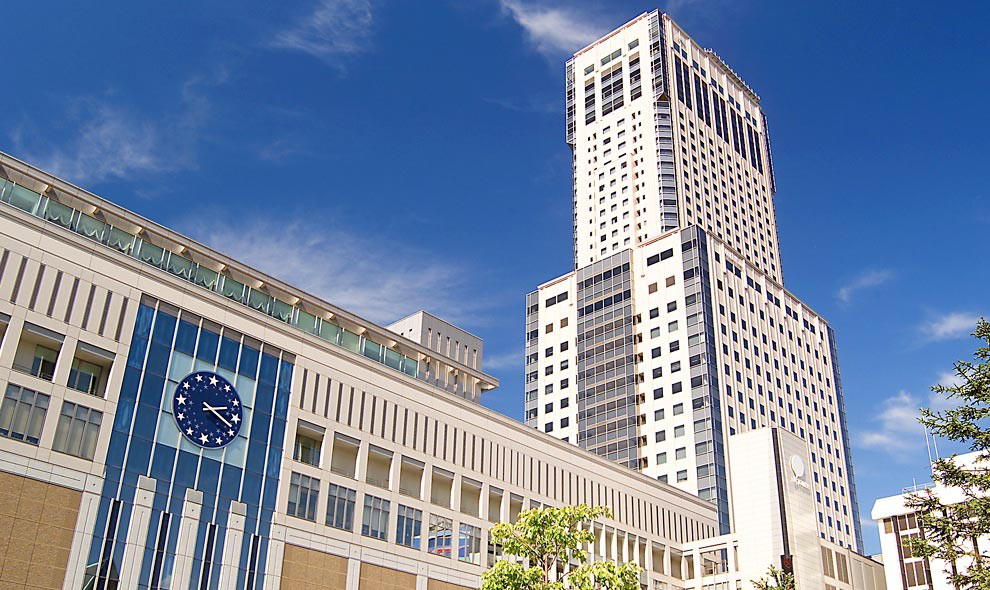
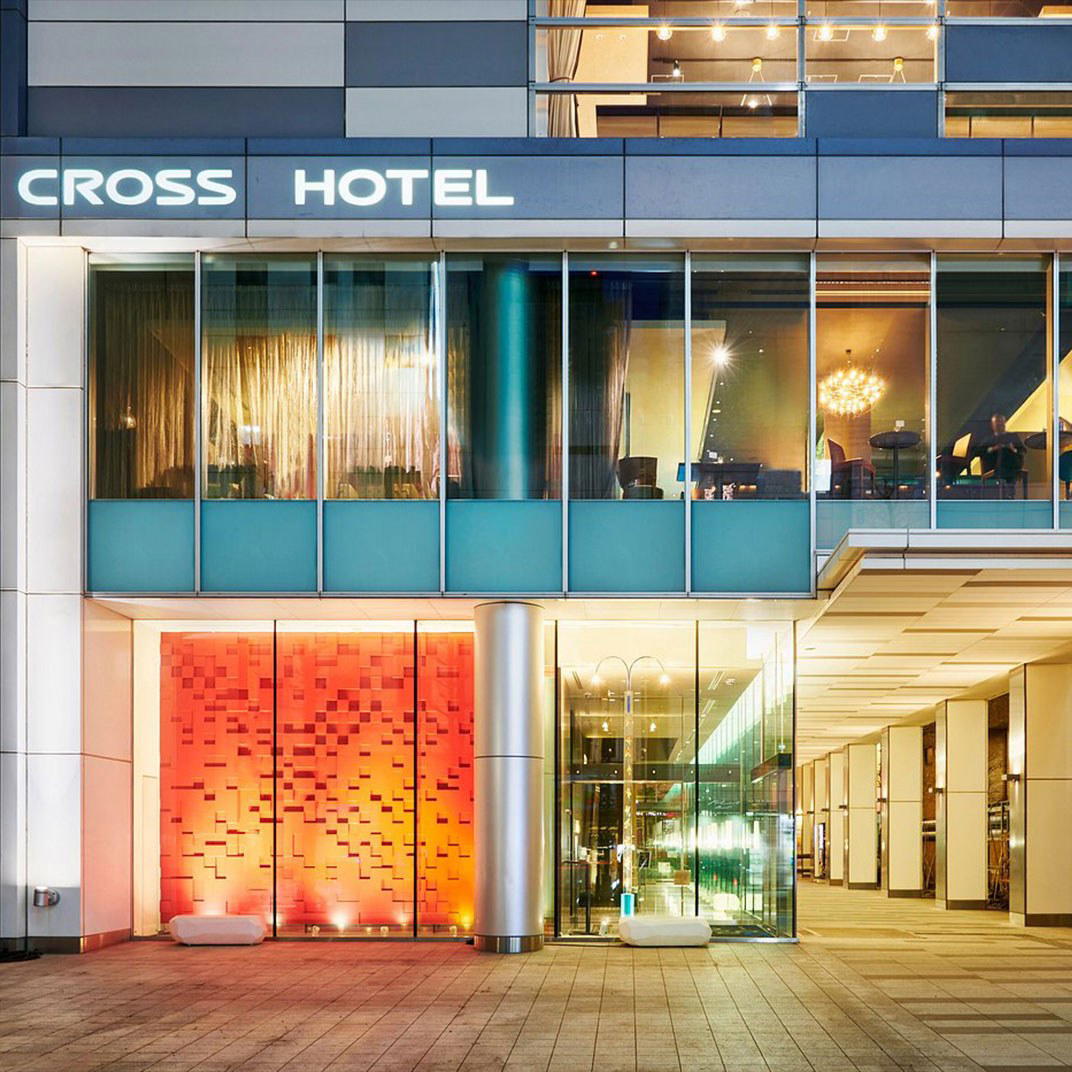
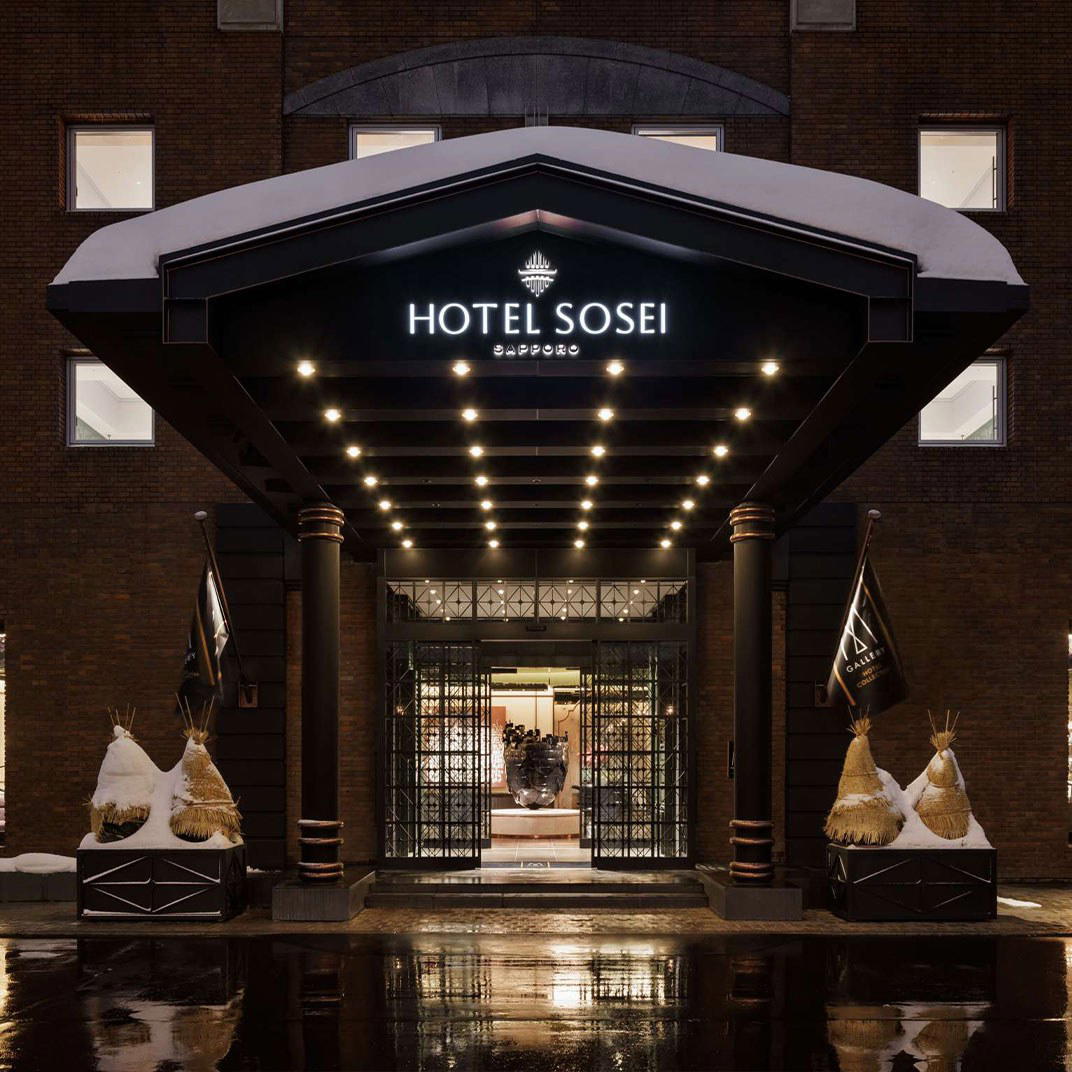
Wineries in Sapporo
Browse all →
Details
- Intimate
- Elegant
- Sophisticated
- Modern
- Special Occasion
- Date Night
- Celebration
- Open Kitchen
- Chefs Counter
- Standalone
- Farm To Table
- Local Sourcing
- Organic
- Zero Waste
- Tasting Menu
- Counter Dining
- Wine
- Vegetarian Friendly
- Organic Focus
- Allergy Accommodating
Refined, moody, and stylish dining bar with a modern aesthetic; intimate and relaxed atmosphere with soft, friendly service in a space that feels like a sophisticated adult retreat.