

Sushi Dokoro Arima is a seven-seat counter in Sapporo's Chuo Ward, earning consecutive Tabelog Bronze Awards from 2017 through 2026 and selection for the Tabelog Sushi EAST 100 in 2021, 2022, and 2025. Under chef Chiharu Takaoka, the focus is squarely on Hokkaido's cold-water seafood. Dinner runs JPY 15,000 to 19,999, with evenings only, Tuesday through Saturday.
Pearl is the En Primeur Club membership app — saves, bookings, and concierge access live there. Same editors, same standards.
- Address
- 4 Chome-21-6 Minami 3 Jonishi, Chuo Ward, Sapporo, Hokkaido 060-0063, Japan
- Phone
- +81 11-215-0998
- Website
- tabelog.com
- Directions
- Get directions
 Saves & bookings on Pearl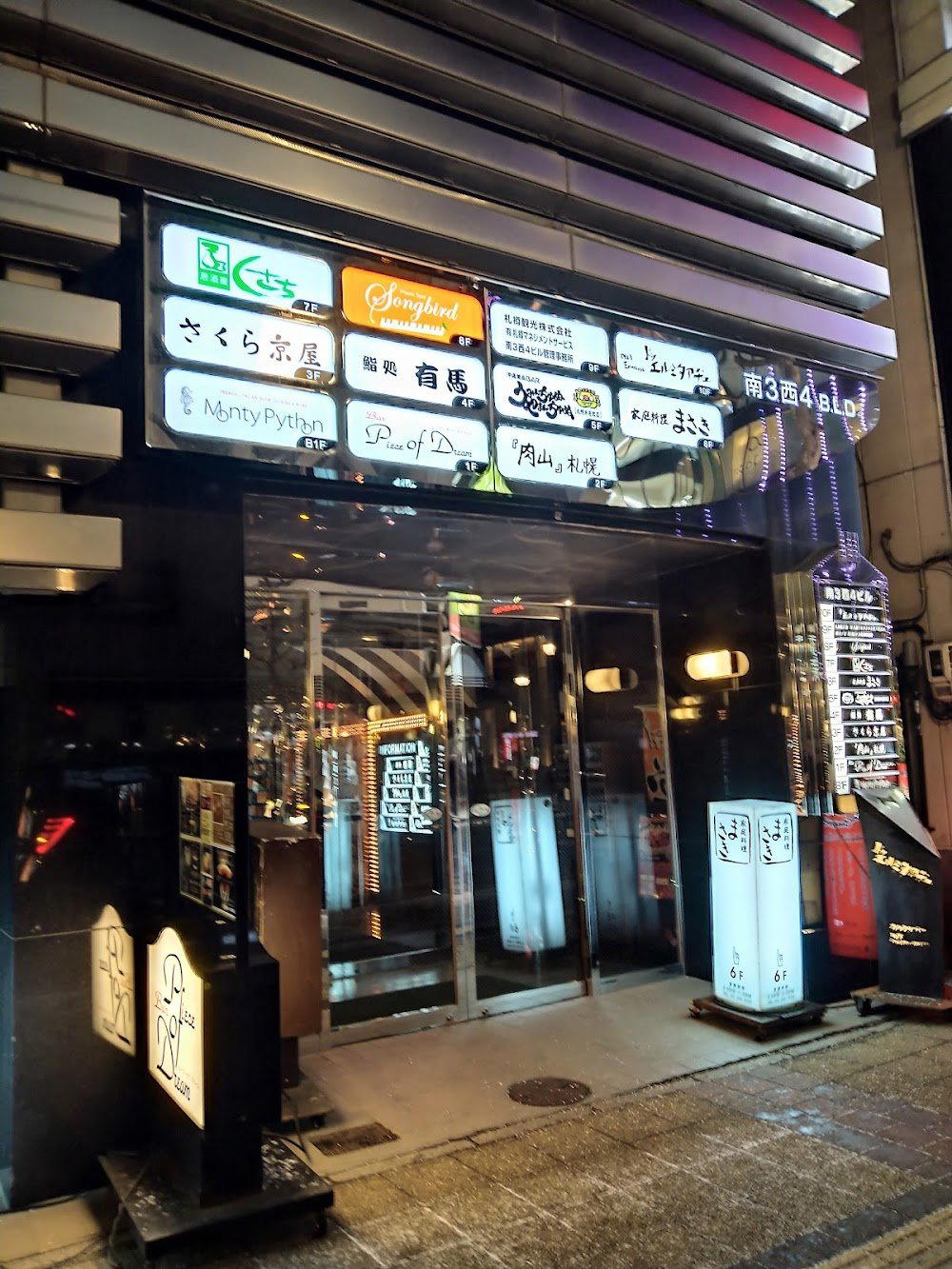
A Counter Built Around the Northern Sea
Sapporo occupies a different position in Japan's sushi geography than Tokyo or Kyoto. The argument for eating sushi here is not prestige lineage or centuries of tradition but something more immediate: proximity to some of the coldest, most productive fishing waters in the northern hemisphere. The Sea of Japan, the Pacific off Erimo, and the Okhotsk coast all feed into Hokkaido's markets, and the leading counters in Sapporo are built around the discipline of knowing what to do with that abundance season by season. Sushi Dokoro Arima is a sushi restaurant in Sapporo’s Chuo Ward, known for Hokkaido Ezo-mae omakase sushi. Sushi Dokoro Arima, on the fourth floor of a building in Minami 3 Jo Nishi, sits inside that tradition. The seven-seat counter has held a Tabelog Bronze Award continuously from 2017 through 2026, and has been selected three times for the Tabelog Sushi EAST 100, a cohort that covers the strongest sushi addresses east of Osaka.
The Calendar at the Counter
Hokkaido's seafood is among the more seasonal in Japan, and the logic of what appears on a sushi counter here shifts more dramatically across twelve months than at comparable addresses in Tokyo, where supply chains and aging programs can smooth out the edges of the fishing calendar. At Arima, the Tabelog description frames the kitchen's approach through the phrase "nigiri from the northern sea", which, at a practical level, means the counter moves with whatever the cold-water season delivers.
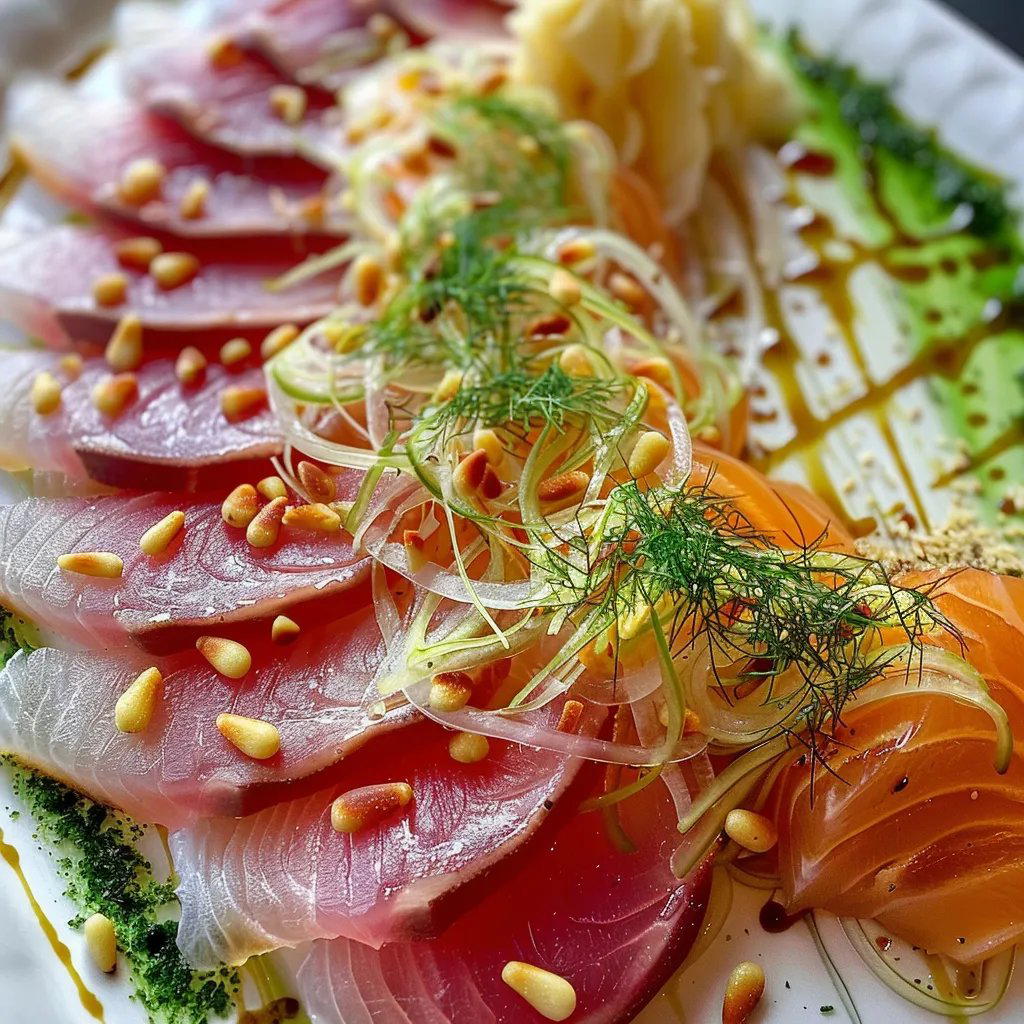
Winter in Hokkaido produces the fatty tuna and dense shellfish that arrive when water temperatures drop. Spring brings the first hairy crabs and early Hokkaido uni, the sea urchin that defines the island's premium seafood identity. By summer, bafun uni from Rishiri and Rebun is at peak intensity, alongside the squid and salmon that characterize the warmer months. Autumn shifts the register toward Pacific saury, autumn salmon, and the first signs of the winter crab season returning. At a seven-seat counter with no published set menu and a chef described as "particular about fish," the implication is that this seasonal rhythm is not decorative, it determines what you eat.
Sapporo's broader dining scene reflects this same seasonal logic at multiple price points, kaiseki restaurants in the city build their kaiseki menus around the same Hokkaido calendar, and even the city's ramen culture has absorbed the idea of seasonal seafood as a variable. But at a counter like Arima, where the format is omakase and the protein is almost entirely fish, the seasonal variable has nowhere to hide. For visitors building a Japan itinerary around food, the seasonal argument for Sapporo is at least as strong as the case for Kyoto's kaiseki calendar. Restaurants like Gion Sasaki in Kyoto or HAJIME in Osaka operate on the same seasonal-driven philosophy but through entirely different culinary frameworks.
What the Recognition Record Says
Ten consecutive Tabelog Bronze Awards is a specific data point, not a vague accolade. The Tabelog Award is Japan's most widely cited restaurant recognition system derived from aggregated reviewer scores, and Bronze represents consistent performance across a broad pool of verified visits. The Sushi EAST 100 selection adds a curatorial layer: this list is assembled by Tabelog's editorial team from sushi restaurants across eastern Japan, and inclusion places Arima in a cohort that includes particularly technically demanding counters operating outside Tokyo.
For comparison within Sapporo, the city's sushi scene at recognized levels includes Sushi Miyakawa, Sushi Sohei, Sushi Tanabe, Sushisai Wakichi, and Takuzushi. Each operates within the same Hokkaido-sourcing logic but with different stylistic emphasis. Arima's decade-long Bronze run and repeated Sushi EAST 100 appearances put it in a small group of Sapporo counters with a track record strong enough to justify a dedicated visit rather than an opportunistic booking. Among Tokyo's recognized omakase tier, Harutaka offers a useful reference point for what sustained Tabelog recognition at this level implies about format and expectation.
The Format and the Room
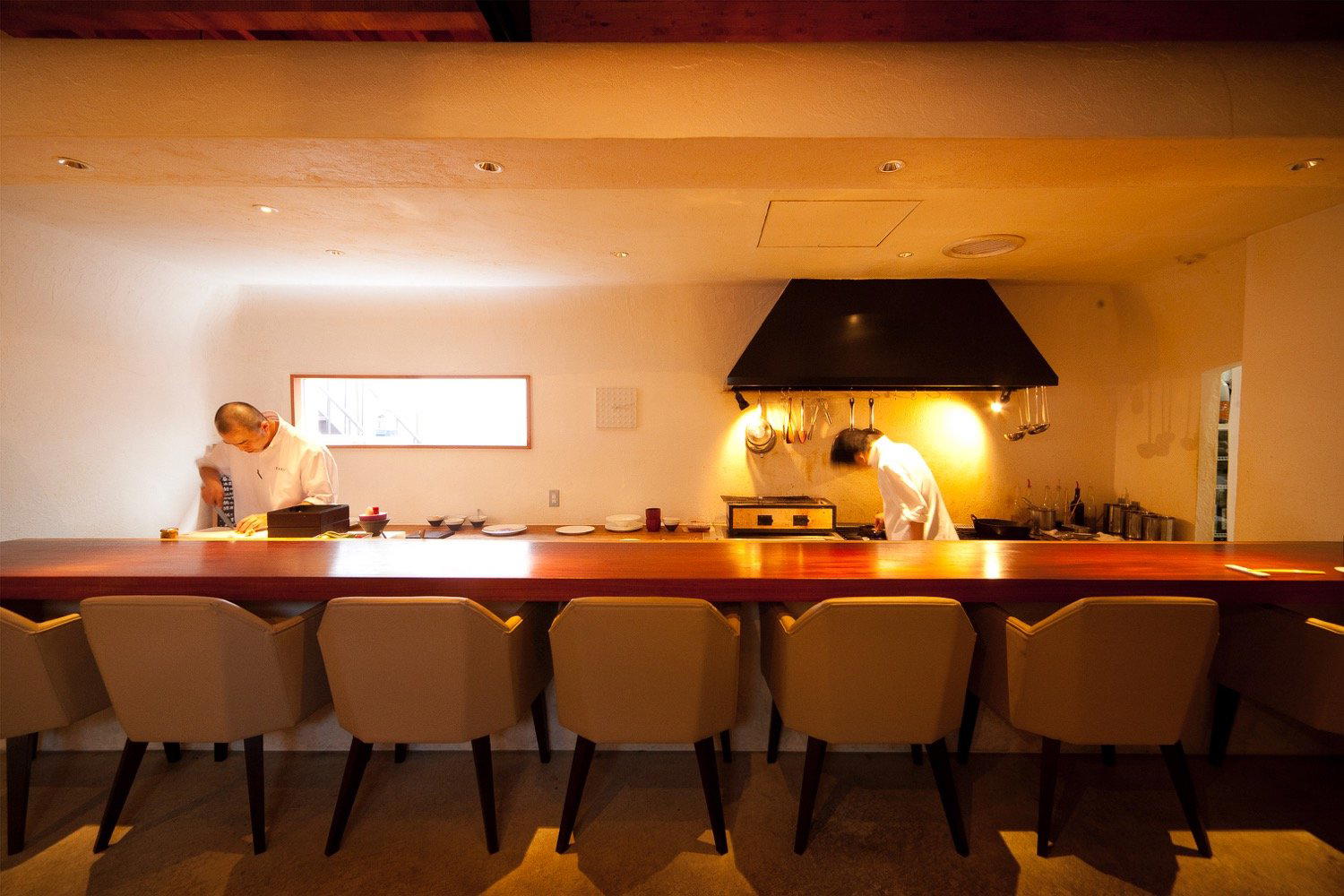
Seven counter seats, dinner only, six evenings a week. The format leaves no ambiguity about what kind of experience this is. Small omakase counters in Japan operate on a different rhythm from larger restaurants: the sequence is set by the kitchen, the interaction is direct, and the pace is calibrated by whoever is behind the counter that evening. The fourth-floor location fits a pattern common to Sapporo's serious dining addresses.
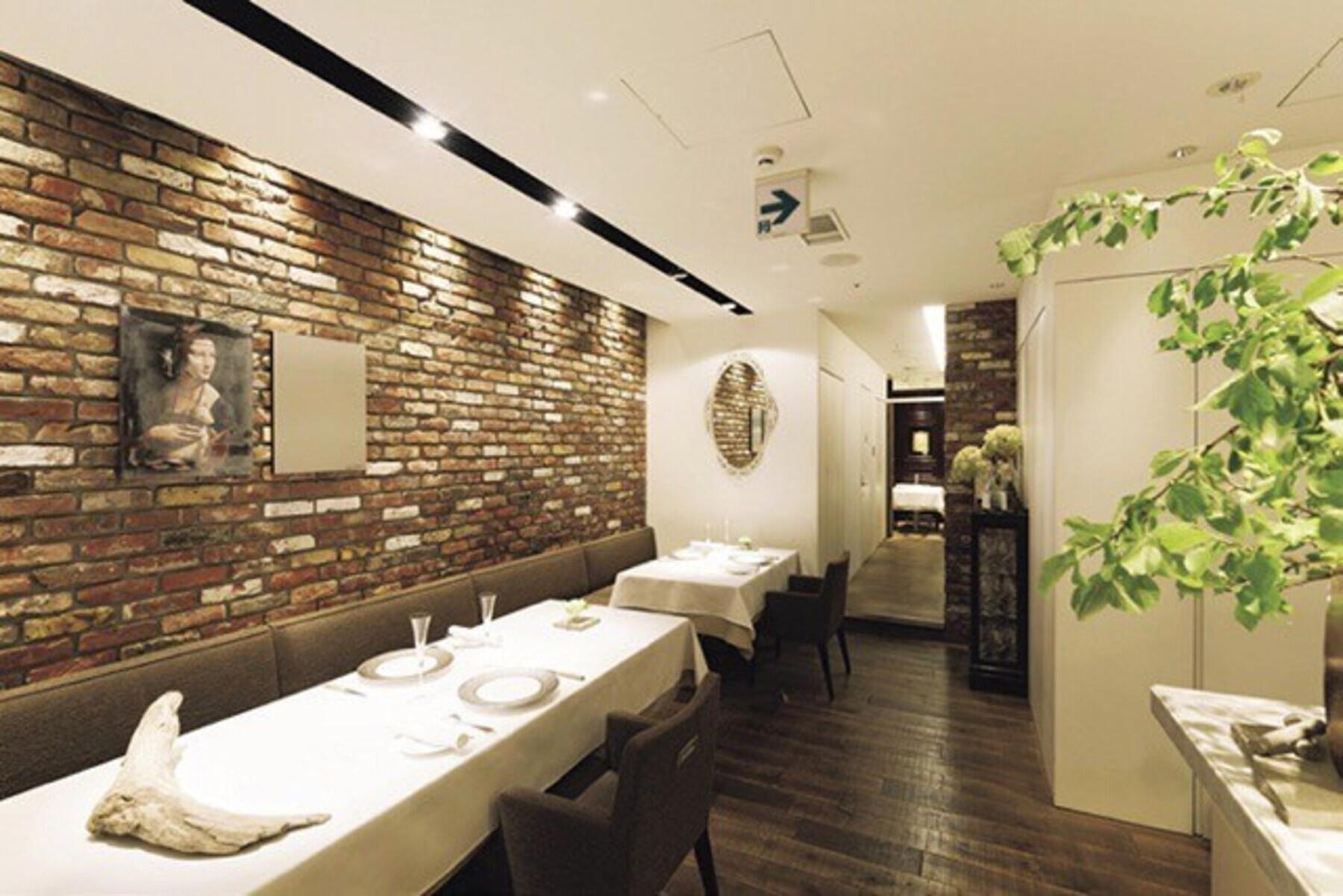
Credit cards across major networks are accepted, the space is entirely non-smoking, and there are no private rooms. The occasion data tags solo dining and groups of friends as the primary formats, and the counter's structure supports both: solo diners at a seven-seat omakase counter in Japan are common enough that the format is explicitly designed to accommodate them.
Planning a Visit
Arima is located at Minami 3 Jo Nishi 4, fourth floor, in Sapporo's Chuo Ward, seven minutes on foot from Susukino Station on the Namboku Subway Line and approximately 125 metres from the Tanukikoji covered arcade, which serves as a practical navigation anchor. Dinner runs from 18:00 to 23:00, Monday through Saturday, with Sundays closed. The listed price is about JPY 15,000 to JPY 19,999 per person at dinner. That positions Arima at the serious end of Sapporo's sushi pricing, but below the upper tier of Tokyo omakase counters, which regularly exceed JPY 30,000 to JPY 50,000 for comparable recognition levels. Reservations can be made by phone at 011-215-0998.
For visitors building a broader Sapporo trip around the food, the city's dining and hospitality options extend well beyond sushi. Our full Sapporo restaurants guide maps the wider scene, while our Sapporo hotels guide, bars guide, wineries guide, and experiences guide cover the supporting infrastructure. Sapporo is also a reasonable base for building a multi-city Japan food itinerary that includes recognised addresses elsewhere: Goh in Fukuoka, akordu in Nara, and 1000 in Yokohama each operate in distinct culinary registers, offering a sense of how Japan's regional dining scenes diverge from one another.
Price and Recognition
Comparable venues nearby, for context on price, style, and recognition.
| Venue | Cuisine | Price | Notes |
|---|---|---|---|
| ArimaThis venue — the venue you are viewing | Chūō, Hokkaido Ezo-mae Omakase Sushi | $$$$ | Not listed |
| Hanakoji Sawada | Chūō, Michelin-Starred Kaiseki | $$$$ | Not listed |
| Tempura Araki | Not listed | $$$$ | Chūō, Michelin 2-Star Japanese Tempura Omakase |
| Sushisai Wakichi | Chūō, Traditional Hokkaido Omakase | $$$$ | Not listed |
| Sushi Kai | Chūō, Intimate Omakase Sushi Counter | $$$$ | Not listed |
| Akatsuki | Chūō, Traditional Edomae Sushi Omakase | $$$$ | Not listed |
Recognition history
Dated appearances from independent guides and award organizations, with the underlying list record or original source where available.
Opinionated About Dining Top Restaurants in Japan Recommended
Opinionated About Dining
Tabelog Bronze #26
Tabelog
Tabelog 100 #54 · No. 54
Tabelog · Tabelog 100 - Sushi - EAST - 2025
Tabelog Bronze
Tabelog
Opinionated About Dining Top Restaurants in Japan Recommended
Opinionated About Dining
Continue exploring
More in Sapporo
Restaurants in Sapporo
Browse all →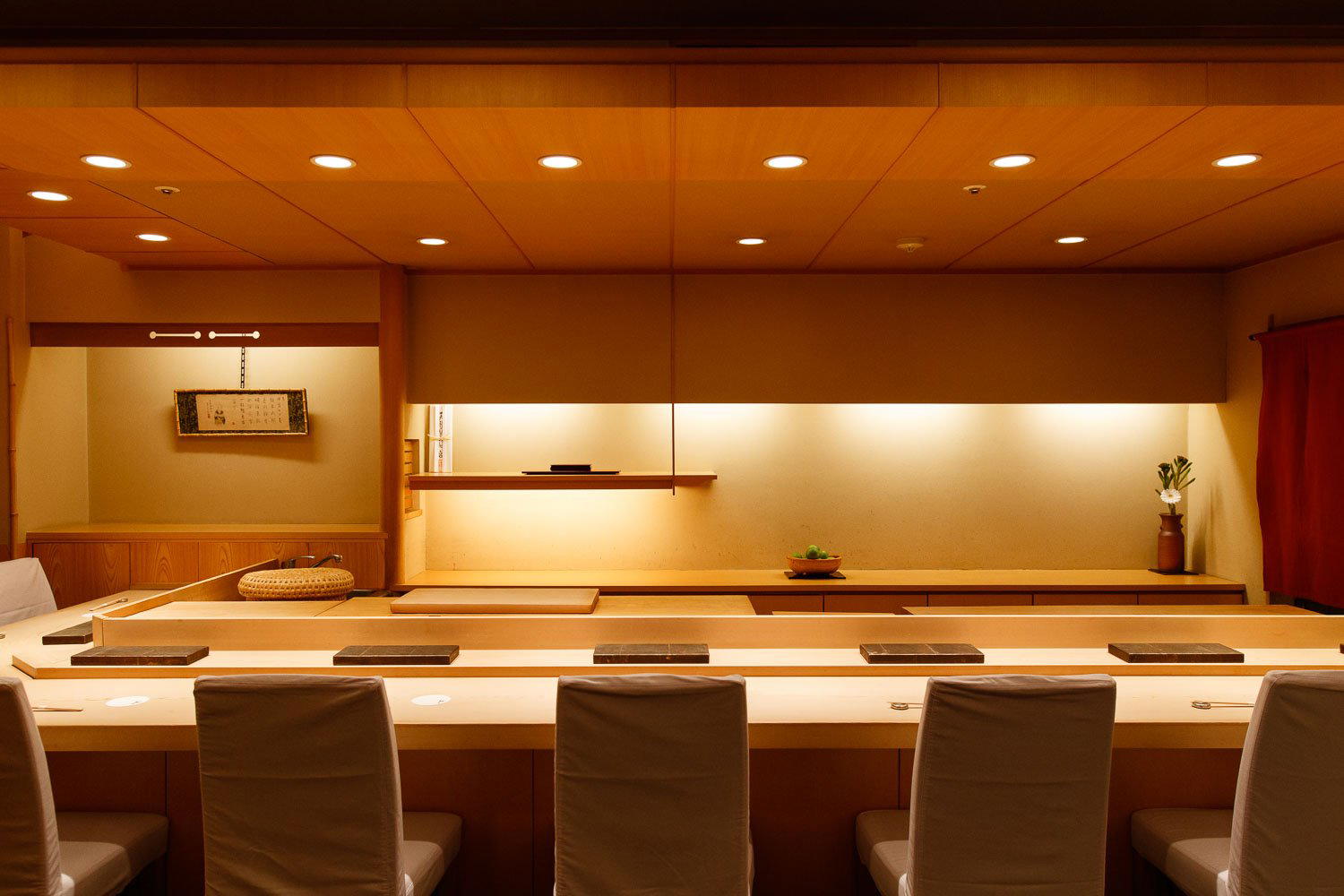
At a Glance
- Intimate
- Cozy
- Elegant
- Sophisticated
- Date Night
- Solo
- Special Occasion
- Chefs Counter
- Open Kitchen
- Sake Program
- Local Sourcing
Current opening hours
- Monday
- 6–11 PM
- Tuesday
- 6–11 PM
- Wednesday
- 6–11 PM
- Thursday
- 6–11 PM
- Friday
- 6–11 PM
- Saturday
- 6–11 PM
- Sunday
- Closed
Hours can change for holidays and private events. Last verified .
Quiet, serene, and unhurried atmosphere at a clean white-wood counter with relaxing, stylish space focused on the sushi experience.