
At 381 rooms, Sapporo Excel Hotel Tokyu sits in the mid-to-large tier of Chuo Ward's hotel stock, positioned for travellers who want central access to Sapporo's dining and transport corridors without the premium scale of a boutique property. The address in Minami 8 Jōnishi places guests within reach of Susukino and the broader city grid, making it a practical base for Hokkaido's most accessible urban entry point.
Pearl is the En Primeur Club membership app — saves, bookings, and concierge access live there. Same editors, same standards.
- Address
- 5-chōme-420 Minami 8 Jōnishi, Chuo Ward, Sapporo, Hokkaido 064-0808
- Phone
- +81 11-533-0109
- Website
- tokyuhotels.co.jp
- Directions
- Get directions
 Saves & bookings on Pearl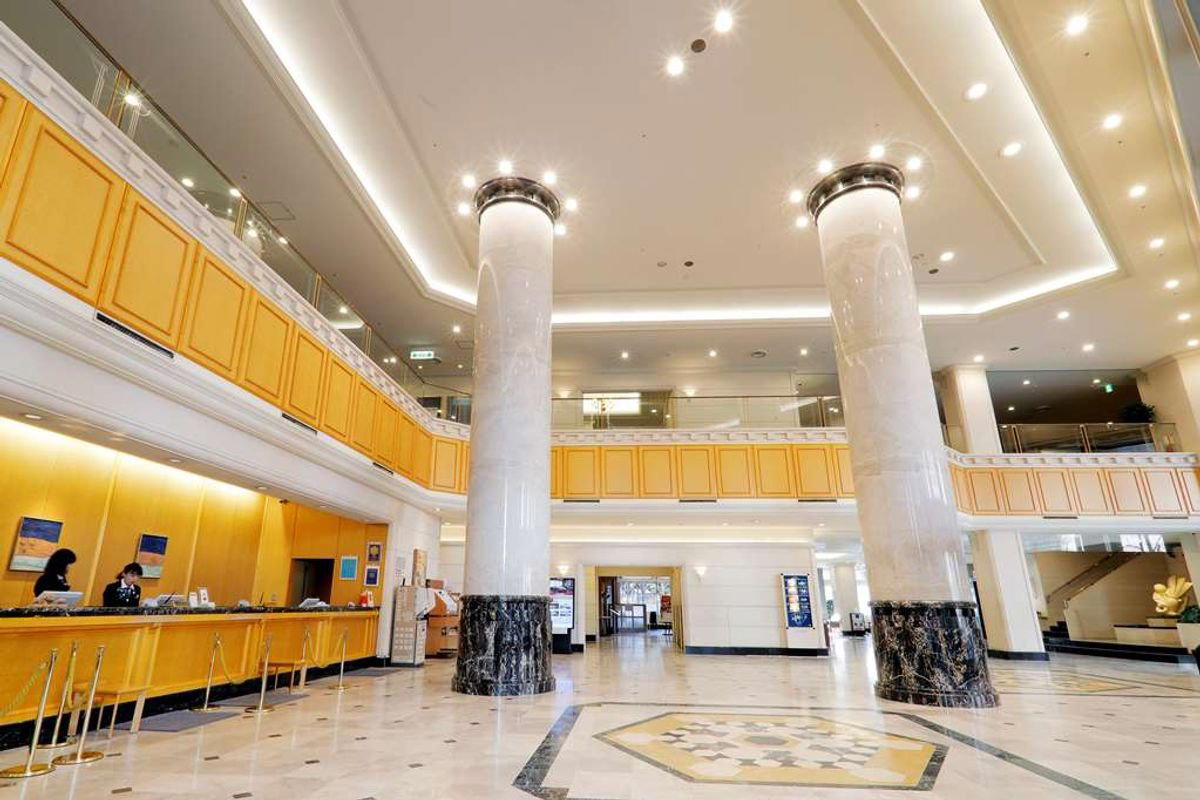
Where Sapporo's Hotel Middle Ground Actually Sits
Sapporo's accommodation market divides more cleanly than most Japanese cities of its size. At one end, small-footprint ryokan and design properties occupy a specialist tier, properties like Zaborin in Kutchan or Chalet Ivy Jozankei that trade heavily on atmosphere and locality. At the other, internationally branded towers compete on loyalty programmes and floor-count. Sapporo Excel Hotel Tokyu is a 4-star hotel in Chuo Ward, Sapporo, with 382 rooms and a recommended reservation policy. It occupies the broad middle band: large enough to absorb business groups and individual travellers simultaneously, positioned in Chuo Ward where the city's commercial and culinary activity is densest.
That middle position carries its own logic. Hokkaido draws visitors for specific reasons, powder skiing, seafood, the summer lavender season, and the city hotel functions as a staging point rather than a destination in itself. A 381-room property in this market signals efficient, service-oriented hospitality rather than intimate retreat, and that distinction shapes every expectation a guest should bring to the stay.
Chuo Ward as the Operative Context
The address in Minami 8 Jōnishi, Chuo Ward, places the hotel within the ward that contains Susukino, Sapporo's principal dining and nightlife district. Susukino is one of the largest entertainment districts in Japan outside Tokyo and Osaka, with a density of ramen shops, izakaya, and specialist seafood counters that draws travellers from across the country. For a hotel positioned as a city base, proximity to this district matters more than interior design flourishes.
Chuo Ward also contains access to Sapporo Station and the city's subway grid, which connects to Odori Park and the broader tourist infrastructure. For those planning day trips into Hokkaido's interior or west toward Otaru, the ward's transport connectivity is the functional argument for staying here rather than further out. JR Tower Hotel Nikko Sapporo represents the premium station-adjacent option in this same zone; Excel Tokyu operates in a different price register but shares the central-access logic.
The Service Model at This Scale
Hotels operating at 381 rooms in Japan's mid-tier segment run on a particular service philosophy that distinguishes them from both the international luxury brands and the small inns. The Tokyu Hotels group, which operates across Japan's major and secondary cities, tends toward consistent procedural service: structured check-in, attentive public-space staff, and dining facilities that serve a mixed clientele of business travellers, domestic tourists, and international visitors. The approach prioritises reliability over personalisation, which is a different promise than what smaller properties offer but not a lesser one.
Japanese hotel service culture at this tier still sets a standard that comparable European or American properties at similar price points rarely match. Attention to room preparation, front-desk fluency in guest needs, and the quiet efficiency of housekeeping are category norms here rather than differentiators. Where the Excel Tokyu sits within that broader Japanese mid-market is as a functional city hotel with the Tokyu group's operational consistency behind it.
The Excel Tokyu is a different category entirely, competing more directly with business hotel chains than with ryokan.
Planning a Stay: What the Scale Implies
At 382 rooms, the hotel runs at a scale where advance booking around Hokkaido's peak periods, the ski season from December through February, and the summer tourism window in July and August, is sensible. Sapporo's hotel inventory tightens during the Sapporo Snow Festival in early February, when domestic and international visitors fill the city's mid-range stock quickly.
The Minami 8 Jōnishi address is within Chuo Ward's walkable zone but sits south of the main Susukino corridor. Guests should factor walking distances when assessing evening access to dining; Sapporo's winters bring significant snowfall, and the underground pedestrian network that connects central stations and shopping arcades does not extend this far south.
Japan's Hotel Spectrum: Where This Fits
The country's accommodation market runs from sub-¥10,000 business capsule hotels through to properties like Bvlgari Hotel Tokyo, HOTEL THE MITSUI KYOTO, or Amanemu in Mie, where nightly rates reflect both physical setting and the density of curated experience. The middle band, where a branded chain hotel in a major city ward operates at scale, serves a different traveller profile than either extreme.
That profile is often the practical one: someone visiting Hokkaido for the food, the skiing, or the landscape, who needs a clean, well-located room in a city that functions as a hub rather than a destination in itself. Against that measure, the central Chuo Ward position and the Tokyu group's operational standards are the relevant arguments. For travellers whose Japan itinerary includes properties like Benesse House on Naoshima or Fufu Kawaguchiko at either end of the trip, the Excel Tokyu reads as the pragmatic urban node between more considered stops.
Other Japan properties worth benchmarking across different regions include Halekulani Okinawa, Jusandi in Ishigaki, Azumi Setoda in Onomichi, Sekitei in Hatsukaichi-shi, ENOWA Yufu, Fufu Nikko, Asaba in Izu, Atami Izusan Karaku, Beniya Kofuyuden in Awara, and ANA InterContinental Beppu Resort and Spa, each operating in a distinct regional context and price register.
Where It Fits
Comparable venues nearby, for context on price, style, and recognition.
| Venue | Cuisine | Price | Awards | Notes |
|---|---|---|---|---|
| Sapporo Excel Hotel TokyuThis venue — the venue you are viewing | Modern upscale urban hotel with family-friendly spacious rooms | $$$ | 4-Star | Not listed |
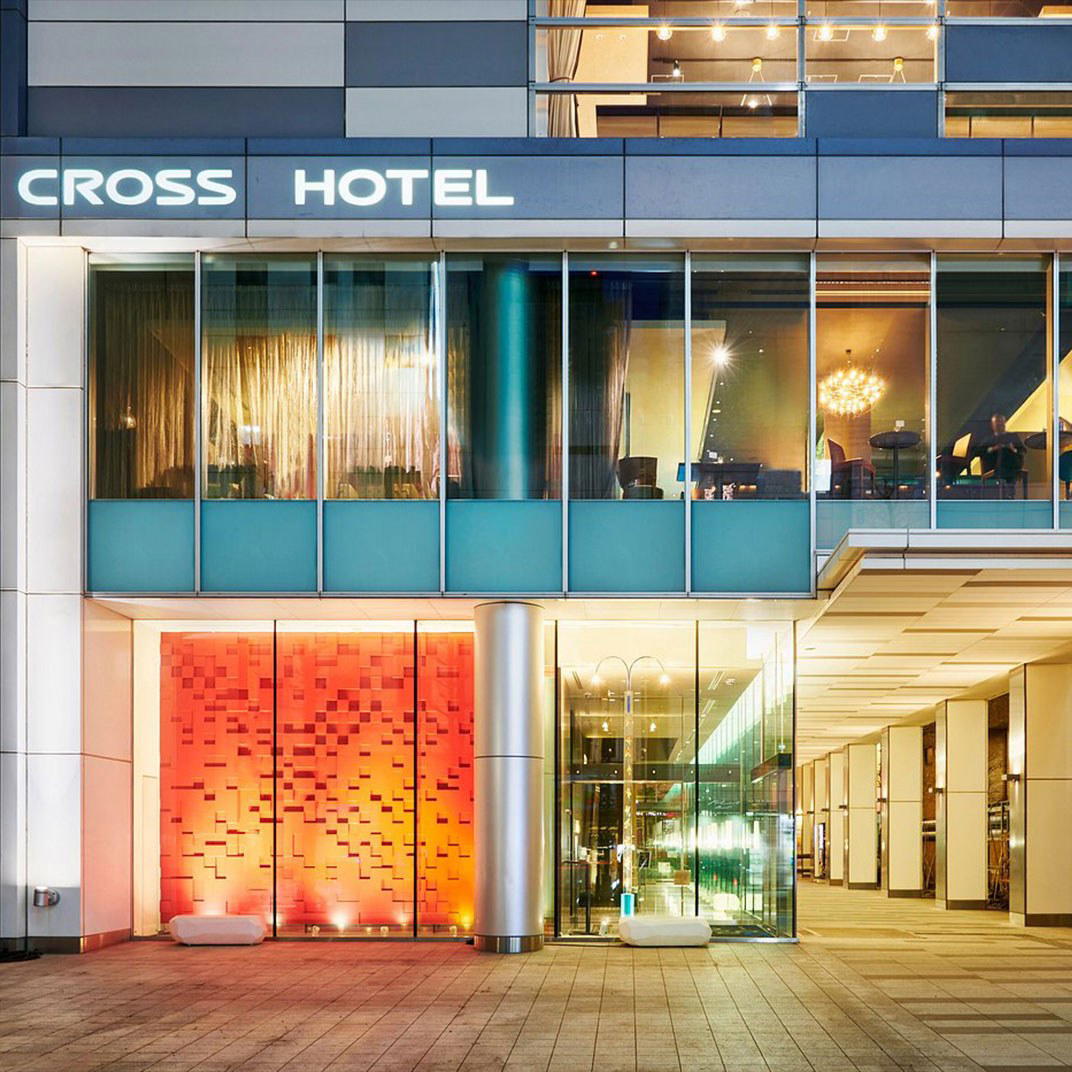
| Cross Hotel Sapporo | Sleek modern tower with artsy, lounge-like vibe emphasizing local Hokkaido connections. | $$$ | 4-Star | Chūō |
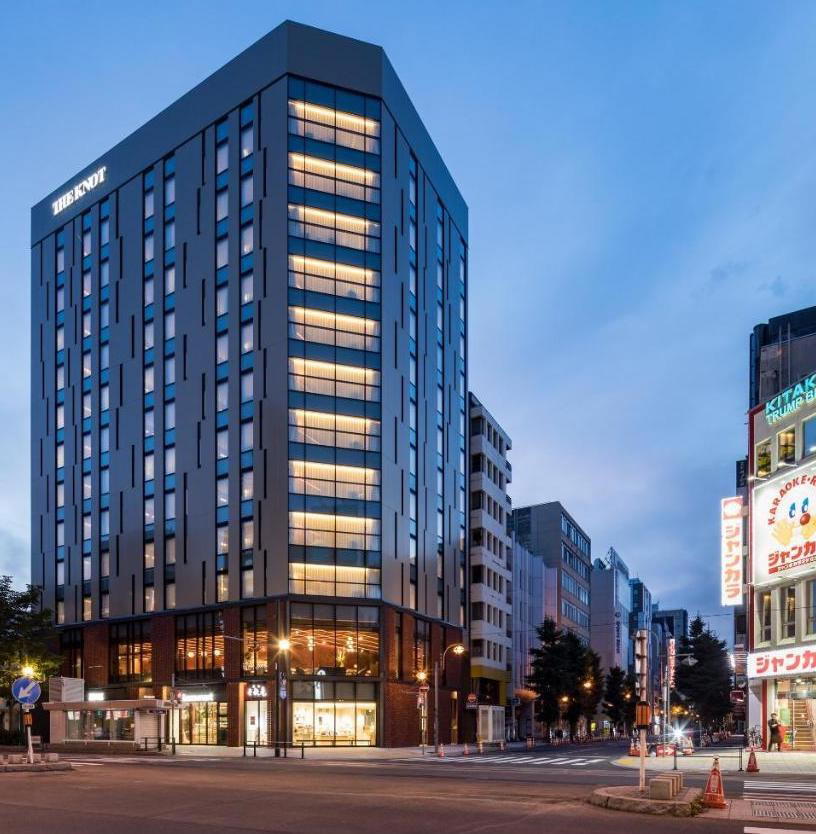
| The Knot Sapporo | Lifestyle hotel blending natural Hokkaido warmth with sleek modern design | $$$ | 3-Star | Susukino |
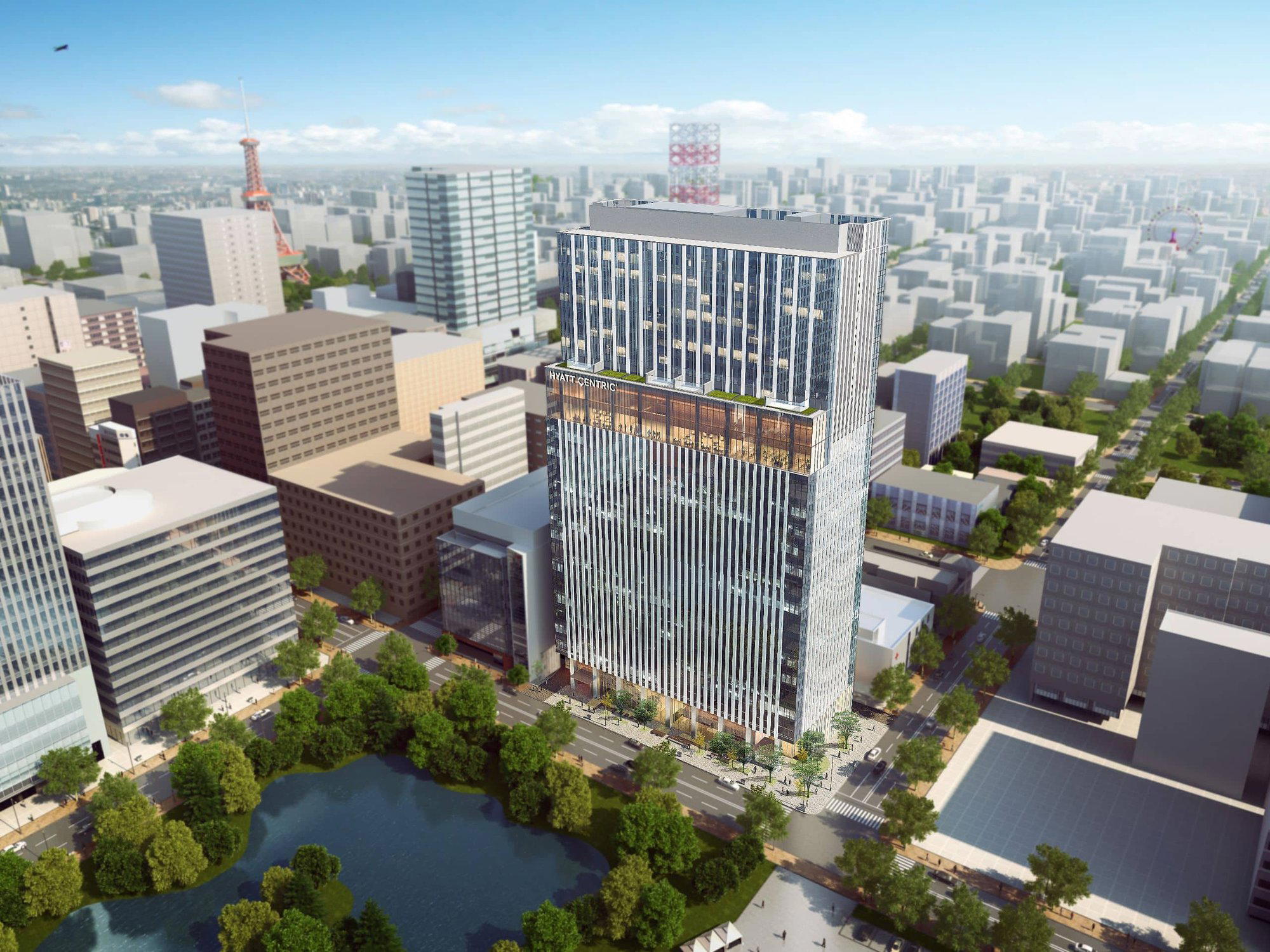
| Hyatt Centric Sapporo | Upscale urban lifestyle hotel under the Hyatt Centric brand, positioned as a base for exploration in central Sapporo. | $$$ | 4-Star | Sapporo Station area |
| Suigan | Exclusive onsen ryokan with spacious private suites | $$$$ | 4-Star | Minami |
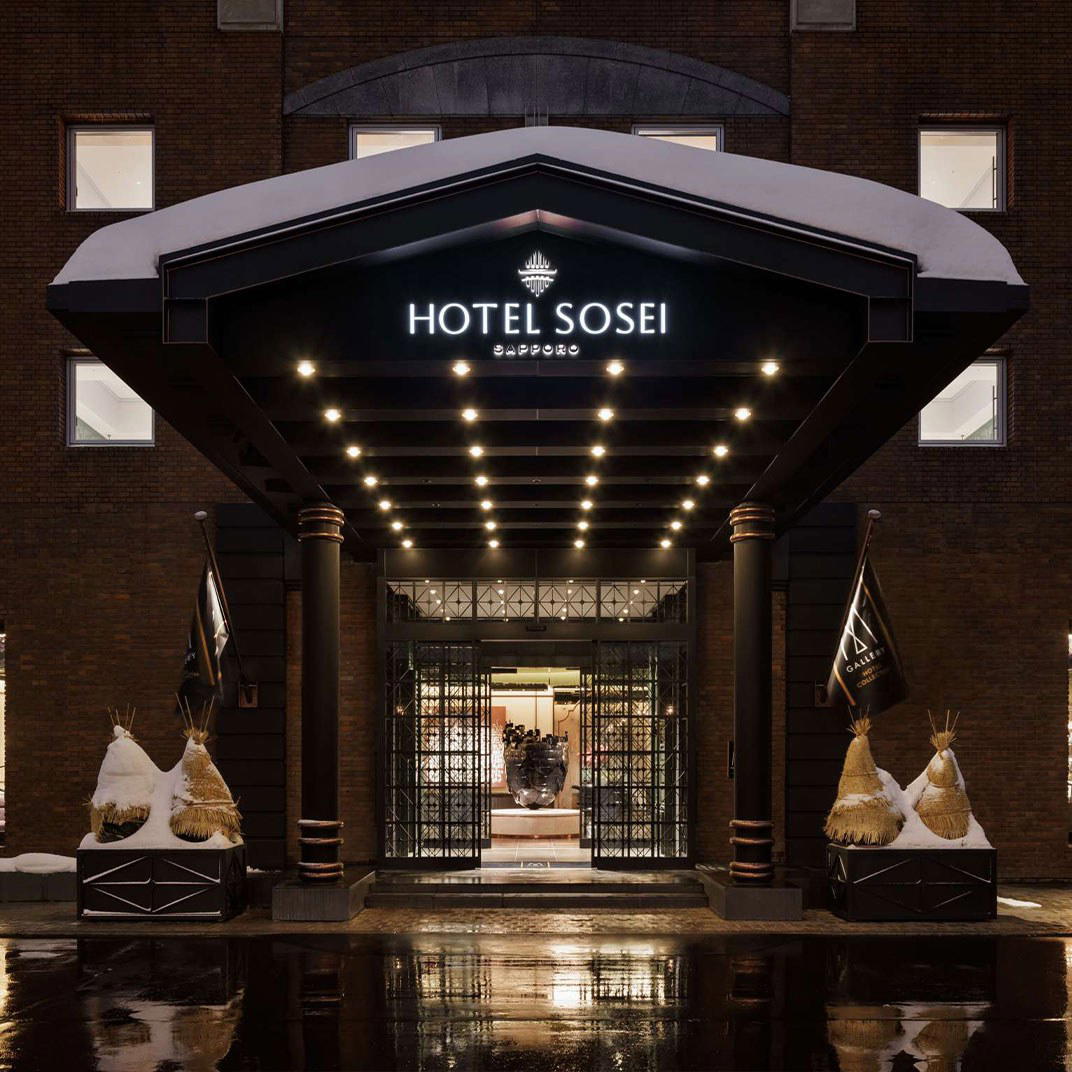
| Sosei Sapporo - MGallery | Historic boutique hotel bridging Sapporo's past and future with frontier spirit. | $$$$ | 5-Star | Chūō |
Recognition history
Dated appearances from independent guides and award organizations, with the underlying list record or original source where available.
Preferred Hotels Member
Preferred Hotels
Continue exploring
More in Sapporo
Hotels in Sapporo
Browse all →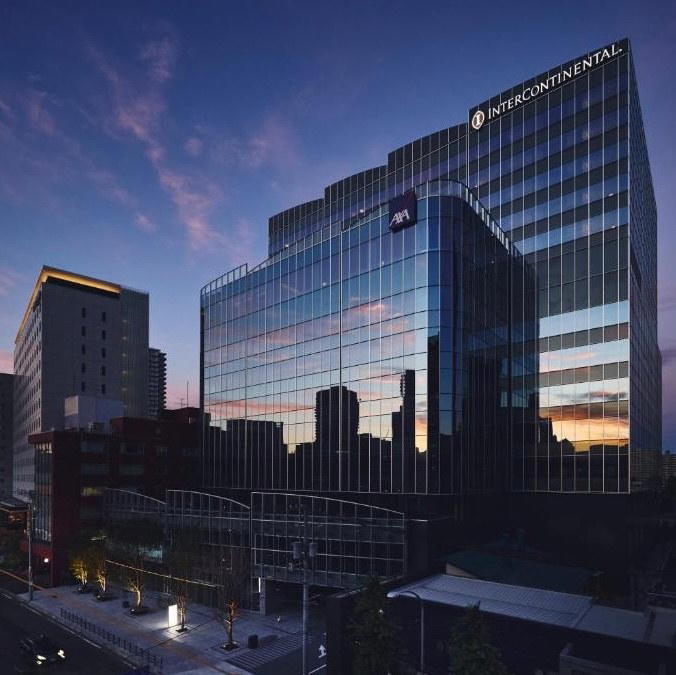
At a Glance
- Modern
- Elegant
- Sophisticated
- Business Trip
- Family Vacation
- Weekend Escape
- Panoramic View
- Terrace
- Wi Fi
- Room Service
- Concierge
- Restaurant
- Fitness Center
- Laundry Service
- Elevator
- Garden
- Massage
- Mountain
- Skyline
- Wi Fi
- Room Service
- Concierge
- Restaurant
- Fitness Center
- Laundry Service
- Elevator
- Garden
- Massage
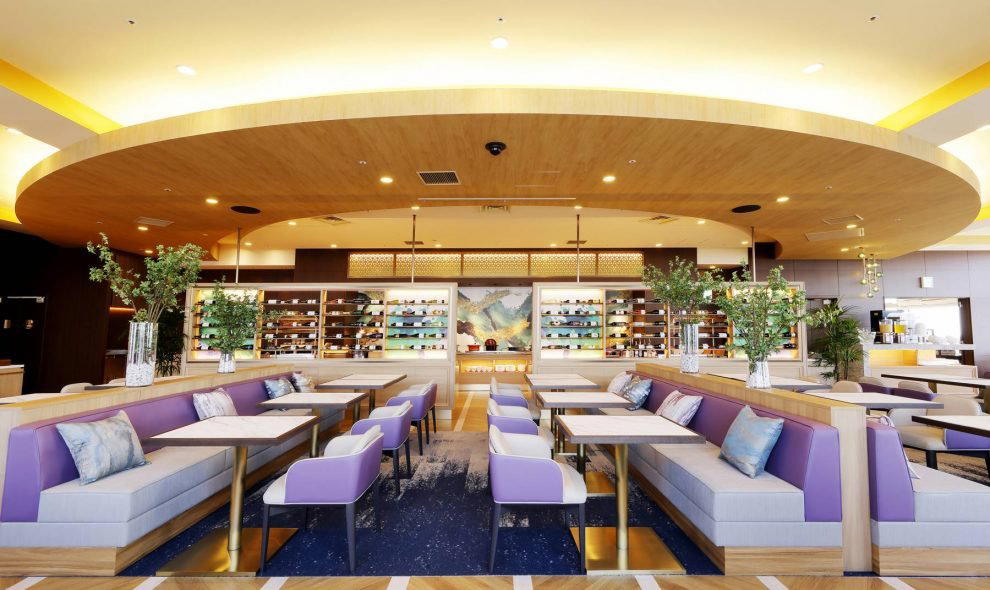
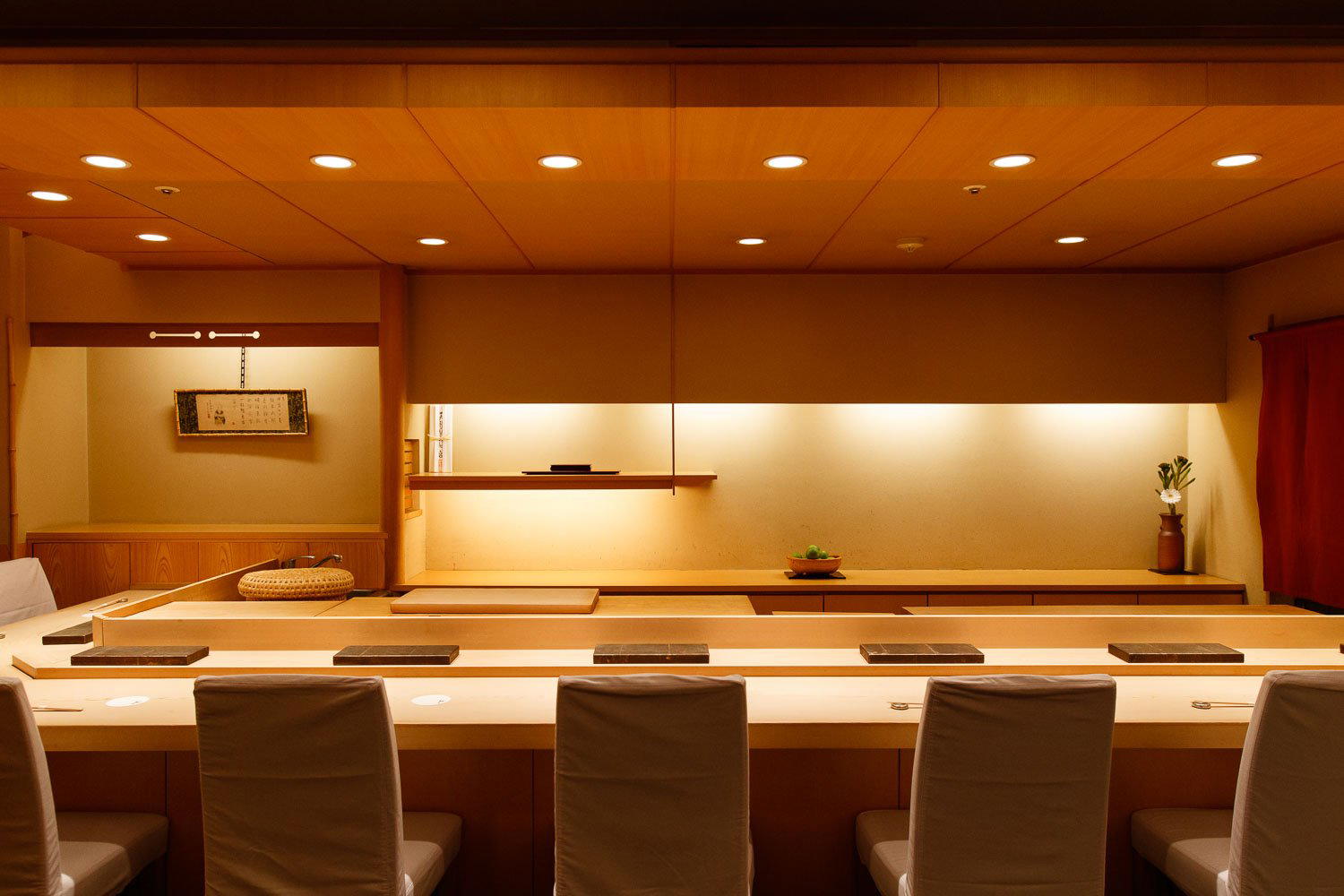
Relaxing and calm atmosphere with modern interiors, indirect lighting, and comfortable Simmons beds praised by guests.