

A seven-seat counter in Sapporo's Maruyama district, Sushi Miyakawa has earned consecutive Tabelog Silver Awards from 2024 through 2026 and a place in the Tabelog Sushi EAST Top 100 for 2025. The course, priced at 32,000 yen inclusive of tax and service, runs across two tightly managed evening sessions. Reservations open by phone at 11 AM on the first business day of each month.
Pearl is the En Primeur Club membership app — saves, bookings, and concierge access live there. Same editors, same standards.
- Address
- Japan, 〒064-0824 Hokkaido, Sapporo, Chuo Ward, Kita 4 Jonishi, 25 Chome−2−2 リヒトラーレ円山 1F
- Phone
- +81 11-613-2221
- Website
- sushi-miyakawa.com
- Directions
- Get directions
 Saves & bookings on Pearl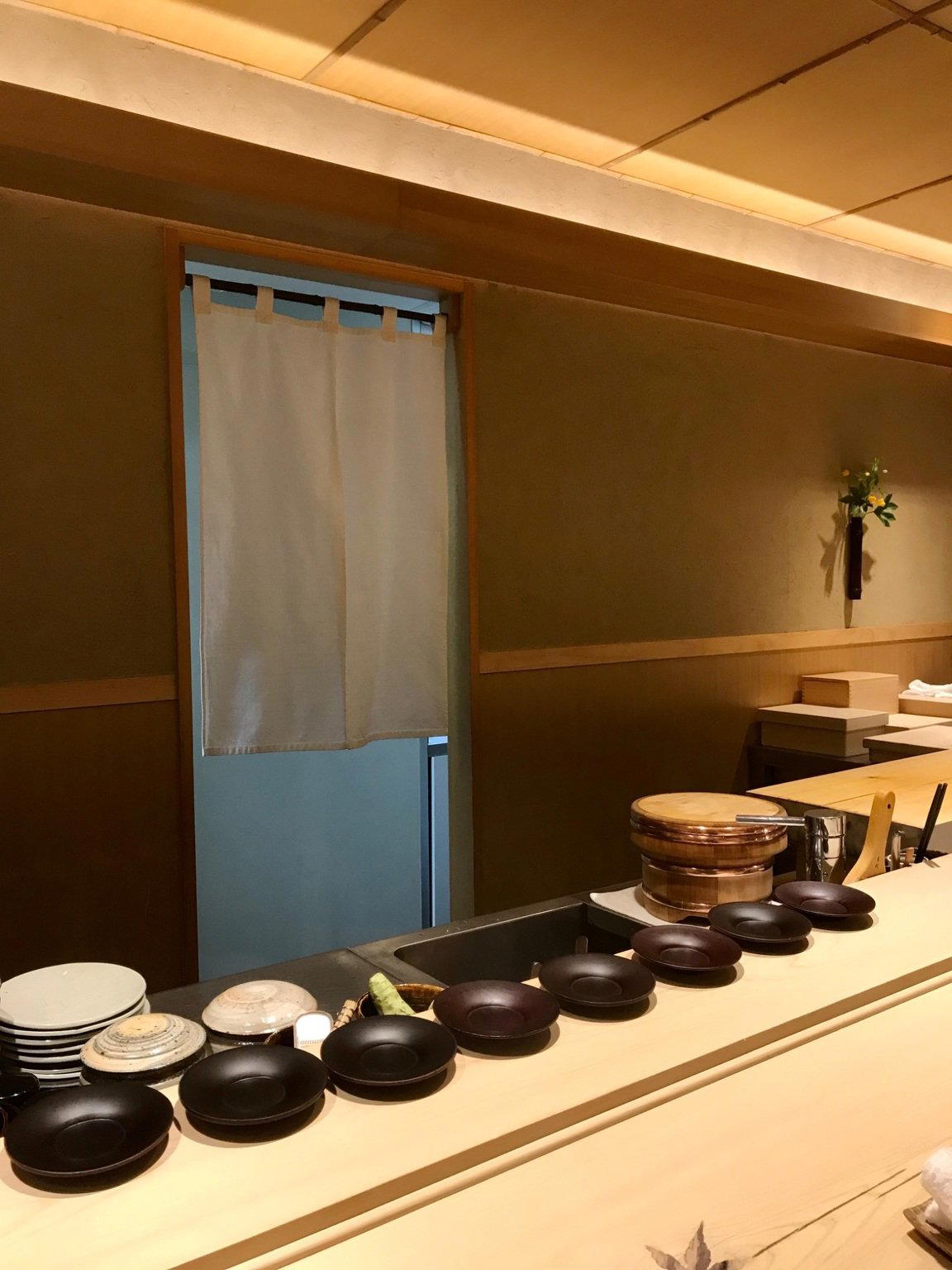
A Seven-Seat Counter at the Edge of Maruyama
Sushi Miyakawa is a 7-seat Edomae sushi omakase in Sapporo, priced at ¥32,000 per person inclusive of tax and service. While Tokyo's Ginza counters absorb most international attention, a smaller set of omakase rooms across Hokkaido has built reputations grounded in something Tokyo cannot easily replicate: proximity to the source. Hokkaido accounts for a significant share of Japan's domestic seafood supply, and the prefecture's cold northern waters produce sea urchin, snow crab, scallops, and salmon of a calibre that arrive at Sapporo counters with a freshness that distance would erode. Sushi Miyakawa sits inside this context, operating from a single-floor space in the Kita 4 Jo Nishi neighbourhood near Maruyama, a residential and commercial pocket of Chuo Ward that sits west of the city centre.
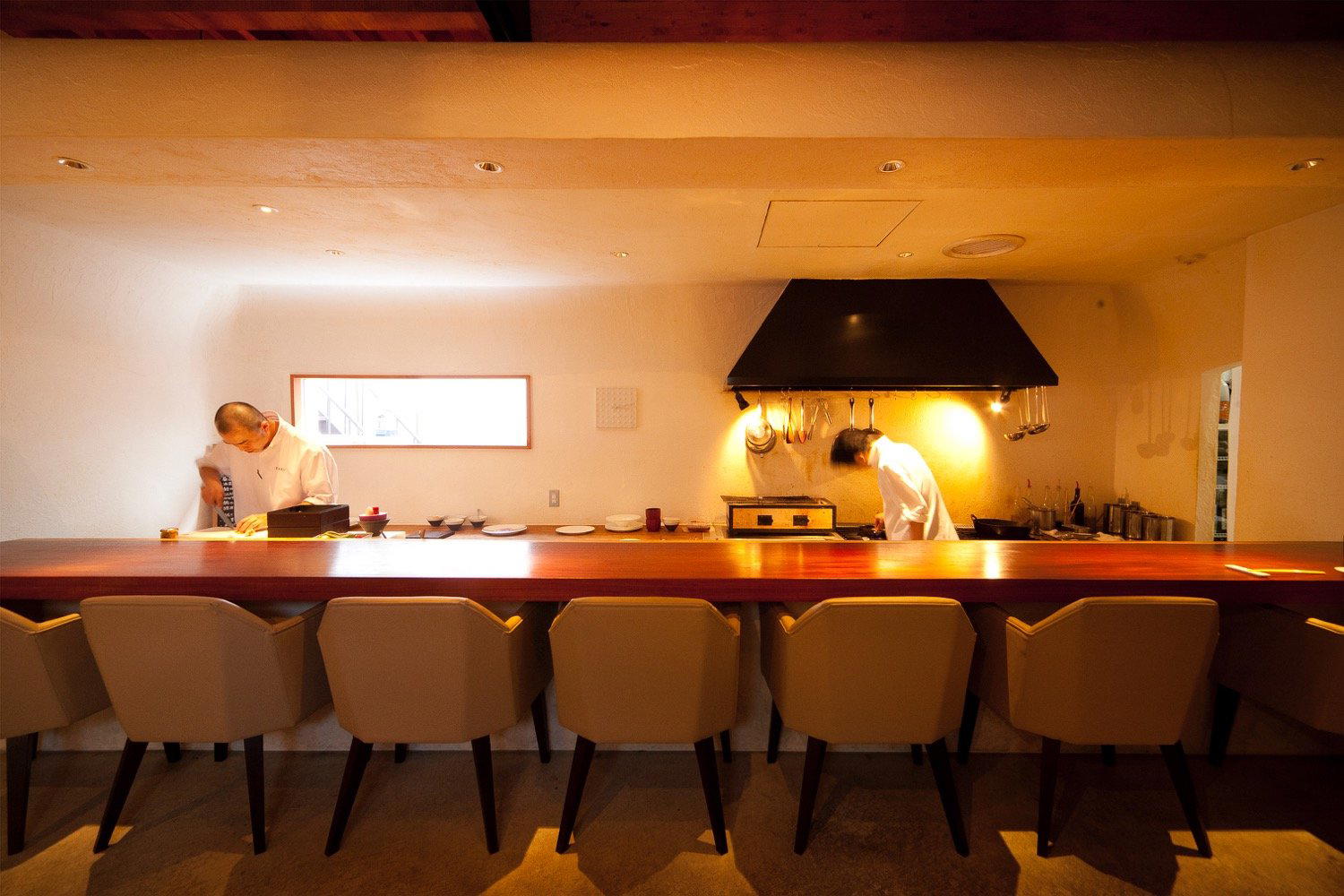
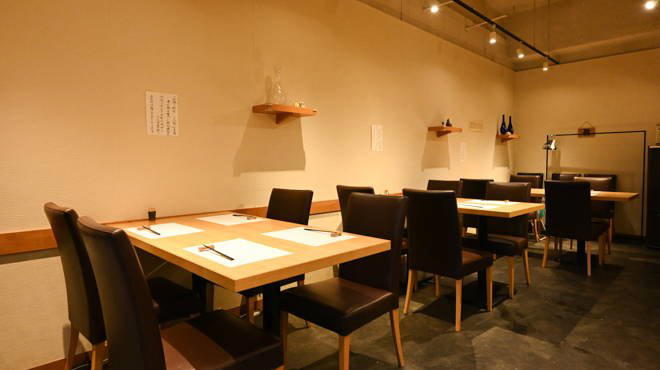
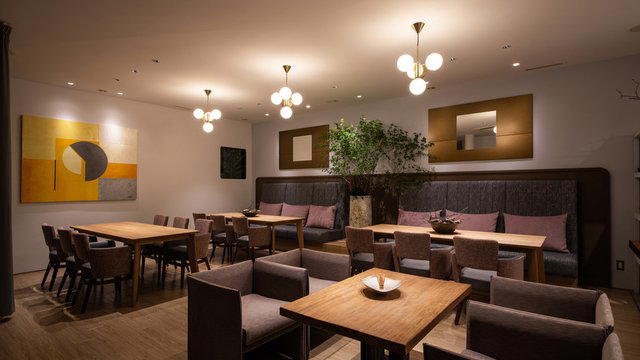
The physical scale of the room sets the terms immediately. Seven counter seats, no more, arranged so that every guest faces the same working surface. Private room access for two is available, but the counter is where the format makes its argument. Spaces this size operate on a different logic from larger restaurants: the kitchen performs in full view, sound carries without amplification, and the pace of the meal is determined by the room as a whole rather than by individual tables working at their own speed. That compression is not incidental. It is the architecture of the experience.
The Hokkaido Sushi Tradition and Where Miyakawa Fits
Japan's highly ranked sushi counters have historically been concentrated in Tokyo, with a secondary cluster in Osaka and Kyoto. Sapporo represents a third tier in terms of recognition, but the ingredient argument runs in the city's favour. Hokkaido seafood occupies a different quality register from much of what reaches Tokyo's Tsukiji or Toyosu markets after transit. Ezo abalone, Hokkaido uni from Rishiri or Rebun Island, and local hirame come to Sapporo counters at a logistical advantage that matters in raw preparation formats where ingredient quality is the primary variable.
Within Sapporo's own sushi peer group, Sushi Miyakawa occupies a well-defined position. It has accumulated Tabelog Silver Awards in consecutive years: 2024, 2025, and 2026. It also earned selection for the Tabelog Sushi EAST Top 100 in 2025, a list that covers eastern Japan and Hokkaido and runs to one hundred entries across a highly competitive field. A Tabelog score of 4.52, drawn from review aggregation, places it in the upper tier of Sapporo dining broadly, not just within sushi. For comparison, counters in the same Sapporo sushi category such as Sushi Sohei, Sushi Tanabe, and Sushisai Wakichi operate in related but distinct positions within the city's omakase hierarchy. Takuzushi extends that Hokkaido sushi conversation further across the prefecture. Also worth noting in Sapporo's broader fine dining context is Arima, which approaches the city's premium dining scene from a different cuisine orientation.
Nationally, Miyakawa's Opinionated About Dining ranking has moved from Recommended in 2023 to number 87 in 2024 and number 60 in 2025 among Japan's leading restaurants. That trajectory across three years, from a newly opened counter to a ranked position in the sixties nationally, reflects a rate of critical accumulation that is uncommon even in Tokyo's dense sushi market. For international reference points in the sushi category, Sushi Shikon in Hong Kong and Shoukouwa in Singapore represent how Edomae-grounded technique has extended across Asia, while Miyakawa's work remains rooted in Hokkaido's own ingredient identity.
Format, Rhythm, and the Logic of Two Sessions
The dinner-only format runs two sessions: a first seating from 5:00 PM to 9:15 PM, and a second from 7:30 PM onward, with the counter closed on Wednesdays. That two-session structure is common among serious omakase counters in Japan, where the chef controls pacing and the meal moves as a single coordinated sequence rather than as independent covers arriving at staggered intervals. At seven seats, both sessions are intimate by any standard.
The course is priced at 32,000 yen, which includes consumption tax and service charge. That all-in pricing, with no supplemental service fees added at the end, places the cost of entry at the lower edge of Japan's serious omakase tier. Tokyo counters with comparable Tabelog scores or award credentials routinely price above 40,000 yen per person before additional charges. The 30,000 to 39,999 yen bracket at Miyakawa therefore represents a meaningful value relative to peer counters in larger cities, with the additional variable of Hokkaido ingredient access built into the proposition. Nationally ranked alternatives such as Harutaka in Tokyo operate at different price points and within different competitive sets, making direct comparison instructive rather than definitive. Other high-recognition restaurants across Japan, including HAJIME in Osaka, Gion Sasaki in Kyoto, akordu in Nara, Goh in Fukuoka, and 1000 in Yokohama, anchor a broader picture of where Japan's fine dining attention is distributed, and Miyakawa's national ranking of 60 in 2025 places it in credible company across that field.
The Sensory Register of a Small Counter
At a seven-seat omakase, the sensory experience is determined as much by proximity and restraint as by individual dishes. The absence of ambient noise from a full dining room, the visible preparation at close range, and the controlled sequencing of a chef-led course create a different register from larger restaurants. Sound at this scale means the soft press of a knife, the placement of ceramic, the brief exchange between chef and guest. The room's non-smoking policy and smart casual dress requirement reinforce an atmosphere of focused attention rather than social theatre.
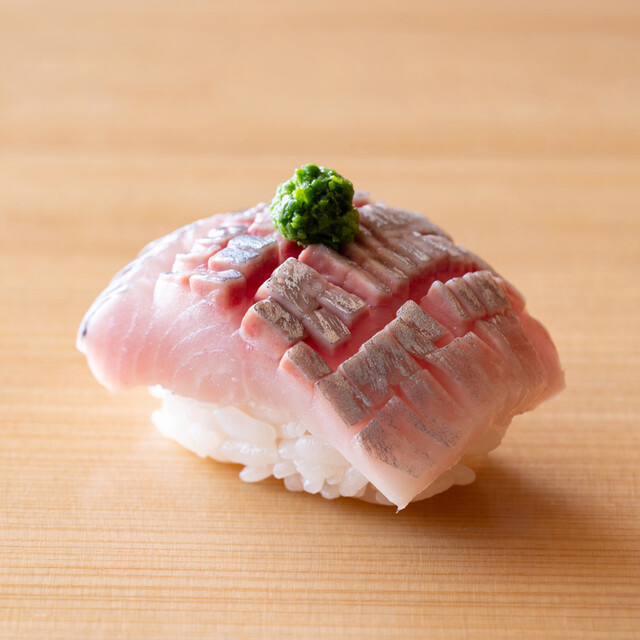
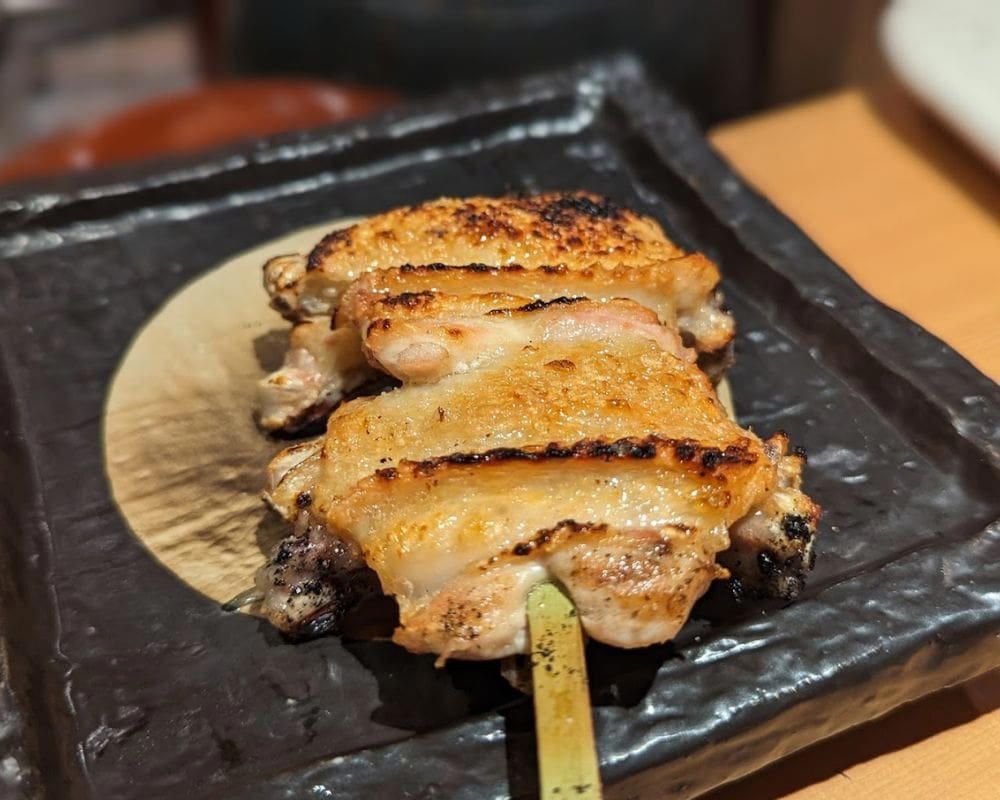
Hokkaido's seasonal seafood calendar introduces its own sensory logic. The prefecture's waters follow temperature patterns that produce distinct ingredient peaks through the year: spring brings buri and sakura trout, summer is the height of Hokkaido uni season, autumn sees Pacific saury and ikura at peak condition, and winter delivers some of Japan's most prized snow crab and scallop from the Okhotsk Sea coast. A counter operating in this geography, serving dinner only and at this price point, is building its argument around what the season offers rather than around a fixed menu.
Planning Your Visit
Reservations are essential. That constraint is not unusual at counters of this standing in Japan, but it requires advance planning. Smart casual attire is required; the dress code specifically excludes shorts, flip-flops, and sweatpants.
Reputation First
Comparable venues nearby, for context on price, style, and recognition.
| Venue | Cuisine | Price | Notes |
|---|---|---|---|
| Sushi MiyakawaThis venue — the venue you are viewing | 3 Michelin-Star Edomae Sushi Omakase | $$$$ | Not listed |
| Arima | Hokkaido Ezo-mae Omakase Sushi | $$$$ | Chūō |
| Hanakoji Sawada | Michelin-Starred Kaiseki | $$$$ | Chūō |
| Shota | Edomae Sushi Omakase | $$$$ | Chūō |
| Sushikin | Edomae-style Omakase Sushi | $$$$ | Chūō |
| Japanese cuisine Komatsu | Modern Japanese Kaiseki | $$$$ | Chūō |
Recognition history
Dated appearances from independent guides and award organizations, with the underlying list record or original source where available.
Opinionated About Dining Top Restaurants in Japan Ranked #40
Opinionated About Dining
Tabelog Silver #80
Tabelog
Opinionated About Dining Top Restaurants in Japan Ranked #60
Opinionated About Dining
Tabelog Silver
Tabelog
Tabelog 100 #89 · No. 89
Tabelog · Tabelog 100 - Sushi - EAST - 2025
Opinionated About Dining Top Restaurants in Japan Ranked #87
Opinionated About Dining
Opinionated About Dining Top Restaurants in Japan Recommended
Opinionated About Dining
At a Glance
- Intimate
- Elegant
- Sophisticated
- Date Night
- Special Occasion
- Chefs Counter
- Sake Program
- Sustainable Seafood
- Local Sourcing
Current opening hours
- Monday
- 5–10 PM
- Tuesday
- 5–10 PM
- Wednesday
- Closed
- Thursday
- 5–10 PM
- Friday
- 5–10 PM
- Saturday
- 5–10 PM
- Sunday
- 5–10 PM
Hours can change for holidays and private events. Last verified .
Intimate counter seating with a peaceful, serene atmosphere and meticulous, professional service