天ぷら あら木 occupies a ground-floor address in Sapporo's Chuo Ward, placing it within reach of the city's concentration of serious Japanese dining. Tempura at this level in Hokkaido operates within a tradition that prizes the quality of local ingredients, the island's seafood and produce are among the more closely watched in Japan, making the format particularly well-suited to the region.
Pearl is the En Primeur Club membership app — saves, bookings, and concierge access live there. Same editors, same standards.
- Address
- Japan, 〒064-0807 Hokkaido, Sapporo, Chuo Ward, Minami 7 Jonishi, 4 Chome−1-2 1F
- Phone
- +81115525550
- Website
- omakase.in
- Directions
- Get directions
 Saves & bookings on Pearl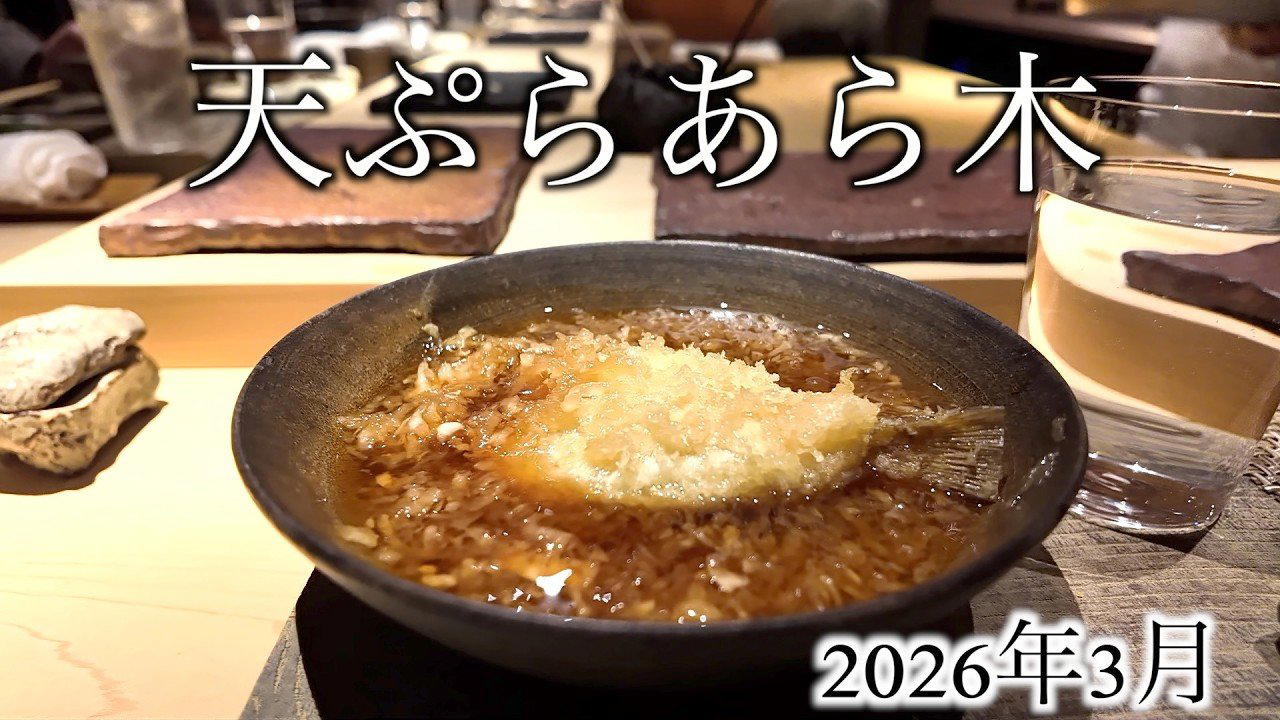
Tempura in Hokkaido: Why the Format Works Here
Among Japan's classical cooking disciplines, tempura occupies a precise position: it is both technically demanding and ingredient-dependent in equal measure. The batter is a vehicle, not a flavour, its job is to transmit heat and add texture while leaving the produce beneath it intact. Nowhere in Japan does that logic play out more naturally than in Hokkaido, where the cold waters of the Sea of Japan and the Tsugaru Strait produce seafood with a density and clarity that rewards a light fry over a heavy sauce. Sapporo, as the island's largest city and gastronomic centre, has developed a tier of serious Japanese restaurants, sushi counters like Arima, kaiseki rooms like Hanakoji Sawada, and specialist formats including tempura, that draw directly on that ingredient advantage.
天ぷら あら木 sits in this context, operating from a ground-floor space in Chuo Ward on Minami 7 Jonishi, within the southern residential and dining grid that runs below Susukino. The address places it slightly removed from the concentrated restaurant cluster around Odori and Tanukikoji.
Lunch vs. Dinner: The Divide That Defines a Tempura Counter
The lunch-versus-dinner divide matters more at a tempura counter than at almost any other format in Japanese dining. The reason is structural: tempura is fried to order, piece by piece, and eaten immediately. There is no dish that can be prepared in advance and held without loss. That makes tempura service inherently time-sensitive, and it shapes how lunch and dinner differ in mood, pacing, and value.
At lunch, the same counter that runs a full omakase sequence in the evening will typically offer a condensed set, fewer courses, faster pacing, sometimes a fixed selection of seasonal ingredients rather than the full rotating menu. For the diner, this is often the more accessible entry point: lower price, shorter time commitment, same kitchen. Across Japan's tempura tradition, from the long-established counters of Tokyo's Ginza district, such as Harutaka's neighbourhood in Ginza, to the regional specialists now operating in secondary cities, lunch service functions as a controlled preview of what the kitchen does at full stretch in the evening.
Dinner at a serious tempura counter is a different proposition. The pacing slows, the sequence lengthens, and the counter chef's decisions about what to fry and in what order become the structuring logic of the meal. In Sapporo specifically, evening tempura menus built around Hokkaido seafood, uni, shrimp from Haboro, seasonal river fish, tend to reflect the day's catch rather than a fixed card. That variability is a feature, not an inconvenience: it is the same logic that drives the omakase format at counters like Aki Nagao elsewhere in the city.
For visitors making a single visit, the practical calculus is direct: if time and budget are constrained, lunch at a serious tempura counter delivers a high proportion of the experience for a lower commitment. If the goal is to understand what the kitchen considers its full expression, dinner is the appropriate format. The two services are not interchangeable, they are different meals built on the same technique.
Sapporo's Specialist Counter Scene
Sapporo's restaurant scene has developed along lines that differ from Tokyo's or Osaka's in one important respect: the city's distance from Japan's main island creates a supply chain that runs locally first. Hokkaido's dairy, vegetables, and seafood are consumed in Sapporo before they leave the island, which means specialist counters here operate with access to product that southern Japanese cities import at significant cost. That structural advantage shows up across formats, in the crab specialists, the ramen houses built on long-simmered Hokkaido pork bones, and the raw-fish counters that source from Hokkaido's fishing ports directly.
For tempura, the implication is significant. The genre's reliance on ingredient quality means that a Sapporo tempura counter with good supplier relationships can work with product that its Tokyo peers would find difficult to source consistently. This is one reason why serious Japanese dining in Hokkaido has grown beyond its historical role as a seafood-and-dairy story: the ingredient base supports precision formats as readily as it supports casual ones. Venues like Higebozu and Hidetaka represent that same dynamic operating across different disciplines.
Internationally, the tempura counter format has analogues in how other precision formats operate regionally. The way a focused counter in a secondary city can outperform its metropolitan peers on ingredient access, rather than technique or credentials, is a pattern visible at venues like Goh in Fukuoka and Gion Sasaki in Kyoto, where geographic positioning relative to supply chains becomes a competitive asset rather than a limitation.
Planning a Visit
天ぷら あら木 operates at ground level on Minami 7 Jonishi in Chuo Ward, accessible from Sapporo's subway network via the Namboku Line. Chuo Ward contains the majority of Sapporo's specialist dining addresses, and the southern section of the ward, where this venue sits, tends toward a quieter, neighbourhood-facing character rather than the higher-traffic dining strips around Susukino station. Visitors building a Sapporo dining itinerary should cross-reference with our full Sapporo restaurants guide to map the city's counter dining across formats and price tiers.
Reservations are essential, and the counter is best booked well in advance for dinner. The counter format that has gained traction across Japan's precision dining scene, from HAJIME in Osaka to akordu in Nara, consistently rewards early reservation over walk-in attempts.
Pricing, Compared
Comparable venues nearby, for context on price, style, and recognition.
| Venue | Cuisine | Price | Notes |
|---|---|---|---|
| 天ぷら あら木This venue — the venue you are viewing | Chūō, Michelin-Starred Tempura Omakase | $$$$ | Not listed |
| 姫沙羅 | Maruyama Park, Edomae Sushi | $$$$ | Not listed |
| Hokkaido Yakiniku Kita Ushi | Chūō, High-end Hokkaido Wagyu Yakiniku | $$$$ | Not listed |
| Mieda | Chūō, Modern Japanese Fine Dining | $$$$ | Not listed |
| Matsukura | Not listed | $$$ | Chūō, Japanese Kaiseki / Washoku |
| Himeshara | Not listed | $$$$ | Maruyama, Hokkaido-influenced Edomae Sushi |
At a Glance
- Elegant
- Intimate
- Sophisticated
- Date Night
- Special Occasion
- Chefs Counter
- Sake Program
- Local Sourcing
Current opening hours
- Monday
- 6–10:30 PM
- Tuesday
- 6–10:30 PM
- Wednesday
- 6–10:30 PM
- Thursday
- 6–10:30 PM
- Friday
- 6–10:30 PM
- Saturday
- 6–10:30 PM
- Sunday
- Closed
Hours can change for holidays and private events. Last verified .
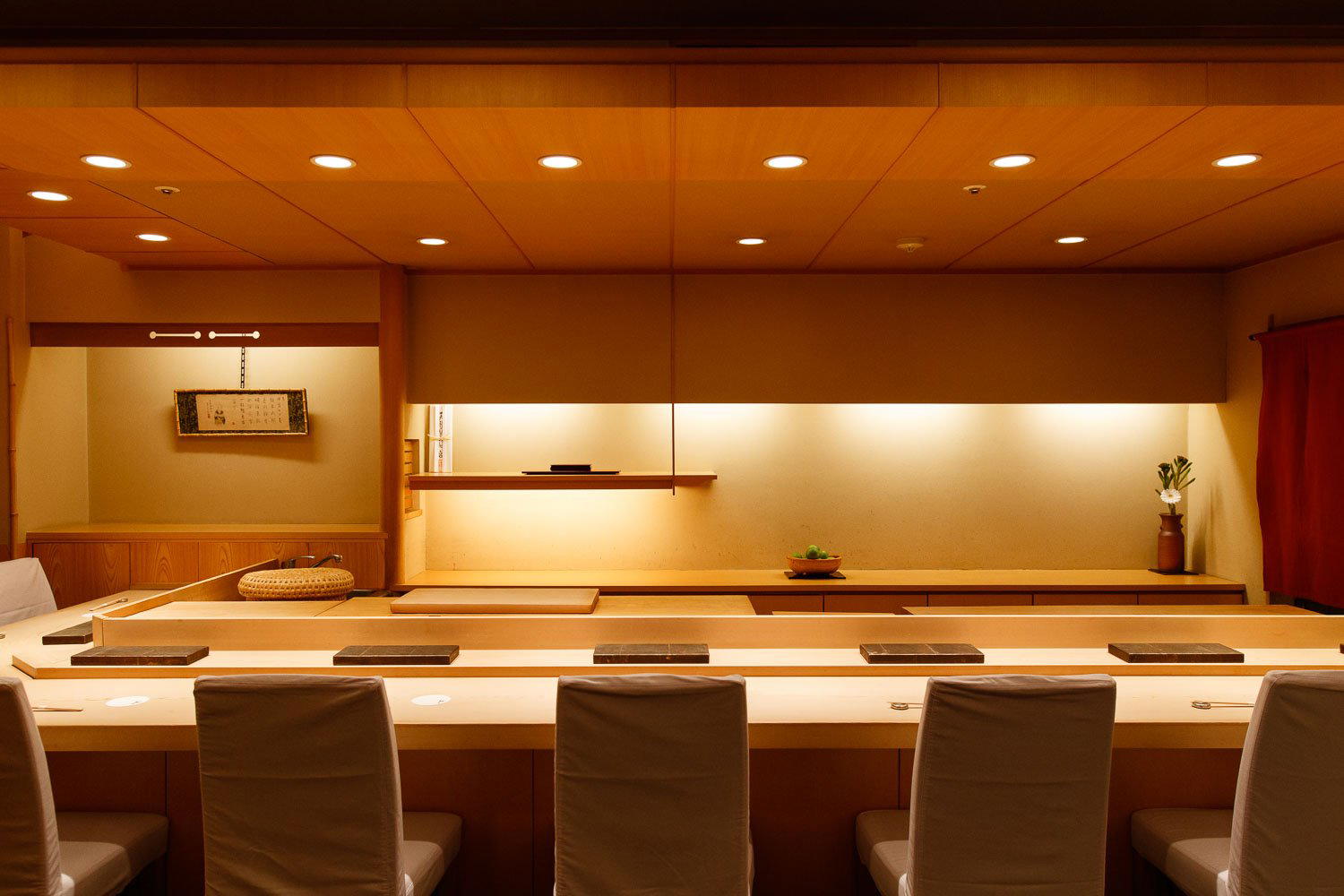
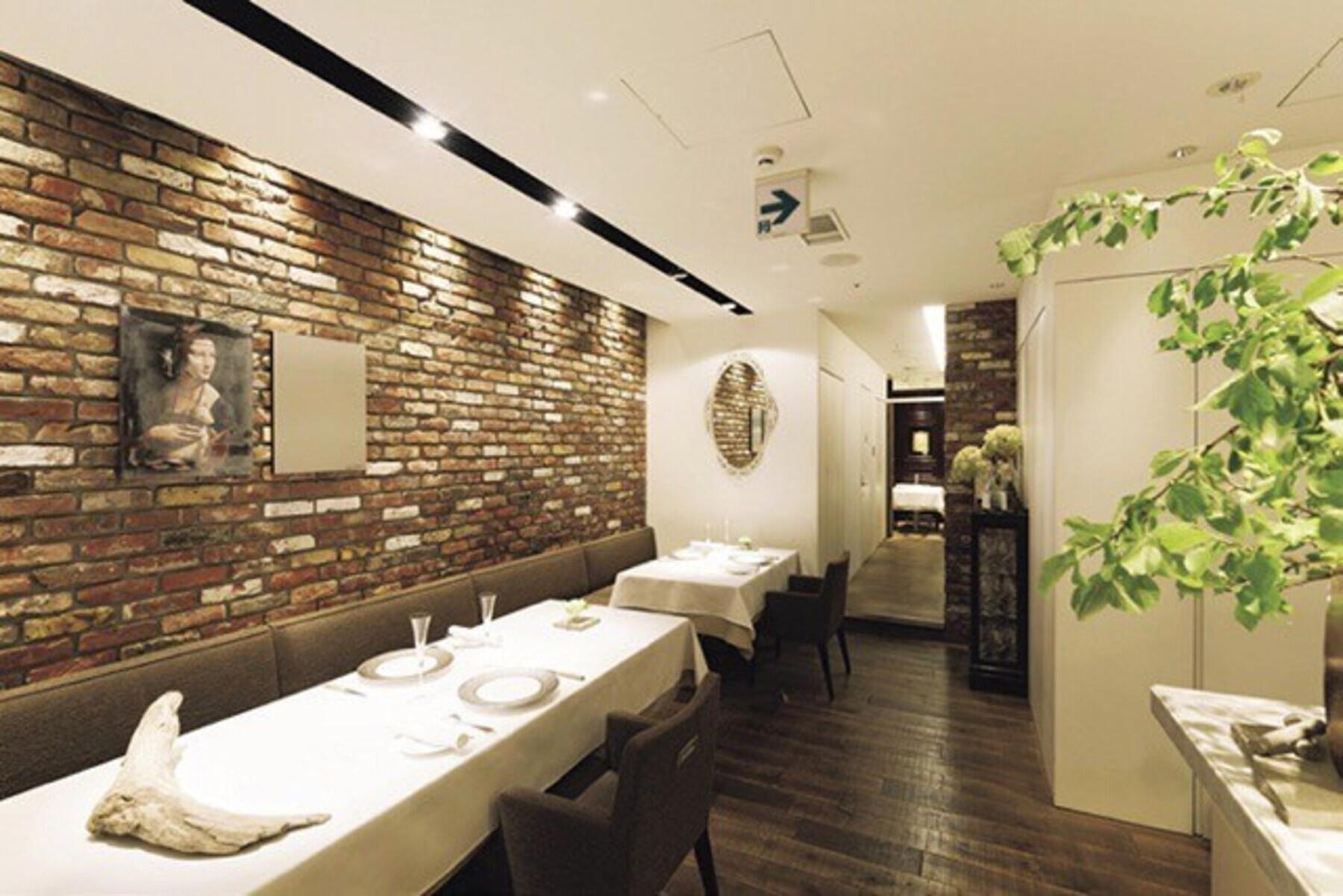
Calm and refined counter seating with warm hospitality and focus on the chef's precise tempura preparation.