
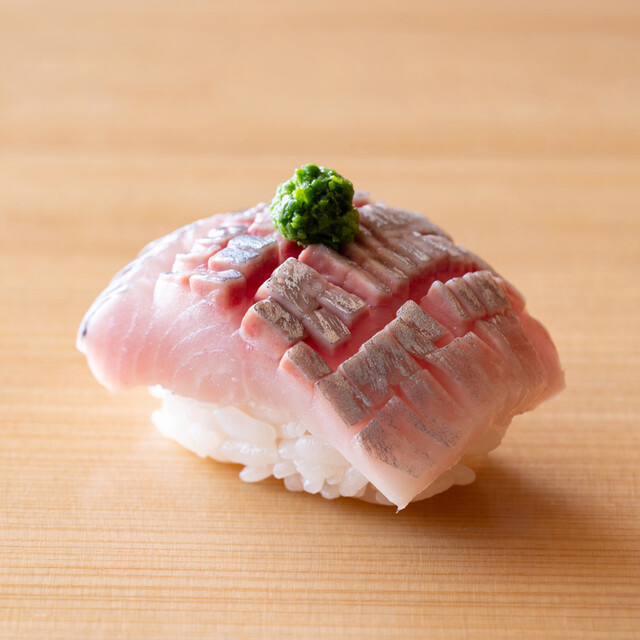
Sushi Kai places Sapporo sushi in its serious, appointment-driven register: an eight-seat counter in Maruyama Koen with Tabelog 100 Sushi EAST 2025 recognition and a format built around concentration rather than volume. The draw is not spectacle but planning discipline, Hokkaido access, and a compact room where sushi reads as a precise evening rather than a casual stop.
Pearl is the En Primeur Club membership app — saves, bookings, and concierge access live there. Same editors, same standards.
- Address
- Japan, 〒064-0801 Hokkaido, Sapporo, Chuo Ward, Minami 1 Jonishi, 24 Chome−1−30 円山OCT.BLDG 1F
- Phone
- +81 90-9431-3017
- Website
- hitosara.com
 Saves & bookings on Pearl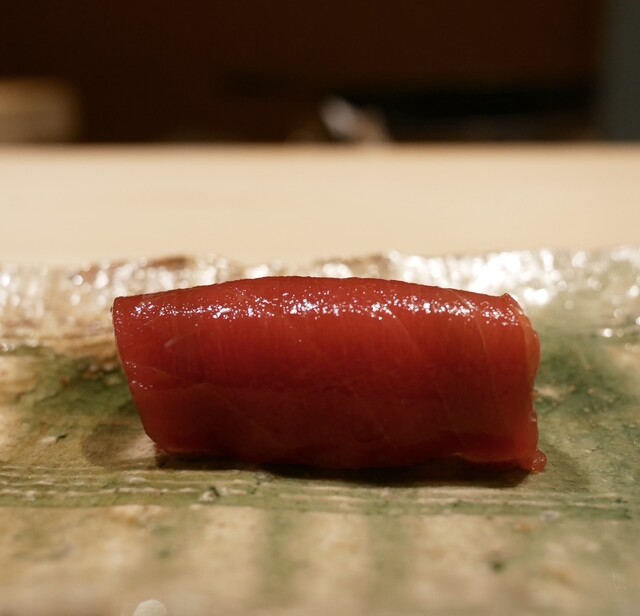
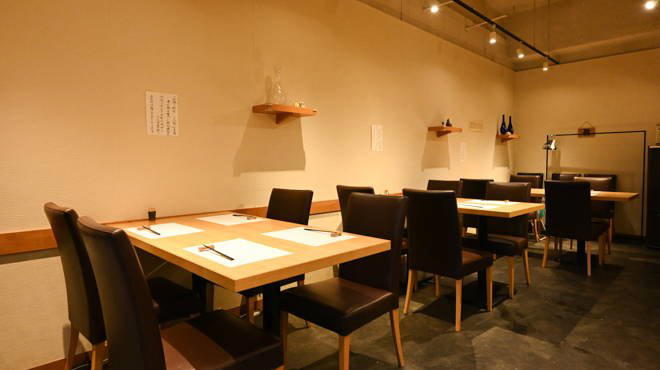
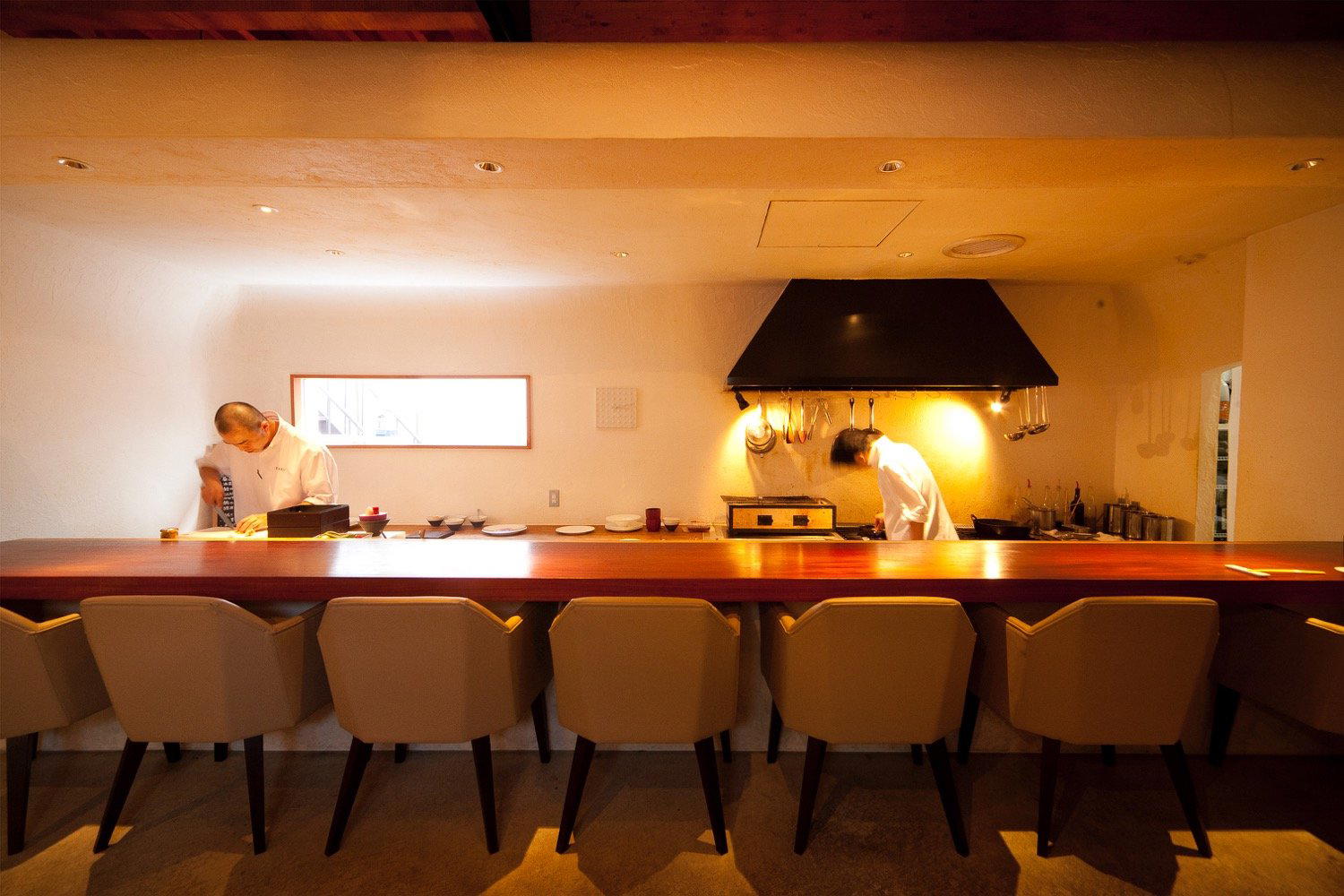
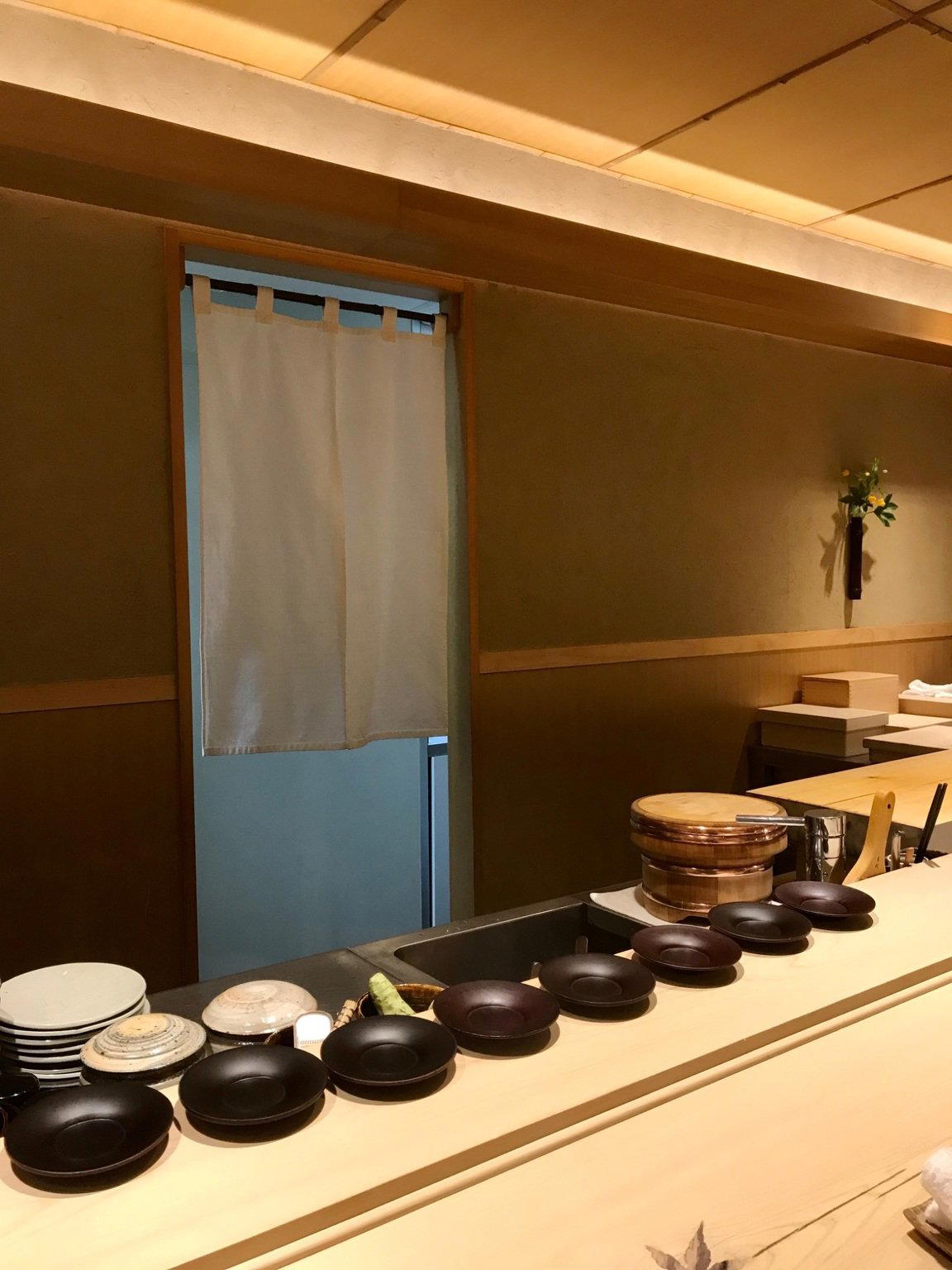
Maruyama Koen changes the tone before dinner begins. The area sits away from Sapporo’s heavier central nightlife, with a quieter residential rhythm that suits a sushi counter built for focus. In that setting, Sushi Kai belongs to the small-capacity end of the city’s dining scene: eight counter seats, no private rooms, no smoking, and a room where the evening depends on timing, restraint, and the guest’s ability to meet the format on its own terms.
Sapporo’s serious sushi culture has a different temperature from Tokyo’s Ginza circuit. The city has proximity to Hokkaido seafood, but proximity alone does not make a counter compelling; the stronger rooms translate regional access into sequence, pacing, rice temperature, and drink choices. Tabelog selected Sushi Kai for its Sushi EAST 2025 list, and that recognition places it in a national conversation rather than a purely local one. The score attached to its Tabelog listing, 3.94, reinforces the same point: this is not an anonymous neighbourhood counter, but a small room being judged against demanding sushi expectations.
An eight-seat Sapporo counter built around concentration
The appeal here is structural. Eight seats mean the experience is narrow by design, with little buffer for late arrivals, casual add-ons, or sprawling group dynamics. That matters in sushi because the counter is not just a place to sit; it is the operating system. A limited room compresses the relationship between preparation, serving pace, and guest attention. The smaller the counter, the less forgiving the evening becomes.
That is also why Sushi Kai reads differently from Maruyama’s more everyday dining addresses. Nearby comparison venues such as SOI maruyama and MATALE Maruyama ten sit in lower price bands and serve a different role in the neighbourhood’s dining week. The restaurant occupies the appointment-led bracket, closer in spirit to specialist counters such as 鮨菜 和喜智 than to casual local meals. For travellers building a Sapporo food itinerary, that distinction matters: this is the kind of booking that anchors an evening, not a flexible option between bars.
The city rewards that kind of planning. Sapporo can be generous at the casual end, from ramen and soup curry to izakaya drinking, but the tighter counters require a different approach. For a broader read on how the city’s formats divide by neighbourhood and occasion, see Our full Sapporo restaurants guide. Travellers pairing dinner with a broader trip can also use Our full Sapporo hotels guide, Our full Sapporo bars guide, Our full Sapporo wineries guide, and Our full Sapporo experiences guide to keep the night coherent rather than scattered across the city.
Why the booking matters as much as the meal
At this level, the booking is part of the editorial assessment. A counter with limited seats, a single evening rhythm, and a cancellation policy with financial consequences belongs to the category where guests need to commit early and arrive prepared. That is not hospitality theatre; it is how small Japanese counters protect pacing and waste control. The format asks for precision from both sides.
The same logic applies to etiquette. A sushi counter is unusually sensitive to scent, timing, and dress because the meal happens at close range and in sequence. The restaurant’s guidance against excessive perfume and extremely casual clothing is consistent with the broader etiquette of high-attention counters in Japan. The rule is less about formality than interference: strong fragrance competes with aroma, and a casual approach to arrival can disrupt the room’s cadence.
Drink context also matters. The listing notes attention to sake and wine, which puts the counter in a contemporary Japanese pattern: serious sushi rooms increasingly treat pairing as a parallel structure rather than an afterthought. In Hokkaido, sake can sharpen the regional argument, while wine signals a wider dining language for guests used to tasting-menu pacing. The stronger choice is not to over-order around the food; it is to let the counter’s sequence set the tempo.
For visitors comparing Sapporo meals, the useful question is not whether sushi is preferable to curry, ramen, or French-inflected dining. It is what role each meal plays. A casual lunch at 175°DENO Tantanmen Sapporo kitaguchi ten, a curry stop at [Curry Senmon Ten] Maruyama Kyoju., or a different spice route through Ajanta Indo Curry Ten and Ajanta Sohonke solves a different appetite. Aigues Vives points to another side of Hokkaido dining altogether. The restaurant sits in the high-commitment slot, where the evening should not be over-programmed before or after.
How to place it inside a Japan itinerary
Japan’s premium dining map can tempt travellers into treating every city as a checklist. That approach fails in Sapporo. The city’s strength is not mimicry of Tokyo or Kyoto; it is the combination of Hokkaido supply, colder-climate appetite, and a dining culture that shifts quickly between casual and highly controlled formats. The restaurant makes sense for travellers who want a disciplined counter in Sapporo rather than another national trophy meal detached from place.
That distinction becomes clearer when set beside broader Japan dining references. A sukiyaki-focused meal such as -Grilled beef Sukiyaki- KAMAKURA TANUKIAN 鎌倉 たぬき庵 in Kamakura, a Tokyo izakaya-style seafood address like. 鮪と炭火焼き うお炭 秋葉原店 in Tokyo, or a Kyoto table such as [ki:] in Kyoto each reflects a different city grammar. Even casual or overseas Japanese-adjacent stops, from.cafe in Osaka and.know in Kumamoto to (Shoku) Vietnam in Kawasaki, Jōdo Saké Bar in Los Angeles, and Onigiri Time in Pasadena, show how much format changes the meal’s meaning. Sapporo sushi should be judged on its own terms.
The editorial case for the restaurant is therefore practical rather than decorative. Tabelog 100 Sushi EAST 2025 recognition gives the counter a credible external marker; the eight-seat format explains why planning matters; the Maruyama Koen setting separates it from the city’s looser central-nightlife rhythm. For the right diner, that combination is the point: a controlled Sapporo sushi evening where access, etiquette, and attention carry as much weight as appetite.
Category Peers
Comparable venues at the same tier for side-by-side context.
| Venue | Cuisine | Price | Notes |
|---|---|---|---|
| Sushi KaiThis venue — the venue you are viewing | Intimate Omakase Sushi Counter | $$$$ | Not listed |
| Mieda | Modern Japanese Fine Dining | $$$$ | Chūō |
| Sushi Natsume Honten | Traditional Sushi Omakase | $$$ | Chūō |
| Matsukura | Japanese Kaiseki / Washoku | $$$ | Chūō |
| susukinodepato | Hokkaido Seafood & Crab Buffet Dining | $$$ | Chūō |
| 〇鮨 | Hokkaido Sushi Omakase | $$$$ | Chūō |
Recognition history
Dated appearances from independent guides and award organizations, with the underlying list record or original source where available.
Tabelog 100 #35 · No. 35
Tabelog · Tabelog 100 - Sushi - EAST - 2025
At a Glance
- Intimate
- Elegant
- Cozy
- Sophisticated
- Date Night
- Special Occasion
- Celebration
- Business Dinner
- Solo
- Chefs Counter
- Standalone
- Open Kitchen
- Private Dining
- Sake Program
- Local Sourcing
- Sustainable Seafood
Current opening hours
- Monday
- 7–10 PM
- Tuesday
- 7–10 PM
- Wednesday
- Closed
- Thursday
- 7–10 PM
- Friday
- 7–10 PM
- Saturday
- 7–10 PM
- Sunday
- 7–10 PM
Hours can change for holidays and private events. Last verified .
Calm and refined counter-only space with just seven seats, softly lit and uncluttered, designed to feel like a quiet reward or special-night retreat where guests focus on the craftsmanship of the sushi and sake.