
Hidetaka puts Sapporo sushi in its serious small-counter register: Hokkaido fish, Edomae technique, sake-minded pacing, and an eight-seat format that rewards diners who care about sourcing as much as ceremony. Tabelog recognition, including a 2026 Bronze Award and Sushi EAST 100 selection, places it among the city’s more closely watched sushi counters rather than its casual seafood circuit.
Pearl is the En Primeur Club membership app — saves, bookings, and concierge access live there. Same editors, same standards.
- Address
- Japan, 〒064-0807 Hokkaido, Sapporo, Chuo Ward, Minami 7 Jonishi, 4 Chome 1F
- Phone
- +81 11-200-0677
- Website
- autoreserve.com
- Directions
- Get directions
 Saves & bookings on Pearl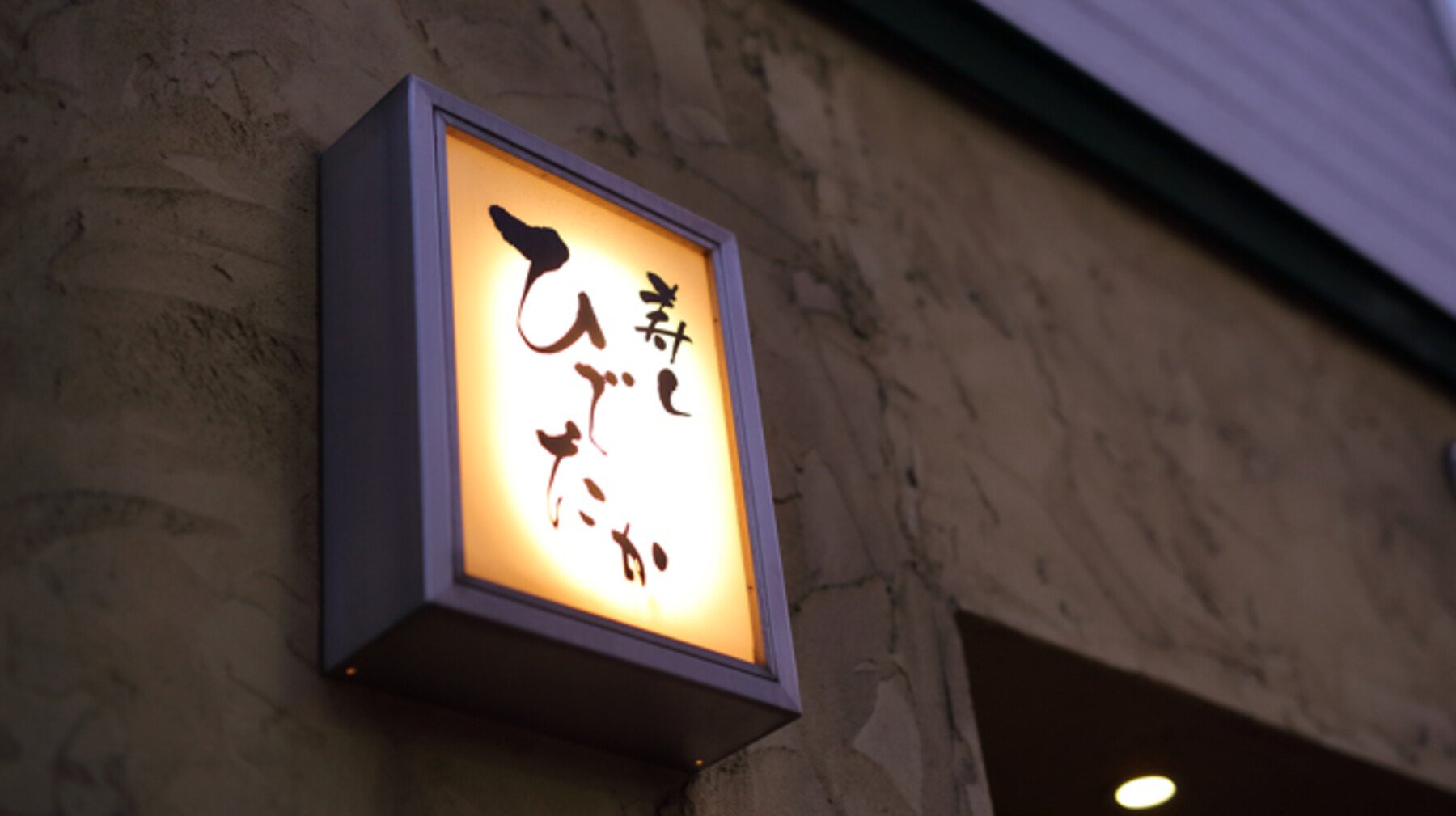
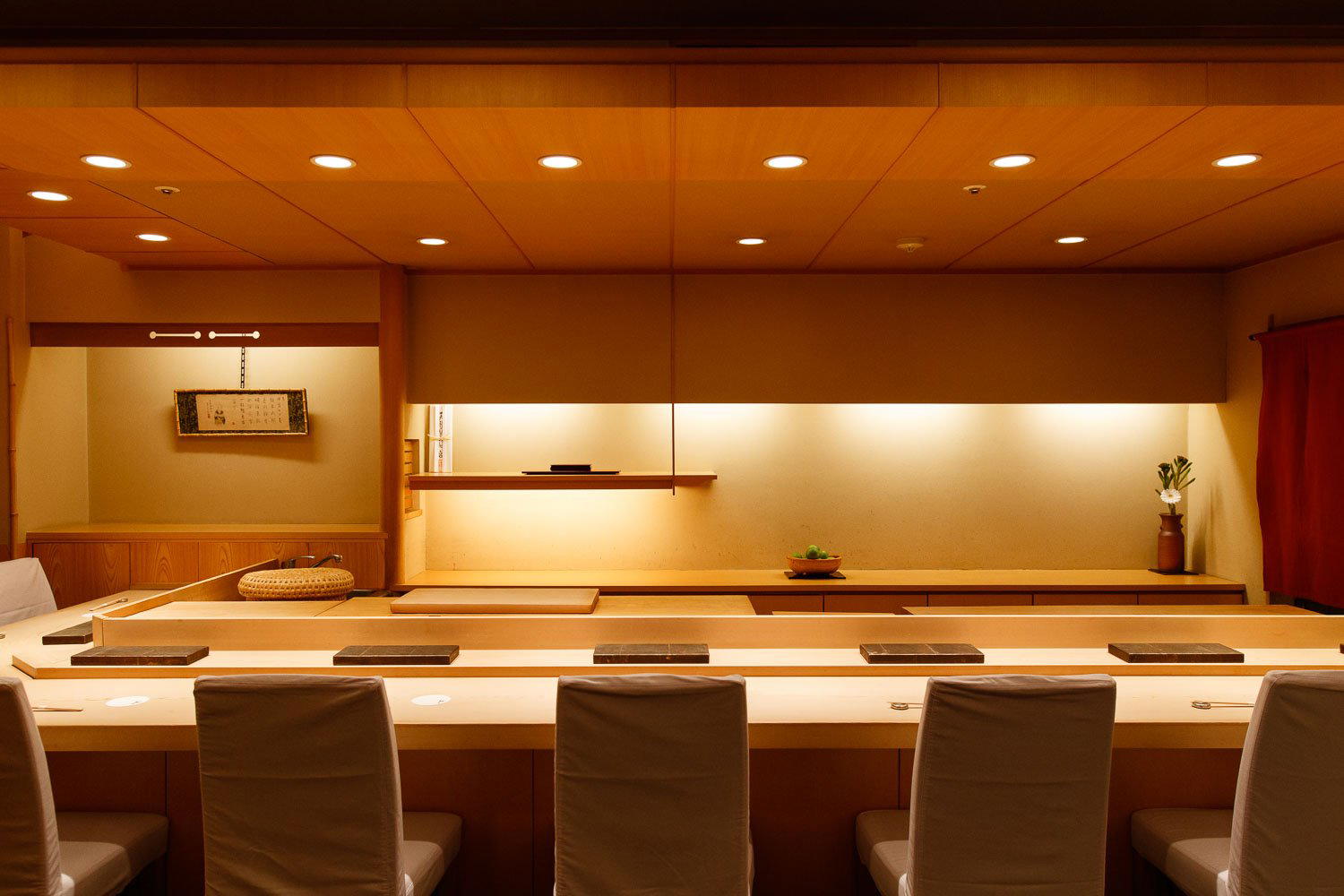
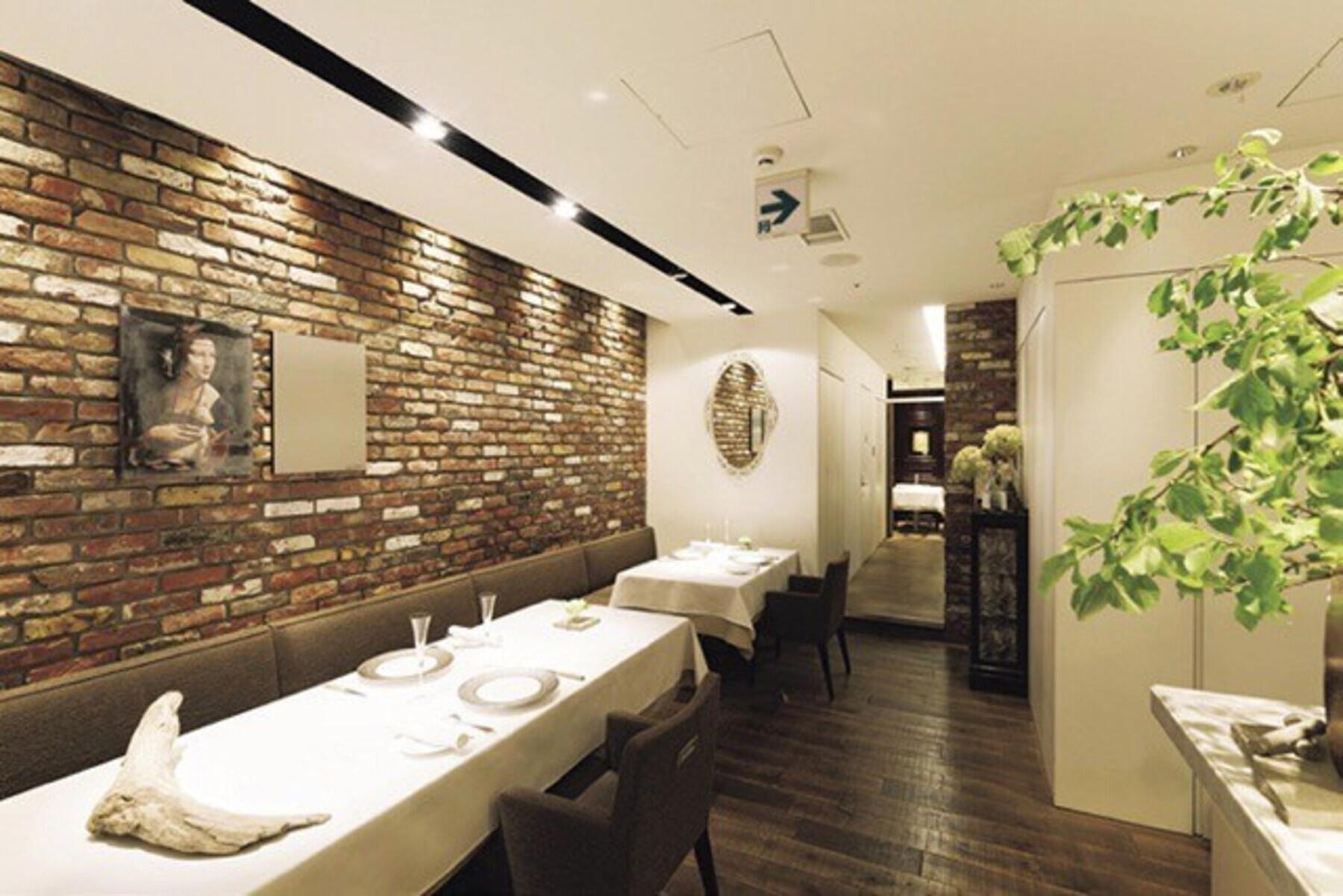
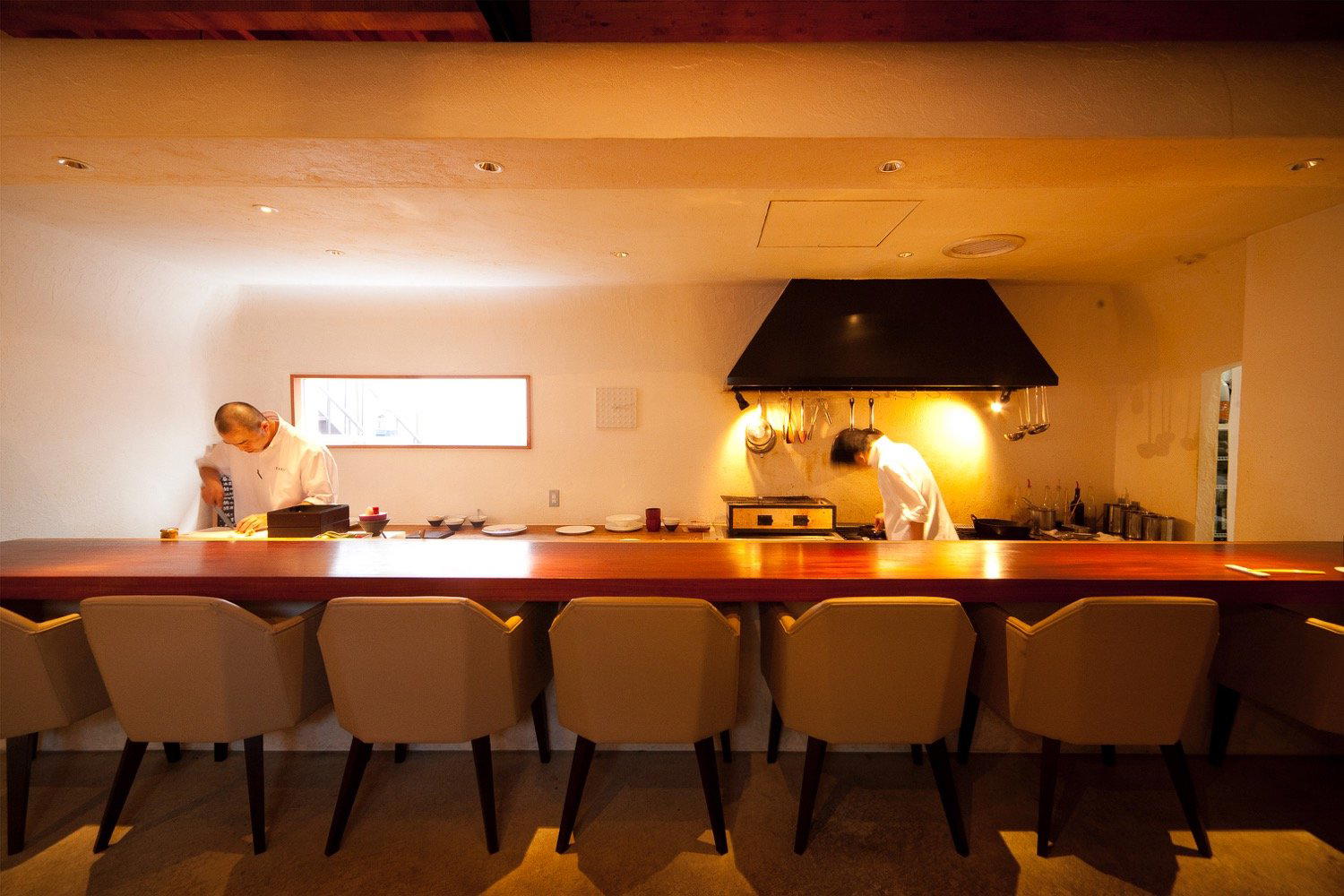
The room tells the story before the first sushi: a compact counter, no private rooms, no visual excess, and the low-pressure intensity of serious Sapporo sushi. This is not the city’s seafood-market version of Hokkaido abundance, where volume and immediacy do much of the work. It belongs to the smaller counter tradition, where local fish is only the starting point and the case is made through preparation, pacing, rice, sake, and restraint.
Visitors often read Sapporo through ramen, soup curry, beer halls, and winter produce, but its sushi culture deserves a more exact lens. Hokkaido gives chefs access to cold-water seafood that many Tokyo counters must buy through the capital’s distribution network. At this level, raw material quality is assumed; the question is what a counter does with proximity. Hidetaka answers by keeping the format narrow: sushi, counter seating, a drinks program with sake, shochu, and wine, and a room small enough for the meal to function as a sequence rather than a menu browse.
Hokkaido fish, Edomae discipline, and a counter built for focus
The useful way to understand this kind of Sapporo sushi is as a negotiation between place and method. Hokkaido supplies the seafood identity; Edomae technique supplies the grammar. Tabelog’s description frames the restaurant around crafted sushi, fresh ingredients, Hokkaido sake, and Edomae sushi, a telling combination. It is not selling a rustic port-city experience. It puts northern product through a disciplined format associated with curing, seasoning, temperature control, and rice balance.
That distinction matters because Sapporo is easily reduced to ingredient tourism. A good crab, uni, scallop, or fish course can make a meal memorable, but the stronger city counters are judged by consistency across the sequence and by how they handle the tension between luxury seafood and rice-led structure. Hidetaka’s Tabelog score of 4.02 for 2026 and 4.04 on its 2025 Sushi EAST 100 listing signals that diners are not treating it as a casual local stop. Repeated Bronze recognition from 2017 through 2026, with selections for Tabelog Sushi EAST 100 in 2021, 2022, and 2025, points to durability rather than a single-year spike.
The eight-seat counter is central, not decorative. At this scale, it compresses the distance between sourcing decisions and diner response, and changes the rhythm of the evening: no sprawling dining room, no private-room insulation, little room for a table to drift into its own orbit. For travelers comparing Sapporo’s upper-end dining, Hidetaka differs from Tempura Araki, where the craft focus is tempura, and Matsukura, which sits in a lower listed dinner band. It also sits far from the value-and-speed logic of Menya Yukikaze Susukino ten, despite sharing the same broader nightlife geography.
Where Sapporo's serious dining separates itself from the easy seafood narrative
The city’s strongest food identity is not one cuisine but supply advantages: dairy, wheat, vegetables, cold seas, and a drinking culture that can absorb both humble bowls and expensive counters. That is why Sapporo rewards category switching. A trip can move from the heat and sesame depth of 175°DENO Tantanmen Sapporo kitaguchi ten to curry specialists such as [Curry Senmon Ten] Maruyama Kyoju., Ajanta Indo Curry Ten, and Ajanta Sohonke, then reset around bread and pastry at Aigues Vives. Sushi at this level belongs to that map, but asks for a different attention.
Compared with Tokyo’s prestige sushi economy, Sapporo’s appeal is less address mythology than the directness of the regional pantry. The risk is mistaking that directness for simplicity. A counter like this pushes back, using proximity to Hokkaido seafood as a base condition, then layering in high-end sushi codes: counter control, quiet pacing, beverage compatibility, and service built around concentration rather than spectacle.
The Tabelog Bronze pattern helps explain how Japanese diners have assessed the restaurant over time. Awards are not a substitute for taste, but repeated recognition in a competitive category suggests Hidetaka is not merely benefiting from Sapporo’s seafood reputation. It has been sorted into a more demanding group of sushi restaurants across eastern Japan, where small differences in rice, seasoning, fish handling, and service rhythm matter.
How to place it in a Sapporo itinerary
Hidetaka works well for travelers who want one serious sushi counter in Sapporo rather than a general seafood dinner. The room is counter-based, non-smoking, and adult in tone, with credit cards accepted and no parking listed. Reservations are available, and the small seat count makes advance planning sensible, especially for diners coordinating with flights, ski transfers, or a short winter stay.
Susukino can tempt visitors into treating dinner as part of a larger bar-and-snack crawl. That is the wrong frame for this meal. Its value lies in staying with the sequence and letting ingredient sourcing register through the counter format. For a broader read on the city, use Our full Sapporo restaurants guide, then match the evening with Our full Sapporo hotels guide and Our full Sapporo bars guide. Travelers building a wider itinerary can also scan Our full Sapporo wineries guide and Our full Sapporo experiences guide.
For contrast outside Hokkaido, EP Club’s Japan and overseas restaurant map ranges from -Grilled beef Sukiyaki- KAMAKURA TANUKIAN 鎌倉 たぬき庵 in Kamakura and. 鮪と炭火焼き うお炭 秋葉原店 in Tokyo to.cafe in Osaka.know in Kumamoto, (Shoku) Vietnam in Kawasaki, [ki:] in Kyoto, Jōdo Saké Bar in Los Angeles, and Onigiri Time in Pasadena. The comparison clarifies: Sapporo sushi is not a replacement for Tokyo sushi, nor a novelty version of it. At its strongest, it is a northern counter tradition built on access, discipline, and quiet confidence.
In Context: Similar Options
Comparable venues nearby, for context on price, style, and recognition.
| Venue | Cuisine | Price | Notes |
|---|---|---|---|
| HidetakaThis venue — the venue you are viewing | Edomae Sushi Omakase | $$$$ | Not listed |
| Hokkaido Yakiniku Kita Ushi | High-end Hokkaido Wagyu Yakiniku | $$$$ | Chūō |
| Sushi Sohei | Edomae Omakase with Hokkaido Seafood | $$$$ | Chūō |
| 天ぷら あら木 | Michelin-Starred Tempura Omakase | $$$$ | Chūō |
| Susukino Yakiniku Kiraku | Japanese Yakiniku BBQ | $$$ | Chūō |
| 鮨菜 和喜智 | Traditional Japanese Kaiseki | $$$ | Chūō |
Recognition history
Dated appearances from independent guides and award organizations, with the underlying list record or original source where available.
Tabelog Bronze #106
Tabelog
Tabelog 100 #65 · No. 65
Tabelog · Tabelog 100 - Sushi - EAST - 2025
Tabelog Bronze
Tabelog
Continue exploring
More in Sapporo
Restaurants in Sapporo
Browse all →
At a Glance
- Intimate
- Elegant
- Sophisticated
- Minimalist
- Date Night
- Special Occasion
- Chefs Counter
- Sake Program
- Local Sourcing
Current opening hours
- Monday
- 6–11 PM
- Tuesday
- 6–11 PM
- Wednesday
- 6–11 PM
- Thursday
- 6–11 PM
- Friday
- 6–11 PM
- Saturday
- 6–11 PM
- Sunday
- Closed
Hours can change for holidays and private events. Last verified .
Spare and focused dining room with modest, practical lighting centered around a polished hinoki wood counter, creating a serene and intimate atmosphere.