

Hanakoji Sawada brings kaiseki to Sapporo's Chuo Ward with a format rooted in seasonal discipline and Hokkaido's notable larder. Ranked #193 in Japan by Opinionated About Dining in 2024 and climbing to #198 in 2025, it holds a firm position within Japan's serious dining tier. Chef Tomoya Kago leads a dinner-only program running Tuesday through Sunday from 5:30 pm.
Pearl is the En Primeur Club membership app — saves, bookings, and concierge access live there. Same editors, same standards.
- Address
- 27 Chome-1-7 Kita 1 Jonishi, Chuo Ward, Sapporo, Hokkaido 064-0821, Japan
- Phone
- +81 11-615-2929
- Website
- wada-maruyama.com
- Directions
- Get directions
 Saves & bookings on Pearl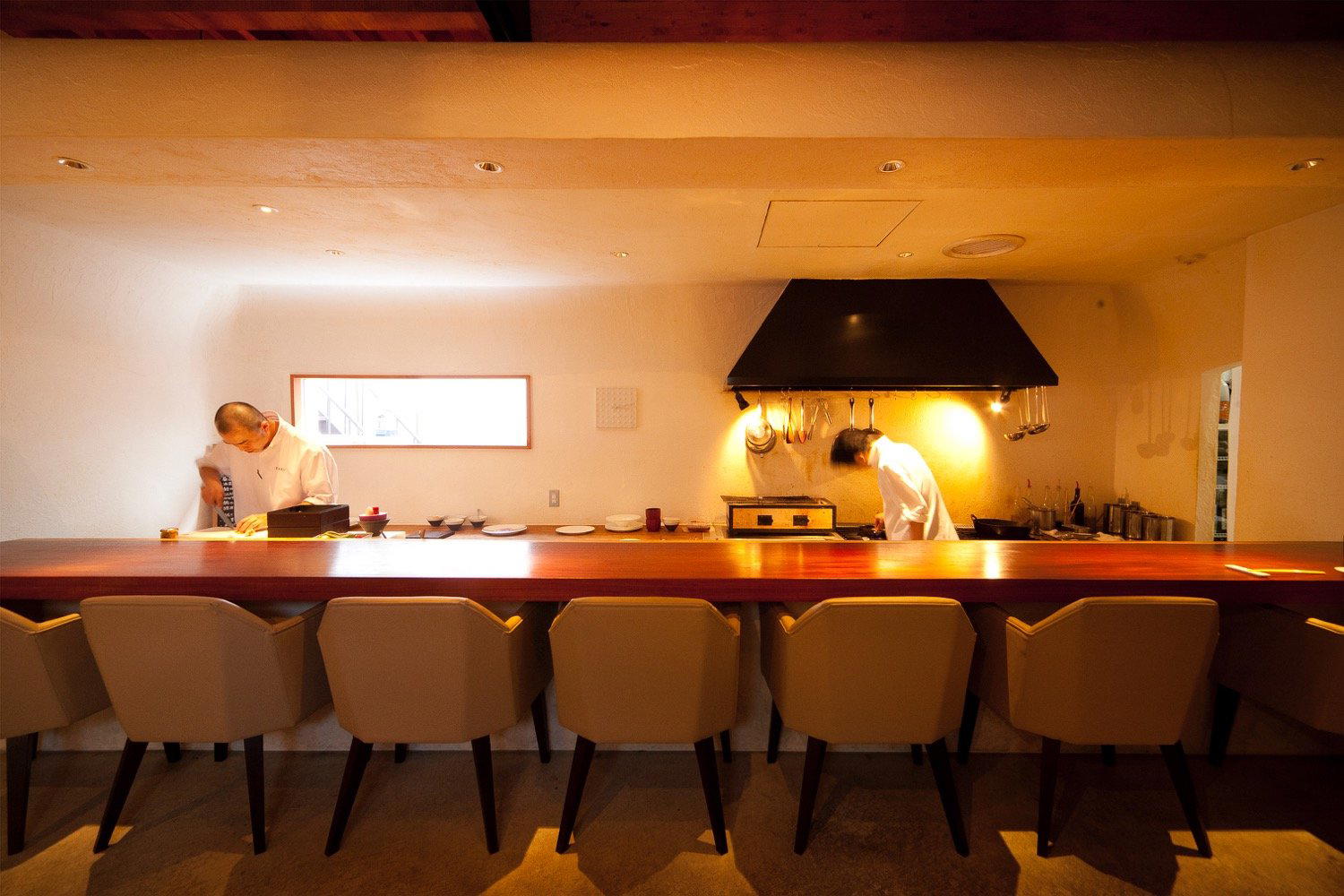
Kaiseki at Latitude: What Hokkaido Changes About the Form
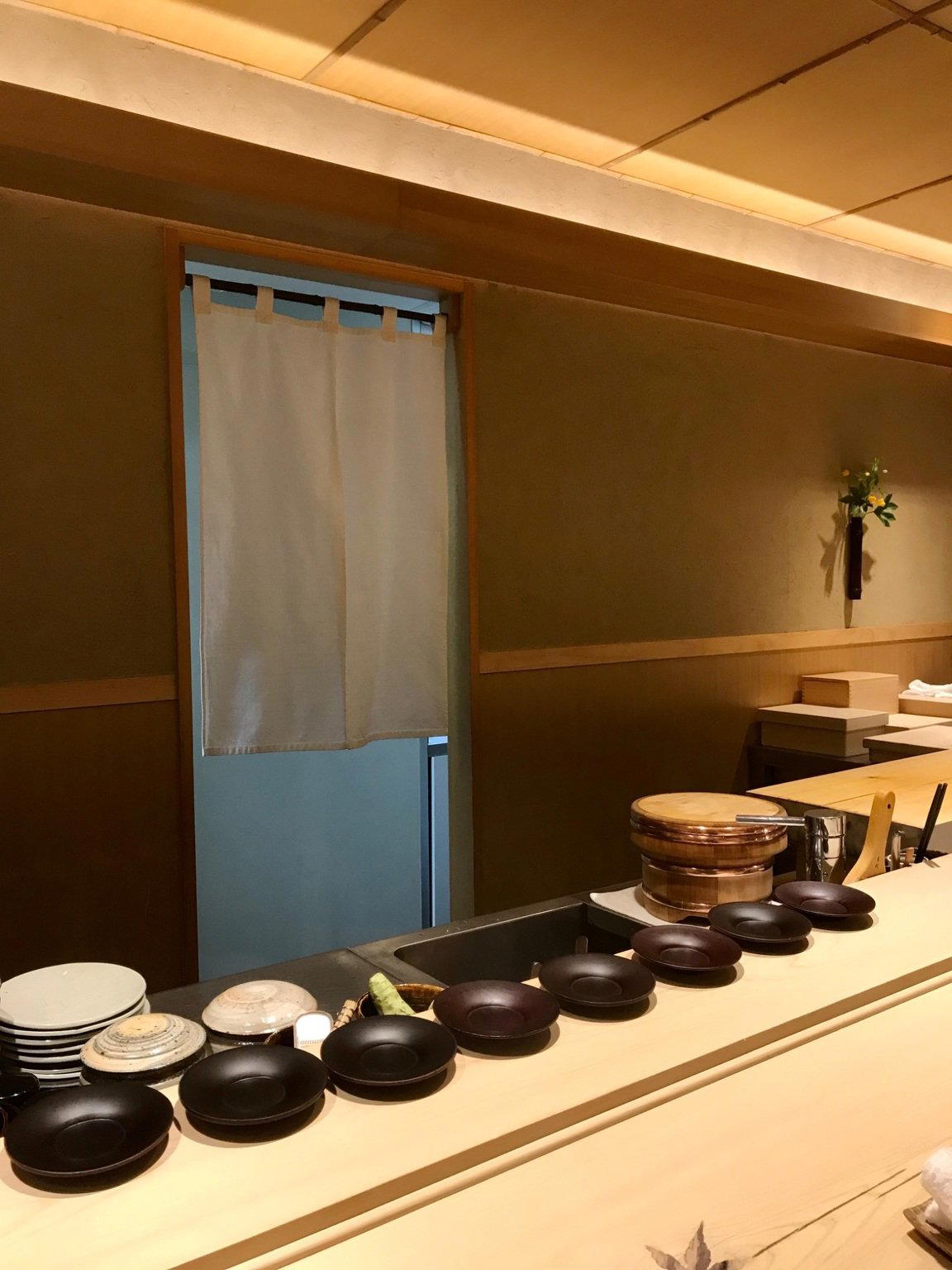
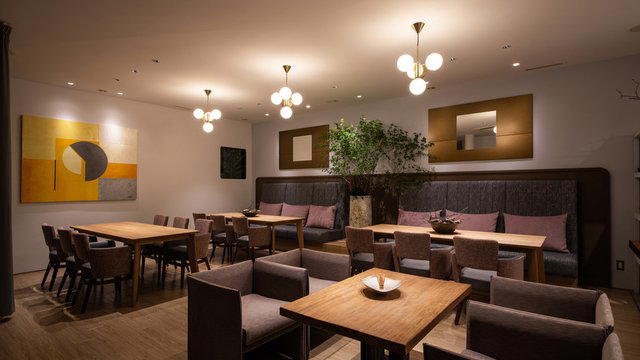
Step into the Chuo Ward address on a winter evening and the contrast is immediate: outside, Sapporo operates under snow cover that would shut down most Japanese cities; inside, the measured calm of a kaiseki counter reasserts a different kind of discipline entirely. The physical environment of Hanakoji Sawada is spare in the way that serious kaiseki rooms tend to be, surfaces that recede so the food can advance, lighting calibrated to the ceramic rather than the room. What distinguishes this particular room from its Kyoto or Tokyo counterparts is not what you see but what you taste, and that difference comes down to geography.
Hokkaido produces ingredients that kaiseki's classical framework was never designed around. The island's cold-water seafood, Hokkai uni, Ezobafun uni, snow crab, scallops from Sarufutsu, sits in a different register from the freshwater fish and mountain vegetables that anchored the Kyoto template. When kaiseki migrates this far north, it either imports the southern canon or adapts to what the prefecture actually grows and pulls from the sea. The serious rooms in Sapporo do the latter, and Hanakoji Sawada belongs to that category.
Kansai Roots, Hokkaido Larder
The regional lens on kaiseki matters here. The form itself originated in Kyoto's tea culture and was systematised along Kansai lines: restrained dashi, seasonal progression, the prioritisation of visual quietude over aromatic intensity. Kanto kaiseki, as it evolved in Tokyo, admitted more assertive flavours and a greater willingness to incorporate Edo-style cooking traditions. Sapporo sits outside both axes, geographically and culinarily. A Hokkaido kaiseki practitioner trained in Kansai technique, as many of the island's serious cooks are, arrives at a productive tension: classical structure applied to ingredients the classical tradition never anticipated.
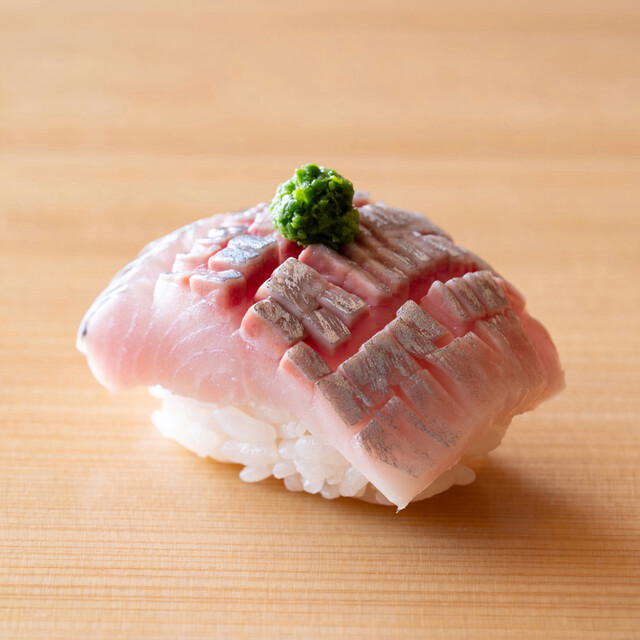
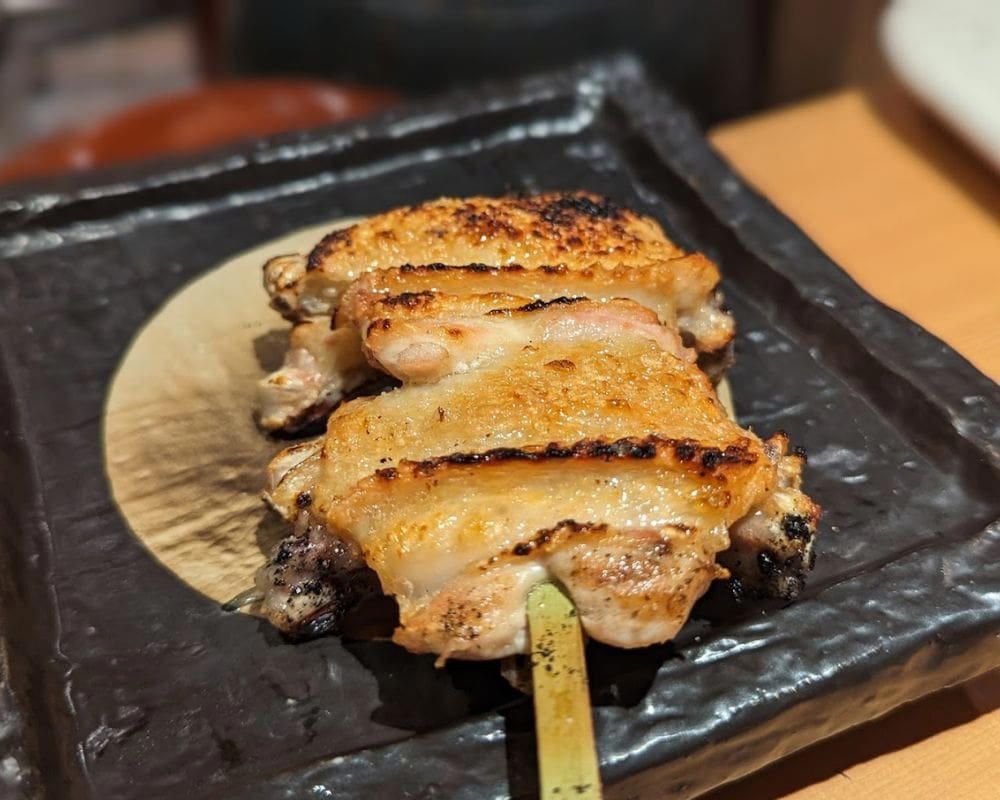
Chef Tomoya Kago works within that tension. The kaiseki framework imposes its sequencing logic on Hokkaido's larder, and the result is a form of regional kaiseki that reads differently from both Kyoto originals and Tokyo adaptations. Where a Kyoto autumn kaiseki might foreground matsutake and kamo nasu, a Sapporo equivalent in the same season reaches for the prefecture's own mountain vegetables and the fish that cold Pacific currents produce. The cooking references the same structural grammar, hassun, yakimono, shokuji, while speaking a Hokkaido dialect of it. For diners familiar with kaiseki from Kyoto venues like Gion Sasaki or Ifuki, the comparison is instructive: the shared architecture makes the ingredient differences sharper and more legible.
Where Hanakoji Sawada Sits in Japan's Dining Tier
Opinionated About Dining, which runs one of the more data-driven restaurant ranking systems in Japanese dining, placed the restaurant at #198 in Japan in 2025 after ranking it #193 the year before, with a Recommended listing in 2023 marking its entry into the upper tier of tracked restaurants. The trajectory, from Recommended to a numbered national position across two years, reflects consistent performance rather than a single strong season.5 across 182 reviews corroborates a stable, high-satisfaction guest experience at the table level.
Nationally, that OAD position places the restaurant in the same general tier as venues operating well above the regional-destination bracket. For comparison, kaiseki rooms ranked in this range nationally are typically competing not just within their city but within a comparable set that includes serious rooms in Kyoto, Tokyo, and Osaka. The fact that this ranking is held by a Sapporo kaiseki counter reflects both the quality of the cooking and the increasingly serious attention that Japan's northern island is receiving from food-focused travellers. For context on that wider Sapporo scene, our full Sapporo restaurants guide covers the range from high-end kaiseki to the city's celebrated ramen and crab formats.
Within Sapporo specifically, the restaurant operates in a distinct tier from the city's sushi counters and crab specialists. Venues like Arima represent the sushi axis of Sapporo's high-end dining, while Suyama, aki nagao, Hidetaka, and Higebozu each occupy distinct positions in the city's broader fine dining map. Kaiseki of this calibre occupies a narrower niche in Sapporo than it does in Kyoto or Tokyo, which gives the restaurant relatively clear positioning within the city.
The Kaiseki Format in a Northern Winter Context
Kaiseki is inherently seasonal, the cuisine's logic depends on sourcing the moment as much as sourcing the ingredient. In Hokkaido, that seasonality is more extreme than anywhere else in Japan. Winter service here means operating in a city where temperatures regularly drop below minus ten Celsius and snowfall accumulates in metres. The produce calendar shifts accordingly: root vegetables, preserved and fermented elements, cold-water proteins at their richest. This makes winter one compelling season to eat kaiseki in Sapporo. The counter opens Monday, Tuesday, Friday, Saturday, and Sunday for lunch from 11:30 am to 2 pm and dinner from 6 to 8 pm, with Thursday dinner service only and Wednesday closed.
Planning the Meal
The restaurant is located at 27 Chome-1-7 Kita 1 Jonishi in Chuo Ward, Sapporo's central district, which concentrates much of the city's serious dining. Dinner service runs from 11:30 am to 2 pm and 6 to 8 pm on Monday, Tuesday, Friday, Saturday, and Sunday, with Thursday evening service only and Wednesday closed. Given the national OAD ranking and the limited format of kaiseki rooms, booking is essential.
Cuisine Lens
Comparable venues nearby, for context on price, style, and recognition.
| Venue | Cuisine | Price | Notes |
|---|---|---|---|
| Hanakoji SawadaThis venue — the venue you are viewing | Michelin-Starred Kaiseki | $$$$ | Not listed |
| Sushi Tanabe | Traditional Japanese Omakase | $$$$ | Chūō |
| Sushi Sohei | Edomae Omakase with Hokkaido Seafood | $$$$ | Chūō |
| Sushikin | Edomae-style Omakase Sushi | $$$$ | Chūō |
| 姫沙羅 | Edomae Sushi | $$$$ | Maruyama Park |
| Sushizen | Traditional Hokkaido Sushi Omakase | $$$$ | Chūō |
Recognition history
Dated appearances from independent guides and award organizations, with the underlying list record or original source where available.
Opinionated About Dining Top Restaurants in Japan Recommended
Opinionated About Dining
Opinionated About Dining Top Restaurants in Japan Ranked #198
Opinionated About Dining
Tabelog 100 #6 · No. 6
Tabelog · Tabelog 100 - Japanese cuisine - EAST - 2025
Opinionated About Dining Top Restaurants in Japan Ranked #193
Opinionated About Dining
Opinionated About Dining Top Restaurants in Japan Recommended
Opinionated About Dining
Continue exploring
More in Sapporo
Restaurants in Sapporo
Browse all →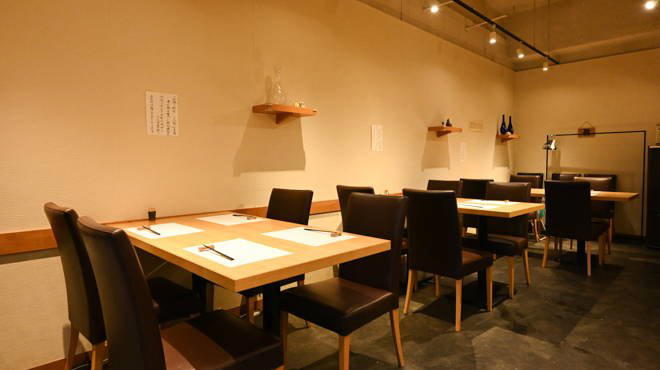
At a Glance
- Intimate
- Elegant
- Sophisticated
- Special Occasion
- Date Night
- Chefs Counter
- Open Kitchen
- Private Dining
- Sake Program
- Local Sourcing
Current opening hours
- Monday
- 11:30 AM–2 PM, 6–8 PM
- Tuesday
- 11:30 AM–2 PM, 6–8 PM
- Wednesday
- Closed
- Thursday
- 6–8 PM
- Friday
- 11:30 AM–2 PM, 6–8 PM
- Saturday
- 11:30 AM–2 PM, 6–8 PM
- Sunday
- 11:30 AM–2 PM, 6–8 PM
Hours can change for holidays and private events. Last verified .
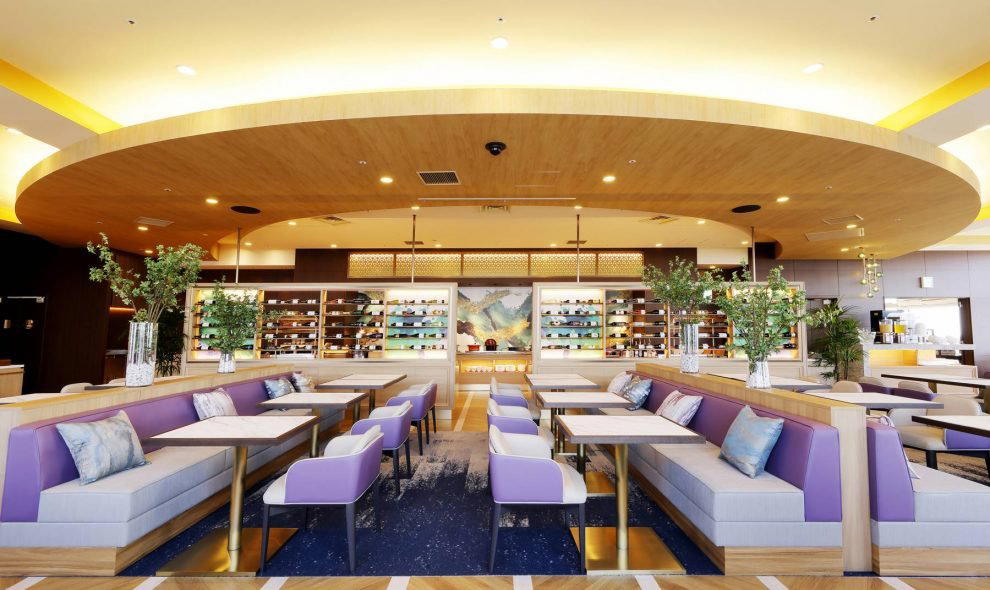
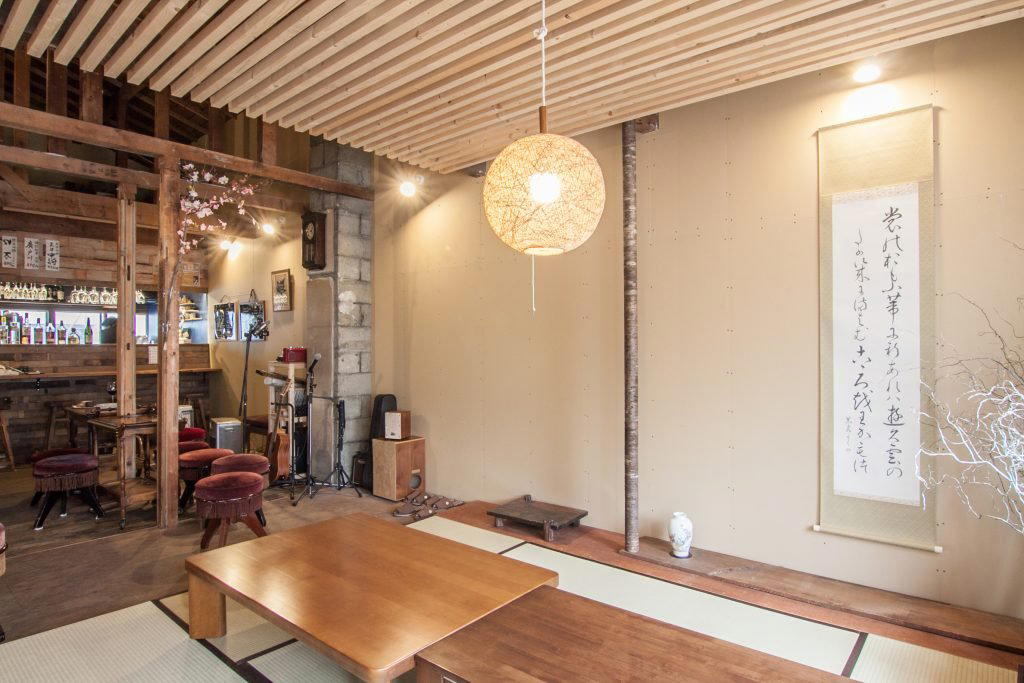
Intimate counter seating with open kitchen view, softly lit Japanese interior emphasizing composure and chef's artistry.