
Set in the forested onsen valley of Jozankei, about an hour south of Sapporo's city centre, Chalet Ivy Jozankei positions itself within Hokkaido's premium ryokan tier: a property where the hot-spring tradition and the surrounding wilderness do the heavy lifting, and the architecture steps back to let both register. For travellers using Sapporo as a base, it represents the cleaner alternative to an urban hotel night.
Pearl is the En Primeur Club membership app — saves, bookings, and concierge access live there. Same editors, same standards.
- Address
- 3-chōme-231 Jōzankeionsenhigashi, Minami Ward, Sapporo, Hokkaido 061-2302
- Phone
- +81 11-595-2888
- Website
- chaletivy.com
- Directions
- Get directions
 Saves & bookings on Pearl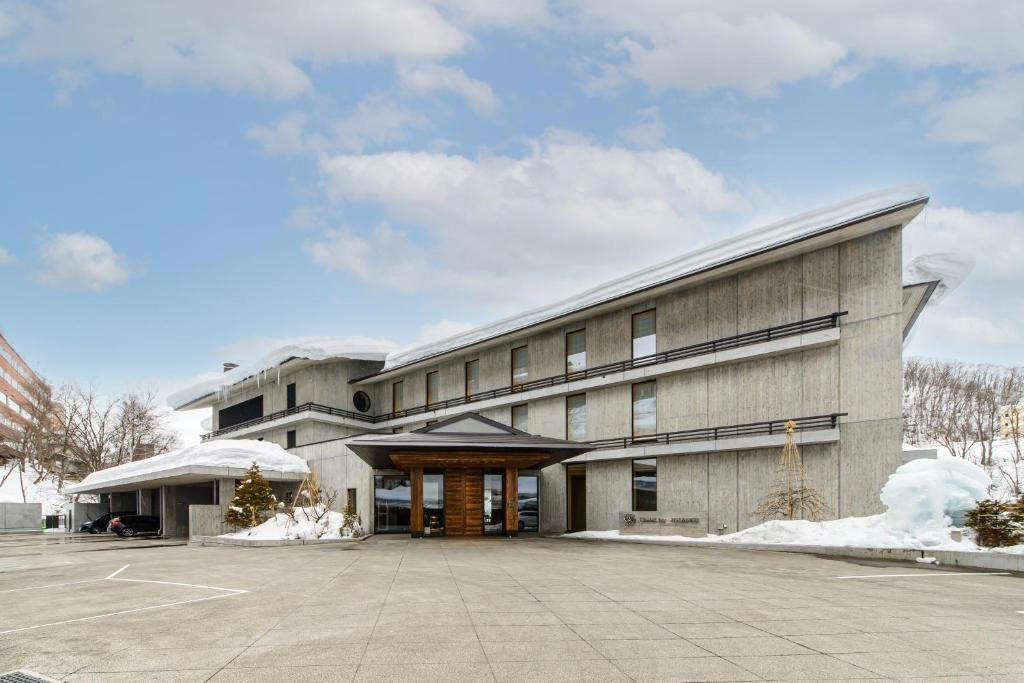
Forest, Steam, and Silence: Arriving at Jozankei
The road into Jozankei follows the Toyohira River upstream from Sapporo's southern edge, through stands of birch and konara oak that close over the asphalt in summer and accumulate heavy snow from November onward. By the time the valley narrows and the first wisps of geothermal steam appear above the treeline, the city is roughly an hour behind you, close enough to reach without a domestic flight, far enough to feel genuinely removed. This is the logic that has sustained Jozankei as Sapporo's principal onsen resort district for more than a century: accessible retreat, not remote wilderness. Chalet Ivy Jozankei is a five-star hotel in Sapporo with 26 rooms, positioned in the forested eastern edge of the valley at 3-chōme-231 Jōzankeionsenhigashi, Minami Ward, Sapporo, Hokkaido 061-2302.
What the Building Says About the Category
Japan's premium ryokan sector has split along a visible fault line over the past two decades. One cohort has moved toward architectural minimalism, poured concrete, floor-to-ceiling glass, bathrooms that function as destinations, a design language most visible at properties like Zaborin in Kutchan, where every surface feels considered in relation to the landscape outside. The other cohort holds to the traditional aesthetic vocabulary of dark timber, shoji screens, tatami, and layered garden views, a lineage that runs from properties like Nishimuraya Honkan in Kinosaki-cho to the kaiseki inns of the Kaga coast.
Chalet Ivy Jozankei occupies a position that draws on both registers. The name signals the hybrid approach: "chalet" borrows the vocabulary of alpine European retreat, while the operational model and setting remain firmly within the Japanese onsen-ryokan tradition. In Hokkaido specifically, where heavy snowfall and European-influenced architecture have coexisted since the Meiji-era development of the island, that synthesis is less incongruous than it might appear elsewhere in Japan. The exterior reads as a lodge-style structure scaled to the forest rather than the streetscape, with the surrounding tree cover providing a natural screen that makes the building feel embedded rather than imposed.
This design posture places Chalet Ivy Jozankei in a recognizable tier of Hokkaido hospitality: properties that use a non-traditional aesthetic shell to attract guests who might find the full ryokan format too demanding in its protocols, while preserving the core offer, onsen access, Japanese hospitality cadence, forest immersion, that defines the category. It is a format that has found a coherent audience, particularly among travelers arriving from Sapporo for a one- or two-night stay rather than a multi-night regional circuit.
Onsen Culture at the Jozankei Scale
Jozankei's thermal springs were documented in the 1850s and developed commercially from the late Meiji period onward. The sodium chloride waters here are among the more chemically distinctive in Hokkaido, warmer and more mineral-dense than the lighter sulfur springs of Noboribetsu to the south, and associated in local bathing culture with skin conditioning and fatigue recovery. For properties in the valley, access to these waters is not optional context; it is the primary reason guests travel from Sapporo rather than simply staying in the city. At Zaborin and comparable premium properties in the broader Hokkaido onsen circuit, private baths attached to individual rooms have become the standard expectation at the upper tier. The onsen provision at Chalet Ivy Jozankei, including the forest-facing outdoor bath that the property's positioning emphasizes, follows this logic, placing the soaking experience in direct relationship with the landscape rather than treating it as a utility.
Seasonality governs the experience in ways that matter to planning. Winter, roughly December through March, brings the combination for which Hokkaido is well-known internationally: deep snowfall, sub-zero temperatures, and outdoor rotenburo (open-air baths) where the contrast between cold air and thermal water is at its most acute. This is the peak demand window, and availability at well-regarded Jozankei properties during ski season weekends compresses accordingly. Autumn, when the valley's deciduous trees turn before most other Japanese onsen regions due to Hokkaido's northern latitude, represents a secondary peak for travelers specifically pursuing foliage. Late spring and early summer, by contrast, tend to offer better availability and the fresh green of the forest at its most saturated.
Jozankei Within the Broader Japanese Ryokan Circuit
For travelers building a Japan itinerary that includes onsen accommodation, Jozankei occupies a specific position. It is especially accessible premium onsen destination from a major Japanese city that also functions as an international airport gateway, Sapporo's New Chitose Airport connects directly to Narita, Haneda, Kansai, and several Asian hubs. This differentiates it from the Izu Peninsula properties accessible from Tokyo, such as Asaba in Izu or Fufu Kawaguchiko, which require more logistical effort to reach, and from the Mie coast property Amanemu, which sits in a different category of scale and investment entirely.
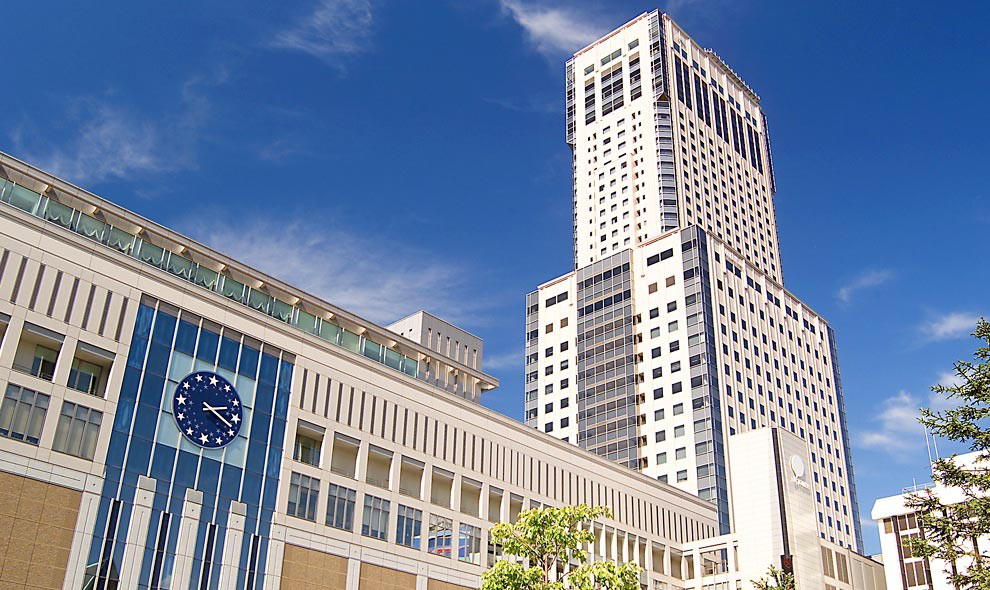
Within Hokkaido, the competitive set for a Jozankei property includes Zaborin in the Niseko corridor and the onsen properties scattered through the Daisetsuzan region further inland. The difference is primarily one of access and surrounding infrastructure: Jozankei benefits from proximity to Sapporo's restaurants, transport links, and the broader Sapporo visitor offer, while more remote Hokkaido properties require guests to commit fully to rural immersion. Travelers who want one or two nights of forest and thermal water without fully decoupling from urban amenities tend to orient toward Jozankei rather than the island's interior. For those who prefer city-based accommodation in Sapporo itself, the JR Tower Hotel Nikko Sapporo and Sapporo Excel Hotel Tokyu represent the urban-hotel alternative, with day trips to the valley as a possible configuration.
Japan's broader luxury ryokan circuit, properties like Gora Kadan in Hakone, Araya Totoan in Kaga, or Sekitei in Hatsukaichi-shi, sets the benchmark for what kaiseki dining, architectural precision, and omotenashi service depth look like at the upper tier. The hotel is designed to deliver forest immersion and thermal bathing at a scale accessible to guests not building a dedicated kaiseki-and-ryokan itinerary.
Planning Your Stay
Jozankei is approximately 50 to 60 minutes from central Sapporo by road. Winter travel to the valley should account for road conditions; Hokkaido snowfall can be substantial even on routes that are routinely maintained. Reservation lead times for Jozankei properties during ski season weekends and autumn foliage periods call for advance booking. The valley's thermal springs are on the sodium chloride end of the spectrum rather than sulfur-dominant.
Comparison Snapshot
Comparable venues nearby, for context on price, style, and recognition.
| Venue | Cuisine | Price | Awards | Notes |
|---|---|---|---|---|
| Chalet Ivy JozankeiThis venue — the venue you are viewing | Modern luxury ryokan in lush mountain forest setting | $$$$ | 5-Star | Not listed |
| JR Tower Hotel Nikko Sapporo | Contemporary luxury high-rise with Japanese minimalist design principles emphasizing space, light, and tranquility. | $$$$ | 5-Star | Chūō |
| Suigan | Exclusive onsen ryokan with spacious private suites | $$$$ | 4-Star | Minami |
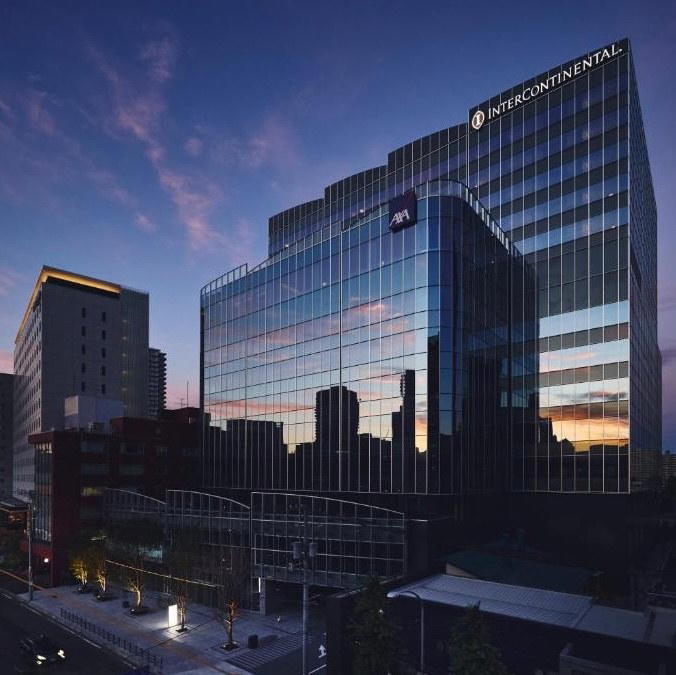
| InterContinental Sapporo | residential luxury fused with natural Hokkaido landscapes | $$$$ | 5-Star | Chūō |
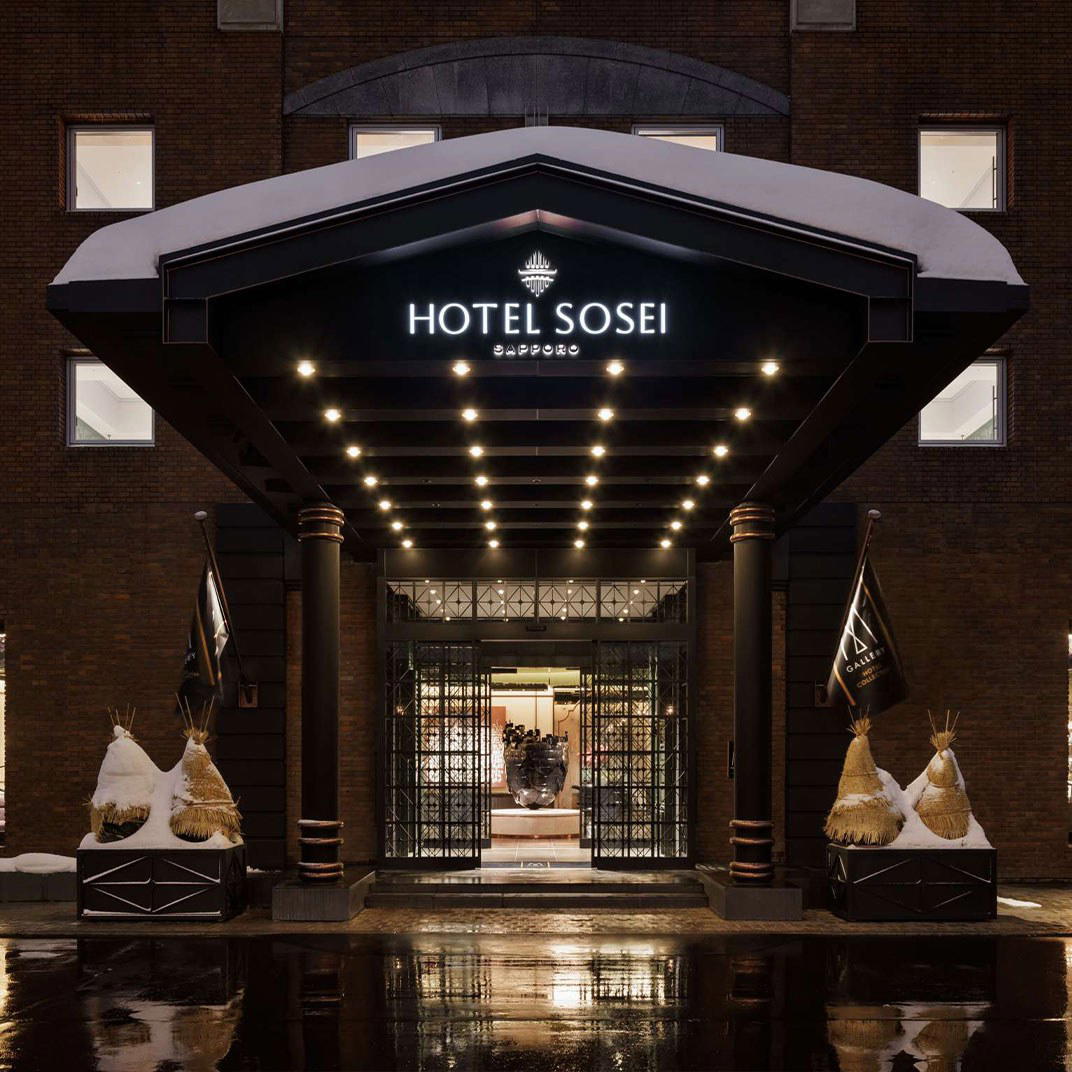
| Sosei Sapporo - MGallery | Historic boutique hotel bridging Sapporo's past and future with frontier spirit. | $$$$ | 5-Star | Chūō |
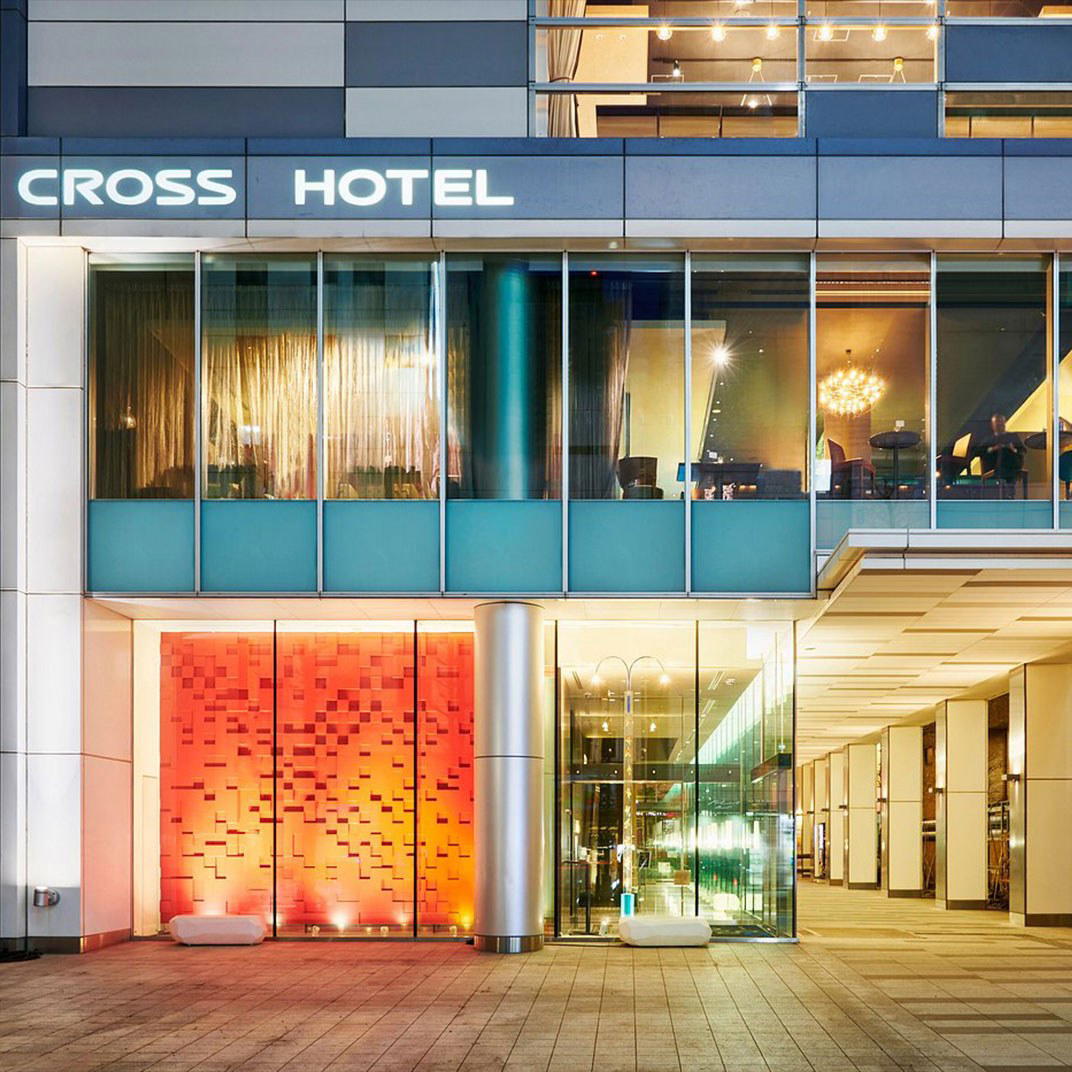
| Cross Hotel Sapporo | Sleek modern tower with artsy, lounge-like vibe emphasizing local Hokkaido connections. | $$$ | 4-Star | Chūō |
Recognition history
Dated appearances from independent guides and award organizations, with the underlying list record or original source where available.
Small Luxury Hotels of the World Member
Small Luxury Hotels of the World
At a Glance
- Quiet
- Cozy
- Scenic
- Elegant
- Rustic
- Romantic Getaway
- Wellness Retreat
- Honeymoon
- Anniversary
- Panoramic View
- Wi Fi
- Pool
- Spa
- Fitness Center
- Room Service
- Concierge
- EV Charging
- Mountain
- Garden
- Wi Fi
- Pool
- Spa
- Fitness Center
- Room Service
- Concierge
- EV Charging
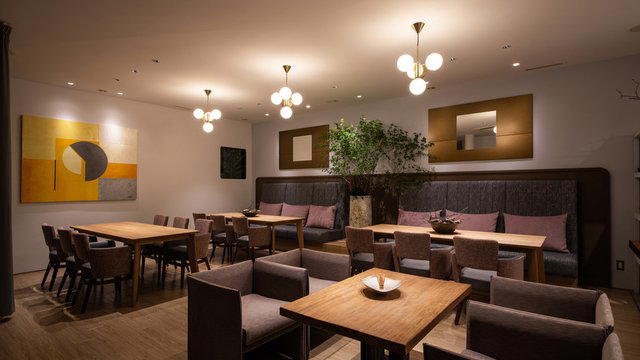
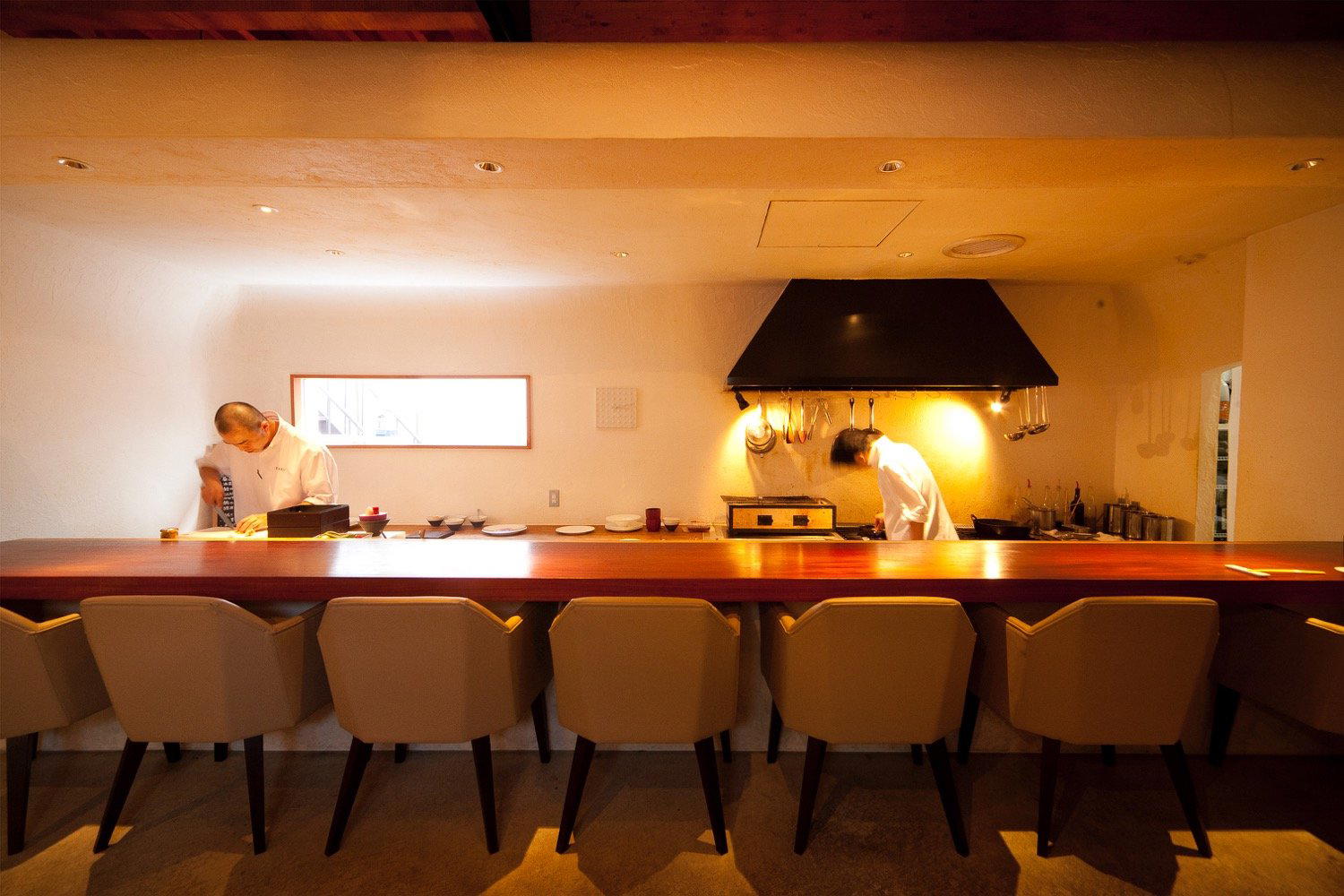
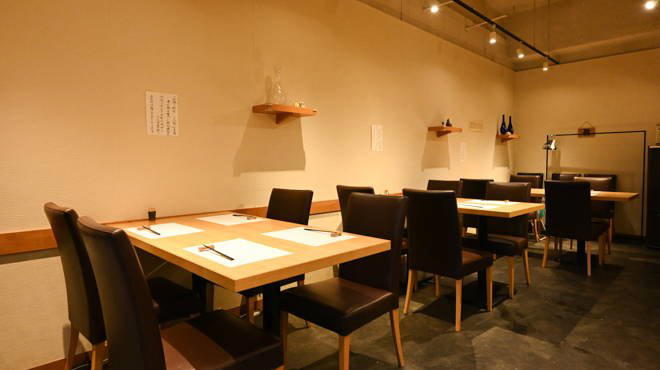
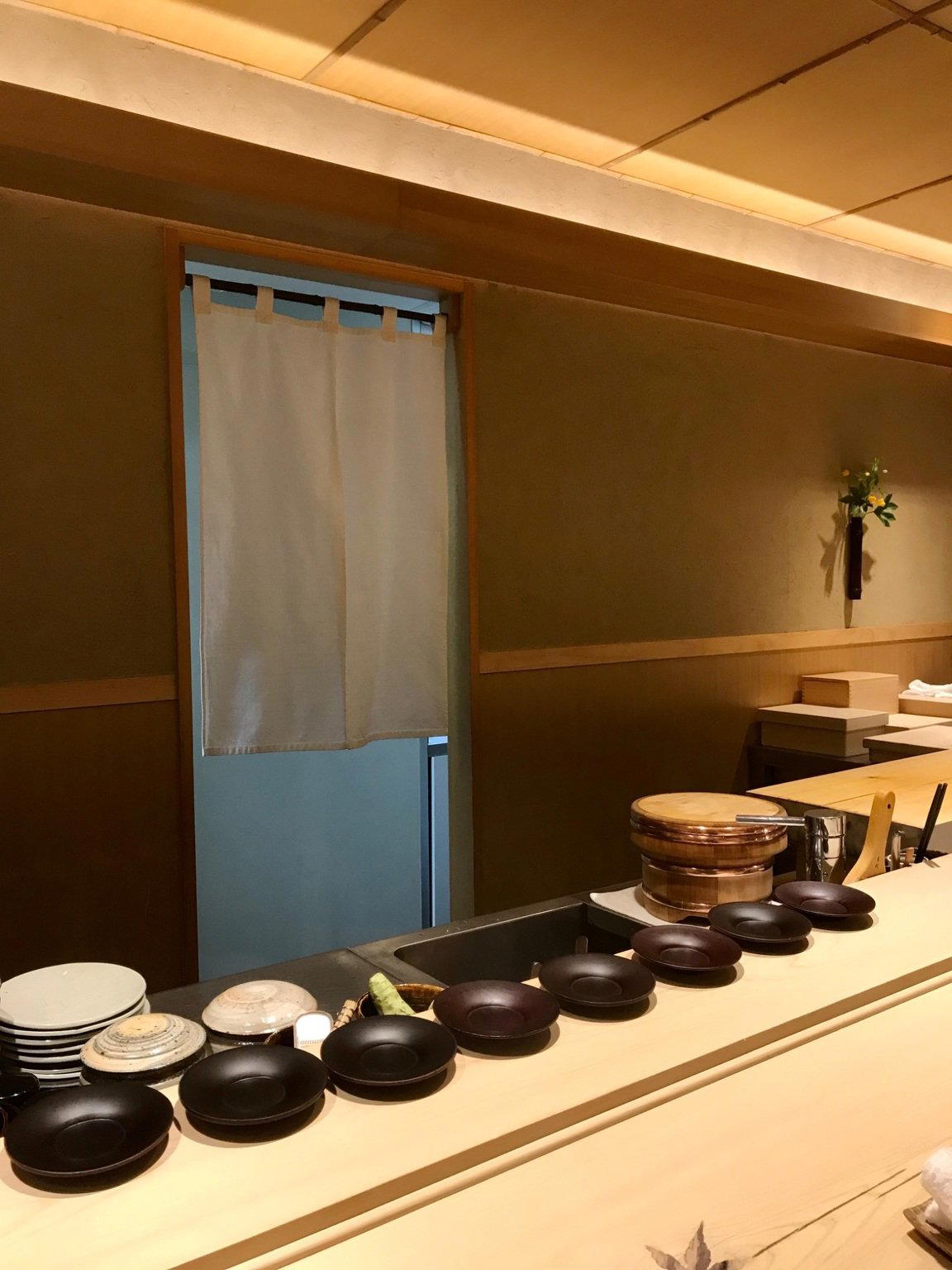
Tranquil and serene atmosphere with soothing lighting, warmed by hearths in the lounge, and serene forest and river views from spacious suites.