
Tabelog 100 #76
Our verdict
Himeshara is a Sapporo restaurant operating in a city where Hokkaido's raw material depth sets the standard for serious dining. Sapporo's premium restaurant tier places equal weight on seasonal produce, seafood sourcing, and technical precision, and Himeshara occupies that competitive space. Visitors planning a meal here should treat it alongside peers such as Arima and Hanakoji Sawada when building a Sapporo itinerary.

Pearl is the En Primeur Club membership app, where members save venues, book tables and use the concierge.
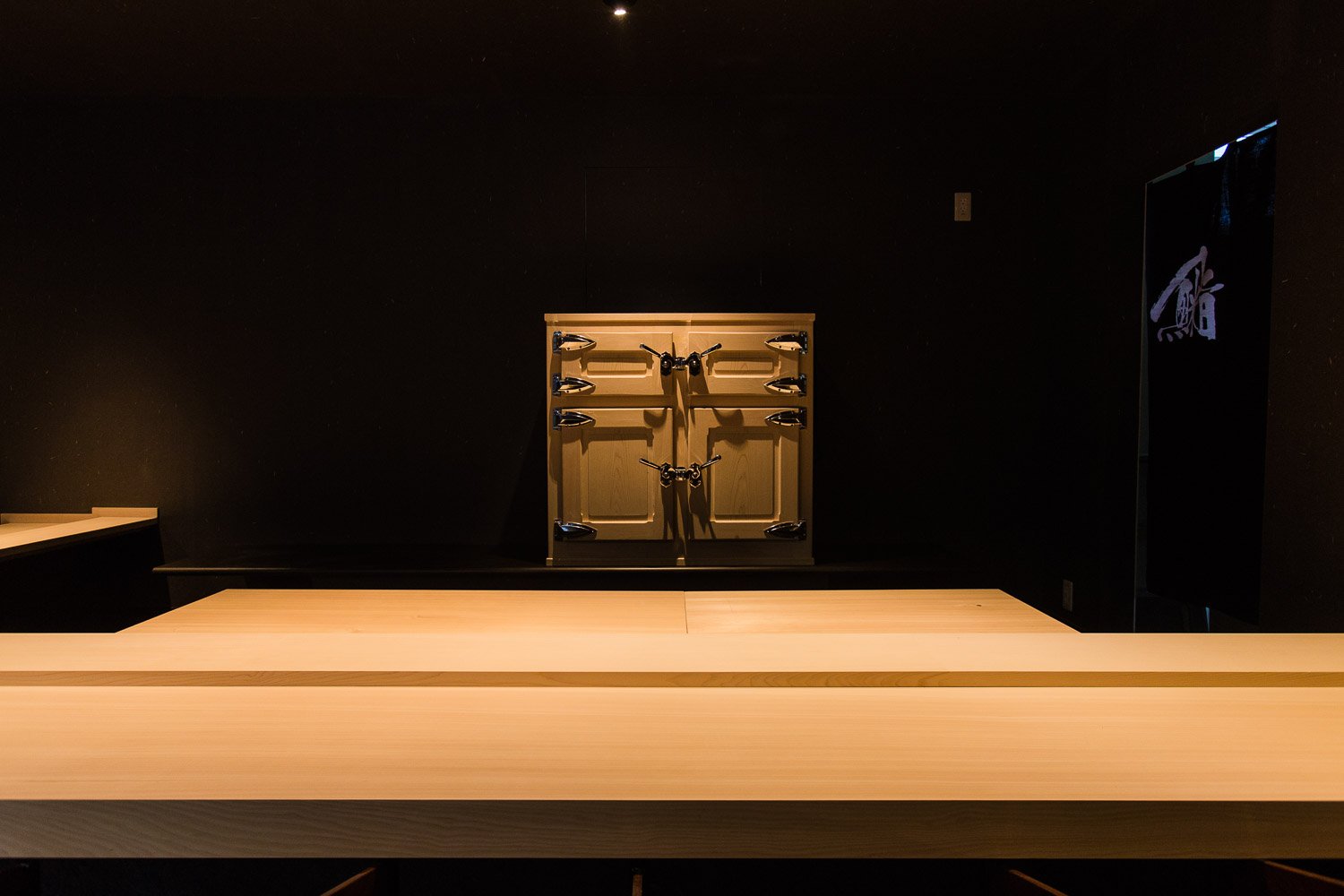
Sapporo's Premium Dining Register and Where Himeshara Sits Within It
Hokkaido has long operated as Japan's larder: its dairy, its sea urchin, its Dungeness-adjacent crab, its cold-water fish. For restaurants in Sapporo, that proximity to primary production is not a marketing point but a structural condition of the kitchen. The city's serious dining scene is built on the assumption that the ingredient arriving at the pass is already exceptional, which means the chef's task shifts from sourcing drama to precision and restraint. Within that context, Himeshara occupies a position in the city's premium dining tier alongside venues like Arima (Sushi) and Hanakoji Sawada (Kaiseki), both of which draw on the same Hokkaido supply chain while operating in distinct culinary formats.
Sapporo is not Tokyo. Its premium restaurant tier is smaller in absolute number, which concentrates the serious dining options into a narrower but high-quality band. A restaurant that earns repeat visitors in this city does so through consistency and through an understanding of seasonal rhythm, Hokkaido's seasons shift sharply, and menus that ignore that calendar read as disconnected from the place. The venues that last in Sapporo's upper tier are those that treat the Hokkaido calendar as an organizing principle, not a backdrop.
The Cultural Logic Behind Hokkaido's Dining Identity
To understand where Himeshara fits, it helps to understand what Sapporo's culinary identity actually is, and what it is not. Unlike Kyoto, which carries centuries of kaiseki formality and a deeply codified relationship between technique and season, Sapporo developed its fine dining culture later and through a different set of pressures. The city's roots are Meiji-era agricultural colonization rather than imperial court culture, which gave it a more pragmatic relationship to food: abundance first, formality second.
That legacy shapes the tone of serious dining in the city. Even at the premium end, Sapporo restaurants tend toward directness over ceremony. The product is presented clearly; the service is attentive without the ritualized formality that governs a traditional kaiseki house. This is a meaningful distinction for visiting diners accustomed to Kyoto's register. Venues like Higebozu and Hidetaka both reflect this Sapporo temperament, where the food speaks through the quality of the ingredient rather than through theatrical presentation.
For broader context, Japan's most technically demanding kaiseki formats are well represented elsewhere, Gion Sasaki in Kyoto exemplifies the Kyoto end of that spectrum, while HAJIME in Osaka operates in a more contemporary idiom. Sapporo sits apart from both, defined more by its ingredient geography than by any inherited formal tradition.
Approaching the Restaurant: The Sapporo Dining Context
Sapporo rewards the visitor who approaches it with an understanding of its grid structure and its culinary geography. The city is organized around Odori Park and the Susukino district, with the serious dining options spread across central Chuo ward rather than concentrated in a single neighborhood. This is different from the cluster dynamics of Tokyo's Ginza or Shinjuku, where omakase counters and kaiseki rooms group tightly. In Sapporo, finding the right restaurant requires deliberate research rather than neighborhood browsing.
Within this geography, Himeshara is one of several venues worth placing on a considered Sapporo itinerary. The aki nagao entry in the city's dining register represents a different approach in the same general premium tier, and a well-constructed Sapporo visit might move between formats across multiple evenings. For planning purposes, our full Sapporo restaurants guide maps the broader landscape across cuisine types and price points.
Booking practices in Sapporo's premium tier generally require advance planning, particularly for visitors arriving in peak seasons: summer (June through August), when Hokkaido's outdoor reputation draws domestic and international tourism, and the winter months (December through February), when ski season adds demand. Reservations made several weeks in advance are advisable for any serious dining room during these windows.
Hokkaido Seafood and the Seasonal Calendar
Any premium restaurant in Sapporo is operating against the backdrop of one of Japan's most singular seafood calendars. Hokkaido's uni season peaks in summer; its crab season runs through winter; its salmon returns in autumn. A kitchen that takes these rhythms seriously will shift its menu structure meaningfully across the year rather than holding a fixed format. This is the logic that separates restaurants in Sapporo from peers operating in cities with more uniform supply conditions.
Comparable seasonal discipline is visible in premium restaurants across Japan's regional cities. Goh in Fukuoka operates with a similar commitment to the Kyushu seafood calendar, while Harutaka in Tokyo applies Toyama Bay sourcing within a Tokyo omakase format. In each case, the seasonal anchor is what gives the restaurant its editorial authority, the sense that eating there in August is a different experience from eating there in February, and that both experiences are intentional rather than incidental.
Sapporo's restaurant culture extends beyond the city's borders in terms of comparable regional dining. 一本杉川島制 in Nanao and 湖畔荘 in Takashima both represent the regional premium dining model operating in smaller Japanese cities with strong local sourcing identities, a pattern Sapporo participates in at larger scale.
Planning a Meal at Himeshara
Most restaurants in this category accept reservations through direct contact or through Japan's Tableall or Omakase reservation platforms, which allow international visitors to book without requiring Japanese-language communication. For allergy or dietary requirements, contacting the restaurant directly before arrival is advisable regardless of format, Sapporo's premium kitchens typically accommodate serious dietary needs when notified in advance, but assumptions built on Western allergy communication norms may not translate without explicit pre-visit contact.
Dress code expectations at Sapporo's premium tier lean toward smart casual rather than formal. The city's dining culture does not impose the strict dress requirements of some Tokyo or Kyoto establishments, though obviously casual attire would be out of step with a serious omakase or kaiseki room. A visitor arriving well-dressed but not formally attired will be received appropriately at the great majority of premium Sapporo venues.
For visitors building a multi-city itinerary across Japan, Sapporo's premium dining tier compares favorably to mid-tier regional cities without carrying the booking difficulty of Tokyo's most competitive counters. akordu in Nara operates in a similar sweet spot within the Kansai region, a serious kitchen in a city that does not attract the same reservation pressure as Kyoto or Osaka. Sapporo benefits from comparable dynamics: high ingredient quality, skilled kitchens, and a slightly more accessible booking environment than the country's most competed-over dining rooms.
Frequently asked questions
How does dining at Himeshara in Sapporo compare to Hokkaido seafood experiences in Tokyo?
Sapporo restaurants like Himeshara receive Hokkaido seafood within hours of landing rather than the twelve-plus hours transit that Tokyo suppliers typically face. For ingredients like uni, where oxidation begins quickly after harvest, that geographic difference is measurable on the plate. Dining at the source in Sapporo removes one logistical variable that even Tokyo's best Hokkaido-focused restaurants cannot fully overcome.
What do regulars order at Himeshara?
Himeshara operates in Sapporo, which means its menu is shaped by Hokkaido's seafood calendar above all else. Regulars at restaurants in this tier typically anchor their meals around seasonal uni from the Hokkaido coast and cold-water fish at peak season. Without confirmed menu documentation, the reliable approach is to ask staff what has arrived that week rather than ordering to a fixed list.
What's the best way to book Himeshara?
Phone or direct restaurant contact is the standard booking method across Sapporo's premium dining tier, and that applies here. Concierge services at major Sapporo hotels often maintain direct lines to restaurants like Himeshara and can smooth the process for non-Japanese speakers. Booking several weeks ahead is advisable for weekend sittings.
What's Himeshara best at?
Himeshara's position in Sapporo's premium dining register means it operates closer to the Hokkaido ingredient source than almost any comparable restaurant in Japan's main cities. That proximity defines the offering: cold-water seafood, Hokkaido dairy, and produce tied tightly to the island's seasonal rhythm. The directness of presentation, without the layered ceremony of Kyoto-style kaiseki, is characteristic of how Sapporo's top restaurants tend to work.
Is Himeshara allergy-friendly?
Japan's premium restaurant culture handles dietary restrictions most effectively when notified well in advance of the meal. Contact Himeshara directly at the time of booking to communicate specific allergies, particularly shellfish or fish-based stock, given that Hokkaido seafood forms the backbone of this tier of Sapporo dining. Same-day requests are difficult to accommodate in a kitchen operating against a set seasonal menu structure.
Price and Recognition
Comparable venues nearby, for context on price, style, and recognition.
| Venue | Cuisine | Price | Awards | Notes |
|---|---|---|---|---|
| HimesharaThis venue (the venue you are viewing) | Hokkaido-influenced Edomae Sushi | $150–200 | Tabelog 100 #76 | Not listed |
| 〇鮨 | Hokkaido Sushi Omakase | $100–150 | Tabelog 100 #20 | Chūō, Hokkaido Sushi Omakase |
| Sushi Kai | Intimate Omakase Sushi Counter | $100–150 | Tabelog 100 #35 | Chūō, Intimate Omakase Sushi Counter |
| Sushizen | Traditional Hokkaido Sushi Omakase | $150–200 | Not listed | Chūō, Traditional Hokkaido Sushi Omakase |
| Hokkaido Yakiniku Kita Ushi | High-end Hokkaido Wagyu Yakiniku | $150–200 | Tabelog 100 #57 | Chūō, High-end Hokkaido Wagyu Yakiniku |
| Oryori Fujita | Traditional Japanese Omakase / Kaiseki | $150–200 | Tabelog 100 #86 | Chūō, Traditional Japanese Omakase / Kaiseki |
Recognition history
Dated appearances from independent guides and award organizations, with the underlying list record or original source where available.
Tabelog 100 #76 · No. 76
Tabelog · Tabelog 100 - Sushi - EAST - 2025
Continue exploring
More in Sapporo
Restaurants in Sapporo
All restaurants in Sapporo →![[Curry Senmon Ten] Maruyama Kyoju. restaurant in Sapporo](https://cdn.enprimeurclub.com/storage/v1/object/public/images/rehost/ccd9bb9e-2fd2-483e-85fa-c573b12dbc08/hero1.jpg?width=3840&quality=75)
Bars in Sapporo
All bars in Sapporo →
Details
- Intimate
- Elegant
- Date Night
- Special Occasion
- Chefs Counter
- Sake Program
- Local Sourcing
- Omakase
- Counter Dining
- Sake
Current opening hours
- Monday
- 5–7 PM, 7:30–9:30 PM
- Tuesday
- 5–7 PM, 7:30–9:30 PM
- Wednesday
- Closed
- Thursday
- 5–7 PM, 7:30–9:30 PM
- Friday
- 5–7 PM, 7:30–9:30 PM
- Saturday
- 5–7 PM, 7:30–9:30 PM
- Sunday
- 5–7 PM, 7:30–9:30 PM
Hours can change for holidays and private events. Hours as of .
Secluded and quiet in tree-lined streets, offering an intimate and sophisticated sushi experience.