
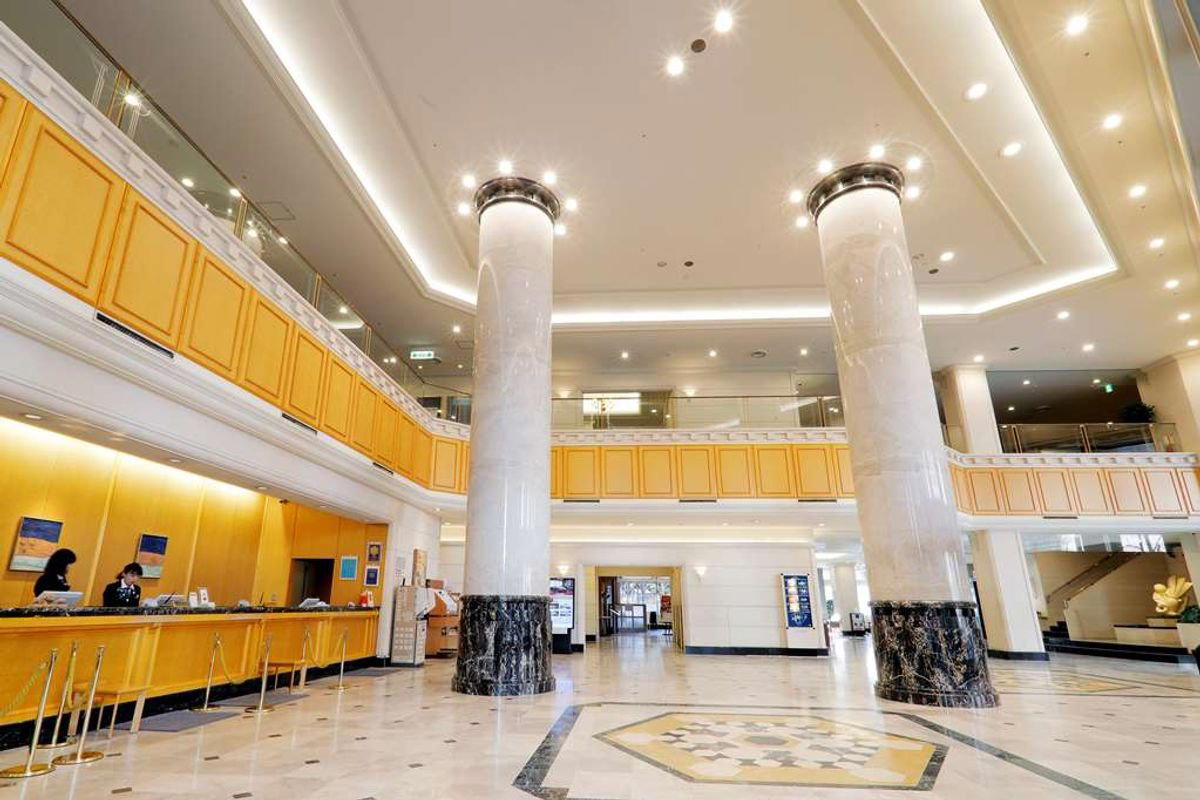
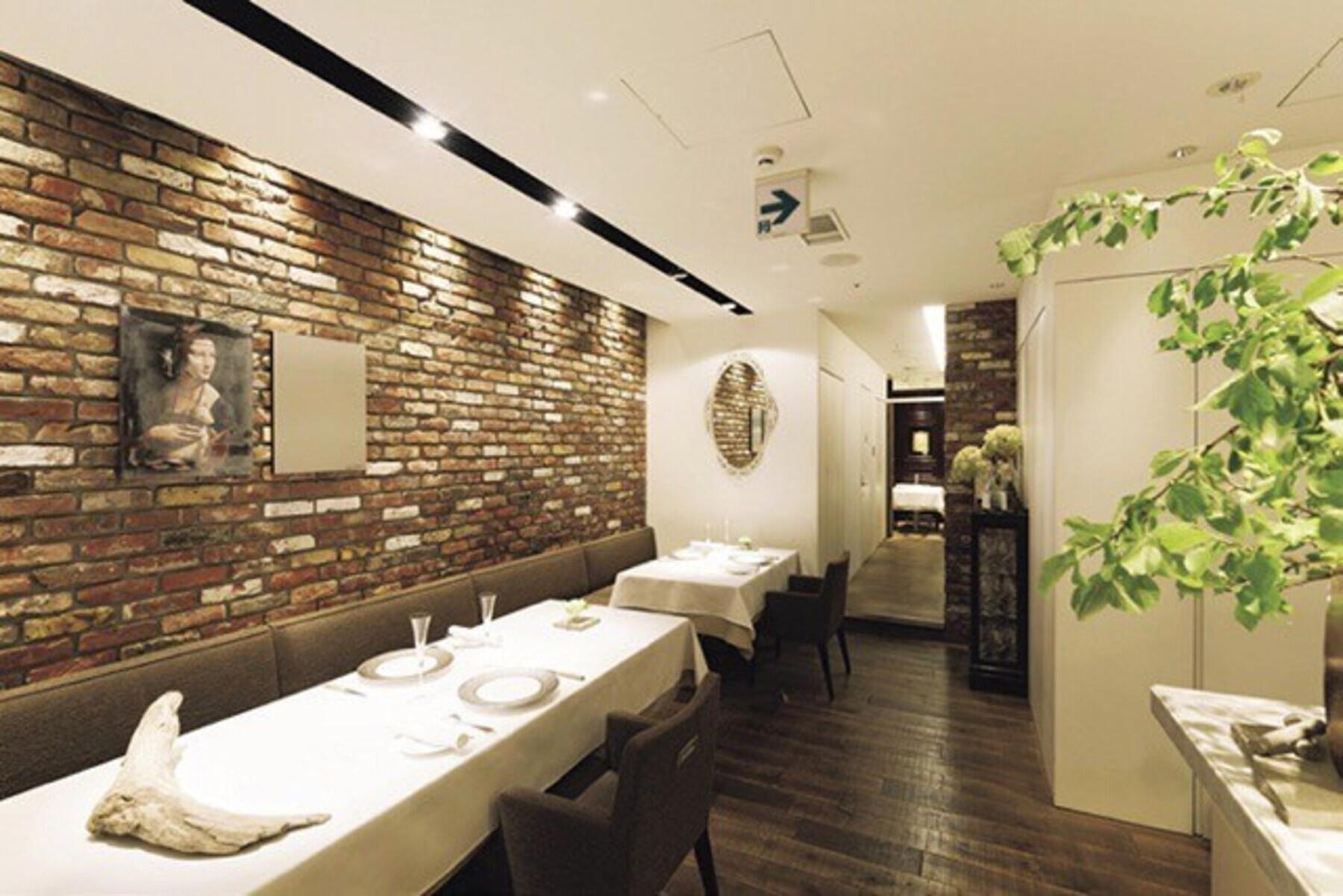
At 568 feet, JR Tower Hotel Nikko Sapporo is the tallest building in Hokkaido, positioned three minutes from JR Sapporo Station with direct rail access to New Chitose Airport. Four on-site restaurants draw on Hokkaido's celebrated produce across French, Japanese, and buffet formats. The 328-foot Pulau Bulan spa, with its natural hot spring pool, rounds out an urban address that works equally well for Sapporo Snow Festival visitors and year-round Hokkaido travellers.
Pearl is the En Primeur Club membership app — saves, bookings, and concierge access live there. Same editors, same standards.
- Address
- 2-chōme-5番地 Kita 5 Jōnishi, Chuo Ward, Sapporo, Hokkaido 060-0005
- Phone
- +81 11-251-2222
- Website
- jrhotels.co.jp
- Directions
- Get directions
 Saves & bookings on Pearl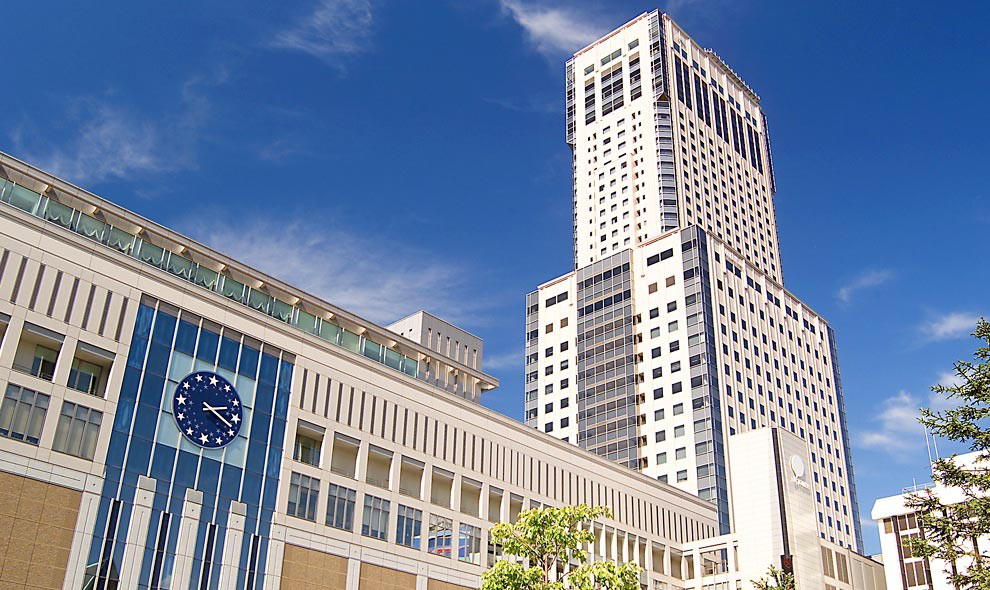
Sapporo From Above: What the City's Tallest Hotel Actually Delivers
Urban hotels in Japan's major regional cities tend to split into two categories: compact business properties close to transport, and larger leisure hotels that trade convenience for atmosphere. JR Tower Hotel Nikko Sapporo operates in a narrower third tier, where altitude, rail connectivity, and a genuine food programme converge in a single address. At 568 feet, it is the tallest building in Hokkaido, and its guest rooms occupy floors 23 through 34, meaning the views across Ishikari Bay and the Sapporo skyline are not a marketing abstraction but a structural fact of every stay.
The hotel sits directly above JR Sapporo Station, a three-minute walk from the platforms, which places it on the Rapid Airport Express line to New Chitose Airport. That train departs every 15 minutes and covers the distance in 37 minutes, a logistical detail that changes the calculus for visitors flying into Hokkaido and wanting to move efficiently between the city and the island's wider destinations.
The Dining Programme: Hokkaido's Produce at Four Addresses
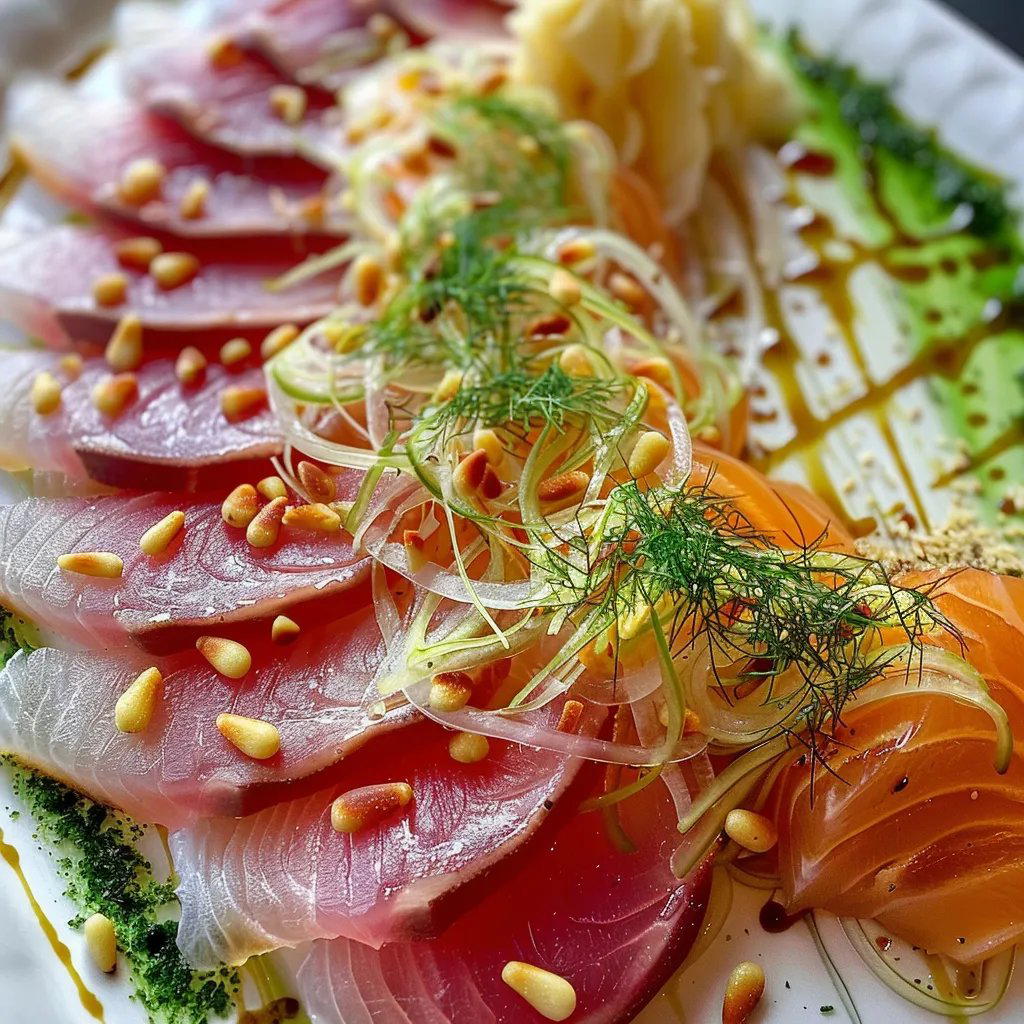
Hokkaido has one of Japan's most coherent regional food identities. The island accounts for a substantial share of Japan's dairy, seafood, and agricultural output, and its restaurants, at every price point, tend to lean into that provenance deliberately. The hotel's four on-site restaurants position themselves within that tradition rather than against it, with French, Japanese, and buffet-format options that use Hokkaido sourcing as a common thread.
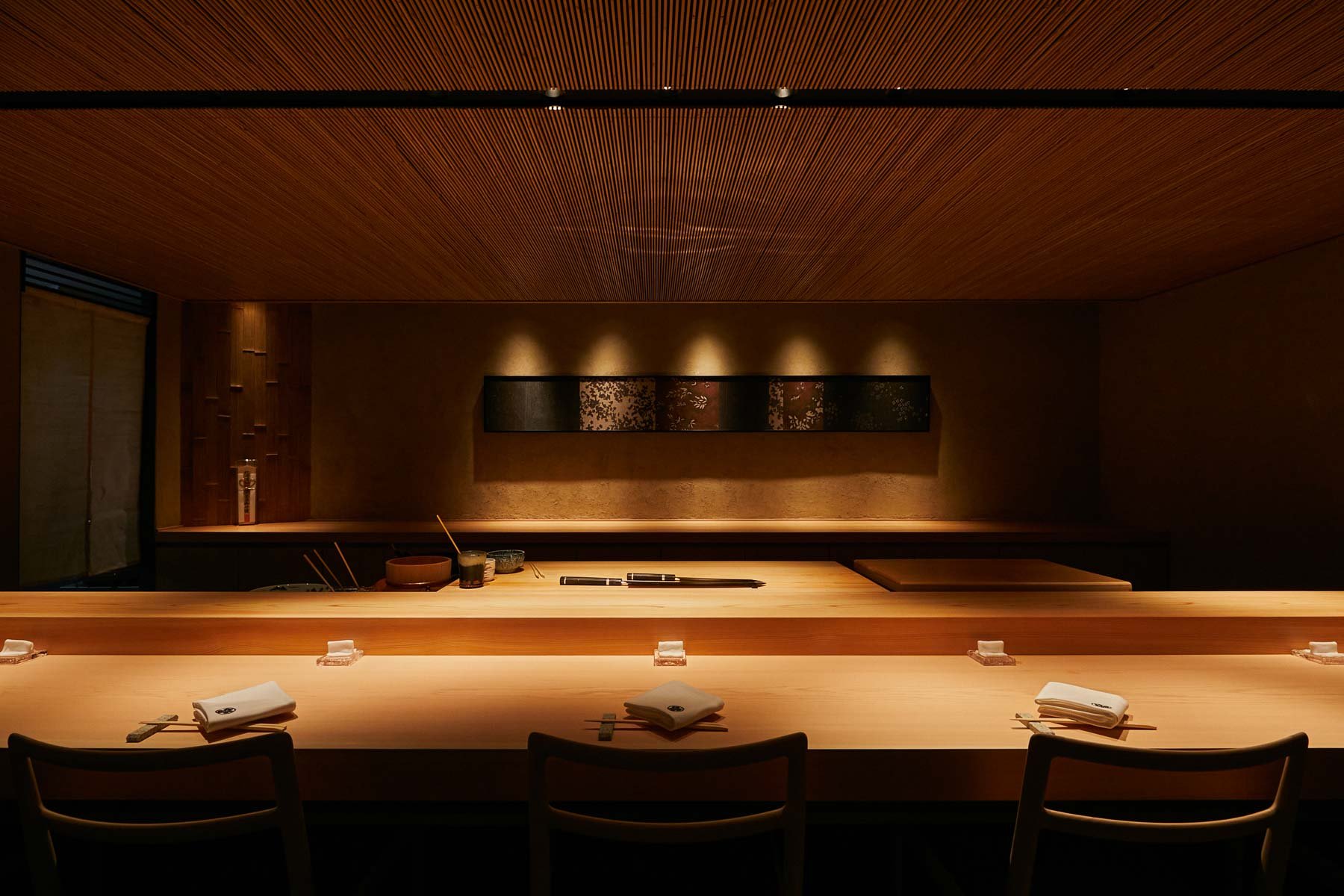
The French restaurant addresses the composed-meal tier, the Japanese option sits in a register that Sapporo visitors often prioritise given the city's seafood reputation, and the buffet format gives the property flexibility for high-occupancy periods, including the Sapporo Snow Festival in early February, when the surrounding streets fill with visitors from across Japan and abroad.
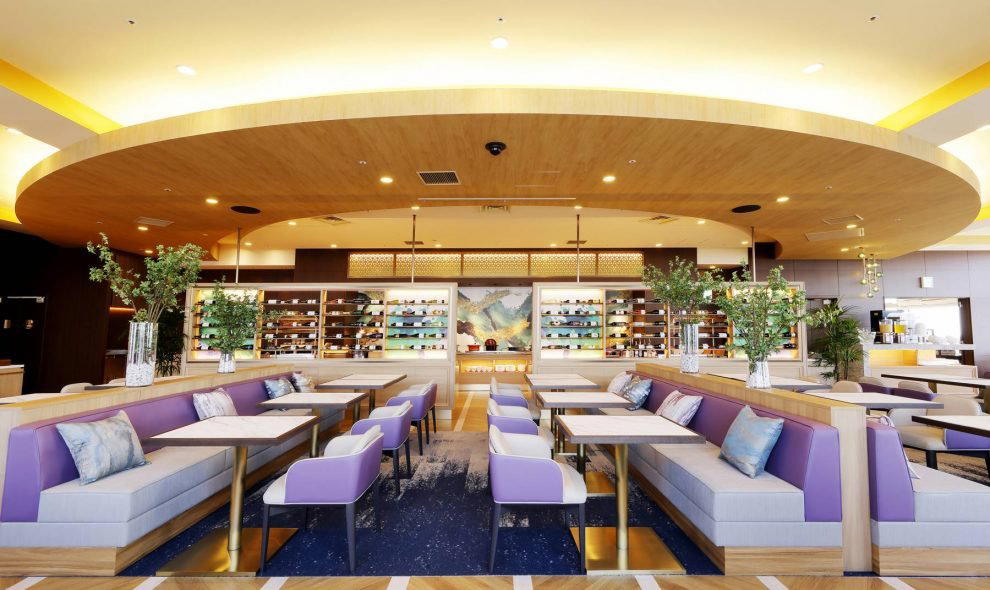
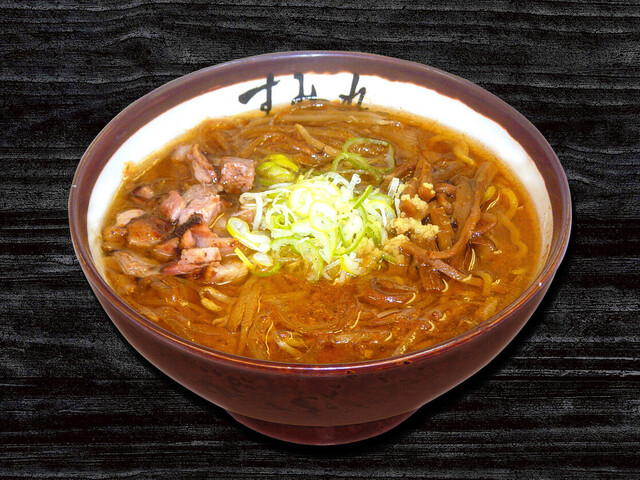
Sapporo's restaurant scene, particularly around Susukino and the ramen alley near the station, merits its own exploration. But having four in-house options, including one that directly references Hokkaido flavours in a buffet format, removes the pressure to plan every meal outside, which matters on cold winter evenings when temperatures drop sharply.
The Spa at 328 Feet
The Pulau Bulan spa sits at 328 feet above street level, and its name, Indonesian for "Island of the Moon," signals the aesthetic register the property is working in: something removed from the transactional efficiency of the station below. The anchor feature is a natural hot spring pool, which places it within Japan's onsen tradition even in a high-rise urban context. Standard onsen etiquette applies: clothing and personal towels are not permitted in the bathing areas. The facility operates adults-only, with separate bathing areas, saunas, steam rooms, and relaxation spaces for men and women.
Properties like Zaborin in Kutchan and Gora Kadan in Hakone position their onsen as a primary draw, set against forests or mountain landscapes. Pulau Bulan works differently: the hot spring pool here faces city views rather than natural scenery, which makes it an urban decompression experience rather than a ryokan-adjacent retreat. That distinction matters for travellers calibrating expectations.
Rooms: Altitude Over Area
Guest room sizes lean compact, as is standard across Japanese city hotels at this category. The design palette is neutral and minimalist, with wide-view windows as the architectural priority. Most rooms include a sitting area with city or bay views. The practical upgrade path is clear: Corner Deluxe Rooms and suites offer meaningfully more floor space and, in executive and corner categories, fully automatic curtains and blinds controllable remotely. Bathrooms are fitted with Japanese-style lavatories with washlet functions including bidet, seat warming, and deodorisation, a standard that most comparable international properties at this tier have not matched.
Travellers accustomed to the spatial generosity of properties like Bvlgari Hotel Tokyo or HOTEL THE MITSUI KYOTO will find the standard rooms modest by comparison. The trade here is altitude and access, not floor area. Those prioritising space should budget for the suite tier from the outset rather than expecting standard rooms to compensate with square footage they do not have.
Position in the Hokkaido Hotel Market
Hokkaido's premium accommodation tends to cluster in two distinct modes: rural retreat properties built around onsen and kaiseki, and city-centre business-oriented hotels close to Sapporo Station. Chalet Ivy Jozankei represents the forest-retreat end of that spectrum, around 40 minutes from the city centre. JR Tower Hotel Nikko Sapporo sits at the opposite pole: maximum urban connectivity, rail access at the base of the building, and a food programme designed for guests who want Hokkaido's produce without leaving the property.
The Sapporo Excel Hotel Tokyu occupies similar city-centre territory, and the two properties serve overlapping markets. The JR Tower's altitude advantage and multi-restaurant format give it a slight differentiation for leisure travellers, particularly those visiting during the Snow Festival, when proximity to Odori Park, a ten-minute walk from the hotel, becomes a meaningful booking consideration. The park serves as the Snow Festival's main site each February, and that annual event draws visitors who tend to book the surrounding hotels months in advance.
The Rapid Airport Express to New Chitose connects directly to domestic flights covering the full Japanese network. Properties like Amanemu in Mie, Asaba in Izu, and Benesse House in Naoshima each occupy different registers, but the efficiency of Japan's rail and air system makes them all accessible from a Sapporo base within a single travel day.
Planning Your Stay
The Rapid Airport Express from New Chitose runs frequently enough that no fixed schedule is necessary. For Snow Festival visits, early February bookings should be made well in advance; the festival is one of Japan's largest winter events and the surrounding hotels fill quickly. The Pulau Bulan spa's adults-only policy means guests travelling with children will need to plan bathing arrangements separately. The four restaurants cover French, Japanese, and buffet formats, so in-hotel dining options are broad enough to handle most evening requirements without advance reservations under normal occupancy conditions, though busy periods during the festival or peak ski season warrant checking ahead.
Guests reviewing broader Japanese hotel options in this category might also consider Halekulani Okinawa, Nishimuraya Honkan in Kinosaki-cho, or ENOWA Yufu in Yufu for rural onsen alternatives. For international comparisons at a similar urban luxury tier, Aman New York and The Fifth Avenue Hotel illustrate how city-centre tower hotels in other markets approach the altitude-and-access proposition.
Cost and Credentials
Comparable venues nearby, for context on price, style, and recognition.
| Venue | Price | Awards | Notes |
|---|---|---|---|
| JR Tower Hotel Nikko SapporoThis venue — the venue you are viewing | $$$$ | 5-Star | Not listed |
| Chalet Ivy Jozankei | $$$$ | 5-Star | Minami, Modern luxury ryokan in lush mountain forest setting |
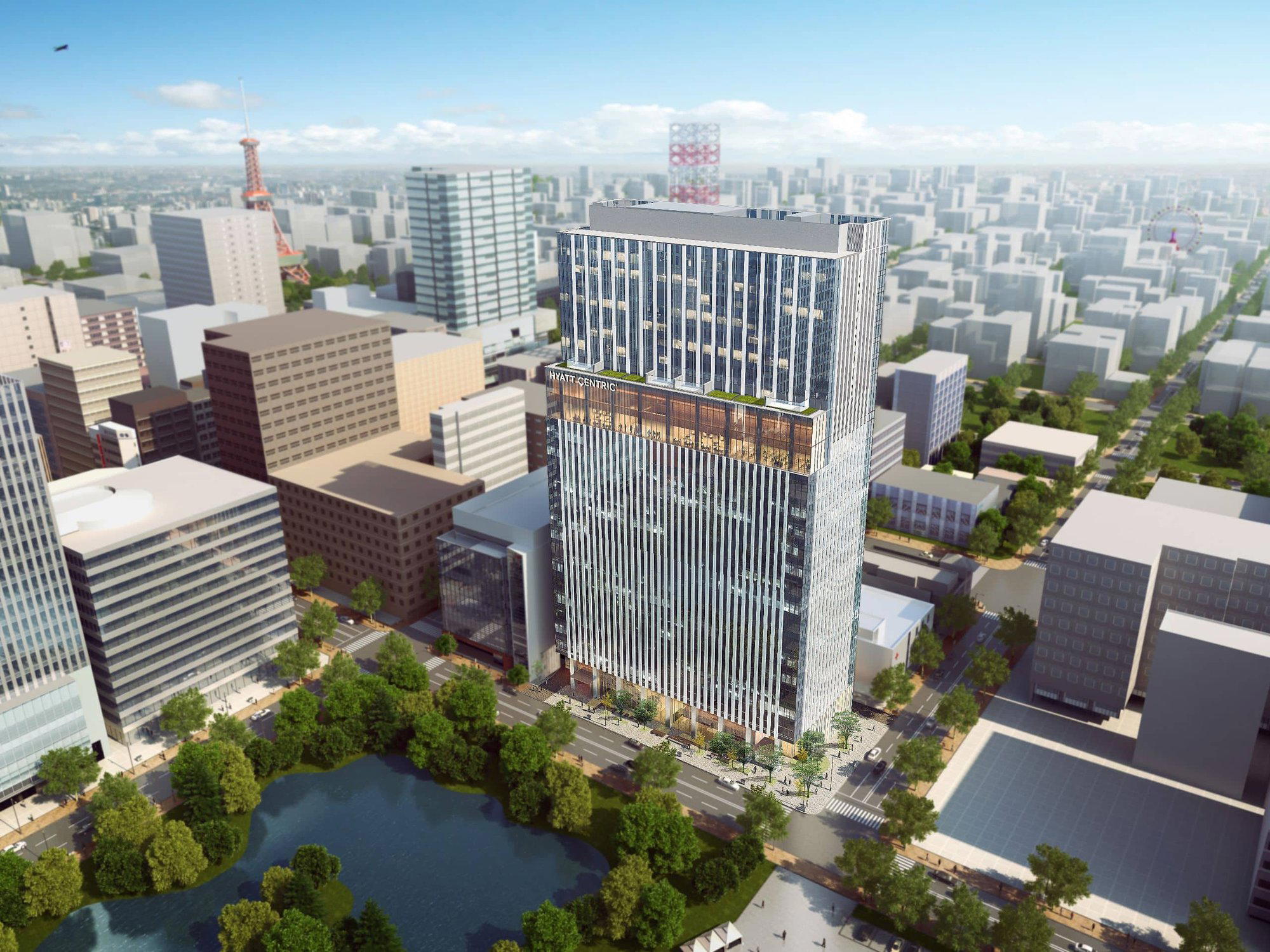
| Hyatt Centric Sapporo | $$$ | 4-Star | Sapporo Station area, Upscale urban lifestyle hotel under the Hyatt Centric brand, positioned as a base for exploration in central Sapporo. |
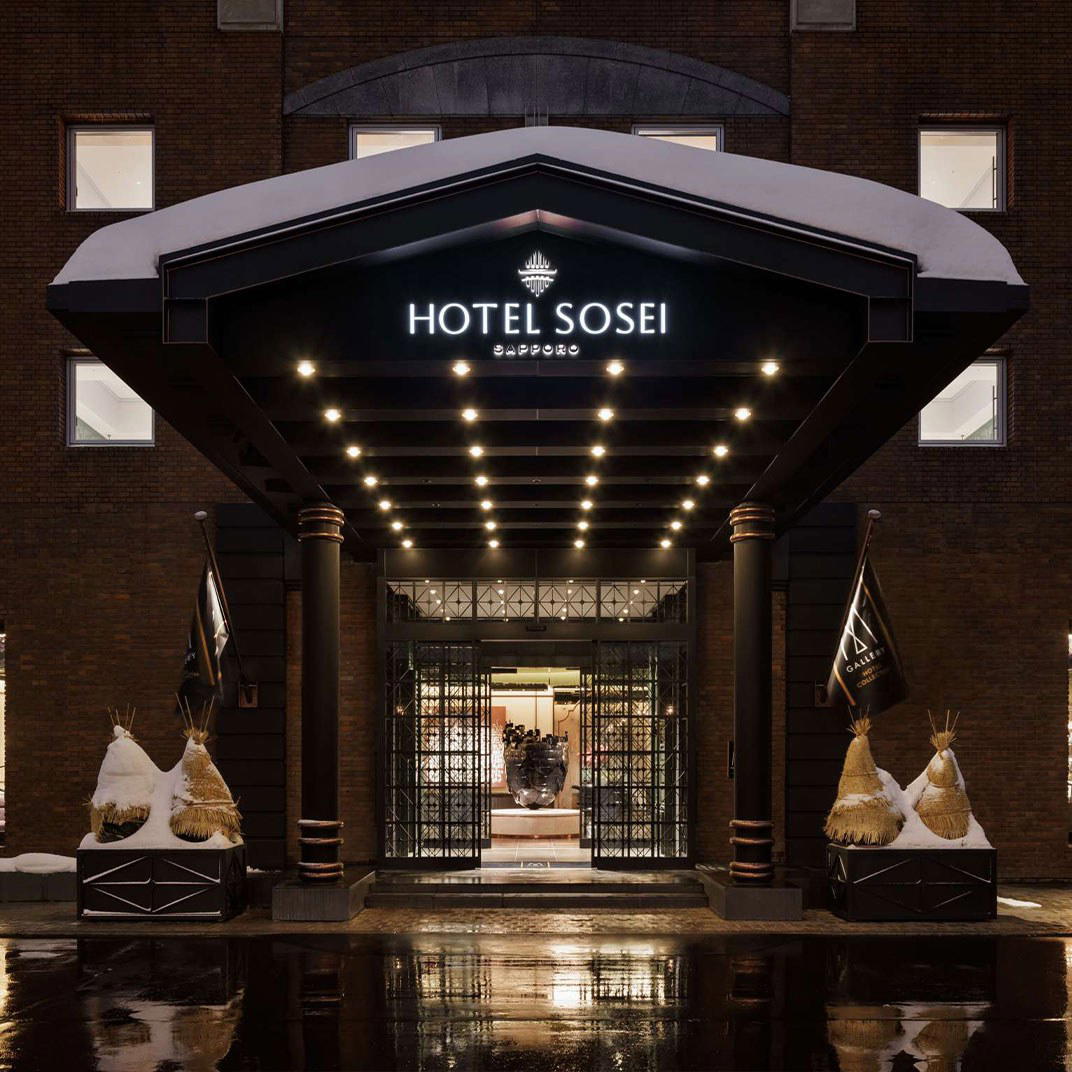
| Sosei Sapporo - MGallery | $$$$ | 5-Star | Chūō, Historic boutique hotel bridging Sapporo's past and future with frontier spirit. |
| The Knot Sapporo | $$$ | 3-Star | Susukino, Lifestyle hotel blending natural Hokkaido warmth with sleek modern design |
| Cross Hotel Sapporo | $$$ | 4-Star | Chūō, Sleek modern tower with artsy, lounge-like vibe emphasizing local Hokkaido connections. |
Recognition history
Dated appearances from independent guides and award organizations, with the underlying list record or original source where available.
Forbes Recommended
Forbes
Forbes Recommended
Forbes
Continue exploring
More in Sapporo
Hotels in Sapporo
Browse all →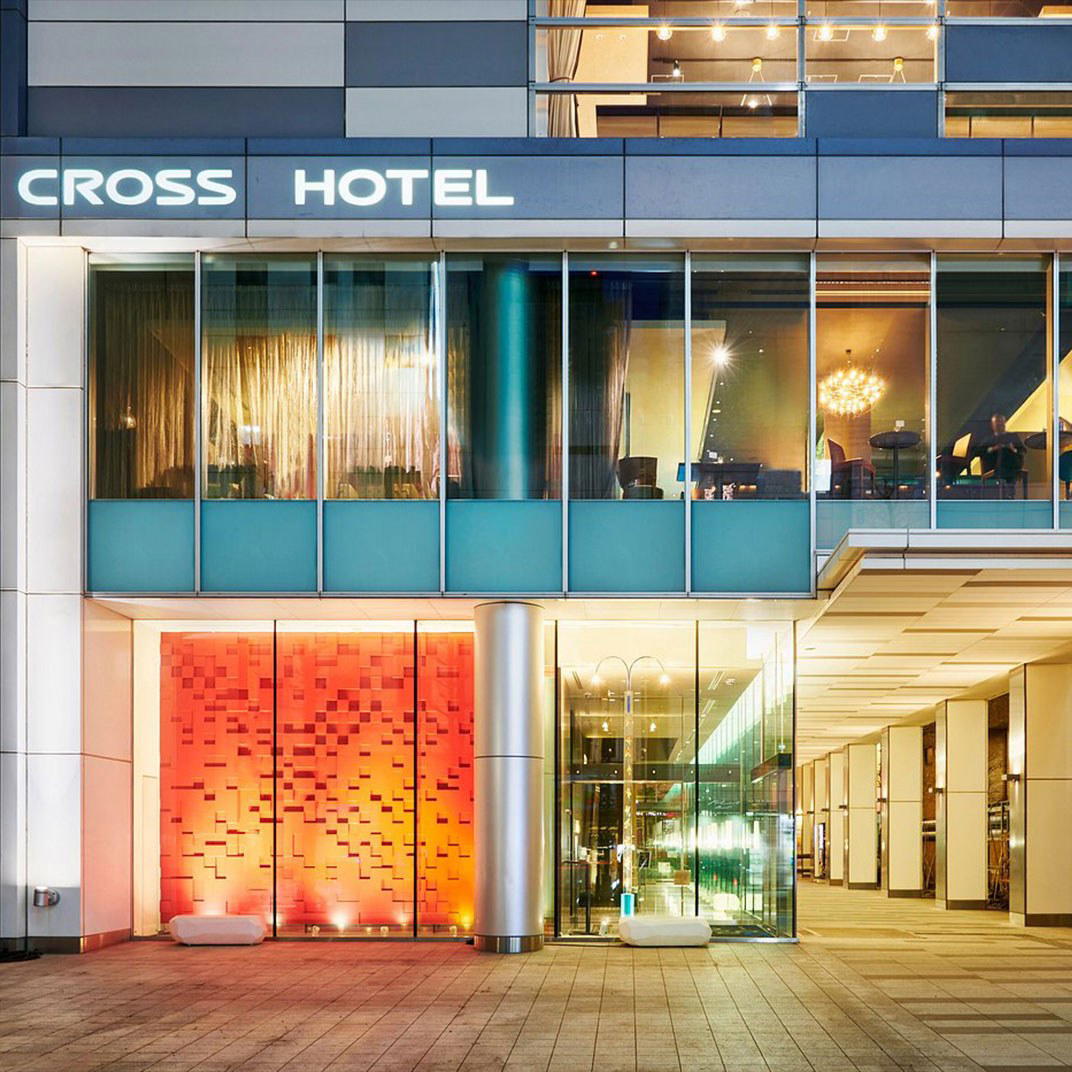
At a Glance
- Modern
- Elegant
- Sophisticated
- Business Trip
- Family Vacation
- Romantic Getaway
- Wellness Retreat
- Panoramic View
- Destination Spa
- Rooftop Pool
- Wi Fi
- Spa
- Sauna
- Restaurant
- Bar
- Concierge
- Room Service
- Fitness Center
- Business Center
- Laundry Service
- Skyline
- Wi Fi
- Spa
- Sauna
- Restaurant
- Bar
- Concierge
- Room Service
- Fitness Center
- Business Center
- Laundry Service
Bright, clean, and serene with large picture windows showcasing seasonal Sapporo views; guests praise the tranquil spa atmosphere and well-lit bathrooms.