
Michelin Selected
Selected by the Michelin Hotels guide in 2025, InterContinental Sapporo sits in Chuo-ku, placing guests within reach of the city's central grid, Susukino, and the broader Hokkaido food scene. The address does the heavy lifting here: Sapporo's defining seasonal rhythms, from snow festival crowds to summer beer gardens, unfold from the doorstep. A reliable mid-city anchor for travellers who want location before seclusion.

Pearl is the En Primeur Club membership app — saves, bookings, and concierge access live there. Same editors, same standards.
- Address
- 1 Chome-1-48 Minami 10 Jonishi, Chuo Ward, Sapporo, Hokkaido 064-0810, Japan
- Phone
- +81 11-562-7000
- Website
- ihg.com
- Directions
- Get directions
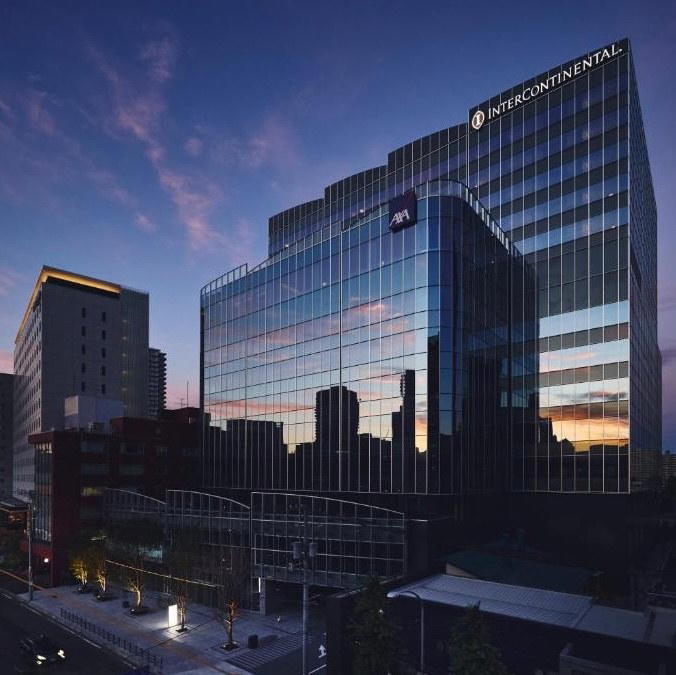
Address as Strategy: What Chuo-ku Delivers
Sapporo's hotel market divides along a familiar axis. Properties in the outer wards or resort corridors trade proximity for atmosphere, offering the ryokan experience or mountain-adjacent seclusion that draws a certain kind of traveller to Hokkaido. Properties in Chuo-ku make the opposite bet: place the city itself at the guest's disposal. InterContinental Sapporo sits firmly in that second camp, on Minami Jujo Nishi 1-Chome in the heart of the administrative and commercial centre. That address is not incidental; it is the primary offering.
The Michelin Selected designation, distinct from starred recognition, signals consistent quality across hospitality standards rather than a single area of distinction. It is a signal about reliability and scope, which is precisely what a central business hotel needs to demonstrate.
The City From the Doorstep
Sapporo operates on a legible grid, a product of its Meiji-era planning, and Chuo-ku sits at the system's centre. The Odori Park axis, which defines the city's public character from the television tower to the western wards, is within walking range. Susukino, Sapporo's dense entertainment and dining district and one of the largest such districts in Japan outside Tokyo and Osaka, is directly adjacent to the south. The city's ramen alley concentration, its seafood market access, and its izakaya density are all more accessible from this postcode than from resort-adjacent alternatives in the Jozankei valley or the ski corridors further afield.
For travellers whose itinerary is Sapporo-city-first rather than Hokkaido-nature-first, that proximity matters practically. The morning seafood at the Nijo Market, the afternoon walk through the Botanical Garden, the late dinner in Susukino: all of these compress into a walkable day without requiring transport logistics. Compare that to the calculus required from a property like Chalet Ivy Jozankei, which offers a very different trade-off weighted toward natural setting over urban access.
Positioning Within Sapporo's Hotel Tier
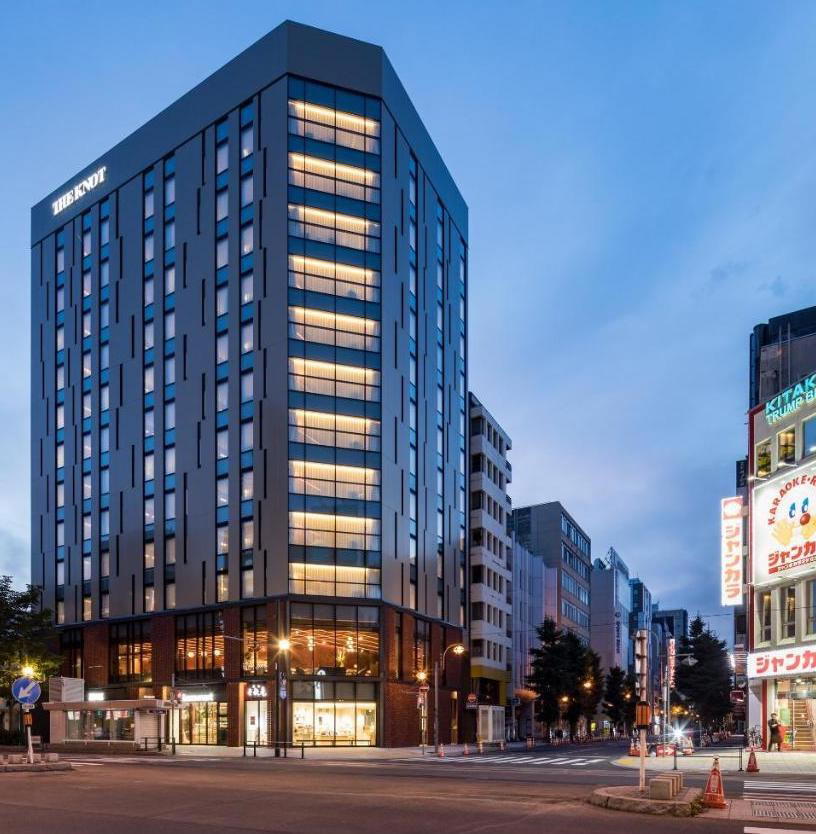
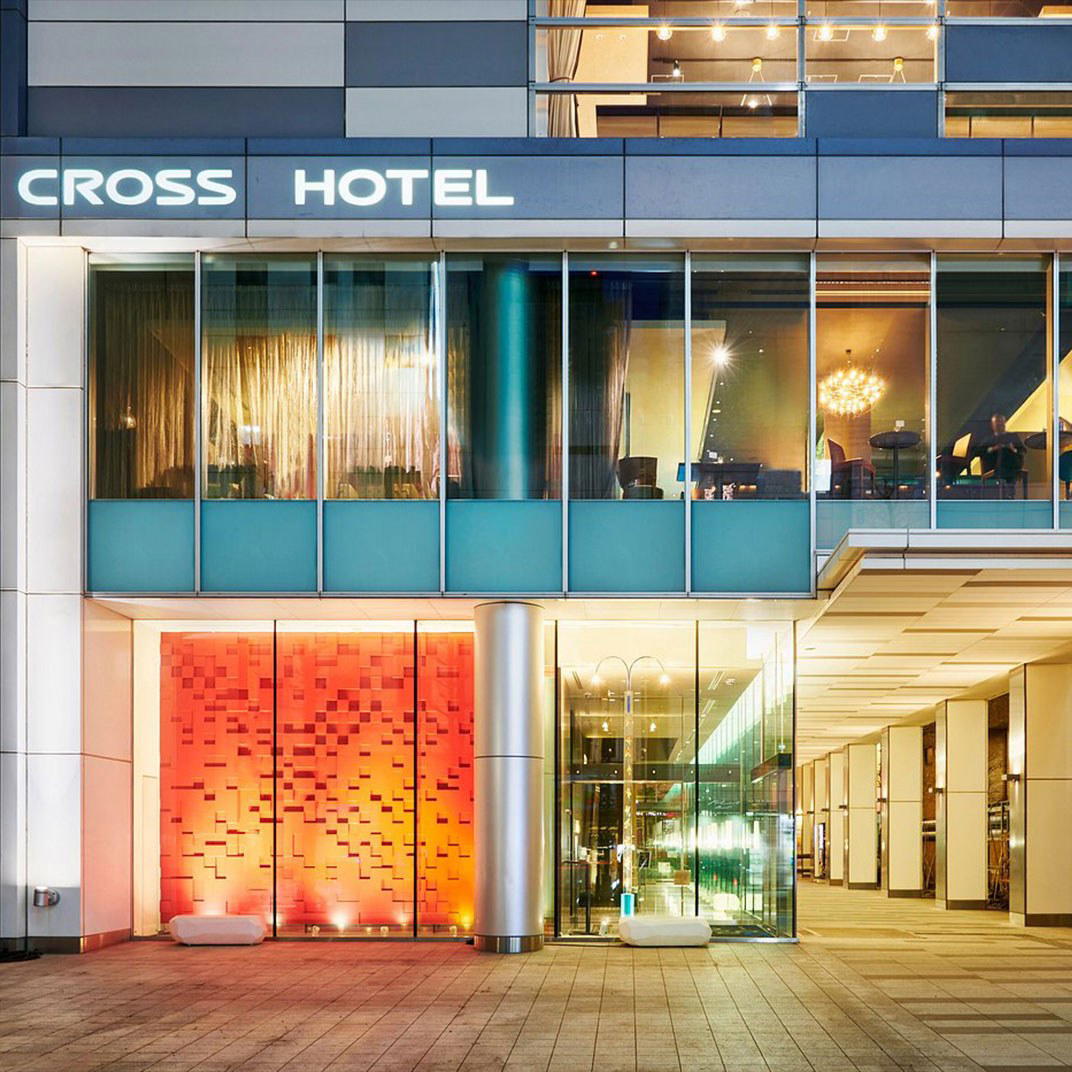
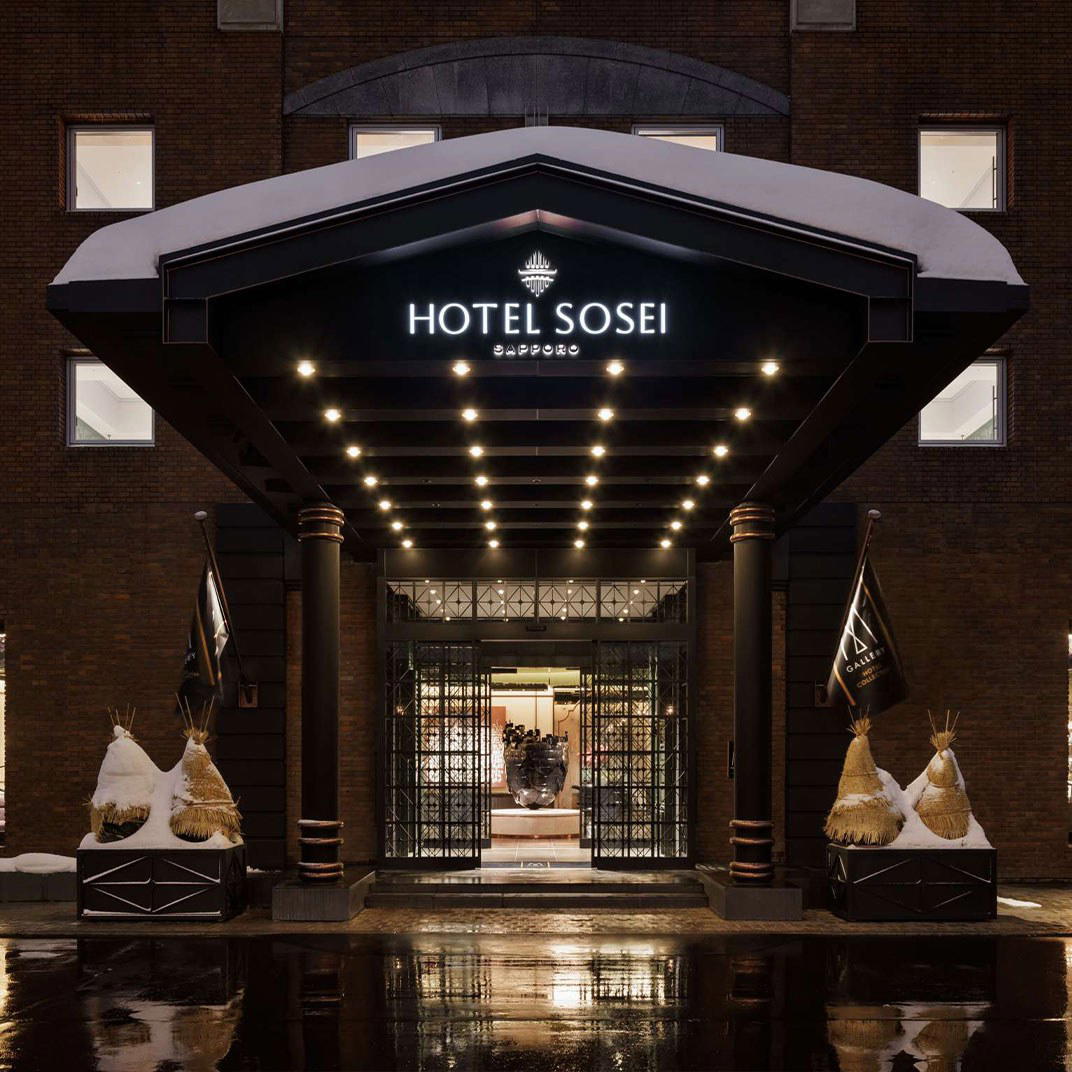
The international chain hotel segment in Sapporo is smaller than in Tokyo or Osaka, which gives properties carrying recognised global flags a clearer positioning advantage with international business travellers and corporate groups. The InterContinental brand operates in a bracket that expects full-service amenities, multilingual staffing, and the booking infrastructure that global loyalty programmes provide. That set of expectations contrasts with the design-led boutique segment represented by properties such as Sosei Sapporo - MGallery, or the neighbourhood-rooted character of The Knot Sapporo and Cross Hotel Sapporo.
The closest structural comparator in Sapporo is JR Tower Hotel Nikko Sapporo, which anchors the Sapporo Station end of the central district. The JR Tower property offers a different spatial advantage: direct station connectivity that suits travellers moving between Hokkaido cities or arriving by Shinkansen when the extension to Sapporo opens. The InterContinental's position further south, closer to Susukino and Odori, skews its convenience toward leisure and dining access rather than transport connectivity. Neither is the superior choice in the abstract; the decision depends entirely on what the guest needs the address to do.
Properties like Suigan and Sapporo Excel Hotel Tokyu fill adjacent market positions, and the city's hotel range extends to ryokan-format stays further from the centre. Travellers considering Hokkaido's wider circuit, where properties like Zaborin in Kutchan represent the high-design mountain end of the spectrum, should treat Sapporo's central hotels as a base-camp layer rather than a destination in themselves.
Seasonal Logic
Hokkaido's appeal is genuinely bimodal. The winter season, running roughly from late November through March, draws visitors for the Sapporo Snow Festival in February, consistently one of the most-attended events in Japan with several million visitors over its week-long run, and for ski access to resorts in Niseko, Furano, and Tomamu via road or rail connections from the city. A central Sapporo hotel serves as the logical gateway for the Snow Festival itself, where proximity to Odori Park, the primary sculpture site, is a direct logistical advantage.
Summer brings a different city: the Sapporo Beer Garden season activates in July and August, the Yosakoi Soran Festival runs in June, and Hokkaido's reputation for cooler temperatures relative to Honshu draws heat-averse travellers from across Japan. Both seasons reward a centrally placed base. The shoulder periods, April through May and October through November, carry lighter crowds and clearer access to the city's everyday character: its coffee culture, its market rhythms, and the neighbourhood texture that the tourist peaks obscure.
Hokkaido in Broader Context
Sapporo occupies an interesting position in Japan's luxury hotel map. The top tier of Japanese hospitality, represented internationally by properties like Amanemu in Mie, Gora Kadan in Hakone, or Asaba in Izu, is concentrated in onsen resort settings or in the dense luxury corridors of Tokyo and Kyoto, where properties like Bvlgari Hotel Tokyo and HOTEL THE MITSUI KYOTO operate. Sapporo is not in that bracket, and does not try to be. The city's hospitality identity is more utilitarian at its centre and more experiential at its rural edges, with Hokkaido's farming and fishing culture feeding both the local restaurant scene and the appeal of rural stays.
For the international traveller building a Japan itinerary that reaches Hokkaido, the InterContinental Sapporo offers the reassurance of a known standard in an unfamiliar city, combined with a location that makes the city's most compelling offerings accessible on foot. That combination is more specific than it sounds in a market where getting the address wrong means spending meaningful time on transport you did not plan for.
Planning Your Stay
The property is located at 1-48 Minami Jujo Nishi 1-Chome, Chuo-ku, placing it in the administrative heart of the city and a short walk from the Odori subway station on the Namboku, Tozai, and Toho lines, which connect to Sapporo Station and the broader metro network. New Chitose Airport, Hokkaido's main international and domestic hub, connects to Sapporo Station by rapid rail in approximately 35 to 40 minutes, from where the central district is accessible by subway. The Michelin Selected recognition for 2025 applies to the property's current standard. Booking through the IHG loyalty infrastructure is the standard approach for points accumulation, though rates and availability should be confirmed directly. For a full picture of Sapporo's dining scene before or after your stay, our full Sapporo restaurants guide covers the city's defining food traditions from miso ramen to Hokkaido kaiseki.
Travellers weighing Sapporo's central hotel options against properties elsewhere in Japan's wider luxury circuit, from Fufu Nikko to Halekulani Okinawa or Nishimuraya Honkan in Kinosaki, will find that the InterContinental fits a specific brief: full-service standards, city-centre access, and Michelin-acknowledged consistency, without the remoteness that defines Hokkaido's more atmospheric rural stays.
The Essentials
Comparable venues nearby, for context on price, style, and recognition.
| Venue | Price | Awards | Notes |
|---|---|---|---|
| InterContinental SapporoThis venue — the venue you are viewing | Not listed | Michelin Selected | Not listed |
| Chalet Ivy Jozankei | Not listed | Small Luxury Hotels of the World Member | Minami, Modern luxury ryokan in lush mountain forest setting |
| Suigan | $300–500 | Michelin Selected | Minami, Exclusive onsen ryokan with spacious private suites |
| Sosei Sapporo - MGallery | Not listed | Michelin Selected | Chūō, Historic boutique hotel bridging Sapporo's past and future with frontier spirit. |
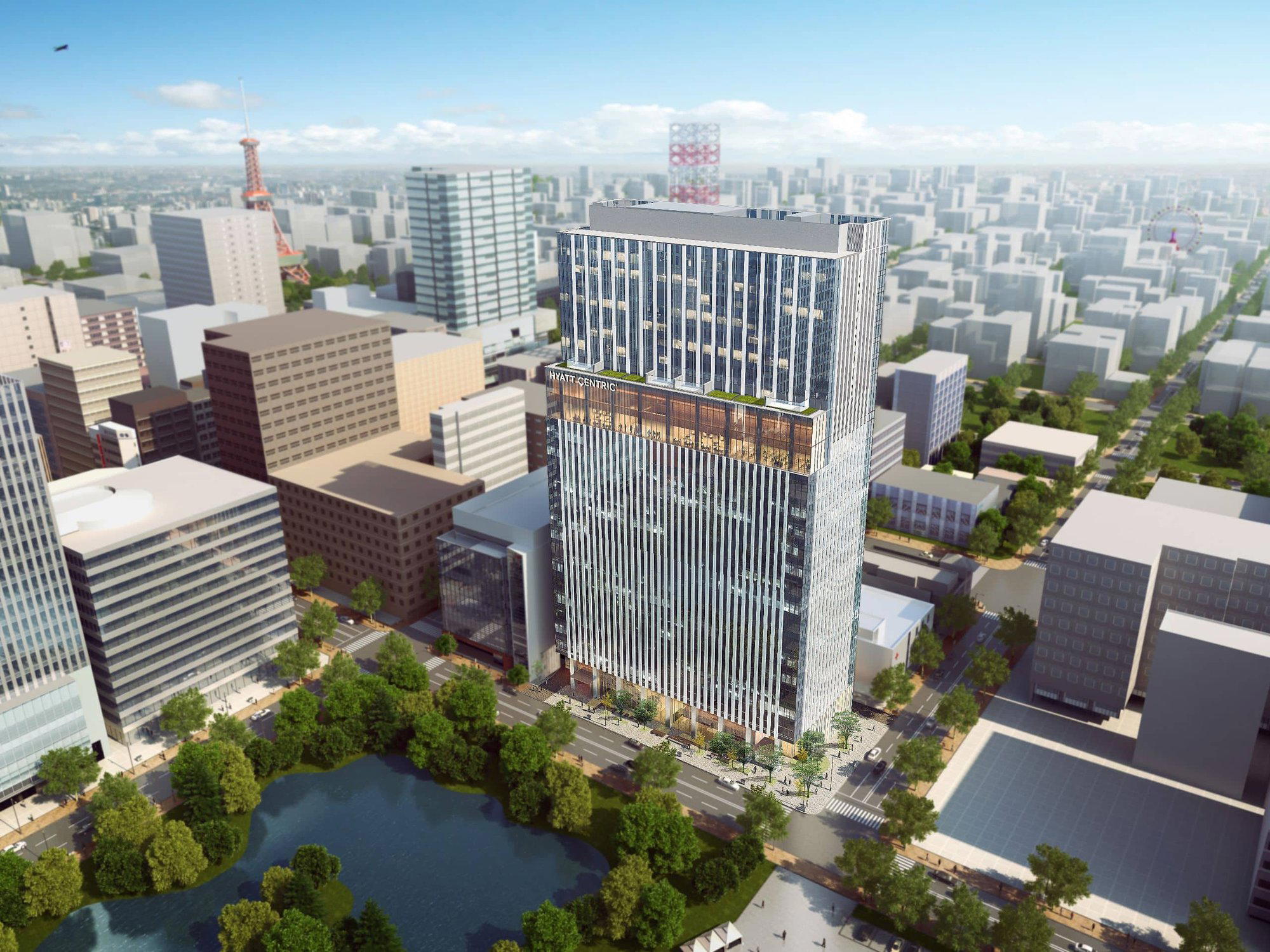
| Hyatt Centric Sapporo | Not listed | Not listed | Sapporo Station area, Upscale urban lifestyle hotel under the Hyatt Centric brand, positioned as a base for exploration in central Sapporo. |
| JR Tower Hotel Nikko Sapporo | $100–200 | Forbes Recommended | Chūō, Contemporary luxury high-rise with Japanese minimalist design principles emphasizing space, light, and tranquility. |
Recognition history
Dated appearances from independent guides and award organizations, with the underlying list record or original source where available.
Michelin Selected
Michelin
Continue exploring
More in Sapporo
Hotels in Sapporo
Browse all →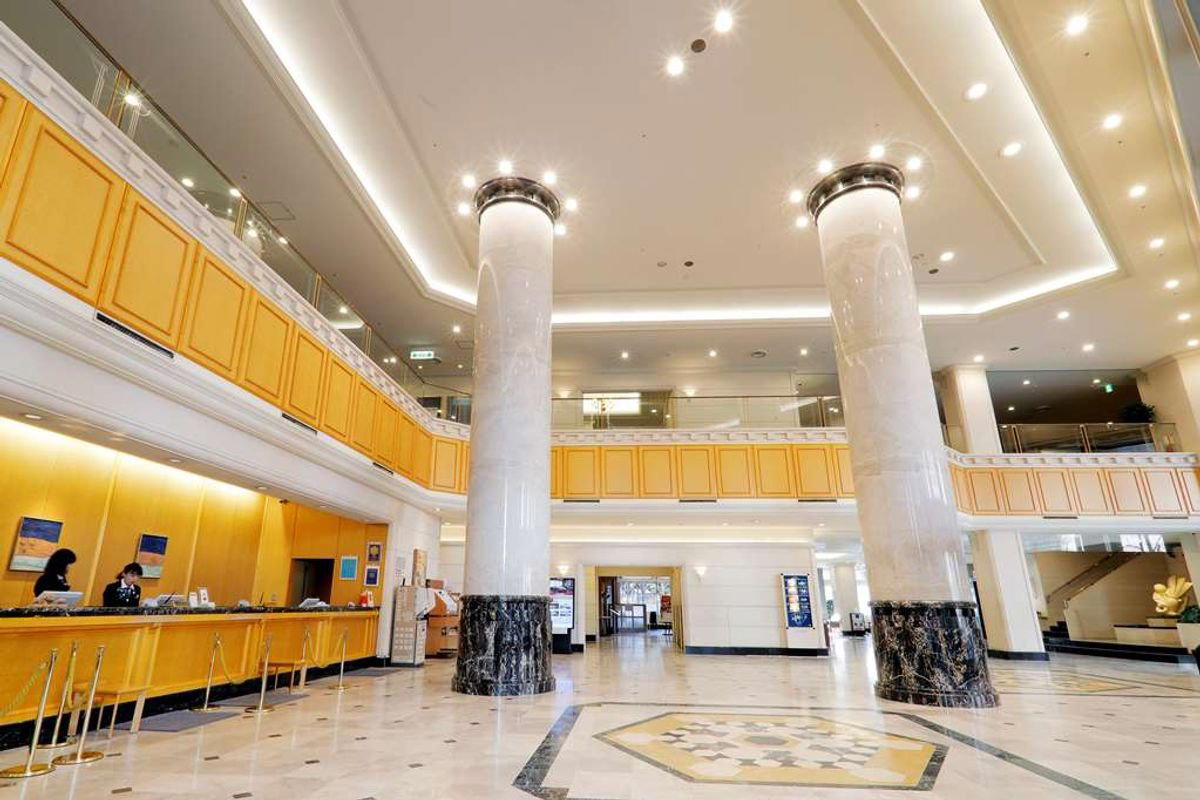
Details
- Elegant
- Sophisticated
- Modern
- Serene
- Business Trip
- Romantic Getaway
- Family Vacation
- Panoramic View
- Rooftop Pool
- Pool
- Fitness Center
- Room Service
- Concierge
- Indoor Pool
- Mountain
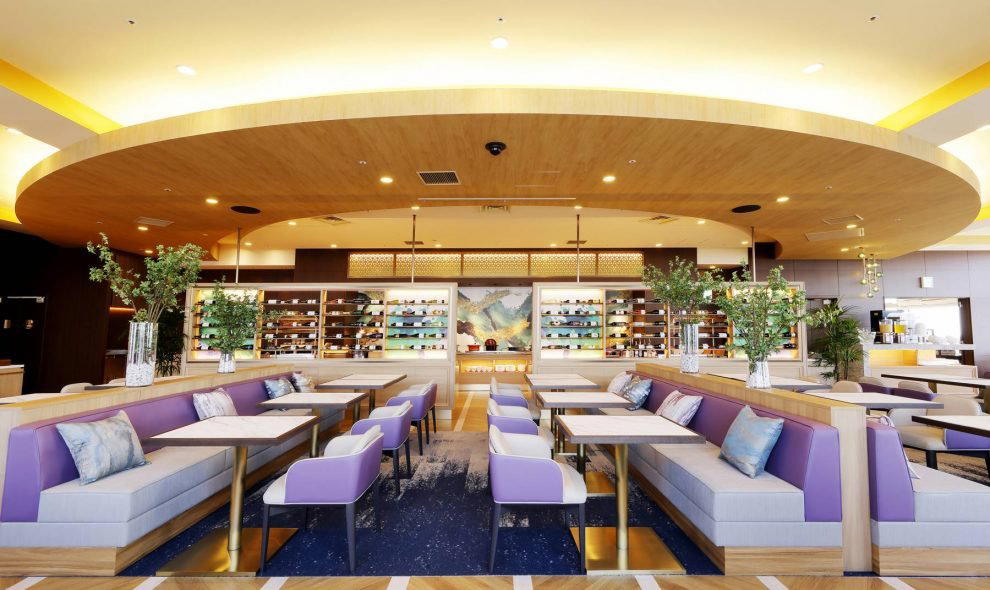
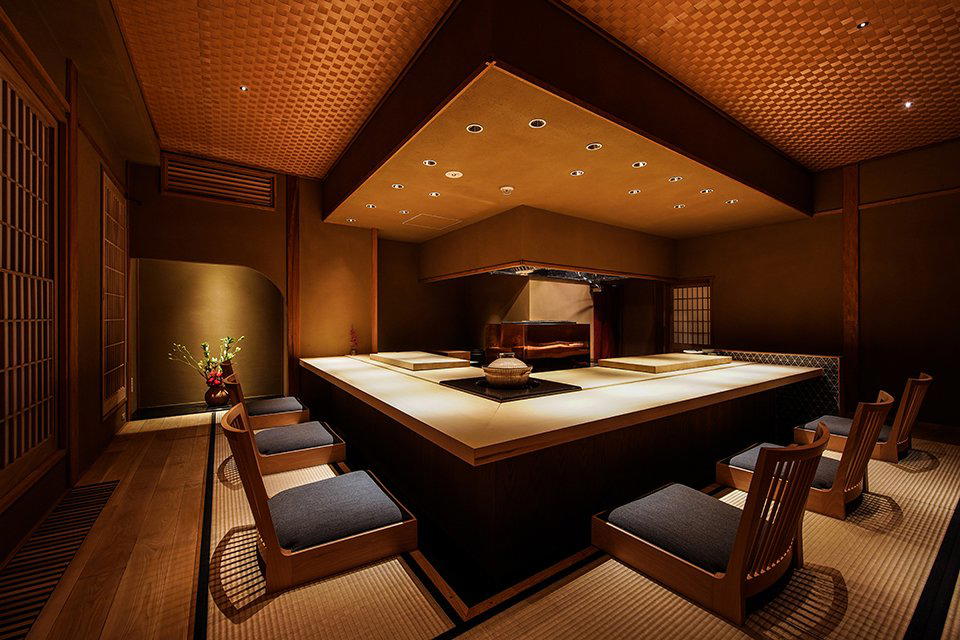
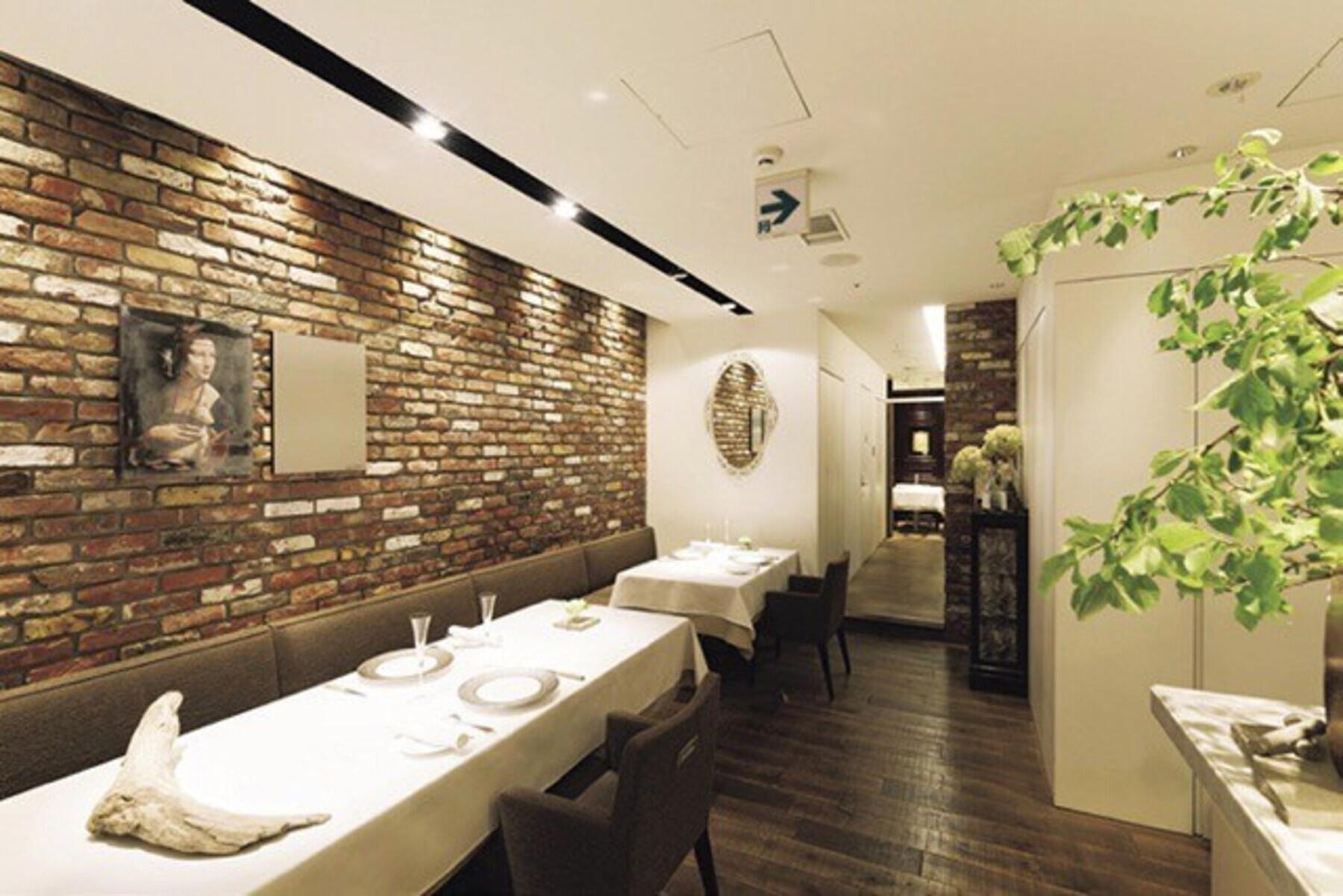
Refined tranquility with natural textures, warm tones, plants, fireplace lounge, and serene lighting creating a residential luxury retreat.