
Mieda sits in Sapporo’s serious Japanese dining tier, where counter format, seasonal structure and fish-led cooking matter more than spectacle. The restaurant’s Tabelog Award 2026 Bronze recognition and repeated Japanese cuisine EAST “Tabelog 100” selections place it in a narrow group for travelers reading Hokkaido through kaiseki rather than ramen, curry or izakaya shorthand.
Pearl is the En Primeur Club membership app — saves, bookings, and concierge access live there. Same editors, same standards.
- Address
- Japan, 〒064-0805 Hokkaido, Sapporo, Chuo Ward, Minami 5 Jonishi, 3 Chome 第23桂和ビル 4F
- Phone
- +81 11-532-2828
- Website
- instagram.com
- Directions
- Get directions
 Saves & bookings on Pearl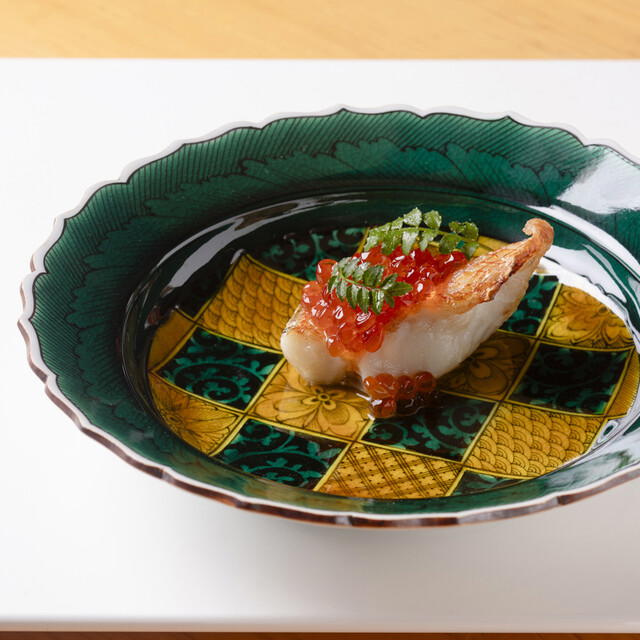
The approach is not the point; the room is. A focused dining room changes the tempo of Japanese dining, narrowing attention from the city outside to the sequence in front of each guest. In Sapporo, that matters. The city is often read through crab, miso ramen, soup curry and beer-hall appetite, but its more serious restaurants can work in a quieter register: seasonal pacing, careful handling, restrained seasoning and a setting built for concentration rather than performance.
Mieda belongs to that more deliberate tradition. The broader frame is formal dining in Hokkaido: courses arranged around season, temperature, texture and the decision of when not to interfere. The restaurant’s Tabelog Award 2026 Bronze recognition gives it a measurable position within Japan’s user-driven restaurant culture. That matters in Sapporo, where national visitors often arrive with seafood expectations and leave discovering that the city’s more composed dining can be as compelling as its more casual signatures.
A Hokkaido dining room shaped by formal discipline
Formal Japanese dining is frequently misunderstood outside Japan as a luxury tasting menu with beautiful tableware. The better reading is structural. A meal moves through contrast and restraint: raw and cooked, hot and cool, depth and lift, rice and closing notes. Hokkaido gives that structure particular force because the region’s identity is tied so closely to marine products, dairy, vegetables and cold-climate seasonality. A serious Sapporo dining room does not need to announce regionality with excess; it can do so by deciding what to leave alone.
That is the useful way to read Mieda. The restaurant sits in a more specialized lane than broad, hotel-style dining, while the focused format keeps the meal close to the sequence rather than outward display. The interest is not spectacle, but control: a kitchen working through narrower codes of Japanese hospitality, pacing and seasonality than a generalist tourist restaurant.
Sapporo’s dining hierarchy is not Tokyo’s, and that is part of the appeal. Tokyo often rewards micro-specialization at punishing scale; Kyoto carries the gravity of long formal dining traditions. Sapporo’s serious rooms sit closer to source, with Hokkaido ingredients giving the format a colder, cleaner accent. The point is not rusticity. It is the way regional supply can sharpen a formal meal without turning it into a seafood showcase.
Why the recognition matters in Sapporo
Tabelog’s influence in Japan is different from guidebook approval aimed at overseas travelers. Scores and awards sit inside domestic dining behavior, where small differences can shift reservation demand and pricing power. A Bronze award in 2026 puts Mieda in a bracket where diners are not simply paying for ingredients; they are paying for sequence, attention and the confidence of a focused room.
That focused-room logic is central. Serious dining changes the social contract. Conversation drops, the kitchen’s rhythm becomes part of the experience, and the meal’s success depends on pacing rather than décor. For travelers, this is where Japanese fine dining differs sharply from many Western tasting-menu rooms: the luxury is not necessarily space, upholstery or ceremony, but proximity to decisions. A course can feel expensive because of what has been excluded as much as what has been added.
The Sapporo context also helps separate audiences. Visitors chasing the city’s informal staples have other routes, from noodles and curry to bread, pastry and casual drinking. Mieda is a different decision: a formal meal for readers who want Sapporo’s seasonal intelligence rather than its loudest comforts.
How to place it within a Sapporo itinerary
The right itinerary gives this kind of dinner room to breathe. Sapporo rewards appetites, but a composed meal benefits from a slower day: a late afternoon reset, no heavy snacking, and no attempt to stack it after a bar crawl. The restaurant’s recognition suggests planning rather than spontaneity, and the format favors parties that understand the pace of a compact Japanese dining room.
For a fuller city read, pair the meal with wider research rather than treating one reservation as the whole story. Our full Sapporo restaurants guide maps the broader dining field, while our full Sapporo hotels guide, our full Sapporo bars guide, our full Sapporo wineries guide and our full Sapporo experiences guide help set the trip around more than dinner. Readers comparing Japanese formats beyond Hokkaido can also scan different registers across Japan and abroad, noting how regional Japanese cues shift when they move between cities, audiences and dining styles.
The editorial case for Mieda is clear: choose it when the aim is not simply to eat Hokkaido seafood, but to see how Sapporo’s ingredients can be disciplined through a formal sequence. The reward is intellectual as much as appetitive, a meal built around control, season and the quiet pressure of a focused room.
In Context
Comparable venues nearby, for context on price, style, and recognition.
| Venue | Cuisine | Price | Notes |
|---|---|---|---|
| MiedaThis venue — the venue you are viewing | Chūō, Modern Japanese Fine Dining | $$$$ | Not listed |
| NIKUSYO taku ohira | Not listed | $$$$ | Chūō, High-end Wagyu Yakiniku & Kaiseki-Style Course Dining |
| Japanese cuisine Komatsu | Chūō, Modern Japanese Kaiseki | $$$$ | Not listed |
| Sushi Kin | Nishi, Hokkaido Omakase Sushi | $$$ | Not listed |
| 月下翁 | Chūō, japanese | $$$$ | Not listed |
| Teppan | Chūō, Japanese Teppanyaki | $$$ | Not listed |
Recognition history
Dated appearances from independent guides and award organizations, with the underlying list record or original source where available.
Tabelog Bronze #269
Tabelog
Tabelog 100 #37 · No. 37
Tabelog · Tabelog 100 - Japanese cuisine - EAST - 2025
Continue exploring
More in Sapporo
Restaurants in Sapporo
Browse all →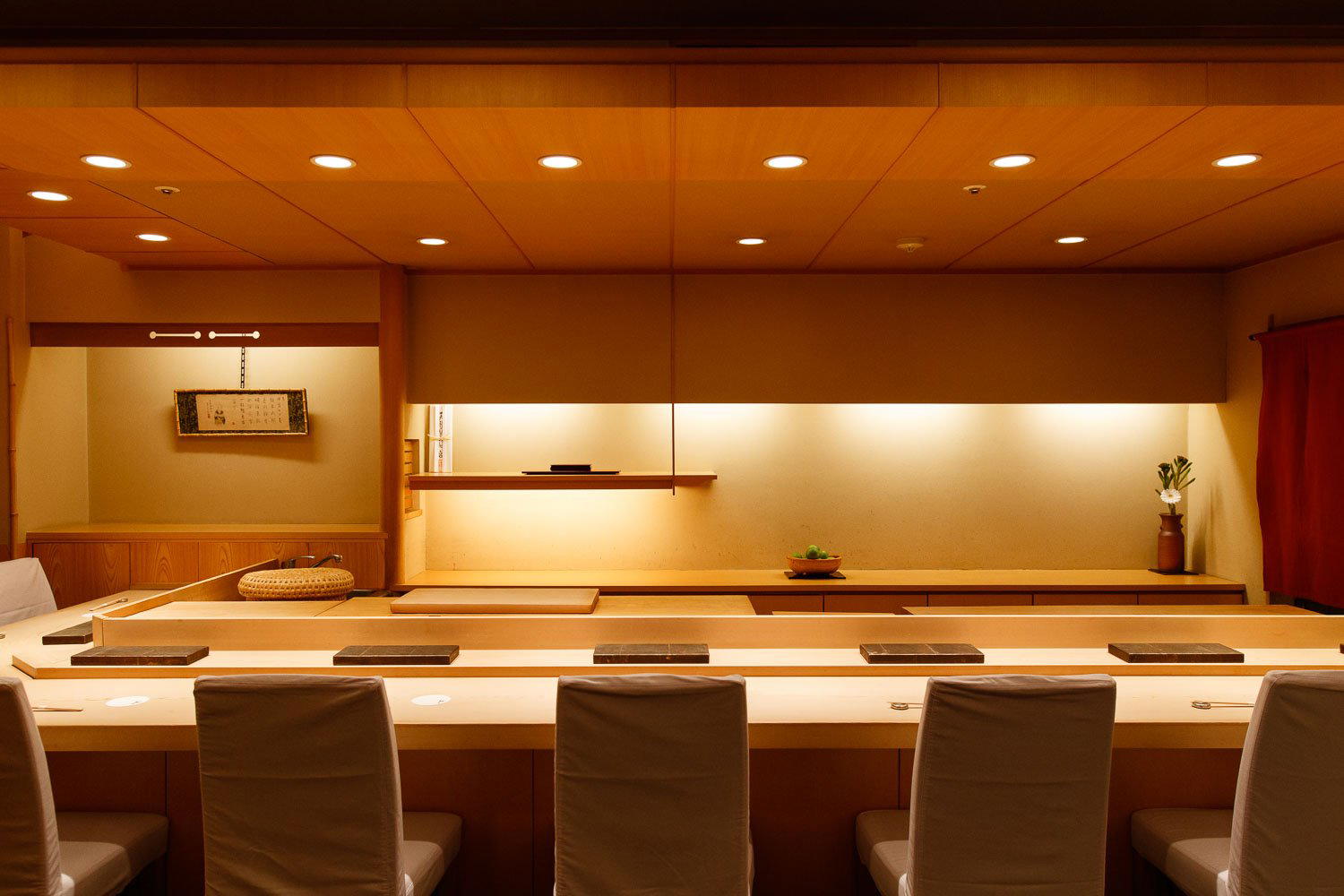


At a Glance
- Intimate
- Elegant
- Sophisticated
- Date Night
- Special Occasion
- Chefs Counter
- Open Kitchen
- Sake Program
Current opening hours
- Monday
- 6–11 PM
- Tuesday
- 6–11 PM
- Wednesday
- 6–11 PM
- Thursday
- 6–11 PM
- Friday
- 6–11 PM
- Saturday
- 6–11 PM
- Sunday
- Closed
Hours can change for holidays and private events. Last verified .
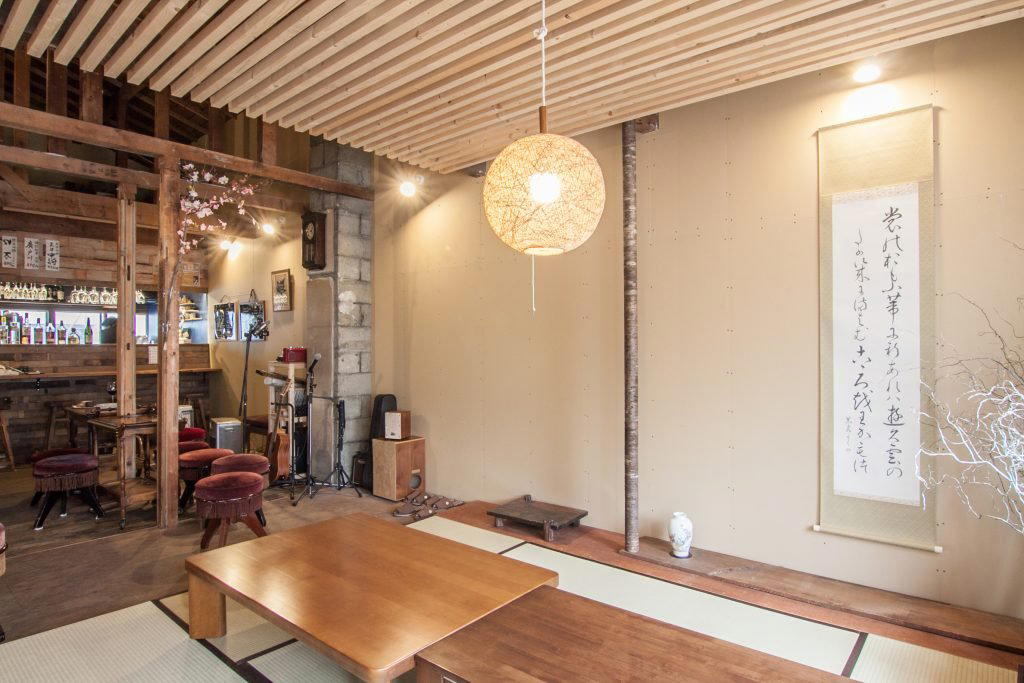
Relaxing and stylish space with counter seating fostering intimate interaction with the chef amid sophisticated fine dining.