

An eight-seat Edomae counter in Sapporo's Maruyama district, Sushisai Wakichi has held Tabelog recognition continuously since 2017 and earned selection to the Sushi EAST Tabelog 100 in 2021, 2022, and 2025. Chef Mitsuaki Tamura runs a reservation-only omakase at 36,000 yen all-in, with a Tabelog score of 4.28 placing it among Hokkaido's most consistently decorated sushi counters. Bookings open three months ahead via the restaurant's own website.
 Discover on Pearl
Pearl is the En Primeur Club membership app — saves, bookings, and concierge access live there. Same editors, same standards.
- Address
- Japan, 〒064-0802 Hokkaido, Sapporo, Chuo Ward, Minami 2 Jonishi, 25 Chome−1−22 和喜智
- Phone
- +81 11-640-3768
- Website
- sushisai-wakichi.com
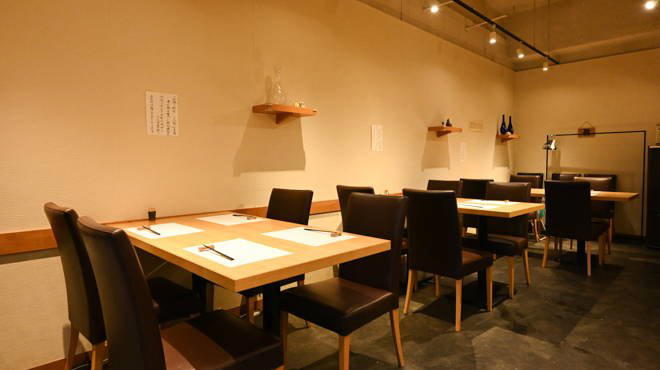
A Counter in the Maruyama Quarter
The residential streets around Maruyama Koen, five minutes on foot from the Tozai Line station, are not where most visitors to Sapporo expect to find one of Hokkaido's most decorated sushi counters. The neighbourhood sits west of the city centre, quieter than Susukino and further still from the tourist corridors of Odori. That remove is part of what defines the experience here. The counter runs to eight seats, all facing the preparation space, and the structure of the evening is set before you arrive. There is a single format, omakase only, and a single price: 36,000 yen inclusive of tax and service charge, beverages extra.
That format places Sushisai Wakichi in a specific tier of Japanese omakase dining where the counter itself is the architecture of the meal. Everything proceeds in sequence, under the direction of Chef Mitsuaki Tamura, and the room's protocols reinforce the focus: no perfume at the table, photography in silence, conversations kept low. These are not unusual conditions for a counter operating at this level, but they signal that the evening is organised around the food's progression rather than social theatre.
Edomae Tradition, Hokkaido Latitude
The defining tension in Sapporo's leading sushi counters is the relationship between Edomae technique, developed in Edo-period Tokyo around Tokyo Bay seafood and vinegar-seasoned rice, and the raw material advantage that Hokkaido's cold waters and fishing grounds provide. Hokkaido occupies a position in Japanese gastronomy that few prefectures can match for sheer ingredient breadth: sea urchin from Rishiri and Rebun, crab across multiple species, scallop, salmon, herring. The question for any serious counter here is how to honour that local abundance through a discipline rooted in a different geography.
Sushisai Wakichi's approach, as its Tabelog description frames it, is to treat Hokkaido's produce as the material through which Edomae method is expressed, rather than treating Edomae as a constraint on what local ingredients can do. That orientation is consistent with how the counter's sustained recognition reads: Tabelog Silver in 2017, 2018, 2019, and 2021, punctuated by Bronze in intervening and subsequent years, and selection to the Tabelog Sushi EAST 100 in 2021, 2022, and 2025. A Tabelog score of 4.28 puts it in a bracket where peer counters in Tokyo's Ginza or Nihonbashi would price and compete at a similar level. For comparison, Harutaka in Tokyo operates in the same recognition tier, and the contrast in setting, Ginza versus a Sapporo residential quarter, says something about where serious sushi is now being made outside the capital.
The Arc of the Meal
Omakase at this price and format follows a recognisable structural logic in Japanese sushi: the meal opens with prepared dishes, moves into nigiri progression, and closes with something sweet or composed. The counter changes what it serves according to what the season provides. What the format guarantees is sequence and pacing under one hand, with no deviation from the set course.
The opening phase of an Edomae omakase at this level typically establishes the kitchen's range beyond nigiri, small preparations that read the season and the available material before the counter moves into the rice-forward work that defines the middle and late stages. The nigiri progression itself is where the interaction between rice temperature, fish treatment, and the counter's specific technique becomes the subject. At eight seats with a 36,000-yen all-in price point and a Tabelog score placing it in the top tier of Sushi EAST counters, the level of attention per seat is consistent with the most considered omakase formats operating outside Tokyo. The counter's comparable set in Sapporo includes Sushi Miyakawa and Sushi Tanabe, both operating at comparable recognition levels in the city.
The drink list runs to sake, shochu, and wine. At a counter organised around rice and fish, sake is the natural pairing register, and the selection at this tier typically includes both local Hokkaido breweries and well-regarded houses from other prefectures. Beverages are charged separately from the fixed 36,000-yen course price.
Sapporo's Sushi Tier
Sapporo has developed a cluster of serious omakase counters over the past decade that, taken together, constitute a credible alternative to Tokyo for sushi of this calibre. The ingredient advantage is structural: proximity to Hokkaido fishing ports means that some materials arrive at Sapporo counters fresher than they would at equivalent Tokyo addresses. Counters like Sushi Sohei and Takuzushi occupy different positions in that local tier, with Arima representing the kaiseki-adjacent end of formal dining in the same city.
Within that local context, Sushisai Wakichi's longevity of recognition is the notable data point. Silver-level Tabelog recognition from 2017 through 2019 and again in 2021, combined with consistent Bronze through 2026 and three separate Sushi EAST 100 selections, represents continuity over nearly a decade. That is a different signal from a single-year peak: it suggests a counter that has maintained its level across changes in season, ingredient supply, and the expectations of a dining public that includes both local regulars and visitors arriving specifically for the counter. For reference on what comparable recognition looks like elsewhere in Japan, Gion Sasaki in Kyoto, HAJIME in Osaka, and Goh in Fukuoka all operate in the sustained-recognition bracket across different cuisine categories. Outside Japan, Sushi Shikon in Hong Kong and Shoukouwa in Singapore demonstrate how Edomae counters have extended into regional dining markets, though neither operates with Hokkaido's ingredient proximity.
Planning Your Visit
Sushisai Wakichi operates Tuesday through Saturday for evening sittings, with Saturday and Sunday lunch also available. Monday is closed, with additional irregular closures approximately twice a month. The counter runs two sittings on Tuesday, Thursday, and Friday evenings (18:00 and 20:30), with the same structure on Wednesday and Saturday plus a lunchtime sitting (12:00). Sunday offers lunch at 12:00 and an early evening sitting at 17:00.
Reservations are not accepted by phone. Bookings open two months ahead through Tabelog and three months ahead through the restaurant's own website at sushisai-wakichi.com. At eight seats across two sittings, the available covers per service are limited, and the three-month advance window through the direct site is the practical approach. Arriving more than 15 minutes late means the kitchen will not serve your meal from the beginning, which matters when the course is sequential and cannot be rejoined mid-progression.
The counter can be taken for private use for parties of seven or eight guests, which is one of the few formats that allows some flexibility in the otherwise fixed structure. Payment by credit card is accepted across the major networks; electronic money and QR code payments are not. The Maruyama Koen station on the Tozai Line places the restaurant approximately five minutes on foot, and coin parking is available nearby for those arriving by car.
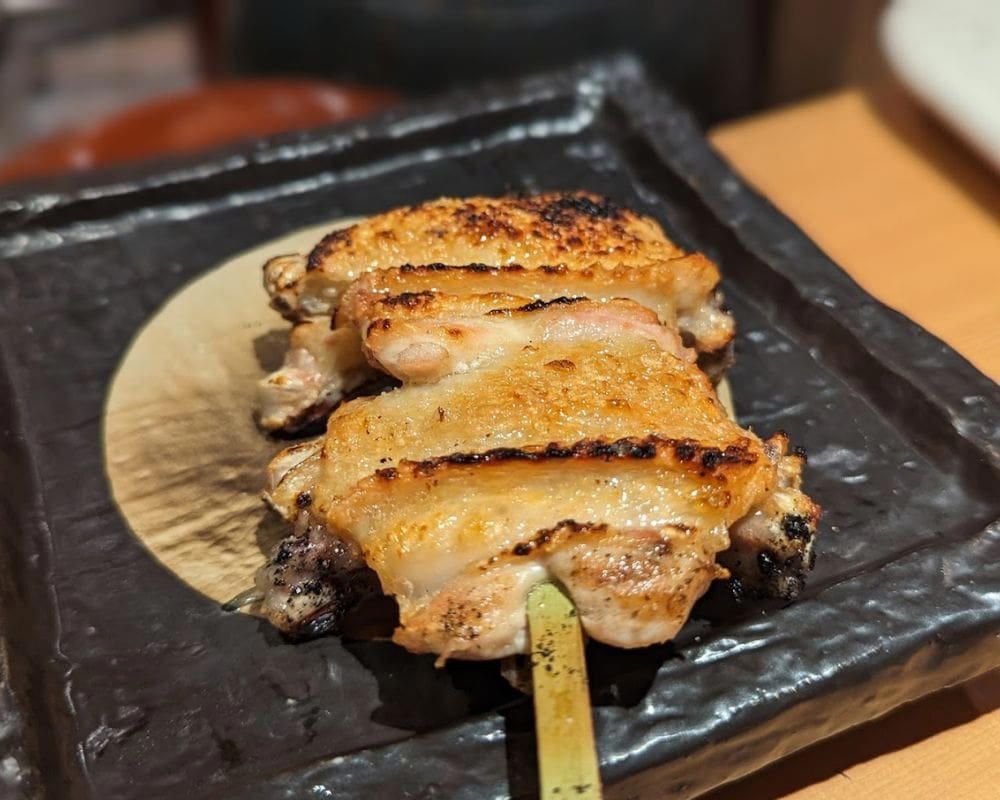
- uni
- anago
- monkfish liver
- snow crab
- hotate
- shirako
Accolades, Compared
Comparable venues nearby, for context on price, style, and recognition.
| Venue | Cuisine | Price | Awards | Notes |
|---|---|---|---|---|
| Sushisai WakichiThis venue — the venue you are viewing | Traditional Hokkaido Omakase | $$$$ | 3 recognitions | |
| Sushi Tanabe | Traditional Japanese Omakase | $$$$ | 3 recognitions | Chūō |
| Hokkaido Yakiniku Kita Ushi | High-end Hokkaido Wagyu Yakiniku | $$$$ | , | Chūō |
| Japanese cuisine Komatsu | Modern Japanese Kaiseki | $$$$ | 1 recognition | Chūō |
| NIKUSYO taku ohira | High-end Wagyu Yakiniku & Kaiseki-Style Course Dining | $$$$ | , | Chūō |
| Akatsuki | Traditional Edomae Sushi Omakase | $$$$ | , | Chūō |
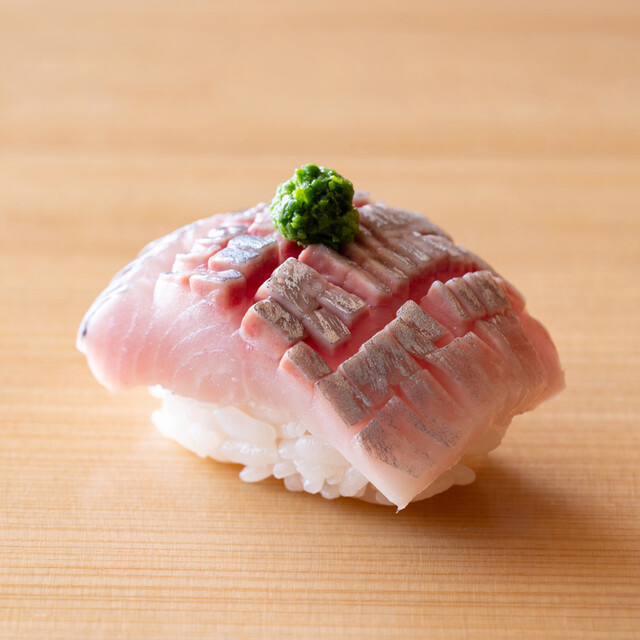
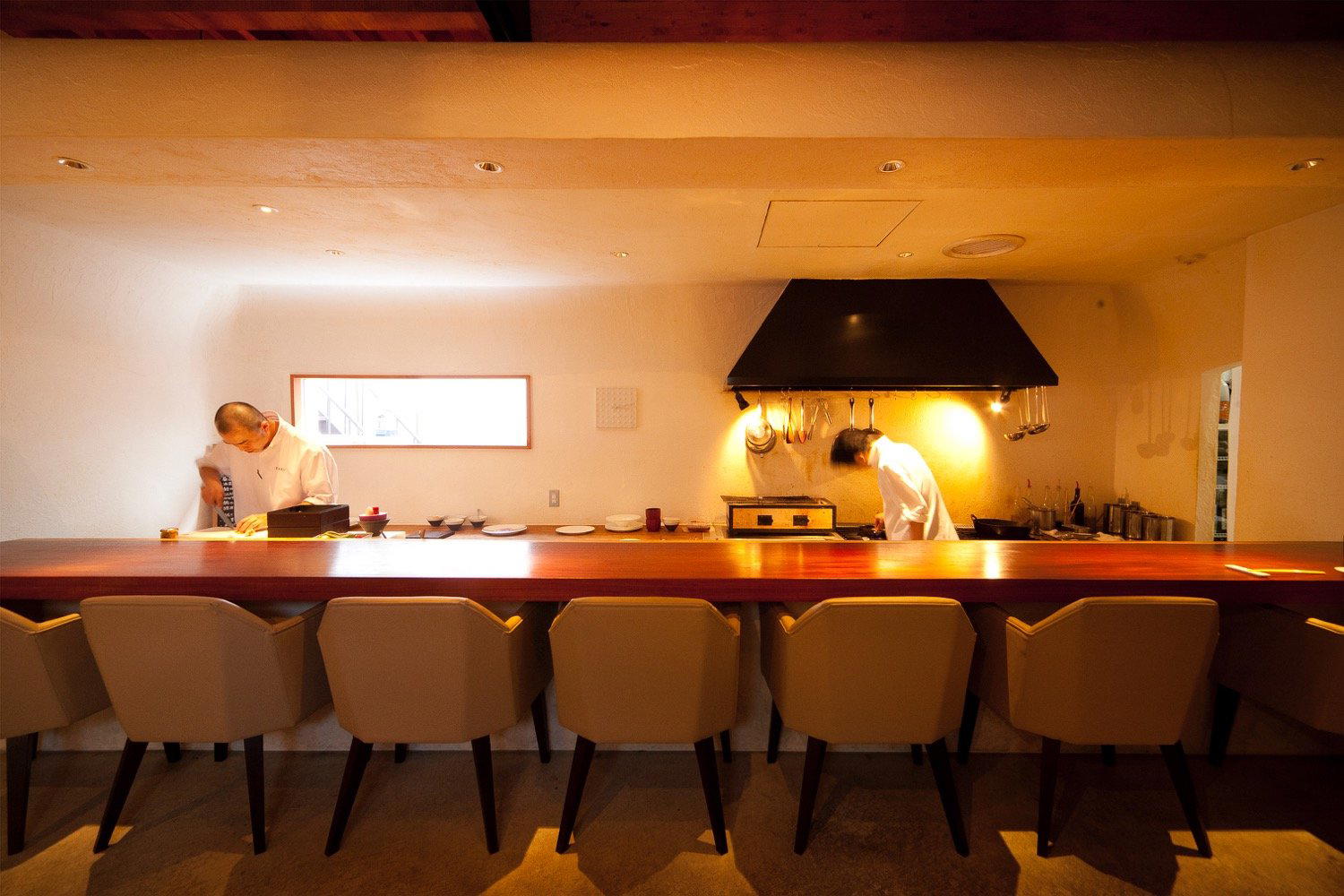
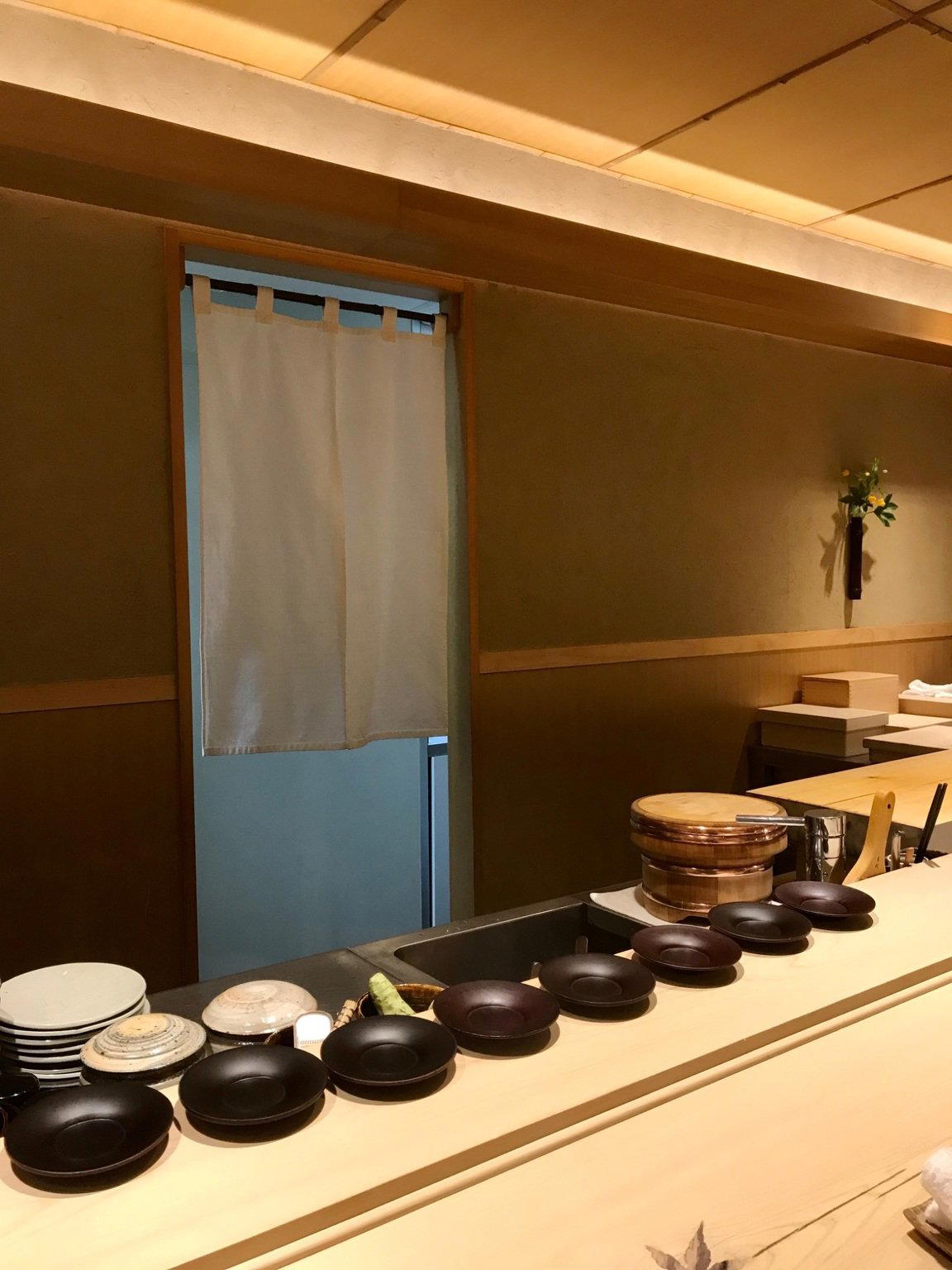
At a Glance
- Intimate
- Elegant
- Quiet
- Sophisticated
- Special Occasion
- Date Night
- Celebration
- Chefs Counter
- Open Kitchen
- Sake Program
- Local Sourcing
- Sustainable Seafood
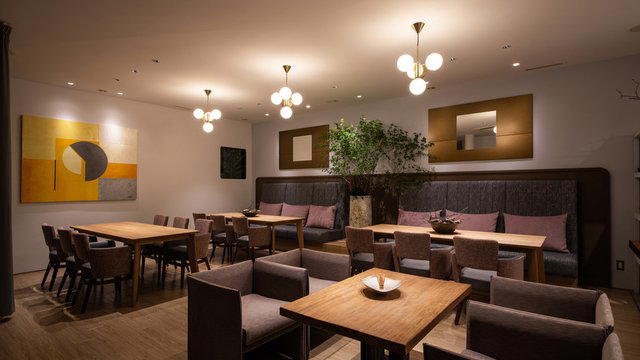
Formal and intimate atmosphere with warm colors in a quiet residential setting; initially formal but relaxes as the meal progresses.
- uni
- anago
- monkfish liver
- snow crab
- hotate
- shirako