
Sapporo’s teppanyaki scene is often read through beef, but Teppanyaki Urushi broadens the frame with steak, seafood, sake, shochu and wine inside a counter-led format. Its selection for Tabelog 100 Steak / Teppanyaki EAST in 2024 and 2025 places it in a competitive regional bracket rather than the city’s casual Susukino dining lane.
Pearl is the En Primeur Club membership app — saves, bookings, and concierge access live there. Same editors, same standards.
- Address
- 北海道札幌市中央区南五条西3-3 中銀三番館ビル 2F
- Phone
- +81112527333
- Website
- tabelog.com
 Saves & bookings on Pearl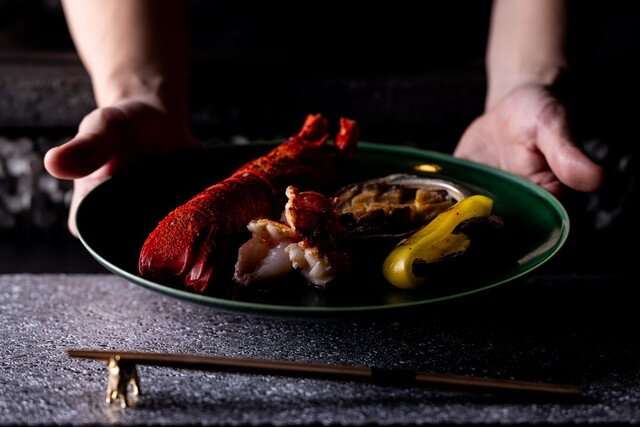
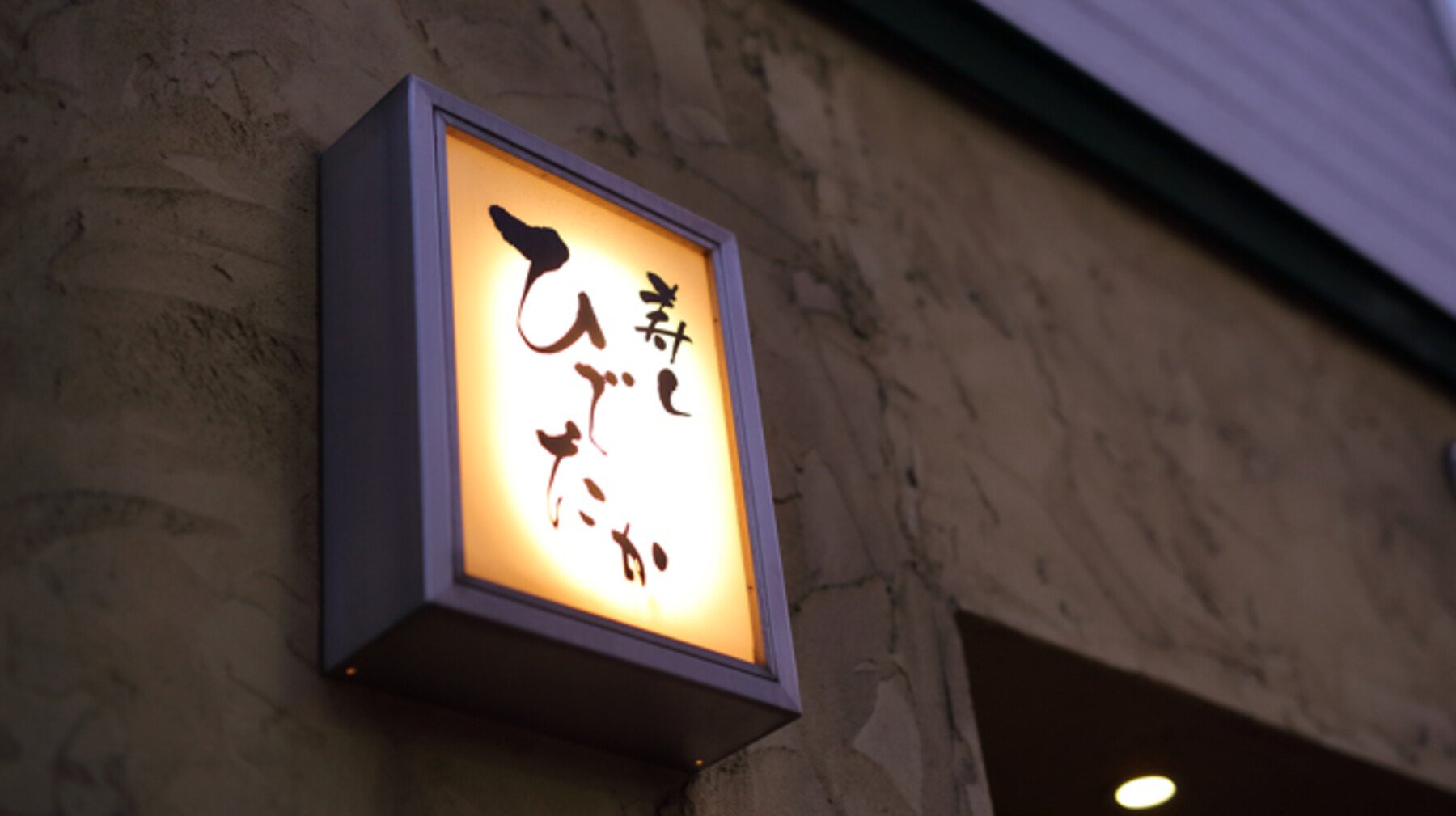
The approach is pure Susukino: vertical dining, late-night signage, and the sense that the serious meal may be above street level, not on the obvious corner. Here, the counter matters. Teppanyaki is not just grill technique but pacing, with heat, portioning and sequence turning dinner into controlled reveals. In Sapporo, the format carries a different charge from Tokyo’s hotel-steak rooms. Hokkaido has seafood gravity, dairy richness and a drinking culture that moves from sake to shochu to wine without ceremony, so the grill bridges land and coast rather than worshipping beef alone.
Teppanyaki Urushi sits in that tight Sapporo lane: steak, seafood and teppanyaki under one roof, with counter seating as its grammar. Tabelog 100 Steak / Teppanyaki EAST selections in 2024 and 2025 give it a clear external credential, especially in a category where reputation is often built through repeat local use rather than international guidebook shorthand. Its 3.55 score is less trophy than signal: serious enough for the regional steak and teppanyaki conversation, not a ceremony-driven trophy room.
A grill sequence shaped by beef, seafood and Sapporo drinking habits
The useful way to read a teppanyaki dinner is as progression, not ingredient list. Early movements set texture and appetite; the middle carries the grill; the final stretch decides whether the format feels generous or merely expensive. At Urushi, the listed categories point beyond steakhouse minimalism: teppanyaki, steak and seafood. That matters in Sapporo, where diners expect the northern pantry to appear somewhere, even when beef is the headline.
The restaurant’s food note, particular about fish, is small but telling. In a city where seafood can dominate itineraries, teppanyaki must justify fish on a hot plate rather than present it as local colour. The better version uses seafood to interrupt beef’s richness and reset the meal. The drinks list follows. Sake, shochu and wine suggest a room built for more than one pairing logic: sake for marine sweetness and umami, shochu for grilled fat and smoke, wine for the steakhouse register.
Against Susukino’s lower-priced circuit, this is a different commitment. Keyaki Susukino honten and Sapporo Ramen Kifu Susukino ten sit in the quick, ramen-driven band; Gyoza Suguruya occupies casual drinking food; Omaru Shoten moves toward a seafood-led night out; Dosan Youniku Kappou Lamb Pirika pushes into higher-spend lamb kappo. Urushi belongs to the narrower counter-grill bracket, where value is not speed or abundance but course-by-course staging.
The counter format is the point, not decoration
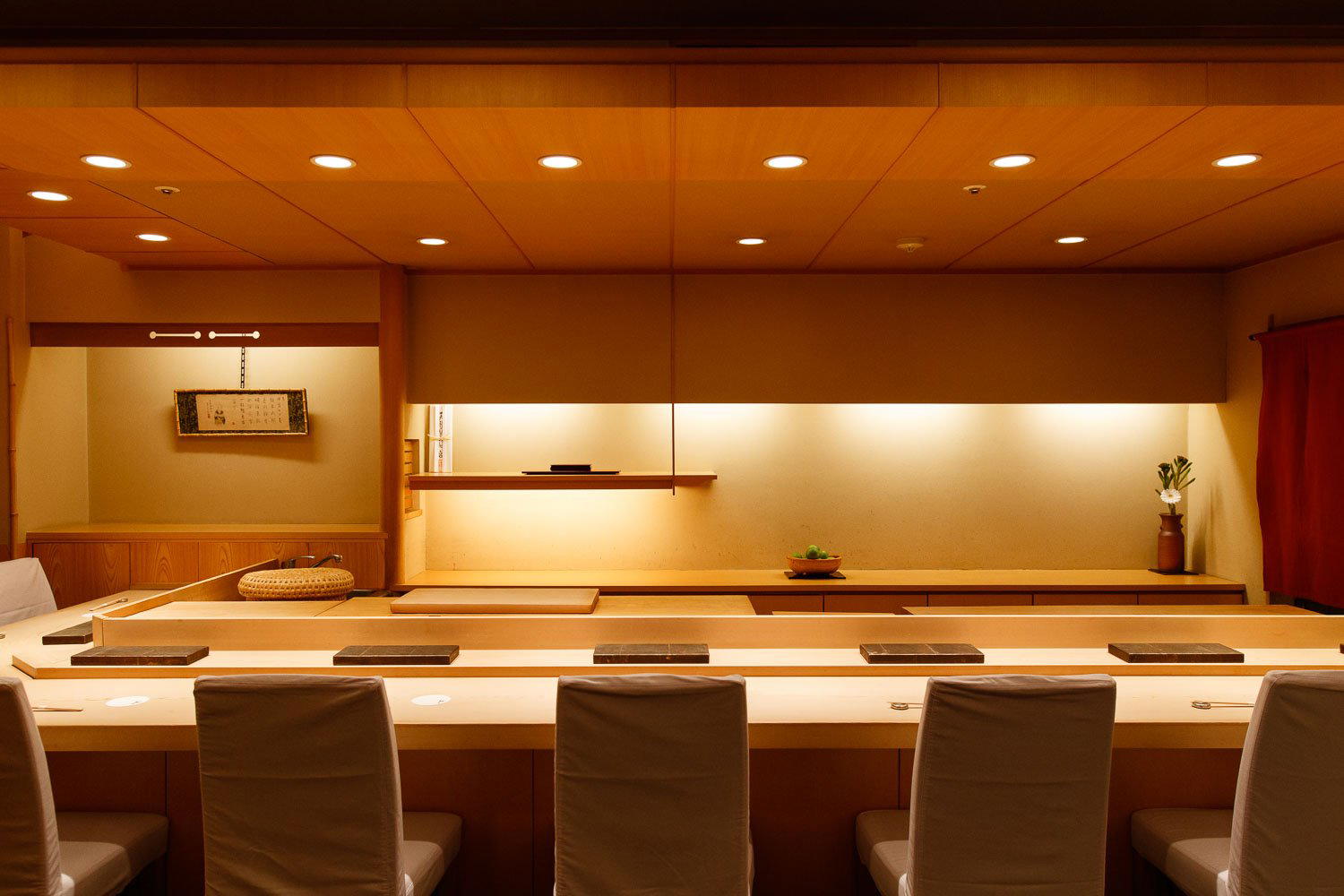
Teppanyaki can become theatre too easily. The stronger Sapporo version is less spectacle than control: compact room, visible cooking, and pacing around the grill rather than the kitchen pass. Urushi lists 20 seats and counter seating, keeping the format close to the action. For diners used to kappo, sushi or tempura counters in Japan, the logic is familiar. The chef’s hand is visible, but success depends on timing, not biography.
The restaurant opened in 2022, a useful date in Sapporo’s post-pandemic dining reset. New specialist rooms have had to compete with entrenched local favourites and travellers returning to Hokkaido for snow, seafood and beer-hall nostalgia. Consecutive Tabelog 100 Steak / Teppanyaki EAST selections give Urushi a clearer signal than hype: it has entered a regional category judged against steak and grill specialists across eastern Japan, not only nearby izakaya and ramen counters.
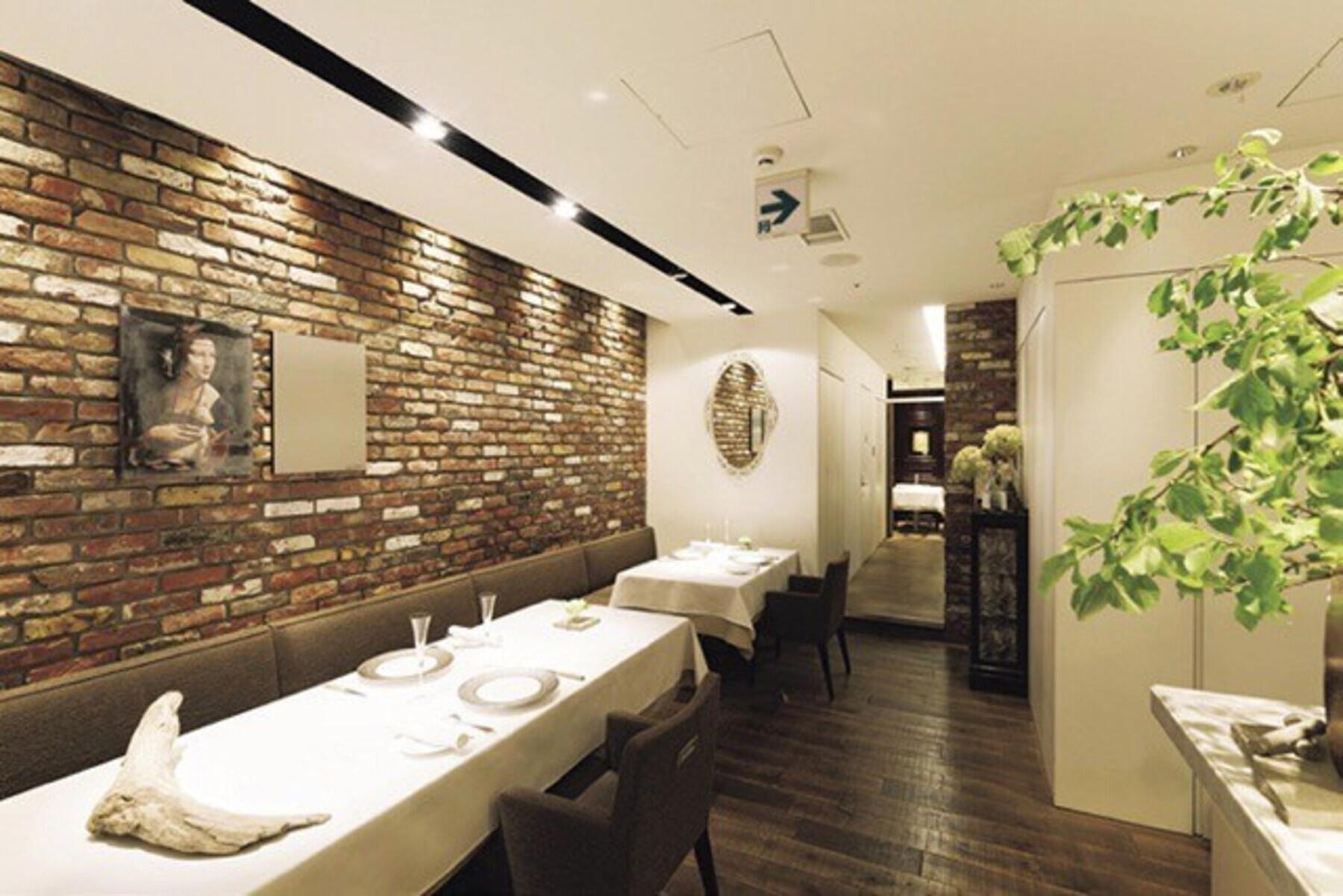
The room’s structure is practical too. Private rooms are not part of the proposition, while full private use is available up to 20 people. That reinforces the counter-first character. This is not the obvious choice for a sealed-off corporate room; it is a small-format grill restaurant where the shared rhythm of the plate is central. The non-smoking policy fits the current direction of premium Japanese counters, where aroma and heat need a cleaner room to register properly.
Where it fits in a Sapporo itinerary
Sapporo dining rewards contrast. A strong trip might move from ramen to curry, from seafood to counter cooking, then into bars once the snow has hardened on the pavement. For broader planning, Our full Sapporo restaurants guide gives the city view, while hotel, bar, wine and cultural planning sit separately in Our full Sapporo hotels guide, Our full Sapporo bars guide, Our full Sapporo wineries guide and Our full Sapporo experiences guide.
The city’s range is best understood by pairing specialist formats rather than chasing one grand meal. For noodles, 175°DENO Tantanmen Sapporo kitaguchi ten covers another kind of heat and speed. Curry has its own local following through [Curry Senmon Ten] Maruyama Kyoju., Ajanta Indo Curry Ten and Ajanta Sohonke. Outside the grill category, Aigues Vives offers another way to read Hokkaido appetite beyond Susukino’s late-night core.
Travellers building a wider Japan dining map can contrast other formats: beef-led cooking at -Grilled beef Sukiyaki- KAMAKURA TANUKIAN 鎌倉 たぬき庵 in Kamakura, charcoal and tuna at. 鮪と炭火焼き うお炭 秋葉原店 in Tokyo, cafe culture at.cafe in Osaka, contemporary regional dining at.know in Kumamoto, Vietnamese cooking at (Shoku) Vietnam in Kawasaki, Kyoto’s sharper small-format cooking at [ki:] in Kyoto, sake-bar structure at Jōdo Saké Bar in Los Angeles, and the compact rice-led format of Onigiri Time in Pasadena.
The editorial case for Urushi is not that it replaces Sapporo’s ramen, crab or lamb circuits. It adds a more deliberate evening format. Choose it when the meal should have a beginning, middle and finish built around the grill, and when seafood and steak belong in the same conversation rather than separate bookings.
- Hokkaido A5 Wagyu steak
- A5 Wagyu aburi sushi
- Wagyu Danish burger
- Teppan-grilled abalone and lobster
- Teppan-grilled king crab
- Garlic rice
Snapshot
Comparable venues for context, by category and price tier.
| Venue | Cuisine | Price | Notes |
|---|---|---|---|
| Teppanyaki Urushi | Hokkaido Wagyu & Seafood Teppanyaki | $$$ | Chūō |
| Sumika | Japanese Yakiniku | $$$ | Chūō |
| Matsukura | Japanese Kaiseki / Washoku | $$$ | Chūō |
| アグリスケープ | Farm-to-Table Creative Cuisine | $$$ | Nishi |
| Sushi Natsume Honten | Traditional Sushi Omakase | $$$ | Chūō |
| Sushi Saikou | Hokkaido Omakase | $$$ | Chūō |
Recognition history
Dated appearances from independent guides and award organizations, with the underlying list record or original source where available.
Tabelog 100 #72 · No. 72
Tabelog · Tabelog 100 - Steak / Teppanyaki - EAST - 2025
At a Glance
- Romantic
- Elegant
- Cozy
- Sophisticated
- Intimate
- Date Night
- Business Dinner
- Special Occasion
- Celebration
- Group Dining
- Chefs Counter
- Open Kitchen
- Standalone
- Sake Program
- Local Sourcing
- Sustainable Seafood
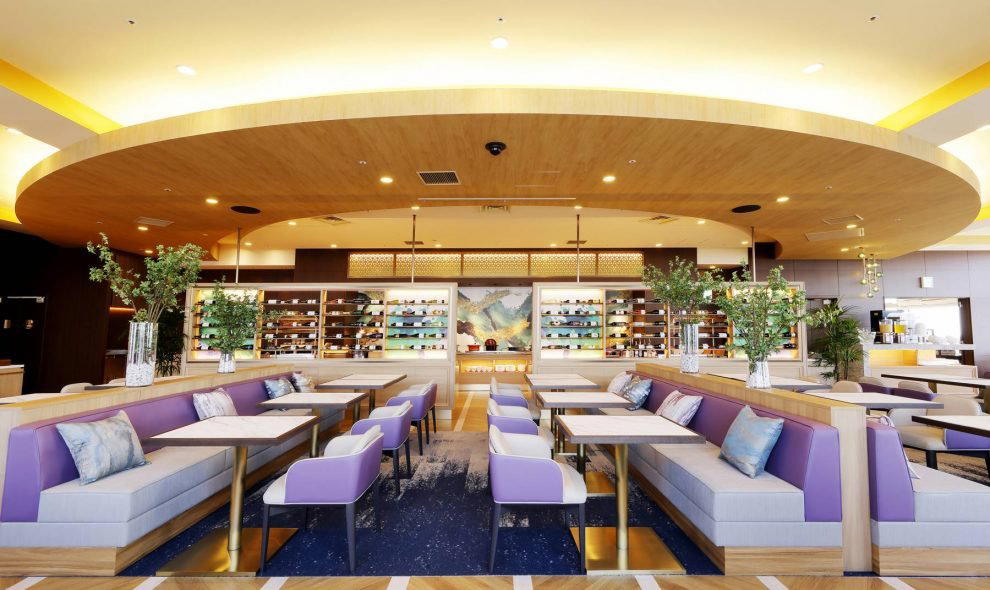
A calm, refined "low-profile address" for adults with stylish interiors and a lively teppan counter; lighting appears warm and subdued, creating an intimate atmosphere suited to dates, anniversaries, and business dinners while still feeling relaxed and welcoming.