

A Tabelog Bronze Award winner every year from 2021 through 2026, Suyama pursues tea kaiseki through the specific lens of Hokkaido's ingredient seasons, operating at 14 seats in Odori West, Sapporo. Dinner runs JPY 30,000 to 39,999 with a drinks program that takes sake and wine selection seriously, alongside a BYO policy that few kaiseki rooms in the city extend.
Pearl is the En Primeur Club membership app — saves, bookings, and concierge access live there. Same editors, same standards.
- Address
- 5 Chome-5-5 Shinoro 2 Jo, Kita Ward, Sapporo, Hokkaido 002-8022, Japan
- Phone
- +81 11-775-2890
- Website
- tabelog.com
- Directions
- Get directions
 Saves & bookings on Pearl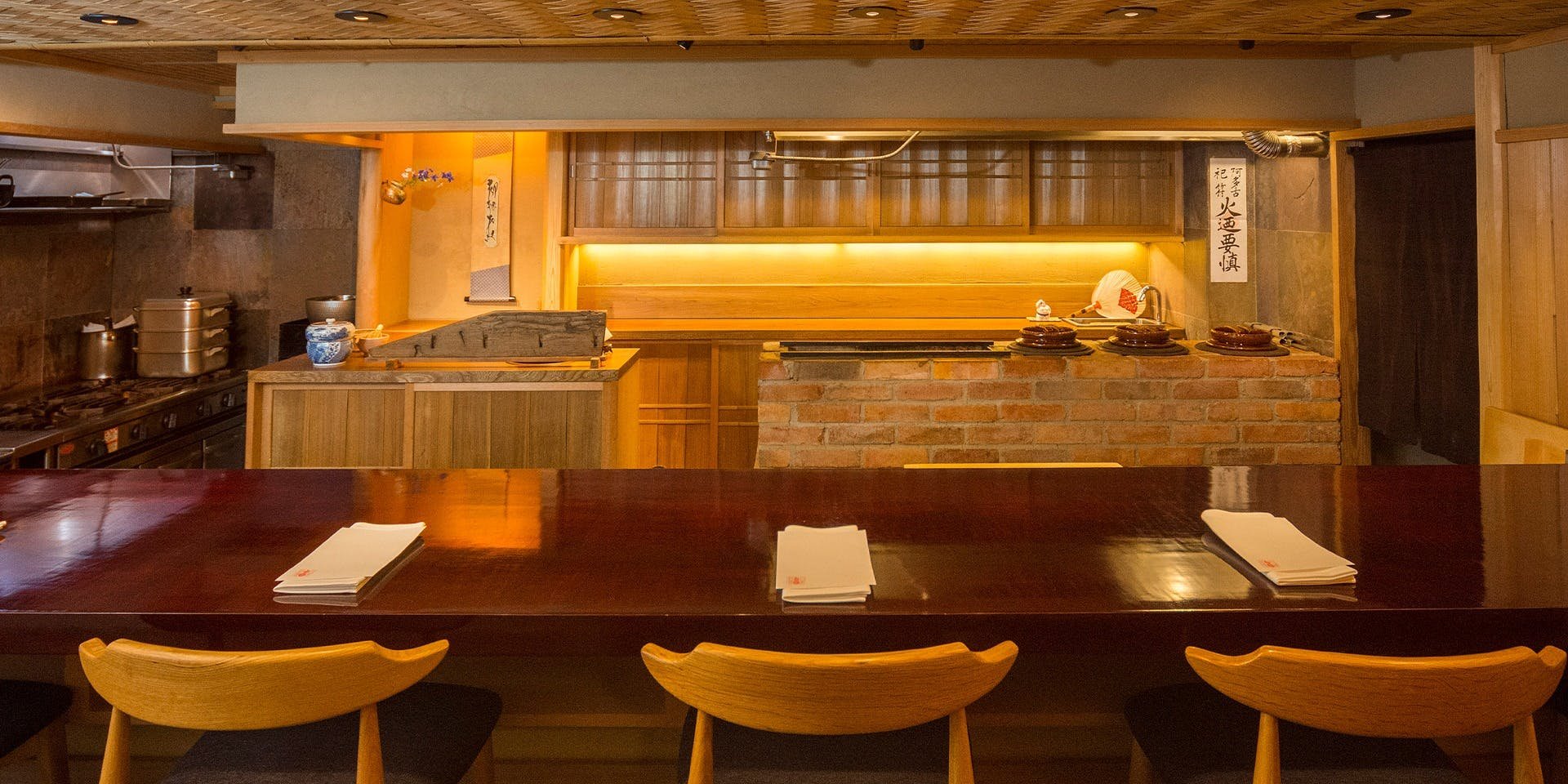
Where Kaiseki Meets Hokkaido's Ingredient Calendar
The kaiseki tradition, at its most disciplined, is less a style of cooking than a system of seasonal attention, a framework in which the menu does not decide the ingredient, but the ingredient decides the menu. That discipline operates across Japan's leading Japanese cuisine rooms, from the established houses in Kyoto to the newer generation of practitioners in cities where local produce rewrites the standard template. Sapporo belongs firmly in that second category, and within the city's serious Japanese cuisine tier, Suyama has accumulated a consistent record: Tabelog Bronze Awards in each year from 2021 through 2026. A Tabelog score of 4.15 places it inside a small group of rooms where the cooking is being scrutinised and approved over a sustained period, not on a single strong season.
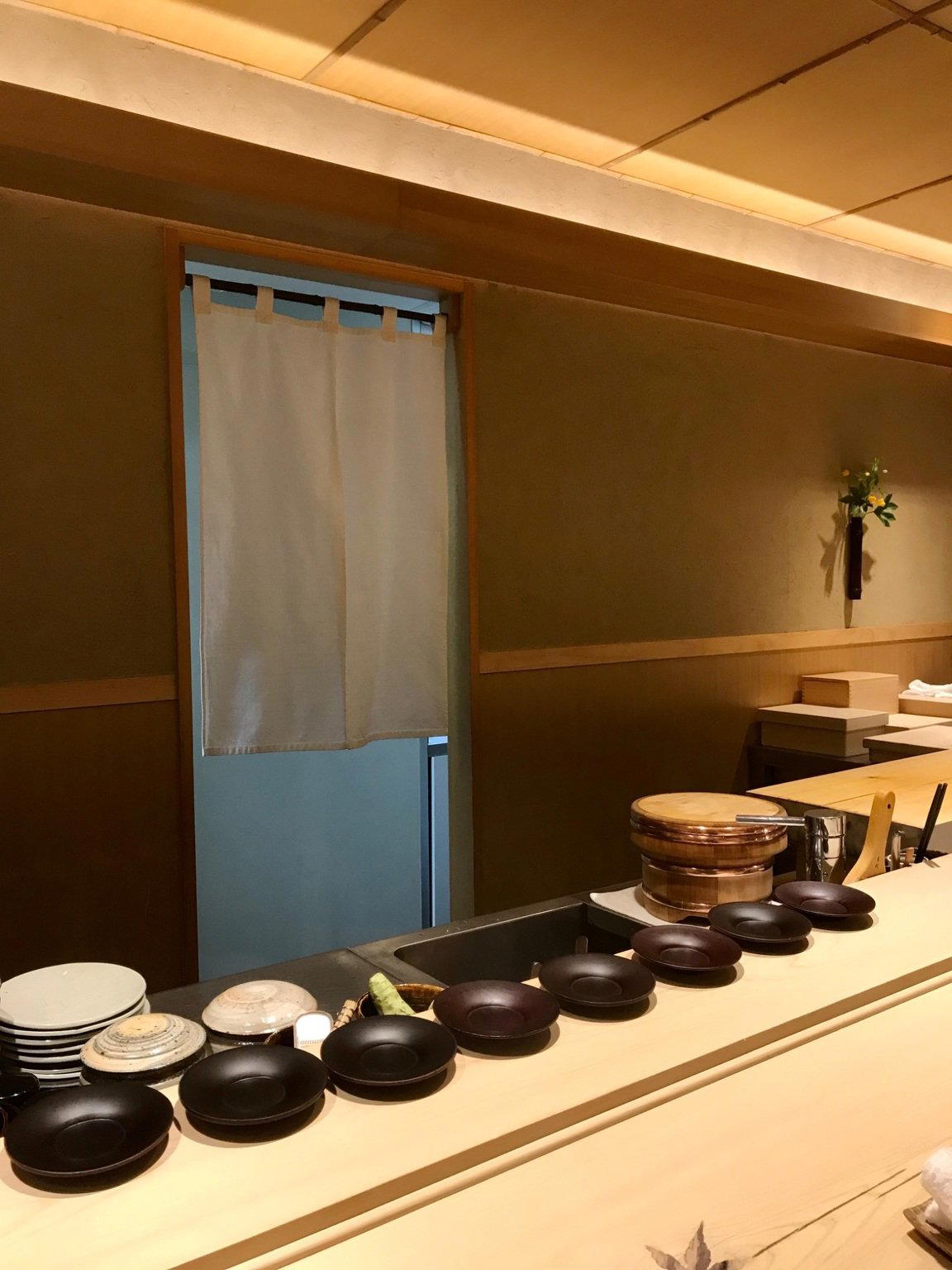
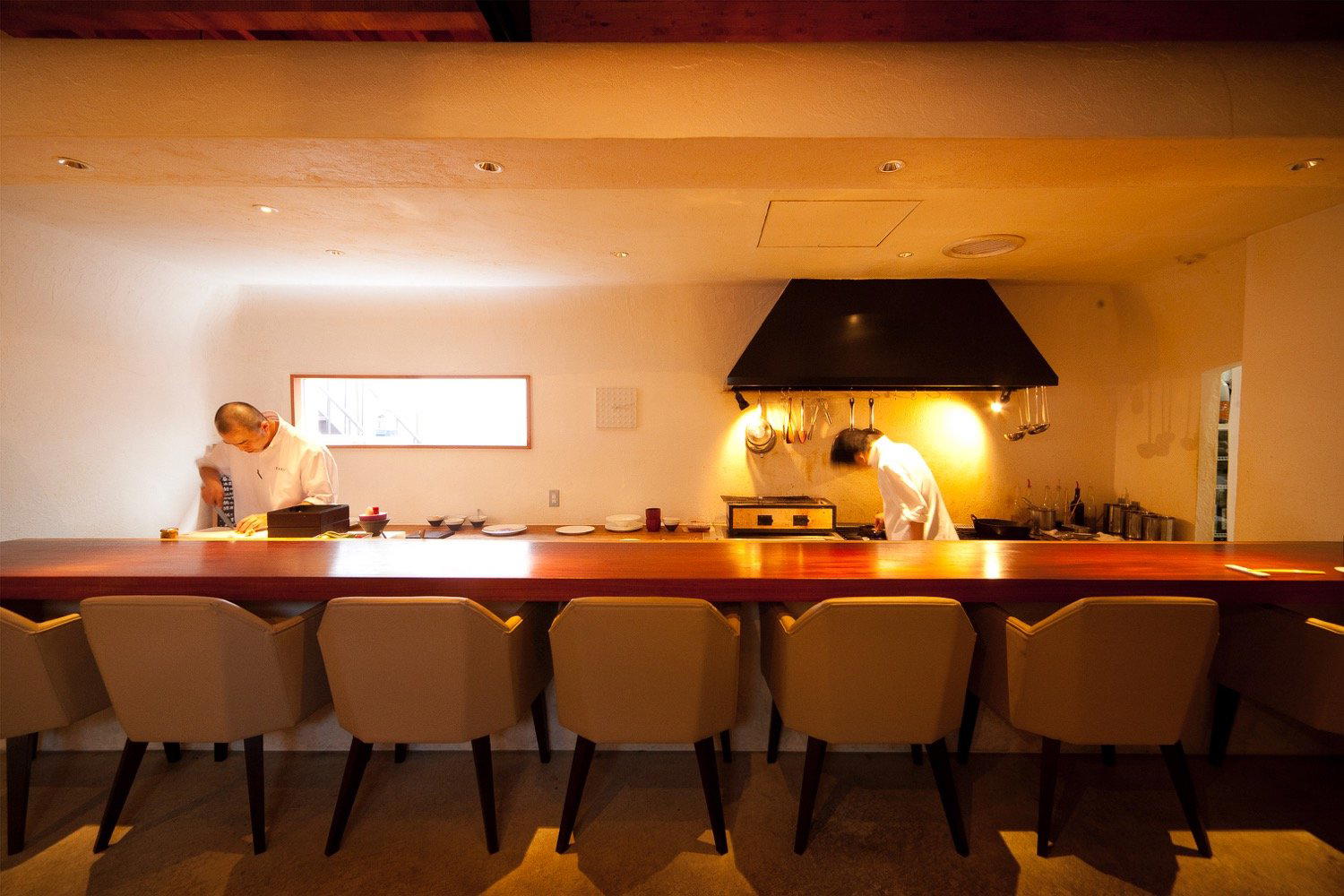
The address is Odori West, in Chuo Ward, specifically the ground floor of Gracias Odori, accessible within a one-minute walk from Exit 4 of Nishi 18-chome Station on the Tozai Subway Line. That accessibility slightly undercuts the atmosphere of remove that many kaiseki rooms cultivate, but the interior geometry compensates. Fourteen seats, eight at the counter and the remainder spread between private tables accommodating four to six, enforce the scale that this format requires. The counter seats face the kitchen directly; the private rooms, available for groups of four or six, offer a degree of separation for longer conversations or business occasions where the room itself takes precedence over watching technique at close range.
The Drinks Framework: Sake, Wine, and a BYO Opening
Drinks program at a kaiseki counter of this calibre rarely functions as a secondary consideration, and Suyama's drink credentials signal a specific approach: the restaurant describes itself as particular about both sake and shochu, and particular about wine, with all three categories present on the list. Shochu and nihonshu are the natural framing for a tea kaiseki room pursuing Hokkaido's specific seasonal register.
What distinguishes the drinks policy further is the BYO option, an arrangement uncommon in kaiseki rooms at this price tier, and one that effectively shifts the ceiling on what guests can bring to the table without paying restaurant markup. At dinners running JPY 30,000 to 39,999 per head before the 10% service charge, a BYO policy is available. The room accepts VISA, Mastercard, JCB, AMEX, Diners, and UnionPay; electronic money and QR code payments are not accepted.
This emphasis on curated, considered beverage service places Suyama in a peer conversation with the serious nihonshu-focused kaiseki rooms operating elsewhere in Japan. Rooms like Ifuki in Kyoto or Kikunoi Tokyo have built drinks programs that function as editorial statements about Japanese fermentation tradition. Suyama's three-category particularity, sake, shochu, and wine, suggests a comparable editorial intent, grounded in a northern Japanese context where shochu and cold-climate wine carry their own regional logic.
Tea Kaiseki in a Hokkaido Frame
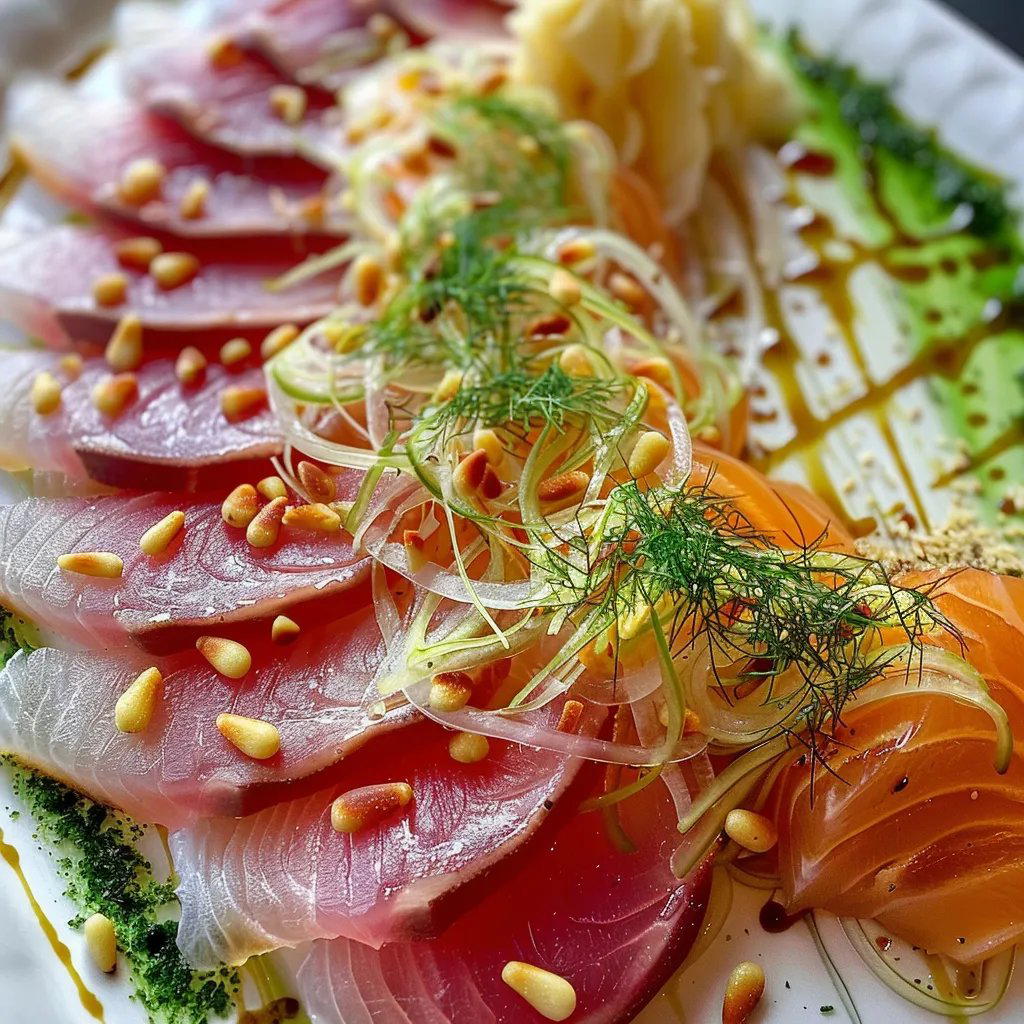
Cha-kaiseki, the tea ceremony meal, represents one restrained end of the kaiseki spectrum. Where kaiseki ryori evolved toward more elaborate multi-course structures over time, cha-kaiseki retained a commitment to lightness, seasonal precision, and the principle that nothing on the table should distract from the tea that follows or precedes it. The Suyama remit, traditional tea kaiseki expressing something specific to Hokkaido, maps that discipline onto an ingredient geography shaped by the island's seasonal calendar.
Hokkaido kaiseki represents a relatively recent formalisation. The island's integration into the mainstream of Japanese high dining accelerated through the 1990s and 2000s as Sapporo's restaurant culture expanded beyond the Susukino district and chefs who had trained in Kyoto and Tokyo began returning to cook with northern ingredients. Chef Hideto Takahashi operates within that lineage, applying the structural rigour of a classical form to a northern larder. That tension, between inherited template and local source, is where the more interesting kaiseki work is being done across Japan's regional cities, from Goh in Fukuoka to akordu in Nara.
Sapporo's High-Table Japanese Cuisine Tier
The serious Japanese cuisine rooms in Sapporo occupy a recognisable tier: reservation-only, counter-led, dinner-focused, operating with small seat counts. Within that group, the Tabelog Top 100 selection acts as a reliable sorting signal, it aggregates sustained reviewer consensus rather than a single year's attention. Suyama's three consecutive Top 100 selections (2021, 2023, 2025) put it in the same recognised bracket as Hanakoji Sawada and aki nagao within the city's Japanese cuisine circuit, while sitting in a different register from the city's leading sushi rooms like Arima.
The format decisions reinforce each other: 14 seats, dinner only from 18:00 onward, no children, a no-smoking environment, and reservation-only access. Closed Wednesdays and the third Tuesday of each month. Private rooms for up to six guests accommodate occasions where a more contained setting is required, whether an anniversary, a client dinner, or a group that wants the kaiseki format without the open counter atmosphere. Wheelchair access is confirmed, and free Wi-Fi is available, logistical details that indicate some consideration for accessibility and convenience that more traditional rooms in the category sometimes overlook.
For travellers moving between Sapporo's Japanese cuisine rooms and other high-calibre kaiseki experiences in Japan, the comparison field is instructive. Gion Sasaki in Kyoto operates at a different scale and pedigree tier; HAJIME in Osaka sits in a different genre altogether. Within Sapporo itself, rooms like Hidetaka and Higebozu offer adjacent reference points across different formats.
The national ranking context: Suyama appears at #533 in the Opinionated About Dining Leading Restaurants in Japan 2025, a list that draws on verified reviewer data rather than industry nomination. That position, read alongside six consecutive Tabelog Bronze Awards and three Tabelog Top 100 selections, constitutes a multi-source record of consistent recognition, the kind of pattern that distinguishes a room that performs reliably over years from one that captured attention at a particular moment. Also worth noting for visitors planning a wider Sapporo dining programme: Harutaka in Tokyo provides a useful reference for how a small, rigorously focused Japanese cuisine counter operates high on that national bracket, and the contrast sharpens what Suyama achieves specifically within a regional frame.
Planning Your Visit
Suyama operates by reservation only, with no walk-in access. Dinner service begins at 18:00. The restaurant is closed Wednesdays and the third Tuesday of each month. The address is 大通西17-2-8, Gracias Odori 1F, Chuo Ward, Sapporo, one minute from Exit 4 of Nishi 18-chome Station on the Tozai Subway Line. Dinner runs JPY 30,000 to 39,999 per person, with a 10% service charge added. The BYO option is available for guests wishing to bring their own bottles. Reservations can be made by phone at +81-11-688-8024; no official website is currently listed. Paid parking is available nearby, though the station access makes the car less necessary. Explore our full Sapporo restaurants guide, along with guides to Sapporo hotels, Sapporo bars, Sapporo wineries, and Sapporo experiences for broader trip planning.
At-a-Glance Comparison
Comparable venues nearby, for context on price, style, and recognition.
| Venue | Cuisine | Price | Notes |
|---|---|---|---|
| SuyamaThis venue — the venue you are viewing | Kyoto Kaiseki | $$$$ | Not listed |
| Hanakoji Sawada | Michelin-Starred Kaiseki | $$$$ | Chūō |
| Hidetaka | Edomae Sushi Omakase | $$$$ | Chūō |
| Arima | Hokkaido Ezo-mae Omakase Sushi | $$$$ | Chūō |
| Shota | Edomae Sushi Omakase | $$$$ | Chūō |
| 天ぷら あら木 | Michelin-Starred Tempura Omakase | $$$$ | Chūō |
Recognition history
Dated appearances from independent guides and award organizations, with the underlying list record or original source where available.
Opinionated About Dining Top Restaurants in Japan Recommended
Opinionated About Dining
Tabelog Bronze #436
Tabelog
Opinionated About Dining Top Restaurants in Japan Ranked #533
Opinionated About Dining
Tabelog 100 #66 · No. 66
Tabelog · Tabelog 100 - Japanese cuisine - EAST - 2025
Continue exploring
More in Sapporo
Restaurants in Sapporo
Browse all →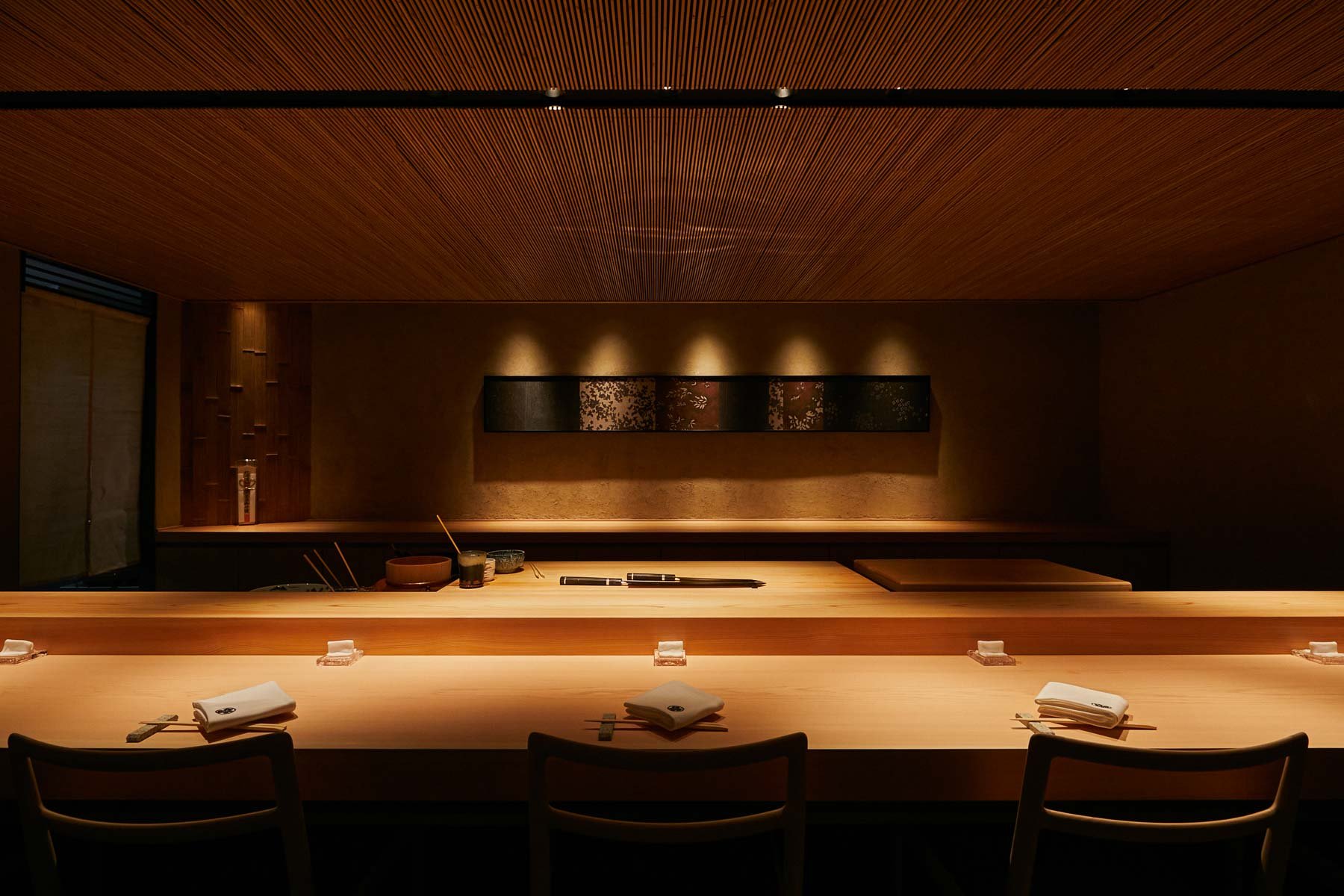
At a Glance
- Elegant
- Sophisticated
- Intimate
- Minimalist
- Special Occasion
- Date Night
- Chefs Counter
- Open Kitchen
- Private Dining
- Sake Program
- Local Sourcing
Current opening hours
- Monday
- 11:30 AM–3 PM, 5:30–10 PM
- Tuesday
- 11:30 AM–3 PM, 5:30–10 PM
- Wednesday
- 11:30 AM–3 PM, 5:30–10 PM
- Thursday
- Closed
- Friday
- Closed
- Saturday
- 11:30 AM–3 PM, 5:30–10 PM
- Sunday
- 11:30 AM–3 PM, 5:30–10 PM
Hours can change for holidays and private events. Last verified .
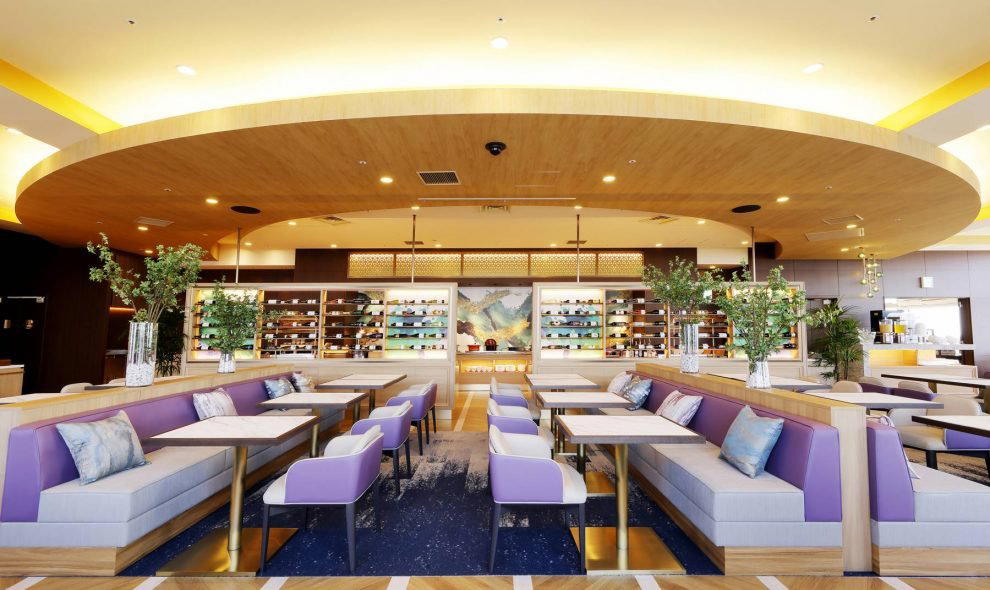
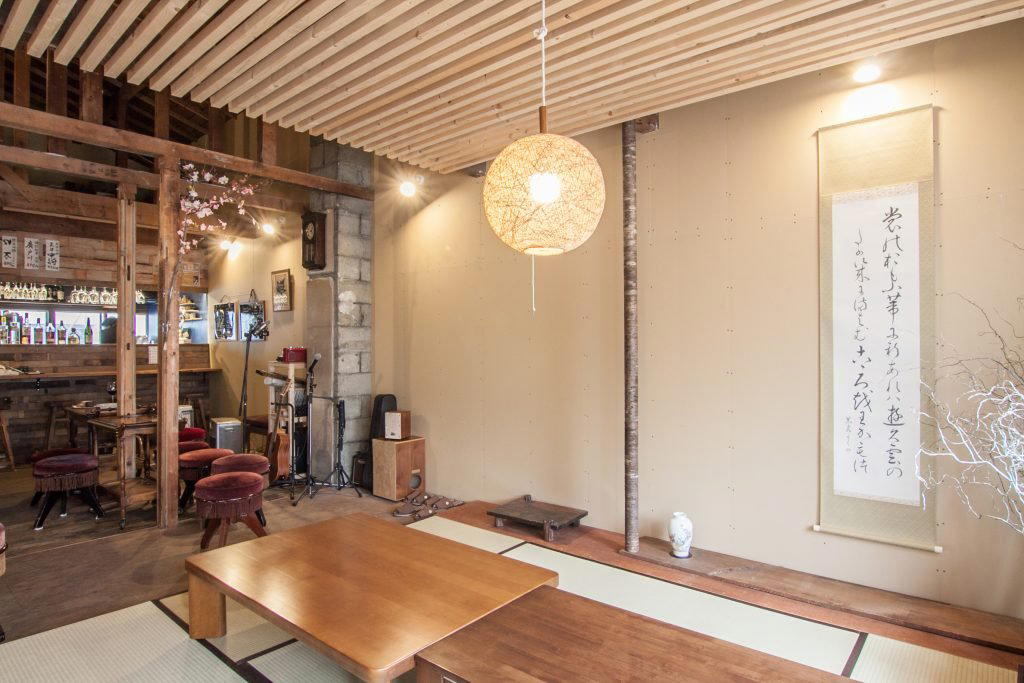
Minimalist Japanese elegance with cherry wood counter, gentle candlelight, open kitchen, and wickerwork ceiling creating an intimate, refined atmosphere.