

A Shibuya address where Japanese produce meets classical French technique, Pachon has earned consecutive La Liste recognition, 76 points in 2025, climbing to 77 in 2026, placing it in a competitive tier alongside Tokyo's most considered cross-cultural kitchens. The kitchen's Japanese-French register makes it a reference point for the genre in the city.
Pearl is the En Primeur Club membership app — saves, bookings, and concierge access live there. Same editors, same standards.
- Address
- レストラン パッション - Pachon, Shibuya, Japan
- Phone
- +81 3-3476-5025
- Website
- laliste.com
- Directions
- Get directions
 Saves & bookings on Pearl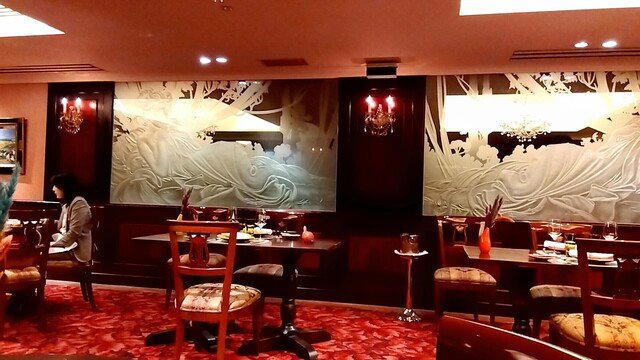
Where French Classicism Meets Japanese Provenance
Tokyo has been refining the Japanese-French dialogue for decades, and Shibuya's dining corridor now holds some of the city's more considered examples of the form. At Pachon, the operative logic is one that defines the genre at its most disciplined: French technique applied to Japanese ingredients without collapsing into fusion cliché. The result is a kitchen that belongs in the same conversation as L'Effervescence and Sézanne, though it occupies a slightly different register, less internationally visible, more rooted in the neighbourhood texture of Shibuya.
The Japanese-French form is not a novelty in Tokyo. It emerged in the latter half of the twentieth century as Japanese chefs trained in Lyon, Paris, and Burgundy and returned with French grammar intact but a different instinct for produce. What separates the serious practitioners from the derivative ones is the depth of engagement with Japanese seasonal logic, the same attentiveness to time-of-year and regional sourcing that governs kaiseki, now re-expressed through sauce-making, butchery, and classical plating conventions. Pachon operates in that tradition, and its La Liste score of 77 points in the 2026 edition, up from 76 in 2025, places it inside the global cohort of restaurants the ranking's methodology identifies as consistently significant.
The Japanese-French Kitchen: Technique as Translation
The intersection of imported methods and indigenous products has a specific grammar in Tokyo. Classical French cooking relies on reduction, fat, and heat sequencing in ways that Japanese haute cuisine typically does not. When applied to Japanese fish, domestic wagyu, or mountain vegetables with their particular textures and moisture levels, the technique must bend slightly without losing its structural principles. The kitchens that manage this without producing something that reads as awkward compromise tend to share a common trait: they treat Japanese produce not as an accent but as the primary argument, with French method as the structural scaffold holding the dish together.
This approach positions Pachon in a comparable set that also includes Crony, another Shibuya-area kitchen working in the innovative-French space, and, at a more internationally decorated tier, the kaiseki-adjacent cooking at RyuGin. For visitors building a multi-restaurant itinerary in Tokyo, the Japanese-French category offers a useful middle position: more codified in European terms than kaiseki, more seasonally driven than direct French transplants.
La Liste Recognition and What It Signals
La Liste operates on a methodology that aggregates multiple global ranking sources alongside its own assessments, making incremental year-on-year movement meaningful in a way that single-source rankings are not. A two-year consecutive appearance, 76 points in 2025, 77 in 2026, indicates not a spike driven by novelty but steady performance across evaluation cycles. At that score bracket, Pachon sits below Tokyo's highest-decorated kitchens (which top 90 points on the La Liste scale) but within a band that reflects reliable, technically accomplished cooking rather than a venue coasting on reputation.
The two data points, drawn from different evaluation systems, pointing in the same direction is a more useful signal than either alone.
For comparable Japanese-French dining elsewhere in the country, La Baie in Osaka works a similar genre with a different regional ingredient palette, while HAJIME, also in Osaka, pushes the French-Japanese intersection toward its most technically ambitious expression. In Kyoto, Gion Sasaki offers a useful counterpoint from the kaiseki direction. Across Japan, akordu in Nara, Goh in Fukuoka, 1000 in Yokohama, and 6 in Okinawa each represent distinct regional inflections of serious dining that reward comparison. For those contextualising Pachon within global French fine dining, the approach shares certain principles with rigorous classical kitchens such as Le Bernardin in New York City, though the ingredient logic and cultural register are entirely different.
Shibuya as a Dining Address
Shibuya is not Tokyo's most obvious address for high-end dining, that designation tends to attach to Ginza, Minami-Aoyama, and parts of Shinjuku, but it supports a layered restaurant scene that includes both neighbourhood regulars and destination kitchens. Sushi counters in the area, including Harutaka, demonstrate that the area holds serious food culture alongside its reputation for commerce and nightlife.
Planning Your Visit
Reservations are recommended, and smart casual dress fits the room.
| Venue | Cuisine | Price Tier | La Liste 2026 | Google Score |
|---|---|---|---|---|
| Pachon | Japanese-French | Not confirmed | 77 pts | 4.5 (277) |
| L'Effervescence | French | ¥¥¥¥ | , | , |
| Sézanne | French | ¥¥¥¥ | , | , |
| Crony | Innovative French | ¥¥¥¥ | , | , |
| RyuGin | Kaiseki | ¥¥¥¥ | , | , |
Style and Standing
Comparable venues nearby, for context on price, style, and recognition.
| Venue | Cuisine | Price | Notes |
|---|---|---|---|
| レストラン パッション - PachonThis venue — the venue you are viewing | Classic South French Bistro | $$$ | Not listed |
| Naturam | Seasonal French with Japanese Ingredients | $$$ | Setagaya |
| Au Gamin de Tokio | French Bistro | $$$ | Ebisu |
| Cheval | Seasonal French with Japanese influences | $$$ | Nihonbashi |
| à nu Shohei Shimano | French Fine Dining | $$$ | Hiroo |
| Air | Modern French with Japanese Ingredients | $$$ | Chūō |
Recognition history
Dated appearances from independent guides and award organizations, with the underlying list record or original source where available.
La Liste Top Restaurants
La Liste
Opinionated About Dining Top Restaurants in Japan Recommended
Opinionated About Dining
La Liste Top Restaurants
La Liste











At a Glance
- Elegant
- Classic
- Romantic
- Cozy
- Sophisticated
- Date Night
- Special Occasion
- Celebration
- Open Kitchen
- Extensive Wine List
- Sake Program
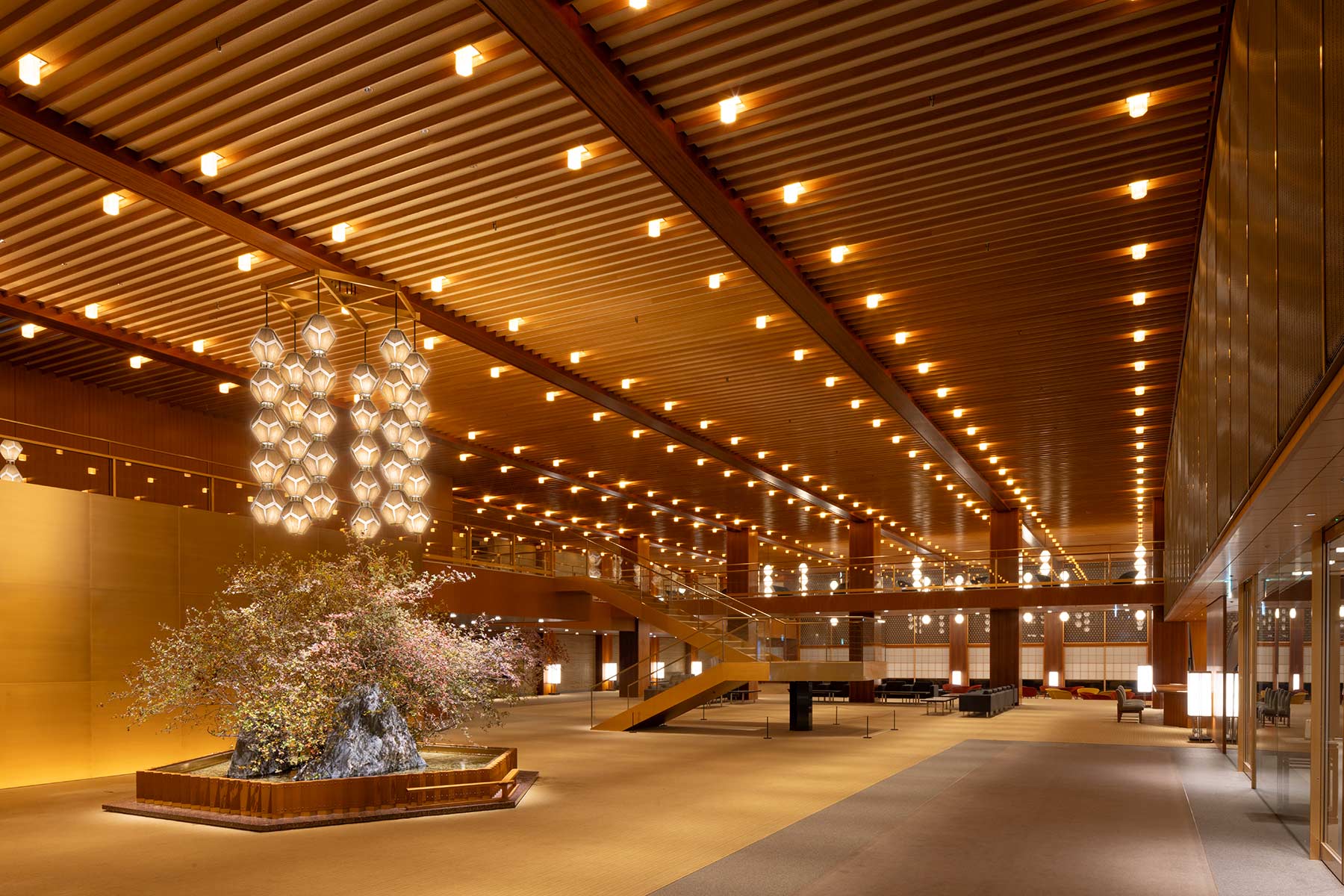
Warm, luxurious interior with year-round fireplace, red carpets, antique furniture, chandeliers, and oil paintings creating a romantic and classic French atmosphere.