
à nu Shohei Shimano places French cooking inside Ginza’s exacting dining culture, where classical technique is judged by restraint rather than ceremony. Chef Shohei Shimono’s restaurant appears on Opinionated About Dining’s 2026 Japan Recommended list, a useful signal for diners tracking Tokyo’s smaller, technique-led French rooms beyond hotel dining and grand tasting-menu theater.
Pearl is the En Primeur Club membership app — saves, bookings, and concierge access live there. Same editors, same standards.
- Address
- 3-chōme-12-9 Ginza, Chuo City, Tokyo 104-0061, Japan
 Saves & bookings on Pearl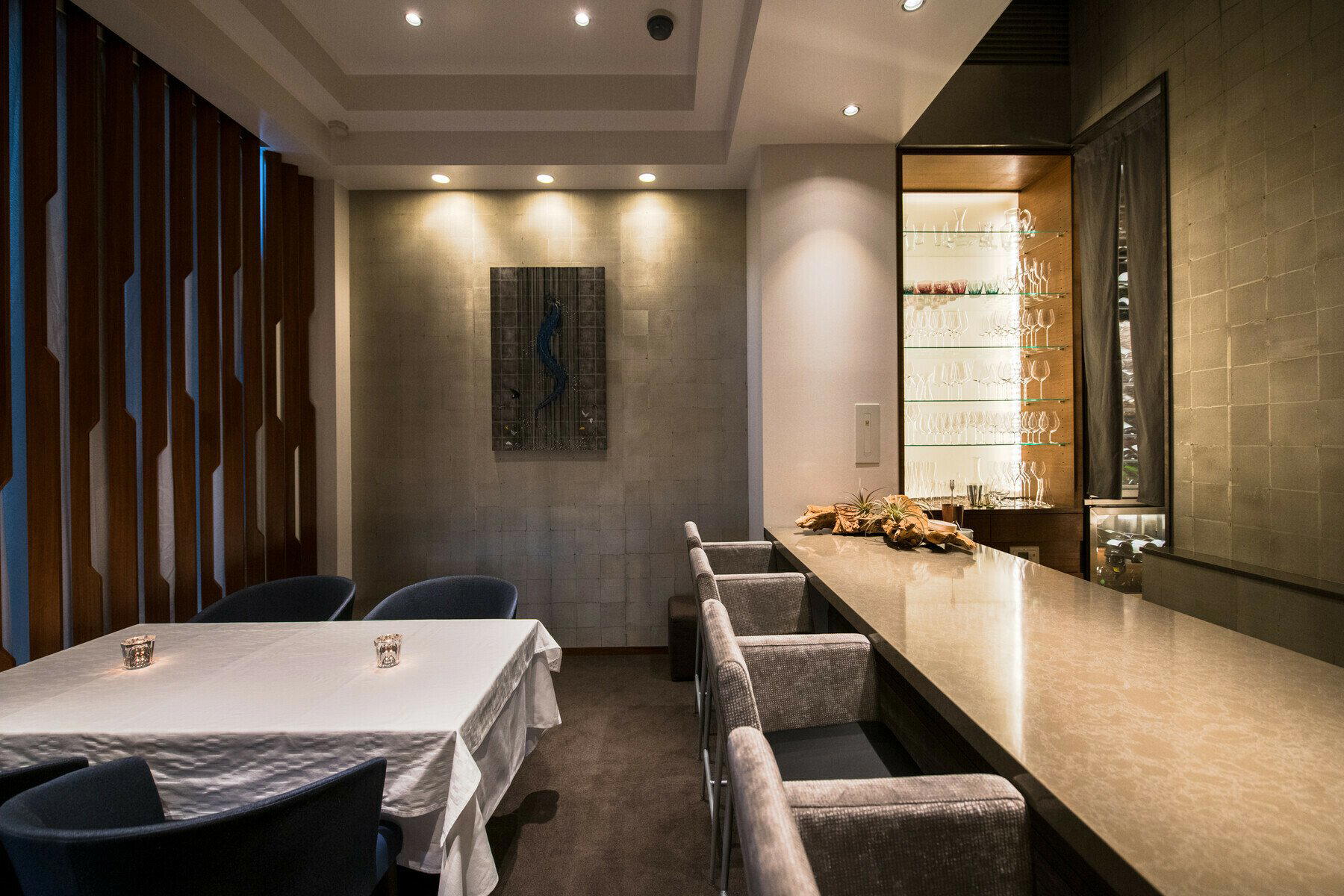
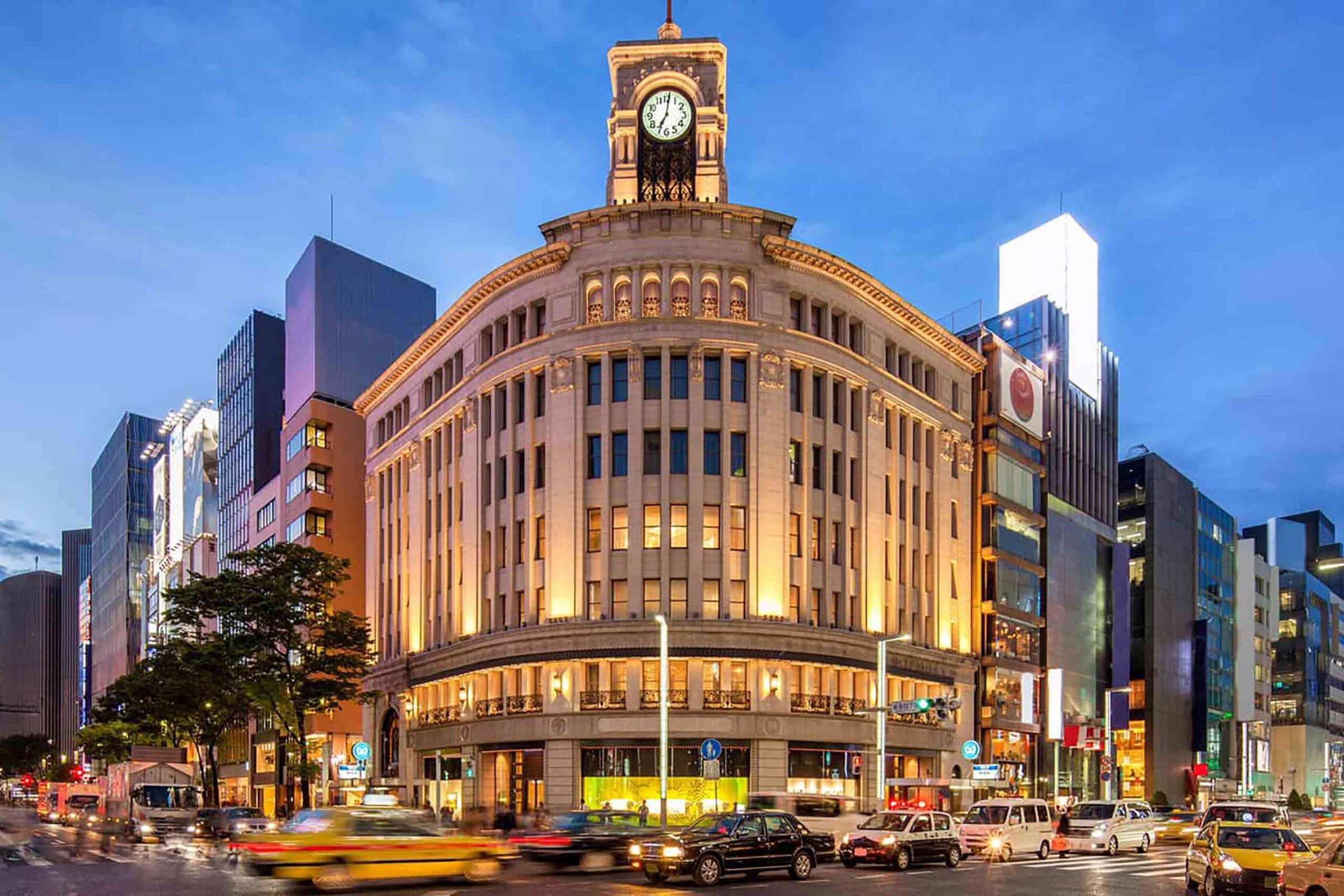
Ginza changes its register after dark: office towers empty, department-store polish gives way to quieter side streets, and the serious dining rooms begin to feel less like destinations than appointments. In that setting, French cooking in Tokyo has a particular pressure on it. The city does not reward imitation for long. Classical sauces, pastry discipline, stock work and service rhythm have to meet Japanese expectations for seasonality, proportion and exact finish. à nu Shohei Shimano belongs to that narrower conversation, where French technique is not presented as imported grandeur but as a working grammar for a Tokyo meal.
The restaurant’s presence on Opinionated About Dining’s 2026 Japan Recommended list gives it a public marker within a crowded field. That matters in Tokyo, where French restaurants split across several registers: hotel dining with international formality, counter-led rooms that borrow the intimacy of sushi and kappo, and small independent addresses where the chef’s technical vocabulary does the heavy lifting. The OAD recognition places à nu Shohei Shimano in the trackable tier of contemporary Japanese-French dining, not as a mass-market Ginza address, but as a room for diners who follow the category closely.
French technique filtered through Ginza discipline
Tokyo has spent decades absorbing French cuisine without treating it as fixed heritage. The city’s stronger French kitchens tend to keep the architecture of the cuisine, then reduce the noise around it: fewer ornamental gestures, tighter pacing, more attention to temperature and season. That is the relevant frame for à nu Shohei Shimano. The cuisine is listed as French, but the competitive standard is Tokyo’s broader culture of precision, where a sauce, garnish or course transition is assessed with the same seriousness as rice texture at a sushi counter.
Chef Shohei Shimono’s name on the door functions as a credential, but the more useful reading is category-based. In Tokyo, chef-led French restaurants often live between two expectations. International diners arrive looking for recognisable French structure; local regulars tend to notice whether that structure has been sharpened for Japan rather than merely reproduced. The restaurants that hold attention are the ones that understand that tension. Classical technique supplies depth, while modern Tokyo dining demands brevity, clarity and a certain refusal to over-explain itself.
Ginza intensifies that test. The neighbourhood carries a long memory of expense-account dining, luxury retail and polished service, yet its serious restaurant culture is less theatrical than outsiders expect. The room has to justify itself quickly. A French restaurant here is not competing only with other French restaurants; it is competing with sushi counters, tempura rooms, kappo counters and wine-led dining rooms that operate at high levels of specialization. That makes restraint a commercial language as much as an aesthetic one.
Why the OAD signal matters in Tokyo French dining
Opinionated About Dining’s Japan Recommended designation is not a Michelin star, and it should not be read as one. Its value lies elsewhere: OAD tends to attract diners who care about chef-driven restaurants, technical ambition and meals that sit outside broad tourism shorthand. For a Tokyo French restaurant, that kind of listing helps separate a serious independent address from the many polished rooms that disappear into the city’s luxury background.
The ranking field is less important here than the presence on the 2026 Japan Recommended list. Tokyo has a dense supply of French kitchens, and many are competent. Fewer register as part of the current conversation around new French cooking in Japan, where the question is not whether the chef can execute classical technique, but whether the meal has a reason to happen in Tokyo rather than Paris, Lyon or a hotel dining room anywhere else. The restaurant is better understood through that question than through checklist dining.
That distinction also helps set expectations. This is not the version of French cuisine built around heavy nostalgia, silver-domed grandeur or grand-room spectacle. The stronger contemporary Tokyo model is smaller in tone: technique remains serious, but the meal’s authority comes from editing. Diners who enjoy this register usually care less about theatrical luxury and more about how a kitchen handles progression, balance and the pressure of a concise format.
How to place it within a Tokyo itinerary
For travelers building a Tokyo restaurant schedule, Ginza remains a high-yield district because it compresses different dining traditions into a walkable evening radius. The smart move is to avoid treating French dinner here as a break from Japanese dining. In Tokyo, French technique has become one of the city’s own languages, shaped by local produce cycles, service codes and the expectation that fine dining should be technically legible without turning explanatory.
The restaurant fits an itinerary for diners who want that cross-current: a French restaurant whose relevance depends on Tokyo’s standards rather than European nostalgia. It pairs naturally with a broader study of the city’s dining culture, from French-leaning rooms to seafood specialists, counter formats and neighborhood restaurants. For more context across the city, see Our full Tokyo restaurants guide, with adjacent planning resources in Our full Tokyo hotels guide, Our full Tokyo bars guide, Our full Tokyo wineries guide and Our full Tokyo experiences guide.
Readers tracking Tokyo’s French and European-inflected dining may also want to compare the broader category through EP Club entries on ABBESSES, abysse, Alchimiste, Alternative and amarantos. Wider Japan planning can stretch from -Grilled beef Sukiyaki- KAMAKURA TANUKIAN 鎌倉 たぬき庵 in Kamakura and.cafe in Osaka to.know in Kumamoto, (Shoku) Vietnam in Kawasaki, [Curry Senmon Ten] Maruyama Kyoju. in Sapporo and [ki:] in Kyoto. For the same cuisine category beyond Japan, note 3 Fils Counter, French in Dubai and 3G Trois Gourmands, French in Ho Chi Minh City.
Comparable venues nearby, for context on price, style, and recognition.
| Venue | Cuisine | Price | Notes |
|---|---|---|---|
| à nu Shohei ShimanoThis venue — the venue you are viewing | French Fine Dining | $$$ | Not listed |
| ラ ピヨッシュ | Natural Wine Bistro with Charcoal Grills | $$$ | Chūō |
| Iizaka | French with Seasonal Japanese Ingredients | $$$ | Shinjuku |
| デュ バリー | Casual French Bistro with Reims Regional Specialties | $$$ | Setagaya |
| ル・コキヤージュ | French Bistro | $$$ | Shinjuku |
| ライラ | Modern French with Japanese influences | $$$ | Minato |
Recognition history
Dated appearances from independent guides and award organizations, with the underlying list record or original source where available.
Opinionated About Dining Top Restaurants in Japan Recommended
Opinionated About Dining
Continue exploring
More in Tokyo
More from Chef Shohei Shimono
Browse all →
Restaurants in Tokyo
Browse all →



Bars in Tokyo
Browse all →


At a Glance
- Sophisticated
- Elegant
- Intimate
- Classic
- Date Night
- Business Dinner
- Special Occasion
- Standalone
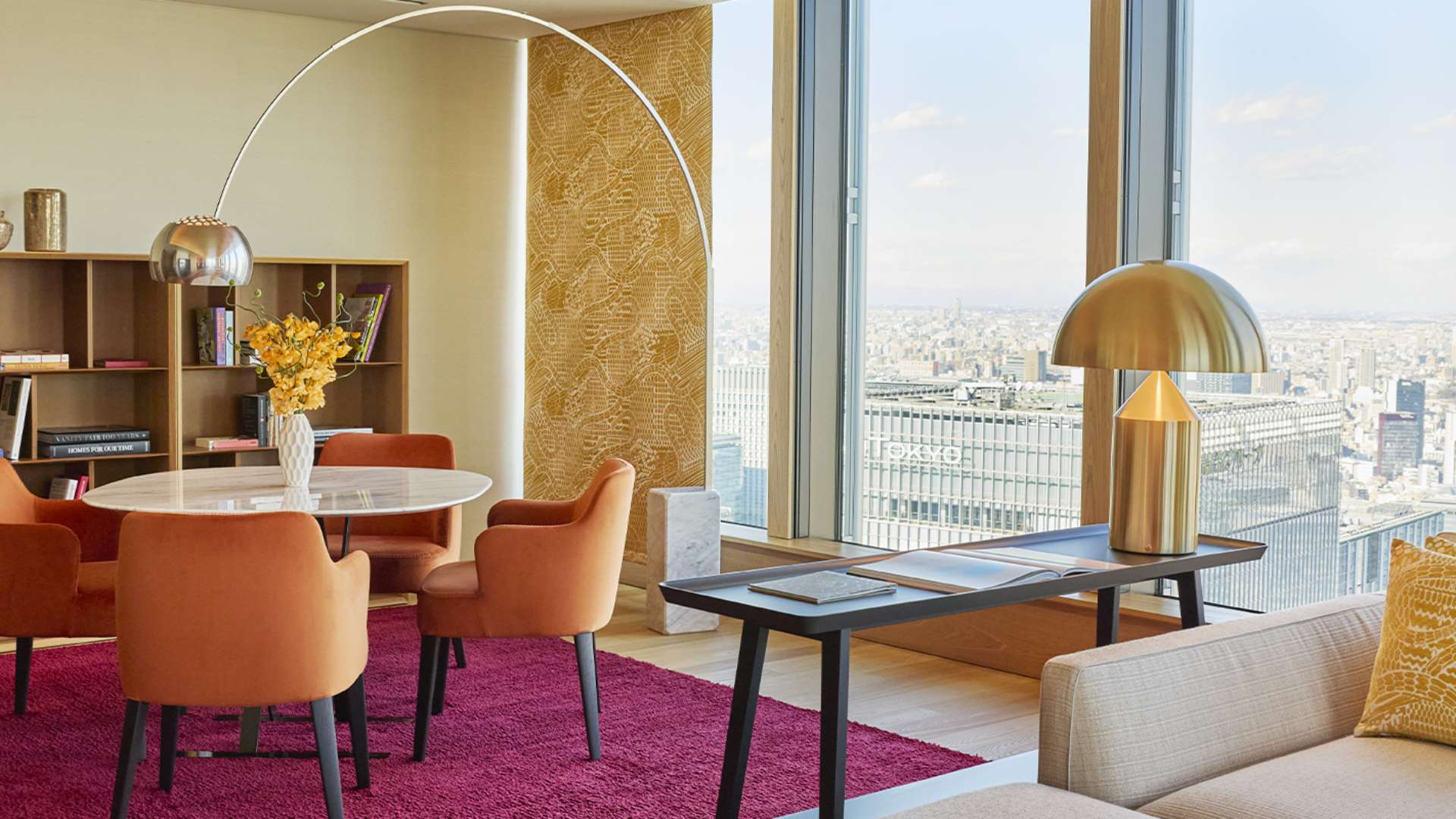
Refined and intimate, with a classic French-dining atmosphere.